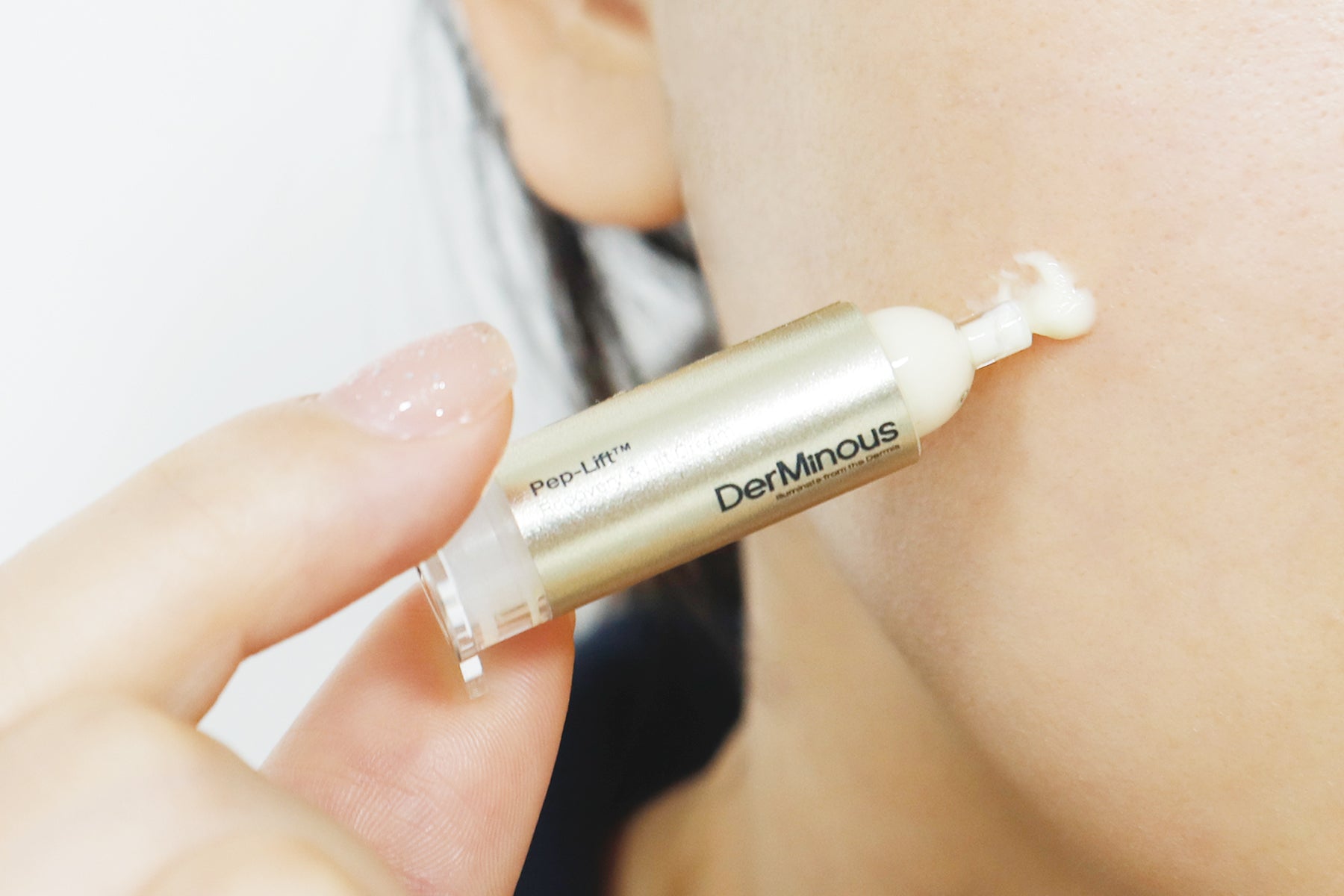
The Importance of Reinforcing the Skin Barrier Post-Treatment
In the rapidly evolving world of at-home skincare innovation, advanced treatments like microneedling and micro-infusion systems have transitioned from clinical settings into daily routines. While these technologies offer remarkable benefits—enhanced absorption, collagen stimulation, and visible anti-aging results—they also temporarily compromise the skin’s natural barrier. This makes post-treatment barrier reinforcement not just beneficial, but essential for optimal outcomes and long-term skin health. Understanding why and how to restore the skin barrier after procedures like those enabled by Derminous GeneLift™ is critical for both consumers and skincare professionals.
What Is the Skin Barrier?
The skin barrier, primarily composed of the stratum corneum—the outermost layer of the epidermis—functions as the body’s first line of defense against environmental aggressors, pathogens, and moisture loss. It consists of corneocytes (dead skin cells) embedded in a lipid matrix of ceramides, cholesterol, and fatty acids[1] . When intact, this barrier maintains hydration, prevents irritation, and supports immune function. However, any physical disruption—such as microneedling—creates micro-channels that, while beneficial for ingredient delivery, also increase transepidermal water loss (TEWL) and susceptibility to inflammation or infection[2] .


Why Post-Treatment Barrier Support Is Non-Negotiable
Microneedling devices, including the 24K gold-plated micro-infusion tips used in systems like Derminous GeneLift™, work by creating controlled micro-injuries to stimulate the skin’s regenerative response. These micro-channels allow active ingredients like PDRN (Polydeoxyribonucleotide), peptides, and niacinamide to penetrate deeper than topical application alone would permit. Yet, this same mechanism leaves the skin vulnerable in the immediate aftermath.
Without proper post-procedure care:
- The skin may experience prolonged redness, dryness, or stinging.
- Risk of bacterial contamination increases due to open micro-channels.
- The intended benefits of the treatment—collagen synthesis, brightening, firming—can be undermined by inflammation or barrier dysfunction[3] .
Clinical studies confirm that barrier recovery typically takes 24–72 hours after microneedling, depending on needle depth and individual skin resilience[4] . During this window, strategic use of soothing, hydrating, and barrier-repairing ingredients is paramount.


Key Ingredients That Accelerate Barrier Recovery
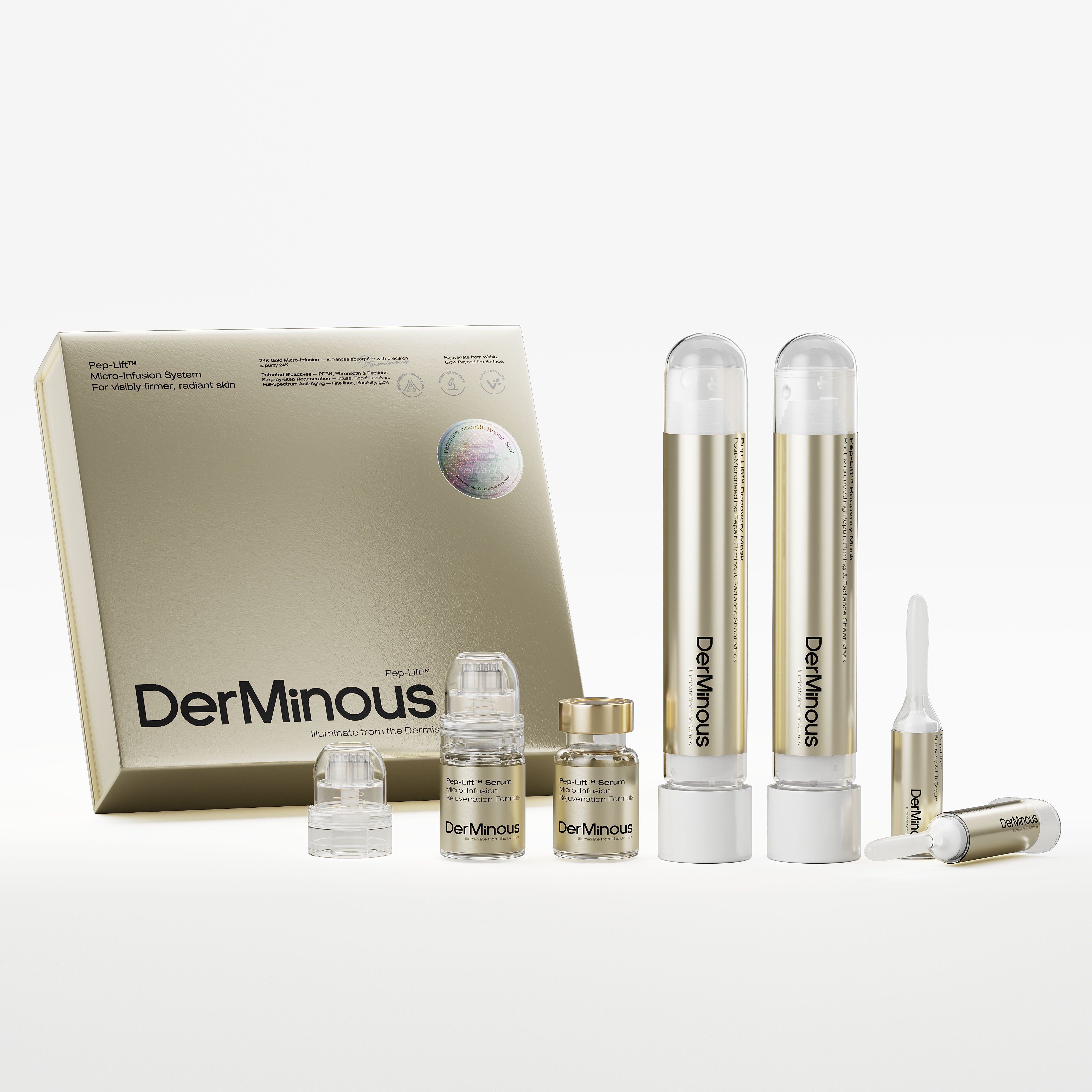
Modern post-treatment formulations prioritize ingredients that mimic or replenish the skin’s natural lipid structure while calming inflammation. In the Derminous GeneLift™ system, three core components work synergistically:
-
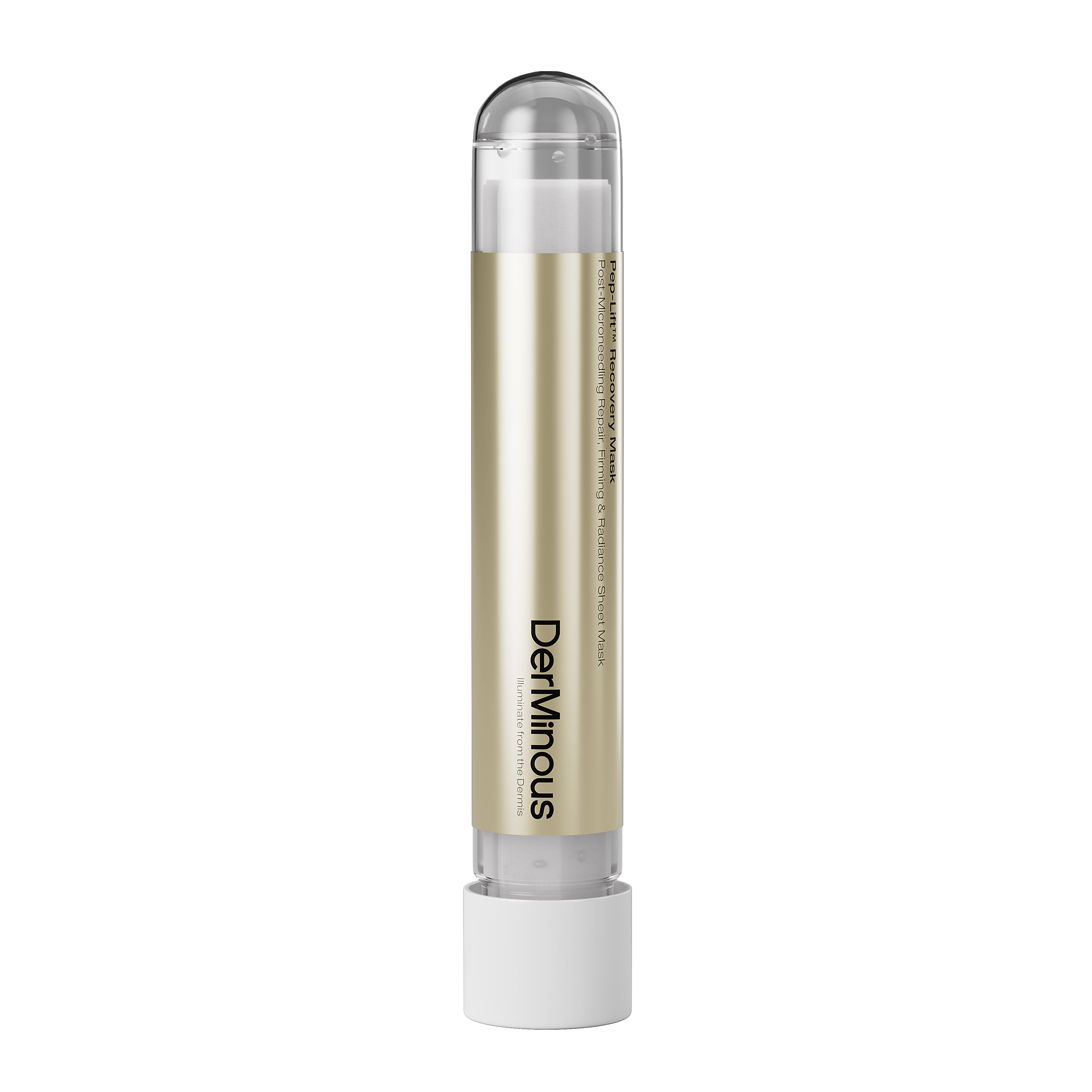
Recombinant Fibronectin & PDRN: Found in both the serum and repair mask, PDRN (a DNA-derived compound) accelerates tissue regeneration and reduces inflammation by activating the A2A adenosine receptor pathway[5] . Fibronectin supports extracellular matrix reorganization, crucial for structural integrity post-injury.
-
Panthenol (Provitamin B5) & Allantoin: These humectants and soothing agents in the Post-Treatment Repair Mask enhance hydration, reduce erythema, and promote keratinocyte migration for faster healing[6] .
-
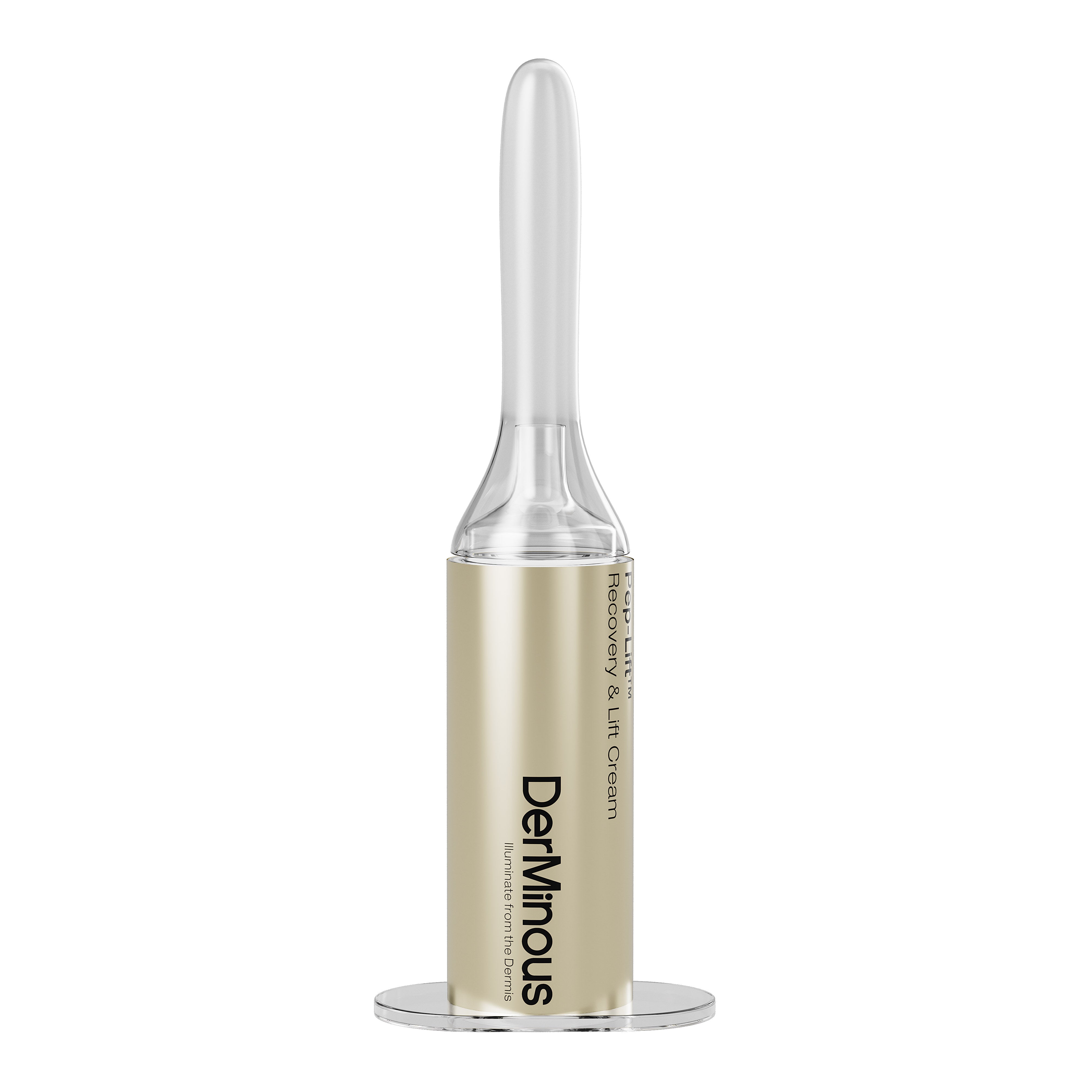
Ceramide-Mimicking Lipids & Squalane: The Recovery & Lift Cream includes squalane and plant-derived sterols that reinforce the lipid bilayer, minimizing TEWL and restoring suppleness without clogging pores.
Notably, the formulation avoids common irritants like alcohol, synthetic fragrances, and essential oils—making it suitable even for sensitive or reactive skin types.
The Four-Step Ritual: A Model for Effective Post-Treatment Care
Derminous’ approach exemplifies best practices in post-microneedling care through its structured four-phase protocol:
- Micro-Infusion Activation: The 24K gold-coated needles (known for biocompatibility and antimicrobial properties[7] ) create precise micro-channels with minimal trauma.
- Active Delivery: High-potency serum—featuring patented niacinamide (ZL2020116206743) and Syn-Ake-like peptides—penetrates deeply to target wrinkles and dullness.
- Immediate Soothing: The chilled repair mask delivers instant cooling, reducing inflammation while delivering barrier-supportive oligopeptides and hyaluronic acid.
- Sealing & Nourishing: The final cream locks in actives and provides occlusive protection during the critical recovery phase.
This ritual mirrors professional protocols used in dermatology clinics but is adapted for safe, effective home use—a key differentiator in the booming DTC (direct-to-consumer) aesthetic market.
Scientific Backing and Consumer Outcomes
User feedback and clinical observations align with dermatological principles: consistent post-treatment barrier support leads to:
- Reduced downtime (often zero with proper care)
- Enhanced efficacy of active ingredients
- Lower incidence of post-inflammatory hyperpigmentation (PIH), especially in Fitzpatrick skin types III–VI[8]
A 2023 review in Dermatologic Surgery emphasized that “post-procedure skincare is as critical as the procedure itself” for achieving predictable, safe outcomes in minimally invasive treatments[9] . Brands that integrate science-backed recovery steps—like Derminous—position themselves not just as product vendors, but as holistic skincare partners.
Practical Tips for Consumers
For those using at-home micro-infusion systems:
- Always perform a patch test before full-face application, especially if prone to sensitivity.
- Refrigerate the repair mask prior to use for enhanced vasoconstriction and comfort.
- Avoid sun exposure and makeup for 24 hours post-treatment to prevent irritation and clogged micro-channels.
- Use the entire system as designed—skipping the recovery cream or mask compromises results.
Moreover, consistency matters: using the system every two weeks (as recommended) allows cumulative benefits while giving the barrier adequate time to fully recover between sessions.
Conclusion: Barrier Health = Long-Term Radiance
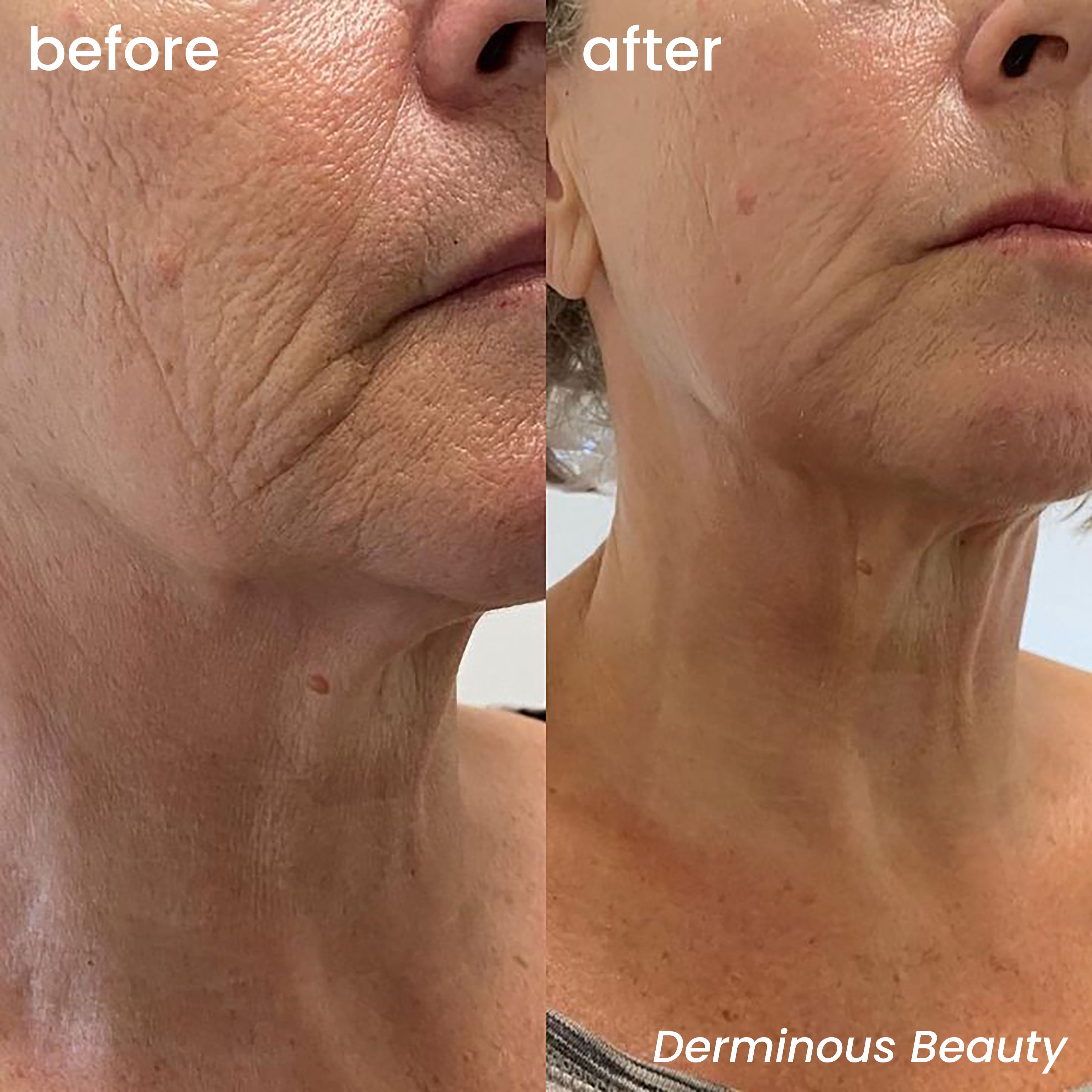
True skin transformation isn’t just about dramatic before-and-after photos—it’s about sustainable, resilient skin that functions optimally over time. The temporary disruption caused by advanced delivery systems like Derminous GeneLift™ is a calculated trade-off: short-term vulnerability for long-term renewal. But this equation only balances when post-treatment care is prioritized.
By reinforcing the skin barrier with intelligent, clinically inspired formulations, users don’t just heal—they thrive. As the line between medical aesthetics and home care continues to blur, the brands that champion skin health—not just surface-level beauty—will lead the next generation of skincare innovation.
Footnotes
-
"Stratum Corneum." Wikipedia, https://en.wikipedia.org/wiki/Stratum_corneum↩
-
Lee, J. H., et al. "Transepidermal Water Loss After Microneedling: A Quantitative Assessment." Journal of Cosmetic Dermatology, 2021. https://doi.org/10.1111/jocd.14022↩
-
Aust, M. C., et al. "Microneedling: A Review of Clinical Applications and Safety." Dermatologic Surgery, 2020. https://doi.org/10.1097/DSS.0000000000002341↩
-
El-Domyati, M., et al. "Assessment of Skin Barrier Function Recovery After Fractional Microneedling Radiofrequency." Lasers in Surgery and Medicine, 2019. https://doi.org/10.1002/lsm.23055↩
-
Kim, W. K., et al. "PDRN Promotes Wound Healing via Adenosine A2A Receptor Activation." Wound Repair and Regeneration, 2016. https://doi.org/10.1111/wrr.12412↩
-
Proksch, E., et al. "The Role of Panthenol in Skin Protection and Epidermal Barrier Repair." Skin Pharmacology and Physiology, 2008. https://doi.org/10.1159/000139976↩
-
"Gold in Medicine: Properties and Applications." National Center for Biotechnology Information (NCBI), https://www.ncbi.nlm.nih.gov/pmc/articles/PMC5579659/↩
-
Davis, E. C., & Callender, V. D. "Postinflammatory Hyperpigmentation: A Review of the Epidemiology, Clinical Features, and Treatment Options." Journal of Clinical and Aesthetic Dermatology, 2010. https://www.ncbi.nlm.nih.gov/pmc/articles/PMC2921758/↩
-
Fabbrocini, G., et al. "Home-Use Microneedling Devices: Efficacy, Safety, and Patient Compliance." Dermatologic Surgery, 2023. https://doi.org/10.1097/DSS.0000000000003789↩