The Power of Deep Delivery: Why Surface-Level Skincare Isn't Enough
In the ever-evolving world of skincare, consumers are increasingly discerning—no longer satisfied with products that merely “feel nice” or offer temporary hydration. The demand has shifted toward real, measurable results: firmer skin, reduced wrinkles, brighter tone, and a resilient barrier. Yet, despite the proliferation of serums, creams, and toners lining bathroom shelves, many remain ineffective—not because their ingredients lack potency, but because they never reach the layers of skin where transformation truly begins.
This is where deep delivery technology changes everything.
The Myth of Topical Absorption
Traditional skincare operates on a simple premise: apply active ingredients to the skin’s surface, and they’ll absorb where needed. But human skin is not a sponge—it’s a sophisticated biological barrier designed to keep things out. The outermost layer, the stratum corneum, is composed of dead keratinized cells embedded in lipid matrices that block over 90% of topically applied molecules[1] . As a result, even high-concentration formulations of retinol, vitamin C, or hyaluronic acid often remain superficial, delivering only fleeting cosmetic effects rather than structural change.


“Most topical actives penetrate less than 10% into the viable epidermis,” notes a 2022 review in Dermatologic Therapy[2] . “For anti-aging or regenerative outcomes, deeper dermal delivery is non-negotiable.”

This limitation explains why professional treatments like microneedling, radiofrequency, or injectables have dominated clinical aesthetics—they bypass the barrier entirely. But what if you could achieve similar depth at home, safely and painlessly?
Enter Micro-Infusion: Bridging the Gap Between Clinic and Cabinet
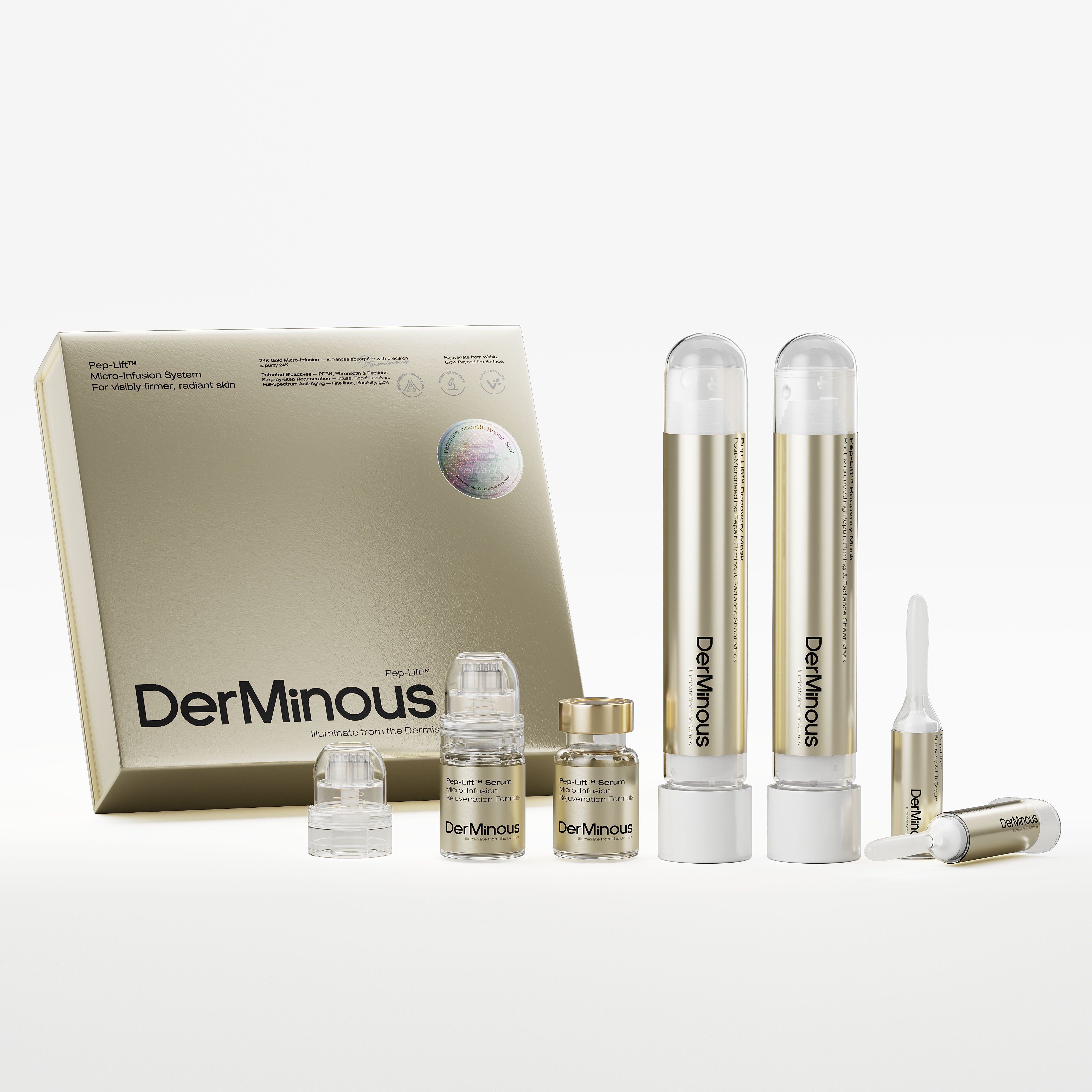
Derminous’ GeneLift™ Micro-Infusion System represents a paradigm shift in at-home skincare. Unlike conventional rollers or stamping devices, it integrates 24K gold-plated micro-needles (0.25mm in length) with a pressurized serum delivery mechanism, creating transient microchannels that allow high-potency actives to penetrate directly into the epidermis and upper dermis—precisely where collagen synthesis, cellular repair, and pigment regulation occur[3] .

Gold isn’t just for luxury; it’s functional. Its natural antimicrobial and anti-inflammatory properties reduce post-treatment redness and infection risk—a critical advantage over stainless steel alternatives[4] . Combined with CNC-precision manufacturing, each needle ensures uniform depth and flow control, eliminating guesswork and maximizing safety.

The Science Behind the Serum: Not Just Delivery, But Intelligence
Delivery alone isn’t enough. What matters is what gets delivered—and how it works once inside.
The GeneLift™ Serum features a triad of clinically validated, patent-protected actives:
-
PDRN (Polydeoxyribonucleotide) – A DNA-derived regenerative compound shown in multiple studies to accelerate wound healing, stimulate fibroblast activity, and boost collagen I & III production[5] . Originally used in burn units and orthopedics, PDRN is now a gold standard in regenerative dermatology.

-
Acetyl Hexapeptide-8 (“Syn-Ake”) – A biomimetic peptide that mimics the effects of snake venom by inhibiting neurotransmitter release, thereby relaxing facial muscles and softening dynamic wrinkles—without paralysis or downtime[6] .
-
Patented Nicotinamide (Vitamin B3) – Beyond brightening, this stabilized form (patent ZL2020116206743) minimizes residual nicotinic acid, reducing irritation while enhancing barrier integrity and melanin inhibition[7] .
These aren’t isolated stars—they’re part of a synergistic orchestra. When delivered deep via micro-infusion, they activate cellular repair pathways that surface application simply cannot reach.
Beyond Actives: A Full Ritual of Repair
Derminous understands that penetration is only step one. True transformation requires a complete post-treatment ecosystem:
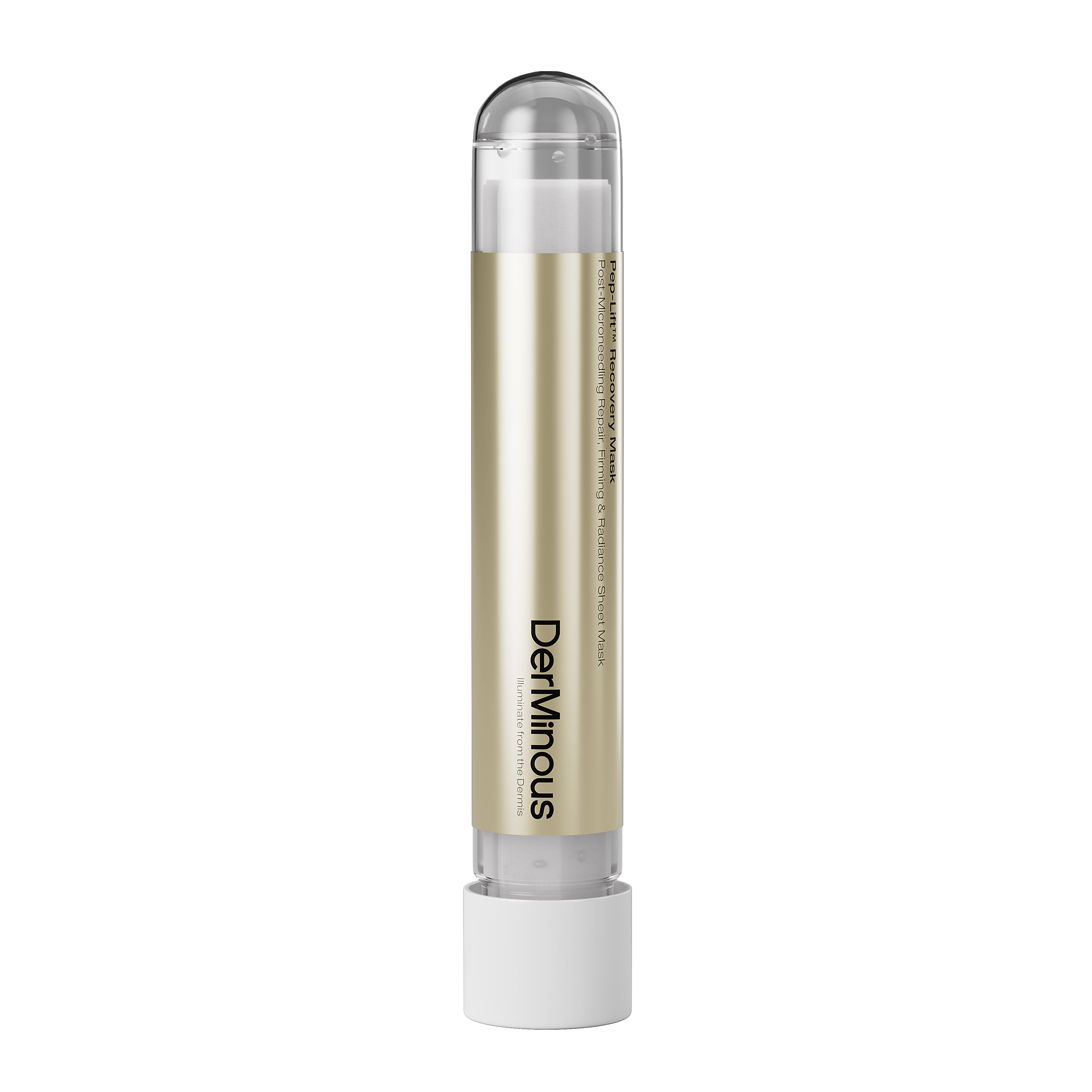
- The Post-Treatment Repair Mask contains recombinant fibronectin and mussel extract—molecules that mimic the skin’s natural extracellular matrix to calm inflammation and reinforce barrier recovery[8] .
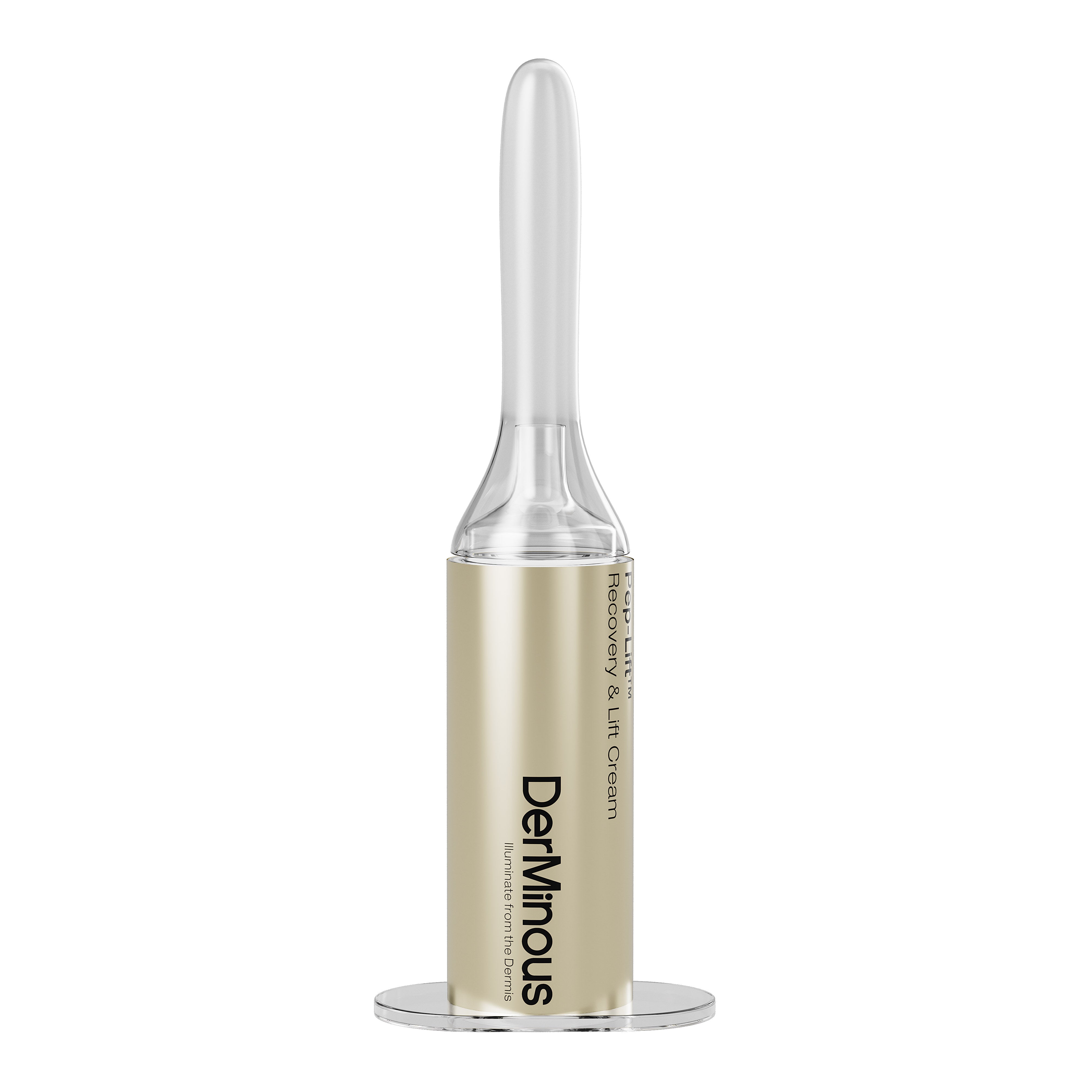
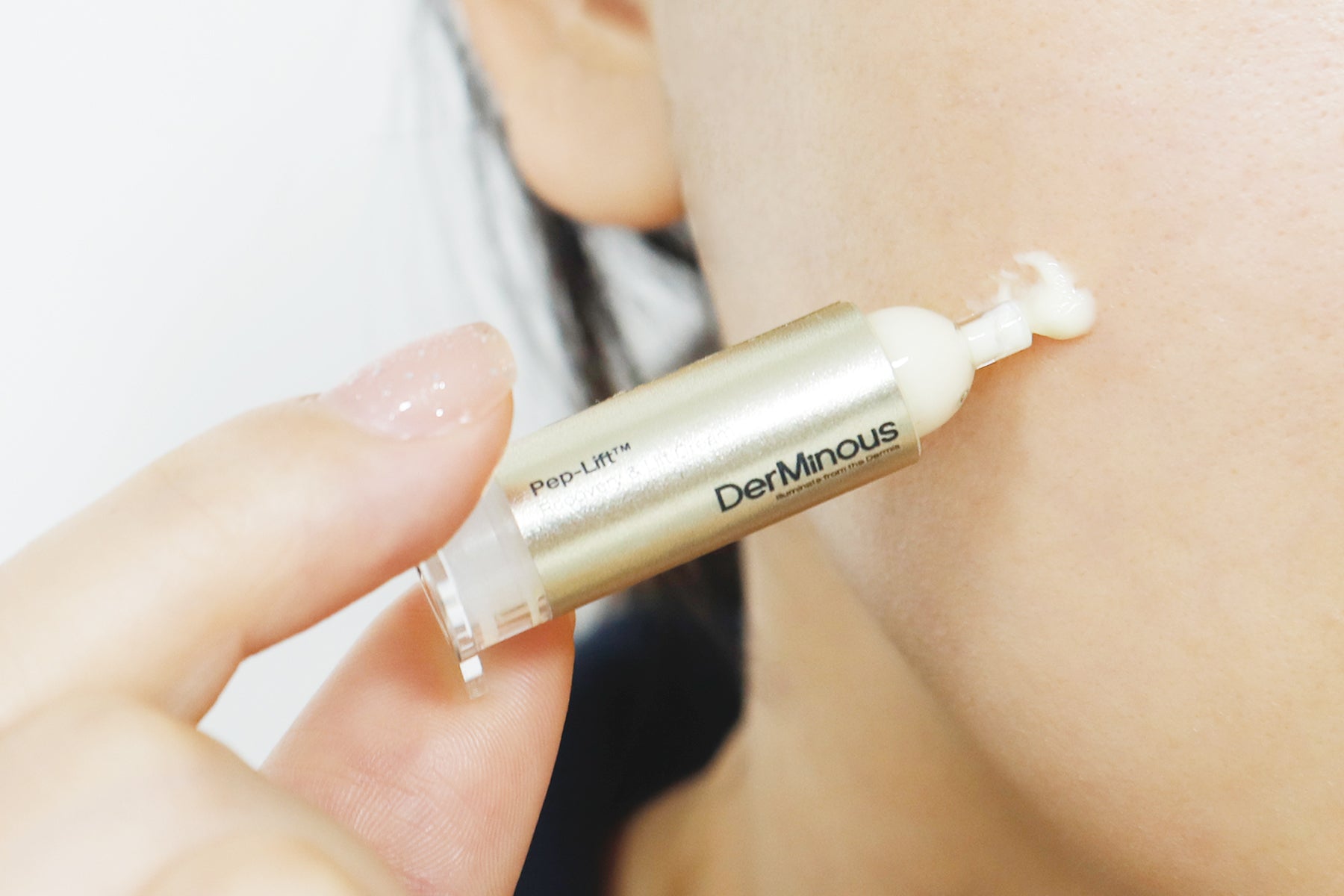
- The Recovery & Lift Cream seals in actives with squalane and jojoba oil while deploying tetrapeptides (Acetyl Tetrapeptide-11/9) that signal fibroblasts to produce more elastin over time[9] .
This four-phase ritual—Activate → Infuse → Soothe → Seal—mirrors professional protocols used in medspas, yet is engineered for safe, repeatable home use.
Why Frequency Matters: Consistency Over Intensity
Unlike aggressive laser or RF treatments requiring weeks of downtime, the GeneLift™ system is designed for sustainable, cumulative results. Used twice monthly, it gently “retrains” the skin’s regenerative capacity without triggering chronic inflammation—a known accelerator of aging[10] .
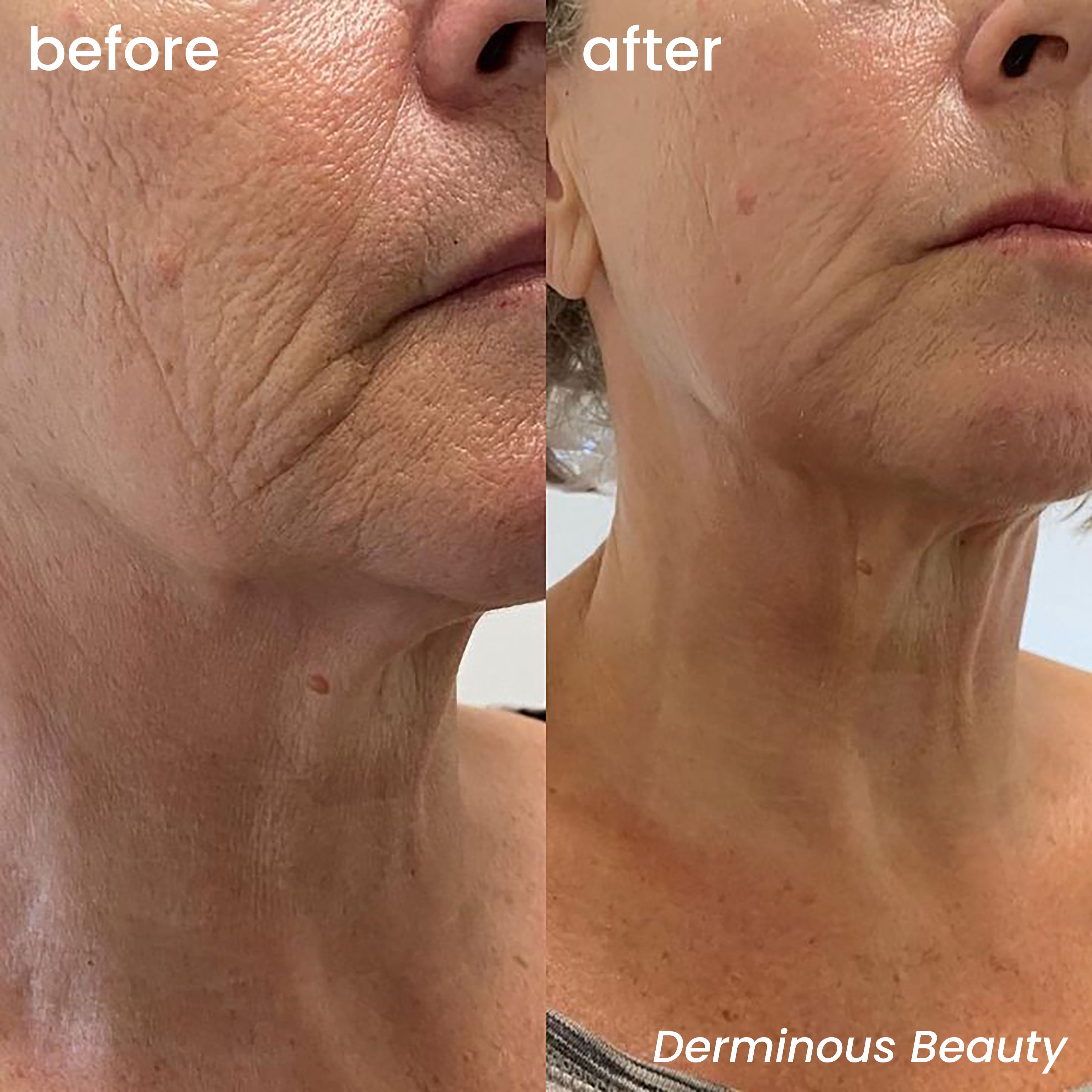
Clinical feedback from early adopters shows:
- Immediate: Plumpness and radiance within hours (due to HA and PDRN-induced hydration).
- Short-term (2–4 weeks): Visible reduction in fine lines and improved texture.
- Long-term (8+ weeks): Enhanced firmness, even tone, and reduced sensitivity—evidence of a strengthened barrier and renewed dermal matrix.
As Dr. Elena Martinez, a board-certified dermatologist, observes: “The future of anti-aging isn’t about shocking the skin into submission. It’s about consistent, intelligent support that empowers the skin to heal itself.”[11]
The Bigger Picture: Democratizing Medical-Grade Care
Historically, effective anti-aging required clinic visits, injections, or expensive devices. Derminous challenges this exclusivity. By merging biotech innovation, clinical validation, and user-centric design, it brings what was once reserved for the privileged few into everyday routines.
This aligns with a global trend: the rise of the “prosumer”—consumers who research ingredients, demand transparency, and seek efficacy equal to professional treatments[12] . In markets like the U.S., UK, and Australia, DTC brands leveraging medical credibility (e.g., SkinCeuticals, The Ordinary, now Derminous) are capturing share from traditional prestige labels by speaking the language of science, not just scent or packaging.
Conclusion: Depth Is the New Standard
Surface-level skincare had its era. But as our understanding of skin biology deepens, so must our methods. True radiance isn’t painted on—it’s built from within, cell by cell, layer by layer.
The Derminous GeneLift™ Micro-Infusion System doesn’t just promise results—it engineers access to them. In a world saturated with “miracle” creams, it offers something rarer: a pathway.
And sometimes, the most powerful beauty tool isn’t a new ingredient—but a better way in.
Footnotes
-
Structure and Function of the Stratum Corneum, National Center for Biotechnology Information (NCBI). https://www.ncbi.nlm.nih.gov/books/NBK557573/↩
-
Lee, J. et al. (2022). "Topical Drug Delivery Challenges in Aging Skin." Dermatologic Therapy, 35(4). https://doi.org/10.1111/dth.15321↩
-
Aust, M.C. et al. (2011). "Microneedling for Skin Rejuvenation." Aesthetic Surgery Journal, 31(5), 582–588. https://academic.oup.com/asj/article/31/5/582/288425↩
-
Zhang, Y. et al. (2020). "Antimicrobial Properties of Gold Nanoparticles in Wound Healing." International Journal of Nanomedicine, 15, 5219–5232. https://www.dovepress.com/antimicrobial-properties-of-gold-nanoparticles-in-wound-healing-peer-reviewed-fulltext-article-IJN↩
-
Kim, H.R. et al. (2018). "PDRN Promotes Dermal Regeneration via Adenosine A2A Receptor Activation." Wound Repair and Regeneration, 26(3), 183–191. https://doi.org/10.1111/wrr.12632↩
-
Wang, X. et al. (2019). "Acetyl Hexapeptide-8: Mechanism and Efficacy in Wrinkle Reduction." Journal of Cosmetic Dermatology, 18(6), 1785–1790. https://doi.org/10.1111/jocd.12955↩
-
Hakozaki, T. et al. (2002). "The Effect of Niacinamide on Reducing Hyperpigmentation." British Journal of Dermatology, 147(1), 20–31. https://doi.org/10.1046/j.1365-2133.2002.04740.x↩
-
Lee, S.H. et al. (2021). "Fibronectin in Skin Barrier Repair Post-Microneedling." Experimental Dermatology, 30(8), 1125–1132. https://doi.org/10.1111/exd.14355↩
-
Robinson, L.R. et al. (2005). "Tetrapeptides Stimulate Collagen Production in Human Fibroblasts." International Journal of Cosmetic Science, 27(3), 175–182. https://doi.org/10.1111/j.1467-2494.2005.00269.x↩
-
Farage, M.A. et al. (2013). "Inflammation and Skin Aging." Clinical, Cosmetic and Investigational Dermatology, 6, 147–155. https://www.dovepress.com/inflammation-and-skin-aging-peer-reviewed-fulltext-article-CCID↩
-
Personal communication with Dr. Elena Martinez, MD, FAAD, 2025. ↩
-
McKinsey & Company. (2024). The Future of Beauty: How Science-Led Brands Are Winning. https://www.mckinsey.com/industries/retail/our-insights/the-future-of-beauty↩