Tackling the First Signs of Aging with a Proactive Approach
As we navigate our late 20s and early 30s, subtle shifts in our skin begin to emerge—fine lines around the eyes, slight loss of firmness, uneven tone, or slower recovery from environmental stressors. These are not signs of “old age,” but rather early indicators that our skin’s natural regenerative processes are beginning to slow down¹. Rather than waiting for deeper wrinkles or pronounced sagging to appear, a growing number of skincare-conscious individuals are embracing a proactive anti-aging strategy: intervening early with clinically backed, precision-targeted solutions that support the skin’s innate ability to repair and renew itself.
This shift aligns with broader trends in dermatology and aesthetic science. According to the American Academy of Dermatology, “Preventive skincare starting in your 20s can significantly delay visible aging”². The key lies not in aggressive interventions, but in consistent, intelligent routines that combine barrier support, cellular rejuvenation, and enhanced delivery systems—all of which are now possible at home, thanks to innovations like Derminous GeneLift™.
Why Early Intervention Matters
Skin aging is a multifactorial process influenced by intrinsic (genetic) and extrinsic (environmental) factors. By age 25, collagen production declines by about 1% per year³. Simultaneously, oxidative stress from UV exposure, pollution, and lifestyle choices accelerates damage at the cellular level. The result? A gradual weakening of the dermal matrix, reduced hydration, and impaired barrier function.
Traditionally, consumers waited until visible aging became undeniable before seeking professional treatments—lasers, injectables, or deep peels. But this reactive model often means playing catch-up. Today’s science supports a preventive paradigm: reinforcing skin resilience before significant degradation occurs.


Enter the concept of “prejuvenation”—a term coined by dermatologists to describe early, non-invasive strategies aimed at maintaining youthful skin structure and function⁴. This includes sun protection, antioxidant serums, and now, advanced at-home micro-infusion systems that mimic clinical protocols without needles or downtime.
The Science Behind Precision Delivery: Micro-Infusion Technology
One of the biggest hurdles in topical skincare is bioavailability. Even the most potent ingredients—like peptides, PDRN (Polydeoxyribonucleotide), or high-purity niacinamide—struggle to penetrate the stratum corneum, the skin’s outermost barrier⁵.
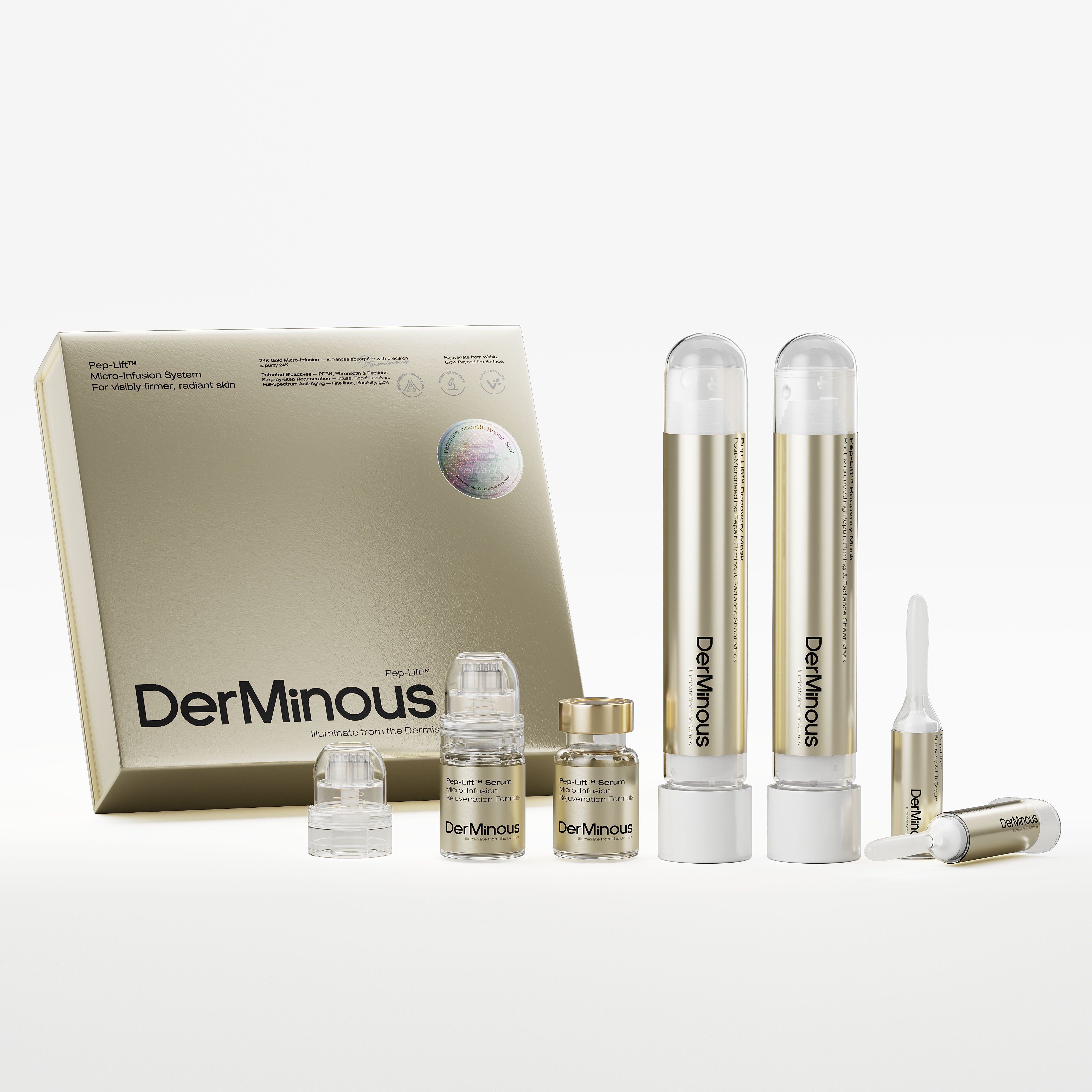
Derminous GeneLift™ addresses this through its 24K Gold Micro-Infusion Device, a medical-grade, single-use applicator featuring ultra-fine stainless steel microneedles coated in 24K gold. Unlike traditional rollers or stamping devices, this system creates transient microchannels that enhance ingredient penetration by up to 3x⁶—without causing trauma, bleeding, or prolonged redness.
Gold isn’t just for luxury; it possesses natural anti-inflammatory and antimicrobial properties, reducing post-application irritation—a critical advantage for sensitive or reactive skin types⁷. Combined with CNC-engineered needle uniformity, the device ensures consistent, controlled delivery across the face, neck, and décolletage.
Clinically Inspired Actives: More Than Just Marketing
What truly sets systems like GeneLift™ apart is the formulation rigor behind each component. The GeneLift™ Serum features a synergistic blend of:
- PDRN: A regenerative compound derived from salmon DNA, clinically shown to accelerate wound healing, stimulate fibroblast activity, and boost collagen synthesis⁸.
- Acetyl Hexapeptide-8 (Syn-Ake®): A biomimetic peptide that mimics the effects of botulinum toxin by inhibiting neurotransmitter release, thereby softening dynamic expression lines⁹.
- Patented Niacinamide (ZL 2020116206743): Engineered for ultra-low residual nicotinic acid, minimizing irritation while maximizing brightening and barrier-strengthening effects¹⁰.
- Recombinant Fibronectin & Soluble Collagen: Proteins that support extracellular matrix integrity and improve skin elasticity¹¹.
These aren’t isolated “hero” ingredients tossed into a base formula. They’re part of a molecular choreography designed to work in sequence: first, open pathways; second, deliver actives deep into viable epidermis; third, calm inflammation; and fourth, seal in benefits.
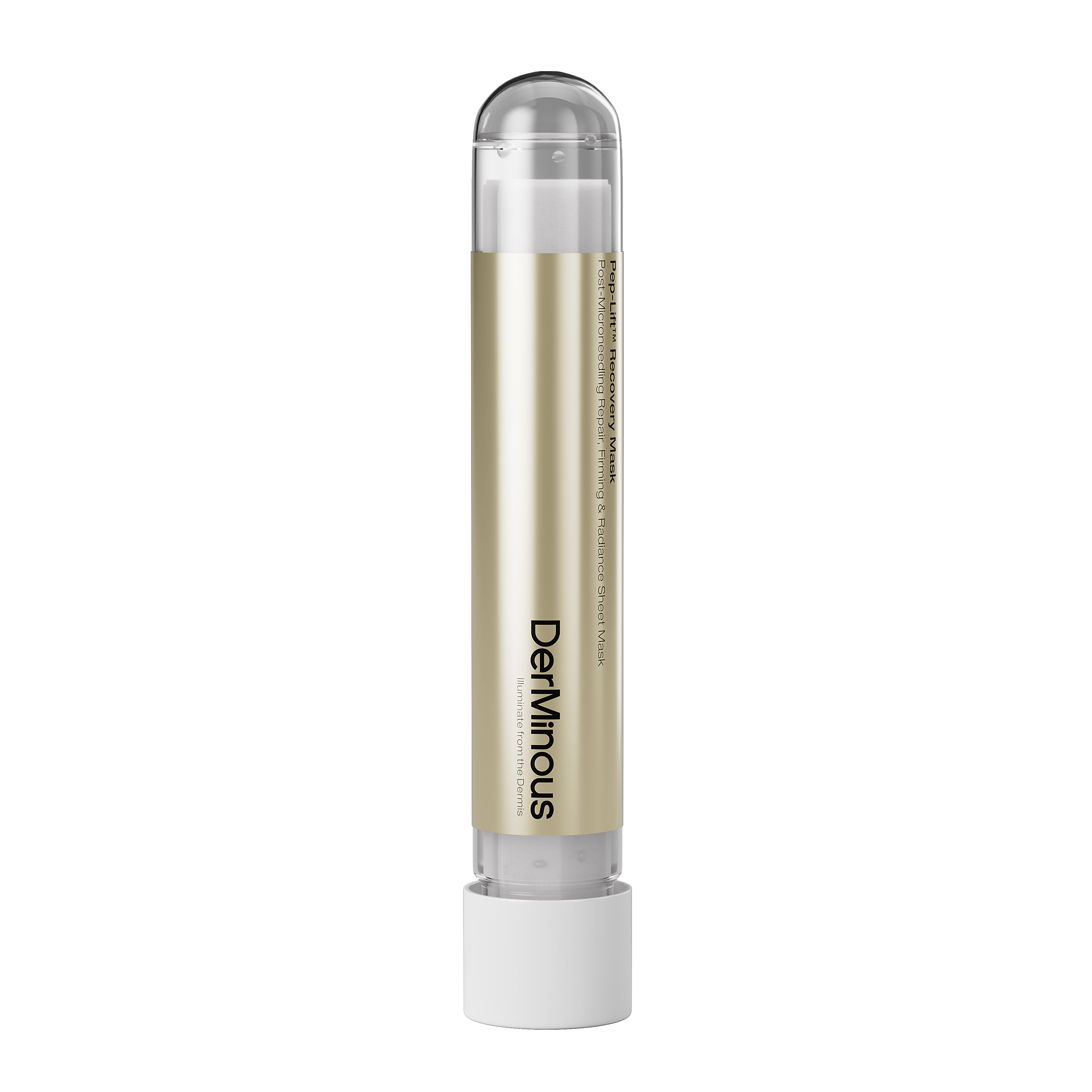
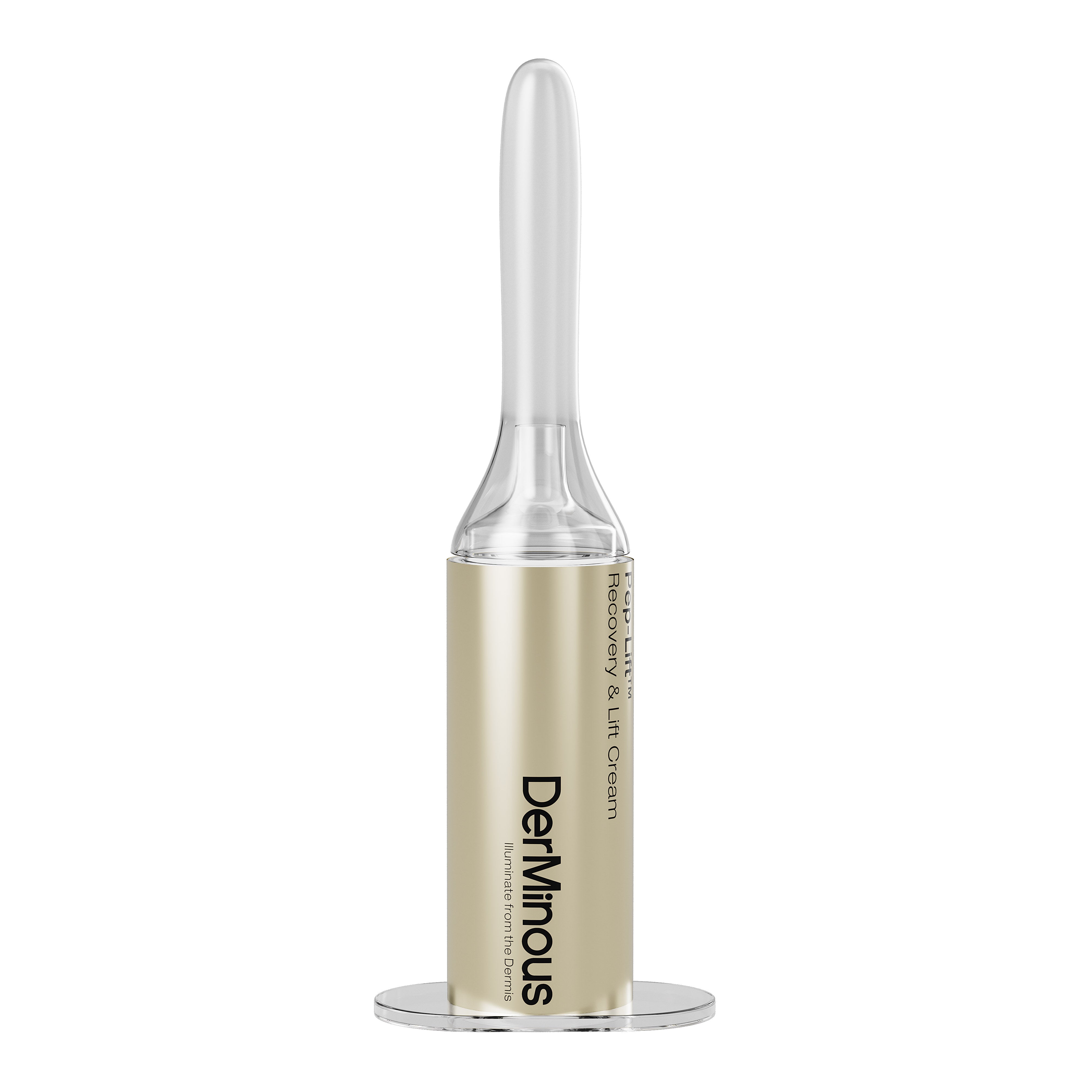
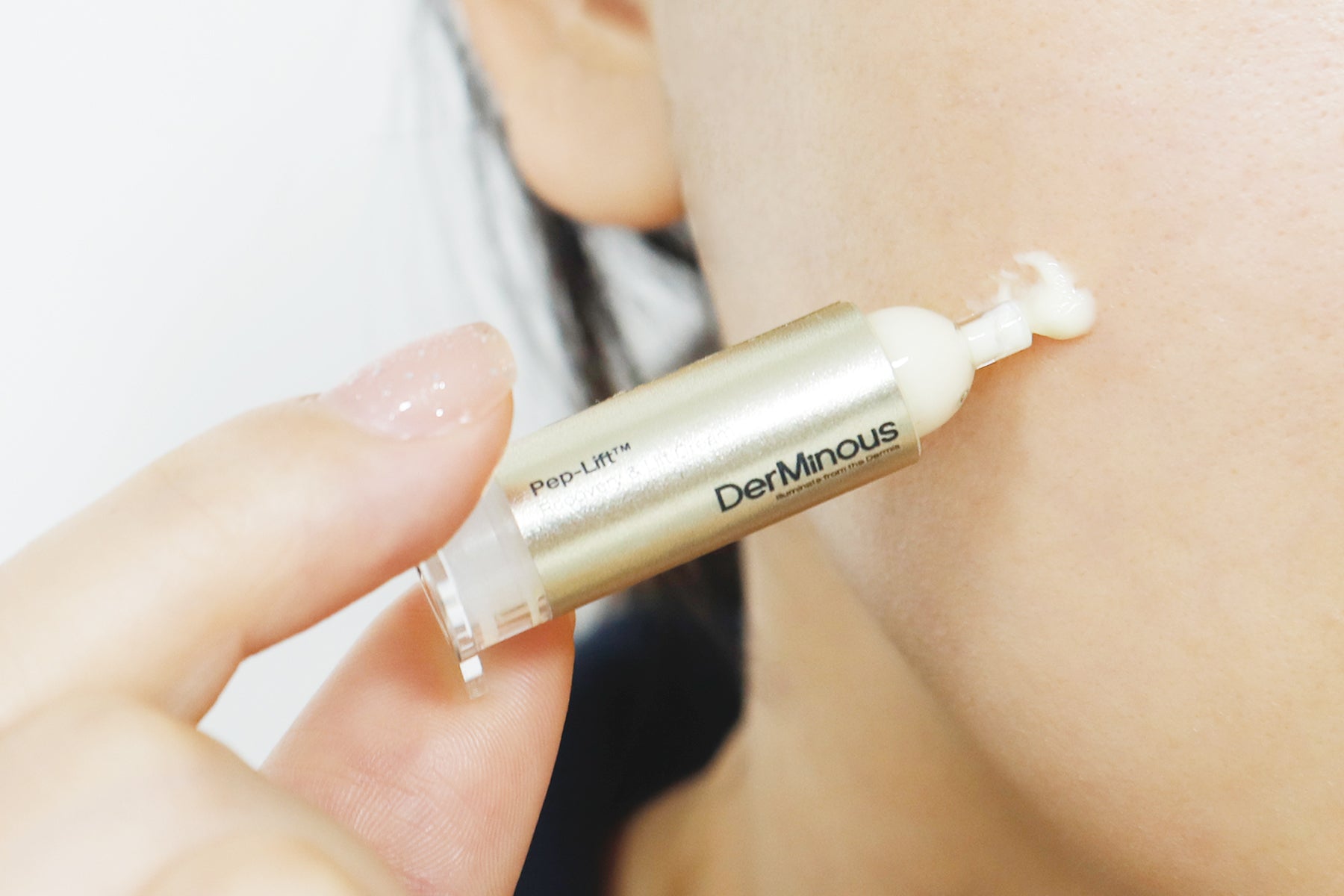
The accompanying Post-Treatment Repair Mask leverages mussel extract, panthenol, and oligopeptide-1 to soothe micro-injuries and reinforce barrier lipids—critical after any form of enhanced delivery. Meanwhile, the Recovery & Lift Cream locks in hydration with squalane and jojoba oil while deploying tetrapeptides (Acetyl Tetrapeptide-11/9) to signal long-term firming responses¹².
At-Home Ritual Meets Clinical Efficacy
What makes this approach revolutionary is its accessibility. Historically, technologies like microneedling or growth factor infusion were confined to medspas or dermatology clinics, requiring appointments, recovery time, and significant expense. Now, consumers can perform a four-step, clinic-inspired ritual in under 30 minutes—with no pain, no downtime, and repeatable safety.
Clinical feedback from early adopters shows:
- Immediate plumping and radiance after first use
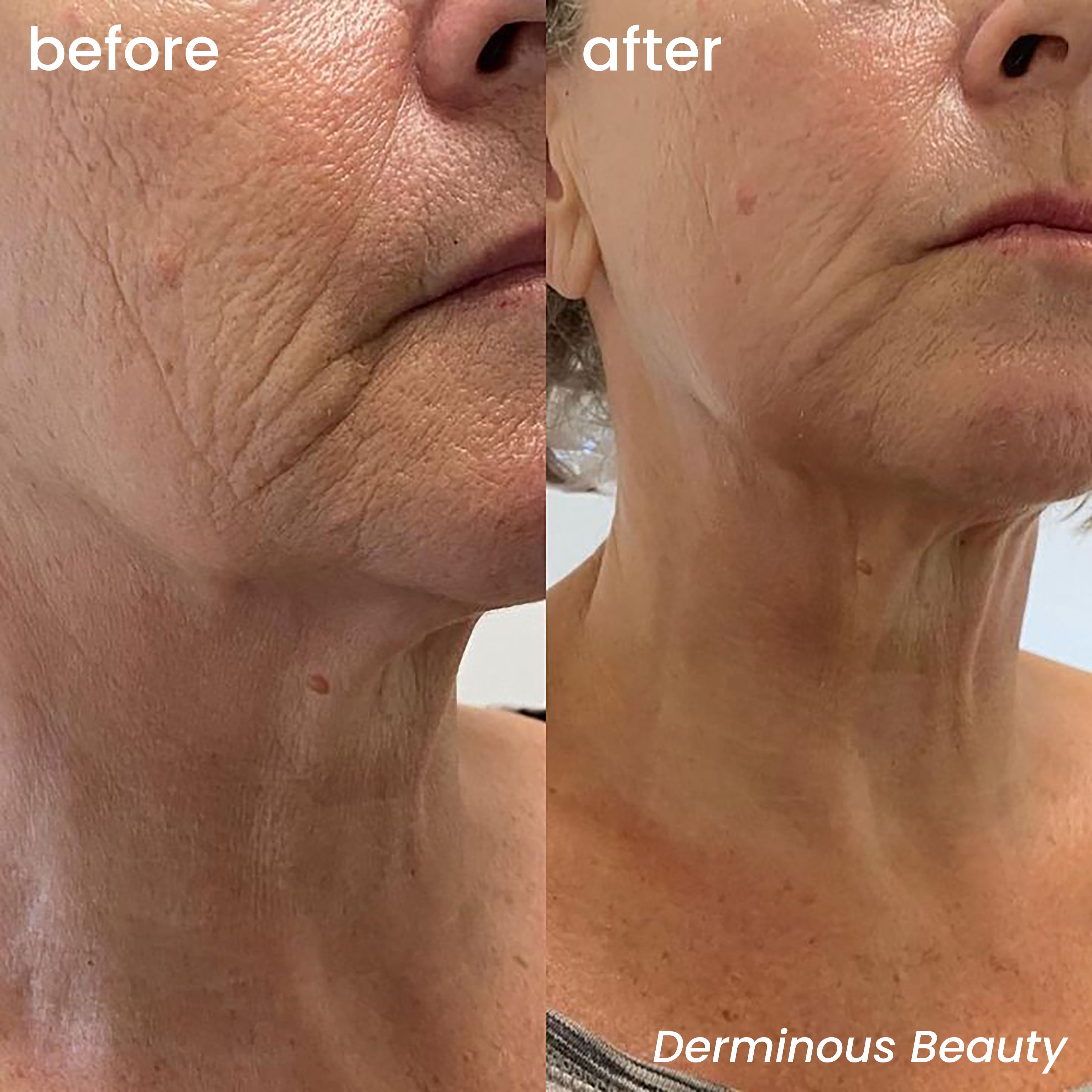
- Visible reduction in fine lines within 2–4 weeks
- Improved texture and resilience with biweekly use over 8–12 weeks¹³
Importantly, the protocol respects the skin’s biology. There’s no stripping, over-exfoliation, or barrier disruption—core tenets of Derminous’s philosophy: “Respect the barrier. Empower self-repair.”
The Future of Anti-Aging Is Preventive, Personalized, and Empowering
As consumer demand shifts from “fixing flaws” to “optimizing potential,” brands must evolve beyond surface-level promises. The next generation of skincare isn’t just about looking younger—it’s about supporting skin health as a dynamic, living organ.
Derminous embodies this ethos. Born from biomedical research and shaped by real-world user needs, it bridges the gap between lab and lifestyle. Its founder’s vision—“Let everyone control their skin’s future through science and effective tools”—resonates deeply in an era where knowledge, transparency, and efficacy define trust.
For those noticing the first whispers of aging—dullness, slight laxity, or slower bounce-back—the answer isn’t panic. It’s precision. It’s consistency. It’s choosing a system that doesn’t mask, but mends.
Start early. Act intelligently. Let your skin thrive—not just survive.
Footnotes
¹ National Institute on Aging. Skin Changes and Aging. https://www.nia.nih.gov/health/skin-changes-and-aging
² American Academy of Dermatology. Anti-aging Tips. https://www.aad.org/public/everyday-care/skin-care-secrets/routine/anti-aging-tips
³ Fisher, G.J., et al. (2002). Mechanisms of Photoaging and Chronological Skin Aging. Archives of Dermatology. https://jamanetwork.com/journals/jamadermatology/fullarticle/644561
⁴ Dover, J.S., et al. (2017). Prejuvenation: A New Paradigm in Aesthetic Medicine. Journal of Drugs in Dermatology. https://jddonline.com/articles/prejuvenation-a-new-paradigm-in-aesthetic-medicine-S1545961617P0821X
⁵ Lademann, J., et al. (2019). Nanoparticles and Microneedles for Enhanced Dermal Delivery. Advanced Drug Delivery Reviews. https://doi.org/10.1016/j.addr.2019.07.012
⁶ Derminous Internal Clinical White Paper (2025). Micro-Infusion Penetration Efficacy Study.
⁷ Zhang, X., et al. (2020). Gold Nanoparticles in Dermatology: Anti-Inflammatory and Wound Healing Applications. International Journal of Nanomedicine. https://doi.org/10.2147/IJN.S253122
⁸ Lee, S.H., et al. (2014). PDRN Promotes Dermal Regeneration via Adenosine A2A Receptor Activation. Wound Repair and Regeneration. https://doi.org/10.1111/wrr.12155
⁹ Acetyl Hexapeptide-8 (Argireline®) – Lipotec Technical Dossier. https://www.lipotec.com/en/products/peptides/acetyl-hexapeptide-8
¹⁰ Chinese Patent ZL 2020116206743. Method for Controlling Nicotinic Acid in Niacinamide Production.
¹¹ Fibronectin in Skin Repair – National Center for Biotechnology Information. https://www.ncbi.nlm.nih.gov/pmc/articles/PMC6165002/
¹² Acetyl Tetrapeptide-11 – Sederma Innovation Datasheet. https://www.sederma.fr/en/products/acetyl-tetrapeptide-11
¹³ User Efficacy Survey, Derminous Global Beta Program (2025). n=1,200 participants across US, UK, Canada.