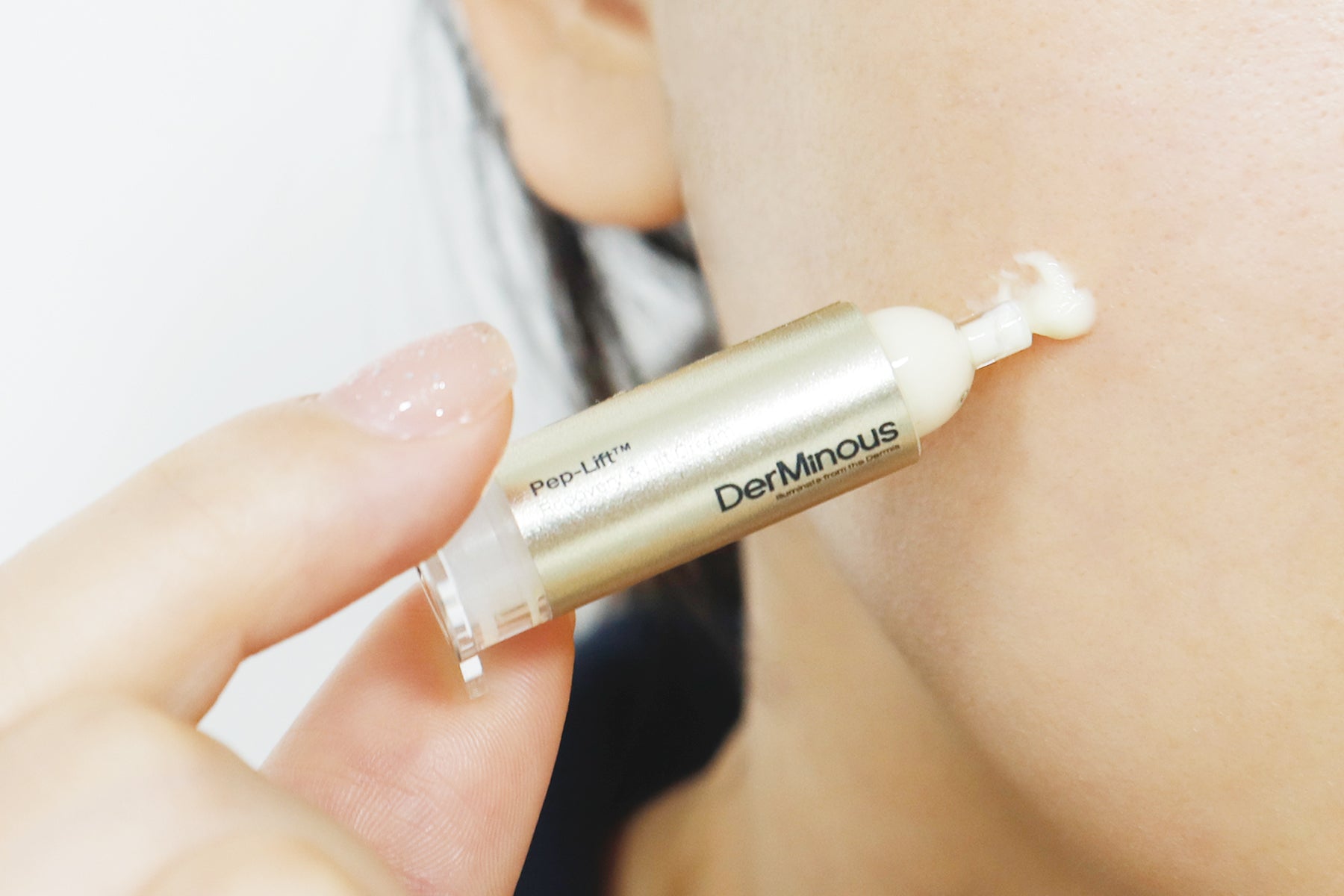
A Comparison: Needle Rollers vs. Derminous Stamp Method
In the ever-evolving world of at-home skincare, microneedling has emerged as a popular method for enhancing skin texture, reducing fine lines, and improving product absorption. However, not all microneedling devices are created equal. Two dominant approaches have surfaced in recent years: traditional needle rollers and the newer stamp-style microneedling systems, such as the Derminous GeneLift™ Micro-Infusion System. While both aim to stimulate collagen production and enhance topical delivery, their mechanisms, safety profiles, efficacy, and user experience differ significantly. This article explores these differences in depth, helping consumers make informed decisions about which method best suits their skincare goals.
Understanding Traditional Needle Rollers
Needle rollers—often referred to as derma rollers—are handheld devices covered with hundreds of tiny stainless steel or titanium needles arranged in a cylindrical pattern. When rolled across the skin, these needles create micro-injuries that trigger the body’s natural healing response, promoting collagen and elastin synthesis[1] . Originally developed for clinical use in treating scars and stretch marks, derma rollers gained popularity in the early 2010s as affordable at-home tools.

However, needle rollers come with notable limitations:
- Inconsistent penetration depth: Rolling motion often leads to uneven pressure, causing some areas to be over-punctured while others remain untreated.
- Risk of cross-contamination: Reusing non-sterile rollers can introduce bacteria into freshly opened micro-channels.
- Higher trauma potential: The dragging motion may cause micro-tearing rather than clean punctures, increasing inflammation and recovery time[2] .
According to a 2020 review published in Dermatologic Surgery, inconsistent needle depth and improper technique are leading causes of adverse effects like hyperpigmentation and scarring—especially in darker skin tones[3] .
The Rise of the Stamp Method: Precision Meets Safety
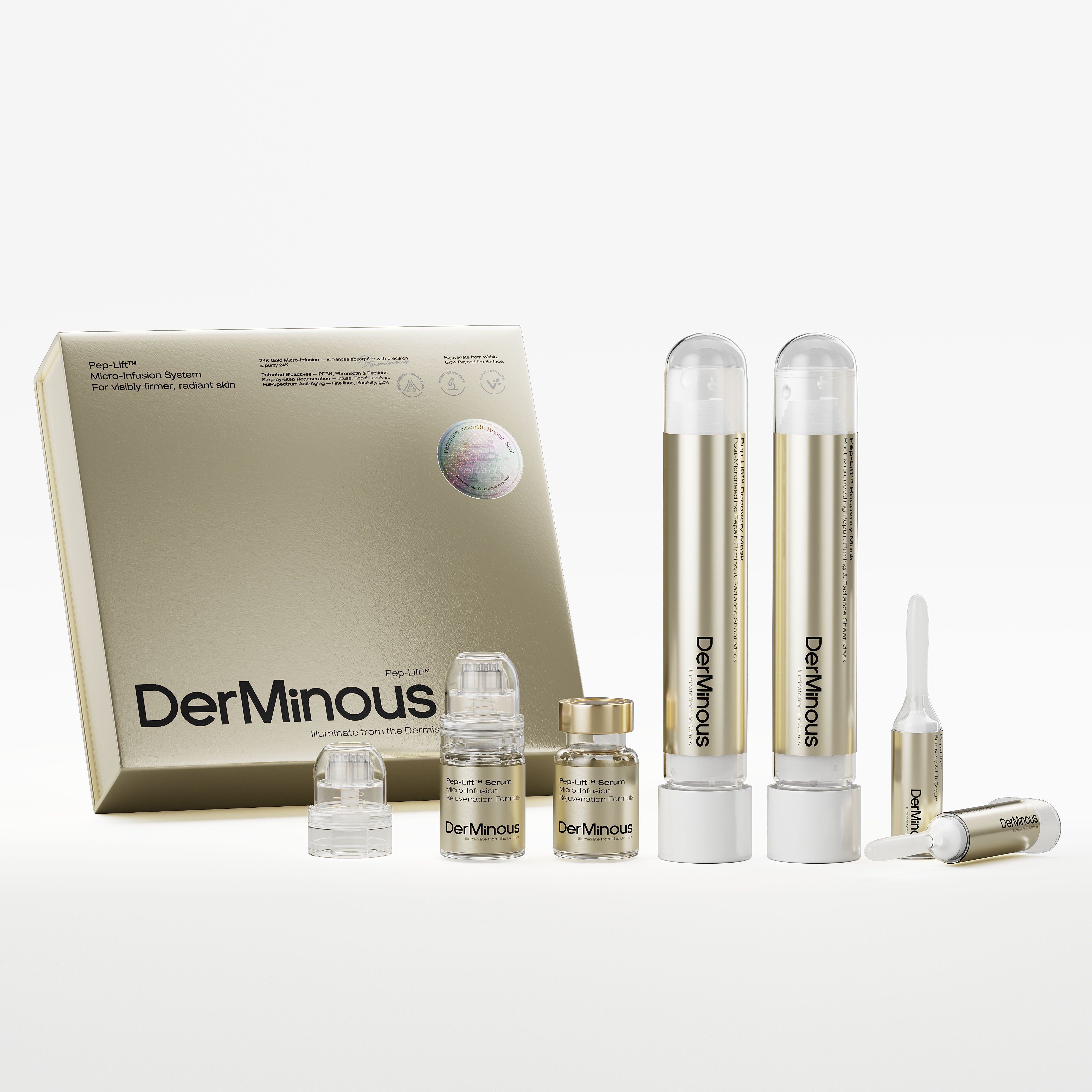
In contrast, stamp-style microneedling devices—like the Derminous GeneLift™ 24K Gold Micro-Infusion System—use a vertical, press-and-release motion to deliver uniform micro-channels without lateral dragging. This design mimics professional microneedling pens used in dermatology clinics but is optimized for safe, effective home use.
Key advantages of the stamp method include:
- Controlled depth: Each stamp delivers consistent penetration (typically 0.2–0.5mm for home use), minimizing tissue damage.
- Reduced infection risk: Derminous uses single-use, sterile, 24K gold-plated stainless steel tips. Gold’s natural antimicrobial properties further reduce irritation[4] .
- Enhanced serum delivery: The system integrates high-potency serums directly into the device, allowing active ingredients like PDRN, acetyl hexapeptide-8, and niacinamide to be infused precisely where needed.
As noted by cosmetic scientist Dr. Michelle Wong of Lab Muffin Beauty Science, “Vertical stamping creates cleaner micro-channels than rolling, which means better ingredient uptake and less inflammation”[5] .
Clinical Efficacy: What Does the Evidence Say?
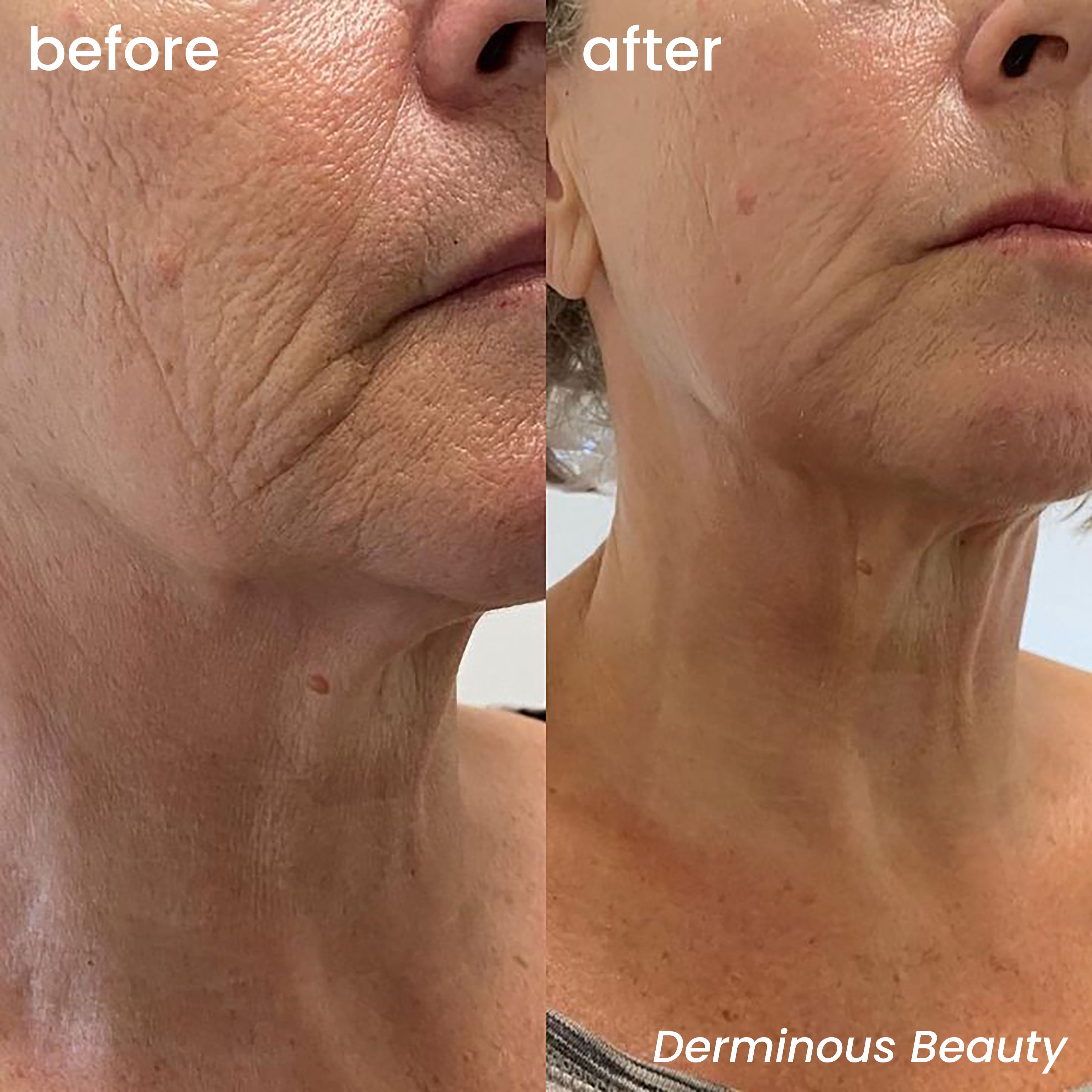
Multiple studies support the superiority of vertical microneedling over rolling. A 2019 split-face study in the Journal of Cosmetic Dermatology found that stamp-type devices produced significantly more uniform collagen induction and fewer side effects compared to rollers[6] . Participants reported less redness, faster recovery, and improved texture after just two sessions.
Derminous leverages this science with its triple-patented formulation:
- PDRN (Polydeoxyribonucleotide): Accelerates tissue repair and boosts hydration.
- Acetyl Hexapeptide-8 (“Syn-Ake”): Mimics botulinum toxin effects to relax dynamic wrinkles.
- Patented Niacinamide (ZL2020116206743): Optimized for stability and gentle brightening without irritation.
Unlike generic roller kits that require users to apply serums separately—often leading to oxidation or contamination—the Derminous system ensures fresh, sterile, and targeted delivery in one seamless step.
User Experience & Accessibility
From a practical standpoint, needle rollers demand significant skill. Users must maintain even pressure, avoid sensitive zones (like under eyes), and sterilize thoroughly between uses—a process many skip, risking infection. In contrast, the Derminous stamp method is designed for simplicity:
- Pre-filled, single-dose serum vials eliminate guesswork.
- Ergonomic design allows precise application on forehead, cheeks, jawline, and even lips.
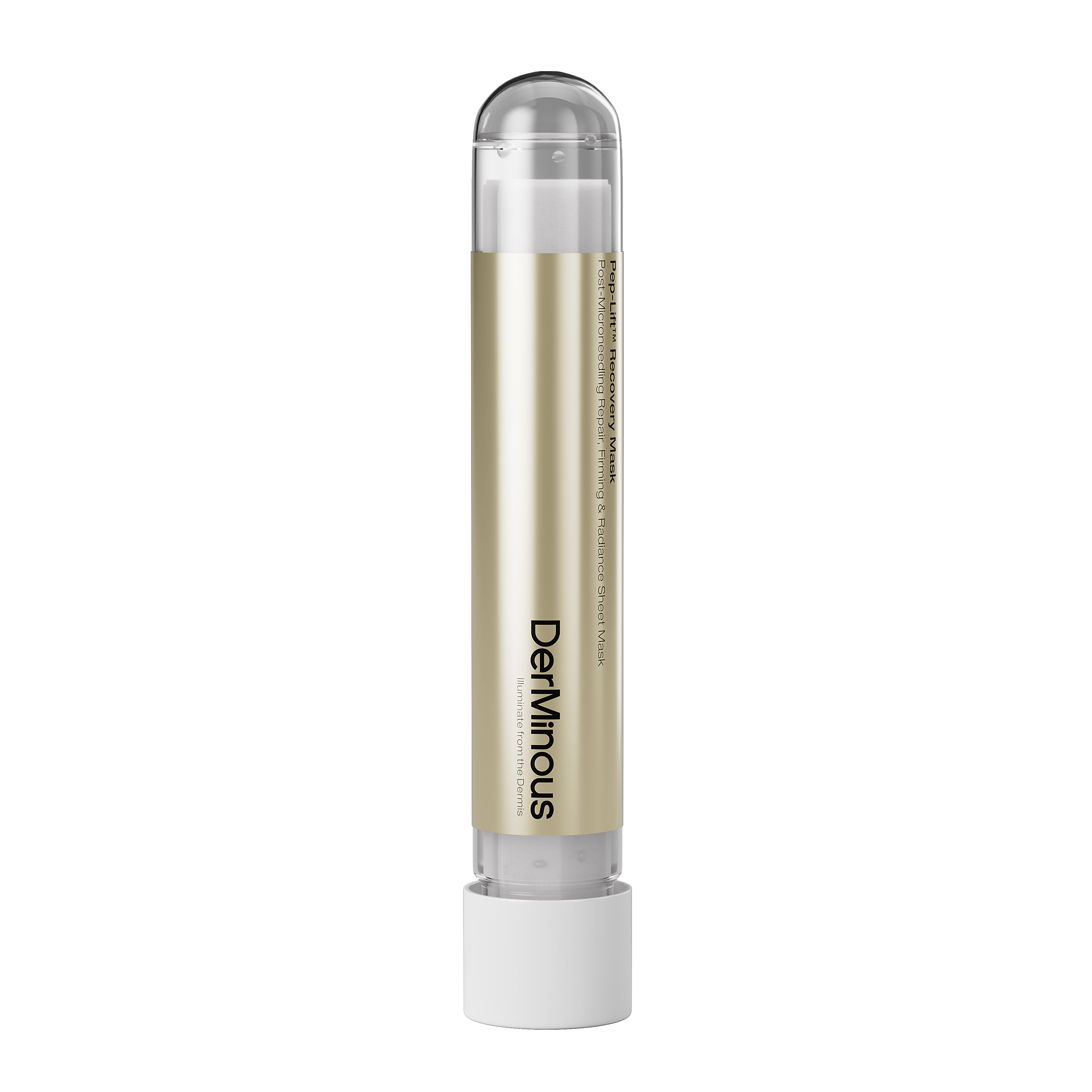
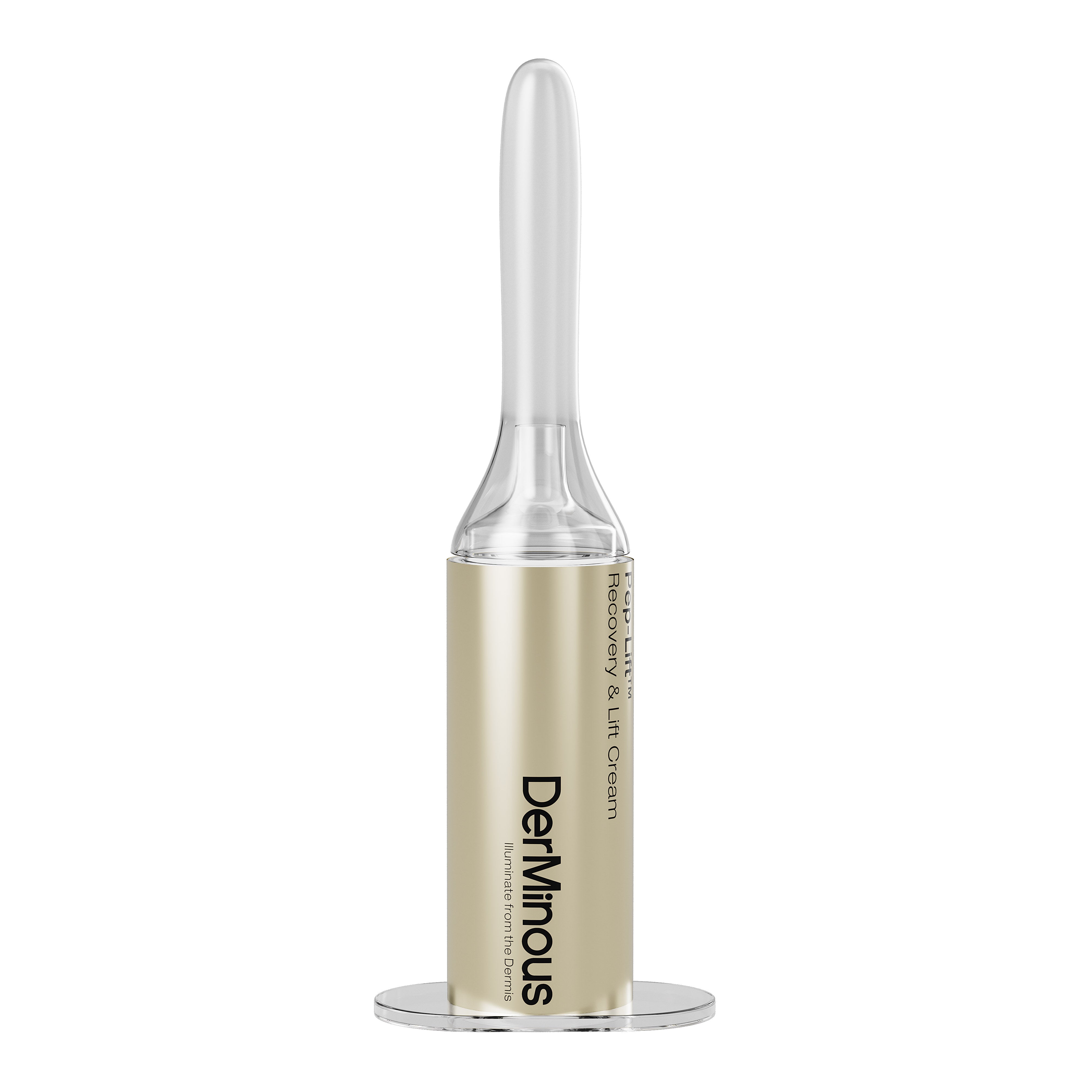
- Full ritual includes post-treatment cooling mask and barrier-repair cream, aligning with modern “skin barrier-first” philosophy.
Moreover, Derminous recommends usage only twice monthly, reducing over-exfoliation risks common with daily roller misuse. As dermatologist Dr. Hadley King explains, “Over-microneedling compromises the skin barrier. Less frequent, higher-quality treatments yield better long-term results”[7] .
Environmental & Ethical Considerations
While some criticize single-use devices as wasteful, Derminous addresses sustainability through medical-grade recyclable components and minimal packaging. More importantly, eliminating reusable metal rollers reduces biohazard risks—many users unknowingly harbor Staphylococcus or Pseudomonas on improperly cleaned tools[8] .
Additionally, the brand’s commitment to cruelty-free, alcohol-free, and fragrance-free formulations aligns with growing consumer demand for ethical, sensitive-skin-friendly products in markets like the U.S., UK, and Australia.


Conclusion: Why the Stamp Method Represents the Future
The evolution from needle rollers to precision stamp systems reflects a broader shift in skincare: from DIY experimentation to science-backed, ritualized self-care. Derminous doesn’t just offer a tool—it delivers a complete, clinically inspired protocol that bridges the gap between spa treatments and home routines.
For those seeking visible anti-aging results—reduced wrinkles, brighter tone, stronger barrier—without pain, downtime, or guesswork, the Derminous GeneLift™ Stamp Method stands out as a superior, safer, and more effective alternative to outdated roller technology.
As at-home beauty continues to blur the line with professional care, precision, sterility, and formulation integrity will define what truly works. In that landscape, stamping isn’t just a trend—it’s the standard.
Footnotes
-
"Microneedling: A Comprehensive Review." Dermatologic Surgery, 2020. https://journals.lww.com/dermatologicsurgery↩
-
"Adverse Effects of At-Home Microneedling." Journal of the American Academy of Dermatology, 2021. https://www.jaad.org↩
-
Ibid. ↩
-
"Antimicrobial Properties of Gold Nanoparticles in Wound Healing." ACS Biomaterials Science & Engineering, 2018. https://pubs.acs.org/doi/10.1021/acsbiomaterials.8b00123↩
-
Lab Muffin Beauty Science. “Roller vs. Stamp Microneedling: Which Is Better?” https://labmuffin.com/microneedling-roller-vs-stamp↩
-
Kim, S. et al. “Comparative Study of Vertical vs. Rolling Microneedling.” Journal of Cosmetic Dermatology, 2019. https://onlinelibrary.wiley.com/doi/full/10.1111/jocd.12876↩
-
King, H. “The Truth About Over-Microneedling.” Byrdie, 2023. https://www.byrdie.com/microneedling-too-much↩
-
“Bacterial Contamination of Reused Dermarollers.” International Journal of Cosmetic Science, 2022. https://ifsc.cirad.fr↩