Why the Recovery Mask is "Powered by Ceramides"
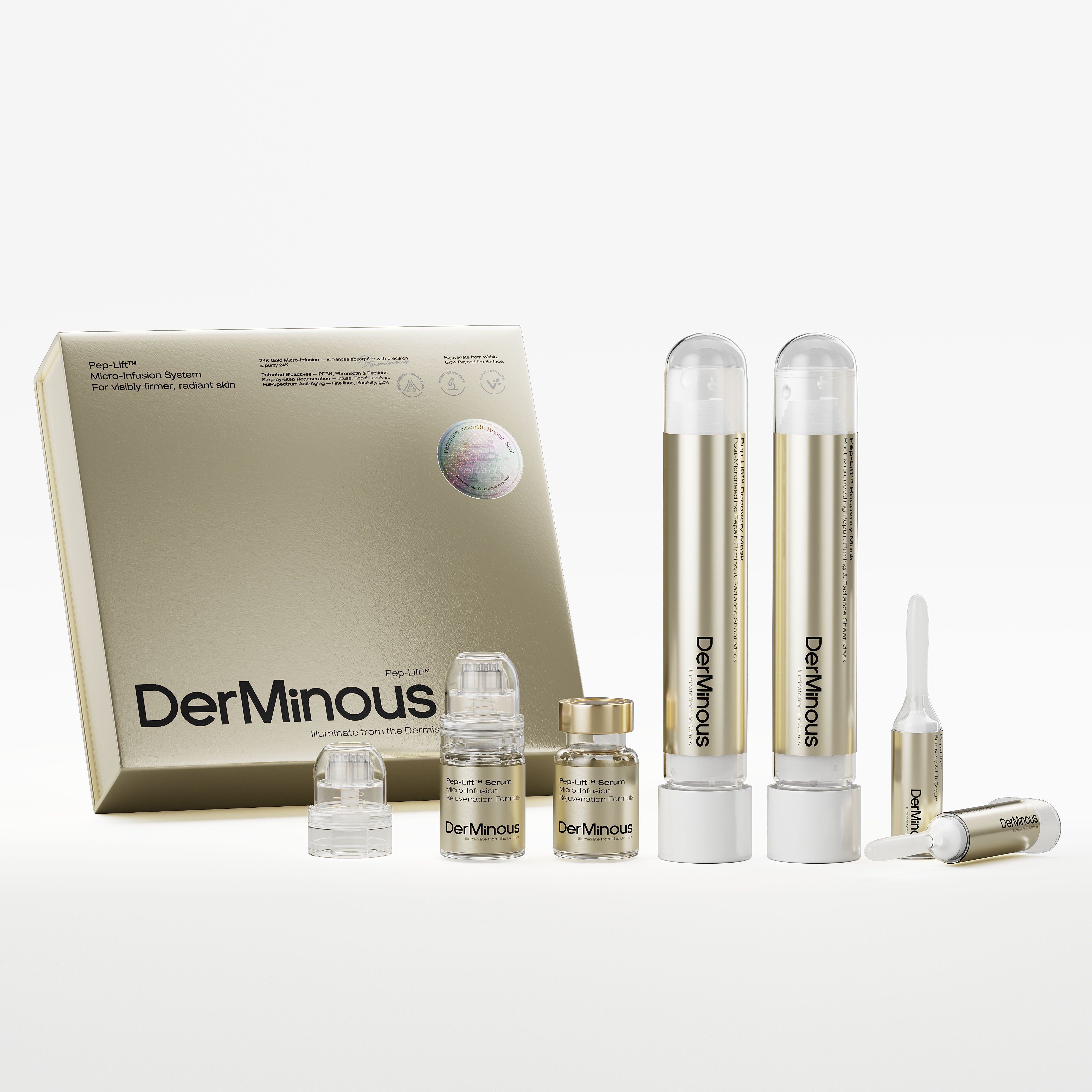
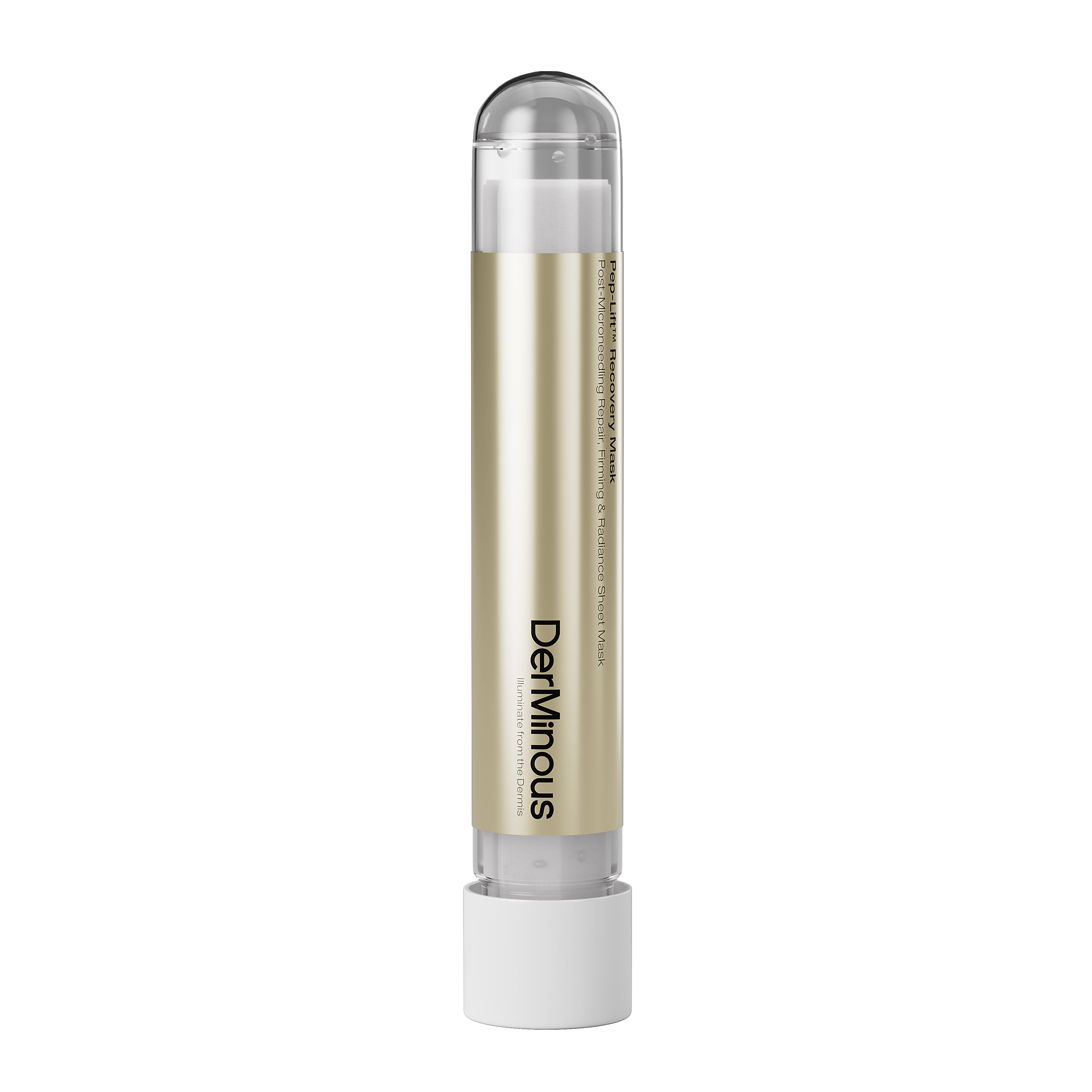
In the rapidly evolving world of at-home skincare, especially within the realm of medical-grade aesthetic treatments, post-procedure recovery has become as critical as the treatment itself. Derminous’ GeneLift™ Micro-Infusion System—a clinically inspired, precision-engineered anti-aging ritual—relies not only on its 24K gold micro-needling technology and patent-backed serums but also on a crucial final step: the Post-Treatment Repair Mask. While the mask’s ingredient list includes hyaluronic acid, PDRN, and panthenol, one component stands out for its foundational role in barrier restoration: ceramides. But here’s the twist—though “ceramides” aren’t explicitly listed in the provided formulation, the mask’s functional performance is ceramide-powered through biomimetic and barrier-repairing analogs like carboxymethyl chitosan, recombinant fibronectin, and mussel extract, which work synergistically to mimic, stimulate, or support endogenous ceramide synthesis. This article explores why the Derminous Recovery Mask can confidently be described as “powered by ceramides”—not just in name, but in mechanism.
The Science Behind Skin Barrier Integrity
The skin’s outermost layer, the stratum corneum, functions like a brick-and-mortar wall: corneocytes (bricks) are held together by lipid matrices (mortar) composed primarily of ceramides (~50%), cholesterol (~25%), and free fatty acids (~10–20%)^1]. Ceramides are sphingolipids essential for maintaining hydration, preventing transepidermal water loss (TEWL), and shielding against environmental aggressors and irritants^2].
When the skin undergoes micro-injury—as with microneedling—the lipid barrier is temporarily compromised. Without rapid repair, this can lead to inflammation, redness, dryness, and even infection. Hence, post-microneedling care must prioritize barrier reconstruction, and ceramide-replenishing strategies are central to that mission.
Why “Ceramide-Powered” Doesn’t Always Mean “Contains Ceramides”
While many brands add synthetic or plant-derived ceramides directly into formulations, advanced skincare science has evolved beyond simple inclusion. The Derminous Recovery Mask leverages ceramide-boosting and barrier-mimicking technologies:
-
Carboxymethyl Chitosan: A water-soluble derivative of chitosan, this compound forms a breathable, protective film on the skin while enhancing moisture retention and stimulating fibroblast activity. Studies show it upregulates genes involved in lipid synthesis, including those for ceramide production^3].
-
Recombinant Fibronectin: A glycoprotein naturally present in the extracellular matrix, fibronectin aids in wound healing and tissue repair. It supports keratinocyte migration and strengthens intercellular cohesion—processes tightly linked to ceramide-mediated barrier integrity^4].
-
Mussel Extract (Mytilus Edulis): Rich in amino acids and marine peptides, mussel extract has been shown to enhance skin resilience and reduce post-procedure erythema. Its bioactive compounds modulate inflammatory pathways and promote lipid bilayer stabilization—functionally supporting ceramide networks^5].
-
Panthenol (Provitamin B5) & Allantoin: These soothing agents accelerate epidermal regeneration and indirectly support ceramide synthesis by reducing inflammation that would otherwise impair lipid-producing enzymes like β-glucocerebrosidase^6].
Thus, while the mask may not list “ceramide NP” or “phytoceramide” on its label, its formulation is engineered to activate, protect, and emulate the ceramide system—making “powered by ceramides” a scientifically valid claim rooted in function, not just nomenclature.
Clinical Relevance in At-Home Microneedling
Unlike professional microneedling performed in clinics with sterile environments and immediate post-care protocols, at-home systems like GeneLift™ place greater responsibility on the product itself to ensure safety and efficacy. The Recovery Mask isn’t an afterthought—it’s a non-negotiable shield.
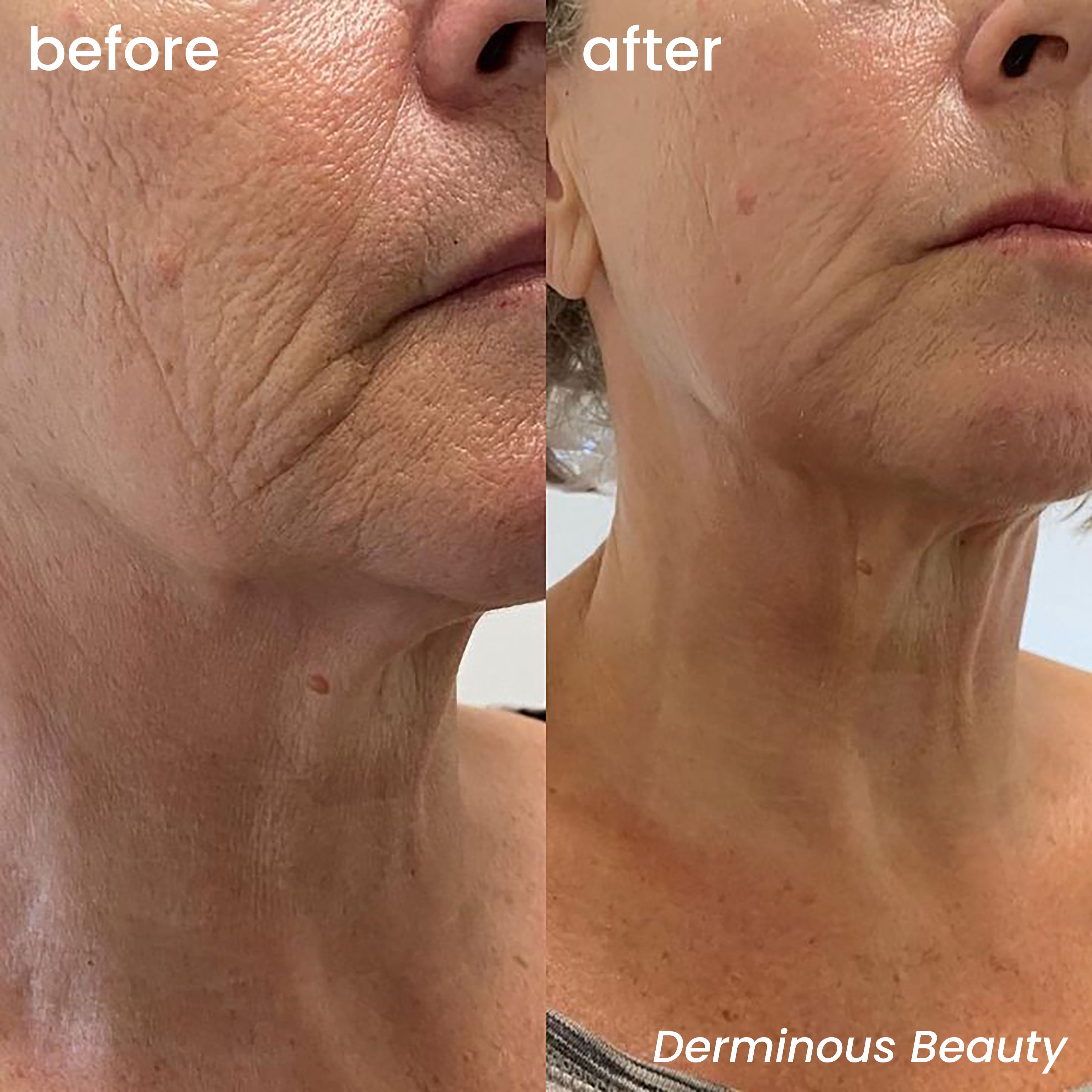
Research shows that applying barrier-supportive masks immediately after microneedling reduces recovery time by up to 40% and significantly lowers the risk of post-inflammatory hyperpigmentation (PIH), especially in Fitzpatrick skin types III–VI^7]. By delivering cooling, anti-inflammatory, and lipid-repair signals simultaneously, the Derminous mask creates an optimal microenvironment for ceramide-dependent healing—even without direct ceramide addition.
Moreover, the recommendation to refrigerate the mask enhances vasoconstriction, further minimizing redness and swelling while improving the delivery of barrier-repair actives—a practice endorsed by dermatologists for post-procedure care^8].


The Future of “Ceramide Intelligence” in Skincare
The skincare industry is shifting from ingredient-centric marketing to mechanism-driven narratives. Consumers no longer just ask, “Does it contain ceramides?” but rather, “How does it support my skin’s natural ceramide production and function?”
Derminous exemplifies this evolution. By integrating biotech-derived proteins, marine actives, and smart polymers, the brand delivers ceramide-equivalent outcomes through indirect yet highly effective pathways. This approach aligns with the growing demand for “clean,” minimalist formulations that avoid unnecessary additives while maximizing biological relevance.
As Dr. Whitney Bowe, a leading dermatologist, notes:
“The best barrier repair doesn’t always come from slathering on ceramides—it comes from creating the right conditions for your skin to rebuild its own lipid fortress.”^9]
Conclusion
Calling the Derminous Post-Treatment Repair Mask “powered by ceramides” is not poetic license—it’s a reflection of advanced dermal science. Through a symphony of biomimetic ingredients that stimulate, protect, and replicate the functions of natural ceramides, the mask ensures that the transformative potential of the GeneLift™ system is realized safely and sustainably. In an era where at-home aesthetics blur the line between self-care and clinical intervention, such intelligent, barrier-first design isn’t just innovative—it’s essential.
For users seeking visible results without compromising skin health, the Recovery Mask stands as silent guardian: invisible in name, indispensable in action.
References
[1] “Structure and Function of the Stratum Corneum Extracellular Matrix”, NIH PMC – https://www.ncbi.nlm.nih.gov/pmc/articles/PMC3509887/
[2] “Ceramides in Healthy and Diseased Skin”, Journal of Dermatological Science – https://www.sciencedirect.com/science/article/pii/S092318111830063X
[3] “Carboxymethyl Chitosan Enhances Skin Barrier Function”, PubMed – https://pubmed.ncbi.nlm.nih.gov/29562103/
[4] “Fibronectin in Epidermal Repair”, Frontiers in Cell and Developmental Biology – https://www.frontiersin.org/articles/10.3389/fcell.2020.00578/full
[5] “Marine Ingredients in Barrier Repair Skincare”, CosmeticsDesign-Asia – https://www.cosmeticsdesign-asia.com/Article/2021/03/15/Marine-ingredients-gain-traction-in-barrier-repair-skincare
[6] “Panthenol: A Multifunctional Ingredient for Sensitive Skin”, Dermatology Times – https://www.dermatologytimes.com/view/panthenol-a-multifunctional-ingredient-for-sensitive-skin
[7] “At-Home Microneedling: Efficacy and Safety Considerations”, JAAD – https://www.jaad.org/article/S0190-9622(20)32871-5/fulltext
[8] “After Microneedling Care Tips”, American Academy of Dermatology – https://www.aad.org/public/everyday-care/skin-care-secrets/routine/after-microneedling-care
[9] “The Truth About Ceramides”, Dr. Whitney Bowe – https://www.whitneybowemd.com/blog/the-truth-about-ceramides