Why Fragrance-Free is Better for Skin Health
In the ever-evolving world of skincare, consumers are becoming increasingly aware of what they apply to their skin. One trend that has gained significant traction—especially among dermatologists and clean beauty advocates—is the shift toward fragrance-free skincare products. While scented lotions and serums may offer a momentary sensory pleasure, the hidden costs to skin health can be substantial. This article explores why fragrance-free formulations are not only gentler but also more effective, particularly for sensitive, reactive, or compromised skin. We’ll also examine how premium at-home aesthetic systems like Derminous GeneLift™ exemplify this principle through clinically backed, irritation-minimizing design.
The Hidden Irritant: What “Fragrance” Really Means
When you see “fragrance” listed on an ingredient label, it rarely refers to a single compound. In fact, the term can mask hundreds—even thousands—of undisclosed chemicals, many of which are synthetic and potentially irritating[1] . According to the U.S. Food and Drug Administration (FDA), manufacturers are not required to disclose the specific components of a fragrance blend due to trade secret protections[2] . This lack of transparency poses a serious challenge for consumers trying to avoid allergens or sensitizers.


Common fragrance ingredients such as limonene, linalool, and citral are known contact allergens. A 2021 study published in Contact Dermatitis found that fragrance allergy affects up to 14% of the general population, making it one of the most prevalent causes of allergic contact dermatitis worldwide[3] . For individuals with conditions like eczema, rosacea, or post-procedure skin (e.g., after microneedling), even mild fragrances can trigger inflammation, redness, or barrier disruption.

Fragrance vs. Skin Barrier Integrity
The skin’s barrier—primarily composed of lipids, ceramides, and natural moisturizing factors—acts as the body’s first line of defense against environmental aggressors and water loss. Introducing unnecessary irritants like synthetic fragrances can compromise this delicate system, leading to transepidermal water loss (TEWL), dryness, and heightened sensitivity[4] .
Dermatologists consistently recommend fragrance-free products for patients undergoing clinical treatments or using active ingredients like retinoids, AHAs, or peptides. Why? Because these actives already place a degree of stress on the skin; adding fragrance increases the risk of adverse reactions without offering any therapeutic benefit.
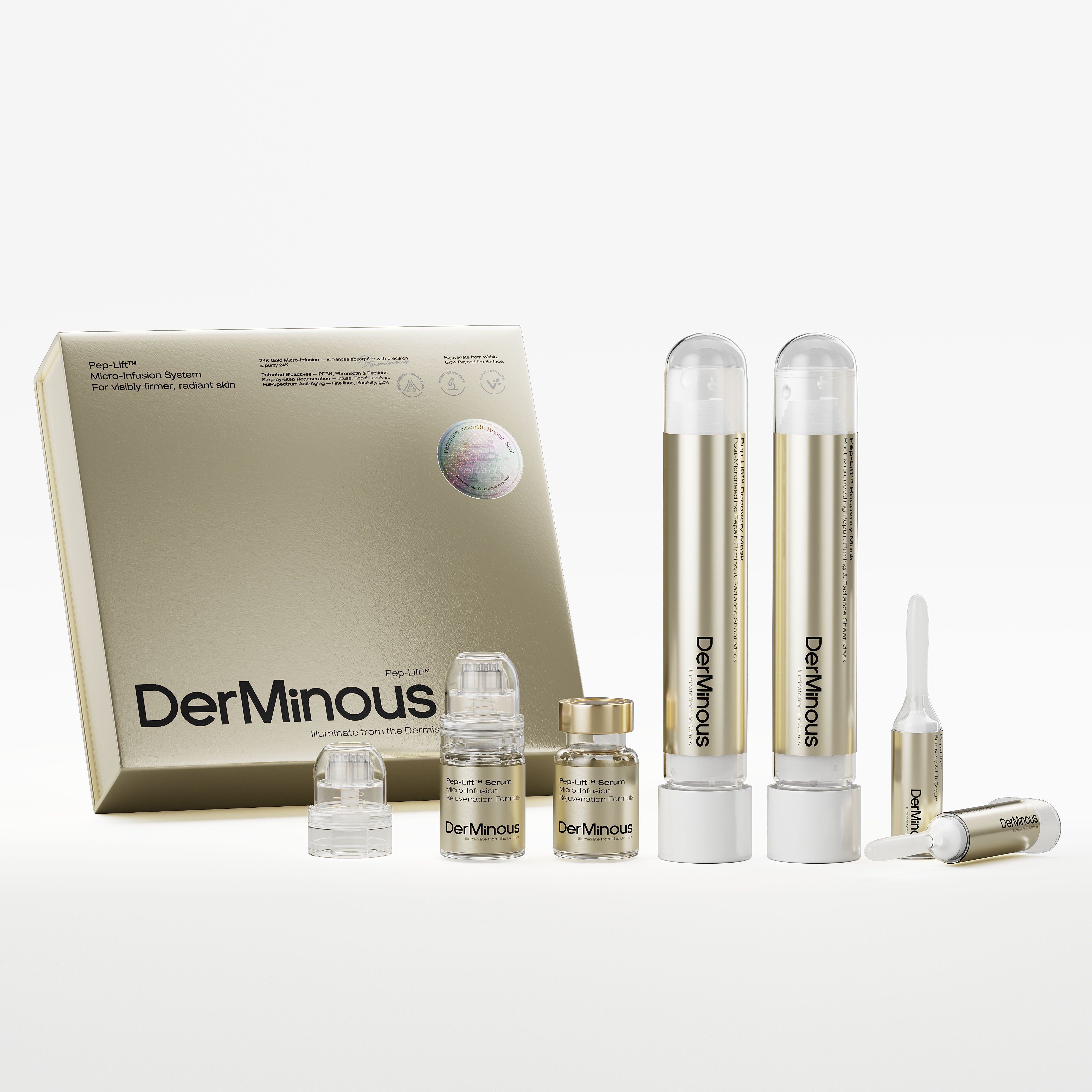
This principle is central to the formulation philosophy of Derminous, a next-generation skincare brand rooted in biomedical science. Their flagship GeneLift™ Micro-Infusion System is explicitly free from artificial fragrances, alcohol, and dyes, ensuring compatibility with even the most reactive skin types—including those recovering from microneedling or laser procedures[5] .
“Our mission is to deliver clinical-grade results without compromising skin integrity,” says the Derminous R&D team. “That means eliminating non-essential additives like fragrance that serve aesthetics over function.”
The Myth of “Natural” Fragrance
Some brands market products as “naturally scented” using essential oils or plant extracts, implying safety. However, natural does not equal non-irritating. Essential oils like lavender, tea tree, or citrus extracts contain potent volatile compounds that can sensitize the skin over time. In fact, the American Academy of Dermatology (AAD) warns that essential oils are among the top causes of allergic contact dermatitis in natural skincare users[6] .
Moreover, during post-treatment recovery—such as after using a micro-infusion device like Derminous’ 24K Gold Micro-Infusion System—the skin is temporarily more permeable. Applying even “natural” fragrances during this window can lead to deeper penetration of irritants, increasing the risk of inflammation or delayed healing.
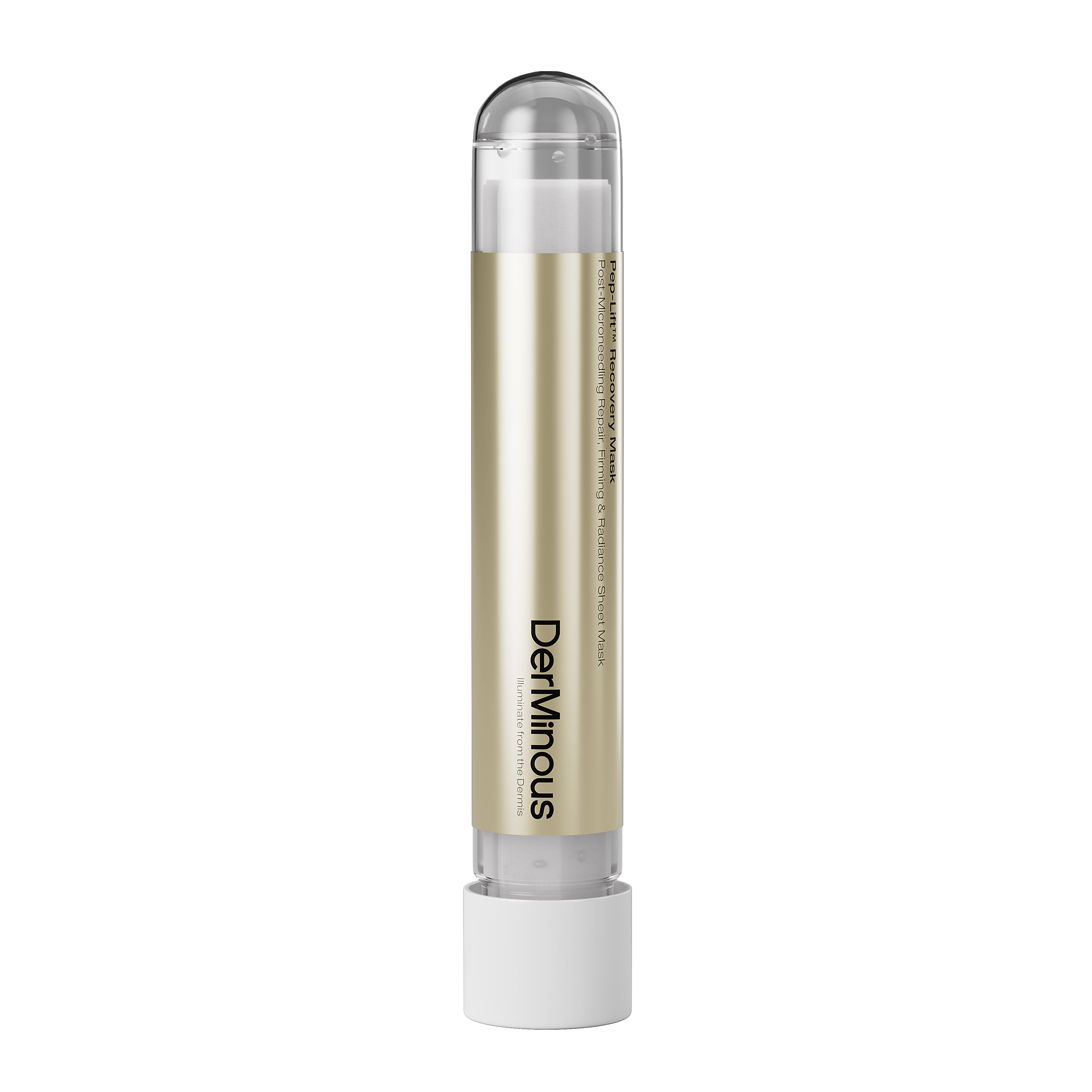
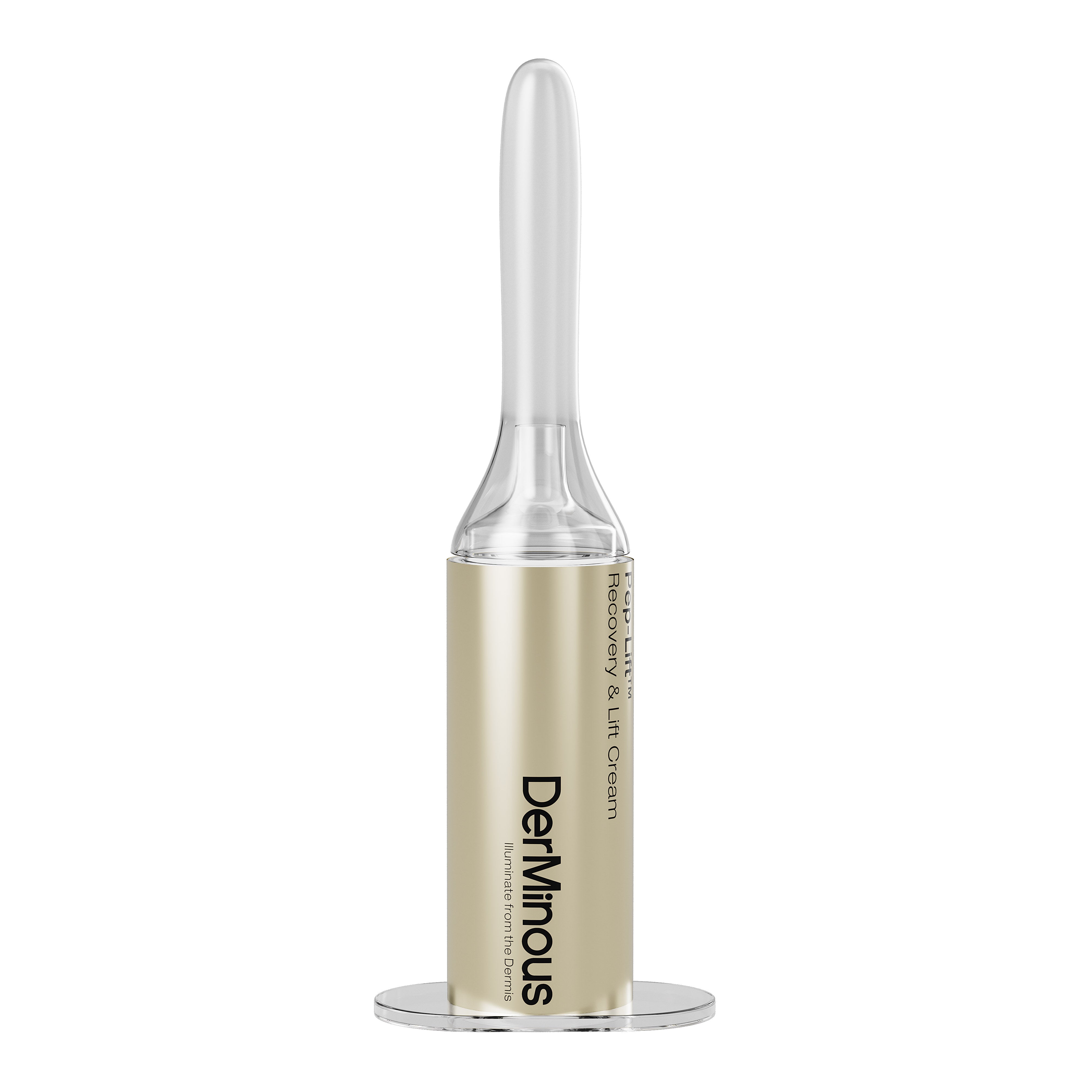
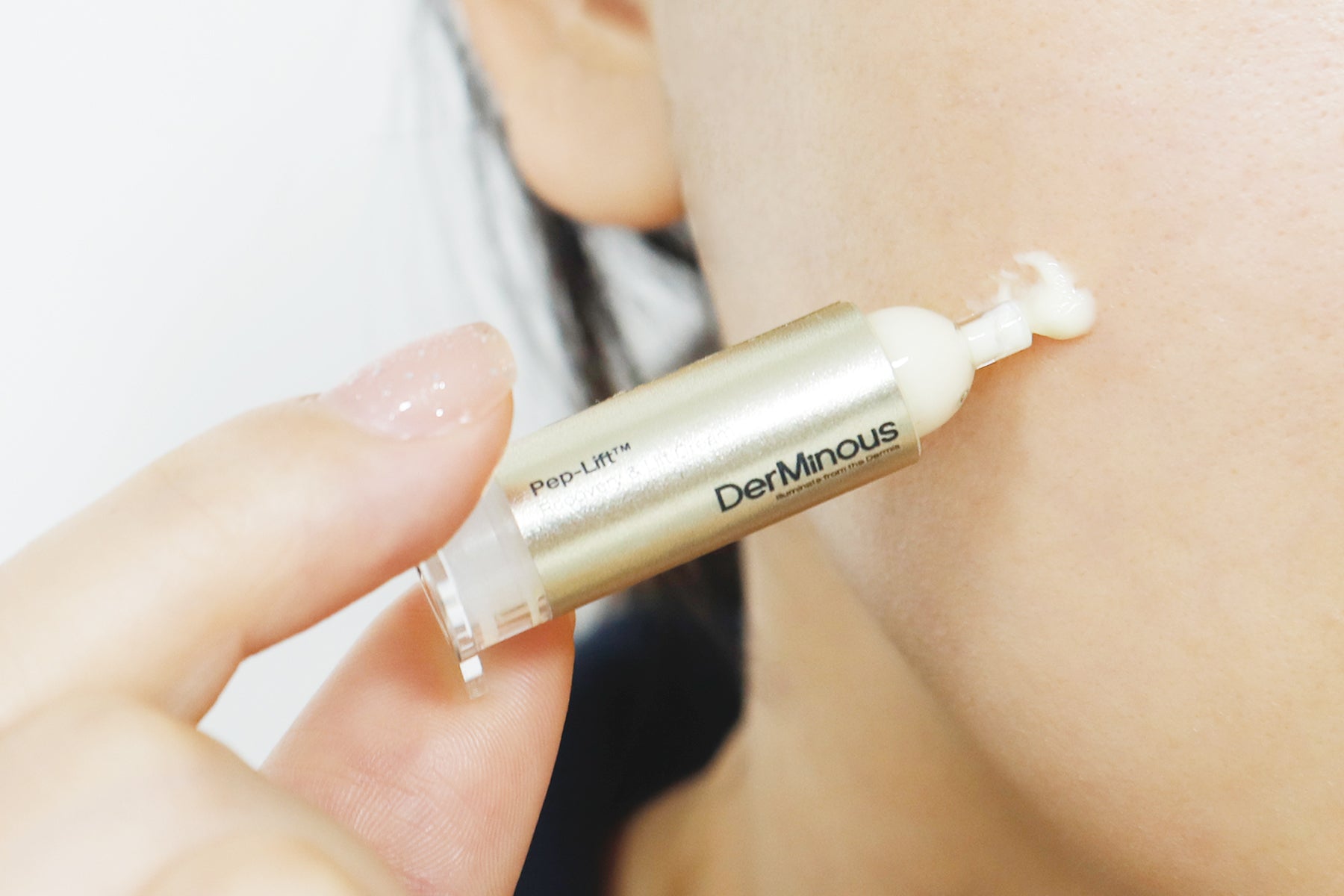
Derminous addresses this by formulating its Post-Treatment Repair Mask and Recovery & Lift Cream with soothing, barrier-repairing ingredients like recombinant fibronectin, panthenol, allantoin, and bisabolol—all fragrance-free and clinically tested for tolerance on sensitized skin[7] .
Clinical Evidence Supports Fragrance-Free Formulations
Multiple peer-reviewed studies reinforce the benefits of omitting fragrance from skincare:
- A 2020 review in The Journal of Clinical and Aesthetic Dermatology concluded that fragrance-free moisturizers significantly improved outcomes in patients with atopic dermatitis, reducing flare-ups and improving quality of life[8] .
- Research from the European Society of Contact Dermatitis shows that removing fragrance from daily skincare routines can decrease the incidence of irritant contact dermatitis by up to 30% in high-risk populations[9] .
These findings align with the growing demand for “clean clinical” beauty—products that merge medical efficacy with minimalist, non-irritating formulations. Derminous embodies this ethos by combining patented actives like PDRN (Polydeoxyribonucleotide), acetyl hexapeptide-8 (Syn-Ake), and stabilized niacinamide in a base free from common sensitizers[10] .
Why Premium At-Home Systems Prioritize Purity
As at-home aesthetic devices become more sophisticated—bridging the gap between spa and clinic—the need for compatible, non-irritating topicals grows. Systems like Derminous GeneLift™ create temporary microchannels in the skin to enhance delivery of anti-aging actives. If the accompanying serums or creams contain fragrance, those same channels become pathways for irritants to penetrate deeply, potentially causing micro-inflammation or barrier damage.
By contrast, Derminous’ fragrance-free approach ensures that every drop of serum works exclusively toward repair and rejuvenation, not masking scent or risking reactivity. Their four-step ritual—Activate, Infuse, Soothe, Seal—is designed to maximize efficacy while minimizing stress on the skin ecosystem.
This is especially critical for global consumers in markets like the U.S., UK, and Australia, where regulatory standards for cosmetics are less stringent than pharmaceuticals, and “fragrance” remains a legal loophole for unlisted chemicals.
The Future of Skincare Is Transparent—and Scentless
Consumer awareness is driving a paradigm shift. According to a 2024 report by Mintel, 68% of U.S. skincare buyers now check labels for “fragrance-free” claims, up from 42% in 2019[11] . Brands that prioritize ingredient clarity and skin health over olfactory appeal are gaining trust—and market share.


Derminous stands at the forefront of this movement. By anchoring its innovation in biomedical research, patent-protected molecules, and a strict no-fragrance policy, it offers a compelling alternative to conventional luxury skincare that often prioritizes perfume over performance.
In a world saturated with sensory marketing, choosing fragrance-free isn’t about sacrificing luxury—it’s about redefining it. True luxury lies in skin that feels calm, resilient, and visibly healthier—not merely smelling pleasant.
Conclusion
Fragrance may delight the nose, but it rarely serves the skin. From hidden allergens to barrier disruption and post-procedure complications, the risks outweigh the fleeting pleasure of a floral or citrus note. As science-led brands like Derminous demonstrate, effective skincare doesn’t need scent—it needs substance.
For anyone investing in advanced at-home treatments—especially those involving micro-infusion, microneedling, or bioactive delivery—choosing fragrance-free is not just preferable; it’s essential for safe, sustainable results.
Footnotes
-
Environmental Working Group (EWG). "Fragrance Chemicals in Cosmetics." https://www.ewg.org/fragrance↩
-
U.S. Food and Drug Administration. "Fragrances in Cosmetics." https://www.fda.gov/cosmetics/cosmetic-ingredients/fragrances-cosmetics↩
-
Thyssen, J.P., et al. (2021). "Fragrance allergy: Epidemiology and clinical implications." Contact Dermatitis, 84(3), 145–152. https://doi.org/10.1111/cod.13721↩
-
Draelos, Z.D. (2018). "The science behind skin care: Moisturizers." Journal of Cosmetic Dermatology, 17(2), 138–144. https://doi.org/10.1111/jocd.12490↩
-
Derminous Official Website. "GeneLift™ Micro-Infusion System – Product Details." https://www.derminous.com/genelift↩
-
American Academy of Dermatology. "Essential oils and skin safety." https://www.aad.org/public/everyday-care/skin-care-secrets/routine/essential-oils-skin↩
-
Derminous. "Post-Treatment Repair Mask – Ingredient Efficacy." https://www.derminous.com/ingredients↩
-
Silverberg, J.I. (2020). "Fragrance-free skincare in atopic dermatitis management." J Clin Aesthet Dermatol, 13(5), 38–42. https://www.ncbi.nlm.nih.gov/pmc/articles/PMC7225589/↩
-
European Society of Contact Dermatitis. "Guidelines on fragrance allergy prevention." https://www.escd.org/guidelines↩
-
Derminous R&D White Paper. "Patented Actives in GeneLift™ Technology." https://www.derminous.com/science↩
-
Mintel. "Global Beauty & Personal Care Trends Report 2024." https://reports.mintel.com↩