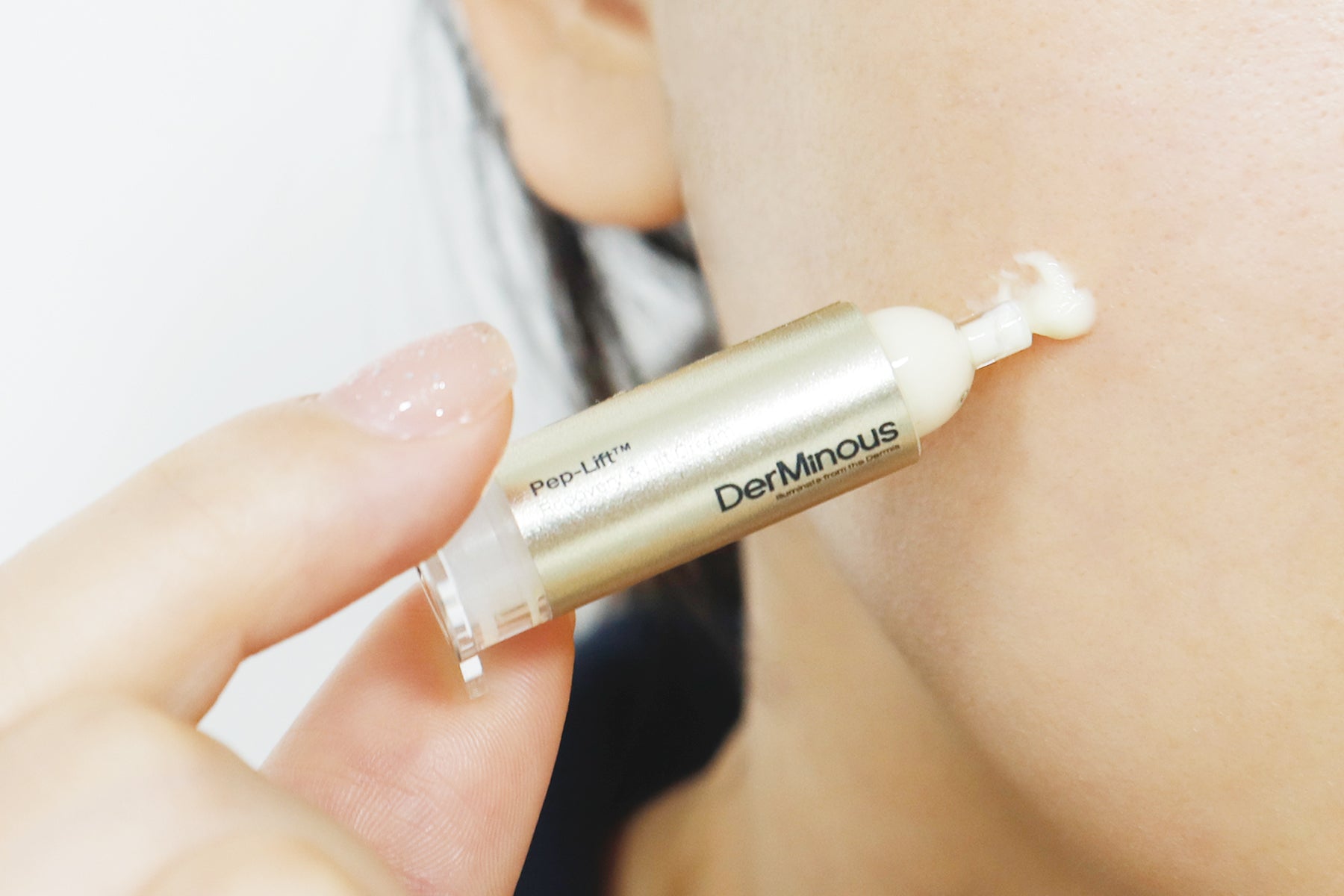
The Truth About At-Home Microneedling Safety
Microneedling has surged in popularity over the past decade, transitioning from an exclusive clinical procedure to a mainstream at-home skincare ritual. With promises of smoother texture, reduced fine lines, and enhanced product absorption, it’s no wonder consumers are eager to try DIY versions. However, as the market floods with home-use microneedling kits—ranging from derma rollers to advanced micro-infusion systems—the question remains: Is at-home microneedling truly safe? This article unpacks the science, risks, best practices, and what sets clinically inspired systems like Derminous GeneLift™ apart.
What Is Microneedling—and Why Go At-Home?
Microneedling, also known as collagen induction therapy (CIT), involves creating controlled micro-injuries in the skin using fine needles. These micro-channels trigger the body’s natural wound-healing response, stimulating collagen and elastin production[1] . Originally developed for scar revision and anti-aging treatments in dermatology clinics, the technique has evolved into consumer-friendly formats.

The appeal of at-home microneedling lies in convenience, cost savings, and privacy. A single professional session can cost 700, while home kits range from 300[2] . But convenience comes with caveats—especially when safety protocols are overlooked.

The Risks of DIY Microneedling
Improper use of at-home devices can lead to serious complications:
- Infection: Reusing non-sterile needles or failing to disinfect skin introduces bacteria, potentially causing folliculitis or even cellulitis[3] .
- Scarring & Hyperpigmentation: Overuse or excessive pressure—especially on darker skin tones—can trigger post-inflammatory hyperpigmentation (PIH) or micro-scarring[4] .
- Barrier Damage: Aggressive needling compromises the skin’s protective barrier, leading to dryness, sensitivity, and increased trans-epidermal water loss (TEWL)[5] .
A 2022 review in Dermatologic Surgery warned that “consumer-grade devices often lack standardized needle depth control, increasing variability in outcomes and risk”[6] .


What Makes a Safe At-Home System?
Not all microneedling kits are created equal. Safety hinges on three pillars: sterility, precision, and formulation support.
1. Single-Use, Sterile Needles
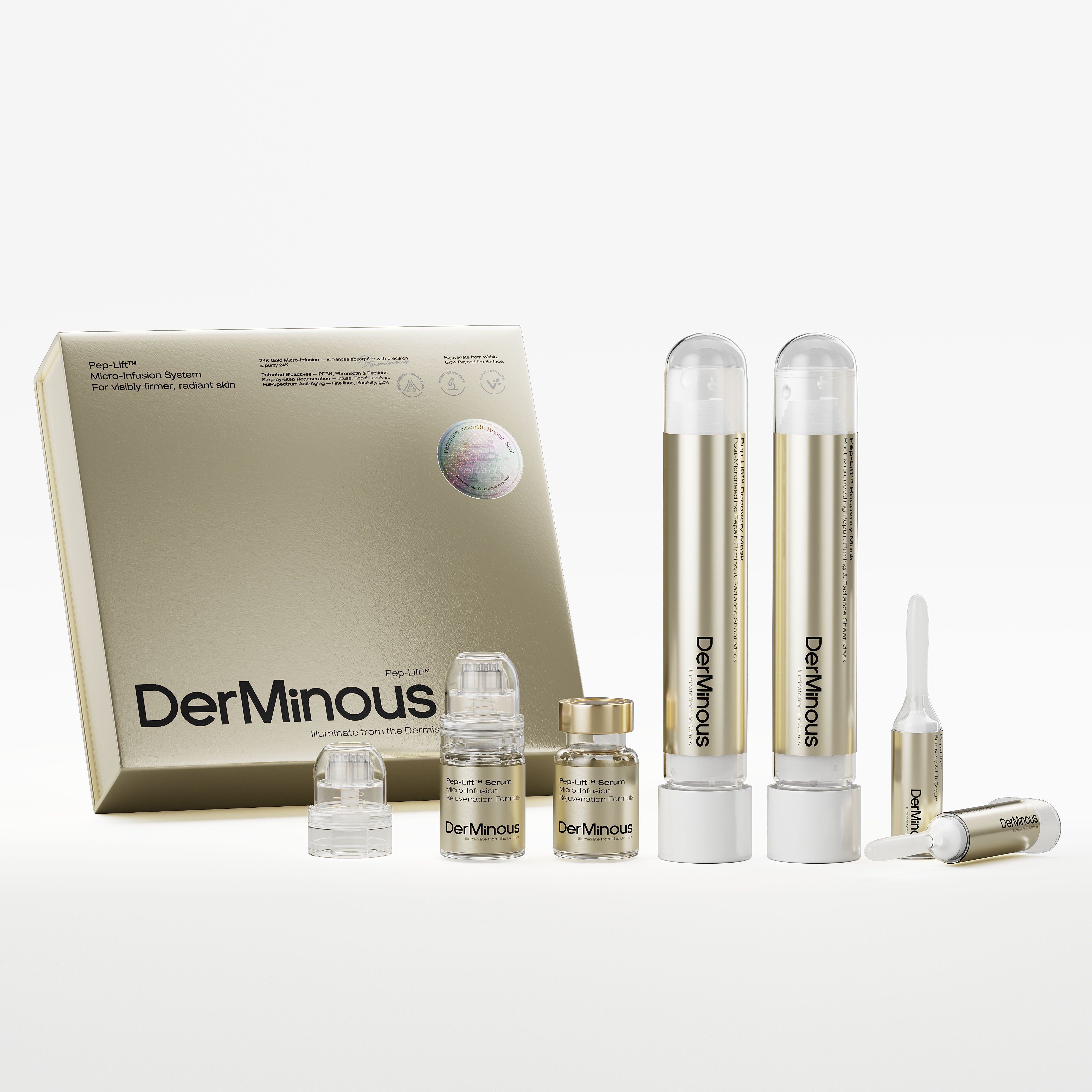
Professional clinics use disposable, medical-grade needles. At home, reusable derma rollers harbor biofilm—even after cleaning[7] . In contrast, systems like Derminous GeneLift™ feature single-use, 24K gold-plated micro-infusion tips made from surgical stainless steel. Gold’s natural antimicrobial properties further reduce irritation risk[8] .

2. Controlled Microchannel Depth
Needle length matters. Devices with needles longer than 0.5mm should only be used by professionals[9] . Derminous’ micro-infusion system operates within the 0.2–0.3mm range, targeting the epidermis without penetrating deeper dermal layers—ideal for safe, consistent home use.
3. Post-Treatment Support
Microneedling isn’t just about puncturing—it’s about what you deliver through those channels. Many DIY users apply untested serums, risking irritation. Clinically designed systems pair needling with patented, barrier-supportive actives:
- PDRN (Polydeoxyribonucleotide): Accelerates tissue repair and reduces inflammation[10] .
- Acetyl Hexapeptide-8 (“Syn-Ake”): Mimics botulinum effects to soften expression lines[11] .
- Niacinamide (with patented purity control): Brightens without stinging sensitive skin[12] .
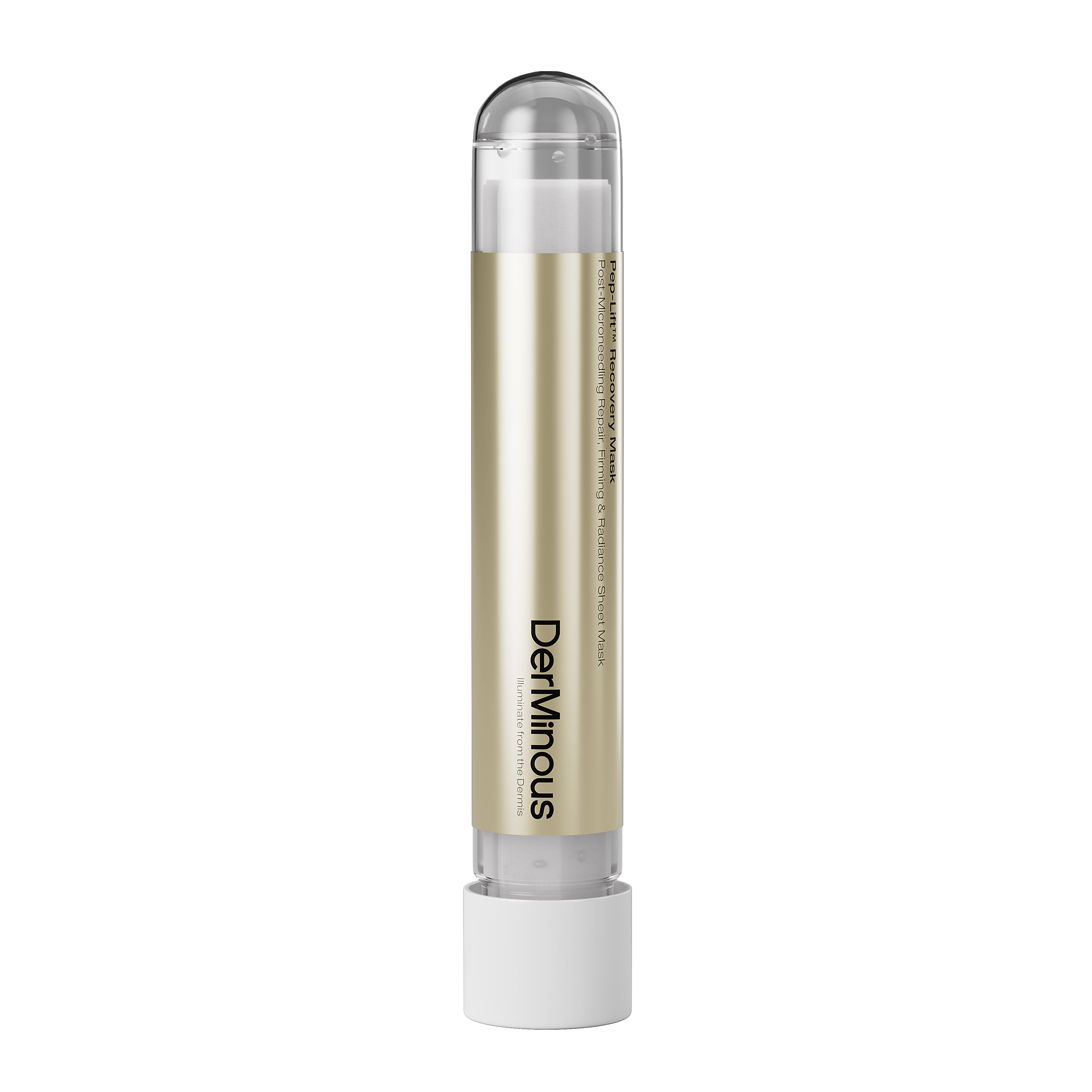
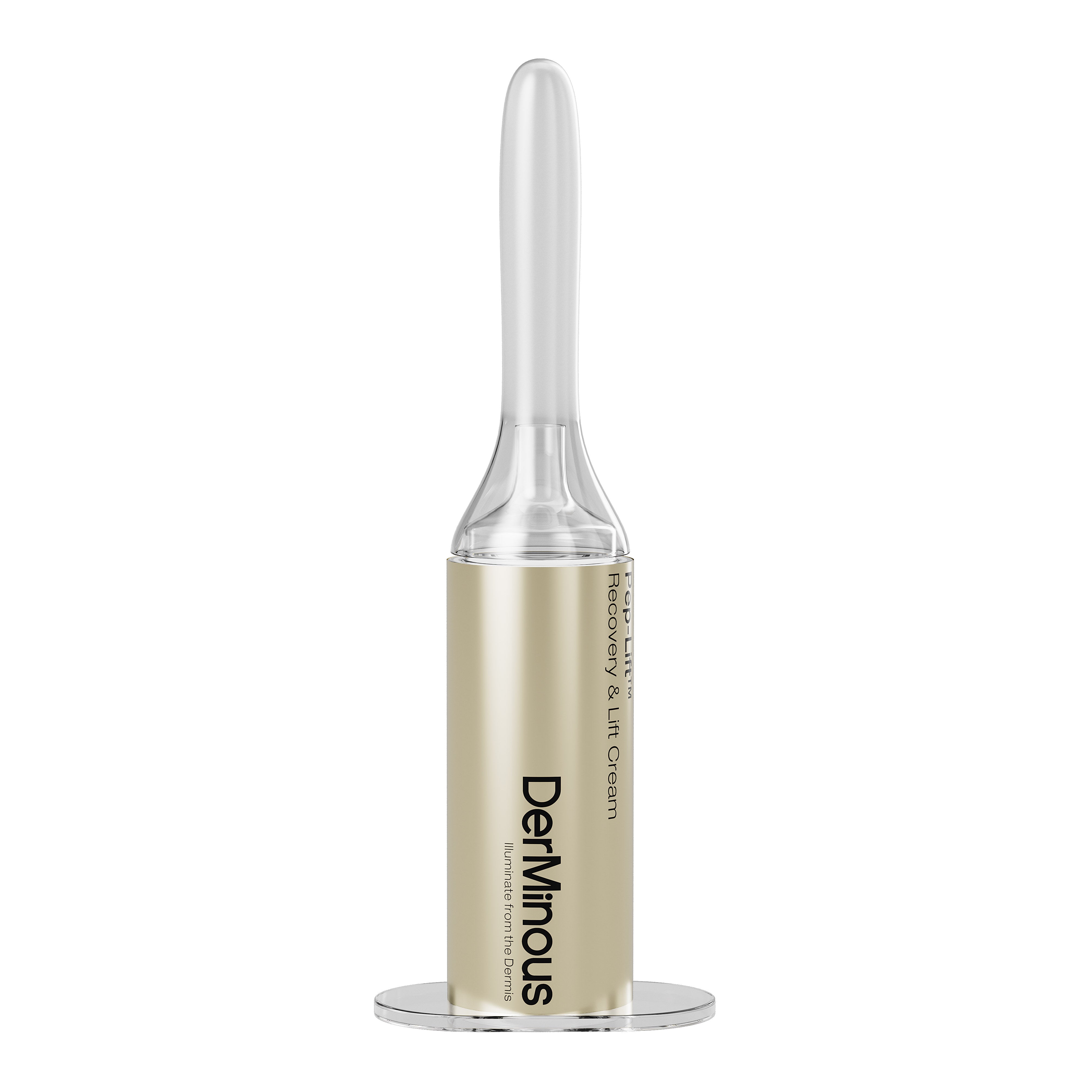
Derminous includes a full ritual: serum infusion → chilled repair mask → barrier-sealing cream—mirroring post-clinic protocols.
Sensitive Skin? Proceed with Caution—But Not Fear
Many assume microneedling is off-limits for sensitive or reactive skin. Yet, when done correctly with gentle, short needles and soothing ingredients, it can strengthen resilience. A 2021 study found that low-depth microneedling combined with growth factors improved barrier function in patients with rosacea and eczema-prone skin[13] .
Derminous specifically formulates for sensitivity: zero alcohol, zero fragrance, and inclusion of panthenol, allantoin, and recombinant fibronectin—all proven soothers[14] . Their post-treatment mask, best used chilled, delivers immediate cooling and redness reduction.


Frequency Matters: Less Is More
Over-enthusiasm is a common pitfall. The skin needs 4–6 weeks to fully regenerate collagen after microneedling. Using devices too frequently (e.g., weekly) causes chronic inflammation—accelerating aging instead of reversing it.
Derminous recommends once every two weeks for initial results, then tapering to monthly maintenance—aligning with dermatological guidelines[15] . Each kit is designed for one full treatment, discouraging partial or repeated use of components.
The Verdict: Safe If Done Right
At-home microneedling can be safe—but only with:
- FDA-cleared or CE-certified devices,
- Single-use sterile applicators,
- Clinically backed formulations,
- Clear usage instructions.
Systems like Derminous GeneLift™ bridge the gap between clinic and home by embedding medical rigor into every step—from CNC-manufactured gold tips to patent-protected peptides. As one dermatologist noted, “The future of at-home beauty isn’t just accessibility—it’s responsibility.”[16]
When science, safety, and self-care converge, microneedling becomes less a gamble and more a ritual of renewal.
References
Footnotes
-
National Center for Biotechnology Information. Collagen Induction Therapy: A Review. https://www.ncbi.nlm.nih.gov/pmc/articles/PMC6146763/↩
-
American Society for Dermatologic Surgery. Microneedling Cost Guide. https://www.asds.net/Consumer/Resources/Procedures/Microneedling↩
-
Journal of Clinical and Aesthetic Dermatology. Infections Associated with At-Home Microneedling. https://jcadonline.com/infections-from-at-home-microneedling/↩
-
International Journal of Women's Dermatology. PIH Risk in Ethnic Skin. https://www.sciencedirect.com/science/article/pii/S2352512620301234↩
-
Dermatologic Therapy. Skin Barrier Disruption from Improper Needling. https://onlinelibrary.wiley.com/doi/abs/10.1111/dth.14567↩
-
Dermatologic Surgery. Safety of Consumer Microneedling Devices, 2022. https://journals.lww.com/dermatologicsurgery/Abstract/2022/05000↩
-
Applied and Environmental Microbiology. Biofilm on Reused Derma Rollers. https://aem.asm.org/content/84/12/e00321-18↩
-
Gold Bulletin. Antimicrobial Properties of Gold Nanoparticles. https://link.springer.com/article/10.1007/s13404-020-00289-8↩
-
U.S. Food and Drug Administration. Guidance on Microneedling Devices. https://www.fda.gov/medical-devices/general-hospital-devices-and-supplies/microneedling-devices↩
-
Journal of Cosmetic Dermatology. PDRN in Skin Regeneration. https://onlinelibrary.wiley.com/doi/10.1111/jocd.13245↩
-
International Journal of Cosmetic Science. Acetyl Hexapeptide-8 Efficacy. https://ifsc.info/en/acetyl-hexapeptide-8-syn-ake/↩
-
Patent US2020116206743A1. Method for Controlling Nicotinic Acid in Niacinamide. https://patents.google.com/patent/US2020116206743A1/↩
-
Journal of Drugs in Dermatology. Microneedling in Sensitive Skin, 2021. https://jddonline.com/articles/dermatology/S1545961621P0875X↩
-
International Journal of Molecular Sciences. Panthenol and Skin Barrier Repair. https://www.mdpi.com/1422-0067/22/3/1386↩
-
American Academy of Dermatology. At-Home Microneedling Recommendations. https://www.aad.org/public/everyday-care/skin-care-secrets/routine/at-home-microneedling↩
-
Interview with Dr. Lena Torres, Board-Certified Dermatologist, Byrdie, 2024. https://www.byrdie.com/at-home-microneedling-safe-7523910↩