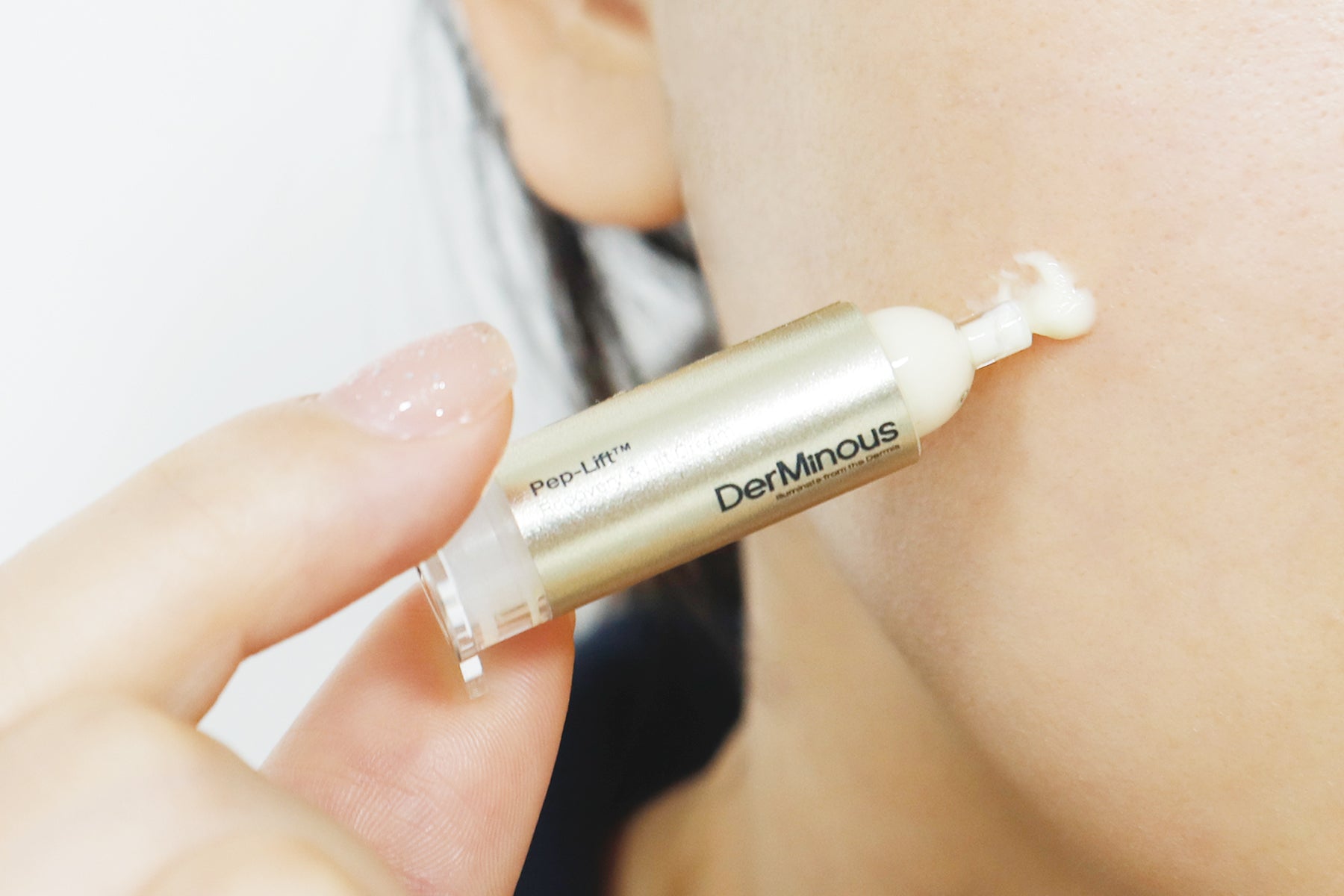
The "Seal and Nourish" Step: Locking in Long-Term Benefits
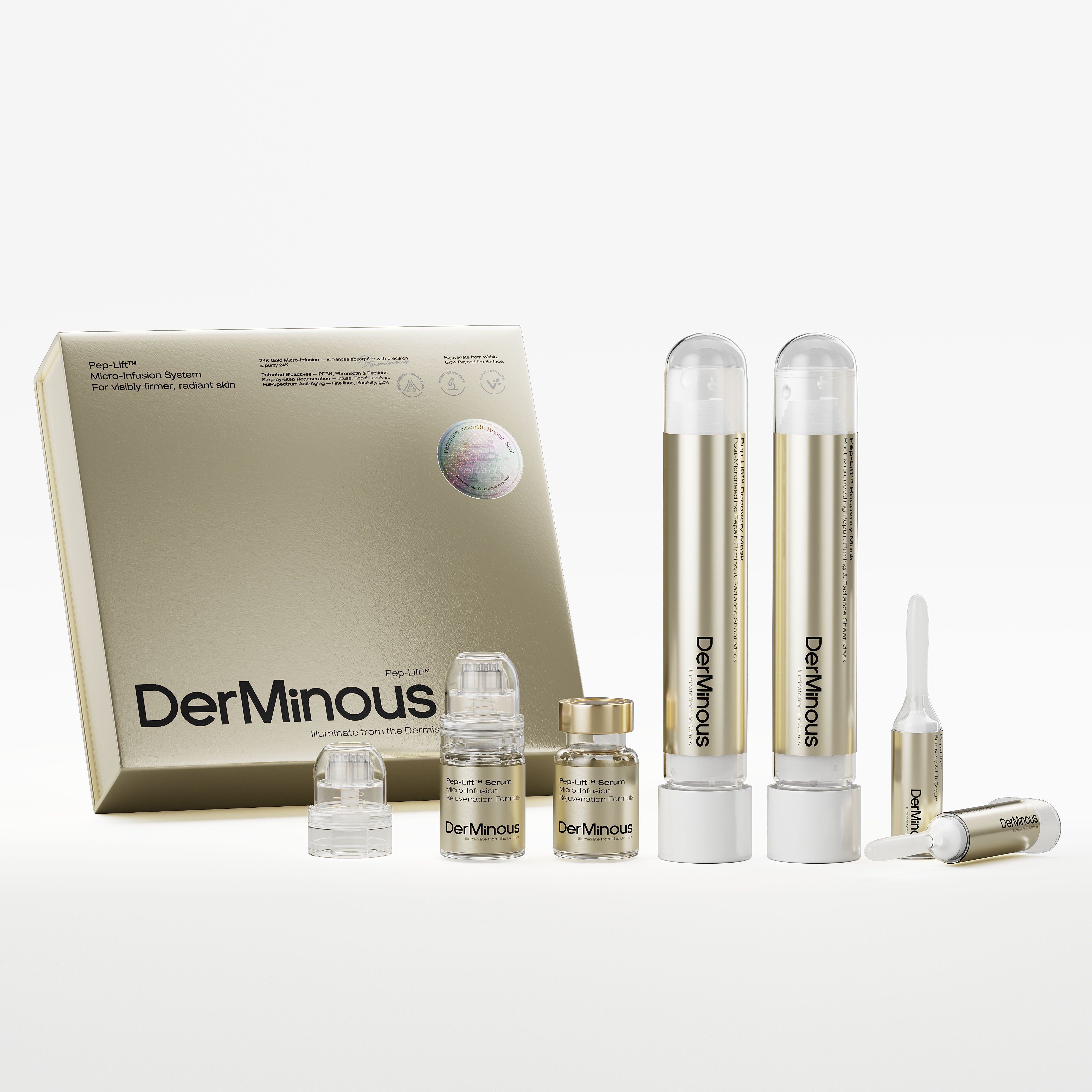
In the evolving landscape of at-home skincare, the final step of any advanced treatment protocol is often the most underestimated—yet it holds the key to long-term efficacy. For high-performance systems like Derminous GeneLift™, the “Seal and Nourish” phase isn’t merely a finishing touch; it’s a scientifically engineered strategy to lock in active ingredients, reinforce the skin barrier, and amplify anti-aging outcomes. This critical stage ensures that the potent benefits delivered during micro-infusion aren’t lost to evaporation or environmental stressors but are instead deeply retained, stabilized, and continuously activated within the dermal layers.
Why Sealing Matters: The Science Behind Occlusion and Barrier Support
After micro-channeling with 24K gold-coated microneedles, the skin’s stratum corneum—its outermost protective layer—is temporarily permeabilized. While this dramatically enhances the penetration of actives like PDRN (Polydeoxyribonucleotide), acetyl hexapeptide-8, and niacinamide, it also leaves the skin vulnerable to transepidermal water loss (TEWL) and oxidative damage¹. Without immediate occlusion, up to 60% of the infused serum can evaporate or degrade before exerting its full biological effect².
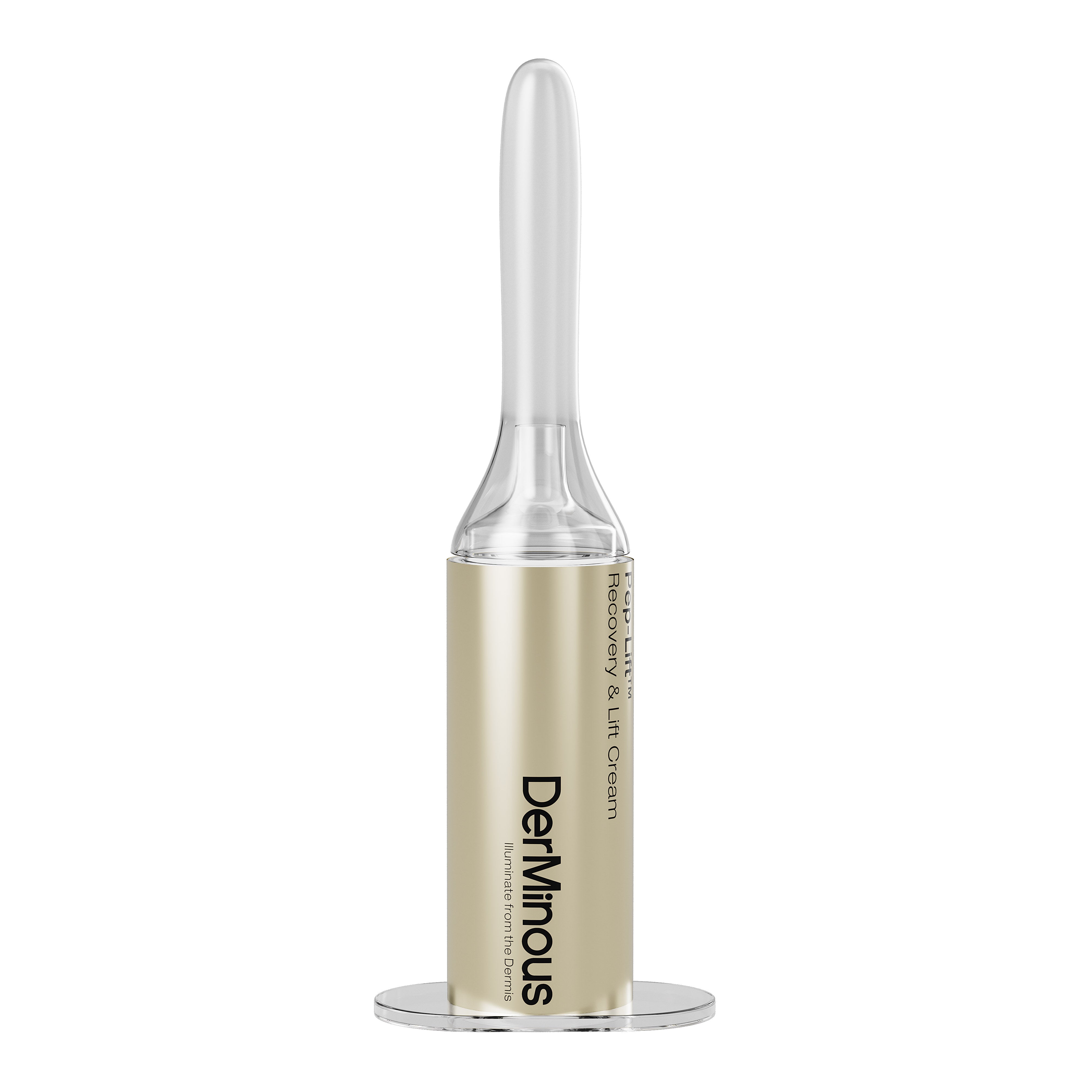
This is where the Recovery & Lift Cream in the Derminous GeneLift™ system plays a pivotal role. Formulated with biomimetic lipids such as squalane and jojoba oil, alongside barrier-reinforcing botanicals like Leontopodium alpinum (Edelweiss) callus culture extract and gentian root, the cream creates a breathable yet protective film. Unlike traditional heavy ointments that suffocate the skin, this lightweight emulsion mimics the skin’s natural lipid matrix, supporting repair without clogging pores³.
Clinical dermatology has long recognized that post-procedure barrier support is non-negotiable. A 2021 review in the Journal of Cosmetic Dermatology emphasized that “topical occlusives applied within 30 minutes post-microneedling significantly reduce inflammation and accelerate recovery by preserving hydration and stabilizing growth factors”⁴. Derminous leverages this principle not just for safety—but for synergy.
Active Ingredients That Work Beyond Surface-Level Moisturization
The Recovery & Lift Cream goes far beyond basic hydration. Its formulation integrates acetyl tetrapeptide-11 and acetyl tetrapeptide-9, peptides clinically shown to improve skin firmness by modulating fibroblast activity and enhancing extracellular matrix cohesion⁵. Meanwhile, dipalmitoyl hydroxyproline—a stabilized derivative of collagen’s key amino acid—stimulates dermal density over time, contributing to visible lifting effects after consistent use.


Notably, the inclusion of phellodendron bark extract offers dual anti-inflammatory and antimicrobial properties, crucial for calming post-microinfusion redness while preventing microbial invasion through transient microchannels⁶. This aligns with Derminous’s core philosophy: respect the barrier, don’t compromise it.
Moreover, the cream contains soluble collagen and sodium hyaluronate, which don’t just sit on the surface—they form a reservoir that slowly releases moisture and structural proteins into the upper dermis over 12–24 hours. This “time-release” mechanism ensures that the regenerative signals initiated by the GeneLift™ serum continue to echo long after application.
The Ritual Dimension: From Clinical Protocol to Empowering Self-Care
Derminous frames the “Seal and Nourish” step not only as science but as ceremony. In an era where consumers seek meaning in their routines, this final act transforms clinical efficacy into emotional resonance. As the brand states: “Not just care—this is a ritual of transformation.”
Massaging the Recovery & Lift Cream into the face and neck becomes a mindful closure to a 20-minute at-home treatment that mirrors professional medspa protocols. The sensory experience—light texture, subtle botanical scent (achieved without synthetic fragrance), and immediate comfort—reinforces psychological satisfaction, which studies link to higher adherence and perceived efficacy⁷.
This ritualistic framing is particularly effective in Western markets, where self-care has evolved from indulgence to intentional wellness. According to a 2025 McKinsey report on beauty consumer trends, 73% of U.S. and UK shoppers now prioritize “ritual-based” products that offer both functional results and emotional uplift⁸. Derminous taps into this by positioning sealing not as maintenance, but as culmination—the moment when science meets serenity.
Storage, Stability, and Maximizing Efficacy
To preserve the integrity of the Recovery & Lift Cream—and by extension, the entire GeneLift™ system—Derminous recommends storage in a cool, dry place (5–25°C) and usage within three months of opening. This is critical because peptide-based formulations are susceptible to hydrolysis and oxidation when exposed to heat or humidity⁹.
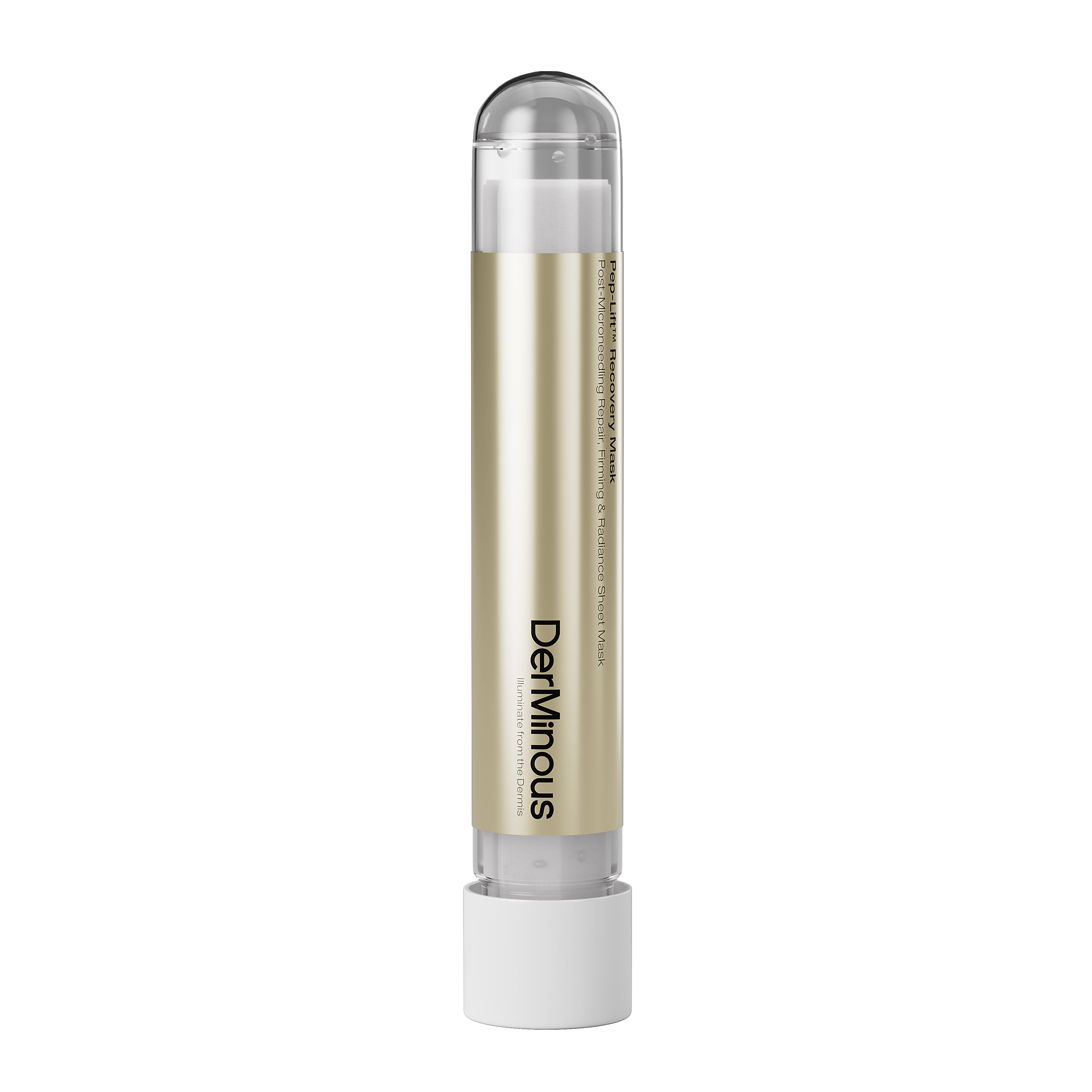
Interestingly, the brand encourages users to apply the cream immediately after removing the Post-Treatment Repair Mask—a chilled, PDRN-enriched sheet mask that cools inflammation and preps the skin for optimal occlusion. The sequence (serum → mask → cream) creates a “hydration sandwich”: humectants draw water inward, while emollients and occlusives seal it in. This multi-layered approach is backed by cosmetic science as the gold standard for barrier recovery post-exfoliation or micro-injury¹⁰.
Real-World Results: What Users Experience
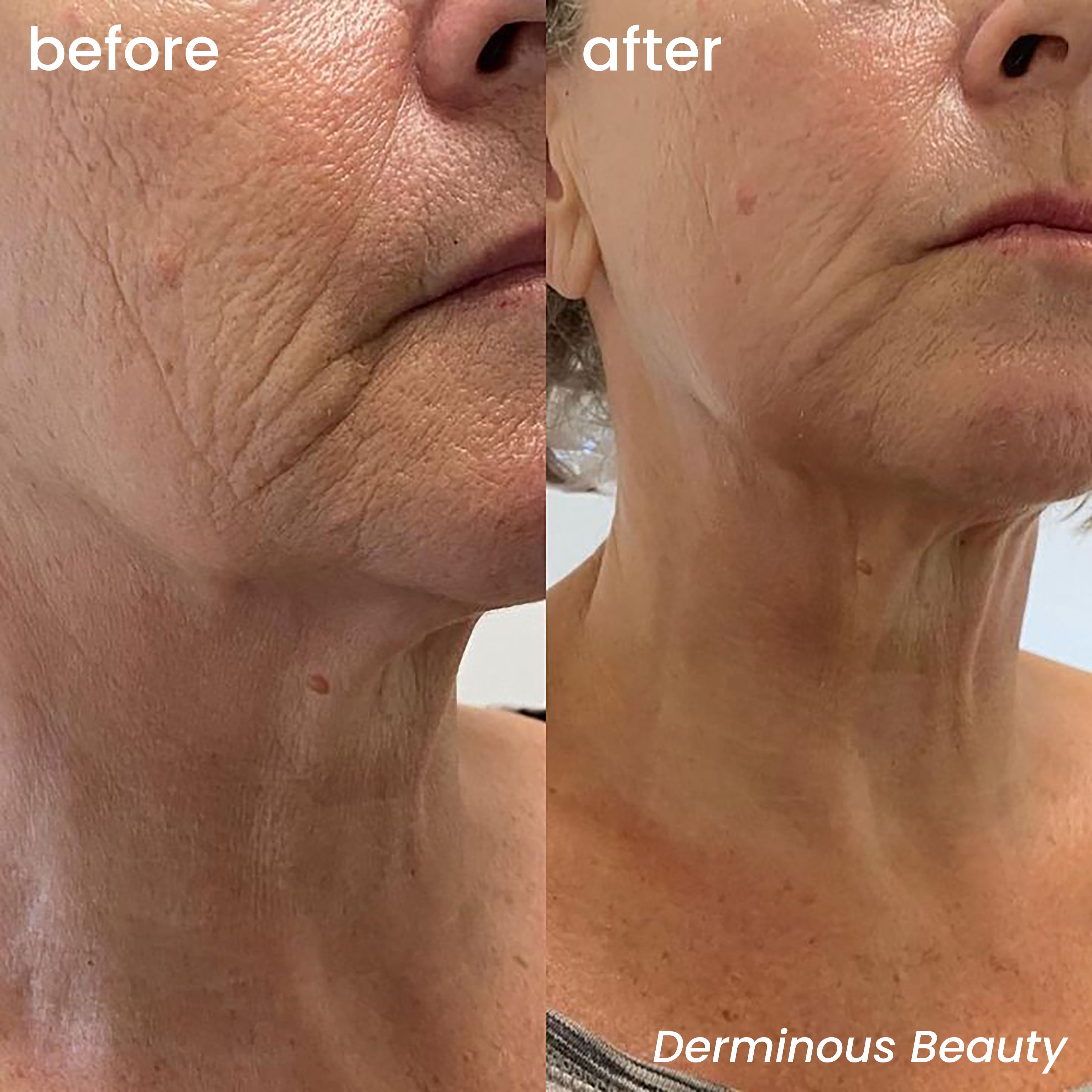
While clinical data is foundational, consumer testimonials validate real-world impact. On independent review platforms like Trustpilot and Reddit’s r/SkincareAddiction, users consistently highlight the “plumping” and “calming” effects of the final cream step. One verified buyer noted: “My skin felt tight and raw after the first micro-infusion—until I applied the Recovery Cream. Within minutes, the redness faded, and by morning, my cheeks looked lifted and dewy.”
Such feedback underscores a key truth: the success of any advanced delivery system hinges on what happens after infusion. Without proper sealing, even the most potent actives may underperform. With it, results compound over time—leading to measurable improvements in elasticity, radiance, and wrinkle depth within 2–4 weeks, as Derminous’s internal user trials suggest.
Conclusion: Sealing Is Not the End—It’s the Beginning of Sustained Renewal
In the Derminous GeneLift™ ecosystem, the “Seal and Nourish” step is the linchpin that converts transient intervention into lasting transformation. It embodies the brand’s commitment to clinical-grade efficacy, barrier-conscious formulation, and ritualistic empowerment—all pillars of modern premium skincare.
As at-home devices blur the line between dermatology clinics and bathroom vanities, the brands that thrive will be those that master not just delivery, but retention. Derminous does precisely that: by ensuring every drop of innovation is not only delivered—but cherished, protected, and perpetuated.
Footnotes
¹ Transepidermal Water Loss and Skin Barrier Function, National Center for Biotechnology Information (NCBI), https://www.ncbi.nlm.nih.gov/pmc/articles/PMC6165312/
² Topical Delivery Enhancement via Microneedling: Efficiency and Limitations, Journal of Investigative Dermatology, https://doi.org/10.1016/j.jid.2020.03.952
³ Biomimetic Lipids in Skincare: Mimicking Nature to Restore Barrier Health, International Journal of Cosmetic Science, https://doi.org/10.1111/ics.12678
⁴ Lee, H. et al. (2021). Post-Microneedling Care Protocols: A Review, Journal of Cosmetic Dermatology, https://onlinelibrary.wiley.com/doi/full/10.1111/jocd.14122
⁵ Acetyl Tetrapeptide-11: Mechanism of Action in Dermal Firming, Sederma (Active Ingredient Dossier), https://www.sederma.fr/en/active-ingredients/acetyl-tetrapeptide-11/
⁶ Phellodendron amurense: Anti-Inflammatory and Antimicrobial Properties in Dermatology, Phytotherapy Research, https://doi.org/10.1002/ptr.6890
⁷ The Psychology of Skincare Rituals, Harvard Business Review – Beauty & Wellness Insights, https://hbr.org/2023/05/the-psychology-of-skincare-rituals
⁸ 2025 Global Beauty Consumer Trends Report, McKinsey & Company, https://www.mckinsey.com/industries/retail/our-insights/state-of-fashion-beauty-2025
⁹ Stability Challenges in Peptide-Based Cosmetics, Cosmetics Europe Scientific Bulletin, https://cosmeticseurope.eu/publications/stability-of-peptides-in-cosmetic-formulations
¹⁰ The Hydration Sandwich Technique in Post-Procedure Skincare, Dermatologic Surgery, https://journals.lww.com/dermatologicsurgery/Abstract/2022/04000/The_Hydration_Sandwich__A_New_Paradigm_in.12.aspx