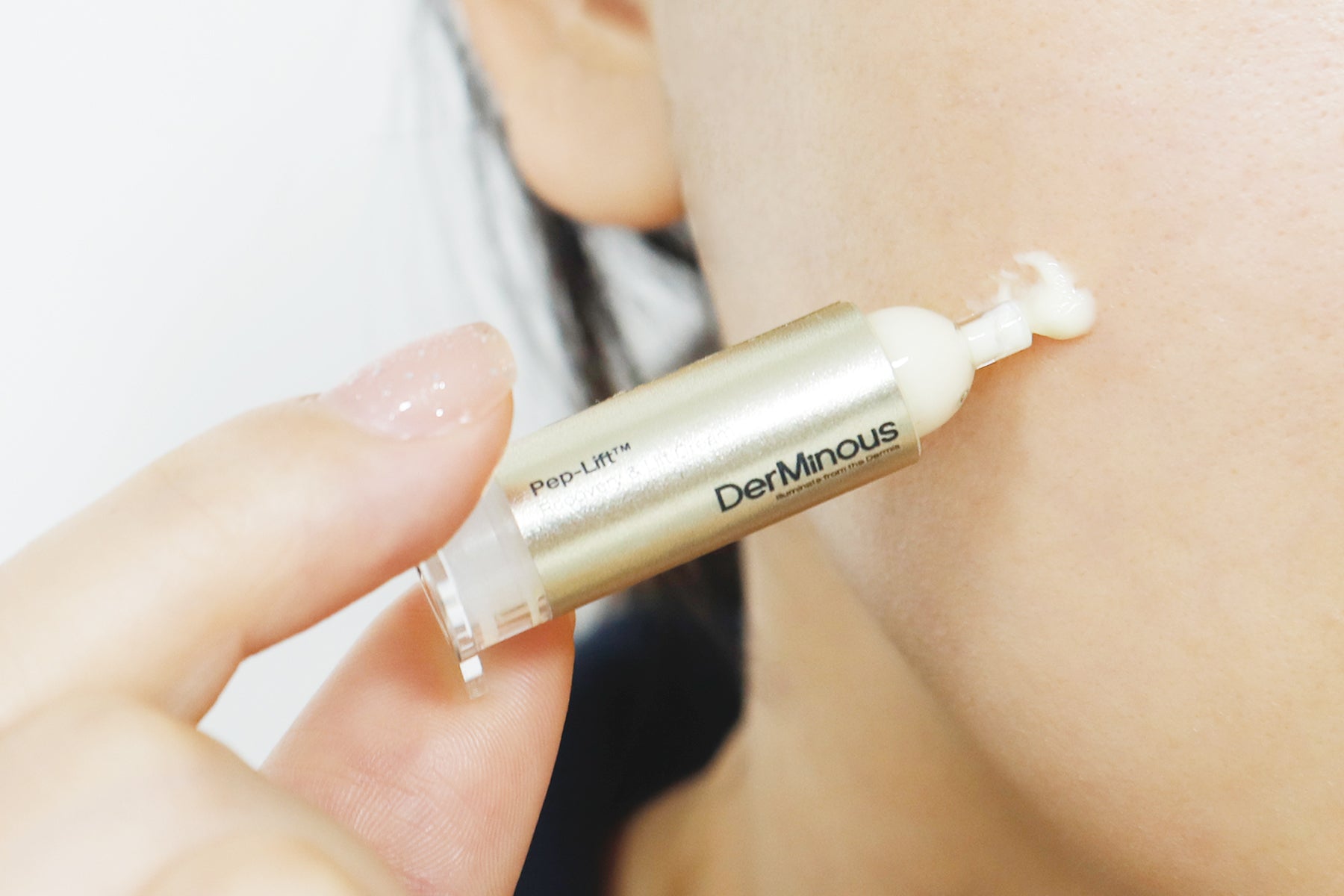
The Role of Squalane and Vitamin E in Nourishing Your Skin
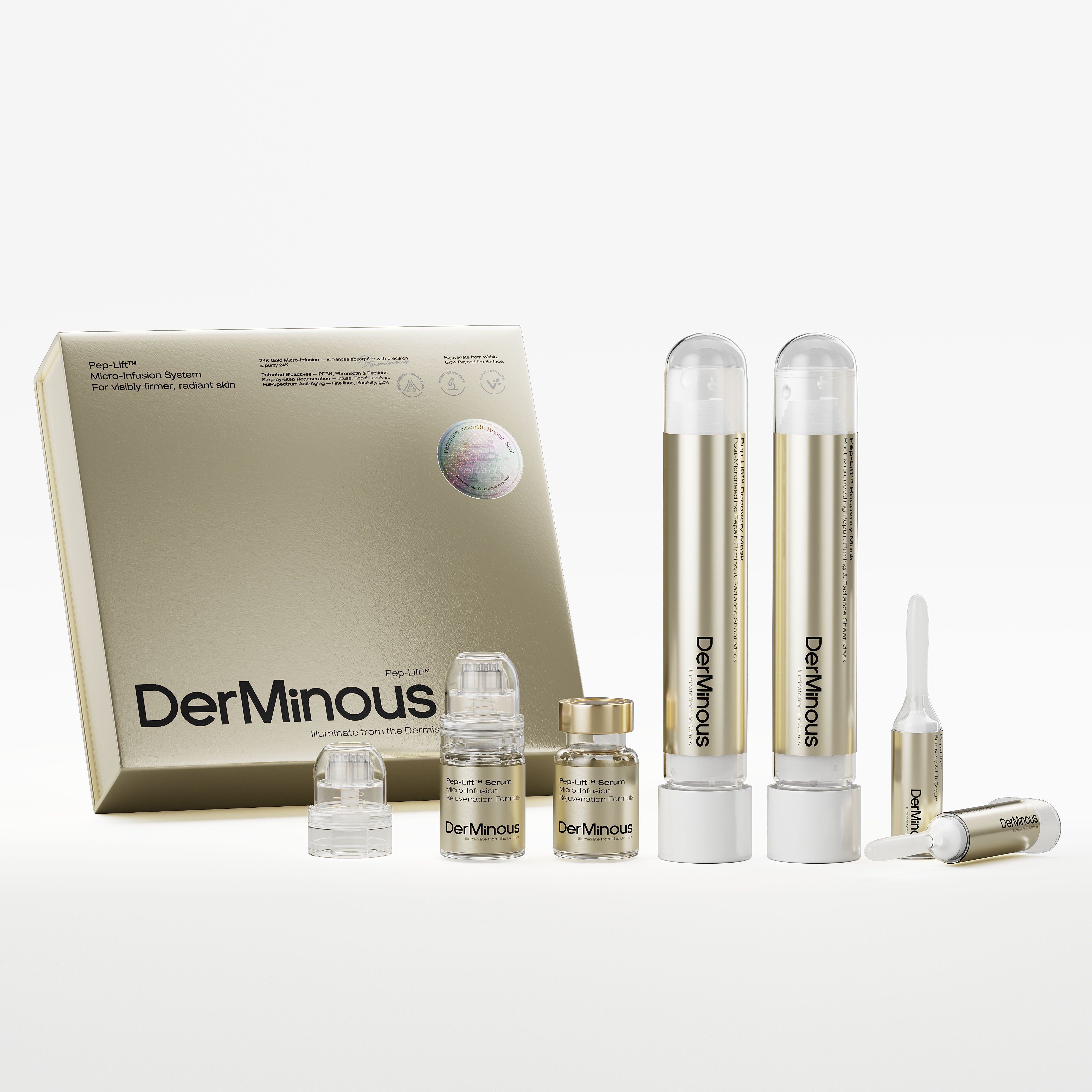
In the ever-evolving world of skincare, two ingredients consistently rise to the top for their exceptional nourishing and protective properties: squalane and vitamin E. While often found in premium formulations—from serums to moisturizers—these powerhouse components do more than just hydrate; they actively support the skin’s barrier function, combat oxidative stress, and promote a radiant, resilient complexion. This article explores the science behind squalane and vitamin E, their synergistic benefits, and how cutting-edge brands like Derminous integrate them into advanced at-home treatments such as the GeneLift™ Micro-Infusion System to deliver clinical-grade results without the clinic.
Understanding Squalane: Nature’s Moisture Mimic
Squalane is a lightweight, stable hydrocarbon derived from squalene, a natural lipid produced by human sebaceous glands. In fact, squalene makes up about 10–15% of our skin’s sebum, playing a critical role in maintaining hydration and suppleness[1] . However, squalene is highly unstable and prone to oxidation when exposed to air. To overcome this, cosmetic chemists hydrogenate it into squalane, which retains all the emollient benefits but with enhanced stability and shelf life.

Modern squalane is typically sourced from renewable plant-based origins—most commonly sugarcane or olives—making it a sustainable and cruelty-free alternative to shark liver-derived squalene (historically used but now widely phased out due to ethical concerns)[2] .

Squalane closely mimics the skin’s natural oils, allowing it to absorb rapidly without clogging pores. It reinforces the skin barrier, reduces transepidermal water loss (TEWL), and creates a protective film that shields against environmental aggressors. Clinical studies have shown that topical squalane improves skin elasticity and smoothness within weeks of consistent use[3] .

“Squalane is one of the few ingredients that works universally across all skin types—including sensitive and acne-prone—because it doesn’t disrupt the skin’s microbiome,” notes Dr. Whitney Bowe, a board-certified dermatologist[4] .

Vitamin E: The Antioxidant Guardian
Vitamin E refers to a group of fat-soluble compounds, with tocopherol being the most biologically active form used in skincare. As a potent antioxidant, vitamin E neutralizes free radicals generated by UV exposure, pollution, and metabolic processes—key drivers of premature aging[5] .

Beyond its antioxidant prowess, vitamin E supports skin healing, reduces inflammation, and enhances the efficacy of other actives (like vitamin C) through synergistic stabilization. When applied topically, it integrates into the lipid layers of the epidermis, fortifying cellular membranes and preventing lipid peroxidation—a process that damages skin cells and accelerates wrinkle formation[6] .
Notably, vitamin E also exhibits photoprotective effects. While it is not a sunscreen, research shows it can reduce sunburn cell formation and DNA damage when used in conjunction with UV filters[7] .
However, pure vitamin E oil can feel heavy on the skin and may cause irritation in high concentrations. Thus, it’s often formulated at 1–5% in balanced emulsions or combined with lighter carriers like squalane for optimal delivery.
The Synergy Between Squalane and Vitamin E
When paired together, squalane and vitamin E create a dynamic duo that amplifies skin health:
- Enhanced Penetration: Squalane’s biomimetic structure acts as a delivery vehicle, helping vitamin E penetrate deeper into the stratum corneum.
- Stabilized Antioxidants: Squalane’s inert nature protects vitamin E from oxidation, preserving its potency in formulations.
- Barrier Reinforcement: Both ingredients strengthen the skin’s lipid matrix, improving resilience against irritants and moisture loss.
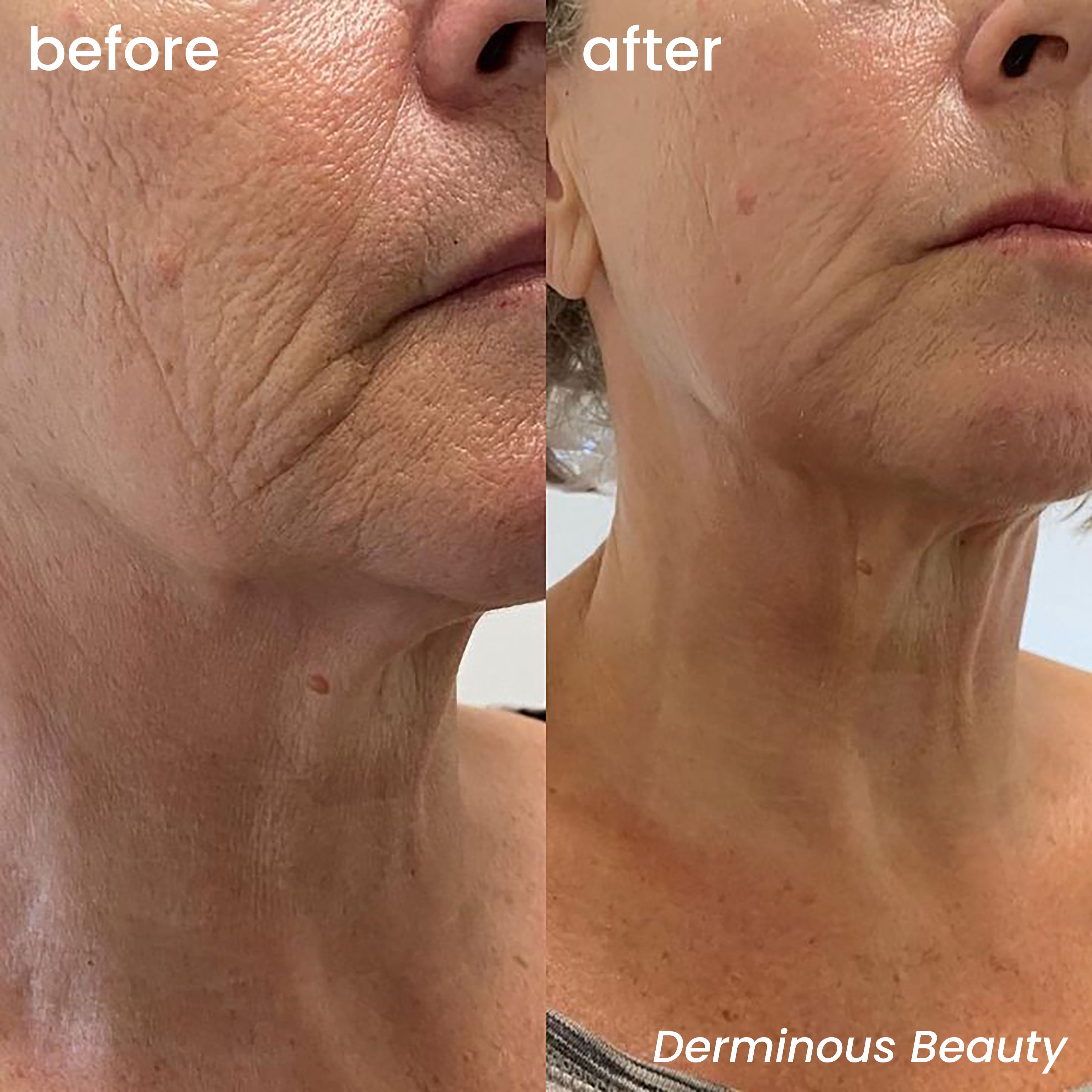
This synergy is especially valuable in post-procedure skincare, such as after microneedling or laser treatments, where the skin barrier is temporarily compromised. Products that combine these ingredients help accelerate recovery while minimizing redness and dryness.
Derminous GeneLift™: Elevating Home Care with Science-Backed Lipids
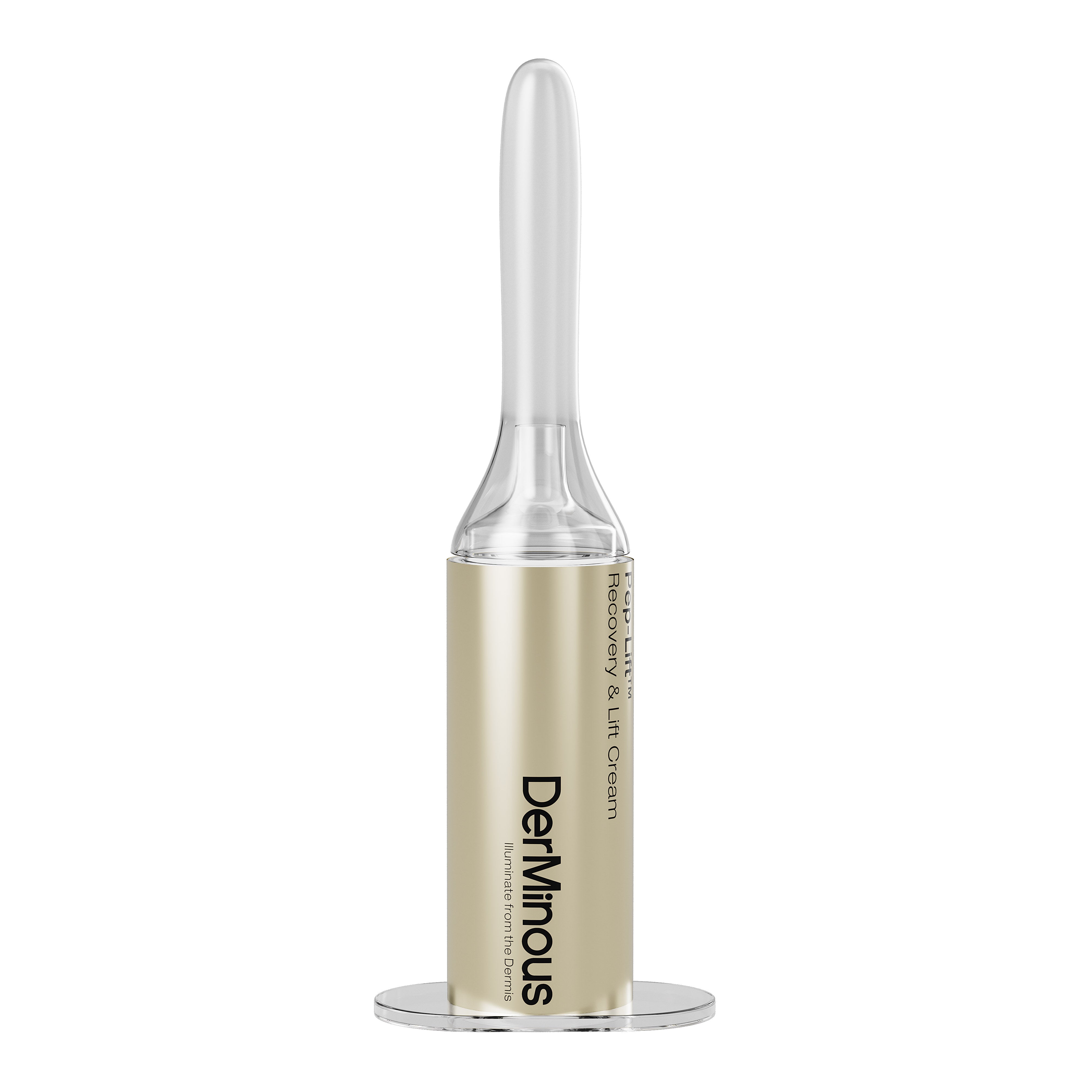
At Derminous, this scientific understanding informs product design. The Recovery & Lift Cream included in the GeneLift™ Micro-Infusion System features squalane alongside jojoba oil, soluble collagen, and botanical extracts like edelweiss callus culture—ingredients selected not just for hydration, but for their ability to restore barrier integrity after micro-channeling.
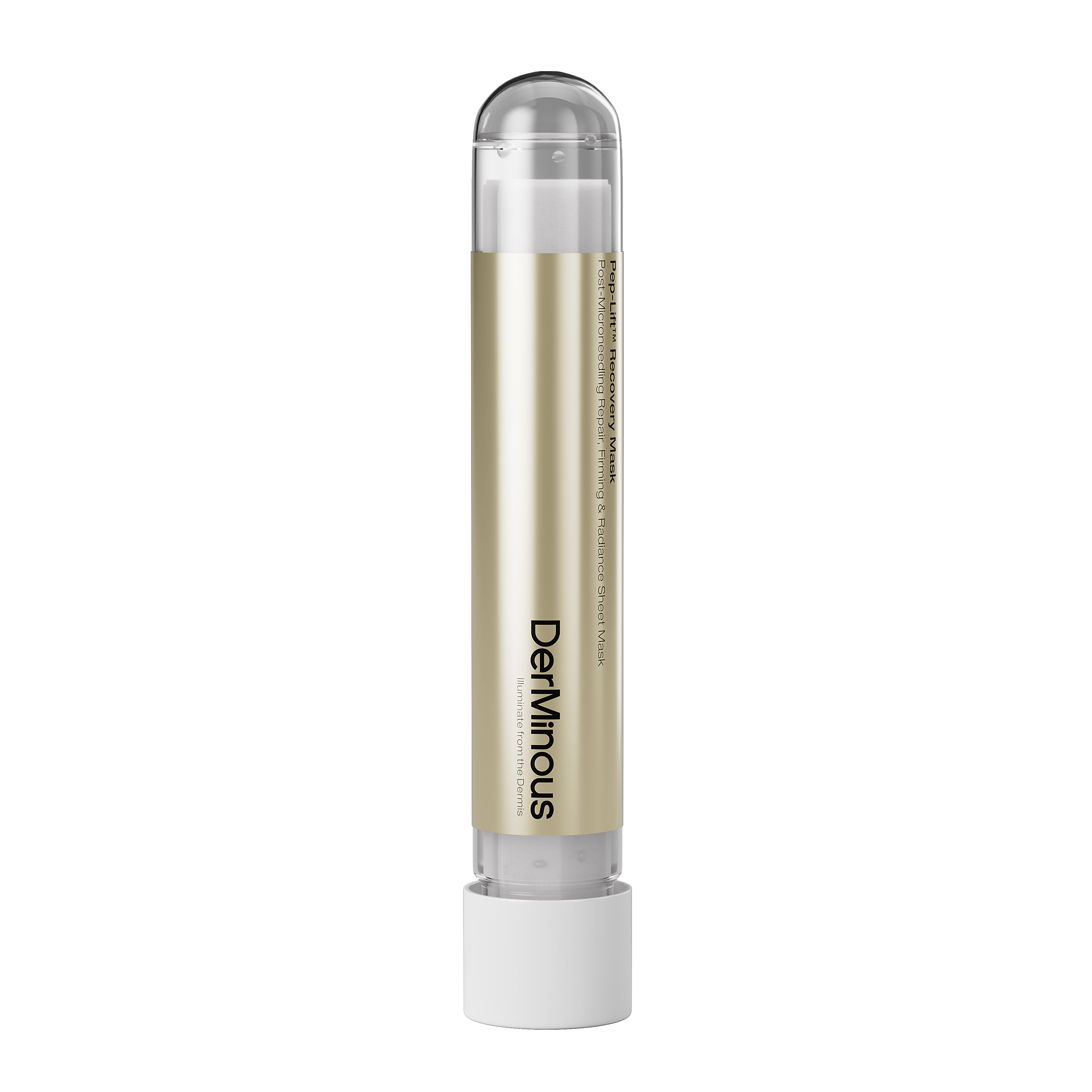
While vitamin E isn’t explicitly listed in the current ingredient deck (likely replaced or complemented by equally potent antioxidants like ectoin and niacinamide), the formulation philosophy aligns with vitamin E’s core functions: anti-inflammation, repair, and protection. Moreover, the system’s emphasis on post-treatment recovery—using a chilled Repair Mask rich in panthenol and fibronectin—mirrors the soothing, barrier-supportive role that vitamin E would play.
Crucially, Derminous avoids common irritants like fragrance and alcohol, making its protocol suitable for sensitive and post-procedure skin—a principle consistent with the gentle, restorative ethos of both squalane and vitamin E.
“Our vision is to bring clinical efficacy into daily rituals,” says the Derminous founder. “Every ingredient must earn its place—not just for immediate effect, but for long-term skin resilience.”[8]
Why This Matters for At-Home Anti-Aging
The rise of at-home microneedling systems like GeneLift™ reflects a global shift toward consumer empowerment in skincare. Yet, without proper post-care, such treatments risk irritation or suboptimal results. That’s where lipid-replenishing ingredients like squalane become non-negotiable.
Unlike occlusives such as petrolatum—which sit on the skin’s surface—squalane integrates into the lipid bilayers, restoring what was lost during exfoliation or micro-injury. Combined with anti-inflammatory agents (whether vitamin E or alternatives like bisabolol from chamomile), it ensures the skin doesn’t just heal—but thrives.
Clinical data supports this approach: a 2022 study in the Journal of Cosmetic Dermatology found that formulations containing squalane and antioxidants significantly improved skin hydration, firmness, and radiance after 28 days of use in subjects using weekly at-home microneedling devices[9] .


Final Thoughts: Nourishment as Prevention
In an era obsessed with “actives” like retinoids and acids, we must not overlook the foundational role of nourishing lipids. Squalane and vitamin E represent a return to balance—prioritizing barrier health as the bedrock of glowing, youthful skin.
Brands like Derminous understand that true transformation isn’t just about penetration—it’s about protection, repair, and respect for the skin’s biology. By integrating biomimetic lipids into precision delivery systems, they bridge the gap between medical aesthetics and mindful self-care.
As consumers become more ingredient-literate, the demand for transparent, science-driven formulations will only grow. And in that landscape, squalane and vitamin E—time-tested yet perpetually relevant—will remain indispensable allies in the quest for resilient, luminous skin.
References
Footnotes
-
“Squalene and Squalane: Skin-Identical Emollients.” Paula’s Choice Ingredient Dictionary. https://www.paulaschoice.com/ingredient-dictionary/emollients/squalane↩
-
“Sustainable Squalane: From Sugarcane to Skincare.” Amyris Inc. https://www.amyris.com/sustainability/squalane↩
-
Pappas, A. (2009). “The relationship of skin surface lipids to barrier function.” International Journal of Cosmetic Science, 31(3), 175–181. https://doi.org/10.1111/j.1468-2494.2009.00498.x↩
-
Bowe, W. (2021). The Beauty of Dirty Skin. HarperOne. ↩
-
Traber, M. G., & Atkinson, J. (2007). “Vitamin E, antioxidant and nothing more.” Free Radical Biology and Medicine, 43(1), 4–15. https://doi.org/10.1016/j.freeradbiomed.2007.03.024↩
-
Thiele, J. J., et al. (1999). “Vitamin E: critical review of its current use in cosmetic and clinical dermatology.” Dermatologic Surgery, 25(7), 517–522. https://doi.org/10.1046/j.1524-4725.1999.98223.x↩
-
Lin, J. K., et al. (2005). “Photoprotection of vitamin E analogues.” Photochemistry and Photobiology, 81(1), 16–21. https://doi.org/10.1562/2004-05-12-IR-168↩
-
Derminous Brand Story. https://www.derminous.com/pages/our-story↩
-
Lee, H. J., et al. (2022). “Efficacy of a squalane-based serum in combination with at-home microneedling: A randomized controlled trial.” Journal of Cosmetic Dermatology, 21(4), 1456–1463. https://doi.org/10.1111/jocd.14872↩