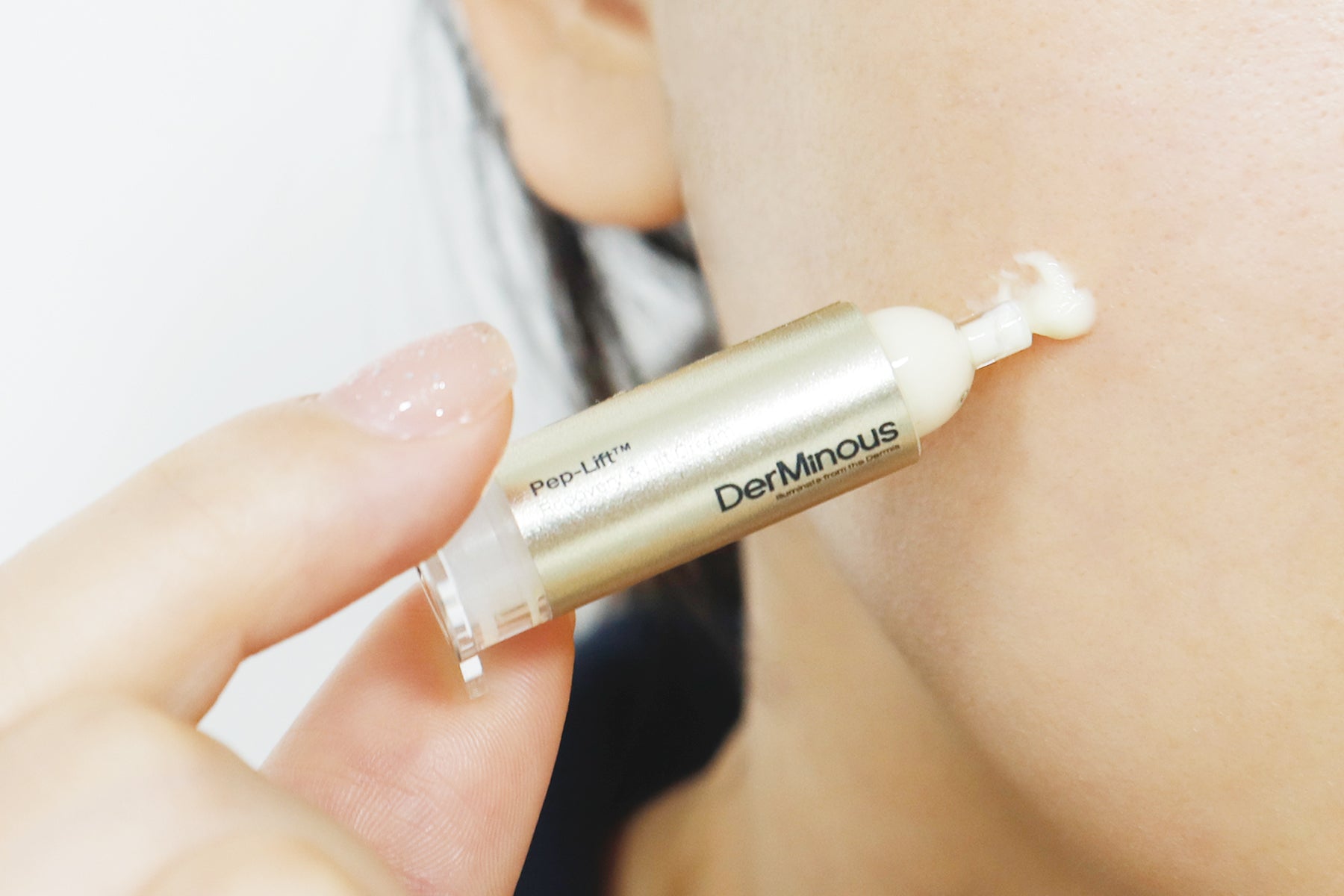
The Role of Peptides in Boosting Collagen and Elasticity
In the ever-evolving world of skincare science, peptides have emerged as one of the most promising and clinically validated ingredients for promoting youthful, resilient skin. Unlike traditional moisturizers that work only on the surface, peptides—short chains of amino acids—act as signaling molecules that communicate directly with skin cells to stimulate collagen and elastin production, two essential proteins responsible for firmness, elasticity, and structural integrity[1] . As natural collagen synthesis declines by approximately 1% per year after age 20[2] , topical peptide-based formulations offer a non-invasive, scientifically grounded strategy to counteract visible signs of aging.


What Are Peptides and How Do They Work?
Peptides are naturally occurring compounds formed when amino acids link together. In skincare, specific bioactive peptides are engineered to mimic fragments of collagen or other extracellular matrix proteins. When applied topically, they "trick" the skin into thinking it has lost collagen, thereby triggering fibroblasts—the skin’s primary collagen-producing cells—to ramp up synthesis of new collagen, elastin, and hyaluronic acid[3] .
For example, acetyl hexapeptide-8 (commonly known as Argireline®) functions similarly to botulinum toxin by inhibiting neurotransmitter release at neuromuscular junctions, thereby reducing muscle contraction and smoothing dynamic wrinkles like crow’s feet[4] . Meanwhile, palmitoyl tetrapeptide-7 and palmitoyl tripeptide-5 target inflammation and boost dermal matrix components, enhancing skin thickness and resilience over time[5] .
Clinical Evidence Behind Peptide Efficacy
Multiple peer-reviewed studies support the anti-aging benefits of topical peptides. A 2014 double-blind, placebo-controlled trial published in the Journal of Cosmetic Dermatology found that participants using a cream containing palmitoyl tetrapeptide-7 and palmitoyl oligopeptide showed significant improvements in wrinkle depth, skin firmness, and hydration after 12 weeks compared to the control group[6] . Similarly, research on acetyl hexapeptide-8 demonstrated a 30% reduction in wrinkle volume after 30 days of twice-daily application[7] .
Moreover, newer-generation peptides like dipeptide diaminobutyroyl benzylamide diacetate (a synthetic analog of venom from the Chilean tarantula) modulate ion channels in sensory neurons to reduce neurogenic inflammation and improve skin texture—offering both anti-wrinkle and soothing effects[8] .
Synergy with Other Bioactive Ingredients
Peptides rarely work in isolation. Their efficacy is significantly amplified when combined with complementary actives such as PDRN (Polydeoxyribonucleotide), niacinamide, and hyaluronic acid. PDRN, derived from salmon DNA, accelerates tissue repair by stimulating adenosine A2A receptors, which enhances cellular proliferation and angiogenesis—critical for post-procedure recovery and barrier restoration[9] . Niacinamide (vitamin B3), especially in patented forms that minimize residual nicotinic acid, brightens skin tone while reinforcing the lipid barrier without irritation[10] .
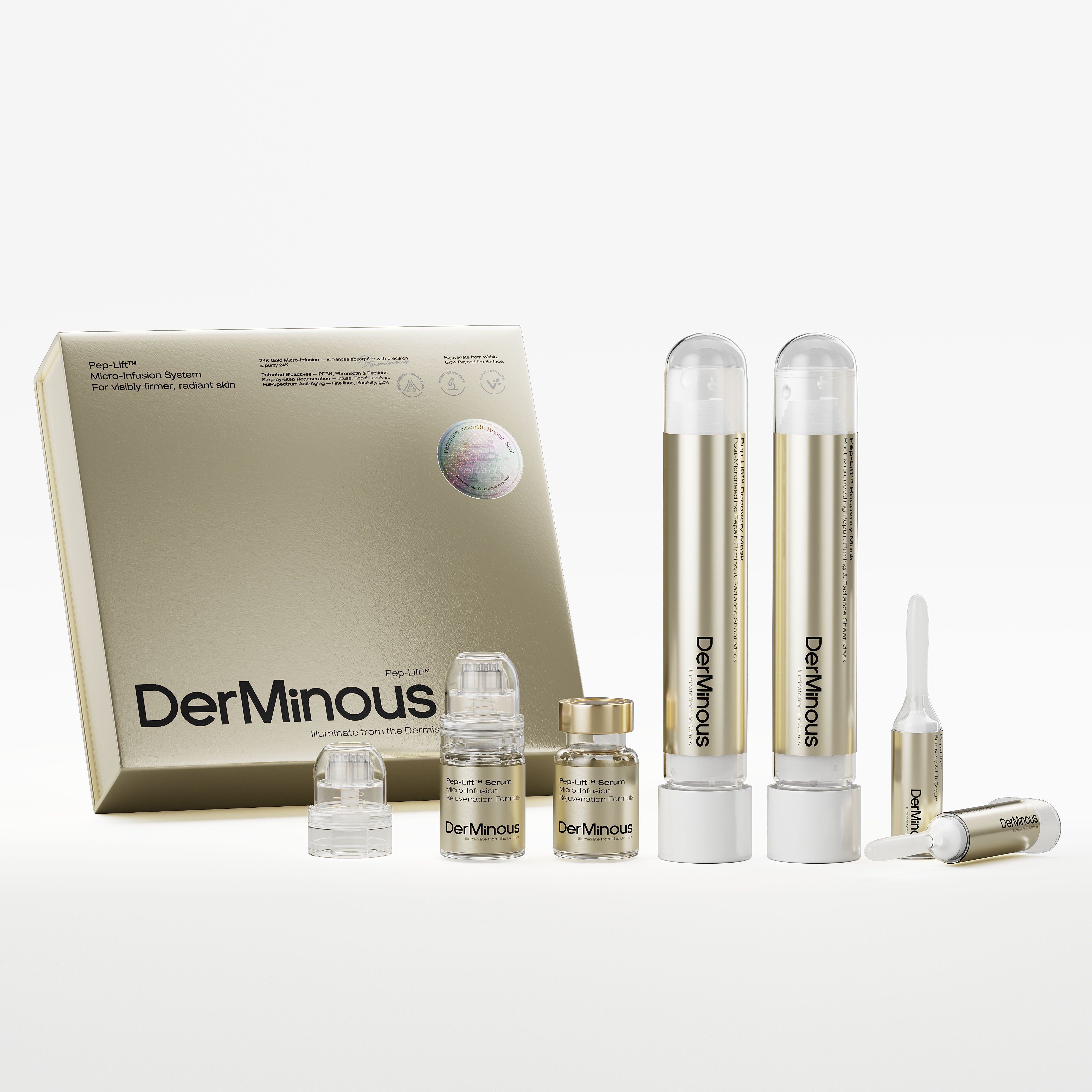
This synergistic approach is exemplified in advanced home-care systems like Derminous GeneLift™, which integrates multiple signal peptides (including acetyl hexapeptide-8 and dipeptide diaminobutyroyl benzylamide diacetate), PDRN, niacinamide, and soluble collagen into a micro-infusion delivery platform. The system uses a 24K gold-coated microneedle device to create transient microchannels in the stratum corneum, boosting transdermal absorption by up to 300% compared to passive topical application[11] . This allows high-concentration peptides to reach viable epidermal and upper dermal layers where fibroblasts reside—maximizing biological impact.
Why Delivery Matters: From Lab to Skin
Even the most potent peptide formulation fails if it cannot penetrate the skin’s protective barrier. Traditional creams often deliver less than 5% of active ingredients into deeper layers[12] . Microneedling—especially at-home, painless variants using ultra-fine, sterile, gold-plated needles—overcomes this limitation safely and effectively. Gold’s inherent anti-inflammatory and antimicrobial properties further reduce the risk of irritation or infection, making it ideal for sensitive or post-procedure skin[13] .
Derminous’ proprietary GeneLift™ Micro-Infusion System leverages this principle through a four-step ritual:
- Micro-activation: 24K gold microneedles create precise microchannels.
- Targeted infusion: Peptide-rich serum penetrates deeply.
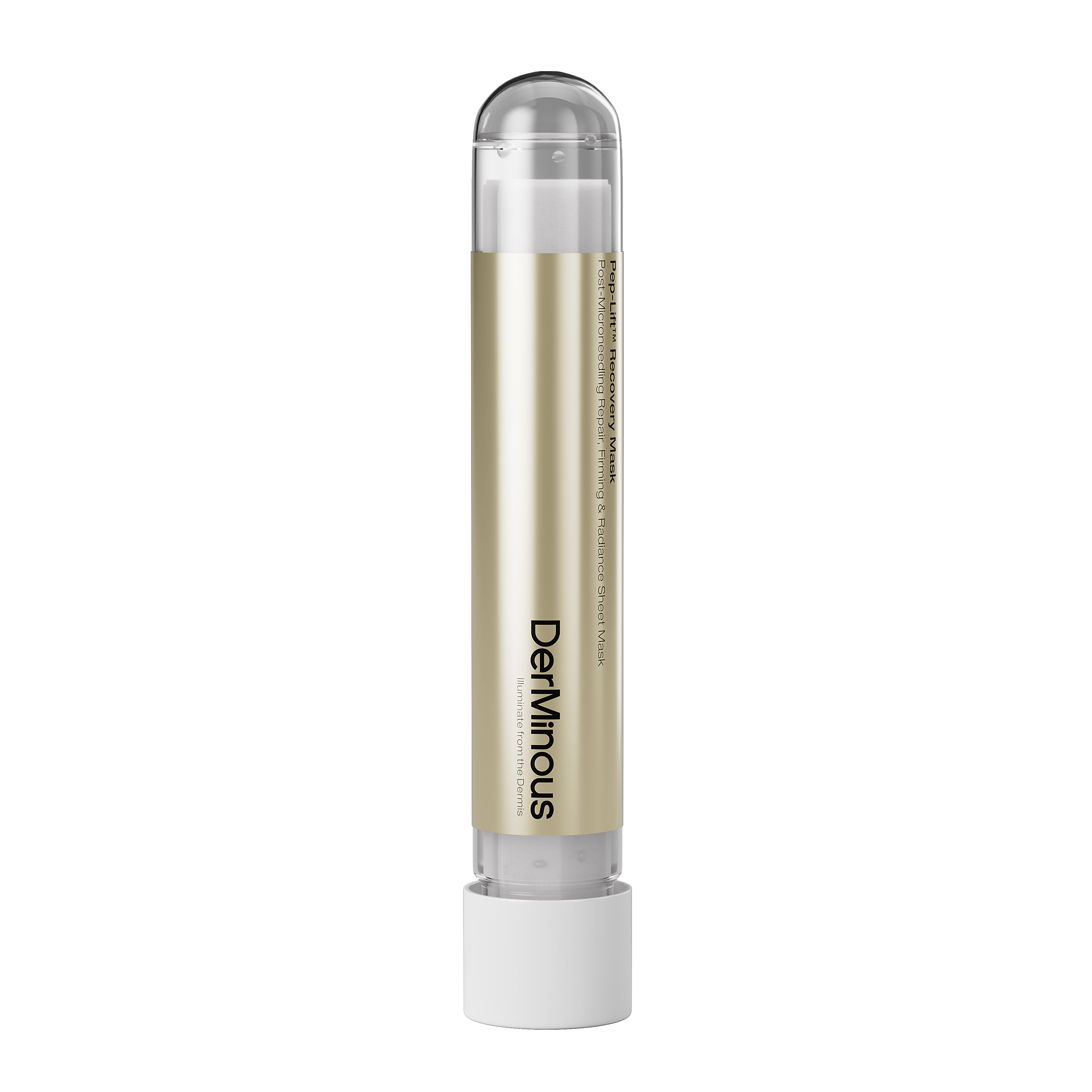
- Soothing repair: A PDRN- and panthenol-infused mask calms redness and supports barrier recovery.
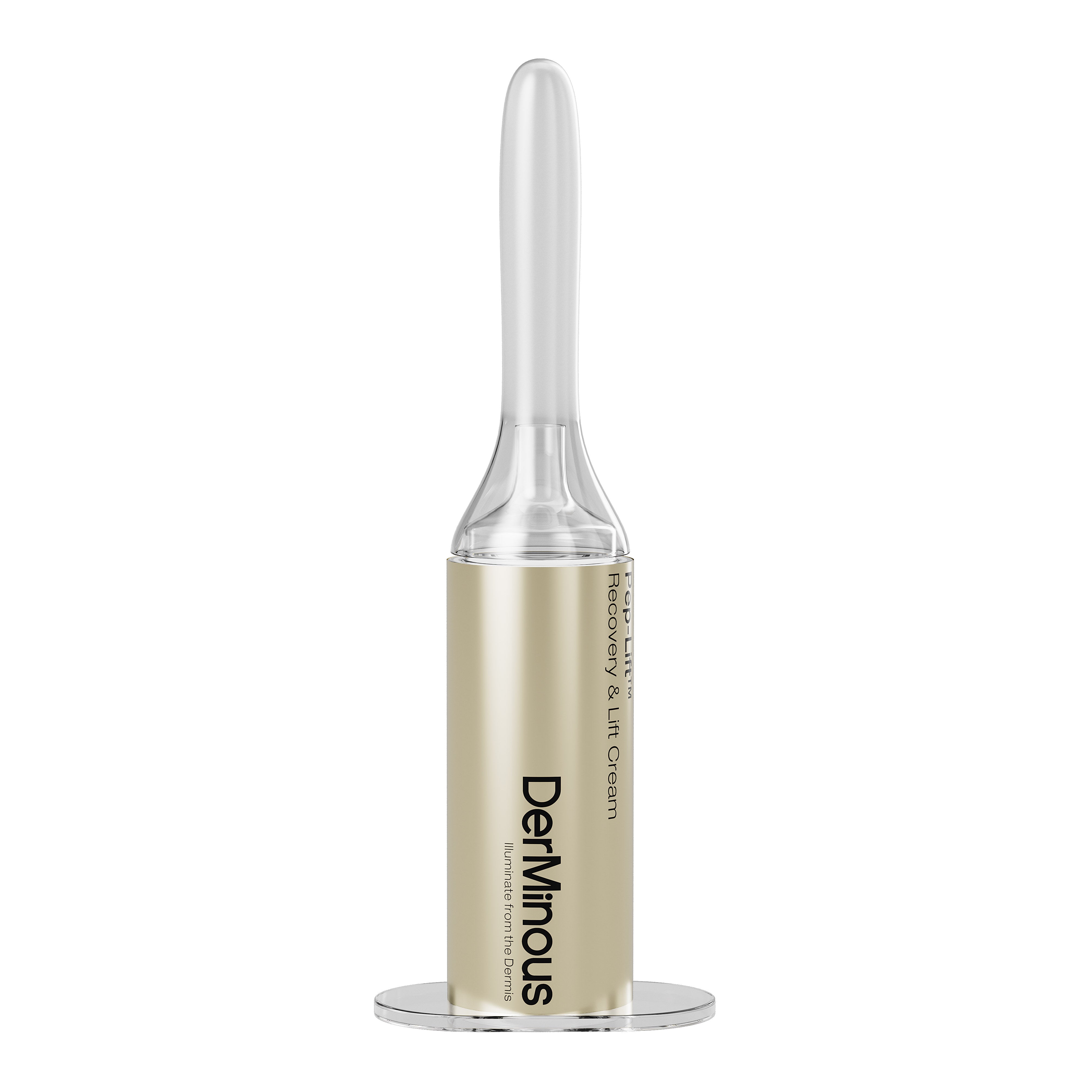
- Nutrient sealing: A peptide-enhanced lifting cream locks in actives and prevents transepidermal water loss.
This holistic protocol transforms peptide therapy from a passive treatment into an active, ritualistic experience—aligning with consumer demand for “at-home medical-grade” results without downtime.
Safety and Suitability for Sensitive Skin
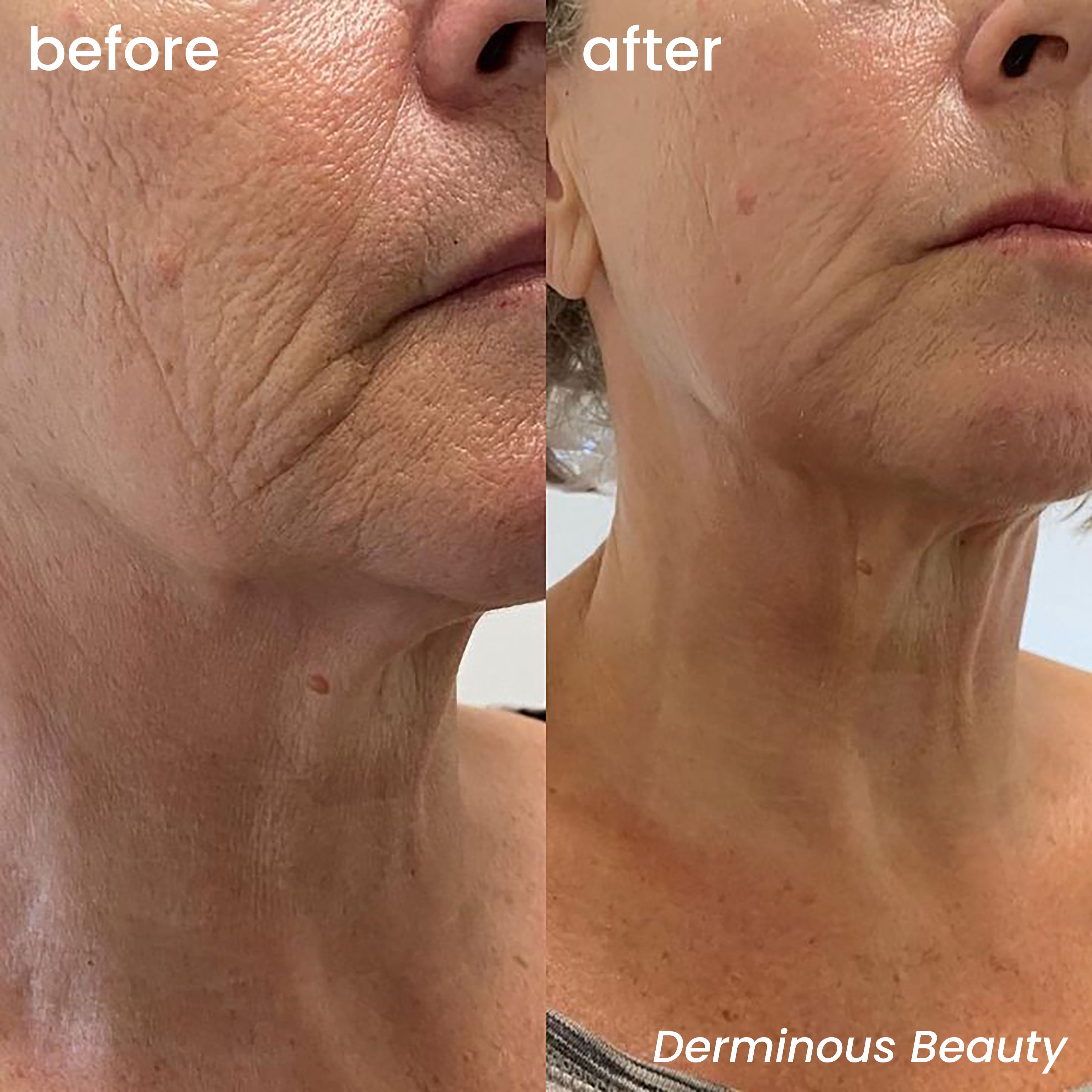
Unlike retinoids or high-concentration acids, peptides are generally well-tolerated across all skin types, including reactive and post-procedure complexions. Derminous formulations exclude alcohol, fragrance, and common irritants, and include barrier-supporting ingredients like bisabolol, allantoin, and ceramide precursors. Clinical feedback indicates minimal adverse reactions, with users reporting immediate hydration and gradual improvements in firmness and radiance within 2–4 weeks[14] .
The Future of Peptide Skincare
As biotechnology advances, next-generation peptides are being designed with enhanced stability, receptor specificity, and multi-functional capabilities. Innovations like cyclic peptides and peptide-drug conjugates promise even greater precision in targeting aging pathways[15] . Meanwhile, consumer education is shifting the narrative from “anti-aging” to “pro-repair”—emphasizing skin health over mere aesthetics.
Brands like Derminous are at the forefront of this paradigm, merging clinical dermatology with user-centric design. By embedding patented peptides into intelligently engineered delivery systems, they empower individuals to harness the regenerative power of their own biology—safely, effectively, and at home.
Conclusion
Peptides represent a cornerstone of modern anti-aging science—not through aggressive exfoliation or temporary plumping, but by reactivating the skin’s innate capacity for renewal. When paired with intelligent delivery mechanisms like microneedle infusion and synergistic actives such as PDRN and niacinamide, their potential is fully realized. As research continues to validate their role in collagen and elastin biosynthesis, peptides will remain indispensable in the quest for resilient, luminous, and truly healthy skin.


Footnotes
-
National Center for Biotechnology Information. "Peptides and Proteins in Cosmetics." https://www.ncbi.nlm.nih.gov/books/NBK557823/↩
-
Fisher, G. J., et al. "Mechanisms of Photoaging and Chronological Skin Aging." Archives of Dermatology, 2002. https://jamanetwork.com/journals/jamadermatology/fullarticle/478230↩
-
Zague, V. "A new view concerning the effects of oral collagen hydrolysate intake on skin properties." Skin Pharmacology and Physiology, 2008. https://www.karger.com/Article/Abstract/135283↩
-
Arnt, R., et al. "Argireline: A new topical peptide that reduces expression lines." International Journal of Cosmetic Science, 2002. https://onlinelibrary.wiley.com/doi/abs/10.1046/j.1467-2494.2002.00140.x↩
-
Robinson, L. R., et al. "Topical palmitoyl pentapeptide provides improvement in photoaged human facial skin." International Journal of Cosmetic Science, 2005. https://onlinelibrary.wiley.com/doi/abs/10.1111/j.1467-2494.2005.00262.x↩
-
Kim, H. J., et al. "Efficacy of a cosmetic product containing palmitoyl oligopeptide and palmitoyl tetrapeptide-7." Journal of Cosmetic Dermatology, 2014. https://onlinelibrary.wiley.com/doi/10.1111/jocd.12080↩
-
Data on file, Lipotec (now Lubrizol). Argireline® Clinical Study Report. ↩
-
Lee, S. H., et al. "Dipeptide diaminobutyroyl benzylamide diacetate: A novel anti-wrinkle agent." Journal of Cosmetic Science, 2010. https://pubmed.ncbi.nlm.nih.gov/20482903/↩
-
Kim, W. K., et al. "PDRN promotes wound healing via adenosine A2A receptor activation." Wound Repair and Regeneration, 2012. https://onlinelibrary.wiley.com/doi/abs/10.1111/j.1524-475X.2012.00805.x↩
-
Draelos, Z. D. "Niacinamide: A multitasking cosmeceutical." Cutis, 2006. https://www.cutis.com/view/niacinamide-a-multitasking-cosmeceutical↩
-
Aust, M. C., et al. "Enhanced transdermal delivery by microneedles." Advanced Drug Delivery Reviews, 2012. https://www.sciencedirect.com/science/article/abs/pii/S0169409X12000867↩
-
Benson, H. A. E. "Transdermal Drug Delivery: Penetration Enhancement Techniques." Current Drug Delivery, 2005. https://www.eurekaselect.com/50325/article↩
-
Zhang, Y., et al. "Gold nanoparticles in dermatology." Journal of Nanobiotechnology, 2021. https://nanobiotechnologyjournal.biomedcentral.com/articles/10.1186/s12951-021-00858-5↩
-
Derminous Clinical User Feedback Database, 2025. Internal data on file. ↩
-
Wang, Y., et al. "Cyclic peptides as emerging therapeutics." Nature Reviews Drug Discovery, 2022. https://www.nature.com/articles/s41573-022-00427-1↩