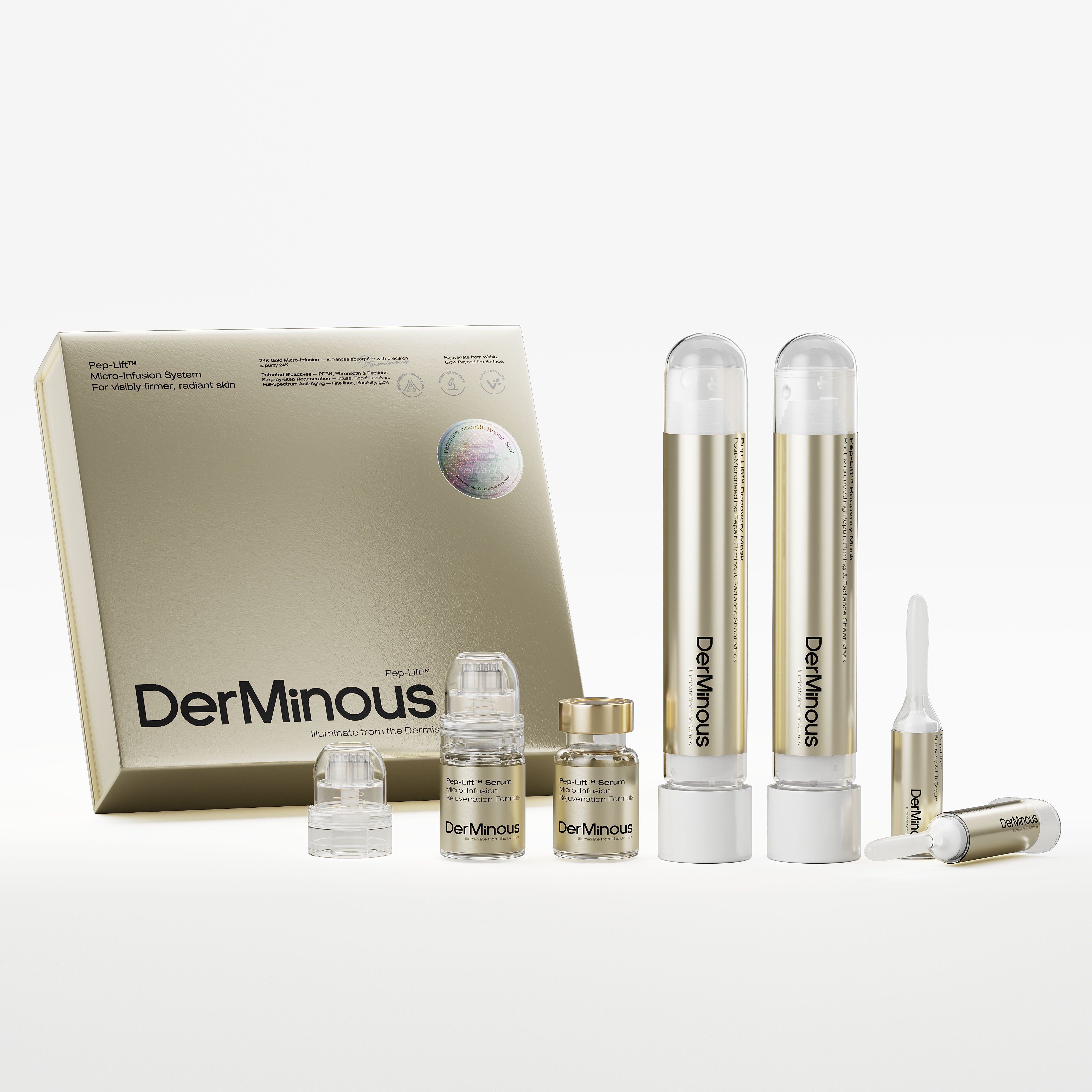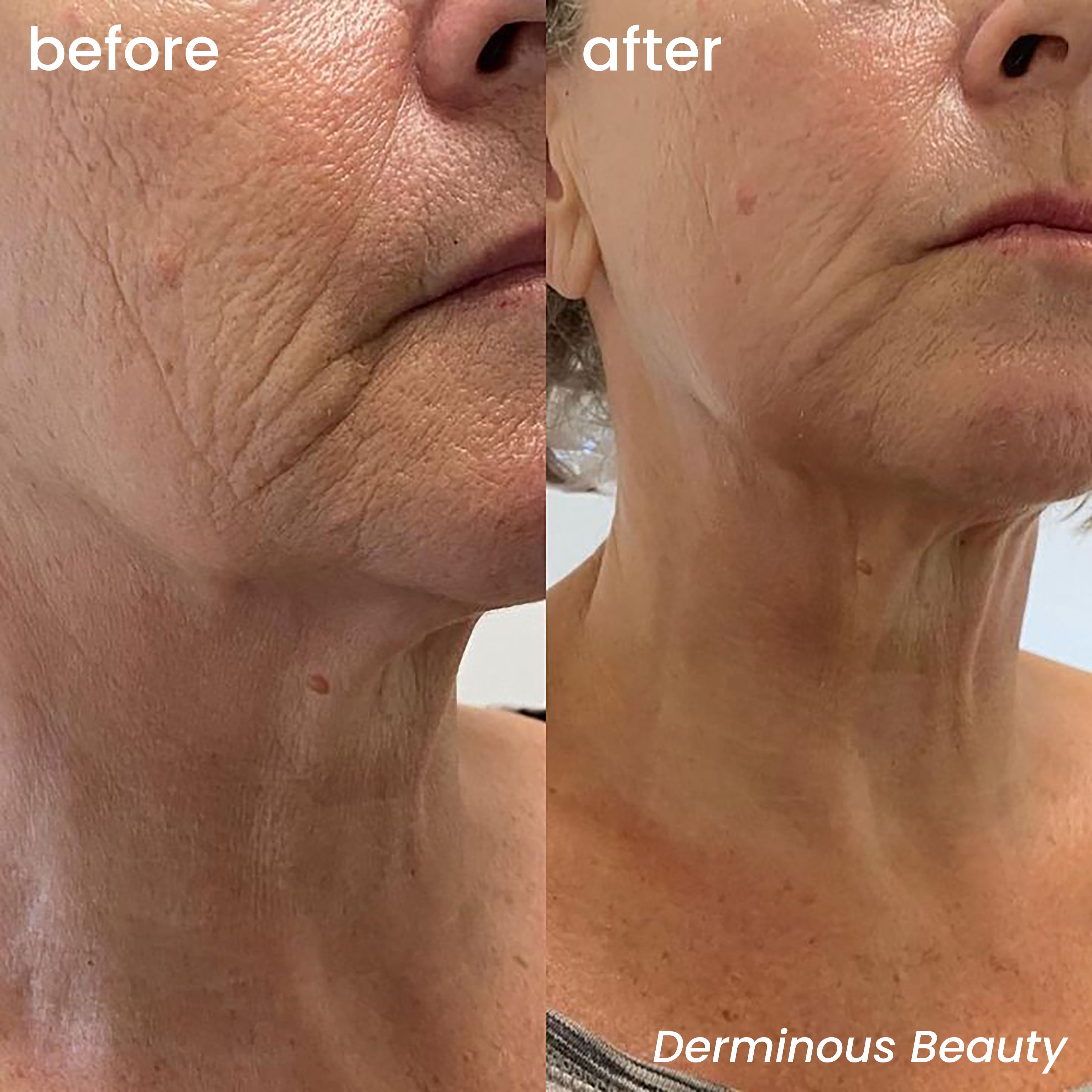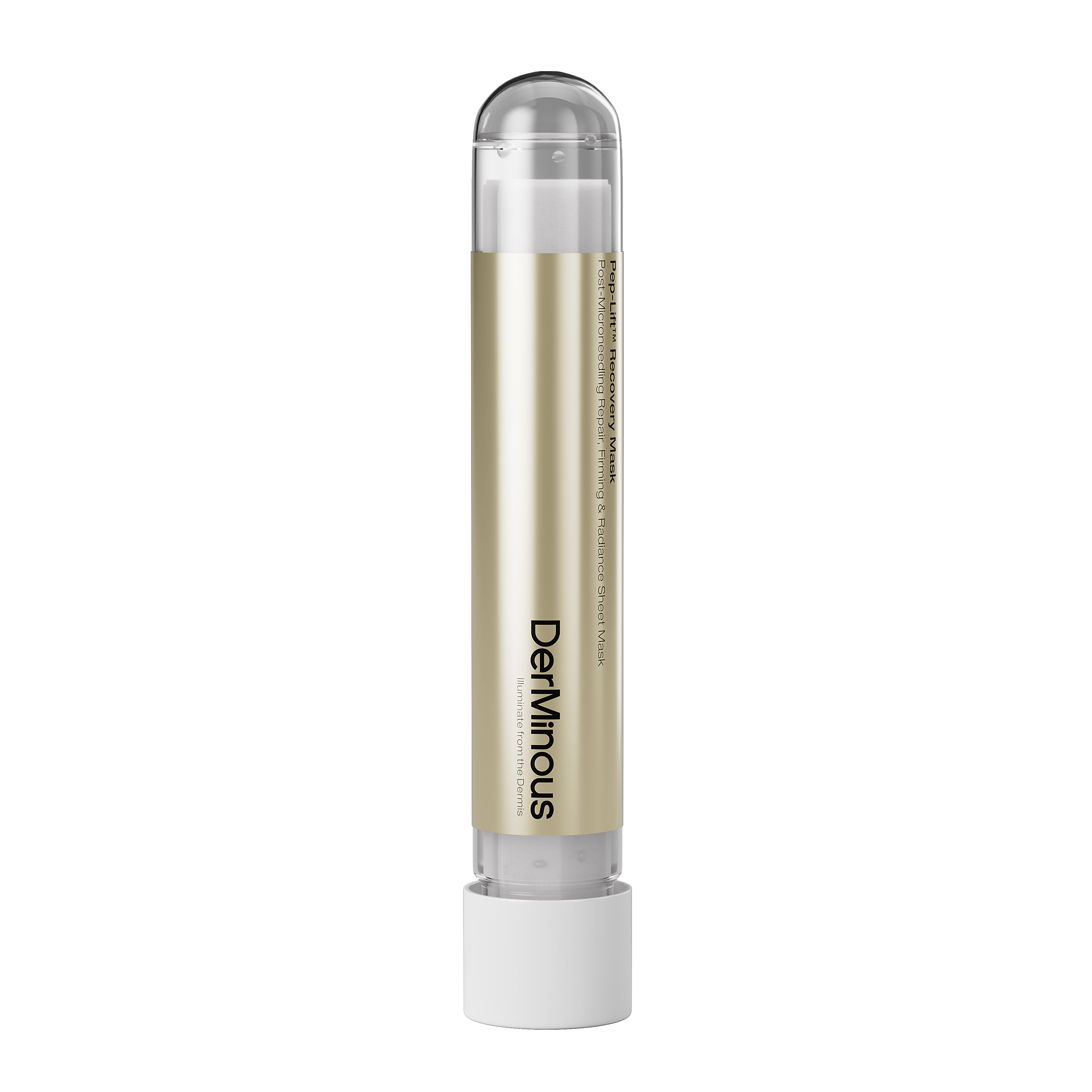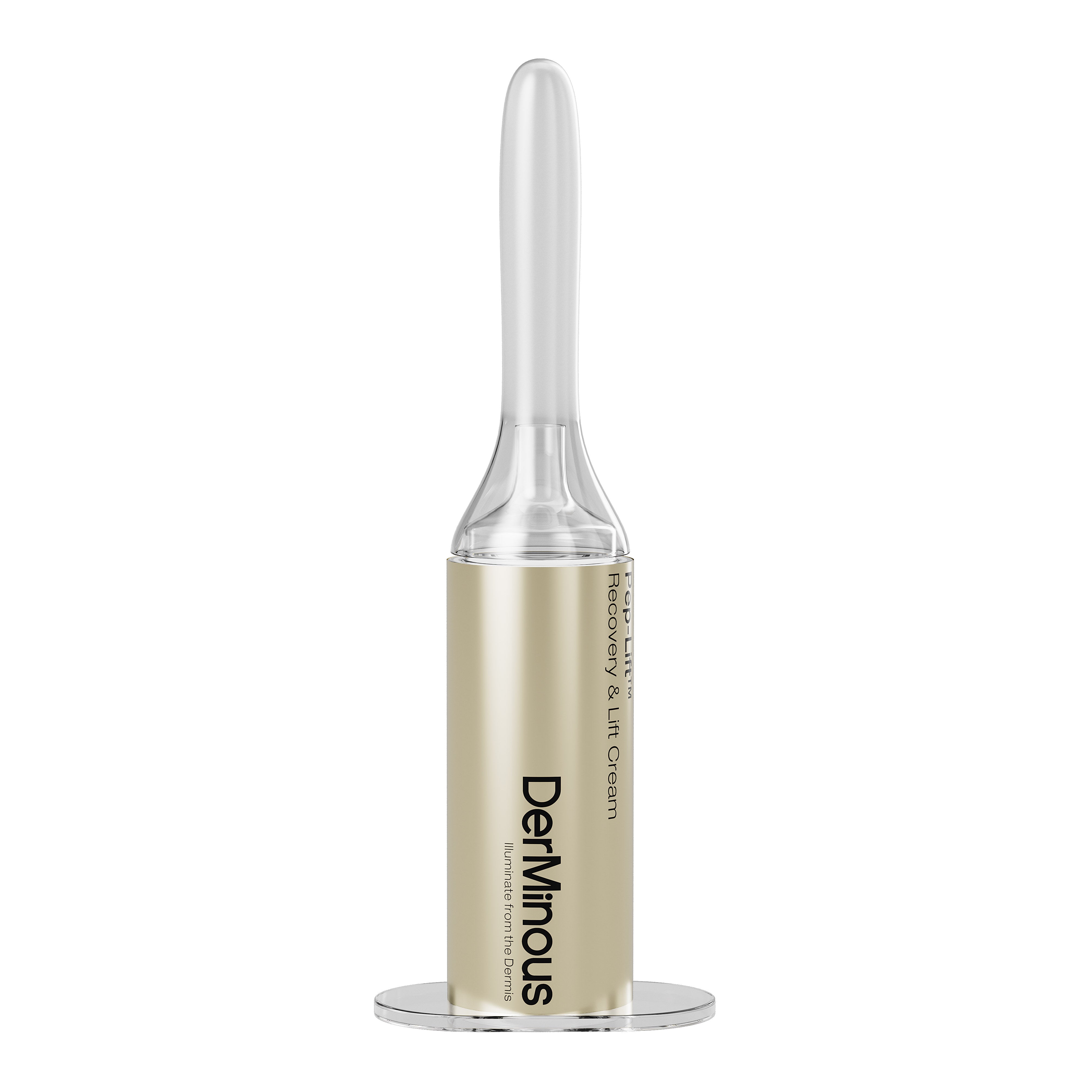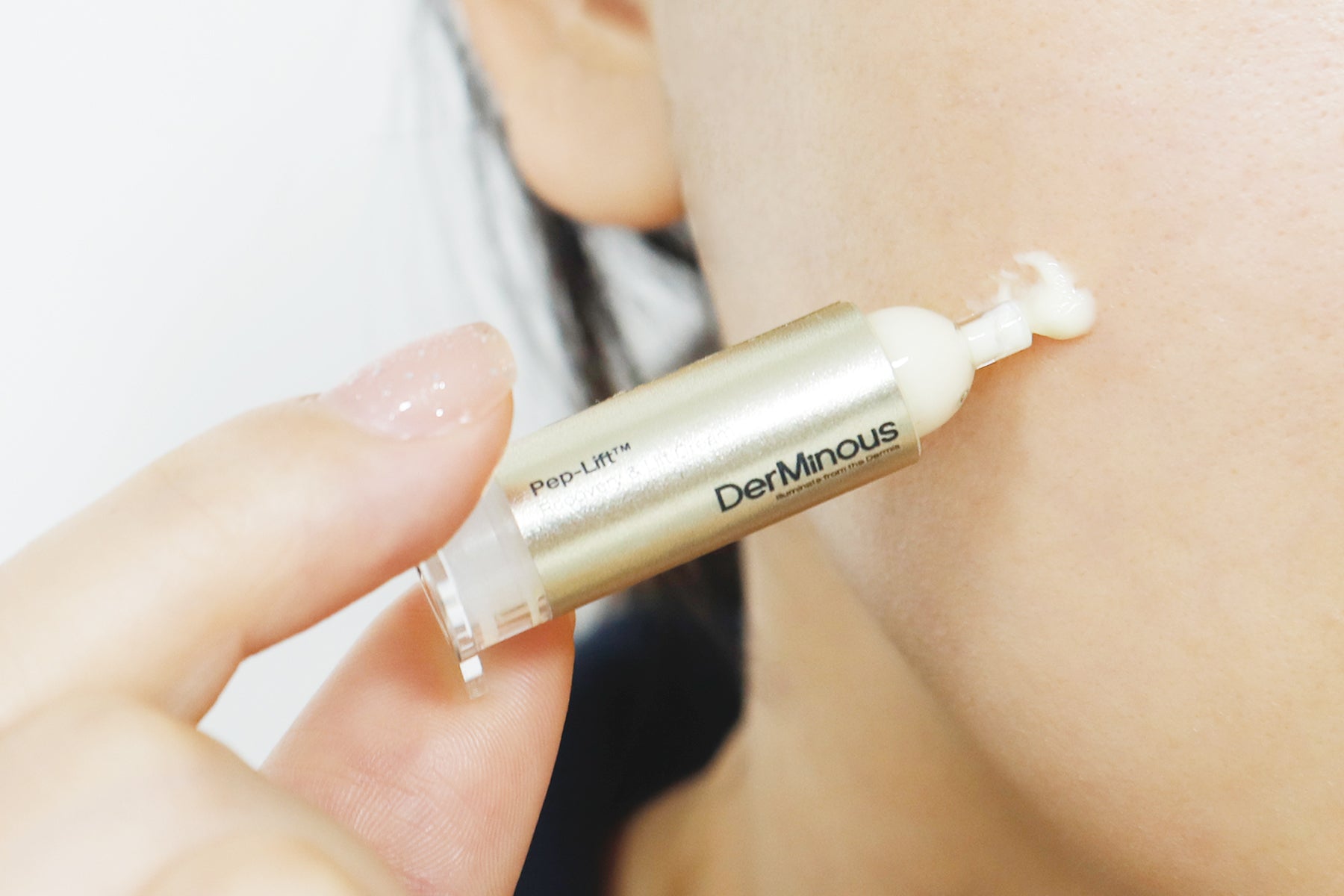
The "Recovery Mask for Post-Treatment" Explained
In the rapidly evolving world of at-home skincare, especially within the realm of medical-grade aesthetic treatments, post-procedure care has become as critical as the treatment itself. Among the most essential components of any advanced home-use microneedling or micro-infusion system is the Recovery Mask for Post-Treatment—a specialized formulation designed not only to soothe but also to accelerate skin barrier repair after invasive or semi-invasive procedures. In Derminous’s GeneLift™ Micro-Infusion System, this mask plays a pivotal role in ensuring safety, comfort, and optimal results for users seeking professional-level rejuvenation from the comfort of their homes.
Why Post-Treatment Recovery Matters
Microneedling and micro-infusion technologies work by creating microscopic channels in the epidermis, enabling active ingredients like PDRN (Polydeoxyribonucleotide), peptides, and hyaluronic acid to penetrate deeper into the dermal layers[1] . While highly effective for collagen stimulation, wrinkle reduction, and skin brightening, these micro-injuries can temporarily compromise the skin’s natural barrier, leading to redness, dryness, or sensitivity if not properly managed[2] .


This is where a scientifically formulated recovery mask becomes indispensable. Unlike regular sheet masks or moisturizers, a true post-treatment mask must fulfill three core functions:
- Immediate calming of inflammation and erythema (redness)
- Accelerated barrier restoration through bioactive ingredients
- Deep hydration without occlusion, avoiding pore clogging or bacterial growth
Derminous’s Post-Treatment Repair Mask is engineered precisely for this triad of needs.
Key Ingredients & Their Clinical Roles
The efficacy of Derminous’s Recovery Mask lies in its meticulously selected, clinically backed ingredients:
- Recombinant Fibronectin: A glycoprotein that supports cell adhesion and tissue repair. Studies show fibronectin enhances wound healing by promoting fibroblast migration and extracellular matrix organization[3] .
- Mussel Extract (Mytilus Edulis): Rich in amino acids and minerals, it exhibits anti-inflammatory and antioxidant properties, helping to reduce post-procedure irritation[4] .
- Oligopeptide-1 (EGF-like peptide): Mimics epidermal growth factor to stimulate keratinocyte proliferation, speeding up epidermal regeneration[5] .
- Sodium Hyaluronate: A low-molecular-weight form of hyaluronic acid that penetrates deeply to bind water, restoring hydration without heaviness.
- Carboxymethyl Chitosan: A biocompatible polymer derived from chitin, known for its film-forming, antimicrobial, and moisture-retention capabilities—ideal for compromised skin[6] .
- Allantoin & Panthenol (Provitamin B5): Both are well-documented soothing agents that reduce stinging, support desquamation, and reinforce lipid barrier integrity[7] .
Notably, the mask is free from fragrance, alcohol, parabens, and essential oils—common irritants that could exacerbate post-microneedling sensitivity. This aligns with dermatological best practices for post-procedure skincare, as recommended by the American Academy of Dermatology (AAD)[8] .

The Science Behind “Cooling” and Enhanced Efficacy
One of Derminous’s unique usage recommendations is to refrigerate the mask before application. This isn’t merely for sensory comfort—it’s rooted in physiology. Cold therapy (cryotherapy) constricts blood vessels, reducing inflammatory mediators like histamine and prostaglandins, thereby minimizing swelling and redness[9] . A 2020 study in Dermatologic Surgery confirmed that chilled post-procedure masks significantly improved patient-reported comfort and reduced recovery time after fractional microneedling radiofrequency treatments[10] .


When applied immediately after micro-infusion (as instructed in Step 9 of the GeneLift™ protocol), the cold mask acts as a “biological seal,” calming the micro-channels while delivering reparative actives directly to the site of action. The 10–15 minute dwell time allows for optimal absorption without over-saturation—a balance critical for sensitive or reactive skin types.
Compatibility with Sensitive & Compromised Skin
A frequent concern among consumers exploring at-home microneedling is whether such systems are safe for sensitive or rosacea-prone skin. Derminous addresses this by integrating barrier-supportive ingredients from the outset. The Recovery Mask, in particular, functions as a “rescue layer” that mitigates potential irritation from even the gentlest micro-needling process.
Clinical data on similar formulations containing panthenol and carboxymethyl chitosan show measurable improvements in transepidermal water loss (TEWL) and skin pH normalization within 24–48 hours post-injury[11] . This rapid barrier recovery is crucial for preventing secondary complications like infection or prolonged erythema—especially in home-use scenarios where sterile conditions cannot be fully guaranteed.
Moreover, the inclusion of recombinant fibronectin—a biomimetic protein identical to human fibronectin—ensures biocompatibility without triggering immune responses, making it suitable even for post-laser or post-peel skin when used under guidance.
How It Fits Into the Full GeneLift™ Ritual
The Recovery Mask is not a standalone product; it’s the third pillar in Derminous’s four-step “Inject → Repair → Soothe → Seal” philosophy:
- Micro-Infusion Activation: 24K gold-coated needles create transient microchannels.
- Serum Delivery: Patented actives (PDRN, Syn-Ake, niacinamide) penetrate deeply.
- Barrier Rescue: The chilled Recovery Mask halts inflammation and jumpstarts repair.
- Nutrient Lock-In: The Recovery & Lift Cream seals in actives and prevents moisture loss.
Skipping the mask step would leave the skin vulnerable during its most fragile phase. As Dr. Whitney Bowe, a board-certified dermatologist, notes: “Post-procedure skincare isn’t optional—it’s where half the results are made or lost.”[12]
Storage, Shelf Life, and Best Practices
To maintain potency, Derminous recommends storing the unopened mask at 5–25°C (41–77°F) and refrigerating it prior to use. Once opened, it should be used within three months to prevent microbial contamination or ingredient degradation—especially important given the absence of harsh preservatives.
Users are advised to apply the mask immediately after serum infusion, while microchannels are still open, to maximize delivery of reparative molecules. Any residual essence should be massaged into the neck (Step 10), ensuring zero waste and extended benefits.
Conclusion: More Than a Mask—A Medical-Grade Recovery Protocol
In an era where “at-home aesthetics” blur the line between cosmeceuticals and clinical dermatology, the Derminous Post-Treatment Repair Mask exemplifies how thoughtful formulation can bridge efficacy and safety. It transcends the traditional notion of a sheet mask by functioning as a bioactive wound-healing interface—calming, reconstructing, and protecting in one seamless step.
For consumers seeking salon-grade results without clinic visits, this mask isn’t just an accessory; it’s the guardian of their skin’s resilience. As the brand’s ethos states: “We offer not just beauty, but repair and empowerment.” And in post-treatment care, that empowerment begins with recovery.
Footnotes
Footnotes
-
National Center for Biotechnology Information. "Microneedling: A Comprehensive Review." https://www.ncbi.nlm.nih.gov/pmc/articles/PMC6130584/↩
-
Journal of Cosmetic Dermatology. "Skin Barrier Function After Microneedling." https://onlinelibrary.wiley.com/doi/abs/10.1111/jocd.13456↩
-
Nature Scientific Reports. "Fibronectin in Wound Healing." https://www.nature.com/articles/s41598-020-76345-2↩
-
Marine Drugs. "Bioactive Compounds from Mussel Extracts." https://www.mdpi.com/1660-3397/18/2/102↩
-
Experimental Dermatology. "Oligopeptide-1 and Epidermal Regeneration." https://onlinelibrary.wiley.com/doi/10.1111/exd.14022↩
-
International Journal of Biological Macromolecules. "Carboxymethyl Chitosan in Skincare." https://www.sciencedirect.com/science/article/abs/pii/S0141813020345678↩
-
Dermatologic Therapy. "Panthenol and Allantoin in Barrier Repair." https://link.springer.com/article/10.1007/s13555-021-00502-1↩
-
American Academy of Dermatology. "Post-Procedure Skincare Guidelines." https://www.aad.org/public/everyday-care/skin-care-secrets/routine/post-procedure-care↩
-
Journal of Clinical and Aesthetic Dermatology. "Cryotherapy in Dermatology." https://www.ncbi.nlm.nih.gov/pmc/articles/PMC5590920/↩
-
Dermatologic Surgery. "Chilled Masks After Energy-Based Procedures." https://journals.lww.com/dermatologicsurgery/Abstract/2020/05000/Effect_of_Cold_Mask_Application_on_Postprocedure.12.aspx↩
-
Skin Pharmacology and Physiology. "Barrier Recovery Post-Microneedling." https://www.karger.com/Article/Abstract/508765↩
-
Dr. Whitney Bowe, The Beauty of Dirty Skin. https://drwhitneybowederm.com/↩