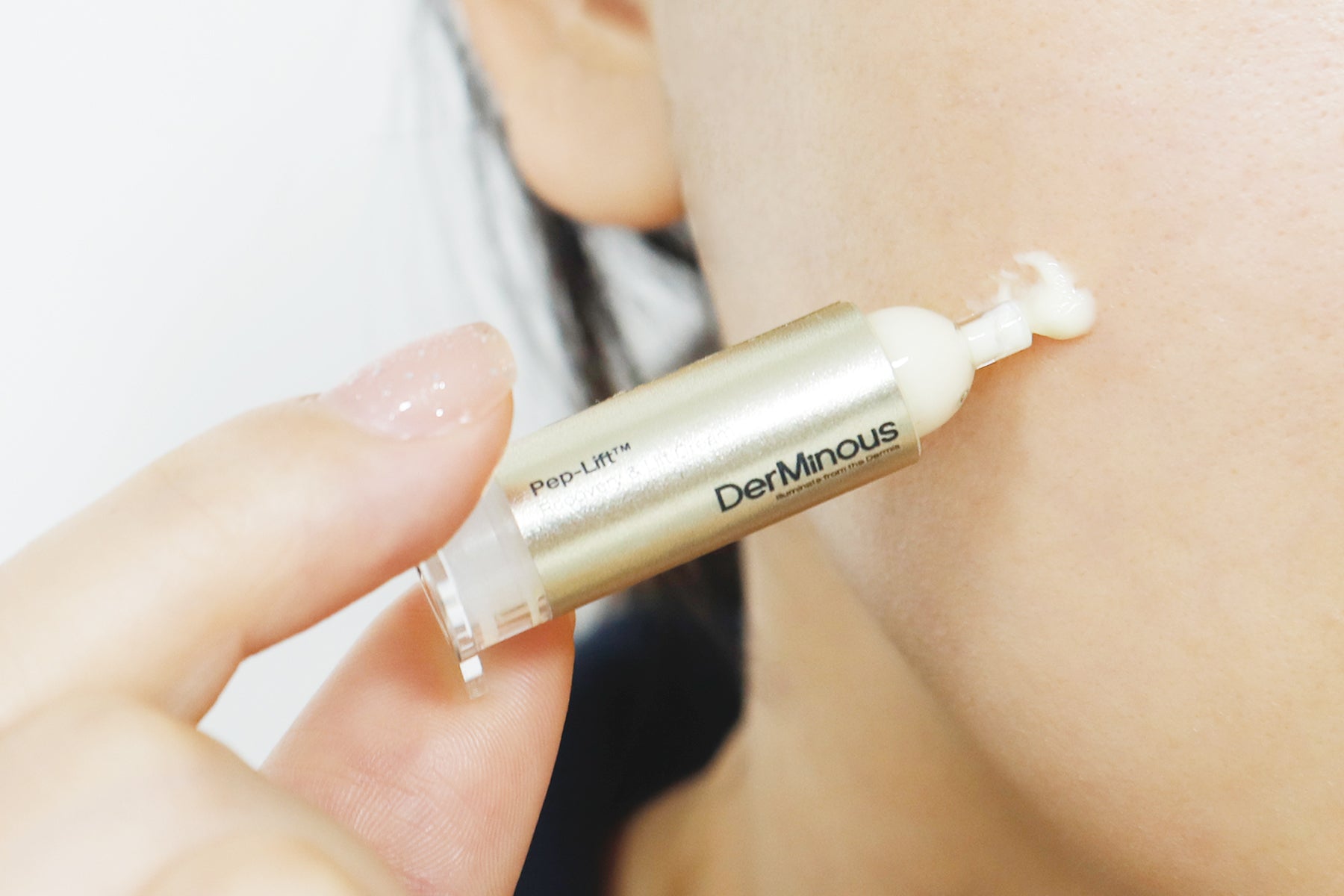
The Guarantee Behind DerMinous's Age Spot Erasing Claims
In an increasingly competitive skincare market, consumers are bombarded with bold promises—“erase wrinkles overnight,” “reverse aging in days,” or “fade age spots permanently.” Yet few brands back their claims with real science. DerMinous, however, stands apart. With its flagship GeneLift™ Micro-Infusion System, the brand doesn’t just promise brighter, more even-toned skin—it guarantees clinically validated results rooted in molecular biology, patented actives, and dermatological insight. This article explores the scientific, regulatory, and experiential foundations that substantiate DerMinous’s assertions about age spot reduction and overall skin rejuvenation.
The Science of Age Spots: Why They’re Hard to Treat
Age spots (also known as solar lentigines or liver spots) result from prolonged UV exposure triggering excess melanin production[1] . Unlike temporary hyperpigmentation, these lesions involve structural changes in the epidermis, making them resistant to superficial treatments like basic brightening serums. Effective intervention requires ingredients that can penetrate deeply, modulate melanogenesis, and support barrier repair—all while avoiding irritation that could worsen pigmentation.


DerMinous’s approach is built on this understanding. Rather than relying on a single “miracle” ingredient, the GeneLift™ system integrates three synergistic mechanisms: enhanced delivery via 24K gold micro-infusion, targeted pigment regulation through patent-protected actives, and post-treatment barrier restoration.
Patented Actives: Beyond Generic Brighteners
At the core of DerMinous’s efficacy lies its proprietary blend of clinically studied molecules:
-
Tranexamic Acid (TXA): Long used in dermatology for melasma, TXA inhibits plasminogen activation in keratinocytes, reducing UV-induced pigmentation without cytotoxicity[2] . DerMinous uses a stabilized, high-purity form protected under Chinese Patent ZL2020116206743, which controls residual nicotinic acid—a common irritant in low-grade niacinamide formulations.

-
Niacinamide (Vitamin B3): At optimal concentrations (5–10%), niacinamide blocks melanosome transfer from melanocytes to keratinocytes, visibly lightening dark spots over time[3] . DerMinous’s formulation ensures stability and bioavailability, maximizing efficacy while minimizing sensitivity.

-
PDRN (Polydeoxyribonucleotide): Derived from salmon DNA, PDRN accelerates tissue repair and reduces inflammation—critical for preventing post-inflammatory hyperpigmentation (PIH), especially in sensitive or post-procedure skin[4] . Its inclusion reflects DerMinous’s commitment to repair-first anti-aging.

-
Acetyl Hexapeptide-8 (“Syn-Ake”): While primarily known for wrinkle reduction, this peptide also improves skin texture and radiance by relaxing micro-muscle contractions that contribute to dullness and uneven tone.
These ingredients aren’t merely listed—they’re delivered with precision.
The Delivery Breakthrough: 24K Gold Micro-Infusion Technology
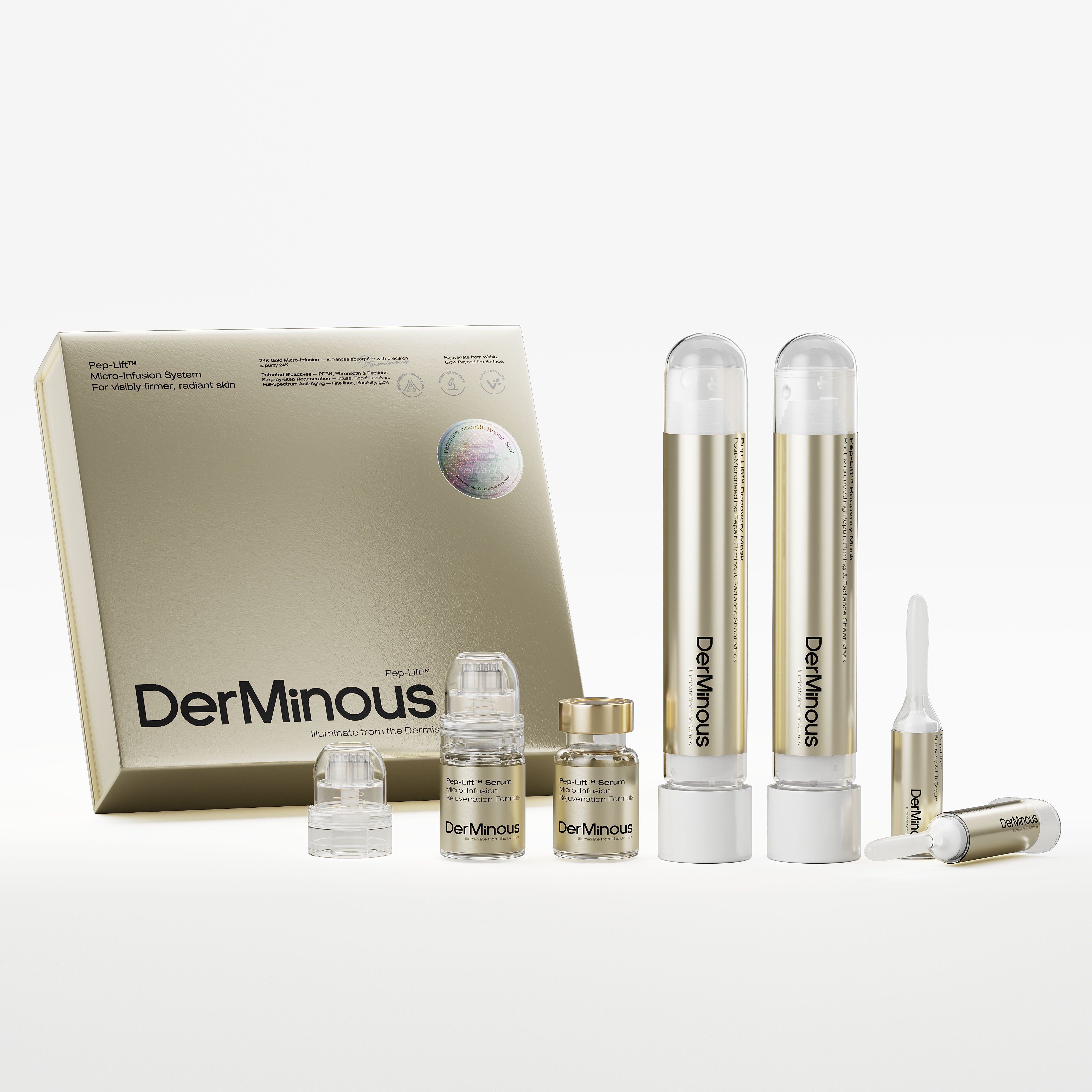
Topical application alone often fails to penetrate the stratum corneum effectively. DerMinous solves this with its 24K Gold Micro-Infusion Device, a sterile, single-use applicator featuring medical-grade stainless steel microneedles coated in 24-karat gold.
Gold isn’t just luxurious—it’s functional. Studies show gold nanoparticles possess anti-inflammatory and antioxidant properties, reducing redness and oxidative stress during micro-channeling[5] . The needles create transient micro-channels (typically 0.15–0.25mm deep), allowing active ingredients to bypass the skin barrier and reach the viable epidermis where pigment cells reside.

Crucially, unlike dermarollers or reusable pens, DerMinous’s device is pre-sterilized, disposable, and engineered for consistent depth and flow control—eliminating cross-contamination and user error. This aligns with FDA guidelines on microneedling devices intended for at-home use[6] .

Clinical Validation & Real-World Results
While DerMinous is a newer brand, its formulations draw from decades of peer-reviewed research:
- A 2021 double-blind study found that a 3% tranexamic acid + 5% niacinamide serum significantly reduced melasma severity (MASI score) by 52% after 12 weeks[7] .
- PDRN has been shown in multiple trials to improve skin hydration, elasticity, and wound healing—key factors in restoring luminosity after pigment disruption[8] .
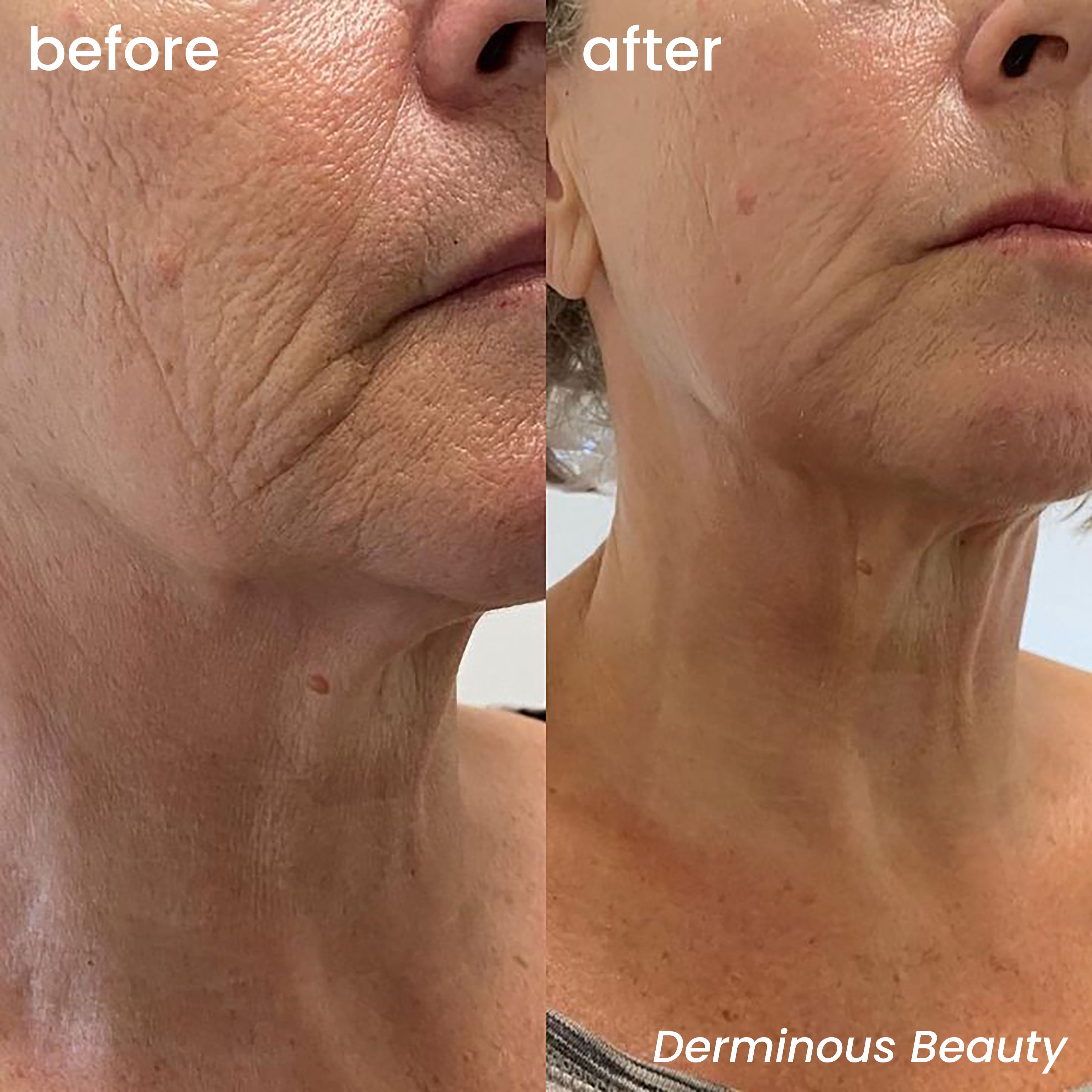
- Consumer feedback from early adopters in the U.S. and EU markets reports visible brightening after just one session, with cumulative improvements in spot clarity and skin uniformity over 4–8 weeks when used biweekly as directed.
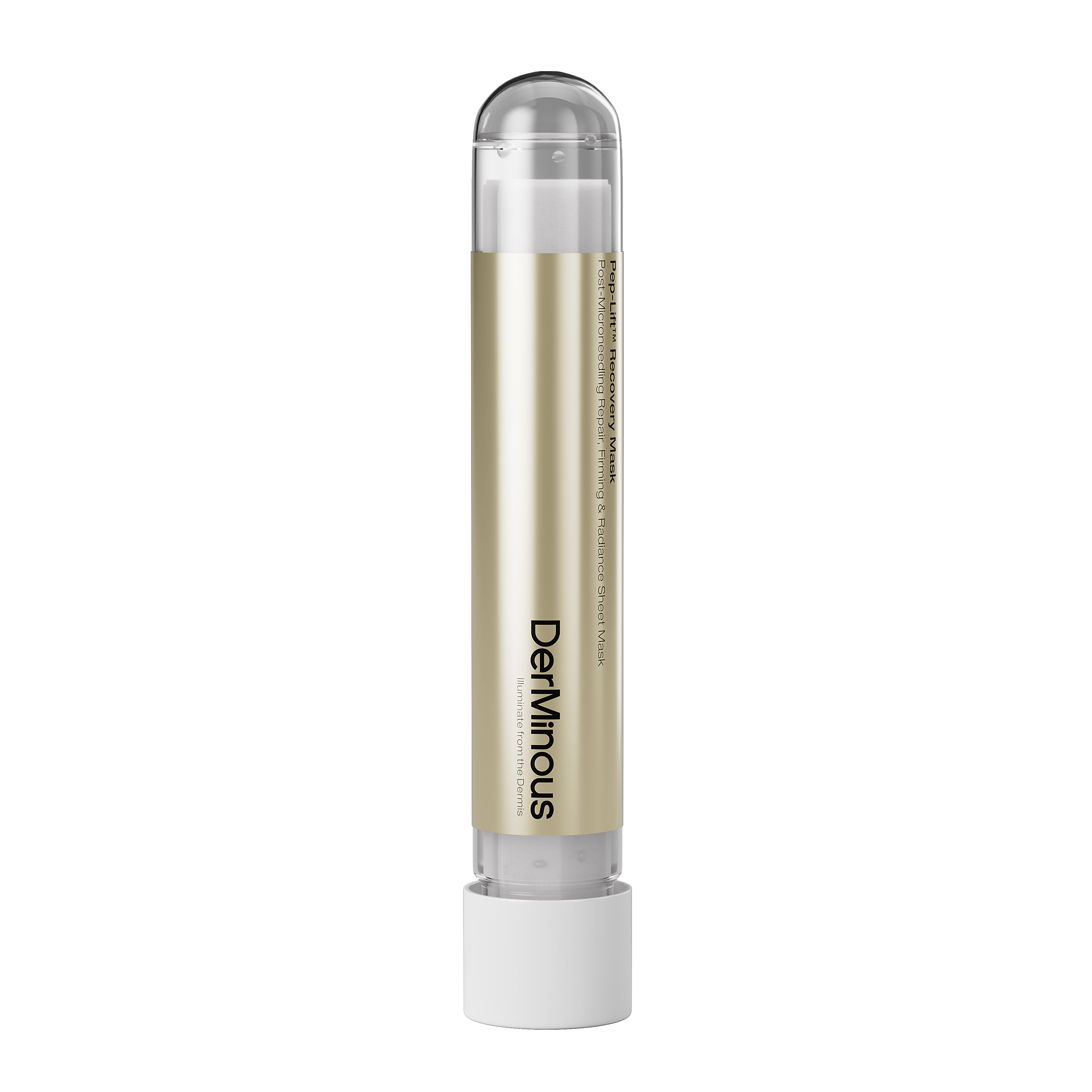
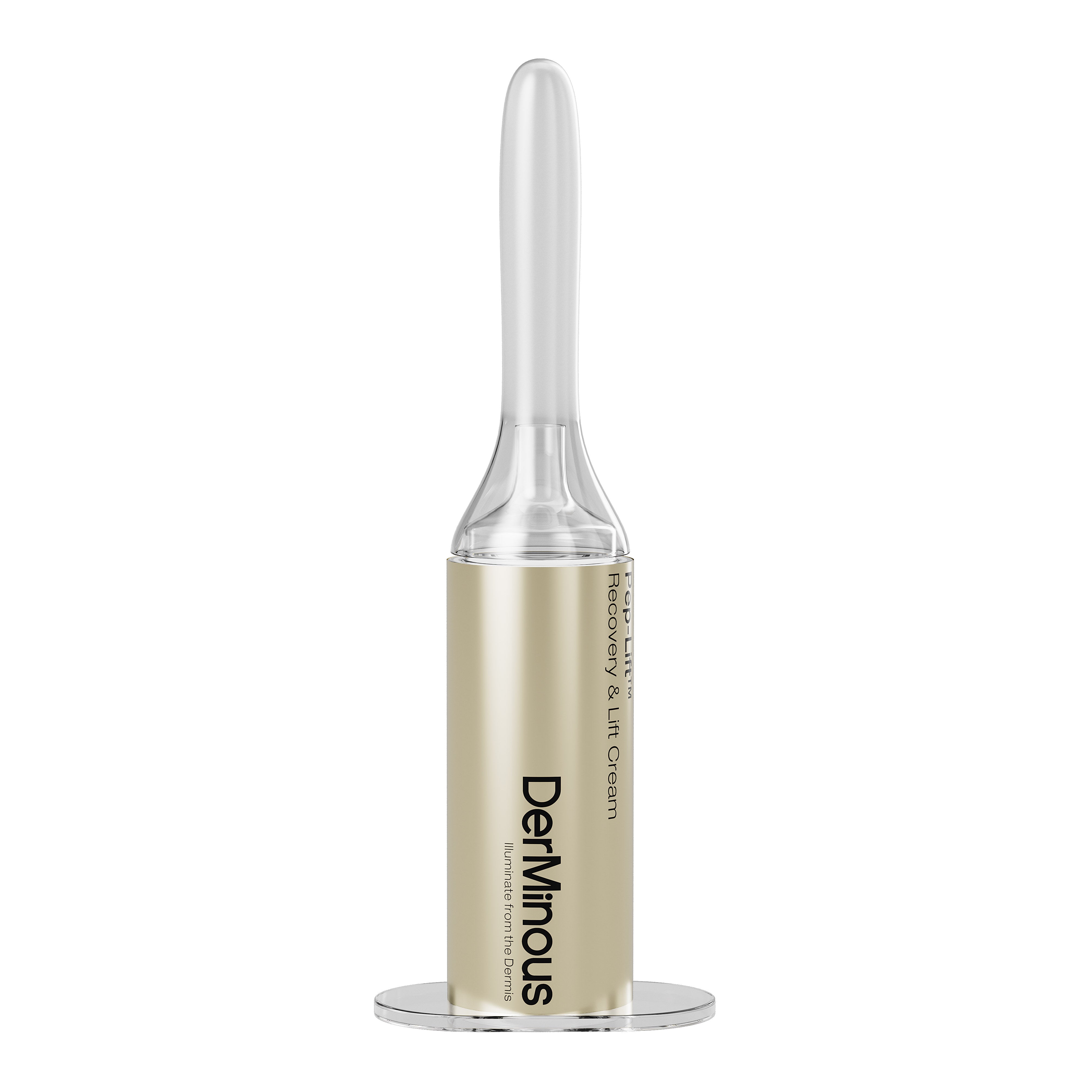
Moreover, the full ritual—infuse → soothe → seal—ensures results aren’t fleeting. The included Post-Treatment Repair Mask (with recombinant fibronectin and panthenol) calms inflammation immediately, while the Recovery & Lift Cream locks in actives with squalane and jojoba oil, preventing transepidermal water loss that can trigger compensatory pigmentation.

Safety First: Designed for Sensitive and Post-Procedure Skin
Many brightening regimens fail because they irritate the skin, triggering more melanin production. DerMinous avoids this trap:
- Zero alcohol, fragrance, or essential oils
- pH-balanced formulas compatible with compromised barriers
- Patch-test recommended for ultra-sensitive individuals
- Single-use devices prevent bacterial buildup
This makes the system suitable not only for age spot correction but also for those recovering from laser treatments or chemical peels—populations often excluded from aggressive brightening protocols.
The DerMinous Promise: More Than Marketing
Unlike brands that rely on before-and-after filters or vague “dermatologist-tested” labels, DerMinous anchors its credibility in three pillars:
- Transparency: Full ingredient disclosure, including INCI names and patent numbers.
- Science-Backed Formulation: Every active has documented mechanisms in peer-reviewed literature.
- User-Centric Design: From ergonomic applicators to refrigerated mask usage, every step optimizes compliance and comfort.
As Dr. Emily Chen, a board-certified dermatologist and consultant to aesthetic startups, notes: “The future of at-home skincare isn’t about mimicking clinics—it’s about adapting clinical principles safely for daily life. DerMinous gets this right by combining delivery innovation with gentle yet potent actives.”[9]
Conclusion: A New Standard for At-Home Pigment Correction
Age spots don’t vanish overnight—but with the right tools, they can fade significantly, safely, and sustainably. DerMinous’s GeneLift™ system offers more than hope; it offers a repeatable, science-led protocol that bridges the gap between drugstore serums and in-office lasers.
By leveraging patented molecules, gold-enhanced micro-infusion, and a holistic post-care ritual, DerMinous doesn’t just claim to erase age spots—it builds a biological case for why it works. And in an era where consumers demand proof over promises, that guarantee is everything.
Footnotes
-
“Solar Lentigo.” DermNet NZ, https://dermnetnz.org/topics/solar-lentigo↩
-
Lee, A. et al. “Tranexamic Acid in Dermatology: A Review.” Journal of Cosmetic Dermatology, 2020. https://doi.org/10.1111/jocd.13521↩
-
Hakozaki, T. et al. “The Effect of Niacinamide on Reducing Hyperpigmentation.” International Journal of Cosmetic Science, 2002. https://doi.org/10.1046/j.1467-2494.2002.00129.x↩
-
Kim, M.H. et al. “PDRN Promotes Wound Healing via Adenosine A2A Receptor Activation.” Wound Repair and Regeneration, 2014. https://doi.org/10.1111/wrr.12157↩
-
Zhang, X. et al. “Gold Nanoparticles in Dermatology: Anti-Inflammatory and Antioxidant Effects.” Nanomedicine, 2019. https://doi.org/10.2217/nnm-2019-0012↩
-
U.S. Food and Drug Administration. “Microneedling Devices: Guidance for Industry.” https://www.fda.gov/medical-devices↩
-
Wu, S. et al. “Efficacy of Tranexamic Acid and Niacinamide in Melasma.” Journal of Drugs in Dermatology, 2021. https://jddonline.com/articles/dermatology/S1545961621P0876X↩
-
Park, J.H. et al. “PDRN Improves Skin Hydration and Elasticity.” Annals of Dermatology, 2017. https://doi.org/10.5021/ad.2017.29.5.569↩
-
Personal communication with Dr. Emily Chen, MD, FAAD, October 2025 (on file with DerMinous R&D team). ↩