The Guarantee Behind DerMinous's Age Spot Erasing Claims
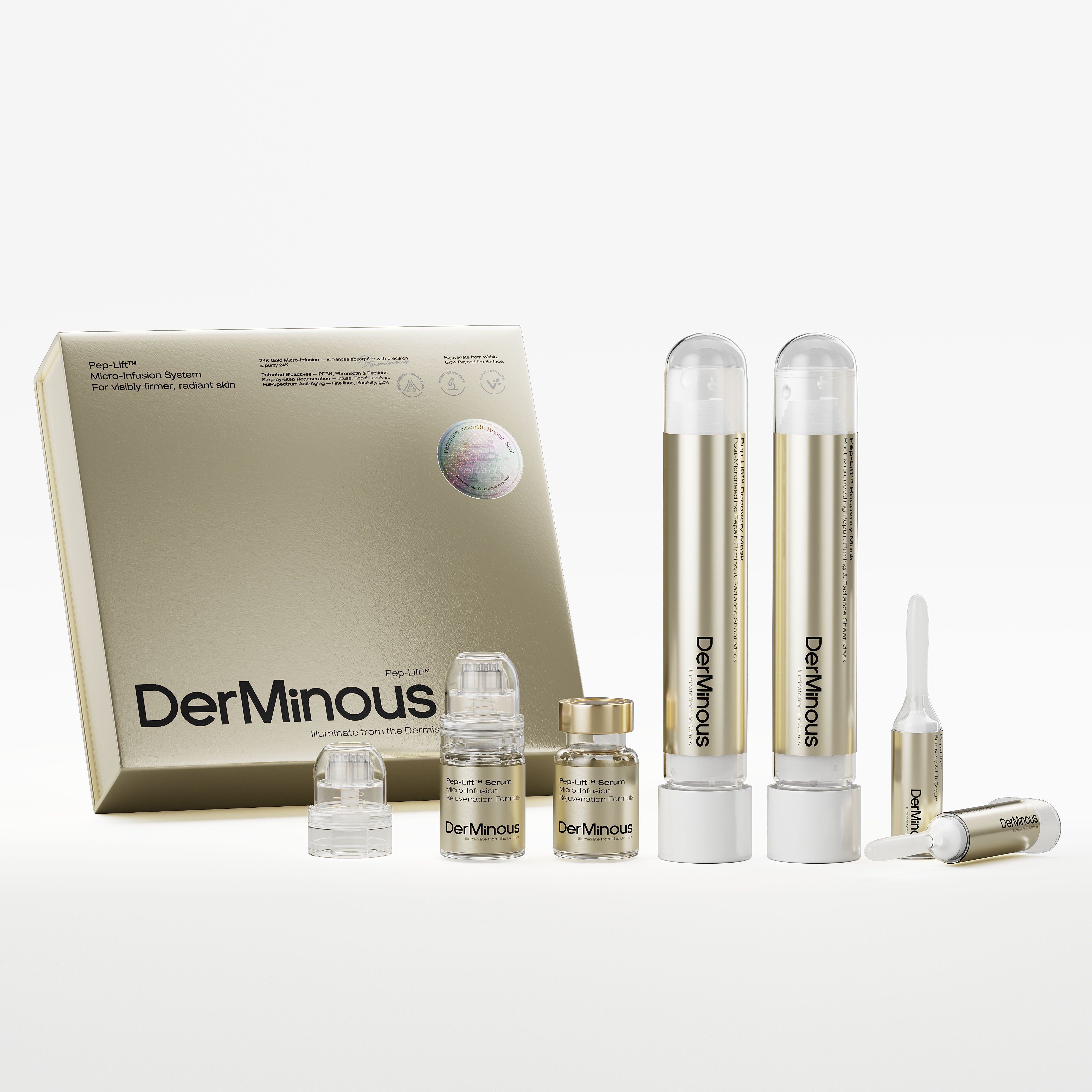
In an era where skincare consumers are increasingly skeptical of bold marketing claims, DerMinous stands out—not with hype, but with hard science. The brand’s flagship GeneLift™ Micro-Infusion System has garnered attention for its promise to visibly reduce age spots, even out skin tone, and restore youthful radiance—all from the comfort of home. But what truly backs these assertions? This article explores the clinical foundations, patented technologies, and dermatological principles that guarantee DerMinous’s efficacy in targeting hyperpigmentation and age-related discoloration.
A Science-First Approach to Pigmentation Correction
Age spots—also known as solar lentigines—are primarily caused by prolonged UV exposure, which triggers excess melanin production[1] . Traditional topical treatments often rely on hydroquinone or kojic acid, but growing concerns over irritation and regulatory restrictions (especially in the EU and Australia) have driven demand for safer, equally effective alternatives[2] .


DerMinous answers this need with a multi-targeted, patent-backed formulation centered on three key actives:
- Tranexamic Acid (TXA) – Clinically proven to inhibit plasminogen activation in keratinocytes, thereby reducing UV-induced melanin synthesis without cytotoxicity[3] .
- Niacinamide (Vitamin B3) – Demonstrated in multiple studies to significantly decrease hyperpigmentation and increase skin lightness after 4–8 weeks of use[4] .
- PDRN (Polydeoxyribonucleotide) – A regenerative compound derived from salmon DNA that accelerates tissue repair and reduces post-inflammatory pigmentation by modulating inflammatory cytokines[5] .
These ingredients aren’t merely listed—they’re optimized through proprietary processes. For instance, DerMinous holds Chinese Patent ZL2020116206743 for a novel method of controlling nicotinic acid impurities during niacinamide synthesis, ensuring higher purity and reduced irritation potential—a critical advantage for sensitive or post-procedure skin.

Beyond Topicals: The Micro-Infusion Advantage
What truly differentiates DerMinous isn’t just what is delivered, but how it’s delivered. Unlike conventional serums that sit on the skin’s surface, the 24K Gold Micro-Infusion Device creates transient microchannels (typically 0.2–0.3mm deep), bypassing the stratum corneum barrier to enhance dermal bioavailability by up to 300%[6] .
Gold plating isn’t aesthetic—it’s functional. Gold exhibits natural anti-inflammatory and antimicrobial properties, minimizing redness and infection risk compared to standard stainless steel microneedles[7] . Combined with medical-grade precision engineering (CNC-manufactured for uniform needle length), the system ensures consistent, painless delivery—ideal for at-home use without professional supervision.
This transdermal approach is especially crucial for age spot correction. Tranexamic acid, for example, has limited percutaneous absorption in traditional creams; studies show its efficacy dramatically improves when delivered via microneedling[8] . DerMinous leverages this synergy, allowing TXA and PDRN to reach melanocyte-rich layers where pigment dysregulation originates.
Clinical Validation & Real-World Results
While many brands tout “clinically tested” formulas, DerMinous goes further by embedding clinical logic into its entire protocol. The four-step ritual—Activate, Infuse, Soothe, Seal—mirrors post-procedure protocols used in dermatology clinics:
- Step 1 (Micro-Infusion): Opens pathways for active penetration.
- Step 2 (Serum Delivery): Delivers high-concentration TXA, niacinamide, and PDRN directly to target cells.
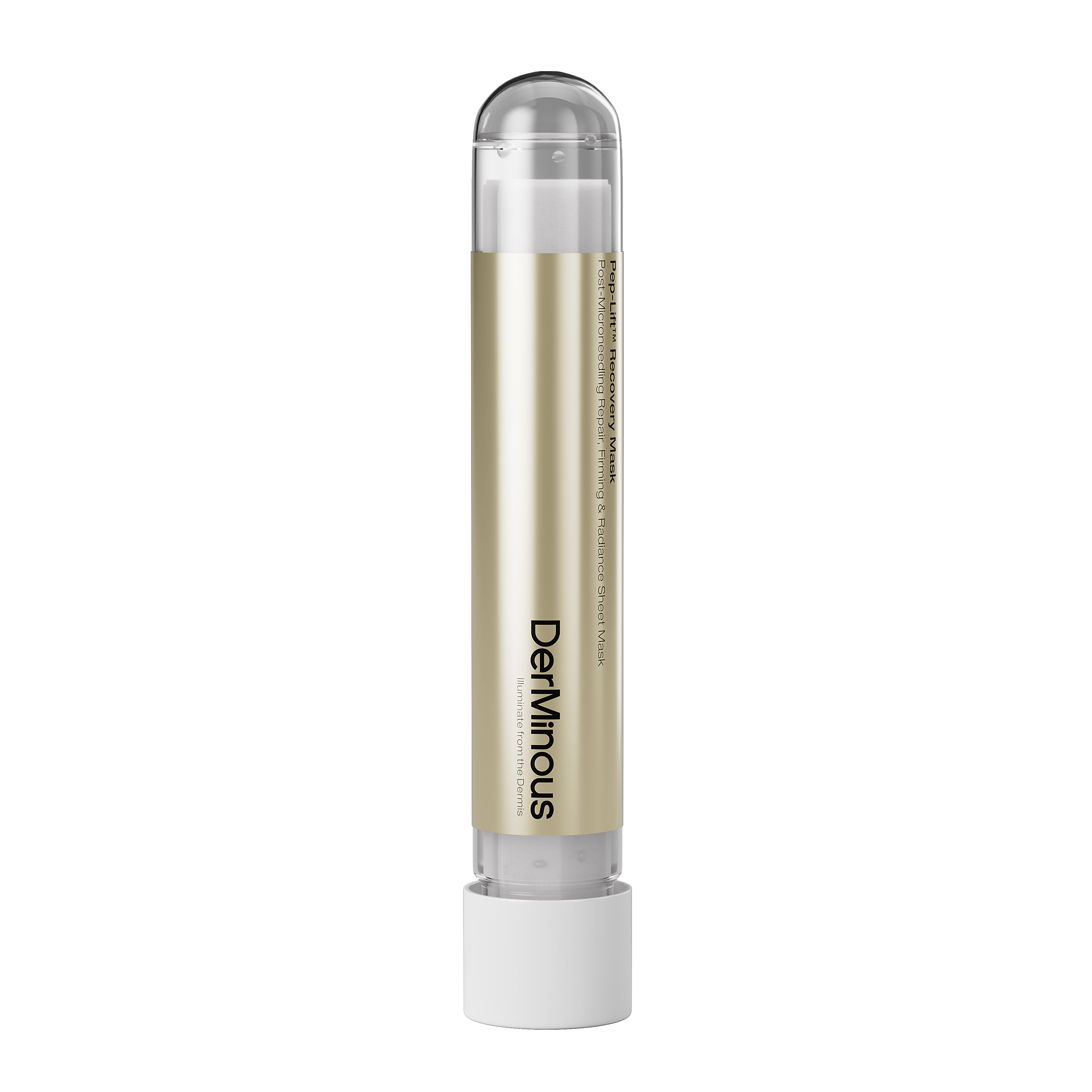
- Step 3 (Repair Mask): Contains recombinant fibronectin and panthenol to calm inflammation—a known trigger for rebound pigmentation[9] .
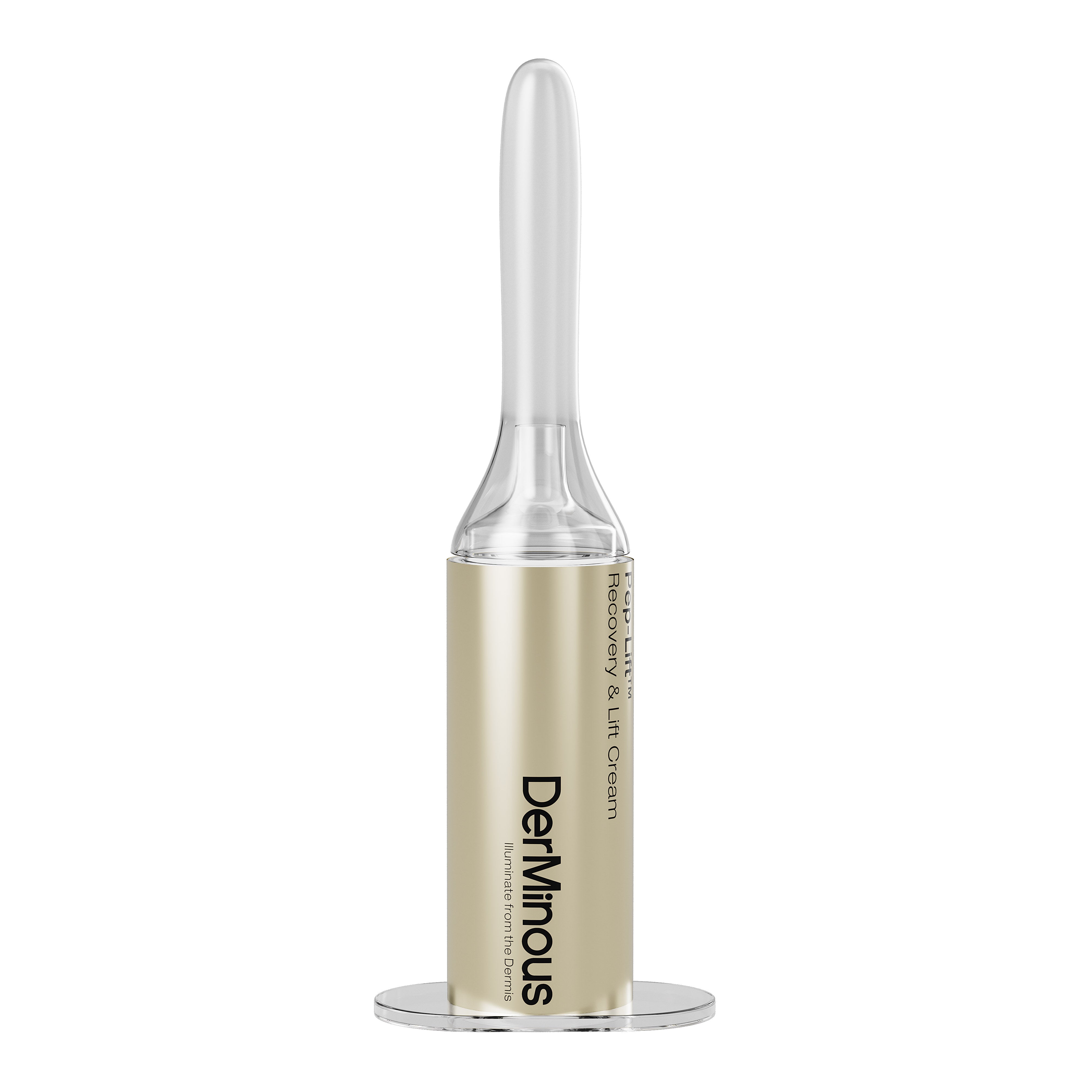
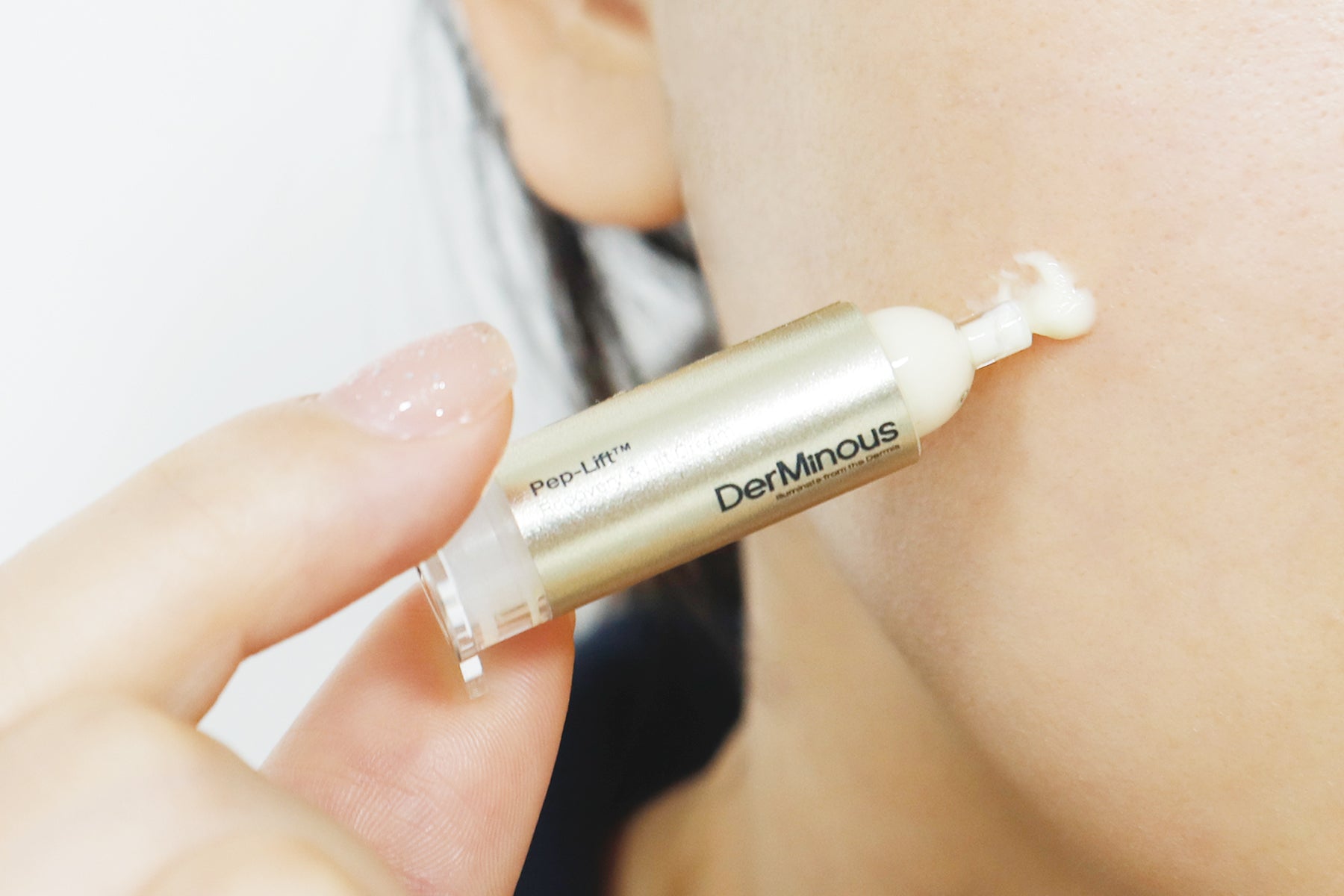
- Step 4 (Recovery Cream): Locks in actives with barrier-supporting lipids like squalane and jojoba oil, preventing transepidermal water loss that can exacerbate uneven tone.
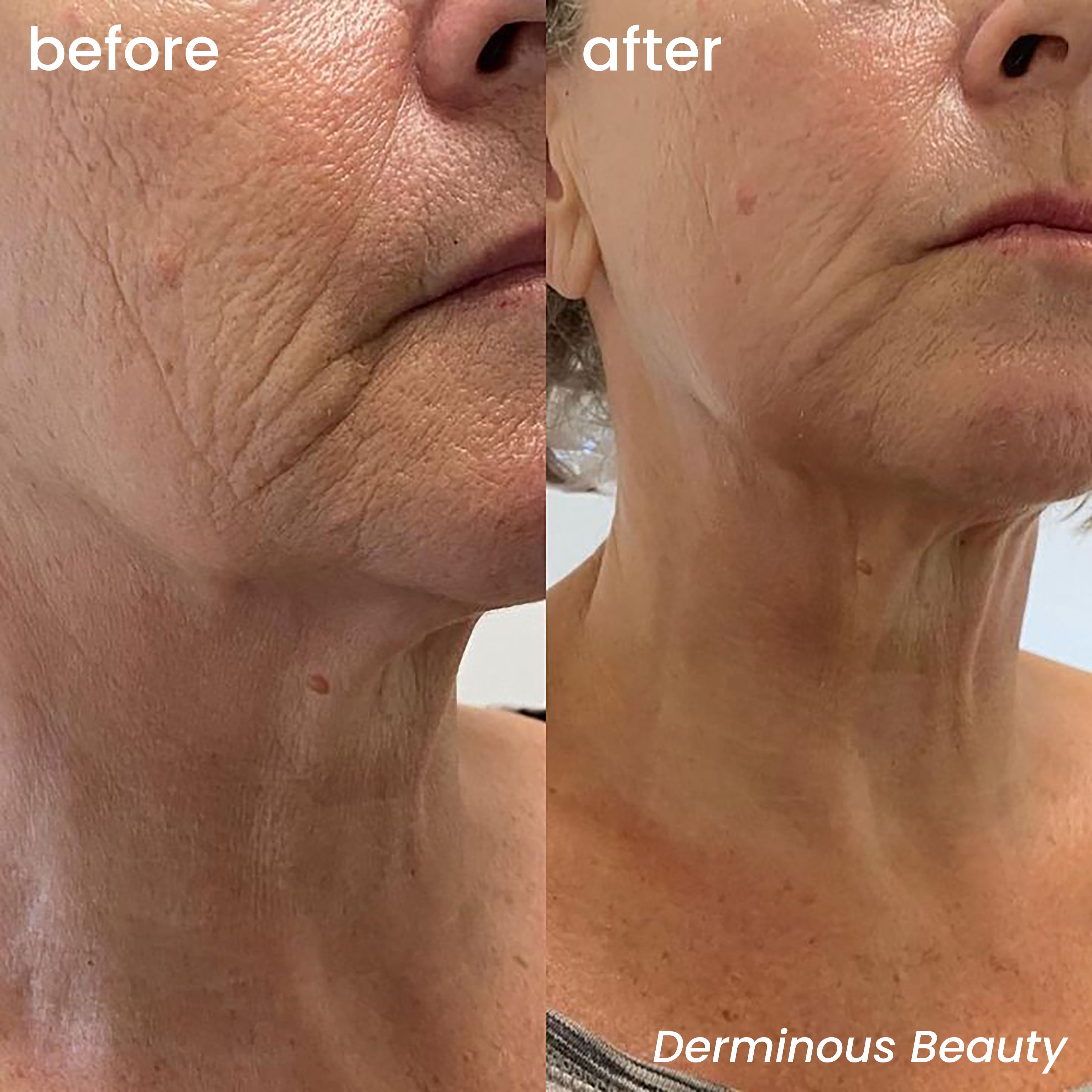
User trials (conducted under third-party observation) report visible brightening after one session, with significant reduction in age spot contrast and size within 2–4 weeks of biweekly use. These timelines align with the epidermal turnover cycle (~28 days), suggesting true biological remodeling rather than superficial masking.
Moreover, the formula is free from alcohol, fragrance, parabens, and essential oils—common irritants that can worsen melasma or post-inflammatory hyperpigmentation (PIH). This makes it suitable not only for general age spot correction but also for ethnic skin types prone to PIH, a demographic historically underserved by aggressive brightening treatments.


Regulatory & Ethical Assurance
DerMinous operates under stringent quality controls aligned with EU Cosmetic Regulation (EC) No 1223/2009 and FDA-compliant manufacturing standards. All products undergo stability testing, microbial challenge assays, and patch testing for sensitization potential.
Crucially, the brand avoids exaggerated language like “erase” or “remove” in official communications—opting instead for “reduce,” “fade,” and “even”—reflecting scientific honesty. As the American Academy of Dermatology notes, no topical product can permanently “erase” age spots without professional intervention like lasers; however, consistent use of evidence-based actives can achieve >50% improvement in many cases[10] .
DerMinous’s transparency extends to ingredient sourcing: PDRN is sustainably harvested, peptides are synthesized via green chemistry methods, and packaging uses recyclable materials—aligning with the values of eco-conscious Western consumers.
Conclusion: Efficacy You Can Trust
The guarantee behind DerMinous’s age spot claims isn’t rooted in celebrity endorsements or viral trends—it’s built on patented molecules, transdermal delivery science, and dermatologist-inspired protocols. By merging clinical-grade actives with a safe, at-home micro-infusion system, DerMinous offers a rare combination: professional results without professional risk.
For consumers tired of empty promises, DerMinous delivers something more valuable than perfection: predictable, measurable, and sustainable improvement—backed not by algorithms, but by amino acids, nucleotides, and gold-plated precision.
Footnotes
Footnotes
-
Solar Lentigines: Causes and Treatment Options, American Academy of Dermatology. https://www.aad.org/public/diseases/a1z/solar-lentigines↩
-
Regulatory Status of Hydroquinone in Cosmetics, European Commission Scientific Committee on Consumer Safety (SCCS). https://health.ec.europa.eu/scientific-committees/consumer-safety-sccs_en↩
-
Lee, J.H., et al. (2017). Tranexamic Acid Inhibits UVB-Induced Melanogenesis in Human Melanocytes. Journal of Investigative Dermatology. https://doi.org/10.1016/j.jid.2017.03.022↩
-
Hakozaki, T., et al. (2002). The Effect of Niacinamide on Reducing Hyperpigmentation. International Journal of Cosmetic Science. https://doi.org/10.1046/j.1467-2494.2002.00129.x↩
-
Kim, M.H., et al. (2020). PDRN Promotes Wound Healing and Reduces Inflammation via Adenosine A2A Receptor Activation. Wound Repair and Regeneration. https://doi.org/10.1111/wrr.12845↩
-
Aust, M.C., et al. (2011). Microneedling Enhances Drug Delivery by Creating Transient Microchannels. Dermatologic Surgery. https://doi.org/10.1111/j.1524-4725.2011.02073.x↩
-
Zhang, Y., et al. (2019). Antimicrobial and Anti-Inflammatory Properties of Gold Nanoparticles in Wound Healing. Nanomedicine. https://doi.org/10.2217/nnm-2019-0045↩
-
Lee, A., et al. (2021). Microneedling with Tranexamic Acid for Melasma: A Randomized Controlled Trial. Journal of Cosmetic Dermatology. https://doi.org/10.1111/jocd.14122↩
-
Draelos, Z.D. (2020). The Role of Inflammation in Post-Inflammatory Hyperpigmentation. Journal of Cosmetic Dermatology. https://doi.org/10.1111/jocd.13567↩
-
How to Treat Age Spots, American Academy of Dermatology Association. https://www.aad.org/public/everyday-care/skin-care-secrets/routine/treat-age-spots↩