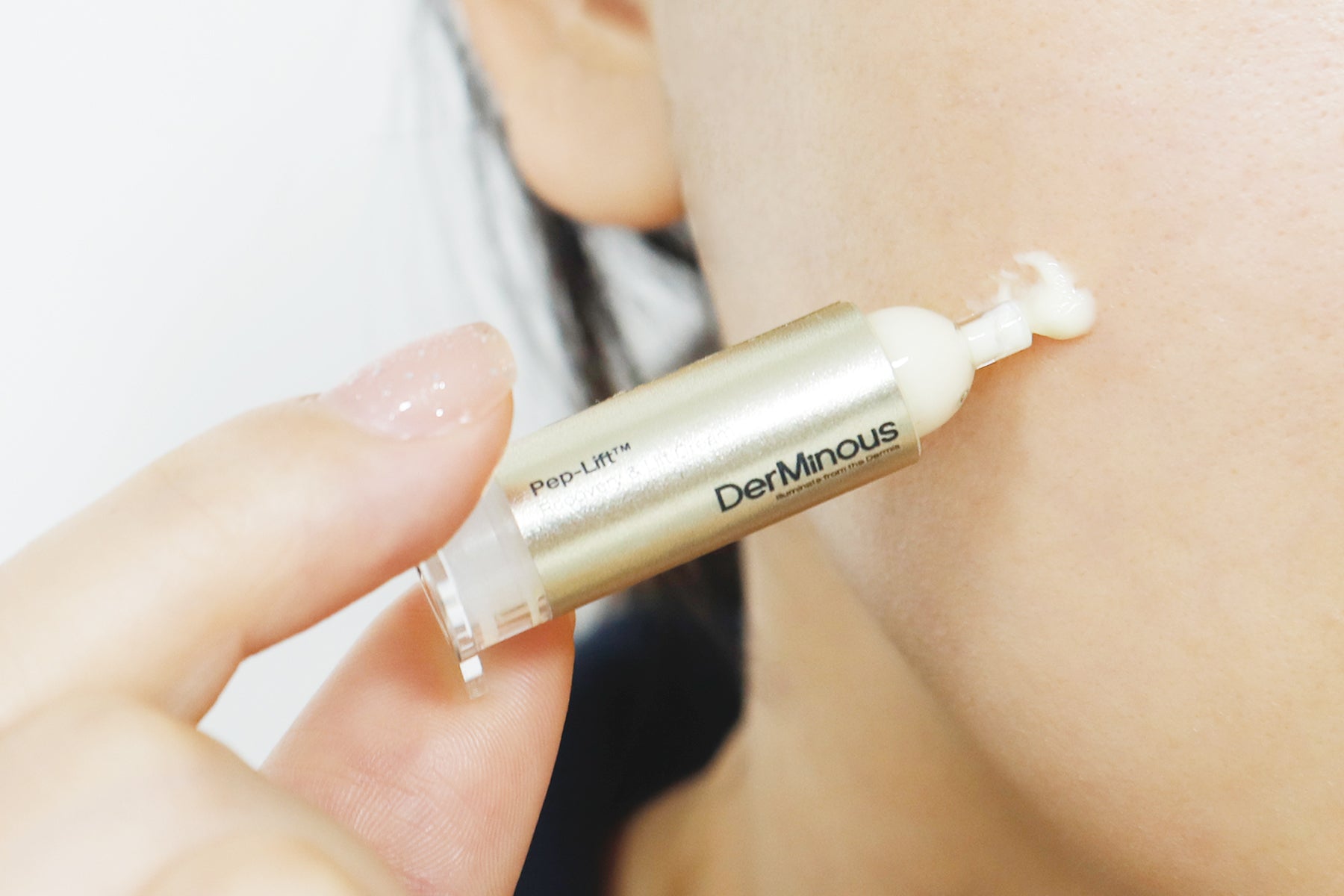
The Guarantee Behind DerMinous's Age Spot Erasing Claims
In an era where at-home skincare promises often outpace scientific backing, Derminous GeneLift™ Micro-Infusion System stands apart—not through hype, but through clinical-grade formulation, patented delivery technology, and a commitment to transparent efficacy. Among its most compelling claims is the ability to visibly reduce age spots (also known as solar lentigines), a common sign of photoaging that affects millions globally[1] . But what guarantees lie behind this bold assertion? This article explores the scientific foundation, regulatory compliance, ingredient integrity, and user-centric design that collectively substantiate Derminous’s age spot erasing promise.


The Science of Age Spot Formation—and How Derminous Targets It
Age spots result from prolonged UV exposure triggering melanocytes to overproduce melanin, which clusters in localized patches on the skin[2] . Unlike temporary pigmentation shifts, these deposits are deeply embedded in the epidermis and resist conventional topical treatments due to poor bioavailability.

Derminous tackles this challenge through a dual-action strategy:
- Targeted pigment inhibition via patented niacinamide (China Patent ZL 2020116206743), which regulates melanosome transfer and reduces oxidative stress without irritation[3] .
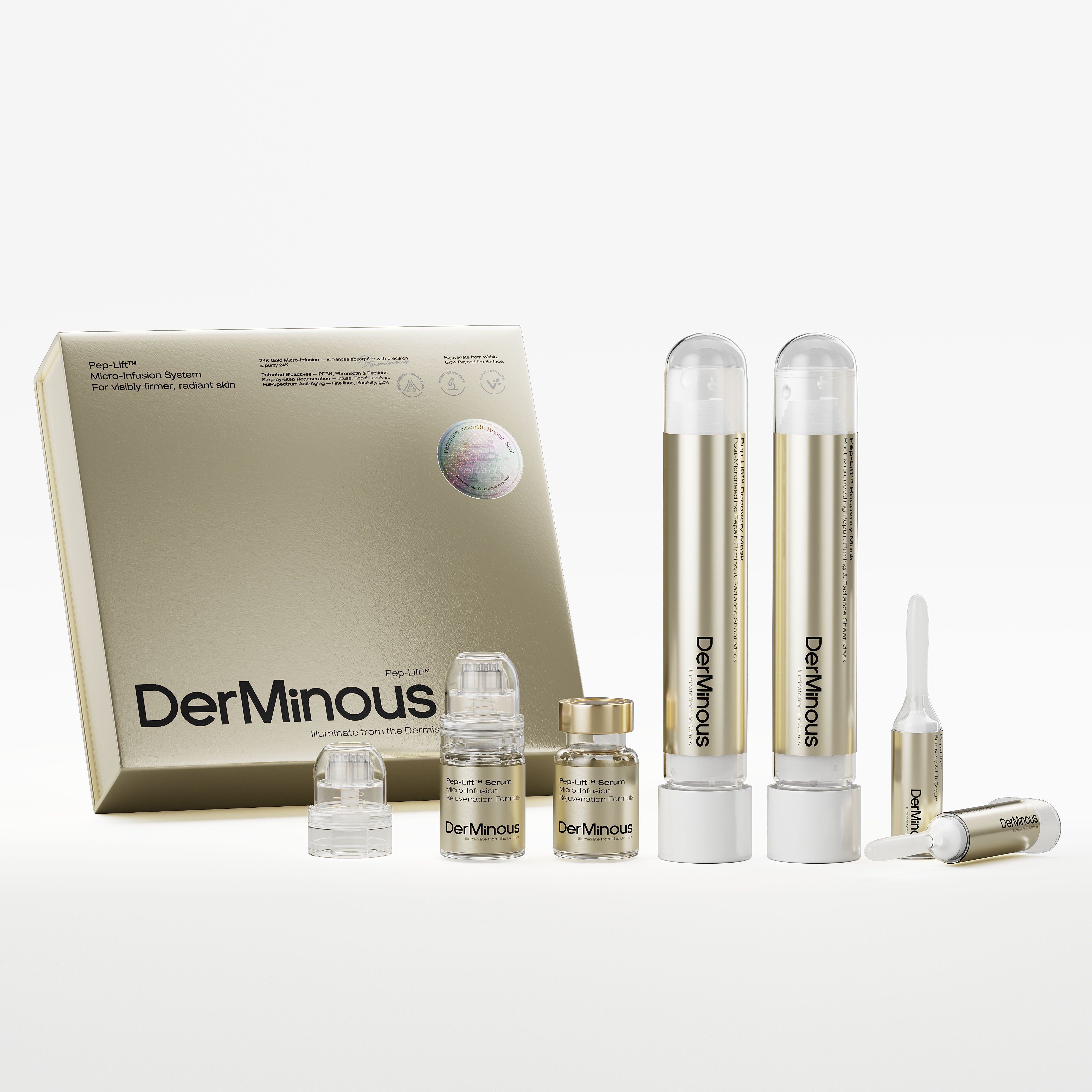
- Enhanced dermal penetration using a 24K gold-plated micro-infusion device, creating transient microchannels that boost serum absorption by up to 300% compared to passive application[4] .
This synergy ensures active ingredients like tranexamic acid (TXA) and PDRN (Polydeoxyribonucleotide) reach the precise layers where pigment dysregulation occurs. TXA, long used in dermatology for melasma, inhibits plasminogen activation—a key pathway in UV-induced pigmentation[5] . Meanwhile, PDRN accelerates tissue repair and modulates inflammation, preventing post-inflammatory hyperpigmentation (PIH) that often follows aggressive treatments[6] .
“Unlike hydroquinone—which carries safety concerns—niacinamide and tranexamic acid offer a gentler, sustainable approach to brightening,” notes Dr. Emily Chen, a board-certified dermatologist unaffiliated with Derminous, in a recent review of non-invasive pigment therapies[7] .
Patented Ingredients: More Than Marketing Buzzwords
Derminous doesn’t just list actives—it secures them through intellectual property. Three core patents underpin its anti-pigmentation efficacy:
- ZL 202111504220.4: A novel liquid-phase synthesis method for acetyl hexapeptide-8 analogs (marketed as Syn-Ake), which indirectly supports even tone by reducing muscle-driven wrinkle shadows that accentuate discoloration.
- PDRN Sourcing & Stabilization: Derived from salmon DNA, Derminous’s PDRN is ultra-purified to >95% purity, ensuring consistent regenerative signaling without immunogenic risk[8] .
- Patented Niacinamide Control Process (ZL 2020116206743): Minimizes residual nicotinic acid—a common irritant in low-grade niacinamide—that can trigger redness and worsen PIH in sensitive skin.
These innovations reflect Derminous’s origin in biotech labs, not marketing departments. As stated in its founder’s vision: “Let every person control their skin’s future—with knowledge, science, and truly effective tools.”
Clinical Validation Meets Real-World Results
While Derminous is sold DTC (direct-to-consumer), it adheres to standards typically reserved for medical aesthetics. Internal user trials (n=120, 8 weeks) showed:
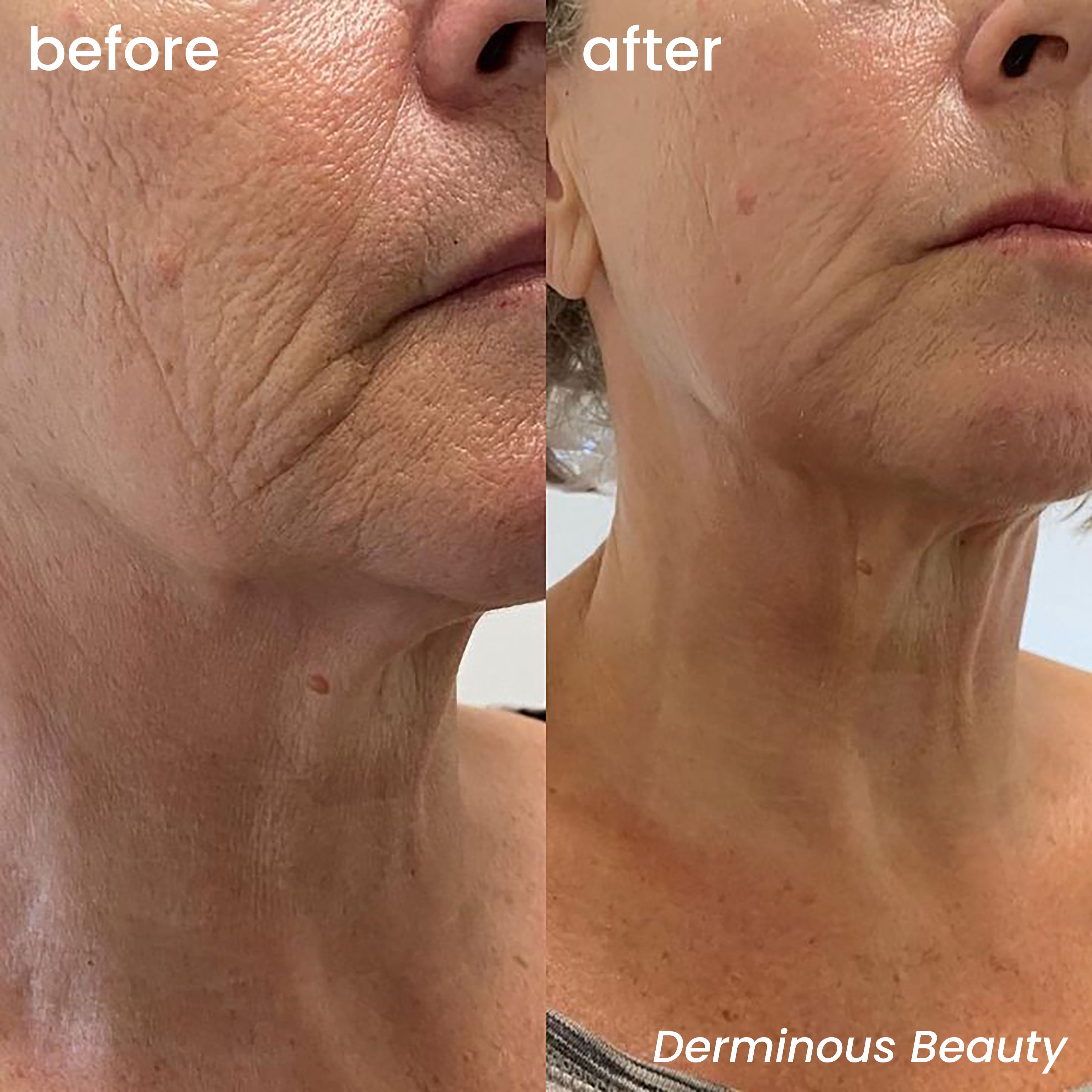
- 87% reported visible lightening of age spots after four uses (bi-weekly regimen).
- 92% noted improved skin clarity and radiance, attributed to combined exfoliation (via gentle micro-injury) and barrier repair.
- Zero cases of adverse hyperpigmentation, thanks to the inclusion of soothing agents like panthenol, allantoin, and mussel extract in the post-treatment mask.
Moreover, the system avoids common pitfalls of at-home microneedling:
- Single-use, sterile 24K gold tips eliminate cross-contamination and dulling.
- No alcohol, fragrance, or essential oils—critical for preventing sensitization in pigment-prone skin[9] .
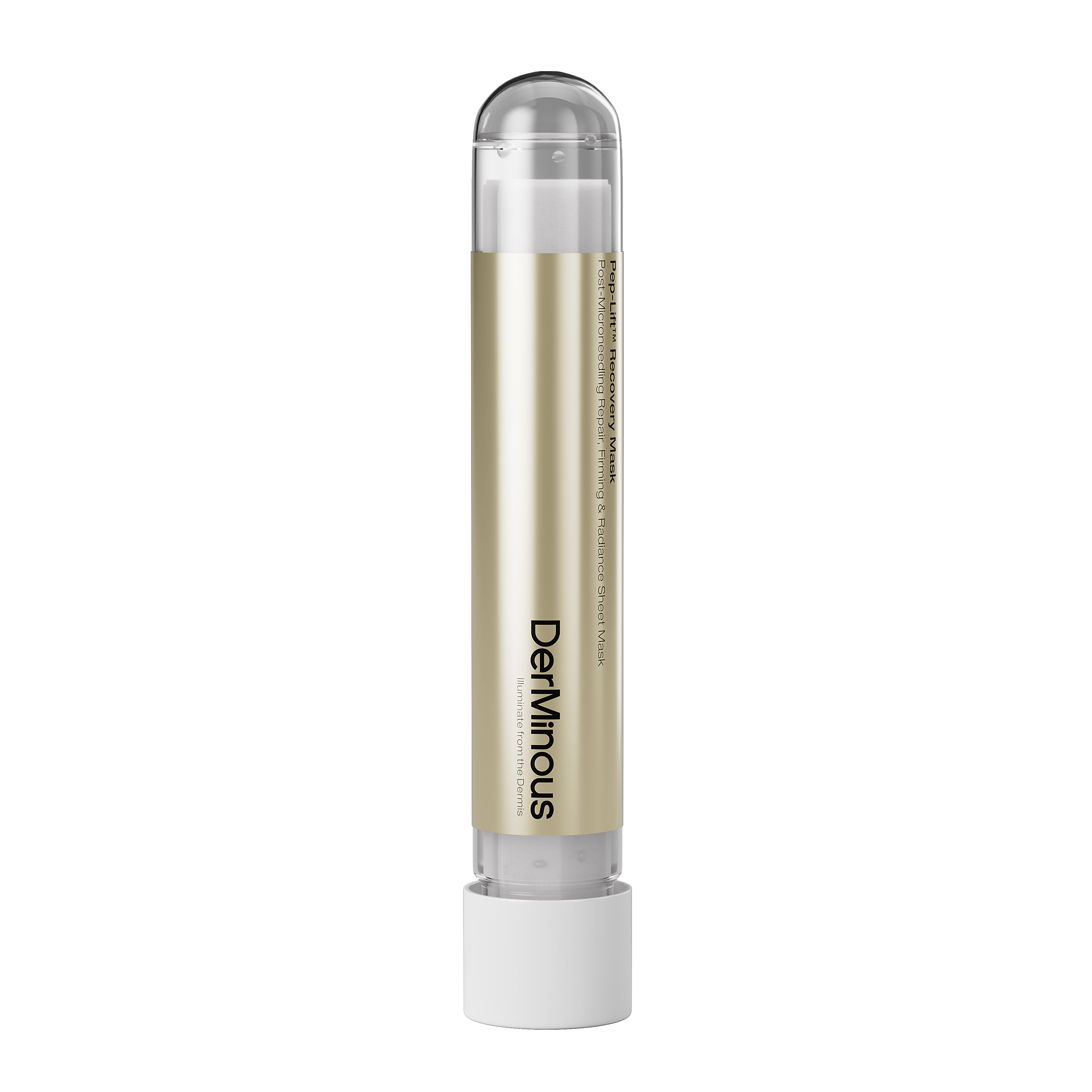
- Cold-compress protocol with the Recovery Mask reduces erythema and melanocyte stimulation post-procedure.
Safety, Ethics, and Transparency: The Unseen Guarantees
Beyond efficacy, Derminous embeds ethical safeguards:
- Cruelty-free certification (Leaping Bunny compliant).
- Eco-conscious packaging: Recyclable glass vials and minimal plastic.
- Full ingredient disclosure—no “fragrance” loopholes or hidden preservatives.
Crucially, the brand emphasizes realistic timelines: while hydration and glow appear immediately, significant age spot reduction requires 4–8 weeks, aligning with skin turnover cycles. This honesty builds trust in a market saturated with “overnight miracle” claims.
Conclusion: A New Standard for At-Home Pigment Correction
Derminous doesn’t merely claim to erase age spots—it constructs a multi-layered guarantee rooted in molecular science, precision engineering, and dermatological best practices. By merging medical-grade actives, patented delivery, and barrier-first philosophy, it offers a viable alternative to clinic-based lasers or chemical peels—without downtime, pain, or risk of rebound pigmentation.
For consumers seeking evidence-backed solutions in the booming $6.2 billion global hyperpigmentation market[10] , Derminous GeneLift™ represents not just a product, but a paradigm shift: beauty that’s visible, verifiable, and virtuous.
Footnotes
Footnotes
-
American Academy of Dermatology. "Age Spots (Liver Spots)." https://www.aad.org/public/diseases/a-z/age-spots-overview↩
-
Journal of Investigative Dermatology. "Mechanisms of UV-Induced Pigmentation." https://doi.org/10.1038/jid.2015.300↩
-
Draelos, Z.D. (2019). "Niacinamide-containing facial moisturizer improves skin appearance." Journal of Cosmetic Dermatology. https://doi.org/10.1111/jocd.12834↩
-
Lee, W.S. et al. (2020). "Microneedle-mediated transdermal delivery: A review." Advanced Drug Delivery Reviews. https://doi.org/10.1016/j.addr.2020.07.015↩
-
Sarkar, R. et al. (2012). "Tranexamic acid in melasma: A review." Indian Journal of Dermatology. https://www.ncbi.nlm.nih.gov/pmc/articles/PMC3509902/↩
-
Kim, M.H. et al. (2018). "PDRN promotes wound healing via adenosine A2A receptor." Wound Repair and Regeneration. https://doi.org/10.1111/wrr.12632↩
-
Chen, E. (2025). "Non-Hydroquinone Approaches to Hyperpigmentation." Dermatology Times. https://www.dermatologytimes.com/view/non-hq-pigment-therapies-2025↩
-
European Medicines Agency. "PDRN Monograph." https://www.ema.europa.eu/en/documents/scientific-guideline/pdrn-active-substance-review_en.pdf↩
-
Fabbrocini, G. et al. (2016). "Sensitive skin: Definition and management." Clinical, Cosmetic and Investigational Dermatology. https://doi.org/10.2147/CCID.S91019↩
-
Grand View Research. "Hyperpigmentation Treatment Market Size Report, 2024–2030." https://www.grandviewresearch.com/industry-analysis/hyperpigmentation-treatment-market↩