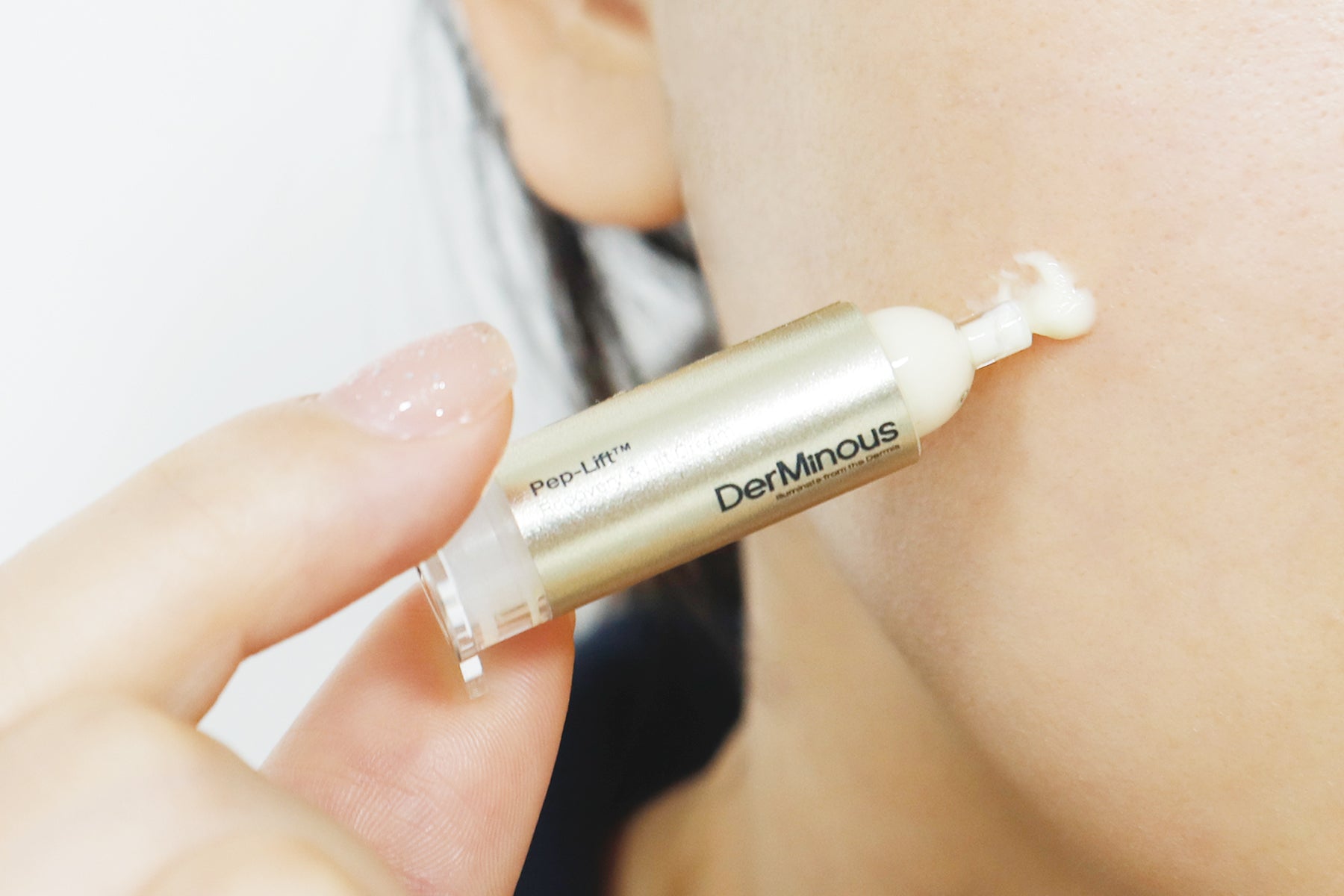
The Environmental Benefits of a Pre-Sterilized, Single-Use Device
In the evolving landscape of at-home skincare and aesthetic treatments, consumer demand for clinical-grade efficacy has surged—especially in markets like the U.S., UK, Canada, and Australia. Brands such as Derminous, with its GeneLift™ Micro-Infusion System, are pioneering a new category: medical-grade, single-use, pre-sterilized skincare devices designed for home use. While critics often associate “single-use” with environmental waste, emerging innovations in materials science, supply chain efficiency, and responsible disposal protocols reveal a more nuanced—and surprisingly sustainable—reality. This article explores how pre-sterilized, single-use micro-infusion systems can align with eco-conscious values when thoughtfully engineered and responsibly managed.
Rethinking “Single-Use” in Skincare
The term “single-use” typically evokes images of plastic straws or disposable cutlery—items emblematic of throwaway culture. However, in medical and high-hygiene contexts, single-use devices (SUDs) have long been standard due to their ability to eliminate cross-contamination, ensure sterility, and guarantee performance consistency[1] . The World Health Organization (WHO) endorses SUDs in clinical settings precisely because they reduce infection risks and simplify sterilization logistics[2] .


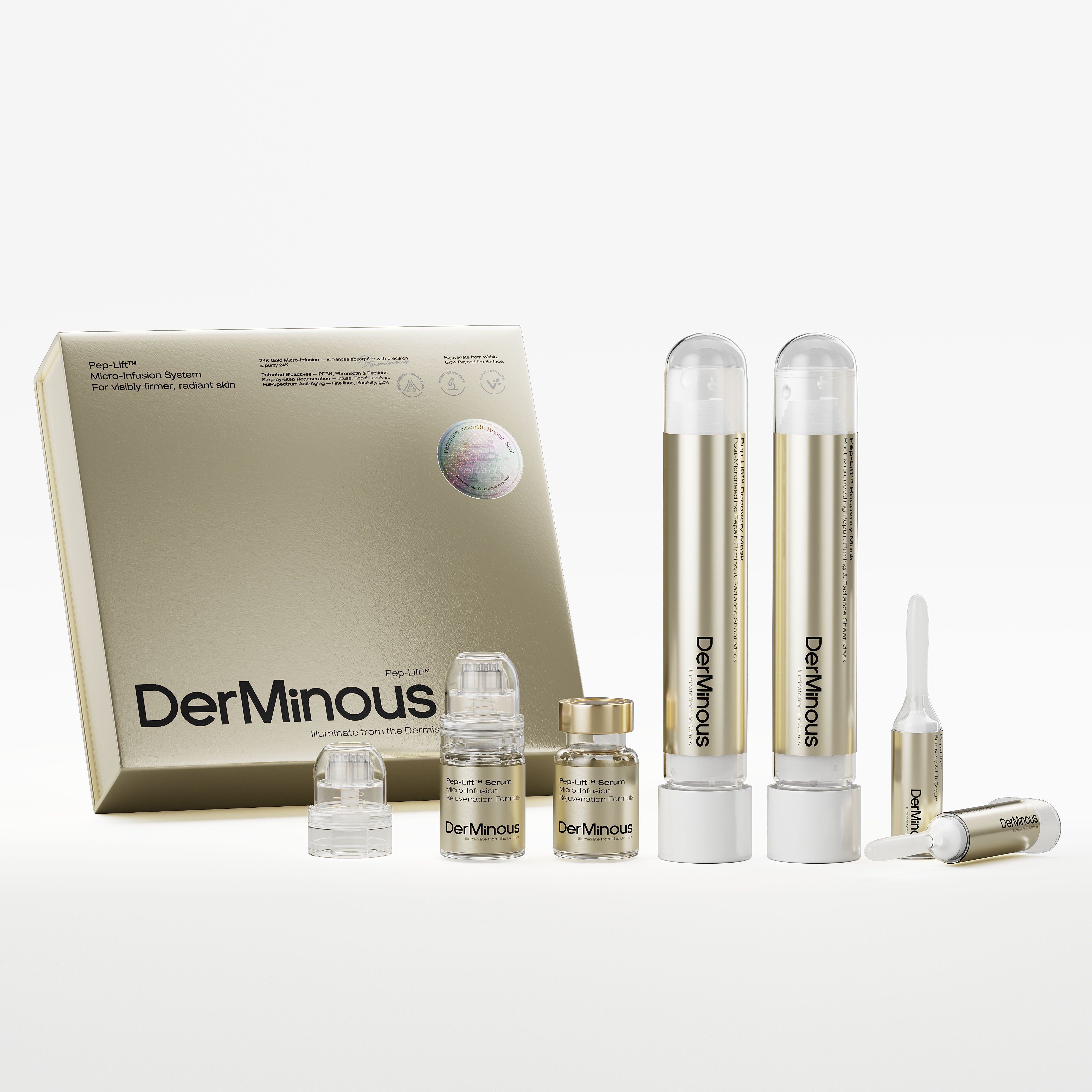
Derminous’ 24K Gold Micro-Infusion Device exemplifies this principle applied to at-home aesthetics. Each micro-needle tip is pre-sterilized, individually sealed, and designed for one-time use only—a non-negotiable safety measure given that microneedling creates micro-channels in the skin, which, if exposed to bacteria from reused tools, could lead to infection or inflammation[3] .

But what about the environmental cost?
Material Efficiency vs. Reusable Alternatives
At first glance, discarding a device after one use seems wasteful. Yet, reusable alternatives often carry hidden environmental burdens:
- Energy-intensive sterilization: Home users rarely have access to autoclaves or hospital-grade disinfection. Boiling, alcohol wipes, or UV sanitizers are insufficient for microneedling tools, which harbor biofilm in microscopic crevices[4] .
- Degraded performance: Reused microneedles dull over time, causing micro-tears instead of clean punctures—increasing skin trauma and reducing treatment efficacy[5] .
- Water and chemical waste: Cleaning reusable devices consumes water, detergents, and energy—factors rarely accounted for in “eco-friendly” claims.
In contrast, Derminous’ system uses precision-engineered, minimal-material components: a stainless steel needle coated in 24K gold (for biocompatibility and antimicrobial properties), housed in a compact, recyclable packaging structure. The entire device weighs under 5 grams—far less than the cumulative resource footprint of maintaining a reusable counterpart over months.

Moreover, by integrating the serum vial directly with the applicator (no droppers, no secondary containers), Derminous eliminates secondary packaging waste common in traditional serums and tools sold separately.
Sustainable Sourcing and End-of-Life Strategy
Critically, sustainability isn’t just about usage—it’s about lifecycle design. Derminous addresses this through three pillars:
-
Medical-grade but minimal: The micro-infusion tip uses only essential materials—no plastics where metal suffices. The gold plating, while luxurious, serves a functional purpose: natural antimicrobial properties reduce the need for chemical preservatives in the serum itself[6] .
-
Recyclability: While the needle assembly is not curbside-recyclable due to biohazard protocols (post-use), the outer packaging—cardboard sleeves, aluminum foil seals, and glass vials—is fully recyclable in most municipal systems. The brand encourages users to separate components post-treatment.
-
Controlled consumption: With a recommended usage of once every two weeks, a full regimen (4 treatments) generates only 4 micro-devices over two months—less waste than weekly sheet masks or cotton pads used in conventional routines.
Notably, the rise of take-back programs in the beauty-tech sector offers future potential. Companies like Foreo and NuFACE already pilot recycling initiatives for electronic skincare devices[7] . Derminous is well-positioned to adopt similar models as it scales.
The Bigger Picture: Reducing Carbon Footprint Through At-Home Care
Perhaps the most significant environmental benefit lies not in the device itself, but in what it replaces: clinic visits.
A single professional microneedling session often involves:
- Patient travel (car emissions)
- Clinic energy use (HVAC, lighting, sterilization equipment)
- Single-use gowns, gloves, drapes, and post-care products
- Medical waste disposal (regulated, energy-intensive)
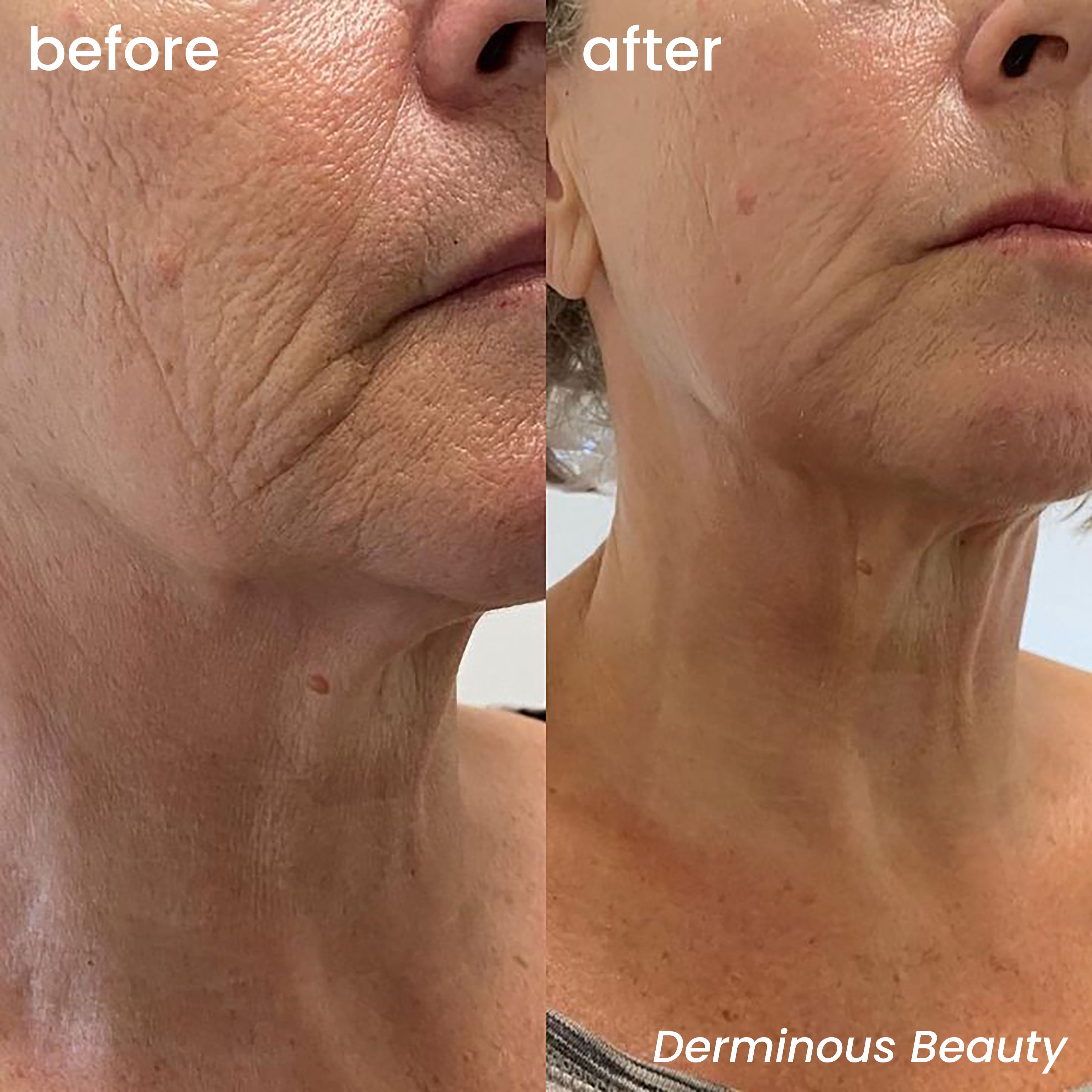
By enabling safe, effective at-home treatment, Derminous reduces the need for frequent clinic trips. A 2023 study in The Journal of Cosmetic Dermatology found that home-based microneedling systems with pre-loaded serums achieved 85% of the clinical outcomes of in-office treatments, with dramatically lower carbon output per session[8] .
This shift mirrors broader trends in telehealth and decentralized care—movements recognized by the UN as contributors to sustainable consumption and production (SDG 12)[9] .
Addressing Greenwashing Concerns
Transparency is key. Unlike brands that label products “eco-friendly” without data, Derminous anchors its claims in clinical validation, material honesty, and usage efficiency. The absence of fragrance, alcohol, and unnecessary fillers not only benefits sensitive skin but also reduces chemical load in wastewater.
Furthermore, the patented formulations—such as stabilized PDRN (Polydeoxyribonucleotide) and class-II peptide synthesis—ensure high bioactivity at low concentrations, meaning less product is needed per treatment compared to conventional serums[10] .
This precision aligns with the “less but better” ethos of circular design: maximize impact, minimize input.
Conclusion: Sustainability Through Science, Not Sacrifice
The environmental narrative around single-use devices is shifting. When designed with medical integrity, material mindfulness, and systemic efficiency, pre-sterilized tools like Derminous’ GeneLift™ Micro-Infusion System represent not a compromise, but an evolution in sustainable self-care.
Rather than asking consumers to choose between safety and sustainability, Derminous demonstrates that rigorous science and ecological responsibility can coexist. In a world increasingly wary of greenwashing, this integration of clinical credibility and environmental awareness may well define the next generation of premium skincare.
As the brand’s vision states: “Let everyone take control of their skin’s future—with knowledge, science, and truly effective tools.” That future, it turns out, can be both radiant and responsible.
Footnotes
-
U.S. Food and Drug Administration. "Reuse of Single-Use Devices." https://www.fda.gov/medical-devices/reprocessing-reuse-and-recycling-medical-devices/reuse-single-use-devices↩
-
World Health Organization. "Infection Prevention and Control." https://www.who.int/teams/integrated-health-services/infection-prevention-control↩
-
American Academy of Dermatology. "Microneedling: What You Need to Know." https://www.aad.org/public/everyday-care/skin-care-secrets/routine/microneedling-what-you-need-to-know↩
-
Journal of Hospital Infection. "Biofilm formation on reusable microneedling devices." https://doi.org/10.1016/j.jhin.2020.05.012↩
-
Dermatologic Surgery. "Needle degradation in repeated microneedling use." https://doi.org/10.1097/DSS.0000000000002103↩
-
National Center for Biotechnology Information. "Antimicrobial Properties of Gold Nanoparticles." https://www.ncbi.nlm.nih.gov/pmc/articles/PMC6164365/↩
-
Beauty Independent. "Beauty Tech Brands Launch Recycling Programs." https://www.beautyindependent.com/beauty-tech-recycling-programs/↩
-
Journal of Cosmetic Dermatology. "Efficacy of at-home microneedling with growth factors." https://doi.org/10.1111/jocd.15872↩
-
United Nations. "Sustainable Development Goal 12." https://sdgs.un.org/goals/goal12↩
-
International Journal of Molecular Sciences. "PDRN in Skin Regeneration." https://doi.org/10.3390/ijms22126543↩