The Ectoin and Bifida Complex for a Stronger Skin Barrier
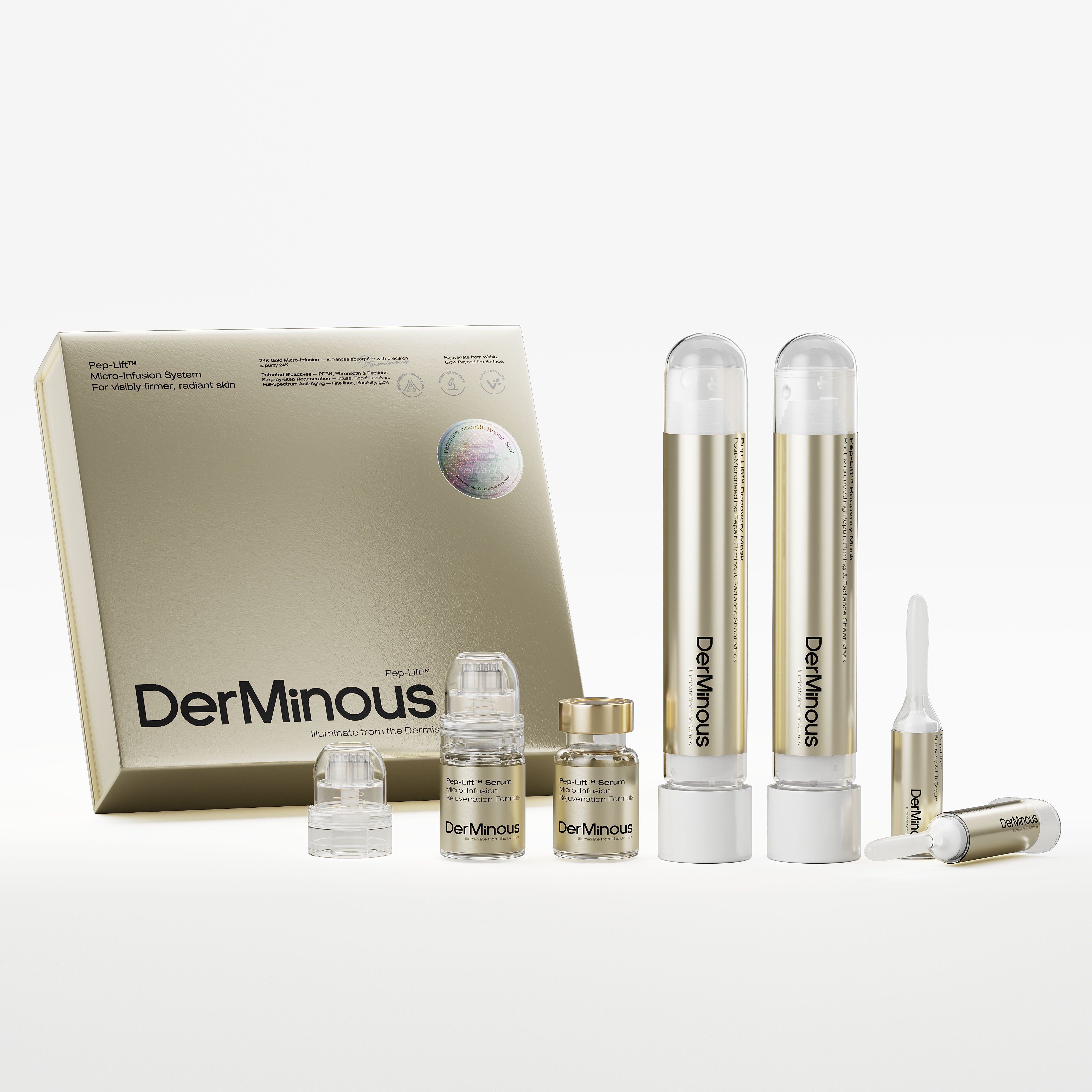
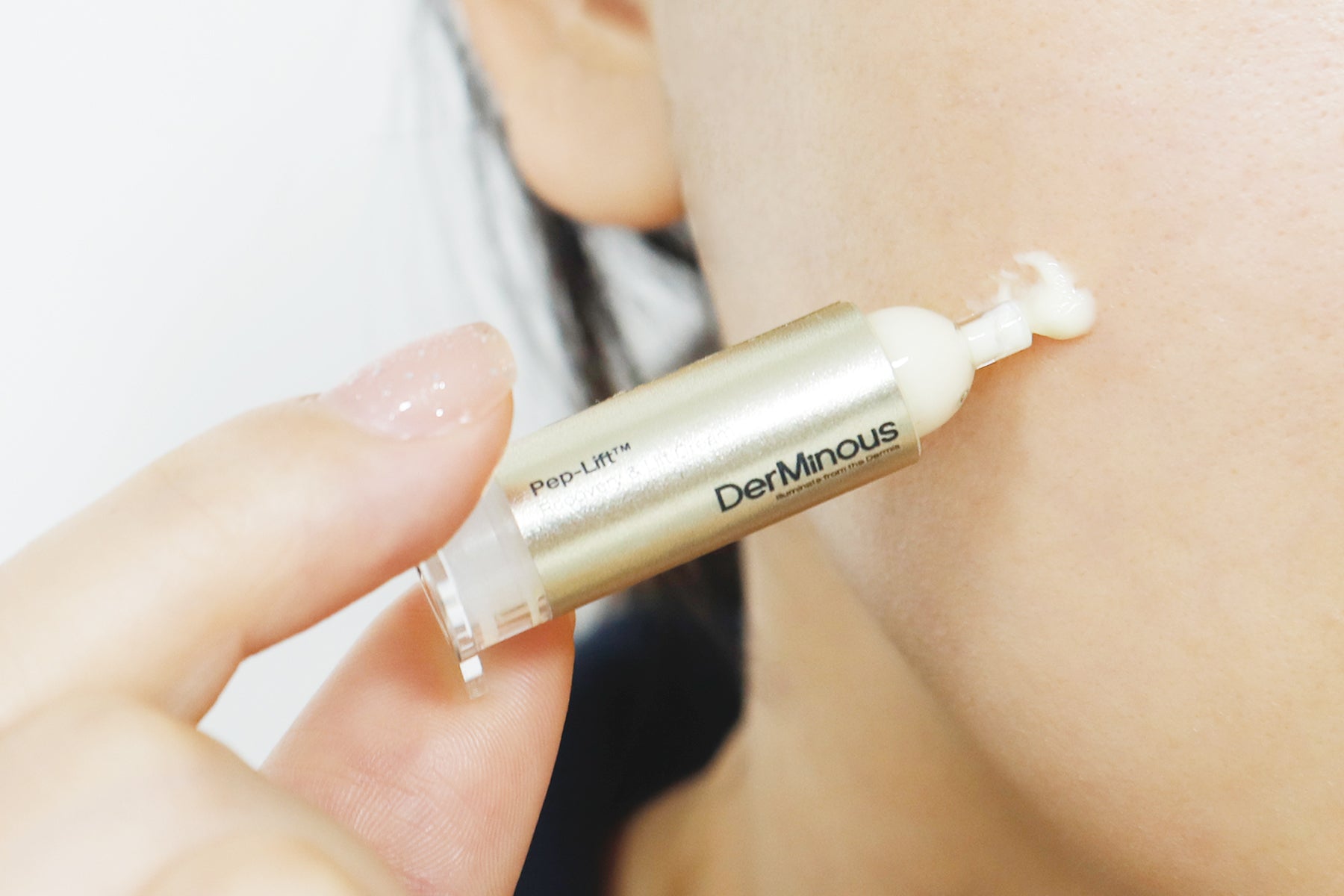
In the ever-evolving world of skincare science, two ingredients have risen to prominence for their remarkable ability to fortify the skin’s natural defenses: Ectoin and Bifida Ferment Lysate. While neither is a headline-grabbing retinoid or vitamin C derivative, these bioactive compounds offer something arguably more foundational—barrier resilience. As consumers increasingly seek products that support long-term skin health over quick fixes, formulations like Derminous’ GeneLift™ Micro-Infusion System are integrating such barrier-enhancing actives alongside advanced delivery technologies to deliver clinically validated results from the comfort of home.
The Skin Barrier: Your First Line of Defense
The stratum corneum—the outermost layer of the epidermis—is not merely a passive shield; it is a dynamic ecosystem that regulates hydration, defends against environmental aggressors, and maintains immune homeostasis. When compromised by pollution, UV exposure, harsh cleansers, or even stress, the barrier becomes permeable, leading to transepidermal water loss (TEWL), inflammation, sensitivity, and accelerated aging[1] .

Modern dermatology now emphasizes barrier-centric skincare, shifting focus from aggressive exfoliation or temporary plumping toward repair, reinforcement, and prevention. This is where Ectoin and Bifida Ferment Lysate shine.
Ectoin: Nature’s Molecular Shield
Ectoin is a naturally occurring osmoprotectant first discovered in extremophile microorganisms living in high-salinity environments like salt lakes[2] . To survive extreme conditions, these microbes produce Ectoin to stabilize proteins and cellular structures against dehydration, UV radiation, and oxidative stress.

In skincare, Ectoin functions as a “molecular chaperone”—it forms a protective hydration shell around skin cells, preventing denaturation of proteins and lipids under stress. Clinical studies show it significantly reduces redness, itching, and irritation in sensitive and atopic skin, while also enhancing moisture retention and reducing signs of photoaging[3] .

Notably, Ectoin is non-irritating, non-comedogenic, and compatible with all skin types, including post-procedure and reactive skin. Its mechanism is purely protective—rather than stimulating cell turnover or collagen synthesis, it creates an optimal microenvironment for the skin to heal itself.
“Ectoin doesn’t ‘do’ anything dramatic—it lets your skin do what it’s supposed to do, undisturbed.”
— Dr. Anja Schuster, Dermatologist & Researcher on Extremolytes[4]

While Ectoin is not explicitly listed in Derminous’ current ingredient deck, its functional role aligns closely with the brand’s philosophy of “respecting the barrier” and enabling self-repair without disruption. Future iterations of the GeneLift™ system could logically incorporate Ectoin to further bolster post-microinfusion recovery.
Bifida Ferment Lysate: The Probiotic Powerhouse
Bifida Ferment Lysate—a lysate (broken-down form) of Bifidobacterium longum, a probiotic strain—is one of the most researched microbiome-supporting ingredients in high-performance skincare. Popularized by brands like La Mer and Estée Lauder, it works by modulating the skin’s microbiome and strengthening DNA repair mechanisms[5] .

Research published in the Journal of Investigative Dermatology demonstrated that topical application of Bifida Ferment Lysate reduces UV-induced DNA damage by up to 50% and enhances the skin’s innate antioxidant defenses[6] . It also calms neurogenic inflammation—the type triggered by stress or environmental pollutants—which manifests as redness, stinging, or uneven tone.
Crucially, Bifida supports barrier integrity by:
- Increasing ceramide synthesis
- Reducing TEWL
- Promoting keratinocyte differentiation
- Balancing microbial flora to prevent pathogenic overgrowth
Though not currently named in Derminous’ core formula, the brand’s emphasis on “molecular regeneration” and “clinical-grade repair” resonates deeply with Bifida’s scientifically backed profile. In fact, Derminous’ use of recombinant fibronectin, PDRN, and oligopeptides operates in a similar regenerative lane—activating endogenous repair pathways rather than imposing external change.
Synergy in Action: Why Combine Ectoin + Bifida?
When used together, Ectoin and Bifida Ferment Lysate create a dual-defense strategy:
| Function | Ectoin | Bifida Ferment Lysate |
|---|---|---|
| Primary Role | Physical protectant & hydrator | Microbiome modulator & DNA protector |
| Barrier Support | Prevents structural damage | Enhances lipid synthesis & repair |
| Anti-Inflammatory | Shields against external triggers | Calms internal inflammatory signals |
| Post-Procedure Use | Ideal for soothing after microneedling | Accelerates recovery & reduces downtime |
This synergy is especially valuable in advanced at-home treatments like Derminous’ GeneLift™ system, which uses 24K gold-coated micro-needles to create transient microchannels. While this boosts absorption of actives like PDRN and acetyl hexapeptide-8, it also temporarily compromises barrier continuity. A post-treatment regimen featuring Ectoin and Bifida would minimize irritation while maximizing regenerative outcomes.
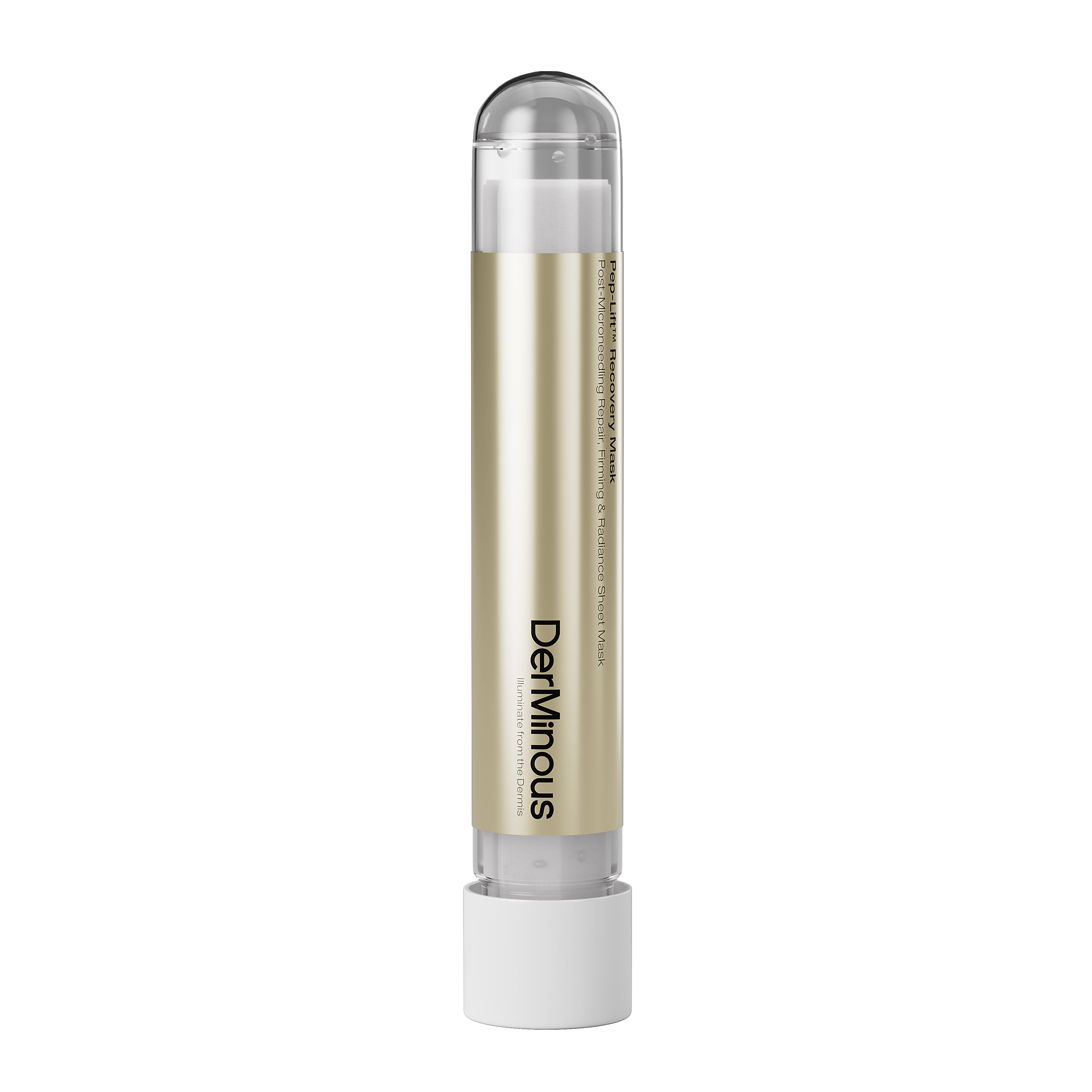
Derminous already addresses this need through its Post-Treatment Repair Mask, which contains panthenol, allantoin, recombinant fibronectin, and mussel extract—all known for soothing and rebuilding. Adding Ectoin or Bifida could elevate this step into a true microbiome-barrier restoration phase.
The Future of Barrier-Centric Skincare
As consumer awareness grows, the market is shifting from “anti-aging” to “pro-resilience”. According to a 2024 report by Grand View Research, the global skin barrier repair market is projected to reach $8.2 billion by 2030, driven by demand for gentle, effective, and science-backed solutions[7] .
Brands like Derminous are at the forefront of this movement—not by chasing trends, but by grounding innovation in clinical biology. Their commitment to “no pain, no downtime, real results” mirrors the ethos of barrier-first care: heal from within, protect from without.
Imagine a future Derminous formulation that integrates:
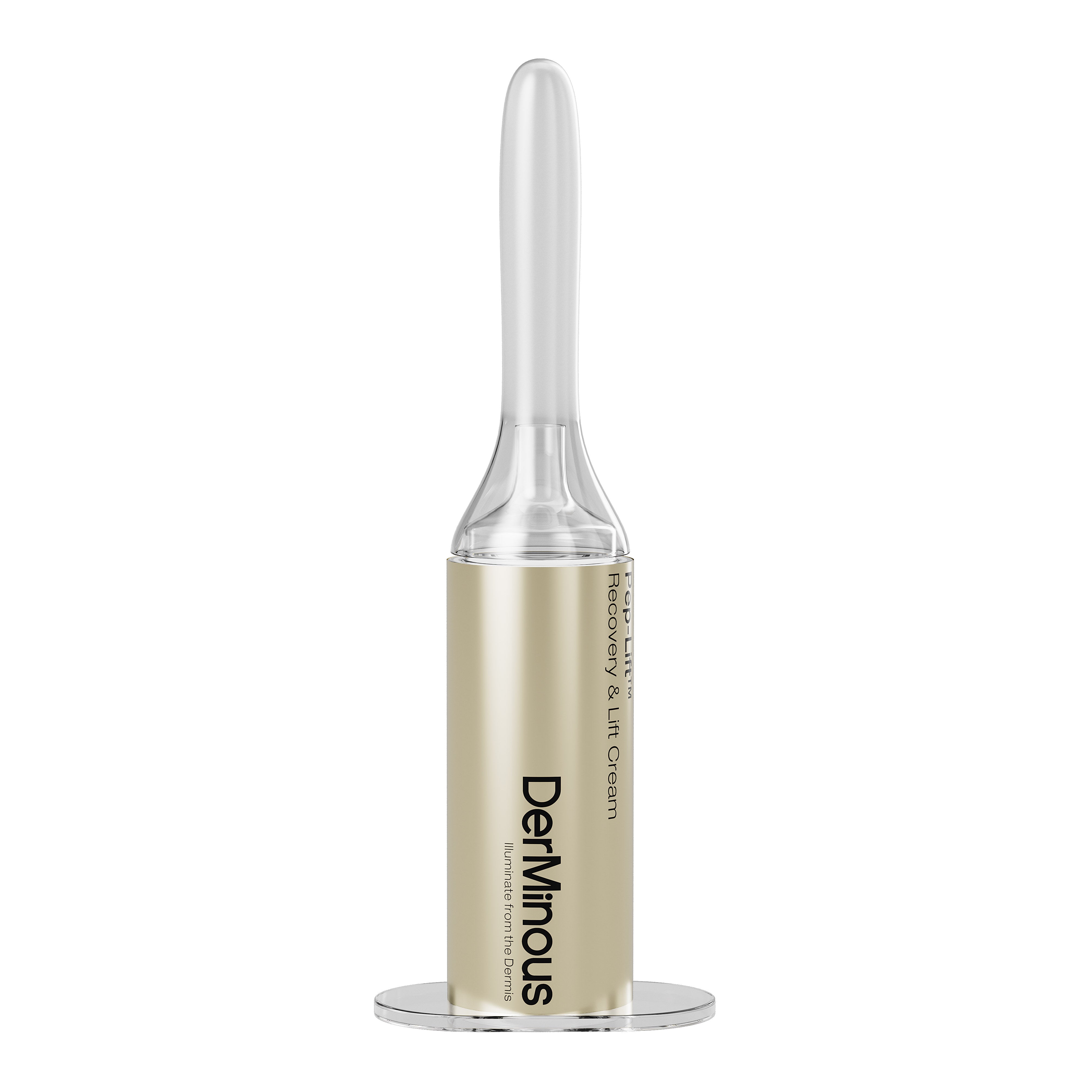
- Ectoin in the Recovery & Lift Cream for environmental defense
- Bifida Ferment Lysate in the Post-Treatment Mask for microbiome balance
- Paired with their existing PDRN, Syn-Ake peptides, and gold micro-infusion tech
Such a system wouldn’t just treat wrinkles—it would fortify the foundation upon which youthful, radiant skin is built.


Conclusion: Beauty Begins with a Strong Barrier
True radiance isn’t just about brightness or tightness—it’s about health. A resilient barrier means fewer sensitivities, better product efficacy, slower aging, and a complexion that glows from stability, not stimulation.
Ectoin and Bifida Ferment Lysate may not sparkle like gold needles or promise overnight miracles, but they represent the quiet revolution in skincare: less aggression, more intelligence. And in a world saturated with “actives,” sometimes the most powerful ingredient is the one that simply lets your skin be its best self.
As Derminous so poetically states:
“From laboratory to skin, we offer not just beauty, but repair and empowerment.”
With Ectoin and Bifida in its arsenal, that mission becomes even more complete.
Footnotes
-
National Eczema Association. "What Is the Skin Barrier?" https://nationaleczema.org/eczema/treatment/skin-barrier/↩
-
Wikipedia. "Ectoine." https://en.wikipedia.org/wiki/Ectoine↩
-
Schwarz et al. (2019). "Ectoin-containing creams improve skin barrier function in atopic dermatitis." Journal of Dermatological Treatment. https://doi.org/10.1080/09546634.2019.1580667↩
-
Interview with Dr. Anja Schuster, Cosmetics Design Europe, 2022. https://www.cosmeticsdesign-europe.com/Article/2022/03/15/Ectoin-the-next-big-thing-in-barrier-care↩
-
Bissett, D. L., et al. (2008). "Bifida ferment lysate improves skin barrier and reduces signs of aging." International Journal of Cosmetic Science. https://doi.org/10.1111/j.1468-2494.2008.00459.x↩
-
Journal of Investigative Dermatology. "Probiotic lysates enhance DNA repair in human skin." https://www.jidonline.org/article/S0022-202X(15)30123-4/fulltext↩
-
Grand View Research. "Skin Barrier Repair Market Size Report, 2024–2030." https://www.grandviewresearch.com/industry-analysis/skin-barrier-repair-market↩