The Difference Between Peptides and PDRN in Anti-Aging
In the ever-evolving world of anti-aging skincare, two powerhouse ingredients have risen to prominence: peptides and PDRN (Polydeoxyribonucleotide). Both are celebrated for their ability to rejuvenate skin, stimulate collagen production, and reduce visible signs of aging—but they operate through distinct biological mechanisms and offer complementary benefits. Understanding the differences between peptides and PDRN is essential for consumers seeking targeted, effective, and science-backed solutions for youthful, resilient skin.
What Are Peptides?
Peptides are short chains of amino acids—the building blocks of proteins like collagen, elastin, and keratin. In skincare, specific signal peptides (e.g., palmitoyl pentapeptide-4, acetyl hexapeptide-8) act as messengers that “tell” skin cells to perform certain functions, such as producing more collagen or relaxing muscle contractions that cause expression lines[1] .

For instance, acetyl hexapeptide-8, often dubbed “Botox in a jar,” mimics the effects of botulinum toxin by inhibiting neurotransmitter release at neuromuscular junctions, thereby softening dynamic wrinkles like crow’s feet and forehead lines[2] . Other peptides, such as palmitoyl tripeptide-5, stimulate fibroblasts to boost collagen synthesis, improving skin firmness over time.

Peptides are generally stable, non-irritating, and suitable for sensitive skin—making them a staple in both over-the-counter and clinical-grade formulations.
What Is PDRN?
PDRN, or Polydeoxyribonucleotide, is a DNA-derived compound originally developed for wound healing and tissue regeneration in medical settings. It consists of fragments of DNA extracted from salmon sperm (a sustainable source), which activate the adenosine A2A receptor—a key pathway in cellular repair and anti-inflammatory responses[3] .

In dermatology, PDRN has gained traction for its remarkable ability to:
- Accelerate tissue regeneration
- Reduce inflammation and redness
- Stimulate fibroblast activity and collagen/elastin production
- Enhance hydration by upregulating hyaluronic acid synthesis
Unlike peptides that primarily signal cells, PDRN actively fuels cellular metabolism and repair by providing nucleotides—the raw materials cells need to rebuild damaged tissue. This makes it especially effective post-procedure (e.g., after microneedling or laser treatments) or for compromised, aging, or sensitive skin[4] .

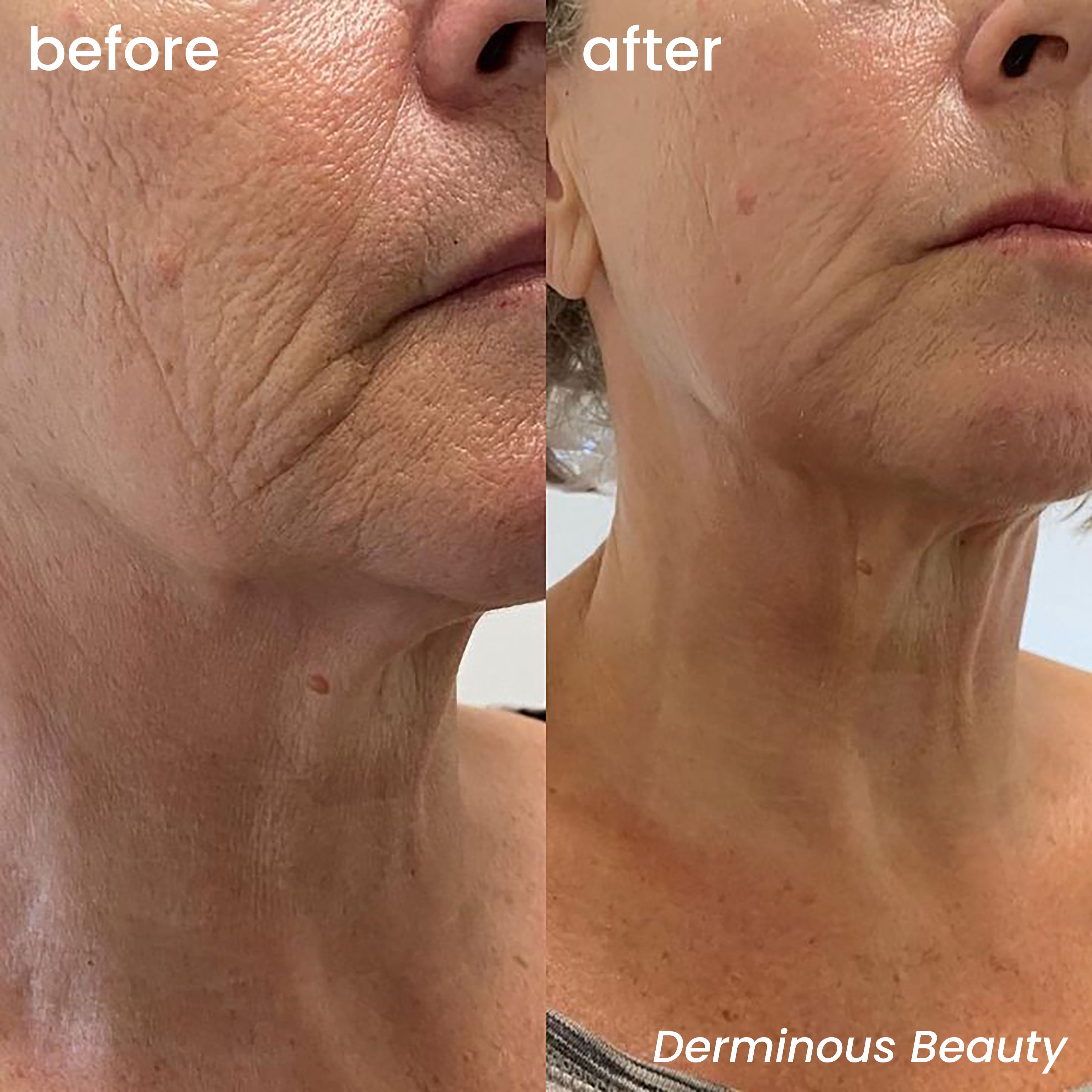
Clinical studies have shown that topical or injected PDRN significantly improves skin elasticity, texture, and barrier function within weeks of consistent use[5] .

Key Differences: Mechanism, Origin, and Application
| Feature | Peptides | PDRN |
|---|---|---|
| Molecular Type | Amino acid chains | DNA fragments (polynucleotides) |
| Primary Function | Cell signaling (e.g., “make more collagen”) | Cellular fuel + repair activation |
| Origin | Synthetic or bioengineered | Natural (salmon-derived DNA) |
| Best For | Preventing & softening fine lines, boosting firmness | Healing, barrier repair, post-injury recovery |
| Onset of Results | Gradual (4–8 weeks) | Noticeable within 1–2 weeks (especially hydration & calmness) |
| Ideal Skin Types | All, including sensitive | Sensitive, reactive, post-procedure, mature |
While peptides excel at prevention and refinement, PDRN shines in restoration and resilience. They are not competitors—but collaborators in comprehensive anti-aging strategies.
Synergy in Advanced Skincare Systems
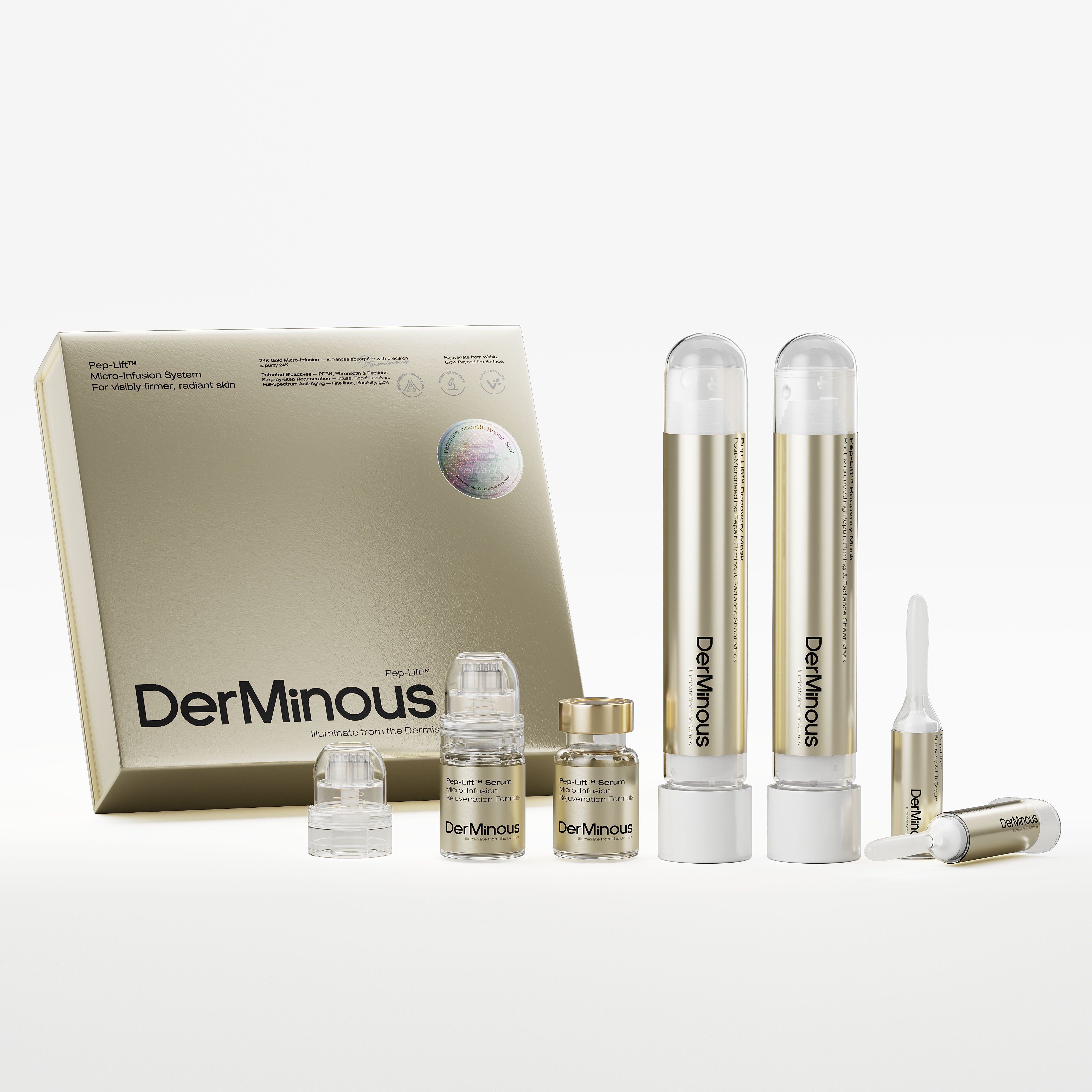
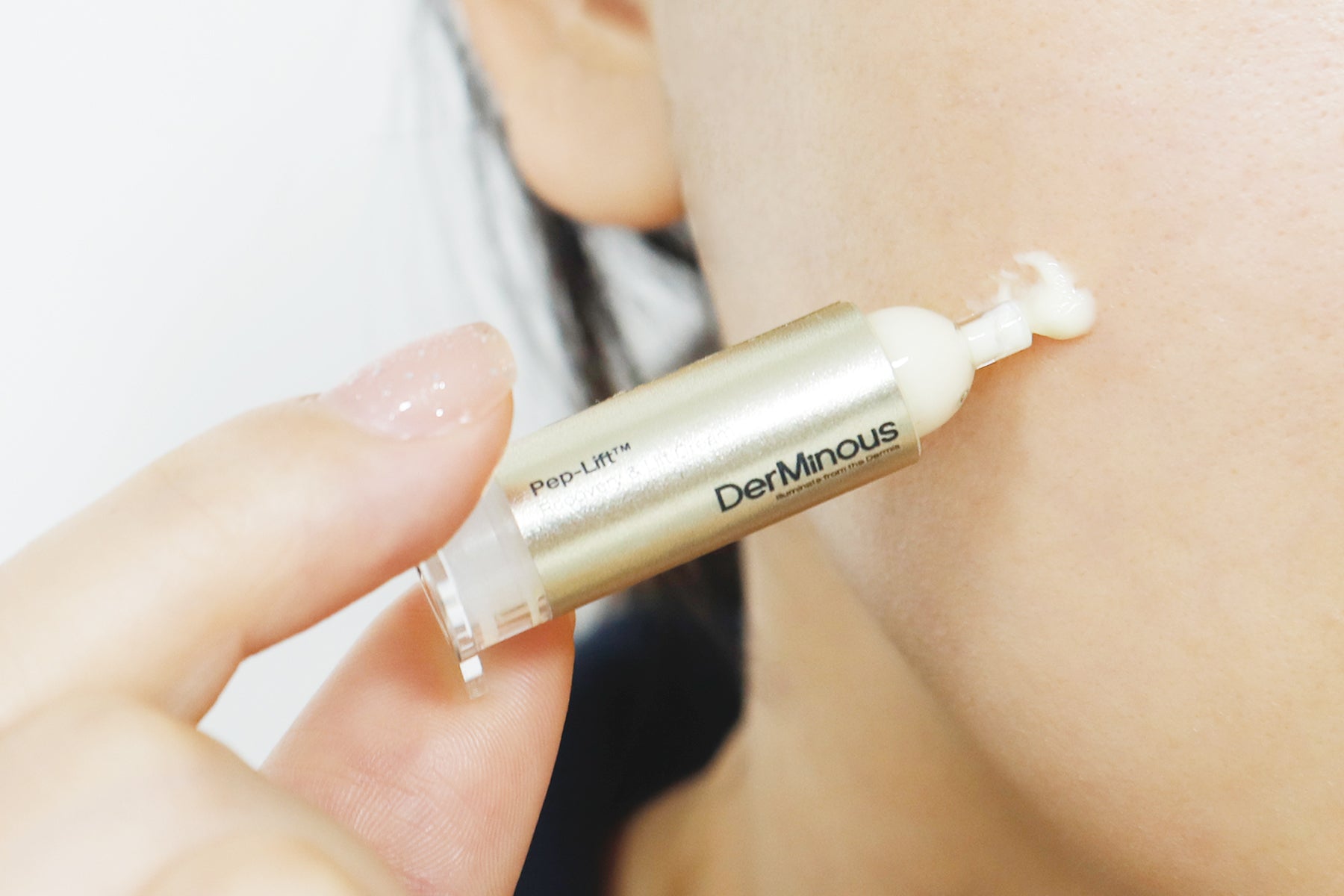
Leading brands like Derminous recognize this synergy. Their GeneLift™ Micro-Infusion System combines multiple patented peptides (including acetyl hexapeptide-8 and dipeptide diaminobutyroyl benzylamide diacetate—a synthetic conotoxin analog known as Syn-Ake®) with high-purity PDRN in a single serum formulation[6] .


This dual-action approach delivers:
- Immediate smoothing of expression lines (via peptide signaling)
- Deep cellular repair and collagen stimulation (via PDRN)
- Enhanced penetration through 24K gold-coated microneedles, which create microchannels without pain or downtime
The result? A clinical-grade, at-home ritual that merges the precision of biotech with the convenience of daily self-care—aligning perfectly with modern consumer demand for “medical efficacy without the clinic visit.”[7]

Moreover, Derminous fortifies this core duo with supporting actives like niacinamide (for brightening and barrier support), soluble collagen, and fibronectin, creating a multi-targeted anti-aging ecosystem.
Safety and Suitability
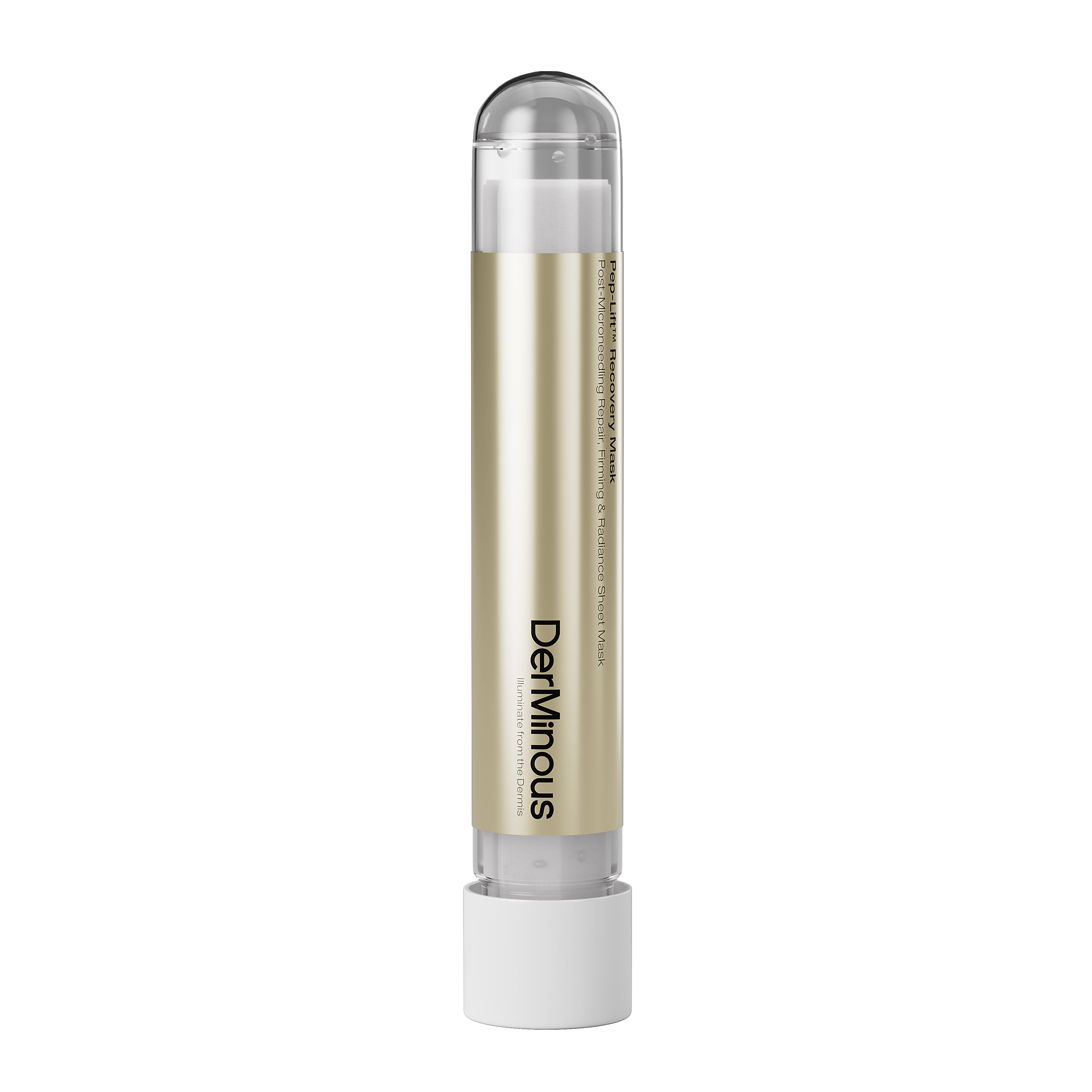
Both peptides and PDRN are well-tolerated, even by sensitive or post-procedure skin. Derminous’ formulation excludes alcohol, fragrance, and common irritants, and includes a post-treatment repair mask rich in panthenol, allantoin, and mussel extract to further soothe and seal the barrier—critical after microneedling.
Notably, PDRN’s anti-inflammatory properties make it ideal for calming redness and accelerating recovery, while peptides maintain long-term structural integrity. Together, they address both acute damage and chronic aging.
The Future of At-Home Anti-Aging
As consumers become more ingredient-literate, demand for transparent, patent-backed, and clinically inspired formulations grows. Products like Derminous GeneLift™ exemplify this shift—offering three patented technologies (including novel synthesis methods for snake venom-like peptides and stabilized PDRN delivery) in a user-friendly, ritualistic system[8] .

With usage recommended just twice monthly, it bridges the gap between daily serums and professional treatments—proving that true transformation doesn’t require pain, needles, or weeks of downtime.
Conclusion
Peptides and PDRN are not interchangeable—but they are profoundly complementary. Peptides are the architects of youth, sending precise instructions to rebuild skin’s scaffolding. PDRN is the builder, supplying the energy and materials needed for rapid, robust repair.
When intelligently combined—as in Derminous’ GeneLift™ system—they create a complete anti-aging loop: signal, nourish, repair, and protect. For anyone seeking visible, lasting results without compromising safety or simplicity, understanding—and harnessing—this powerful duo is the next frontier in intelligent skincare.
Footnotes
-
What Are Peptides in Skincare? – Healthline. https://www.healthline.com/health/beauty-skin-care/peptides-in-skin-care↩
-
Acetyl Hexapeptide-8: Mechanism and Efficacy – Journal of Cosmetic Dermatology. https://onlinelibrary.wiley.com/doi/abs/10.1111/jocd.12145↩
-
PDRN: From Wound Healing to Aesthetic Medicine – National Institutes of Health (PubMed). https://pubmed.ncbi.nlm.nih.gov/29562987/↩
-
Polydeoxyribonucleotide (PDRN) in Skin Regeneration – International Journal of Molecular Sciences. https://www.mdpi.com/1422-0067/22/3/1321↩
-
Clinical Effects of Topical PDRN on Photoaged Skin – Dermatologic Surgery. https://journals.lww.com/dermatologicsurgery/Abstract/2018/05000/Clinical_Effects_of_Topical_Polydeoxyribonucleotide.10.aspx↩
-
Derminous Official Website – GeneLift™ Technology Overview. https://www.derminous.com/gene-lift-science↩
-
The Rise of At-Home Medical-Grade Skincare – Vogue Business. https://www.voguebusiness.com/beauty/the-rise-of-at-home-medical-grade-skincare↩
-
China National Intellectual Property Administration – Patent ZL202111504220.4 (Synthetic Method for Tripeptide Mimicking Snake Toxin). http://epub.cnipa.gov.cn/↩