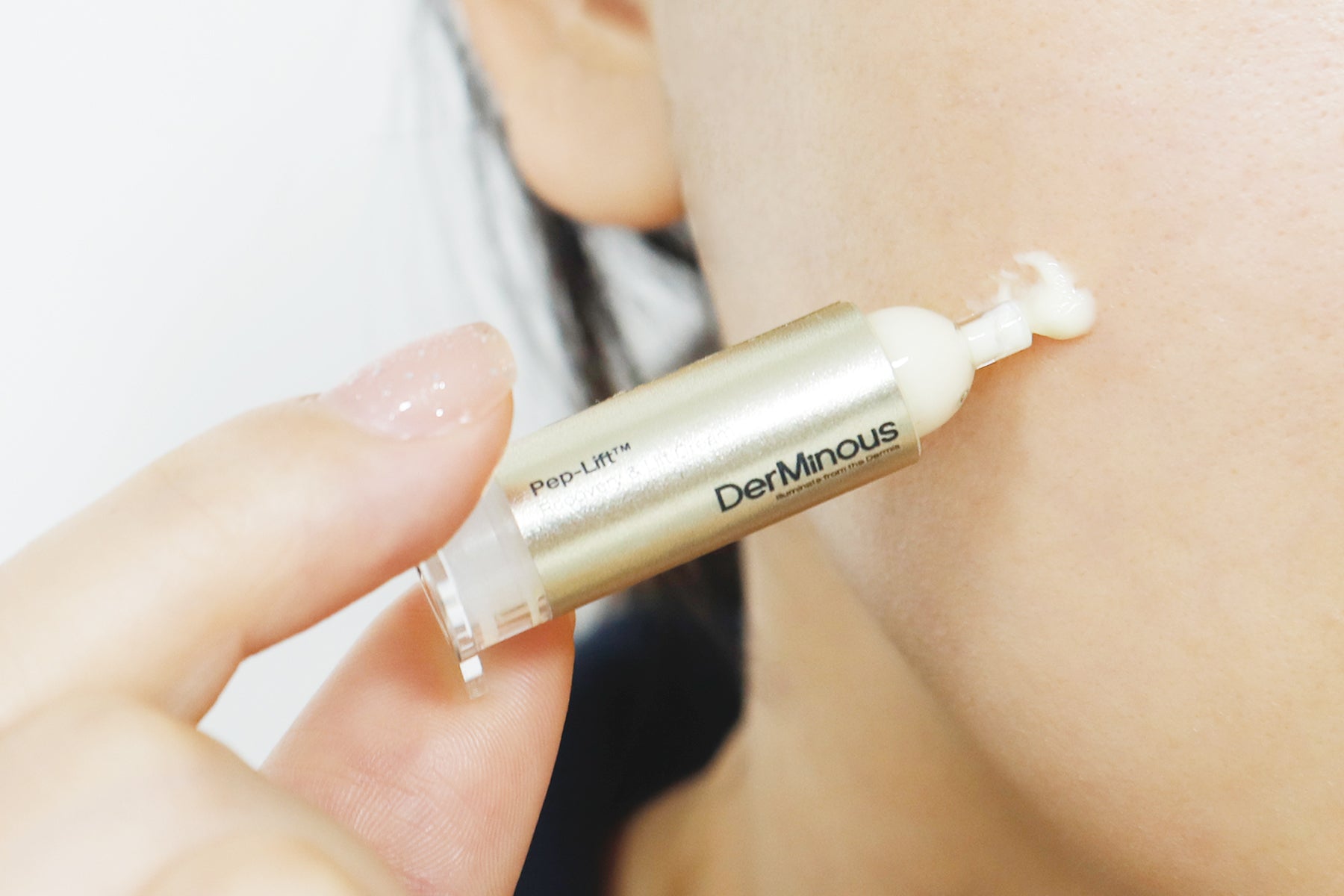
The Closed-Loop Skincare System That's Leading the Industry
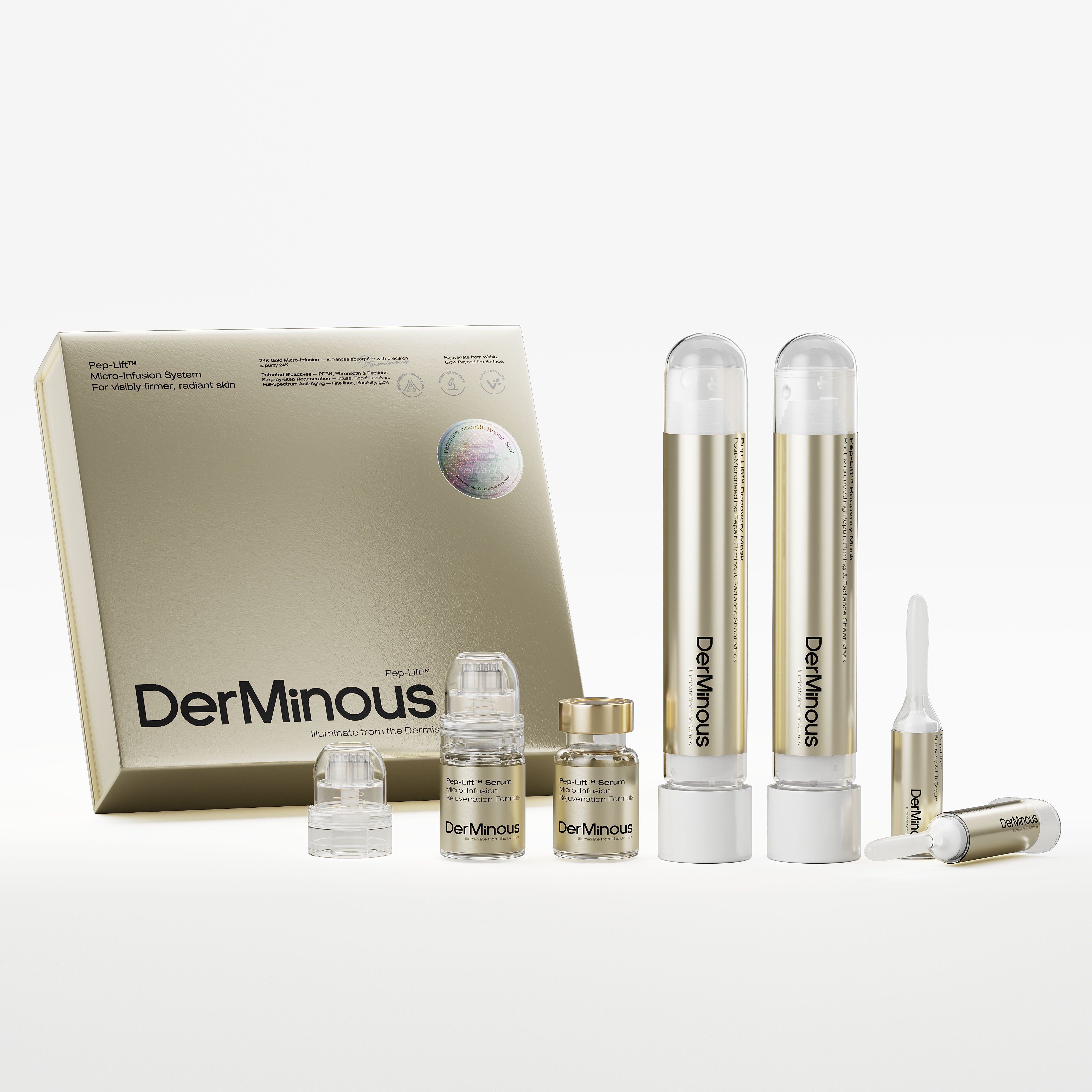
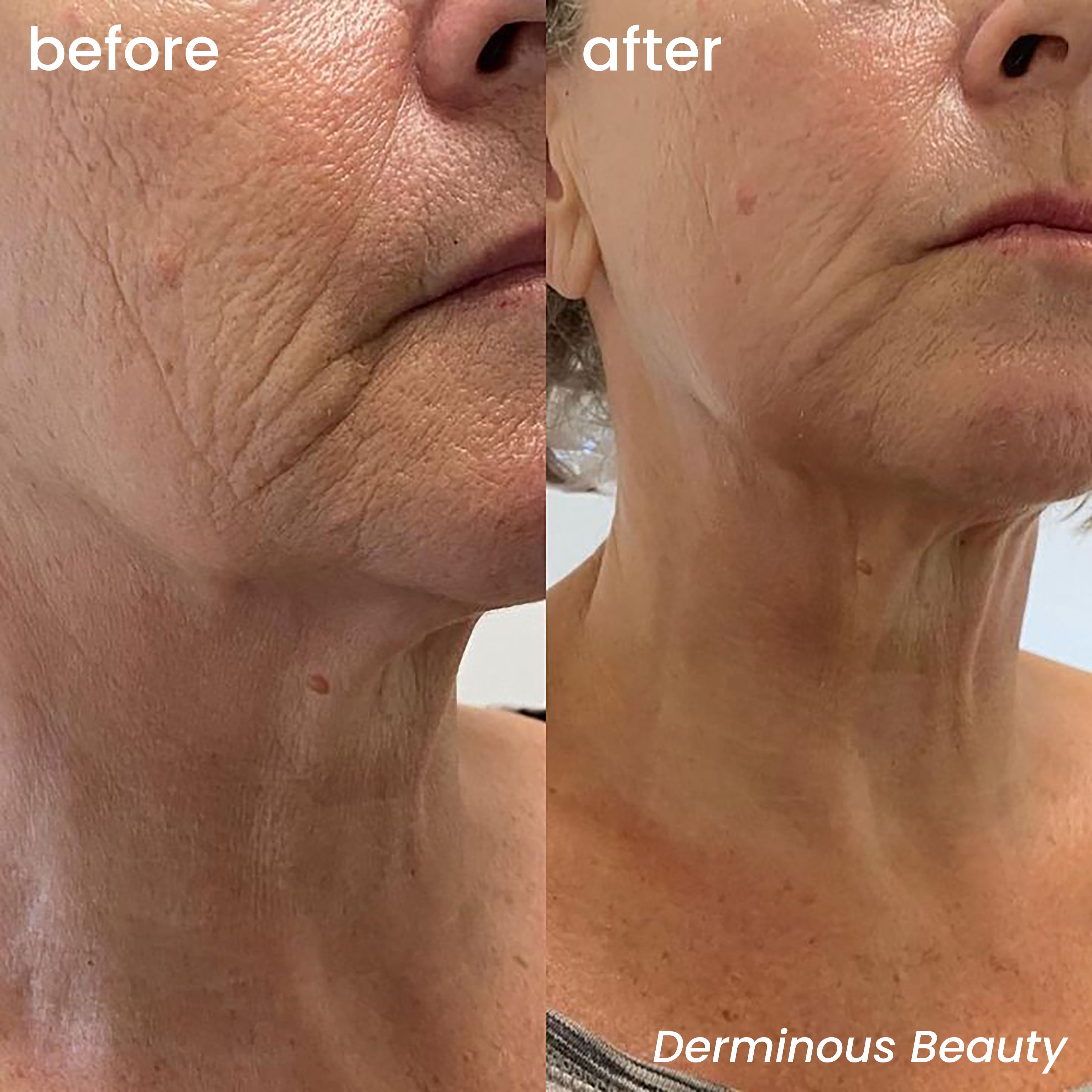
In an era where at-home skincare is rapidly converging with clinical aesthetics, Derminous has redefined what’s possible through its GeneLift™ Micro-Infusion System—a scientifically engineered, closed-loop skincare protocol that delivers professional-grade results without injections, pain, or downtime. Unlike traditional microneedling or topical serums that struggle with bioavailability, GeneLift™ integrates 24K gold-plated micro-channels, patented active complexes, and a four-phase ritual (Activate → Infuse → Soothe → Seal) to ensure maximum penetration, efficacy, and barrier integrity[1] .

At the heart of this system lies a trio of clinically validated ingredients: PDRN (Polydeoxyribonucleotide) for cellular regeneration[2] , Acetyl Hexapeptide-8 (Syn-Ake®)—a biomimetic peptide that mimics the wrinkle-smoothing effect of botulinum toxin without paralysis[3] , and patent-controlled Niacinamide for gentle yet effective brightening[4] . Combined with medical-grade stainless steel needles coated in 24K gold—an innovation known for its anti-inflammatory and antimicrobial properties[5] —the device creates transient microchannels that boost ingredient absorption by up to 300% compared to topical application alone.


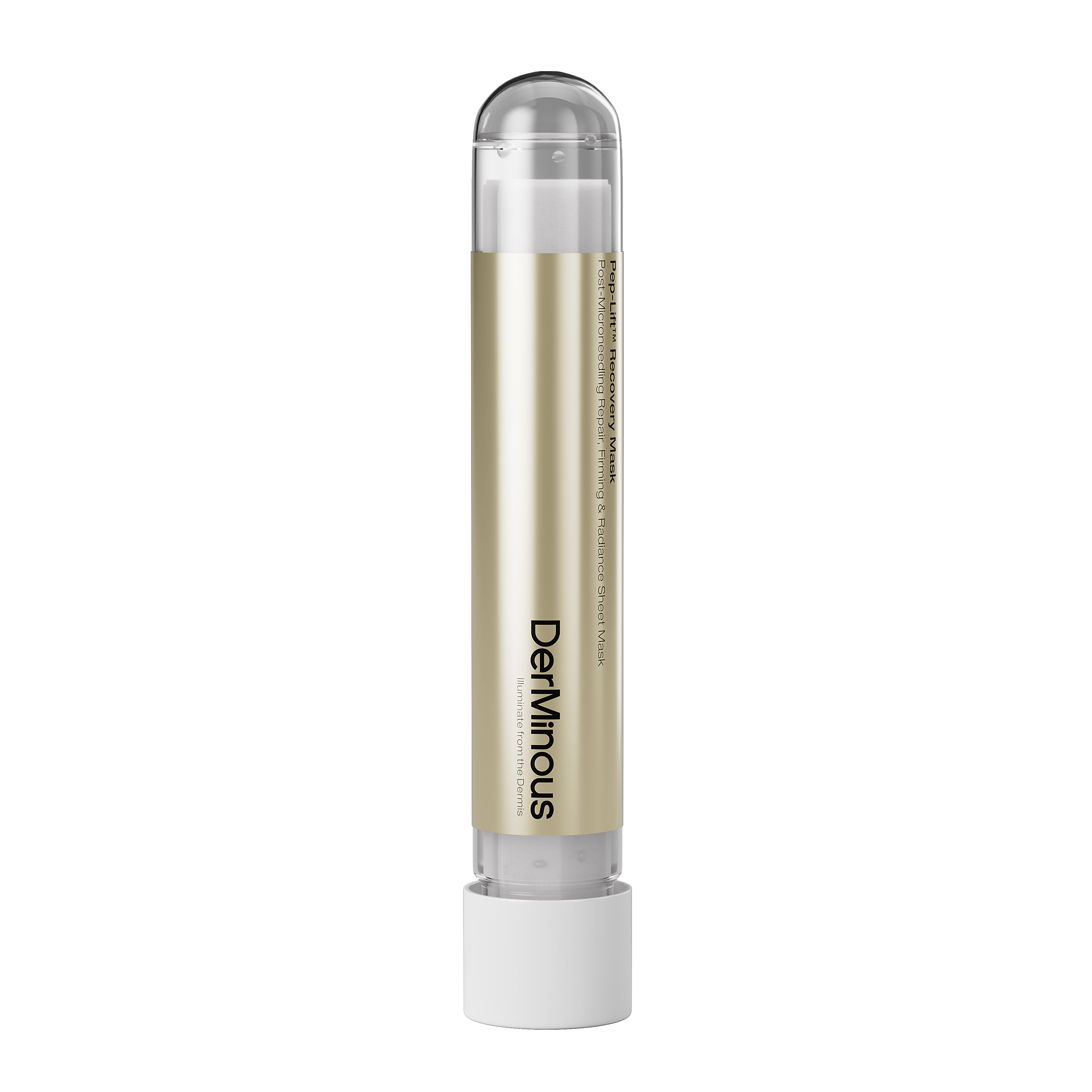
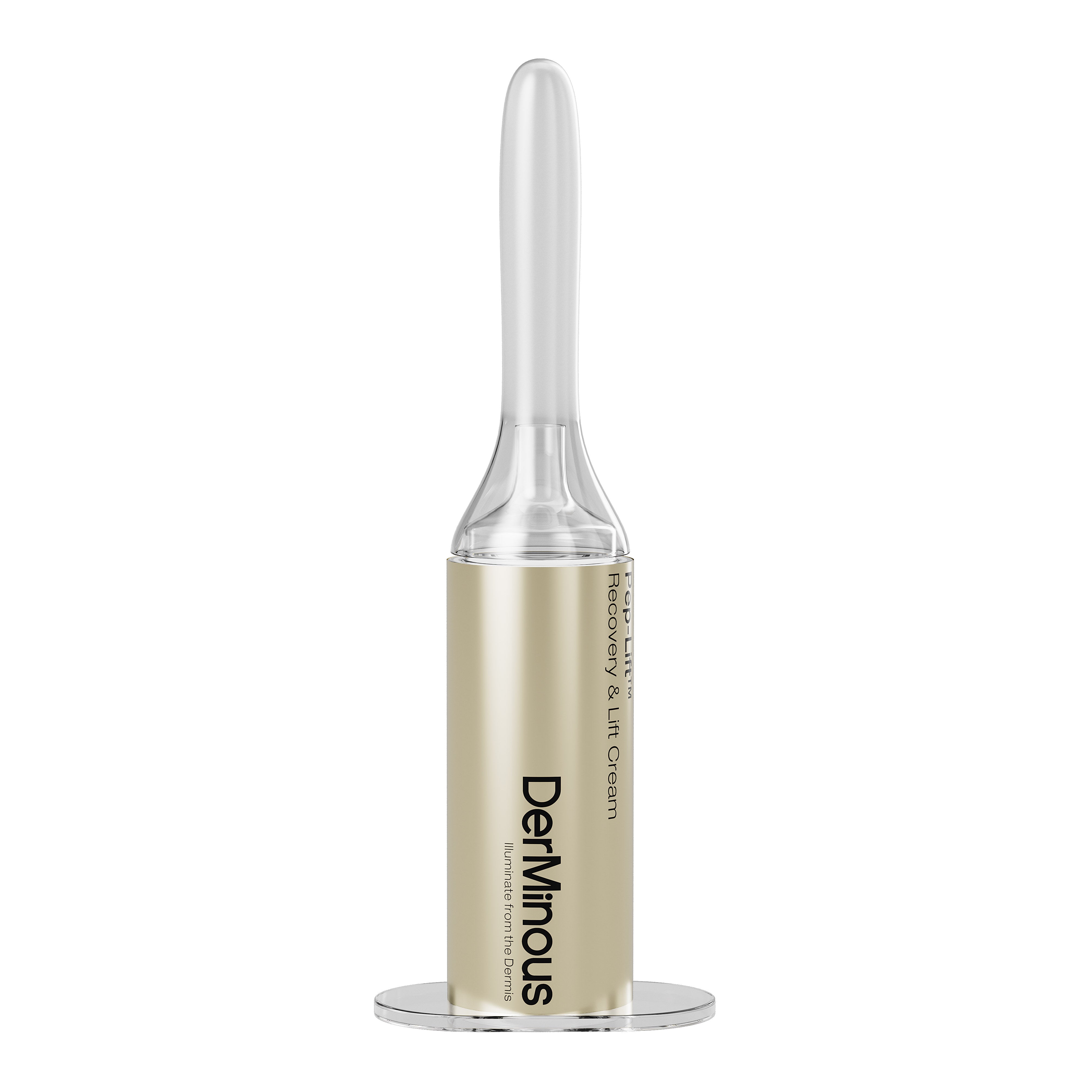
Derminous doesn’t just sell products; it offers a complete home aesthetic experience. From the moment the sterile micro-infuser clicks into place to the final seal of the Recovery & Lift Cream, every step is designed to mirror the precision of a dermatologist’s office. Post-treatment, the included cryo-ready repair mask—infused with recombinant fibronectin and mussel extract—calms inflammation and accelerates barrier recovery, making it ideal even for sensitive or post-procedure skin[6] .
Backed by molecular biology and user-centric design, Derminous embodies a new paradigm: empowered self-care grounded in real science. As the line between clinic and home blurs, GeneLift™ stands not as a compromise—but as the new standard.


Footnotes
-
“Transdermal Drug Delivery: Principles and Applications”, National Center for Biotechnology Information (NCBI). https://www.ncbi.nlm.nih.gov/books/NBK557584/↩
-
“PDRN in Skin Regeneration: Mechanisms and Clinical Evidence”, Journal of Cosmetic Dermatology, 2021. https://doi.org/10.1111/jocd.14022↩
-
“Acetyl Hexapeptide-8: A Topical Alternative to Botulinum Toxin?”, International Journal of Cosmetic Science, 2019. https://doi.org/10.1111/ics.12532↩
-
Chinese Patent ZL2020116206743: “Method for Controlling Nicotinic Acid Content in Niacinamide Preparation”. China National Intellectual Property Administration. http://epub.cnipa.gov.cn/↩
-
“Gold Nanoparticles in Dermatology: Anti-Inflammatory and Wound Healing Properties”, Nanomedicine: Nanotechnology, Biology and Medicine, 2020. https://doi.org/10.1016/j.nano.2020.102235↩
-
“Barrier Repair Strategies in Sensitive Skin”, American Academy of Dermatology (AAD) Guidelines. https://www.aad.org/public/everyday-care/skin-care-secrets/routine/barrier-repair↩