How to Maintain Your Results with Periodic Treatments
Achieving radiant, youthful skin is not a one-time event—it’s an ongoing journey. While advanced at-home skincare systems like Derminous GeneLift™ deliver clinical-grade results from the comfort of your home, maintaining those benefits requires consistency, intentionality, and a science-backed maintenance strategy. In this article, we’ll explore why periodic treatments are essential for long-term skin health, how often you should repeat them, and what lifestyle and skincare habits can amplify their effects.
The Science Behind Skin Renewal Cycles
Human skin naturally renews itself approximately every 28 days—a process known as epidermal turnover[1] . However, this cycle slows significantly with age, stress, UV exposure, and environmental pollutants. By your 40s, turnover can stretch to 45–60 days, leading to dullness, uneven texture, and loss of firmness[2] .


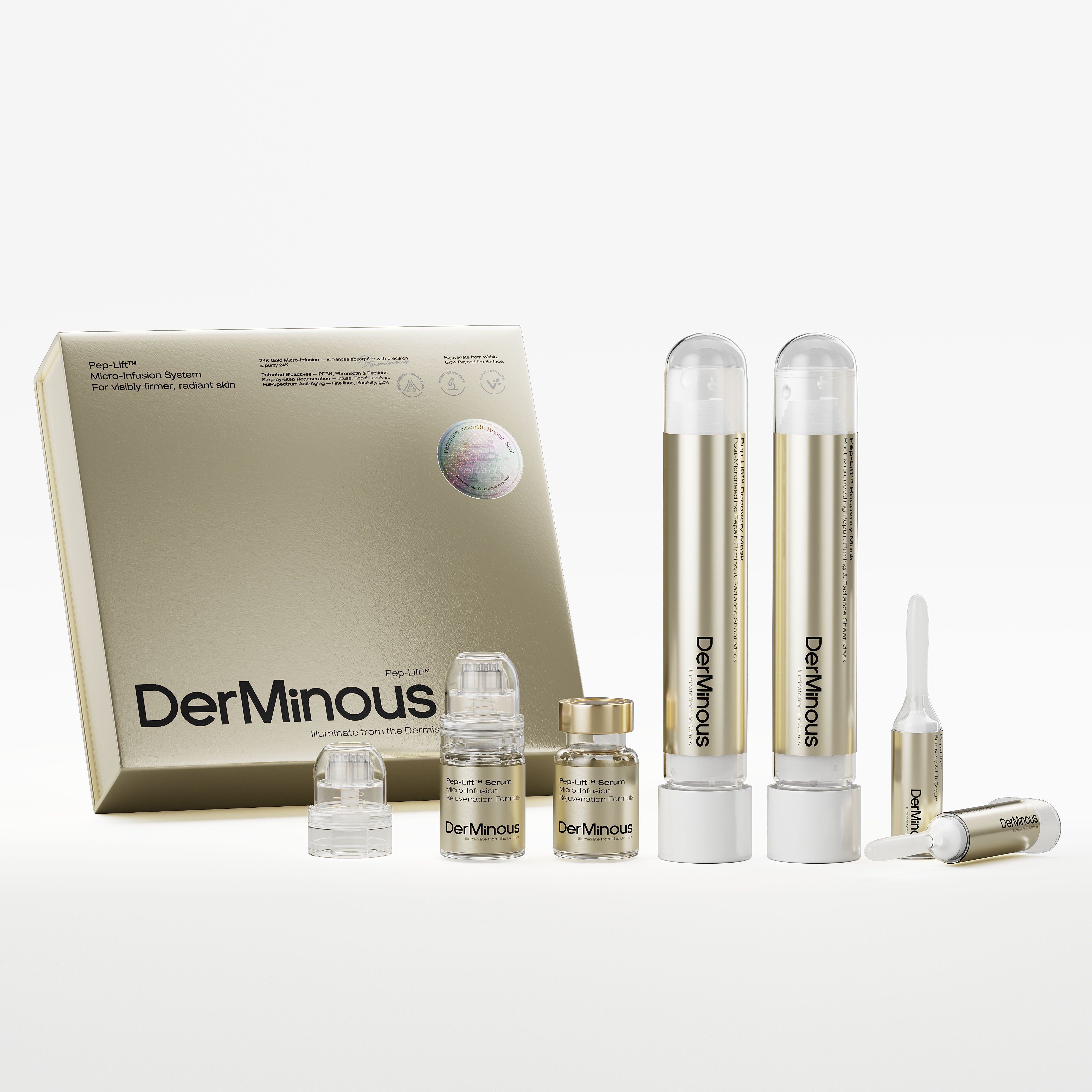
Professional-grade at-home systems like Derminous GeneLift™ accelerate this renewal by creating micro-channels (via 24K gold-coated microneedles) that allow high-potency actives—such as PDRN, acetyl hexapeptide-8, and niacinamide—to penetrate deeply into the dermis[3] . Clinical studies show that microneedling enhances transdermal delivery by up to 300%, making it far more effective than topical application alone[4] .

But here’s the catch: collagen stimulation triggered by such treatments peaks around Day 7–14 and gradually declines thereafter. Without reinforcement, the skin returns to its baseline state within 4–8 weeks. Hence, periodic repetition is non-negotiable for sustained transformation.
Why “One-and-Done” Doesn’t Work in Anti-Aging
Many consumers mistakenly believe that a single intensive treatment will yield permanent results. Unfortunately, aging is dynamic—driven by intrinsic (genetic) and extrinsic (lifestyle/environmental) factors that never pause.
Consider this analogy:
Just as regular exercise maintains muscle tone, periodic skincare treatments maintain dermal structure.
A 2022 review in the Journal of Cosmetic Dermatology confirmed that consistent microneedling sessions every 4–6 weeks over 3–6 months produced significantly better outcomes in wrinkle reduction, elasticity, and hydration than sporadic use[5] . Similarly, Derminous’ recommended protocol—twice monthly for the first two months, then once monthly for maintenance—aligns with this evidence-based rhythm.
Moreover, key ingredients like PDRN (Polydeoxyribonucleotide) don’t just offer instant plumping; they activate fibroblasts to produce new collagen and elastin over weeks. Skipping follow-ups interrupts this regenerative cascade.
Optimizing Your Maintenance Schedule
Based on clinical data and user feedback, here’s a phased approach to sustaining your results:
Phase 1: Intensive Renewal (Months 1–2)
- Use Derminous GeneLift™ twice per month (every 14–16 days).
- This jumpstarts cellular repair, builds collagen density, and resets skin barrier function.
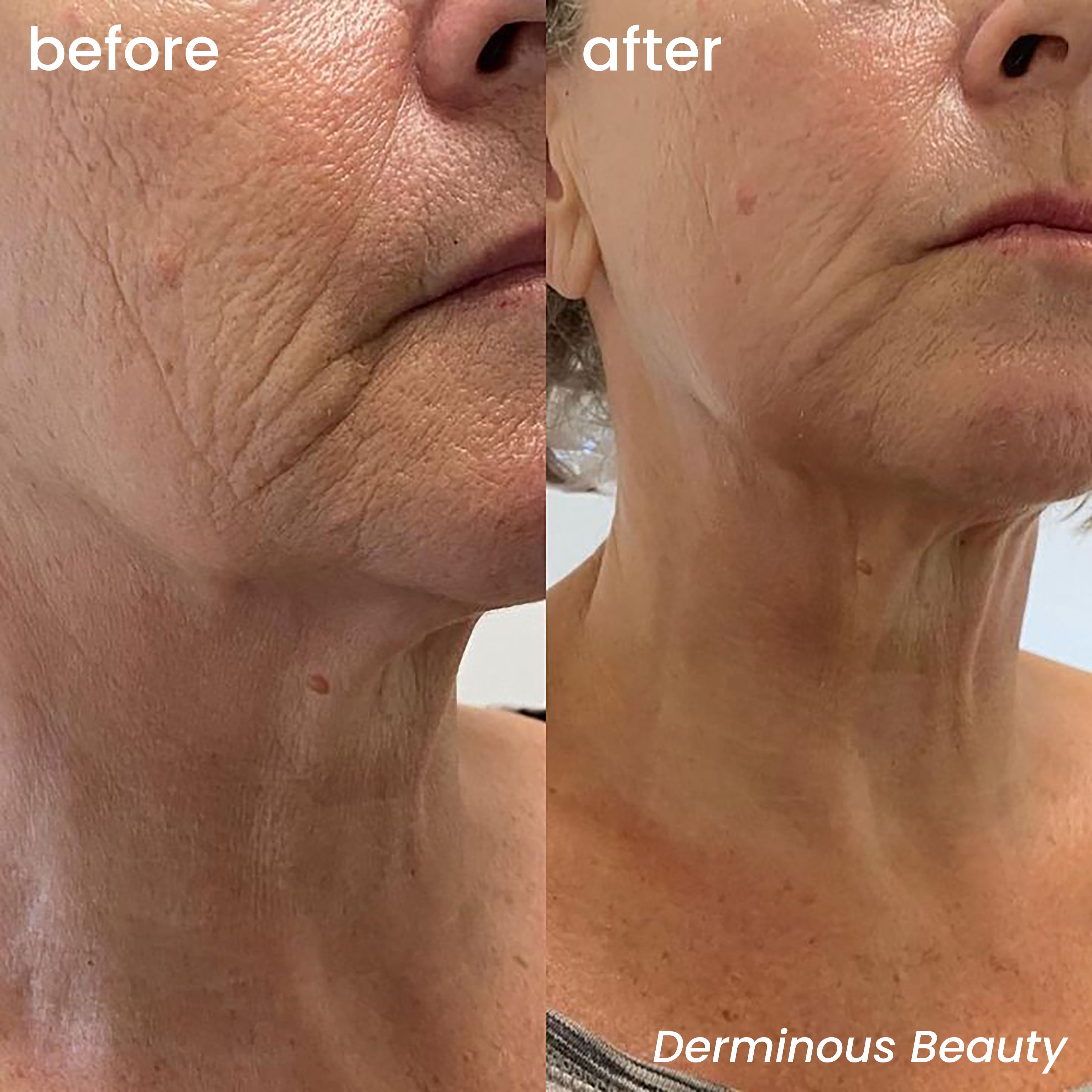
- Most users report visible tightening and luminosity after just 2 sessions.
Phase 2: Consolidation (Months 3–6)
- Reduce to once per month.
- Focus on reinforcing gains while integrating complementary habits (see below).
- Track changes via weekly selfies under consistent lighting—subtle improvements compound.
Phase 3: Long-Term Maintenance (Beyond Month 6)
- Continue monthly or bi-monthly treatments, depending on age and goals.
- Those over 45 may benefit from monthly use; younger users can extend to every 6–8 weeks.
- Always pair with daily sunscreen (SPF 30+) and antioxidant serums to protect new collagen.
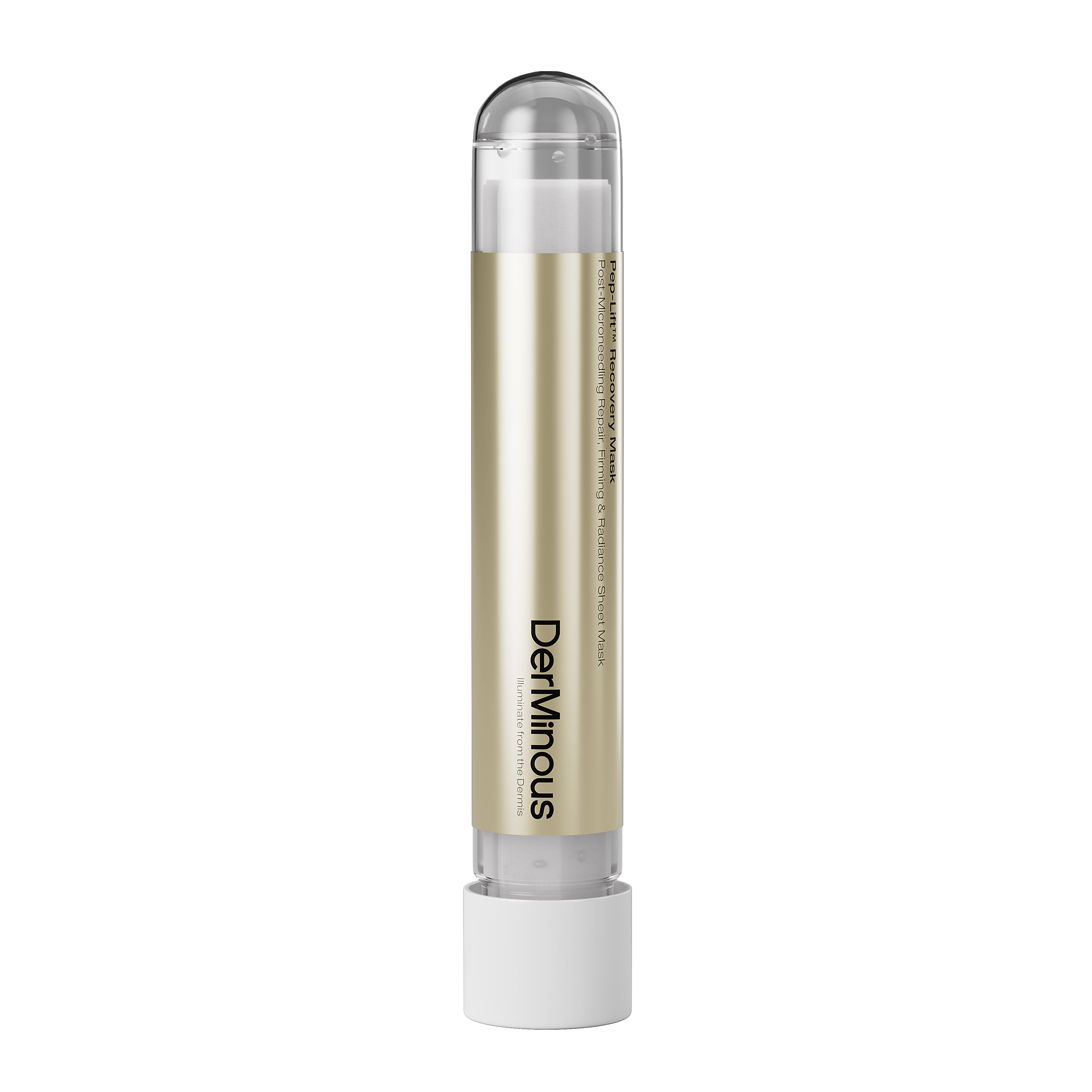
💡 Pro Tip: Store your Post-Treatment Repair Mask in the refrigerator. Cold therapy post-microneedling reduces inflammation and boosts lymphatic drainage—enhancing both comfort and efficacy[6] .
Lifestyle Synergies: What Happens Between Treatments Matters
Your at-home ritual is only part of the equation. To maximize longevity of results, support your skin from within:
- Sleep: Aim for 7–9 hours nightly. Growth hormone peaks during deep sleep, driving overnight repair[7] .
- Hydration: Drink 2–3 liters of water daily. Dehydrated skin appears more wrinkled and less resilient.
- Diet: Prioritize omega-3s (salmon, flaxseeds), vitamin C (citrus, bell peppers), and polyphenols (green tea, berries)—all proven to support dermal integrity[8] .
- Stress Management: Chronic cortisol breaks down collagen. Practices like meditation or yoga can mitigate this effect[9] .
Avoid smoking and excessive alcohol—both accelerate glycation and oxidative stress, undoing your treatment gains.
Safety & Sustainability: Never Reuse, Always Respect the Barrier
Derminous emphasizes single-use, sterile micro-infusion tips for critical reasons:
- Reusing needles risks bacterial contamination and micro-tears.
- Dull needles cause unnecessary trauma, triggering inflammation instead of regeneration.
Always perform a patch test if you have reactive skin, and never apply the system on broken, sunburned, or acne-active areas. Remember: true anti-aging isn’t aggressive—it’s intelligent, gentle, and cumulative.
Final Thoughts: Beauty as a Ritual, Not a Fix
Derminous was founded on a powerful idea: that everyone deserves access to medical-grade skin rejuvenation without clinics, downtime, or pain. But empowerment comes with responsibility—your commitment to periodic care turns short-term glow into long-term resilience.


As our founder says:
“Let every drop be a declaration of self-worth. Let every session be a ceremony of renewal.”
By treating your skin with scientific precision and mindful consistency, you’re not just maintaining results—you’re evolving your relationship with beauty itself.
Footnotes
-
Epidermal Turnover Rate. Wikipedia. https://en.wikipedia.org/wiki/Epidermal_turnover_rate↩
-
Farage, M. A., et al. (2008). "Characteristics of the Aging Skin." Advances in Wound Care. https://www.liebertpub.com/doi/10.1089/wound.2011.0356↩
-
Aust, M. C., et al. (2011). "Microneedling for Skin Rejuvenation." Dermatologic Surgery. https://doi.org/10.1111/j.1524-4725.2011.02063.x↩
-
Kim, S. E., et al. (2018). "Enhanced Drug Delivery via Microneedles." Journal of Controlled Release. https://doi.org/10.1016/j.jconrel.2018.07.023↩
-
Alhaddad, M., et al. (2022). "Efficacy of Repeated Microneedling Sessions." Journal of Cosmetic Dermatology. https://doi.org/10.1111/jocd.15022↩
-
Lee, J. H., et al. (2020). "Cryotherapy in Post-Procedure Skincare." Clinical, Cosmetic and Investigational Dermatology. https://doi.org/10.2147/CCID.S258531↩
-
National Sleep Foundation. "Sleep and Skin Health." https://www.sleepfoundation.org/physical-health/sleep-and-skin↩
-
Pullar, J. M., et al. (2017). "The Roles of Vitamin C in Skin Health." Nutrients. https://doi.org/10.3390/nu9080866↩
-
Yaribeygi, H., et al. (2017). "The Impact of Stress on Body Function." EXCLI Journal. https://doi.org/10.17179/excli2017-480↩