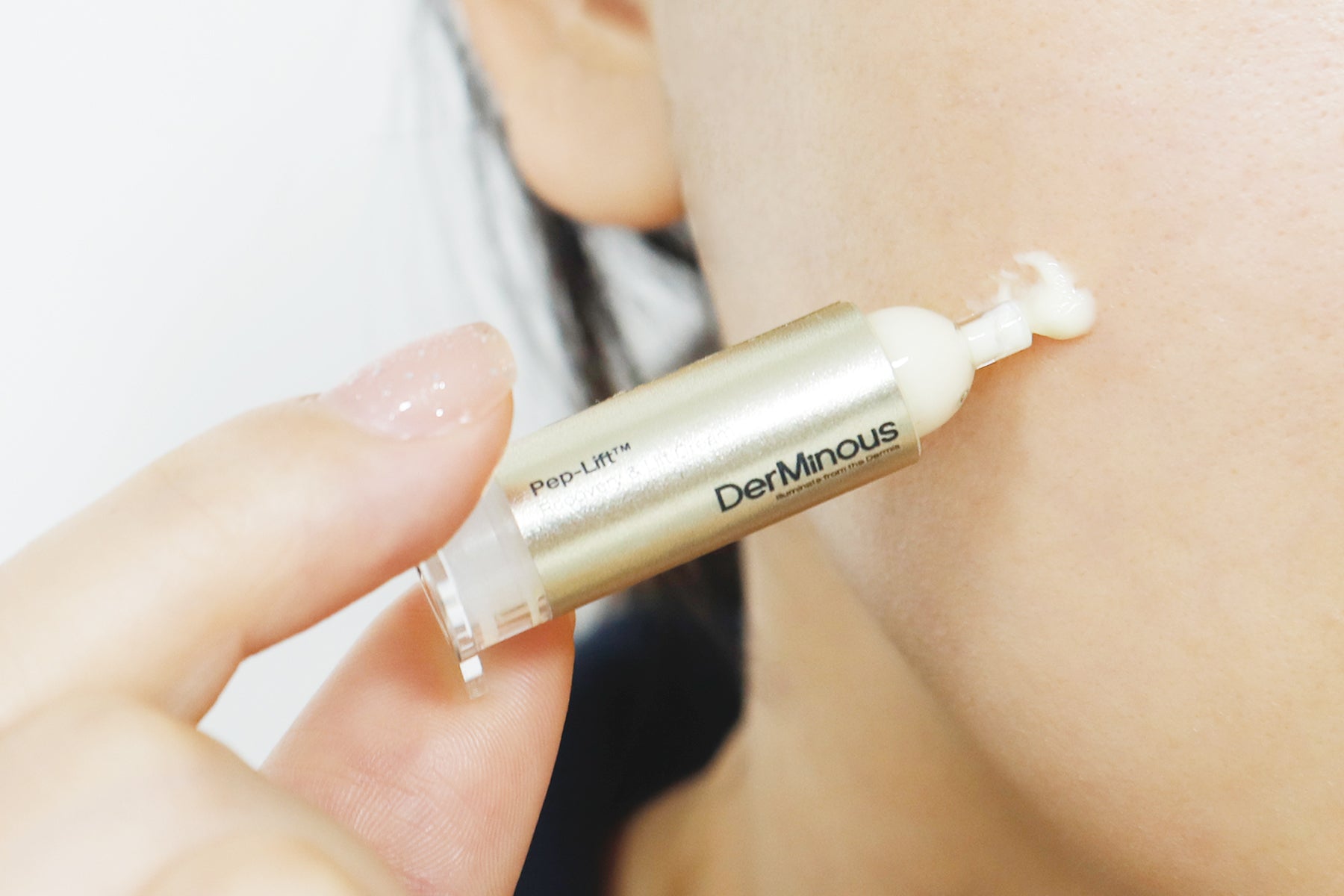
How to Avoid Contamination in Your Skincare Tools
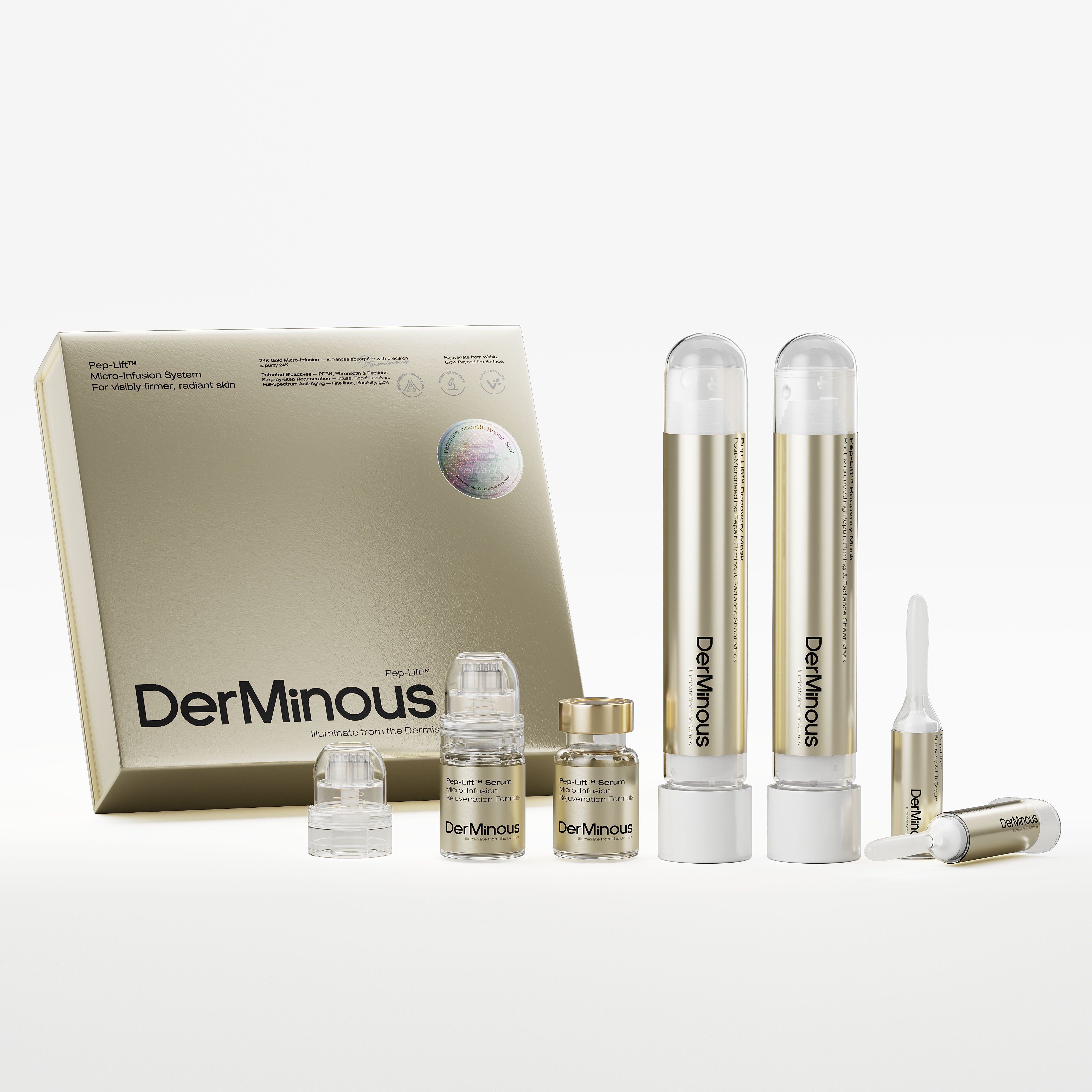
In the booming world of at-home skincare—especially with advanced systems like microneedling and micro-infusion devices—hygiene is not just a recommendation; it’s a necessity. As consumers increasingly bring clinical-grade treatments into their bathrooms, the risk of microbial contamination rises significantly if proper protocols aren’t followed. This is especially critical for products like Derminous GeneLift™ Micro-Infusion System, which combines precision-engineered 24K gold-coated microneedles with potent bioactive serums. One lapse in cleanliness can compromise both efficacy and safety, potentially leading to skin irritation, infection, or even long-term barrier damage.
This article explores best practices for preventing contamination in skincare tools, with a focus on reusable and single-use devices, storage hygiene, and user behavior—backed by dermatological guidelines and real-world product design insights.
Why Skincare Tool Hygiene Matters
Skincare tools—ranging from facial rollers and gua sha stones to derma rollers and micro-infusion pens—come into direct contact with the skin, often creating micro-channels that enhance ingredient absorption. While this boosts treatment effectiveness, it also opens pathways for bacteria, fungi, and viruses to enter the body[1] . A 2020 study published in The Journal of Clinical and Aesthetic Dermatology found that improperly cleaned microneedling devices harbored Staphylococcus aureus and Pseudomonas aeruginosa, common culprits behind post-procedure infections[2] .


For systems like Derminous GeneLift™, which uses single-use, sterile 24K gold micro-infusion tips, contamination risk is minimized by design—but only if users adhere strictly to usage instructions. Reusing disposable components, skipping pre-treatment skin cleansing, or storing serums in humid environments can all reintroduce pathogens.
1. Never Reuse Single-Use Components
One of the most common mistakes is reusing “disposable” parts to save money or reduce waste. However, micro-infusion tips are engineered for one-time use. The needles, though microscopic, dull after a single application and lose their sterility once exposed to air and skin flora.
Derminous explicitly states: “Do not reuse the micro-device tip.” This isn’t marketing—it’s microbiology. Reusing a tip can transfer dead skin cells, sebum, and microbes back into the serum reservoir, contaminating the entire formula. Even if the device looks clean, biofilm—a slimy layer of bacteria—can form inside micro-channels within hours[3] .

Pro Tip: Treat every micro-infusion tip like a syringe—used once, then discarded immediately in a sealed biohazard bag or designated sharps container (if local regulations require).
2. Cleanse Skin Thoroughly Before Use
Your skin is home to over 1,000 species of bacteria[4] . While many are beneficial, introducing them into deeper layers via micro-channels without prior disinfection can trigger inflammation or folliculitis.

Derminous’ protocol begins with: “Thoroughly clean and disinfect the face before use—ensure no oils, makeup, or bacteria remain.” This step is non-negotiable. Use an alcohol-based toner (60–70% isopropyl alcohol) or a benzoyl peroxide cleanser to reduce surface microbes. Avoid heavy moisturizers or occlusives beforehand—they create barriers that trap contaminants against the skin during infusion.
3. Store Products Properly to Prevent Microbial Growth
Even unopened skincare can degrade or become contaminated if stored incorrectly. Derminous recommends:
- Storage temperature: 5–25°C (41–77°F)
- Keep away from humidity and sunlight
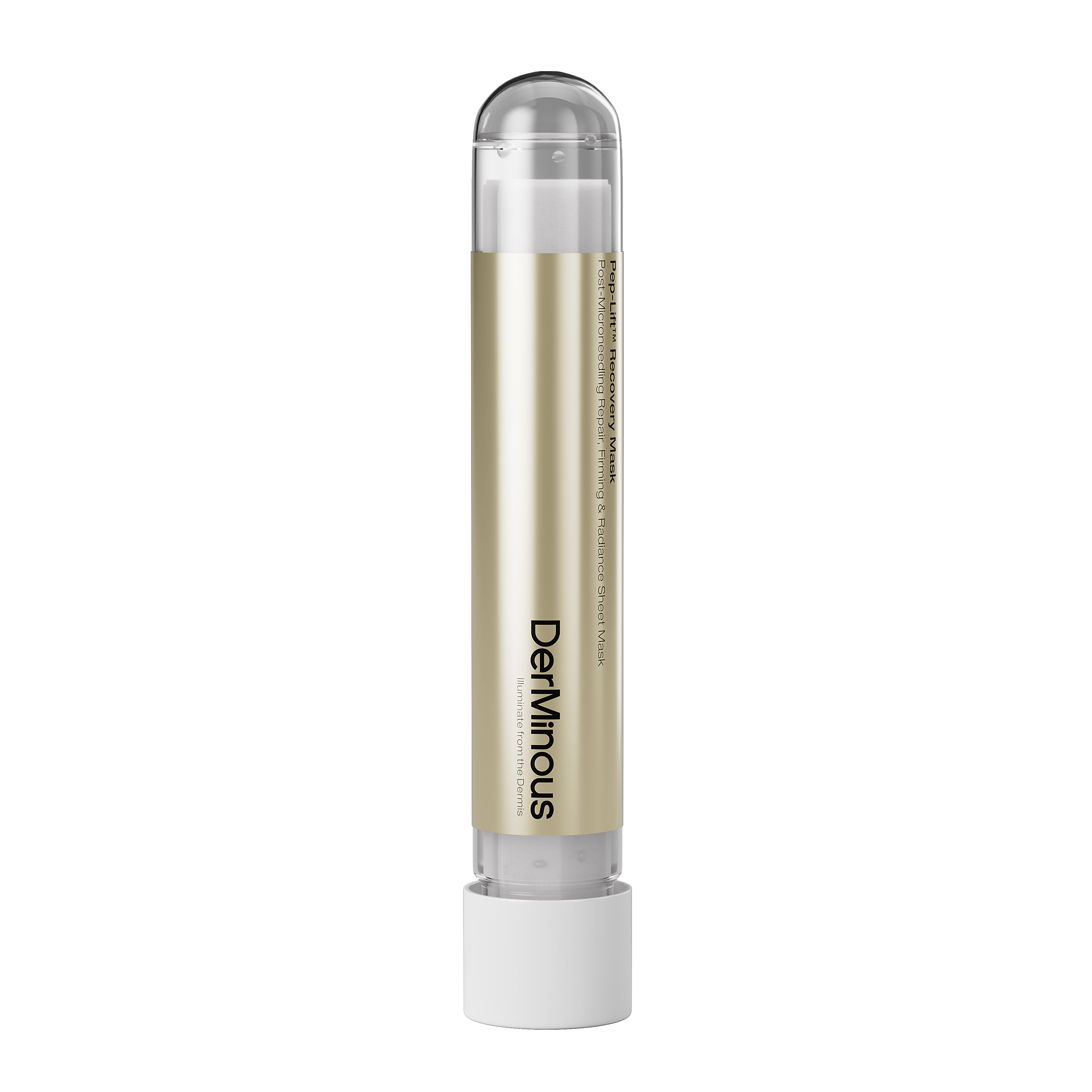
- Refrigerate masks for enhanced soothing effects
Why? Heat and moisture accelerate microbial growth. A 2021 review in Cosmetics journal noted that water-based serums (like those containing hyaluronic acid or PDRN) are particularly vulnerable to Candida and Aspergillus contamination when exposed to bathroom steam or finger-dipping[5] .

Always keep caps tightly closed. Never “top off” a used serum bottle—this introduces airborne microbes. And never share your kit. Cross-contamination between users is a documented cause of herpes simplex transmission in at-home beauty devices[6] .

4. Handle Tools with Clean Hands—or Better Yet, Gloves
Your hands carry up to 3,000 different types of bacteria[7] . Even after washing, residual microbes linger in nail beds and cuticles. When assembling a micro-infusion device, touching the needle base or serum nozzle can transfer these organisms directly into the product.

While Derminous’ system minimizes handling (the tip screws directly onto the serum vial), users should still:
- Wash hands with antimicrobial soap
- Use lint-free gloves if available
- Avoid placing tools on countertops or towels during use
5. Understand the Limits of “Antibacterial” Claims
Some brands tout “antibacterial” materials—like 24K gold plating, as used in Derminous’ micro-infusion tips. Gold does have mild antimicrobial properties due to its inert nature and ability to disrupt bacterial cell membranes[8] . However, this does not make the device self-sterilizing. It merely reduces surface adhesion of microbes compared to stainless steel alone.
Gold plating cannot compensate for poor hygiene practices. Think of it as a supplement to sterility—not a replacement.
Real-World Consequences of Poor Hygiene
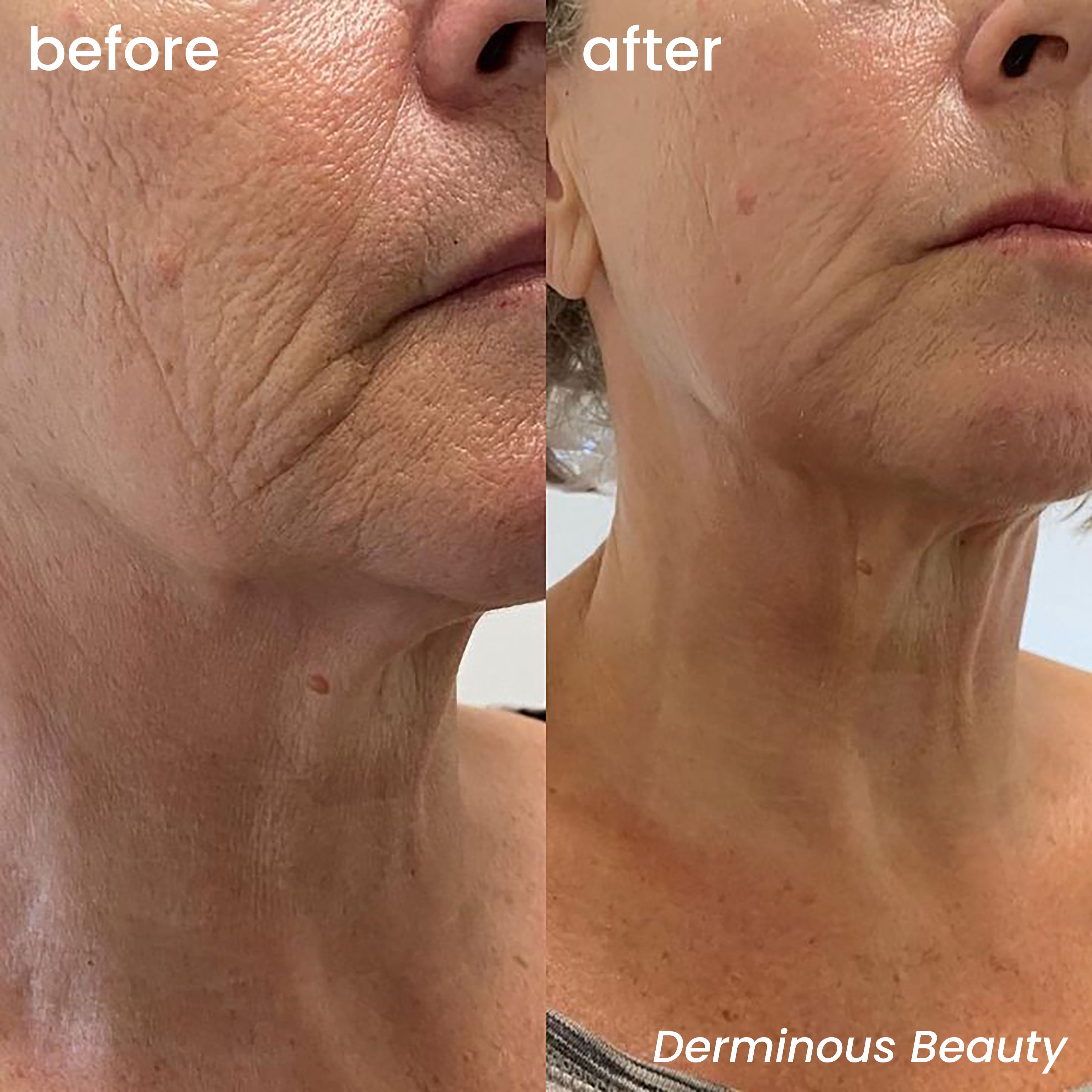
In 2022, the FDA issued a warning about at-home microneedling kits causing severe skin infections due to improper cleaning and reuse[9] . Patients reported prolonged redness, pustules, and scarring—symptoms consistent with gram-negative folliculitis.


Conversely, clinical studies on PDRN (Polydeoxyribonucleotide)—a key ingredient in Derminous GeneLift™ Serum—show optimal healing only occurs in clean wound environments. Contamination negates PDRN’s regenerative benefits by triggering inflammatory cascades instead of repair signals[10] .
Best Practices Summary
| Step | Action |
|---|---|
| Before Use | Cleanse & disinfect skin; wash hands; inspect packaging for integrity |
| During Use | Use only sterile, single-use tips; avoid touching needle or serum nozzle |
| After Use | Discard tip immediately; seal remaining products; refrigerate mask |
| Storage | Keep in cool, dry place; never in bathroom; label opened products with date |
Final Thoughts
At-home skincare innovation has democratized access to professional results—but with great power comes great responsibility. Systems like Derminous GeneLift™ are engineered with clinical rigor, but their safety hinges on user compliance. By treating every tool as a medical instrument—not just a beauty accessory—you protect not only your skin’s appearance but its long-term health.
As the brand’s vision states: “Let everyone take control of their skin’s future—with knowledge, science, and truly effective tools.” And that starts with hygiene.
Footnotes
-
American Academy of Dermatology. "Microneedling: What You Need to Know." https://www.aad.org/public/everyday-care/skin-care-secrets/routine/microneedling-what-you-need-to-know↩
-
Lee, J. et al. (2020). "Microbial Contamination of At-Home Microneedling Devices." J Clin Aesthet Dermatol, 13(5), 38–41. https://www.ncbi.nlm.nih.gov/pmc/articles/PMC7239342/↩
-
CDC. "Guideline for Disinfection and Sterilization in Healthcare Facilities." https://www.cdc.gov/infectioncontrol/guidelines/disinfection/index.html↩
-
Grice, E. A., & Segre, J. A. (2011). "The skin microbiome." Nature Reviews Microbiology, 9(4), 244–253. https://www.nature.com/articles/nrmicro2537↩
-
Kaur, R. et al. (2021). "Microbial Contamination in Cosmetic Products: A Review." Cosmetics, 8(3), 72. https://www.mdpi.com/2079-9284/8/3/72↩
-
Gupta, A. K., & Cooper, E. A. (2009). "Update in antifungal therapy of dermatophytosis." Dermatologic Therapy, 22(6), 563–571. https://doi.org/10.1111/j.1529-8019.2009.01278.x↩
-
University of Arizona. "Bacteria on Hands." https://cals.arizona.edu/yourlife/articles/bacteria_on_hands.html↩
-
Feng, Q. L. et al. (2000). "A mechanistic study of the antibacterial effect of silver and gold ions." Journal of Biomedical Materials Research, 52(4), 662–668. https://doi.org/10.1002/1097-4636(20001215)52:4↩
-
U.S. Food and Drug Administration. "Safety Alert: At-Home Microneedling Devices." https://www.fda.gov/cosmetics/cosmetic-products/safety-alert-at-home-microneedling-devices↩
-
Kim, H. S. et al. (2018). "PDRN Promotes Wound Healing via Adenosine A2A Receptor Activation." Wound Repair and Regeneration, 26(1), 45–53. https://doi.org/10.1111/wrr.12598↩