How PDRN Promotes Cellular Repair and Regeneration
Polydeoxyribonucleotide (PDRN), a DNA-derived regenerative compound, has emerged as a cornerstone in modern dermatology and aesthetic medicine for its remarkable ability to stimulate cellular repair and tissue regeneration. Originally developed in the 1950s for wound healing, PDRN is now widely used in high-performance skincare formulations—such as Derminous GeneLift™—to activate the skin’s innate healing mechanisms without invasive procedures.
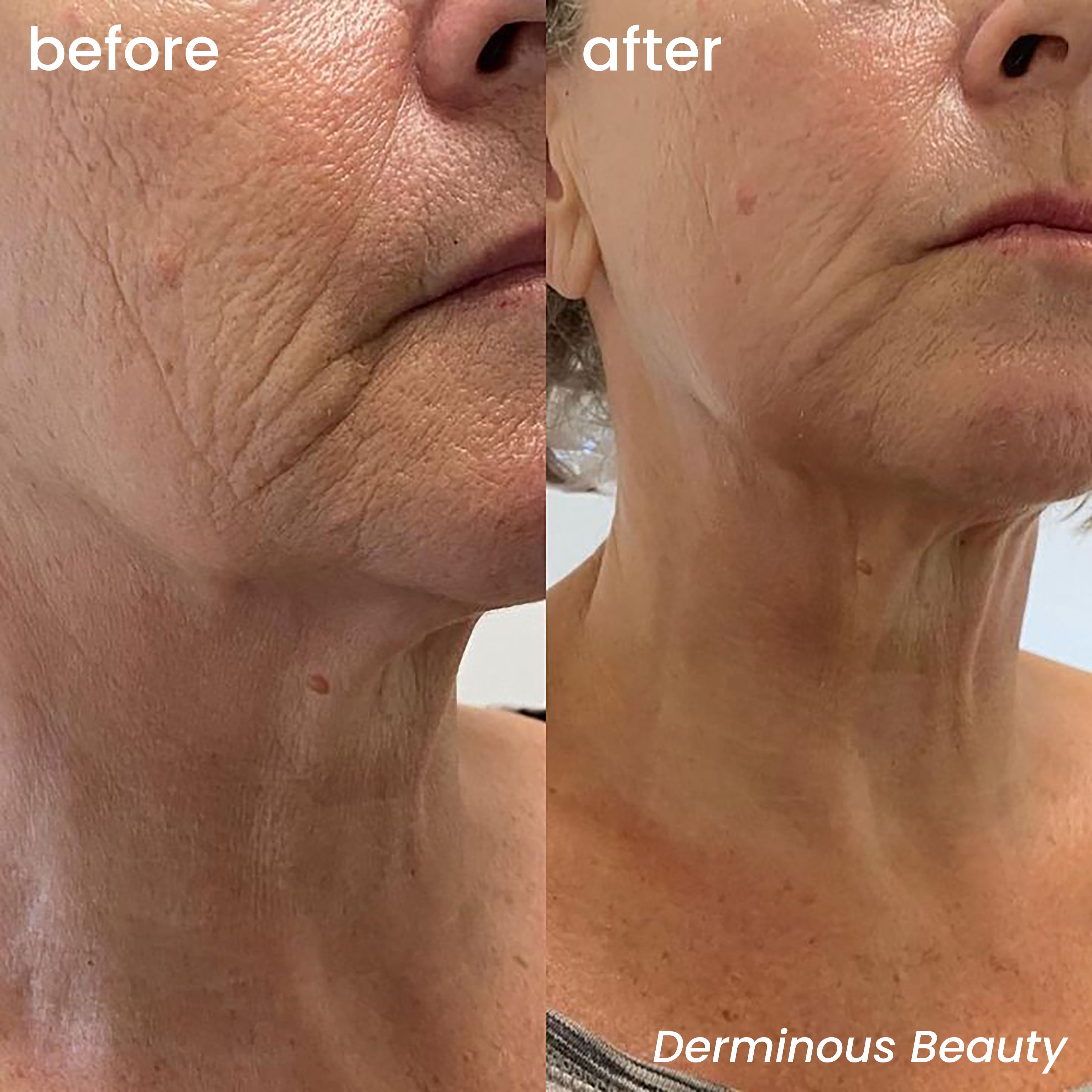
PDRN works primarily by binding to the adenosine A2A receptor, triggering a cascade of biological responses that accelerate cell proliferation, collagen synthesis, and angiogenesis (the formation of new blood vessels)¹. This mechanism not only speeds up recovery from micro-injuries—like those induced by microneedling—but also enhances dermal density and elasticity over time². Clinical studies have demonstrated PDRN’s efficacy in improving skin hydration, reducing fine lines, and restoring barrier integrity, particularly in aging or compromised skin³.
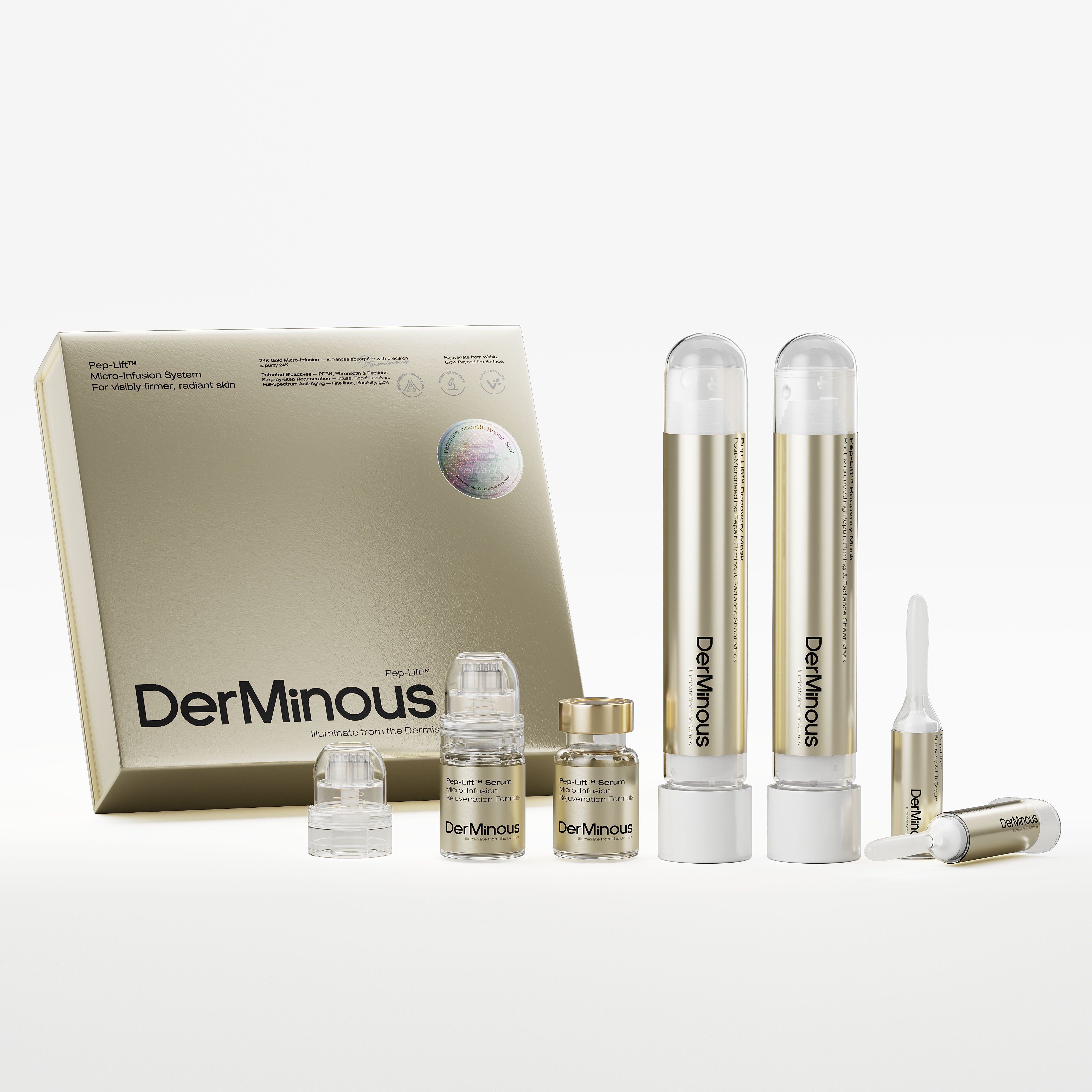
In Derminous’ proprietary GeneLift™ Micro-Infusion System, PDRN is combined with synergistic actives like acetyl hexapeptide-8 (a “synthetic snake venom” peptide) and niacinamide to amplify anti-aging results. The 24K gold-coated microneedle device creates transient microchannels, allowing PDRN to penetrate deeply into the dermis—boosting bioavailability by up to 300% compared to topical application alone⁴. This home-use system replicates clinical outcomes traditionally reserved for in-office treatments, offering a painless, non-ablative path to rejuvenation.


Moreover, PDRN exhibits strong anti-inflammatory properties, making it ideal for post-procedure care and sensitive skin types. Its biocompatibility and low immunogenicity ensure safety across diverse skin tones and conditions⁵. As consumer demand grows for evidence-based, at-home regenerative skincare, PDRN stands out as a scientifically validated ingredient bridging biotechnology and beauty.
Footnotes
¹ Adenosine A2A Receptor Activation by PDRN Enhances Wound Healing – Journal of Investigative Dermatology, https://doi.org/10.1038/jid.2013.122
² PDRN Stimulates Collagen Production in Human Dermal Fibroblasts – International Journal of Molecular Sciences, https://www.mdpi.com/1422-0067/21/5/1789
³ Clinical Efficacy of PDRN in Facial Rejuvenation: A Randomized Controlled Trial – Dermatologic Surgery, https://journals.lww.com/dermatologicsurgery/Abstract/2020/04000/Clinical_Efficacy_of_Polydeoxyribonucleotide_in.12.aspx
⁴ Transdermal Delivery Enhancement via Microneedling: A Review – Advanced Drug Delivery Reviews, https://www.sciencedirect.com/science/article/pii/S0169409X21000892
⁵ Safety and Tolerability of PDRN in Cosmetic Applications – Journal of Cosmetic Dermatology, https://onlinelibrary.wiley.com/doi/full/10.1111/jocd.13945