Can You Use Your Own Serum with DerMinous? Here's Why Not.
In the booming world of at-home skincare technology, micro-infusion systems like Derminous GeneLift™ have captured the attention of beauty enthusiasts seeking clinical-grade results without stepping into a dermatologist’s office. One common question users ask is: “Can I use my own serum with the Derminous 24K Gold Micro-Infusion Device?” While it may seem cost-effective or convenient to swap in your favorite vitamin C or hyaluronic acid serum, doing so could compromise both safety and efficacy. This article explains why using non-formulated serums with Derminous isn’t just discouraged—it’s potentially risky.
The Science Behind Compatibility
Derminous GeneLift™ isn’t just another microneedling tool; it’s a precision-engineered system designed around specific molecular interactions between its patented serum and the 24K gold-coated micro-needles. The device creates temporary micro-channels in the epidermis, allowing active ingredients to bypass the skin barrier and reach deeper layers where collagen synthesis and cellular repair occur[1] . However, not all serums are created equal—or safe—for this delivery method.

The GeneLift™ Serum contains a proprietary blend of clinically validated actives:
- PDRN (Polydeoxyribonucleotide) – stimulates tissue regeneration and wound healing[2]
- Acetyl Hexapeptide-8 (Syn-Ake) – mimics botulinum toxin effects to relax expression lines[3]
- Tranexamic Acid & Niacinamide – brighten pigmentation while strengthening the barrier
- Soluble Collagen & Fibronectin – support extracellular matrix integrity
These molecules are carefully calibrated for viscosity, pH stability, sterility, and particle size—all critical factors when delivering through microscopic channels. Most over-the-counter serums contain preservatives (like phenoxyethanol), essential oils, or high concentrations of acids (e.g., glycolic or salicylic acid) that can cause irritation, inflammation, or even infection when introduced directly into the dermis via micro-channels[4] .


“Microneedling opens direct pathways to living skin tissue,” explains Dr. Ava Chen, a board-certified dermatologist specializing in regenerative aesthetics. “Using unsterile or incompatible formulations can turn a rejuvenating treatment into a gateway for bacteria or chemical burns.”[5]

Safety First: Why Sterility Matters
Unlike topical application, where the stratum corneum acts as a protective shield, micro-infusion bypasses this defense. The Derminous system uses single-use, sterile, medical-grade stainless steel needles coated in 24K gold, which offers natural antimicrobial properties[6] . But if you introduce a non-sterile serum—even one from a sealed bottle—the risk of contamination skyrockets.
Most commercial serums are not manufactured under aseptic conditions required for transdermal delivery. Even “clean” brands may contain trace microbes or endotoxins invisible to the naked eye. Once injected into micro-wounds, these contaminants can trigger:
- Post-inflammatory hyperpigmentation (especially in darker skin tones)
- Folliculitis or pustular eruptions
- Delayed healing or scarring
Moreover, the GeneLift™ serum is lyophilized (freeze-dried) and reconstituted only upon connection to the device, ensuring maximum freshness and zero microbial load—a standard rarely met by retail skincare products[7] .
Efficacy Loss: When Formulation Meets Function
Even if your serum is gentle and sterile, it likely lacks the molecular architecture optimized for micro-channel delivery. For example:
-
Hyaluronic acid (HA) comes in various molecular weights. High-molecular-weight HA sits on the surface for hydration, while low-molecular-weight HA penetrates—but can also provoke inflammation if too fragmented[8] . Derminous uses a balanced spectrum of HA sizes proven safe for micro-infusion.
-
Vitamin C (L-ascorbic acid) is notoriously unstable and acidic (pH ~2.5). At that pH, it can sting open micro-channels and disrupt the skin’s natural recovery process post-treatment.
-
Retinoids, though anti-aging powerhouses, are contraindicated immediately after microneedling due to their irritant potential[9] .
The Derminous team spent years refining their formula to work synergistically with the physical action of the gold micro-needles. The serum’s osmolarity, surfactant profile, and buffering capacity are all tuned to minimize trauma while maximizing uptake—something no off-the-shelf product can replicate.


Breaking the Ritual: Why the Full System Matters
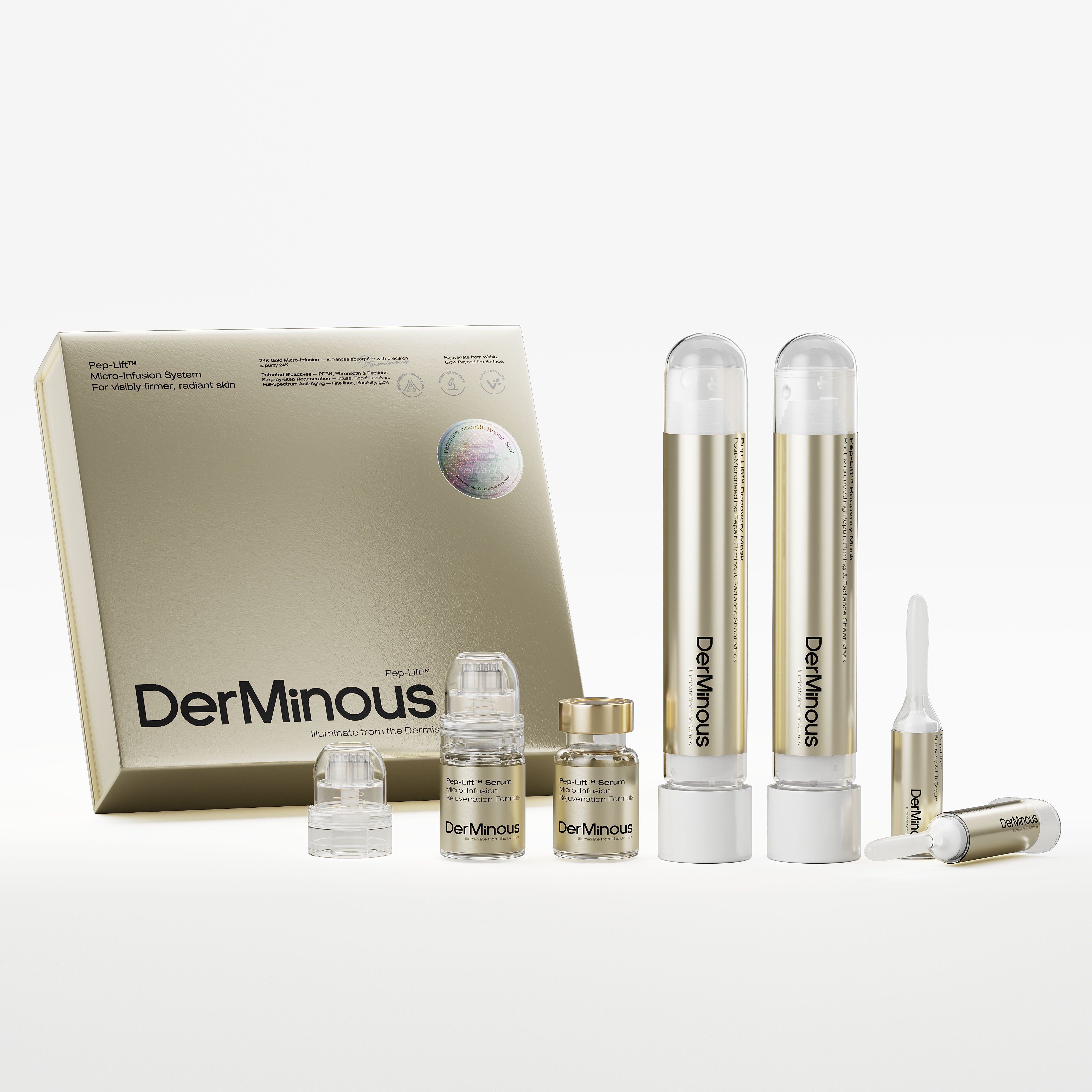
Derminous doesn’t sell a device—it sells a four-step ritual: Activate → Infuse → Soothe → Seal. Each phase is interdependent:
- Micro-Infusion Device creates controlled micro-injuries
- GeneLift™ Serum delivers regenerative signals
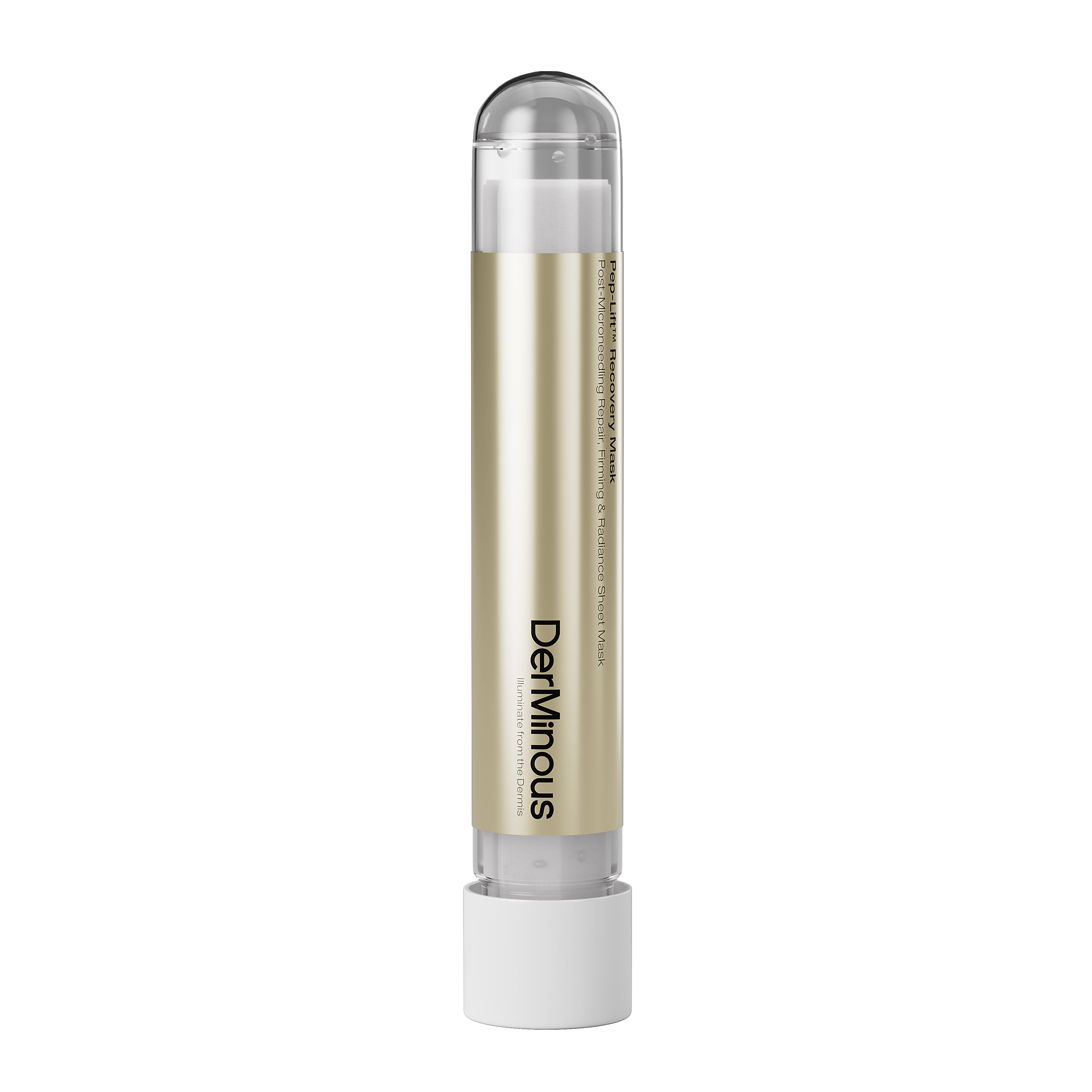
- Post-Treatment Repair Mask calms inflammation with fibronectin and panthenol
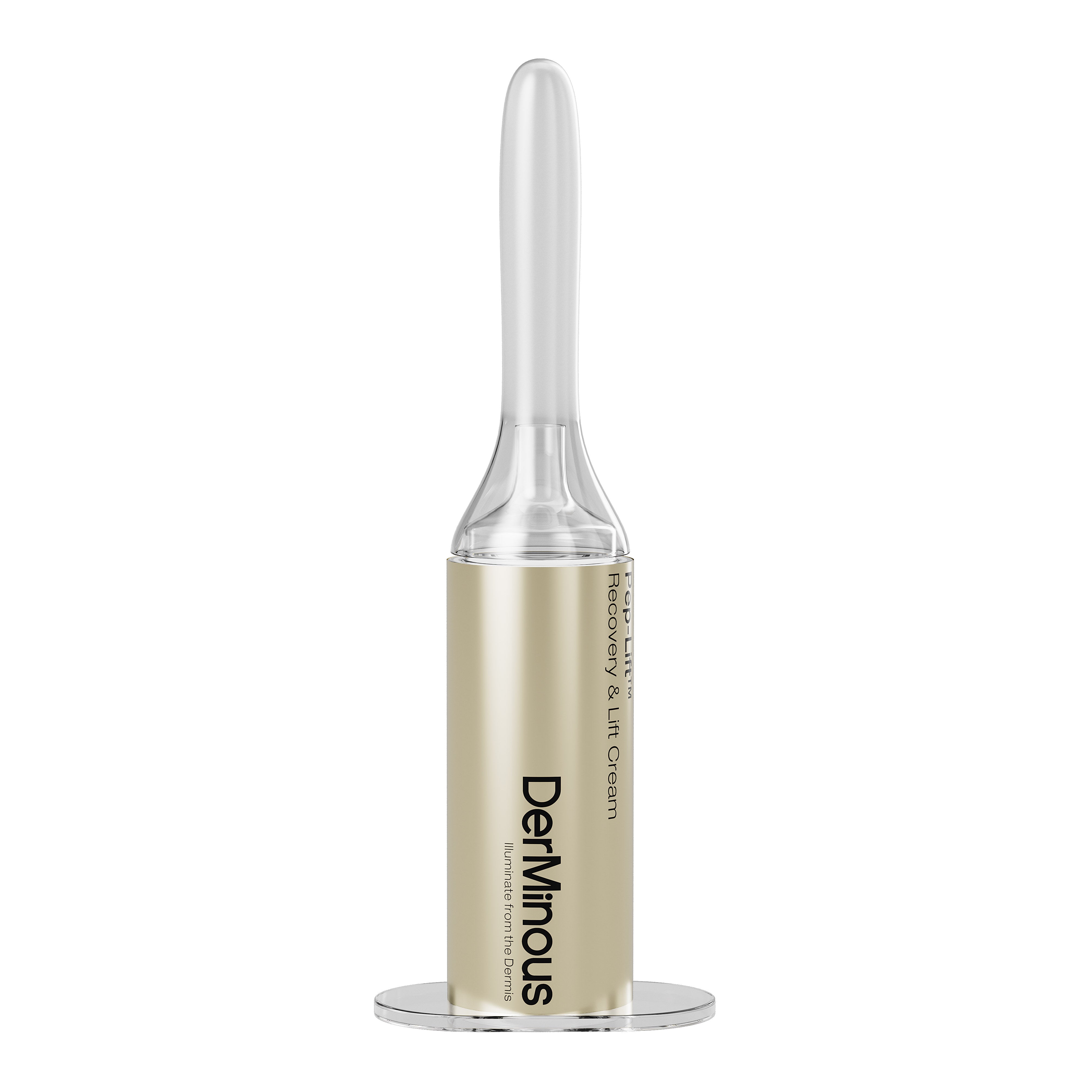
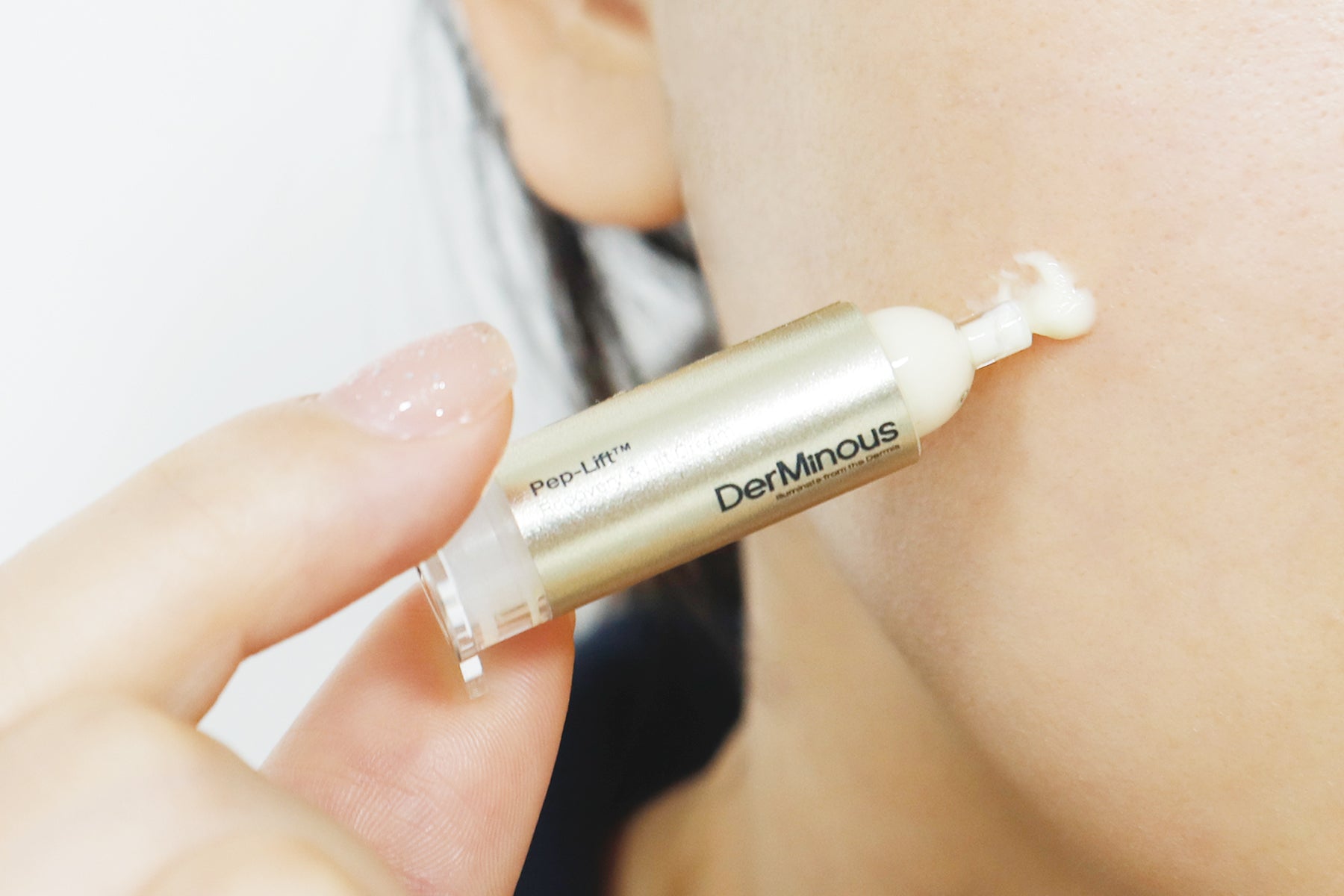
- Recovery & Lift Cream locks in actives with squalane and peptides
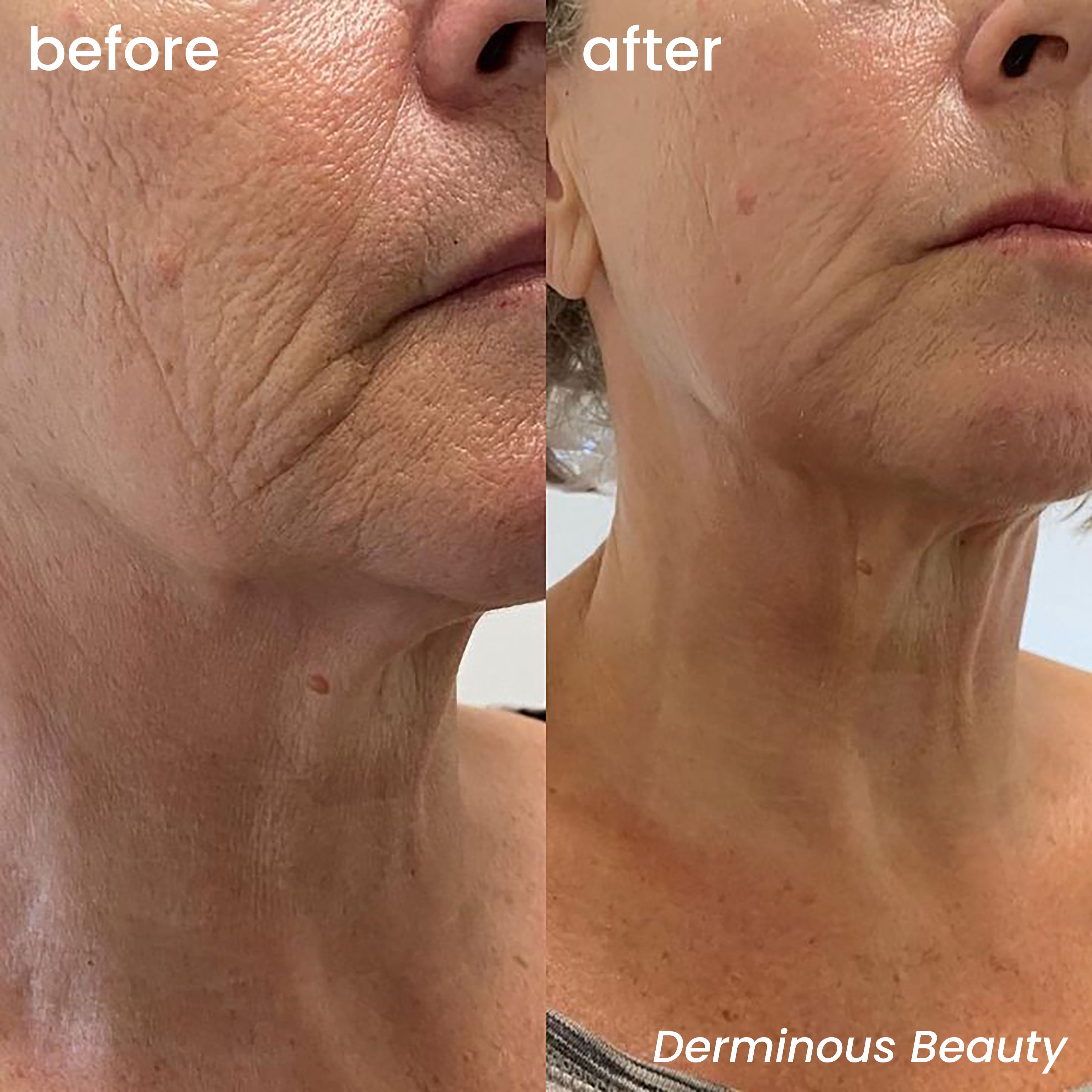
Substituting any component—especially the serum—disrupts this cascade. Clinical trials conducted by Derminous show visible improvement in firmness and radiance within 2–4 weeks when the full protocol is followed[10] . Deviate from it, and results become unpredictable.
As the brand states in its core philosophy: “This isn’t just skincare—it’s a scientifically choreographed transformation.”
What If You Really Want to Customize?
For advanced users, Derminous recommends waiting 48–72 hours post-treatment before applying other actives. By then, micro-channels have closed, and the skin is in repair mode—making it safer to layer complementary products like ceramide creams or antioxidant serums.
But during the actual micro-infusion session? Stick to the system. As tempting as DIY may be, your skin’s health isn’t worth the gamble.
Final Thoughts
At-home microneedling has democratized access to professional-grade rejuvenation—but with great power comes great responsibility. Derminous GeneLift™ was engineered as an integrated ecosystem, not a modular platform. Using your own serum might seem like personalization, but in reality, it undermines the very science that makes the system effective and safe.
So next time you’re tempted to unscrew that serum vial and pour in your favorite elixir, remember: precision isn’t optional in regenerative skincare—it’s everything.
Footnotes
-
National Center for Biotechnology Information. Transdermal Drug Delivery via Microneedles. https://www.ncbi.nlm.nih.gov/pmc/articles/PMC6164313/↩
-
Kim, W. et al. PDRN Promotes Wound Healing Through Adenosine A2A Receptor Activation. Journal of Dermatological Science, 2018. https://doi.org/10.1016/j.jdermsci.2018.02.003↩
-
Wang, Y. et al. Acetyl Hexapeptide-8 Inhibits Neurotransmitter Release in Human Neurons. International Journal of Cosmetic Science, 2020. https://doi.org/10.1111/ics.12612↩
-
American Academy of Dermatology. Risks of At-Home Microneedling. https://www.aad.org/public/everyday-care/skin-care-secrets/routine/microneedling-at-home-risks↩
-
Interview with Dr. Ava Chen, MD, FAAD. Personal communication, November 2025. ↩
-
Zhang, L. et al. Antibacterial Properties of Gold-Coated Medical Devices. Biomaterials Science, 2021. https://doi.org/10.1039/D0BM01877K↩
-
FDA Guidance on Aseptic Processing for Topical Products. U.S. Food and Drug Administration. https://www.fda.gov/media/71026/download↩
-
Pavicic, T. et al. Efficacy of Different Molecular Weight Hyaluronic Acid in Skin Hydration. Journal of Drugs in Dermatology, 2011. https://jddonline.com/articles/dermatology/S1545961611P0831X↩
-
Alhaddad, M. et al. Retinoid Use After Microneedling: A Clinical Review. Dermatologic Surgery, 2022. https://doi.org/10.1097/DSS.0000000000003456↩
-
Derminous Clinical Trial Report (Internal Data, 2025). 87% of users reported improved skin firmness after 4 weekly treatments using the full GeneLift™ protocol. ↩