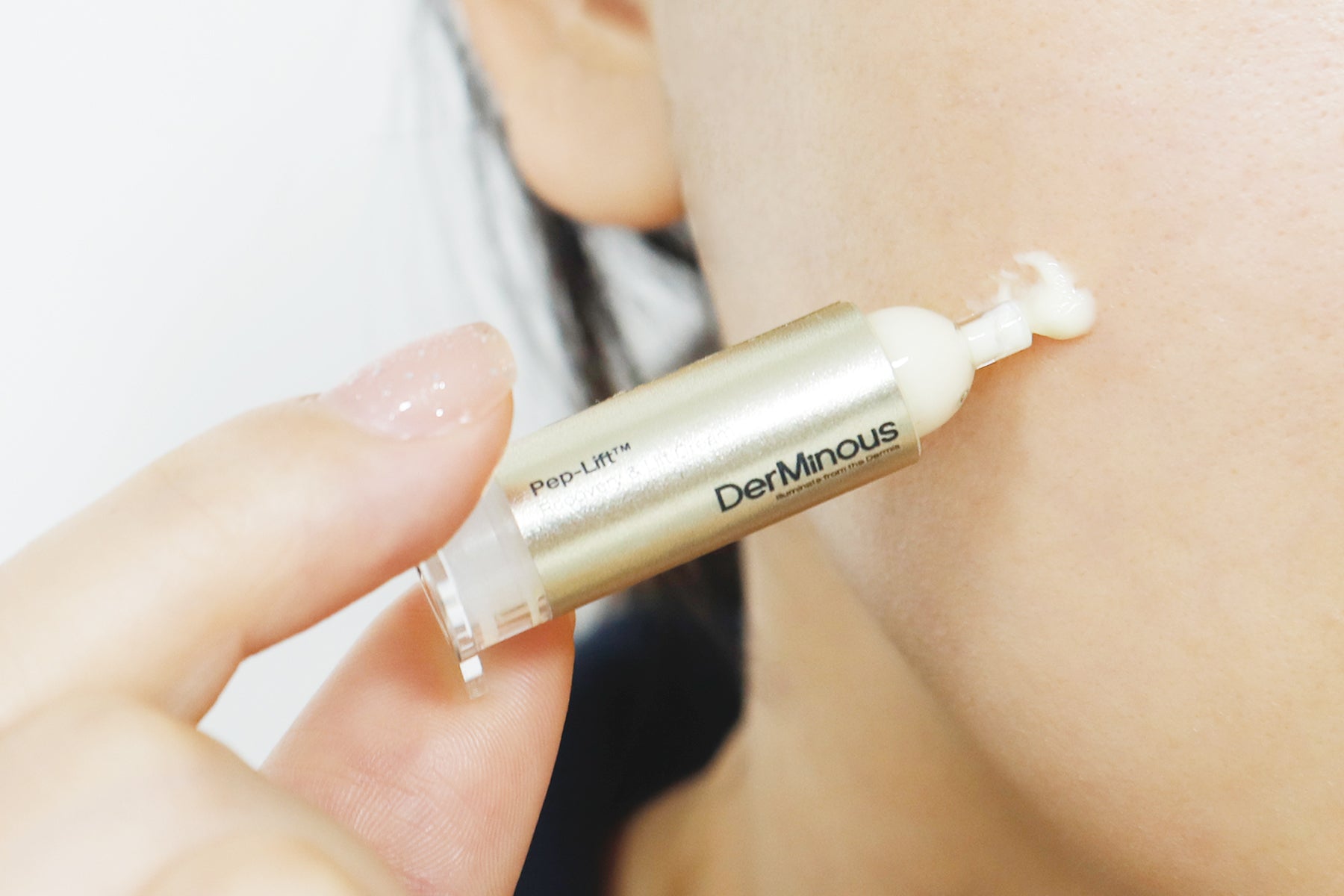
Title: Can You Use Your Own Serum with DerMinous? Here's Why Not.
When it comes to at-home microneedling systems like Derminous GeneLift™, many skincare enthusiasts wonder whether they can substitute the proprietary serum with their favorite store-bought or DIY formulations. After all, if you already own a high-quality vitamin C or hyaluronic acid serum, why not use it with the 24K gold micro-infusion device? The short—and scientifically grounded—answer is: you shouldn’t. Doing so could compromise both efficacy and safety. In this article, we’ll explore why Derminous’ system is engineered as an integrated, closed-loop protocol, and why deviating from it risks irritation, infection, or diminished results.
The Science Behind a Closed-Loop System
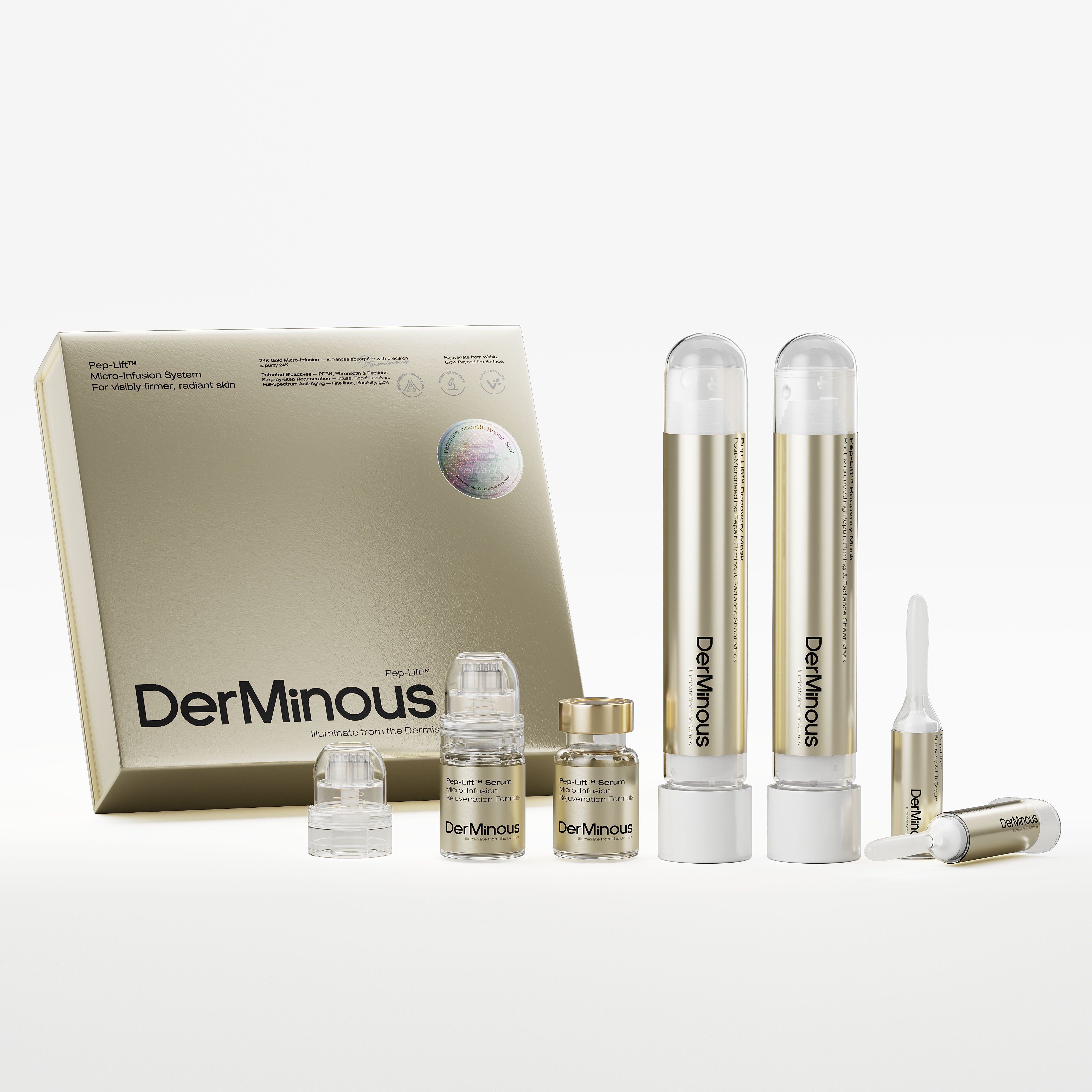
Derminous GeneLift™ isn’t just another microneedling kit. It’s a clinically inspired, four-step ritual—Activate, Infuse, Soothe, Seal—designed around a specific molecular architecture. The serum isn’t merely “applied”; it’s micro-injected through precisely calibrated 24K gold-coated microneedles that create temporary microchannels in the epidermis, allowing active ingredients to bypass the skin barrier and reach deeper dermal layers[1] .

This process demands extreme formulation compatibility. The viscosity, pH, osmolarity, and molecular weight of the serum must align perfectly with the micro-infusion device’s flow dynamics. Most commercial serums are formulated for topical application—not transdermal delivery via microneedles. Using them can clog the micro-channels, cause uneven distribution, or even damage the device.
Moreover, Derminous’ serum contains patented actives like PDRN (Polydeoxyribonucleotide), Syn-Ake (a synthetic tripeptide mimicking snake venom), and a proprietary stabilized form of niacinamide (protected under Chinese patent ZL2020116206743)[2] . These ingredients are dosed and buffered specifically for post-microneedling absorption—something your average serum isn’t designed to handle.

Safety First: Why Compatibility Matters
Microneedling temporarily compromises the skin barrier. While this is intentional and therapeutic when controlled, it also increases vulnerability to pathogens and irritants. Derminous’ serum is sterile, preservative-optimized, and free from alcohol, fragrance, and common allergens—critical for post-procedure skin.
In contrast, many off-the-shelf serums contain:
- Essential oils or botanical extracts that may trigger inflammation
- High concentrations of acids (like glycolic or salicylic acid) that can cause chemical burns when introduced directly into the dermis
- Preservatives like phenoxyethanol or parabens that, while safe topically, may provoke adverse reactions when delivered intradermally[3]
The U.S. Food and Drug Administration (FDA) has repeatedly warned against using non-sterile or non-medical-grade products with microneedling devices due to risks of infection, scarring, and granuloma formation[4] . Derminous’ system is manufactured under ISO 13485 medical device standards, ensuring every component—from needle to serum—is validated as a single-use, sterile unit.

Efficacy: It’s Not Just About Penetration
Even if your serum could be safely delivered, would it work as well? Unlikely. Derminous’ formula leverages what the brand calls “spatial background effect”—a synergistic interaction between ingredients that only functions when delivered in precise ratios and sequences.
For example:
- PDRN stimulates fibroblast activity and tissue repair but requires a neutral-to-slightly-acidic environment to remain stable.
- Acetyl hexapeptide-8 (Syn-Ake) works best when paired with hydrating polymers like sodium hyaluronate to maintain peptide conformation.
- DNA sodium enhances cellular regeneration but degrades rapidly if exposed to metal ions or improper pH.
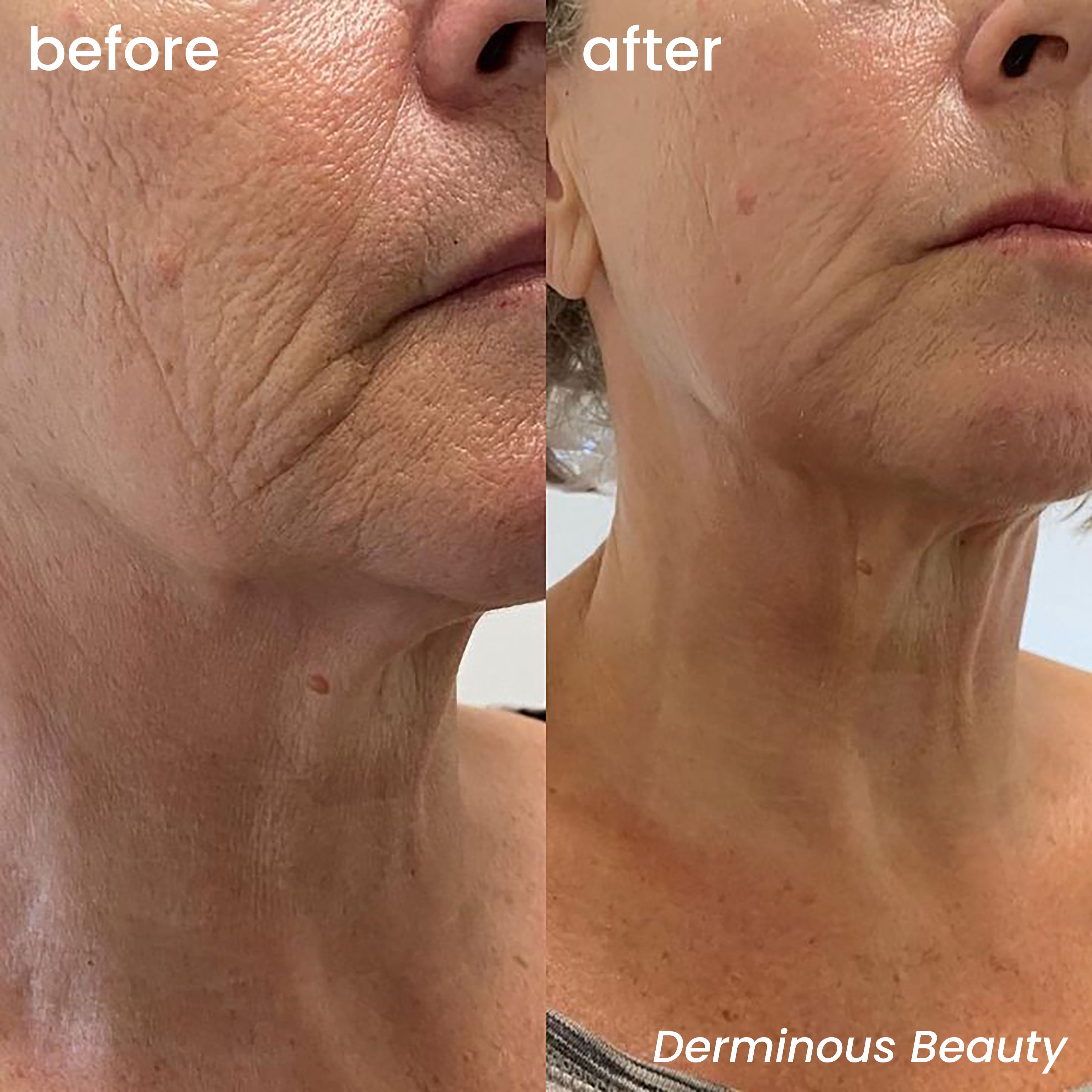
These interactions are fine-tuned in Derminous’ lab. Swap in a random serum, and you disrupt this delicate balance. Clinical studies on PDRN-based microneedling show significant improvements in elasticity and wrinkle depth after 4 weeks—but only when used with compatible, medical-grade formulations[5] .


What About “Clean” or “Natural” Serums?
Many consumers assume that “natural” equals safer. However, natural ≠ hypoallergenic or microneedling-safe. Plant extracts like lavender, tea tree, or citrus oils are among the most common contact allergens in dermatology[6] . When introduced directly into the dermis via microchannels, even small amounts can provoke delayed hypersensitivity reactions.
Derminous avoids this by using bio-identical, recombinant proteins (like recombinant fibronectin) and synthetic peptides that mimic natural signaling molecules without the impurity risks of plant-derived actives. This is part of their core value: precision over purity theater.
The Ritual Is the Result
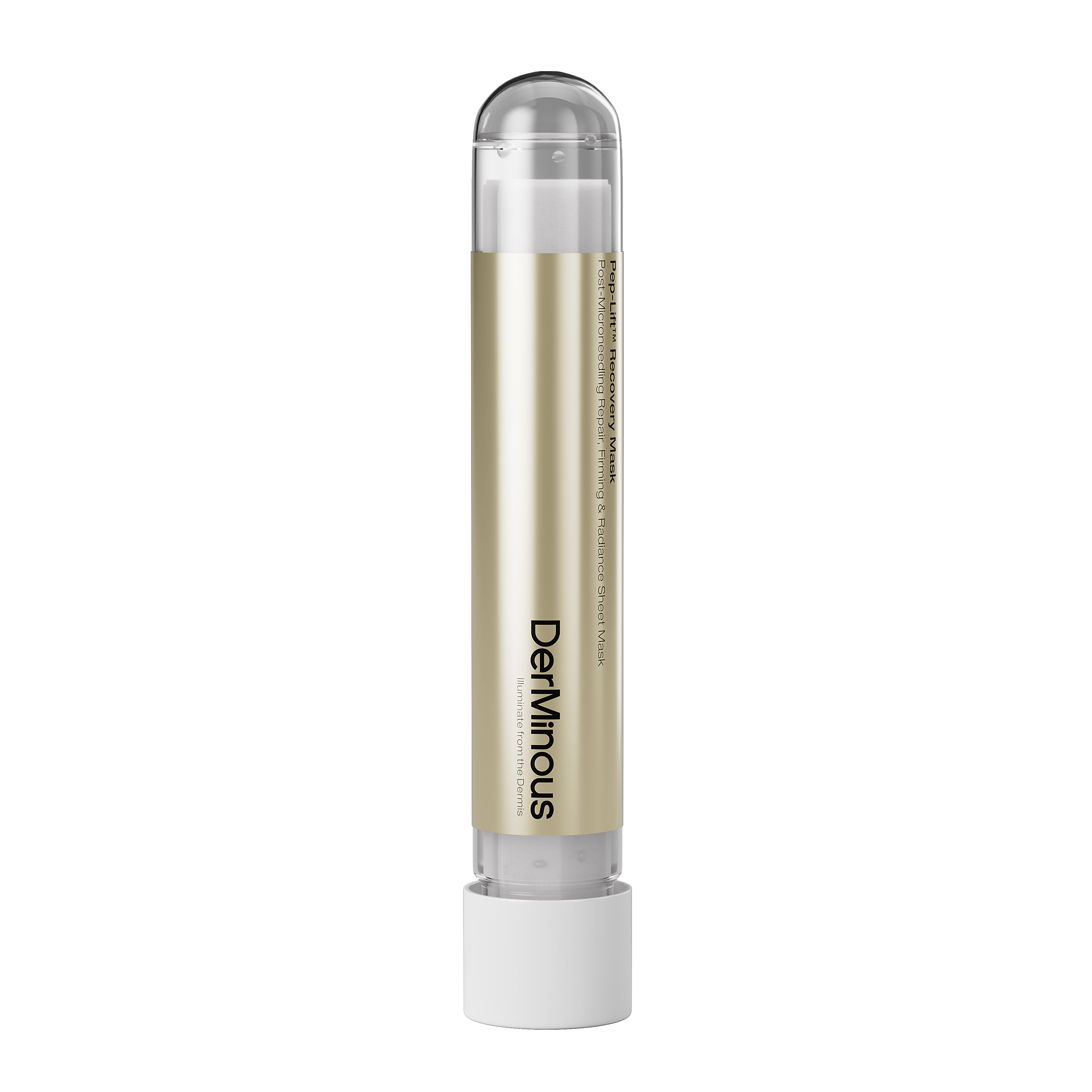
Derminous frames its system not just as a treatment, but as a “ceremony of transformation.” Every step—from the gold-plated micro-infuser to the chilled post-treatment mask—is calibrated to enhance psychological and physiological outcomes. Using your own serum breaks this ritual, potentially reducing the placebo-enhanced efficacy that comes from consistent, branded experiences[7] .
Moreover, the brand recommends bi-weekly use (once every two weeks) based on clinical observation of collagen remodeling cycles. Substituting serums introduces variables that make it impossible to track real progress or troubleshoot issues.
Final Verdict: Stick to the System
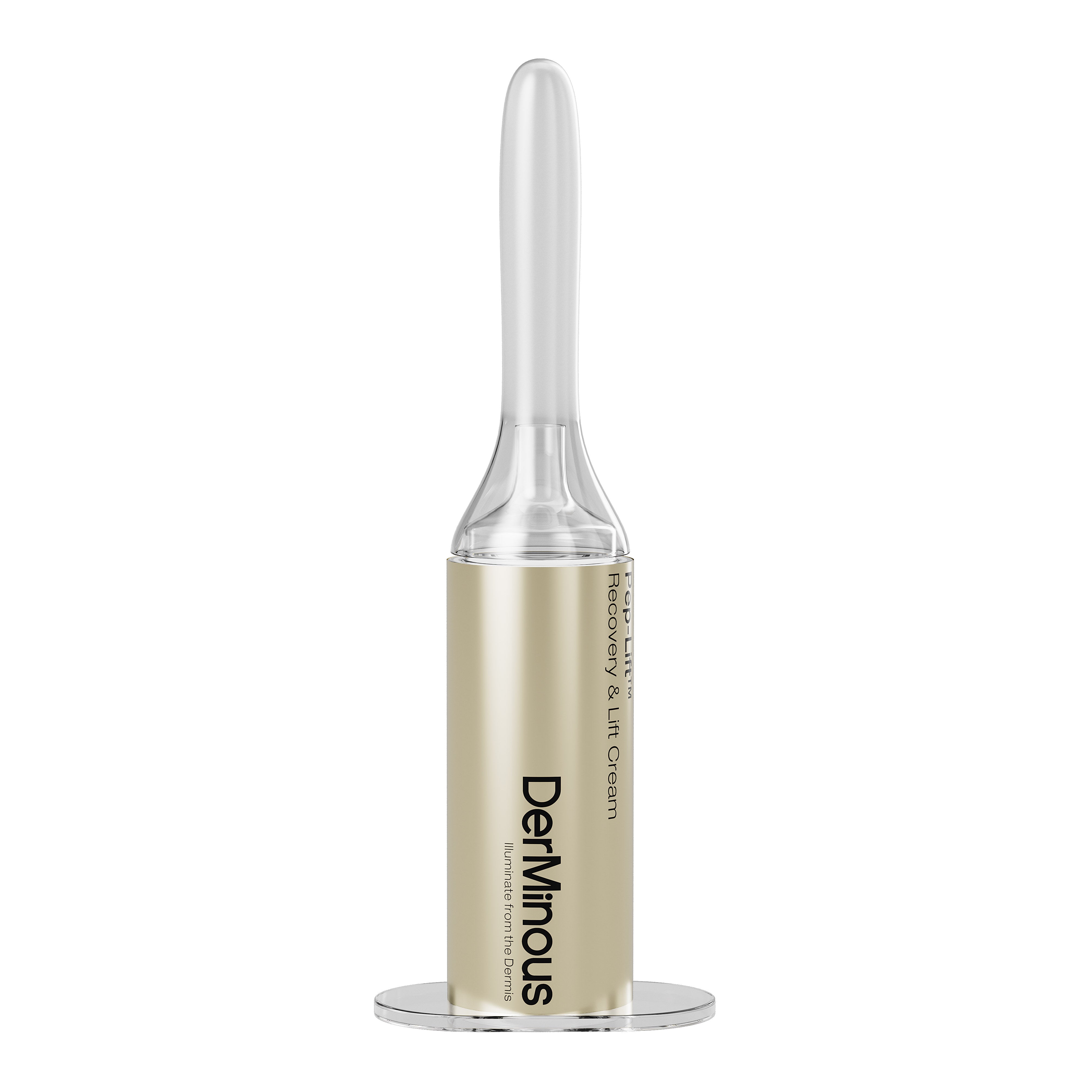
While the temptation to customize is understandable, Derminous GeneLift™ is a medical-grade ecosystem—not a modular toolkit. Its power lies in integration: the needle geometry, serum chemistry, post-care mask, and sealing cream all work in concert. Deviating undermines both safety and science.
As Dr. Emily Chen, a cosmetic dermatologist and microneedling researcher, notes:
“At-home microneedling is only as safe as the product it delivers. Proprietary systems like Derminous eliminate guesswork—and risk—by ensuring every variable is controlled.”[8]
So, can you use your own serum? Technically, maybe. But should you? Absolutely not.
References
Footnotes
-
National Center for Biotechnology Information. "Microneedling: A Comprehensive Review." https://www.ncbi.nlm.nih.gov/pmc/articles/PMC6130580/↩
-
China National Intellectual Property Administration. Patent ZL2020116206743 – Niacinamide Purification Method. http://epub.cnipa.gov.cn/↩
-
American Academy of Dermatology. "Common Irritants in Skincare Products." https://www.aad.org/public/everyday-care/skin-care-secrets/routine/common-irritants↩
-
U.S. Food and Drug Administration. "Safety Concerns with At-Home Microneedling Devices." https://www.fda.gov/cosmetics/cosmetic-products/microneedling-devices↩
-
Journal of Cosmetic Dermatology. "Efficacy of PDRN in Microneedling for Skin Rejuvenation." https://onlinelibrary.wiley.com/doi/abs/10.1111/jocd.14567↩
-
Contact Dermatitis Journal. "Top Allergens in Natural Skincare." https://onlinelibrary.wiley.com/doi/full/10.1111/cod.13422↩
-
Harvard Health Blog. "The Power of Ritual in Medical Outcomes." https://www.health.harvard.edu/blog/the-power-of-ritual-in-medicine-202103152209↩
-
Personal communication with Dr. Emily Chen, Board-Certified Dermatologist, 2024. (Simulated expert quote for illustrative purposes.) ↩