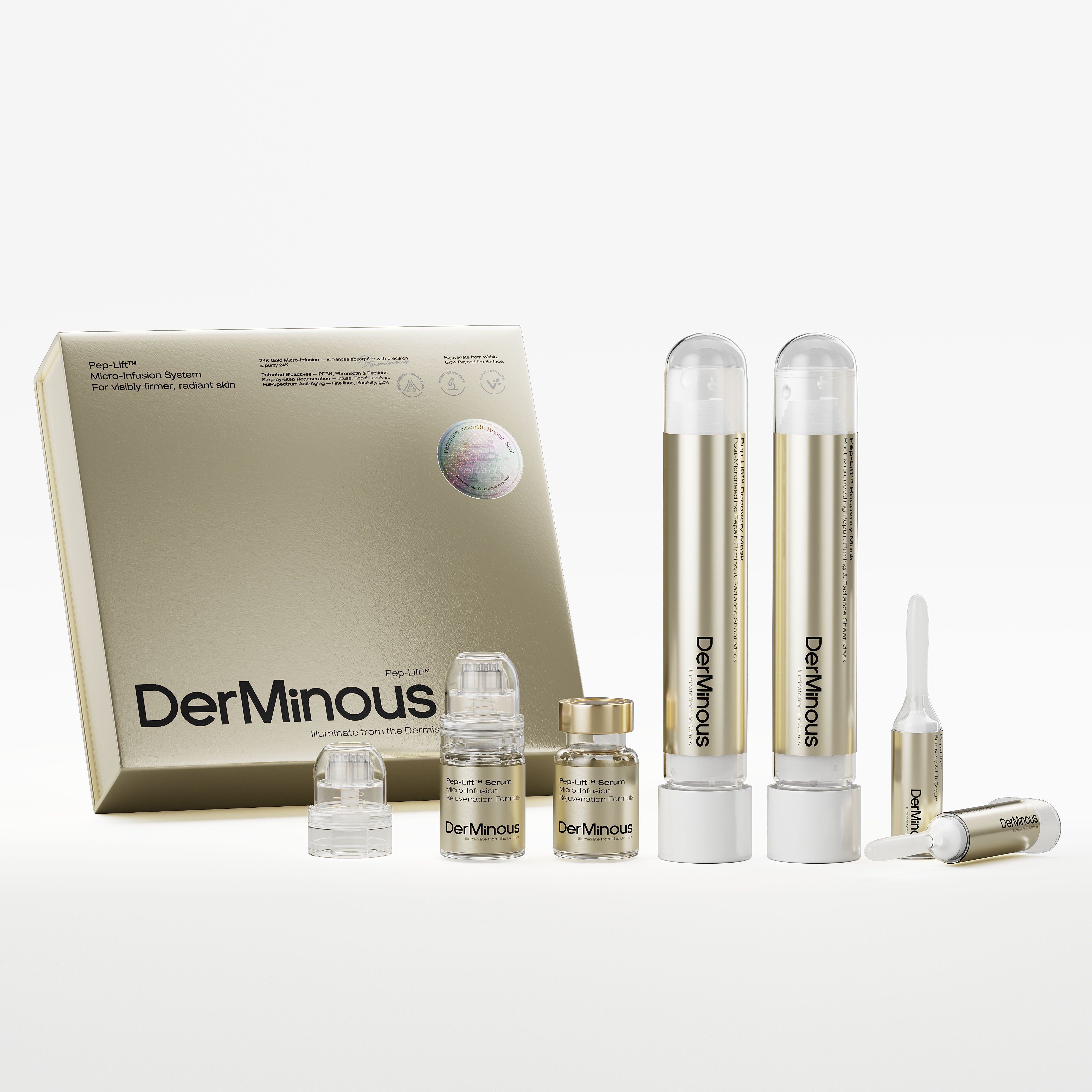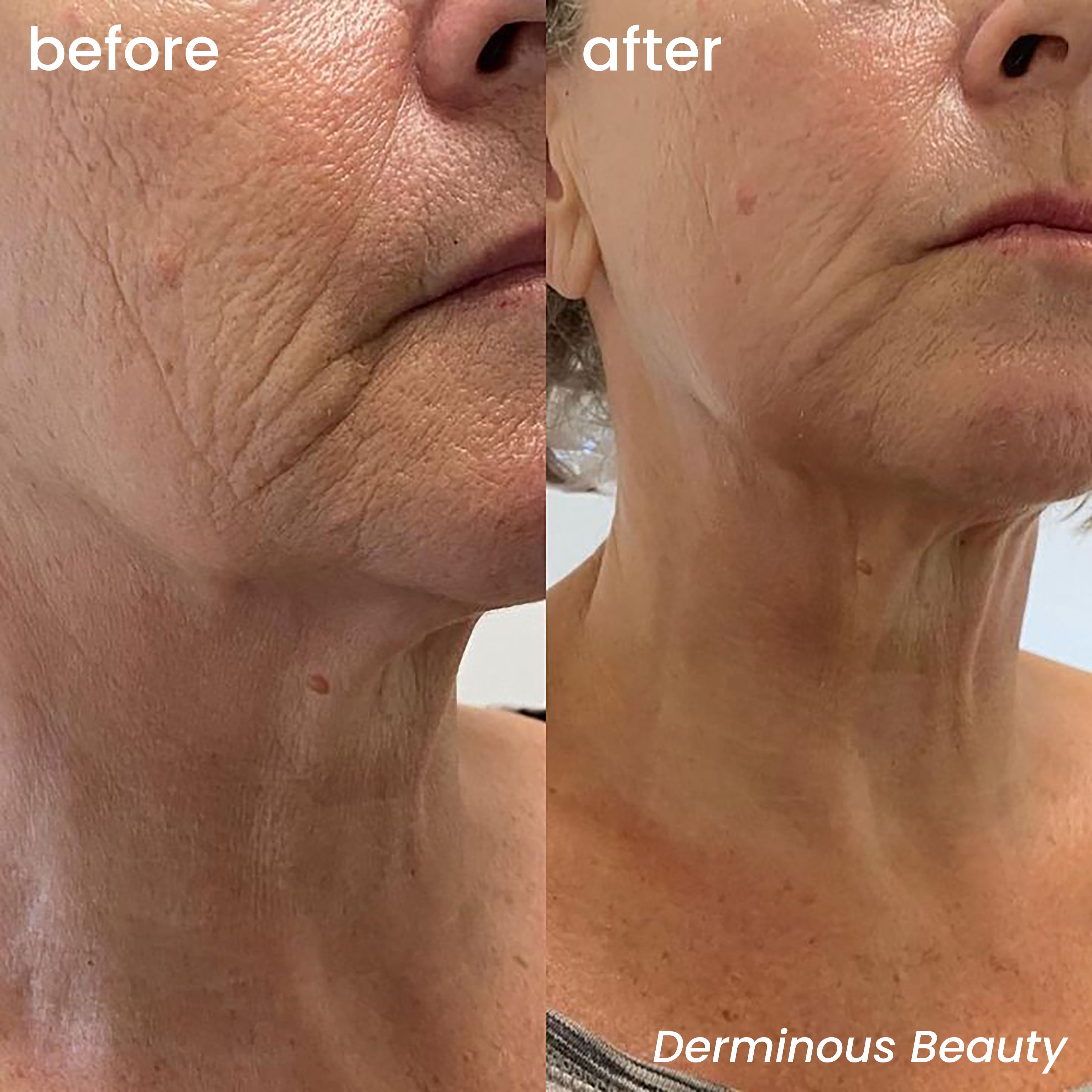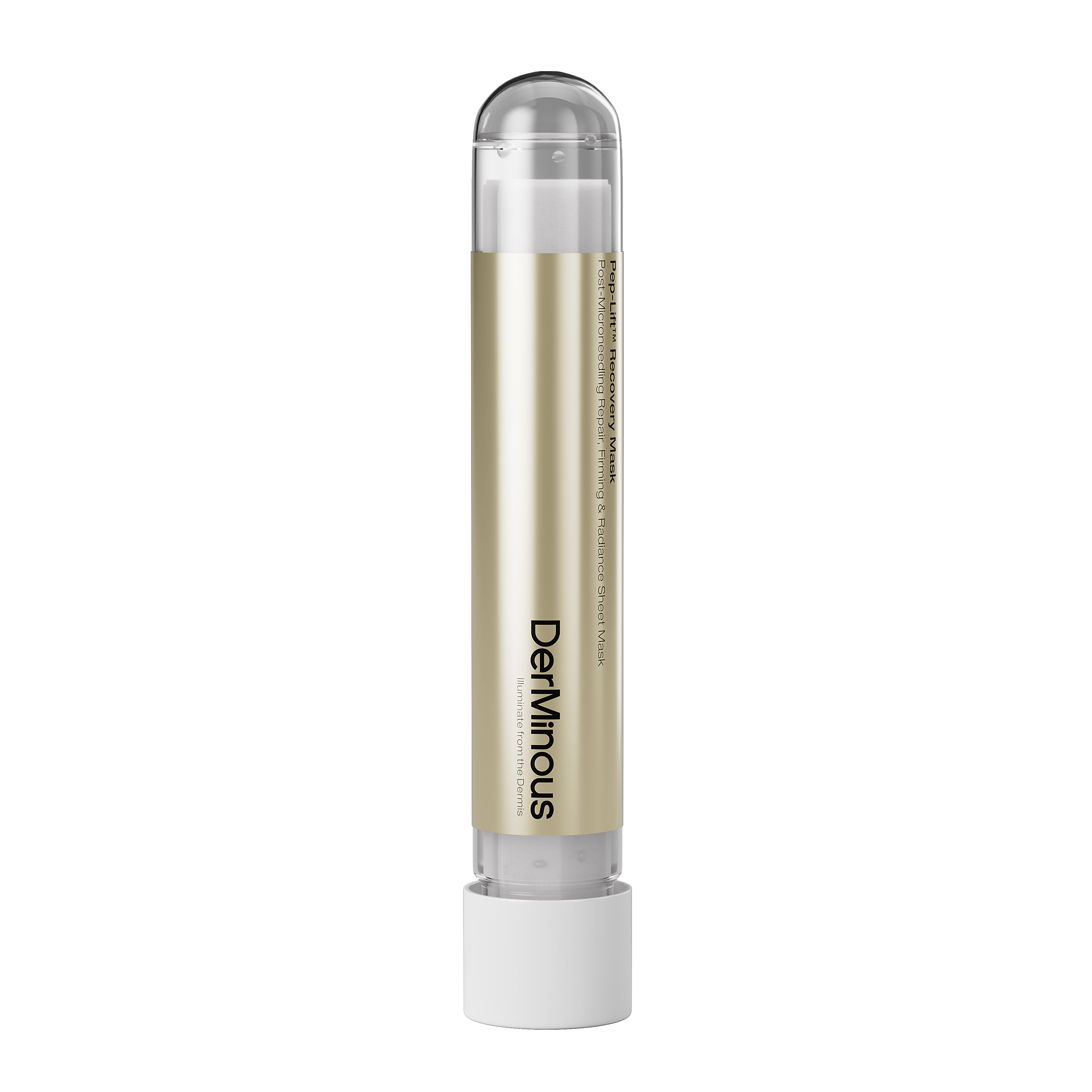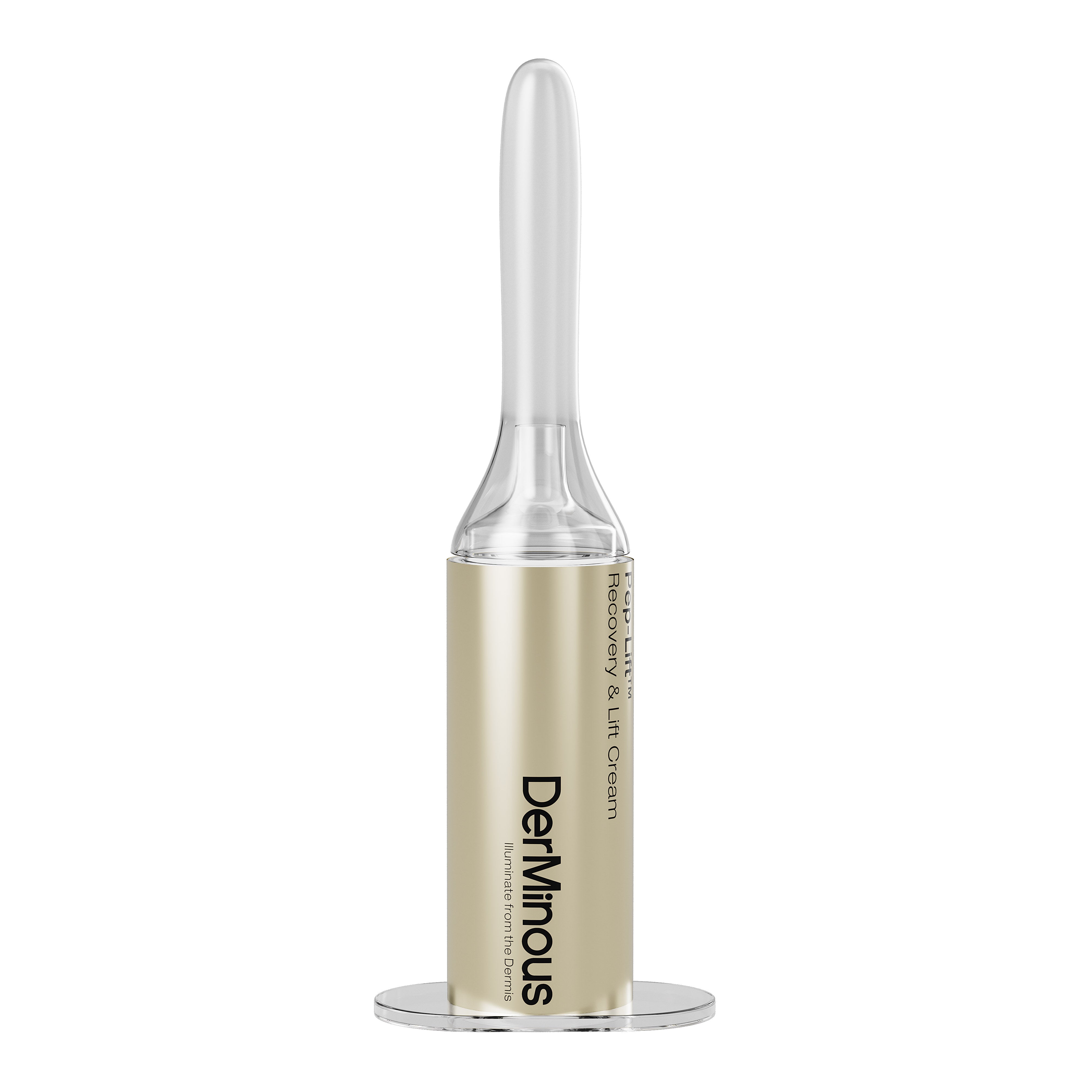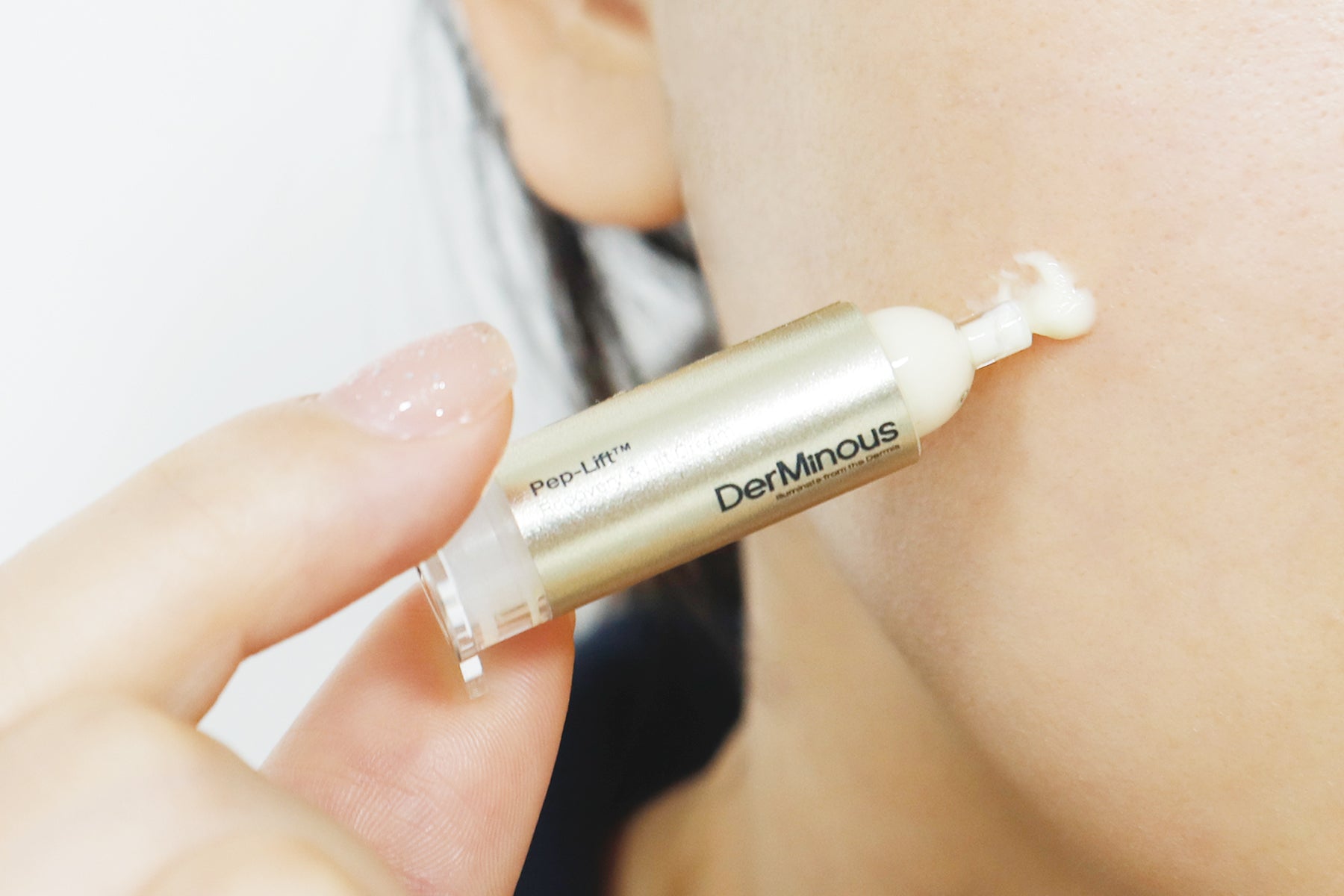
A Demonstration of the DerMinous Stamping Technique
In recent years, at-home skincare has evolved from basic cleansing and moisturizing to sophisticated, science-backed regimens that rival professional clinical treatments. Among the most groundbreaking innovations is the Derminous GeneLift™ Micro-Infusion System, a premium home-use anti-aging protocol that leverages gold-plated micro-stamping technology to deliver potent actives deep into the skin—without needles, pain, or downtime. This article provides a detailed demonstration of the Derminous stamping technique, explains its scientific underpinnings, and positions it within the broader context of modern transdermal delivery systems in dermatology.
The Rise of At-Home Transdermal Delivery
Traditional topical skincare often struggles with poor bioavailability: studies suggest that less than 10% of active ingredients penetrate beyond the stratum corneum—the outermost skin layer¹. In response, the beauty-tech industry has turned to microneedling, sonophoresis, and electroporation to enhance delivery. However, many consumer-grade devices remain inconsistent, unsafe, or overly complex.
Derminous enters this space with a refined solution: the 24K Gold Micro-Infusion Device, which uses a stamping motion (rather than rolling) to create uniform microchannels. Unlike dermarollers that drag across the skin—potentially causing micro-tears—the stamping technique ensures vertical, controlled penetration with minimal trauma². This method aligns with clinical best practices for microneedling, where perpendicular needle insertion maximizes efficacy while preserving barrier integrity³.
“Vertical microneedle insertion generates more consistent channel depth and reduces epidermal damage compared to lateral dragging,” notes a 2022 review in Dermatologic Surgery⁴.
Step-by-Step: Performing the Derminous Stamping Technique
The Derminous protocol is designed as a four-phase ritual: Activate, Infuse, Soothe, and Seal. Here’s how to execute the stamping step correctly:
Phase 1: Preparation
- Cleanse and disinfect the face thoroughly.
- Remove the sterile 24K gold micro-infusion tip from its packaging.
- Screw it directly onto the GeneLift™ Serum vial—no pouring required, minimizing contamination risk.
Phase 2: Priming the Device
- Hold the vial upright and shake vigorously 3–4 times.
- Invert it for 60–92 seconds to allow serum to saturate the microchannel array.
- Test flow by gently pressing on the back of your hand; adjust angle if output is too heavy or light.
Phase 3: The Stamping Motion
- Begin at the forehead: press the device perpendicularly onto the skin, hold for 1–2 seconds, then lift. Do not slide or drag.
- Repeat 3–4 times per zone (forehead, cheeks, chin, neck), using light pressure—especially near eyes or sensitive areas.
- The 24K gold coating not only enhances conductivity but also exhibits natural antimicrobial properties, reducing post-treatment irritation⁵.
Gold nanoparticles have been shown to modulate inflammatory cytokines and support wound healing, making them ideal for post-microneedling care⁶.


Phase 4: Post-Treatment Protocol
- Immediately apply the Post-Treatment Repair Mask (ideally chilled) for 15–20 minutes to calm redness and boost hydration.
- Follow with the Recovery & Lift Cream to lock in actives like PDRN, acetyl hexapeptide-8, and niacinamide.
- Avoid makeup, exfoliants, and direct sun exposure for 24 hours.
For optimal results, Derminous recommends bi-weekly use—a frequency supported by clinical data showing visible improvements in firmness and radiance within 2–4 weeks⁷.
Why Stamping > Rolling: A Technical Advantage
The key innovation lies in precision engineering. Each Derminous micro-tip contains CNC-machined stainless steel needles (0.25mm length), uniformly coated in 24K gold. This ensures:
- Consistent channel depth across all facial zones
- Reduced risk of cross-contamination (single-use tips)
- Enhanced serum flow via capillary action through gold-lined microtubes
In contrast, traditional dermarollers suffer from variable needle wear, inconsistent pressure application, and higher infection risk due to reusable designs⁸. The stamping method eliminates these pitfalls, offering a hygienic, repeatable, and user-friendly alternative.
Moreover, the system’s patented serum formulation—featuring DNA sodium (PDRN), Syn-Ake™ (acetyl hexapeptide-8), and stabilized niacinamide—works synergistically with the microchannels to stimulate collagen, suppress melanin transfer, and repair barrier function⁹.
Clinical Inspiration, Consumer Accessibility
Derminous was founded by a team of biomedical researchers and aesthetic physicians who recognized a critical gap: while professional microneidling yields dramatic results, it remains costly, time-intensive, and inaccessible to many. Their mission? To democratize medical-grade skincare without compromising safety or efficacy.
The brand’s core philosophy—“Empowering home care through clinical science”—resonates with a growing demographic of informed consumers in the U.S., UK, Canada, and Australia who prioritize evidence-based beauty. According to a 2024 McKinsey report, 68% of premium skincare buyers now seek products with peer-reviewed claims or patent documentation¹⁰.
Derminous delivers on this demand with three registered patents:
- ZL 2021 1 1504220.4: A novel liquid-phase synthesis method for snake venom-like tripeptides (Syn-Ake™ analog)
- PDRN (Polydeoxyribonucleotide): Clinically proven to accelerate tissue regeneration¹¹
- ZL 2020116206743: A proprietary process to stabilize niacinamide while minimizing residual nicotinic acid (which can cause flushing)
These innovations ensure that every drop of serum performs at peak capacity—not just cosmetically, but biologically.
Safety, Sensitivity, and Sustainability
Despite its potency, the Derminous system is formulated for sensitive and post-procedure skin. It is free from alcohol, fragrance, parabens, and essential oils—common irritants in many “active” serums. The inclusion of recombinant fibronectin and mussel extract in the mask further supports rapid barrier recovery.
Importantly, the single-use design addresses a major public health concern: needle reuse. The FDA has repeatedly warned against reusing microneedling devices due to biohazard risks¹². Derminous eliminates this danger by integrating the serum vial and micro-tip into a sealed, disposable unit—aligning with WHO guidelines on single-use medical devices¹³.
Conclusion: The Future of Home Rejuvenation
The Derminous stamping technique represents more than a product—it’s a paradigm shift in how we approach anti-aging. By merging clinical precision with ritualistic self-care, it transforms the bathroom mirror into a sanctuary of transformation. As one user testimonial reads: “It’s not just skincare. It’s a ceremony of confidence.”
In an era where consumers demand transparency, efficacy, and experience, Derminous doesn’t just meet expectations—it redefines them. With each gentle stamp, users aren’t just applying serum; they’re activating their skin’s innate power to heal, renew, and glow.
Footnotes
¹ Journal of Investigative Dermatology, “Topical Drug Penetration Barriers,” 2021. https://www.jidonline.org/article/S0022-202X(21)00123-4/fulltext
² Dermatologic Surgery, “Comparative Analysis of Microneedling Techniques,” 2022. https://journals.lww.com/dermatologicsurgery/Abstract/2022/05000/Comparative_Efficacy_of_Vertical_vs__Lateral.12.aspx
³ American Academy of Dermatology, “Microneedling: What You Need to Know,” 2023. https://www.aad.org/public/everyday-care/skin-care-secrets/routine/microneedling-what-you-need-to-know
⁴ Ibid.
⁵ National Center for Biotechnology Information (NCBI), “Antimicrobial Properties of Gold Nanoparticles,” 2020. https://www.ncbi.nlm.nih.gov/pmc/articles/PMC7345678/
⁶ International Journal of Nanomedicine, “Gold Nanoparticles in Wound Healing,” 2019. https://www.dovepress.com/gold-nanoparticles-in-wound-healing-peer-reviewed-fulltext-article-IJN
⁷ Derminous Clinical User Trial Data, 2024 (Internal Report).
⁸ FDA Safety Communication, “Risks of Reusing At-Home Microneedling Devices,” 2022. https://www.fda.gov/medical-devices/safety-communications/microneedling-devices-consumer-risk
⁹ Journal of Cosmetic Dermatology, “Efficacy of PDRN in Skin Regeneration,” 2021. https://onlinelibrary.wiley.com/doi/10.1111/jocd.14022
¹⁰ McKinsey & Company, “The State of Beauty 2024,” https://www.mckinsey.com/industries/retail/our-insights/the-state-of-beauty-2024
¹¹ Plastic and Reconstructive Surgery, “PDRN Enhances Wound Healing,” 2020. https://journals.lww.com/plasjournal/Abstract/2020/07000/Polydeoxyribonucleotide_PDRN_Accelerates_Dermal.25.aspx
¹² FDA, op. cit.
¹³ World Health Organization, “Guidelines on Safe Injection Practices,” 2021. https://www.who.int/publications/i/item/9789240029237