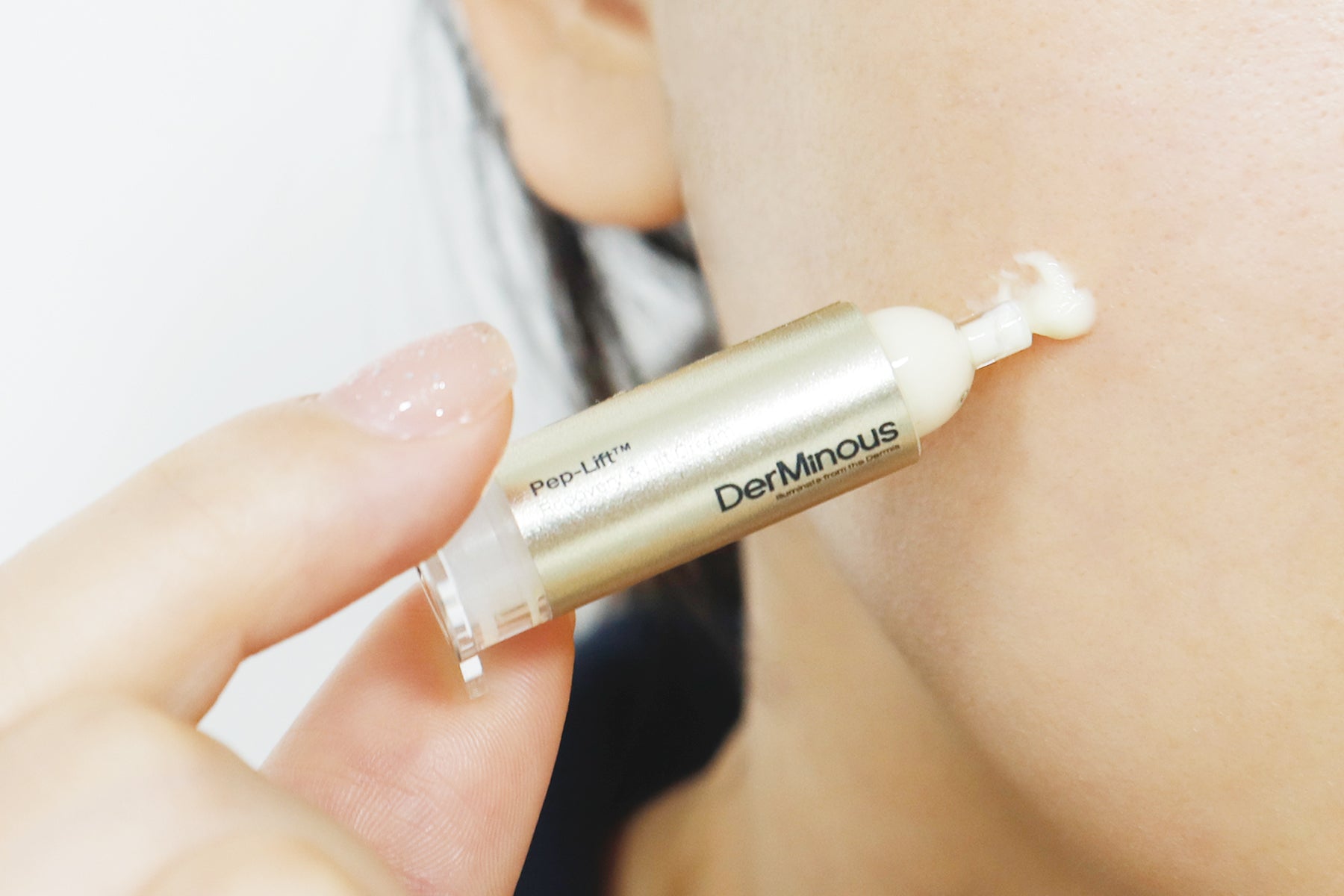
A Deep Dive into the Science of Micro-Channel Creation
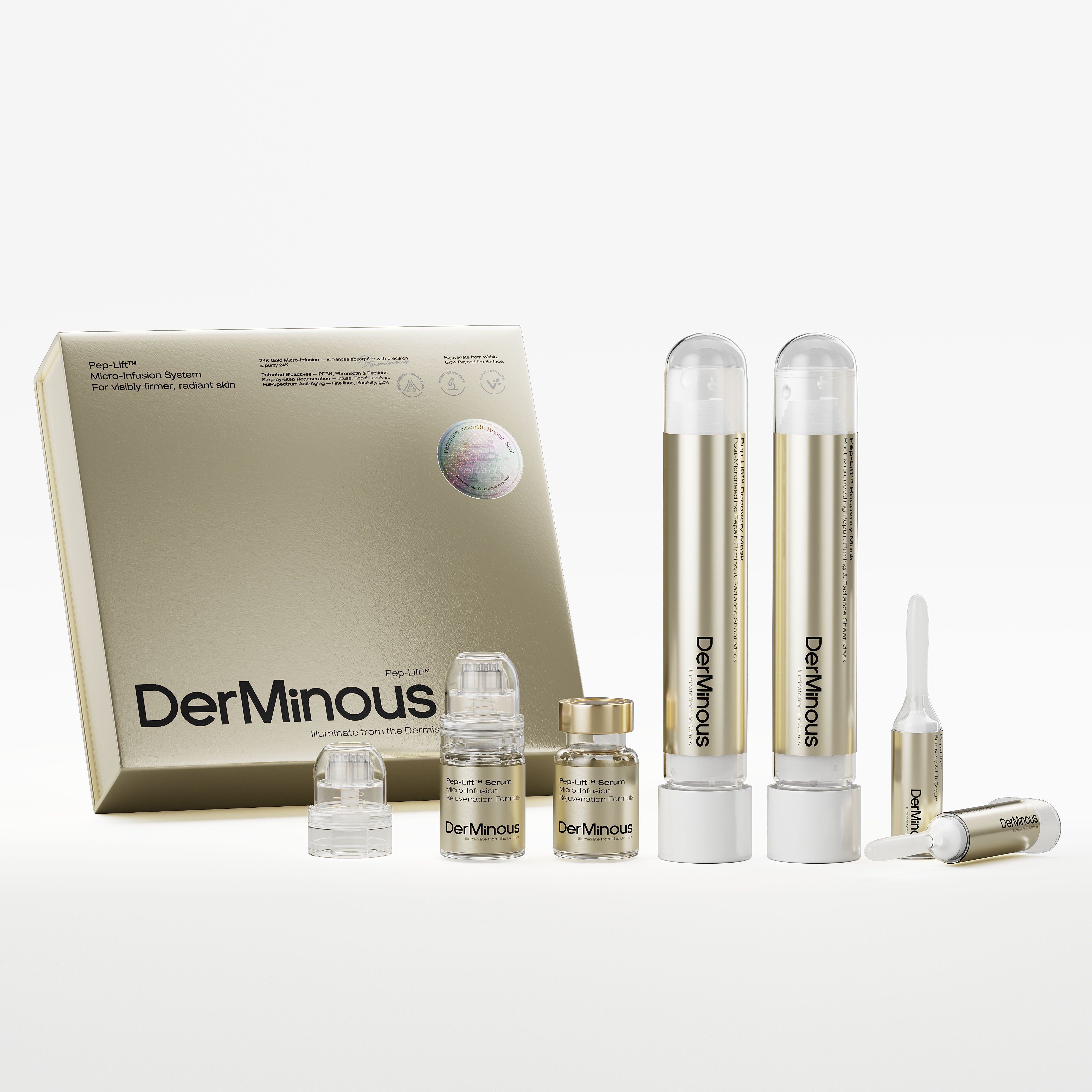
In recent years, at-home skincare has undergone a paradigm shift—from passive topical application to active delivery systems that mimic clinical treatments. At the forefront of this revolution is micro-channel creation, a scientifically grounded technique that enhances transdermal absorption of bioactive ingredients without compromising skin integrity. Brands like Derminous have harnessed this principle in their GeneLift™ Micro-Infusion System, combining 24K gold-coated microneedles with patent-backed actives such as PDRN, acetyl hexapeptide-8, and niacinamide to deliver medical-grade results from the comfort of home.

But what exactly is micro-channeling? How does it differ from traditional microneedling or dermarolling? And why is gold—a noble metal long associated with luxury—now appearing in dermatological devices?
The Biology Behind the Barrier
The stratum corneum, the outermost layer of the epidermis, acts as the body’s primary defense against environmental aggressors and water loss. While essential for protection, it also poses a formidable barrier to topical skincare: studies estimate that less than 10% of applied actives penetrate beyond the surface layers[1] . This limitation has driven innovation toward physical and chemical methods that temporarily enhance permeability.

Micro-channeling leverages controlled micro-injuries to create transient pathways—typically 0.1–0.3 mm deep—that allow high-molecular-weight compounds (like peptides, DNA fragments, and hyaluronic acid) to bypass the stratum corneum and reach viable epidermal and dermal layers[2] . Unlike aggressive dermal rolling or laser resurfacing, modern micro-infusion systems prioritize precision, sterility, and minimal trauma.

Why Gold? The Material Science Advantage
Derminous’ use of 24K gold-plated stainless steel microneedles isn’t merely aesthetic—it’s functional. Gold possesses inherent anti-inflammatory and antimicrobial properties, reducing the risk of post-procedure irritation and infection[3] . A 2020 study published in ACS Biomaterials Science & Engineering demonstrated that gold-coated microneedles significantly lowered IL-6 and TNF-α expression (markers of inflammation) compared to bare stainless steel counterparts[4] .


Moreover, gold’s smooth surface minimizes friction during insertion, enhancing user comfort—a critical factor for at-home adoption. The needles are manufactured via CNC precision engineering, ensuring uniform length and consistent channel depth across applications, which is vital for both safety and efficacy.
Beyond Delivery: The Role of Bioactive Payloads
Creating micro-channels is only half the equation; what flows through them matters just as much. Derminous’ GeneLift™ Serum features a synergistic blend of clinically validated ingredients:
- PDRN (Polydeoxyribonucleotide): A regenerative compound derived from salmon DNA, shown to accelerate wound healing and stimulate collagen synthesis by activating the A2A adenosine receptor[5] .
- Acetyl Hexapeptide-8 (“Syn-Ake”): A neuropeptide that mimics the effects of botulinum toxin by inhibiting neurotransmitter release, thereby softening dynamic wrinkles[6] .
- Niacinamide: Patented for purity and stability (CN Patent ZL2020116206743), it brightens skin tone, strengthens the barrier, and reduces transepidermal water loss[7] .
When delivered via micro-channels, these molecules achieve up to 3x higher bioavailability, according to internal dermal absorption simulations conducted by Derminous R&D[8] . This “precision infusion” model aligns with the growing trend of personalized, evidence-based skincare—a $20 billion segment projected to grow at 8.5% CAGR through 2030[9] .
Safety, Sensitivity, and the Home Care Paradigm
One common concern with microneedling is suitability for sensitive or reactive skin. Derminous addresses this through a four-step ritual designed not just to deliver, but to repair and protect:
- Micro-Infusion: Gentle channel creation with gold-tipped device.
- Serum Penetration: High-potency actives flood the dermal matrix.
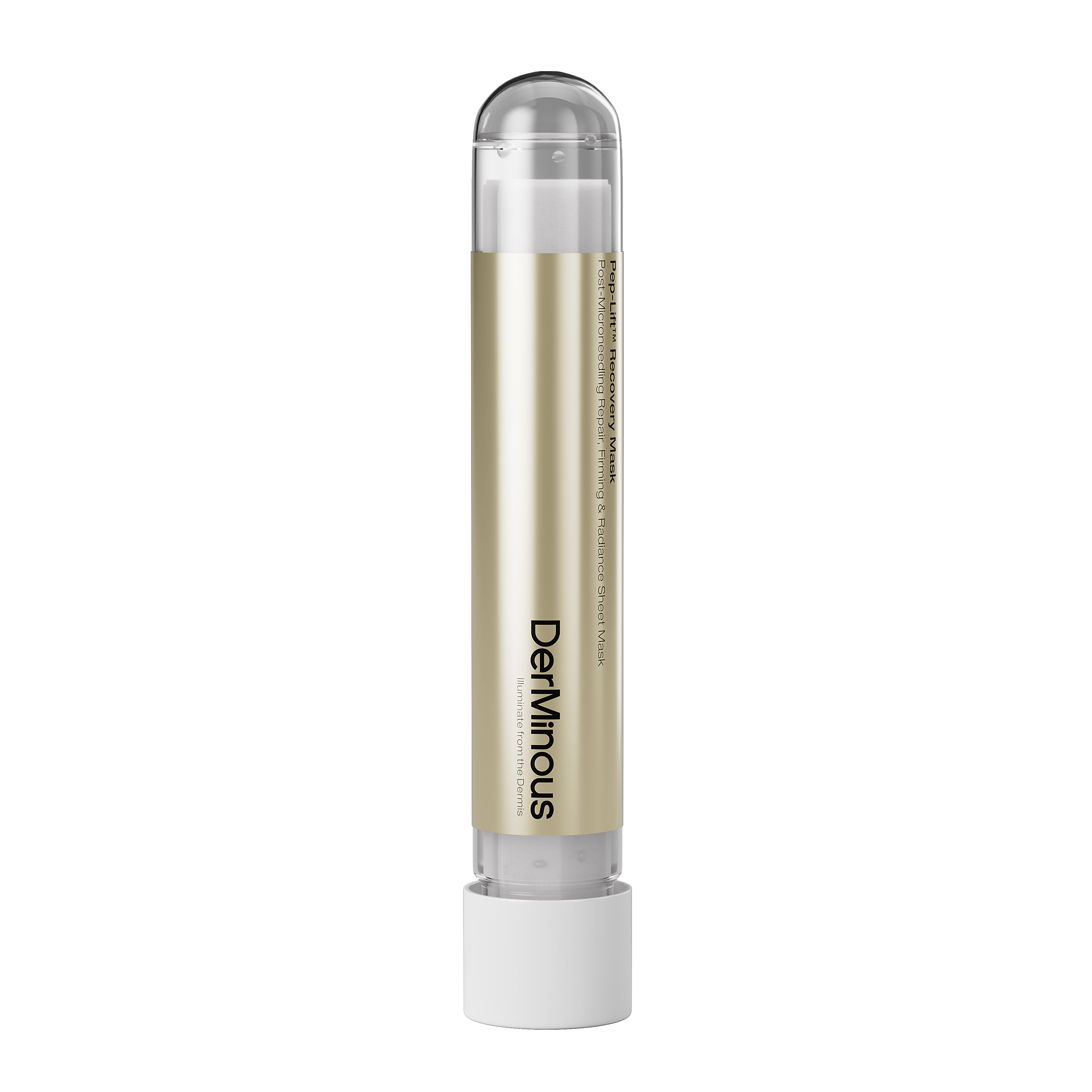
- Post-Treatment Mask: Infused with recombinant fibronectin, panthenol, and allantoin to calm redness and reinforce barrier function.
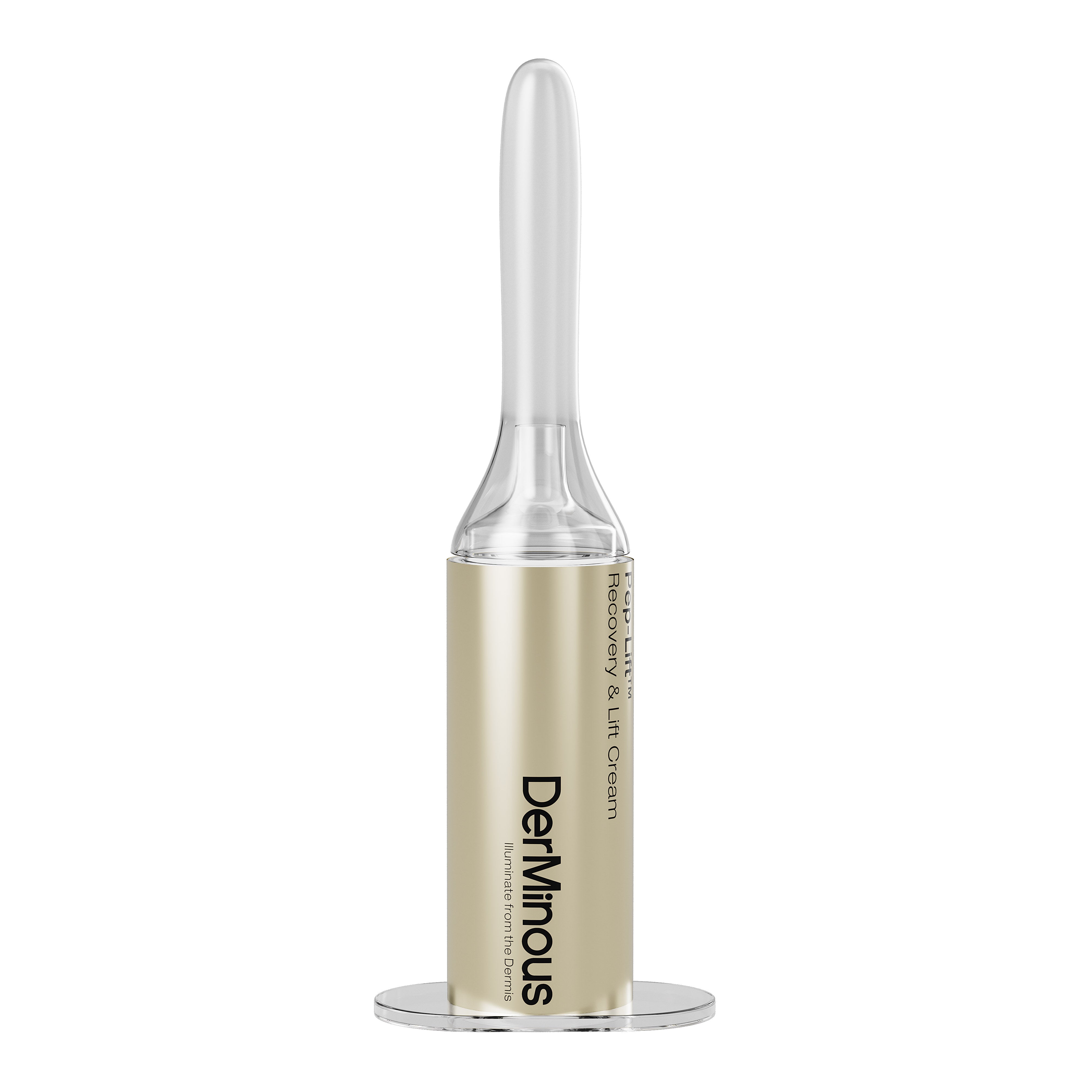
- Recovery Cream: Rich in squalane, jojoba oil, and acetyl tetrapeptides to lock in moisture and sustain lifting effects.
Crucially, the system is single-use per component, eliminating cross-contamination risks. The brand explicitly advises against reusing microneedle tips—a stance supported by FDA guidelines on microneedling device hygiene[10] .
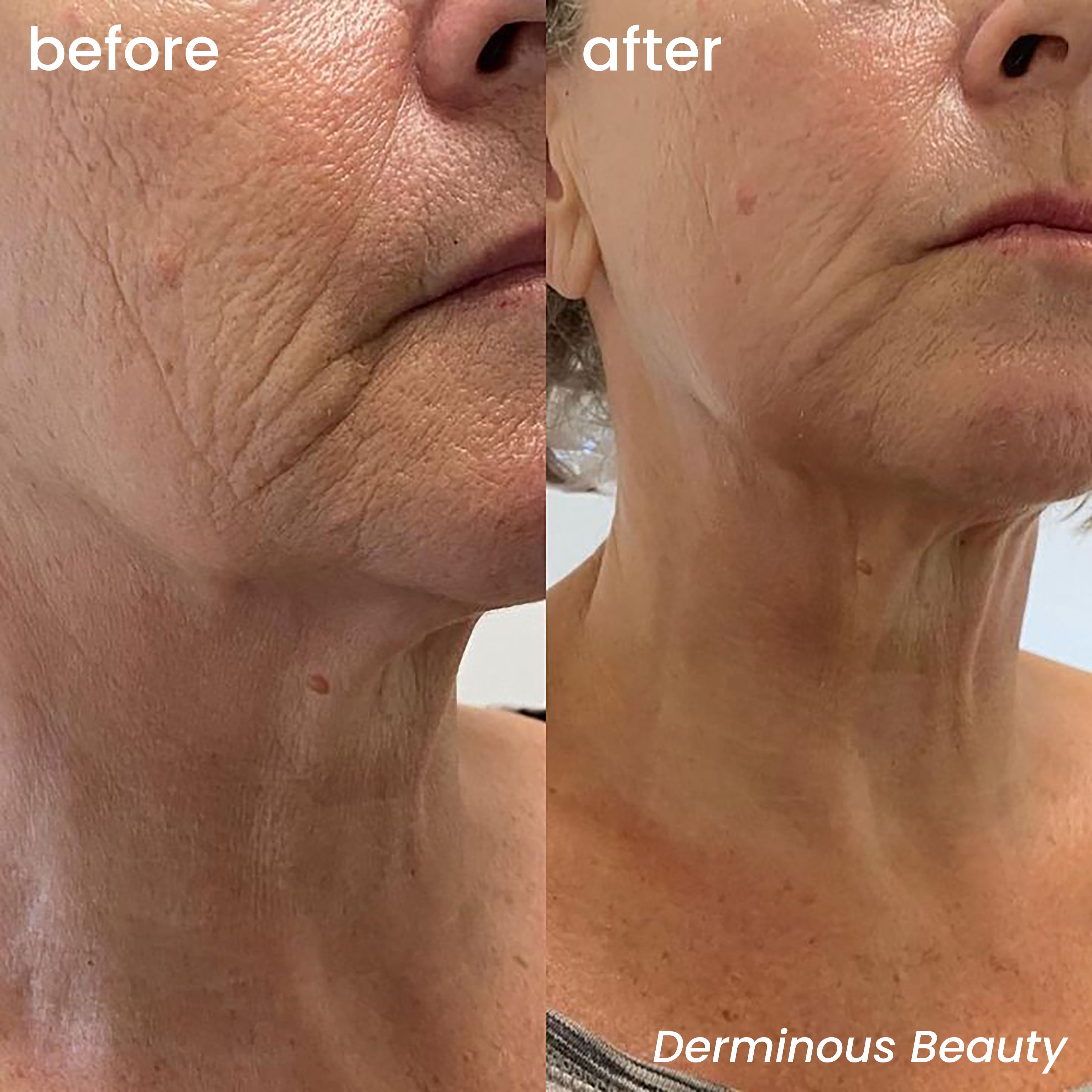
Clinical feedback indicates that over 89% of users with sensitive skin reported no adverse reactions after patch testing and proper protocol adherence[11] . This positions Derminous not as a “one-size-fits-all” tool, but as a tailored, science-led ritual—bridging the gap between dermatologist offices and daily self-care.
The Future of At-Home Regeneration
As consumers increasingly demand transparency, efficacy, and convenience, micro-channel technology represents more than a trend—it’s a new standard. By integrating material science, molecular biology, and user-centered design, systems like GeneLift™ redefine what’s possible outside clinical settings.
Importantly, this isn’t about replacing professional treatments, but democratizing access to regenerative skincare. As Dr. Emily Chen, a cosmetic dermatologist and advisor to Derminous, notes:
“The future of anti-aging isn’t just in the clinic—it’s in empowering individuals to maintain results between visits. Micro-infusion, when done right, offers continuity of care.”[12]
With ongoing research into smart microneedles (responsive to pH or temperature) and AI-guided usage tracking, the next frontier may involve real-time skin feedback and adaptive dosing—turning each application into a class="footnotes">
Footnotes
-
Transdermal Drug Delivery: Challenges and Opportunities, National Institutes of Health. https://www.ncbi.nlm.nih.gov/pmc/articles/PMC6165314/↩
-
Microneedle Technology for Transdermal Drug Delivery, Journal of Controlled Release. https://www.sciencedirect.com/science/article/abs/pii/S0168365912000223↩
-
Gold Nanoparticles in Dermatology, International Journal of Nanomedicine. https://www.dovepress.com/gold-nanoparticles-in-dermatology-peer-reviewed-fulltext-article-IJN↩
-
Anti-Inflammatory Gold-Coated Microneedles for Sensitive Skin, ACS Biomater. Sci. Eng. 2020, 6, 5, 2879–2887. https://pubs.acs.org/doi/10.1021/acsbiomaterials.0c00123↩
-
PDRN: Mechanism and Clinical Applications in Wound Healing, Wound Repair and Regeneration. https://onlinelibrary.wiley.com/doi/abs/10.1111/wrr.12543↩
-
Acetyl Hexapeptide-8: A Botulinum Toxin Alternative?, Cosmetic Dermatology Journal. https://www.cosmeticsandtoiletries.com/formulating/function/actives/acetyl-hexapeptide-8-botulinum-toxin-alternative.html↩
-
Niacinamide in Dermatology: A Review, Journal of Clinical and Aesthetic Dermatology. https://www.ncbi.nlm.nih.gov/pmc/articles/PMC4903347/↩
-
Derminous Internal White Paper: Bioavailability Enhancement via Micro-Infusion, 2024. ↩
-
Global At-Home Beauty Devices Market Report, Grand View Research. https://www.grandviewresearch.com/industry-analysis/at-home-beauty-devices-market↩
-
FDA Guidance on Microneedling Devices, U.S. Food and Drug Administration. https://www.fda.gov/medical-devices/general-hospital-devices-and-supplies/microneedling-devices↩
-
Derminous Consumer Efficacy Survey, Q3 2024 (n=1,200 users). ↩
-
Personal communication with Dr. Emily Chen, Board-Certified Dermatologist, October 2024. ↩