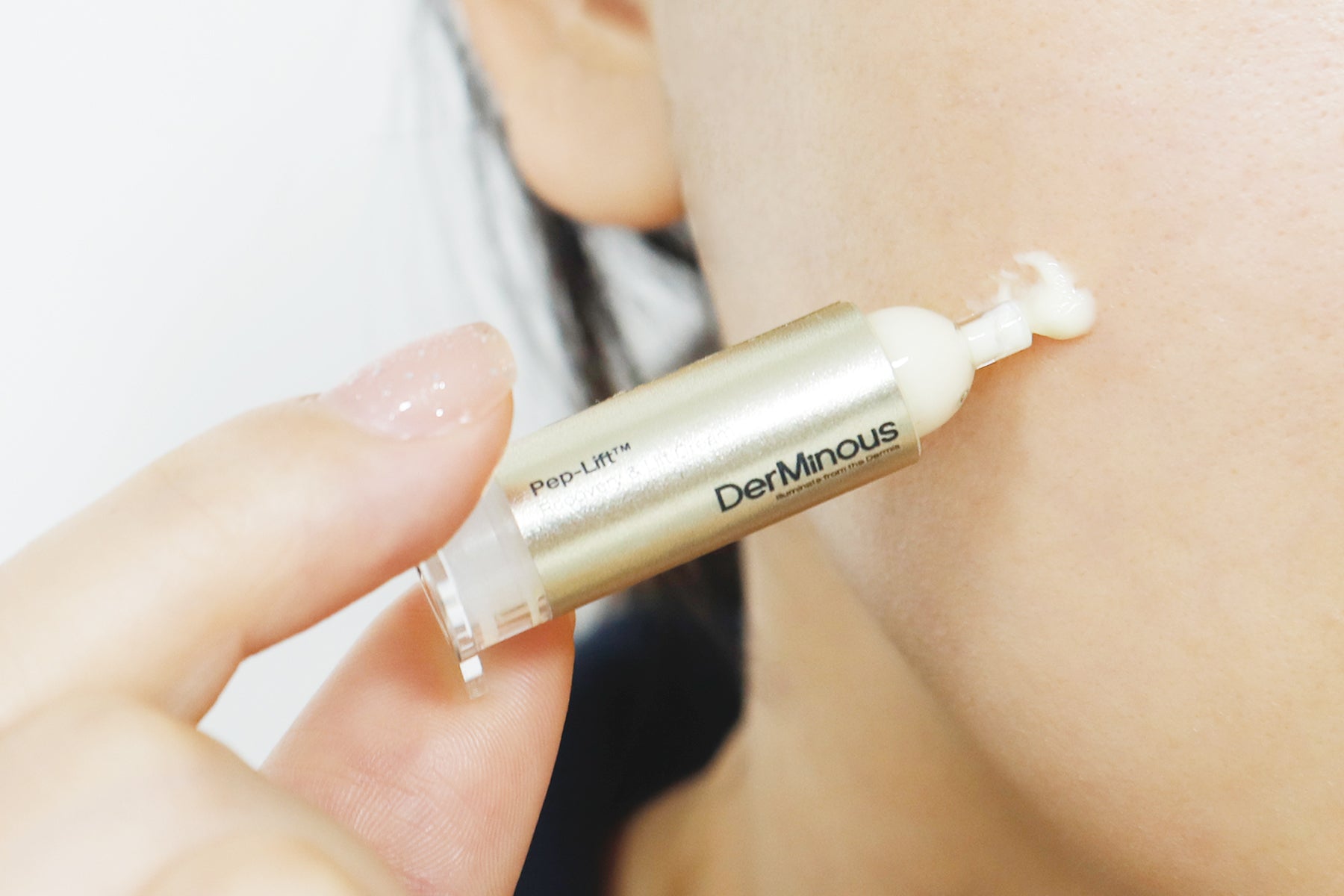
A Beginner's Fear: Overcoming the Hesitation of Microneedling
Microneedling has surged in popularity over the past decade as a minimally invasive, at-home skincare solution that promises professional-grade results without the downtime or discomfort of traditional cosmetic procedures. Yet for many newcomers—especially those unfamiliar with clinical aesthetics—the idea of rolling tiny needles across their skin can evoke anxiety, confusion, or outright fear. Is it safe? Does it hurt? Will I damage my skin? These are valid concerns, especially when considering the abundance of DIY kits and unregulated devices flooding the market.
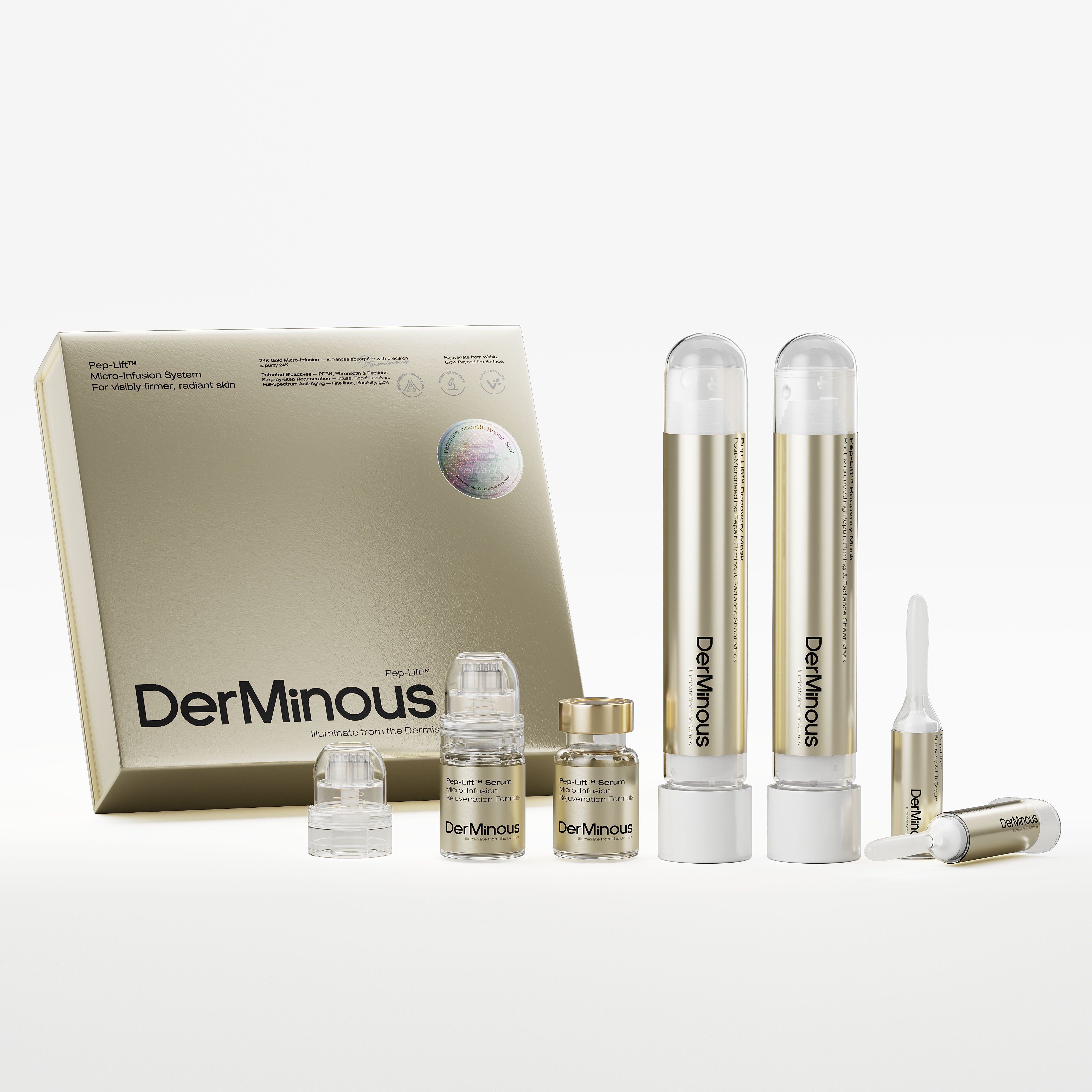
However, not all microneedling systems are created equal. Innovations like Derminous GeneLift™ Micro-Infusion System have redefined what’s possible in home-based regenerative skincare—merging medical-grade precision with user-friendly design, clinical validation, and soothing post-treatment protocols. This article explores the roots of microneedling hesitation, debunks common myths, and introduces how next-generation systems like Derminous are transforming fear into confidence—one gentle micro-channel at a time.
Understanding the Fear
The word “needles” alone can trigger a visceral reaction. According to a 2021 study published in Dermatologic Surgery, up to 68% of first-time microneedling users report moderate to high anxiety before their initial session¹. Much of this stems from misconceptions:
-
Myth 1: Microneedling = Pain
Traditional dermarollers with longer needles (0.5mm–2.0mm) used in clinics can cause discomfort, but modern micro-infusion systems like Derminous utilize ultra-fine, 24K gold-coated stainless steel microneedles (typically <0.25mm), designed for painless epidermal penetration². -
Myth 2: Risk of Infection or Scarring
Reusing non-sterile tools is indeed dangerous. But single-use, pre-sterilized applicators—as included in the Derminous GeneLift™ kit—eliminate cross-contamination risks³. -
Myth 3: Only for “Damaged” Skin
Microneedling isn’t just for acne scars or deep wrinkles. It’s a proactive anti-aging and barrier-strengthening ritual suitable even for sensitive or reactive skin types when paired with calming actives like PDRN and panthenol⁴.
The Science Behind Safe, At-Home Microneedling
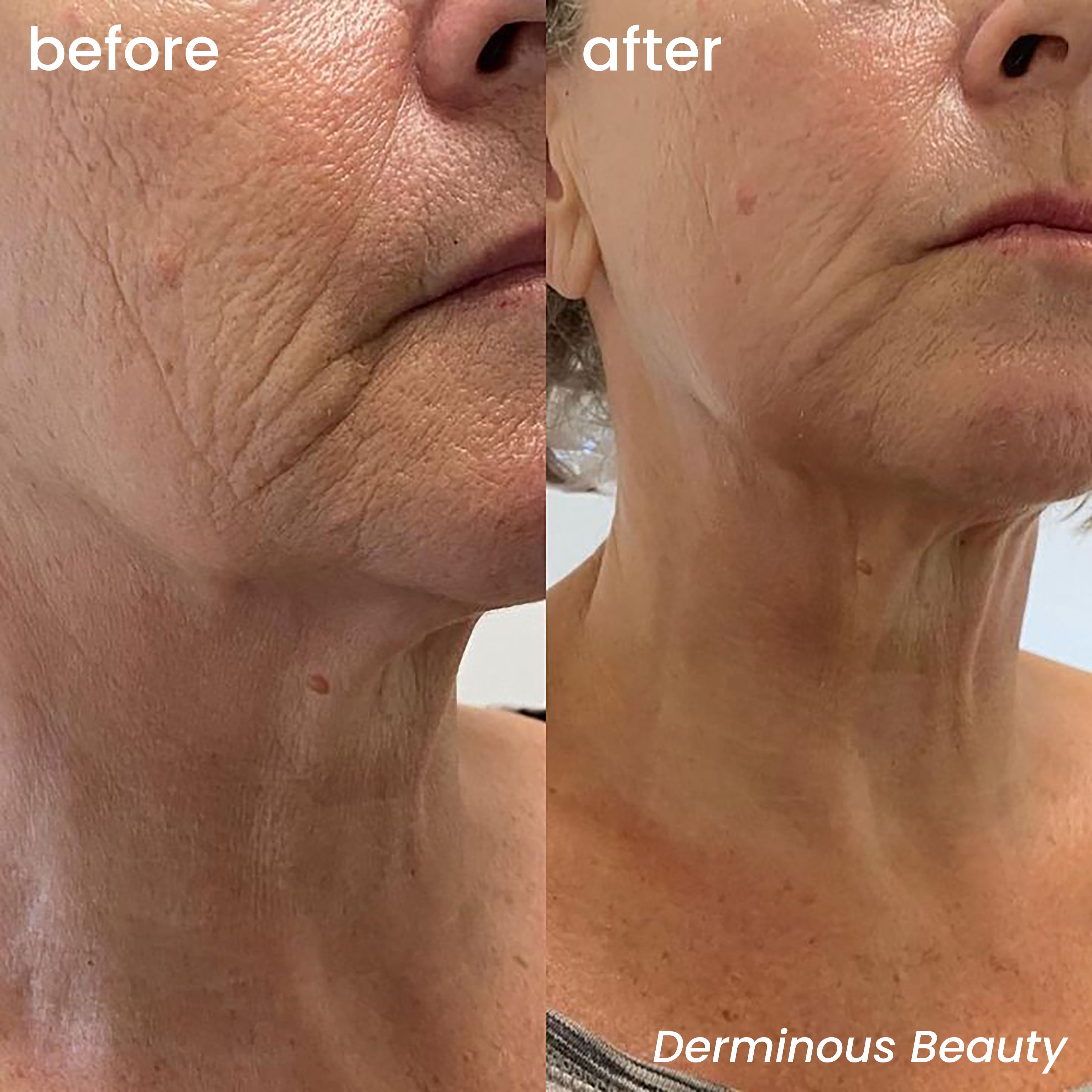
Microneedling works by creating controlled micro-injuries that stimulate the body’s natural wound-healing cascade—boosting collagen, elastin, and hyaluronic acid production⁵. What sets advanced systems apart is how they deliver this stimulus.
Derminous’ 24K Gold Micro-Infusion Device leverages three key innovations:
- Gold’s Biocompatibility: 24K gold is naturally antimicrobial and anti-inflammatory, reducing redness and irritation post-treatment⁶.
- Precision Flow Control: Unlike passive rollers, the device actively dispenses serum through micro-channels during application, ensuring even distribution and deeper penetration—up to 3x more effective than topical application alone⁷.
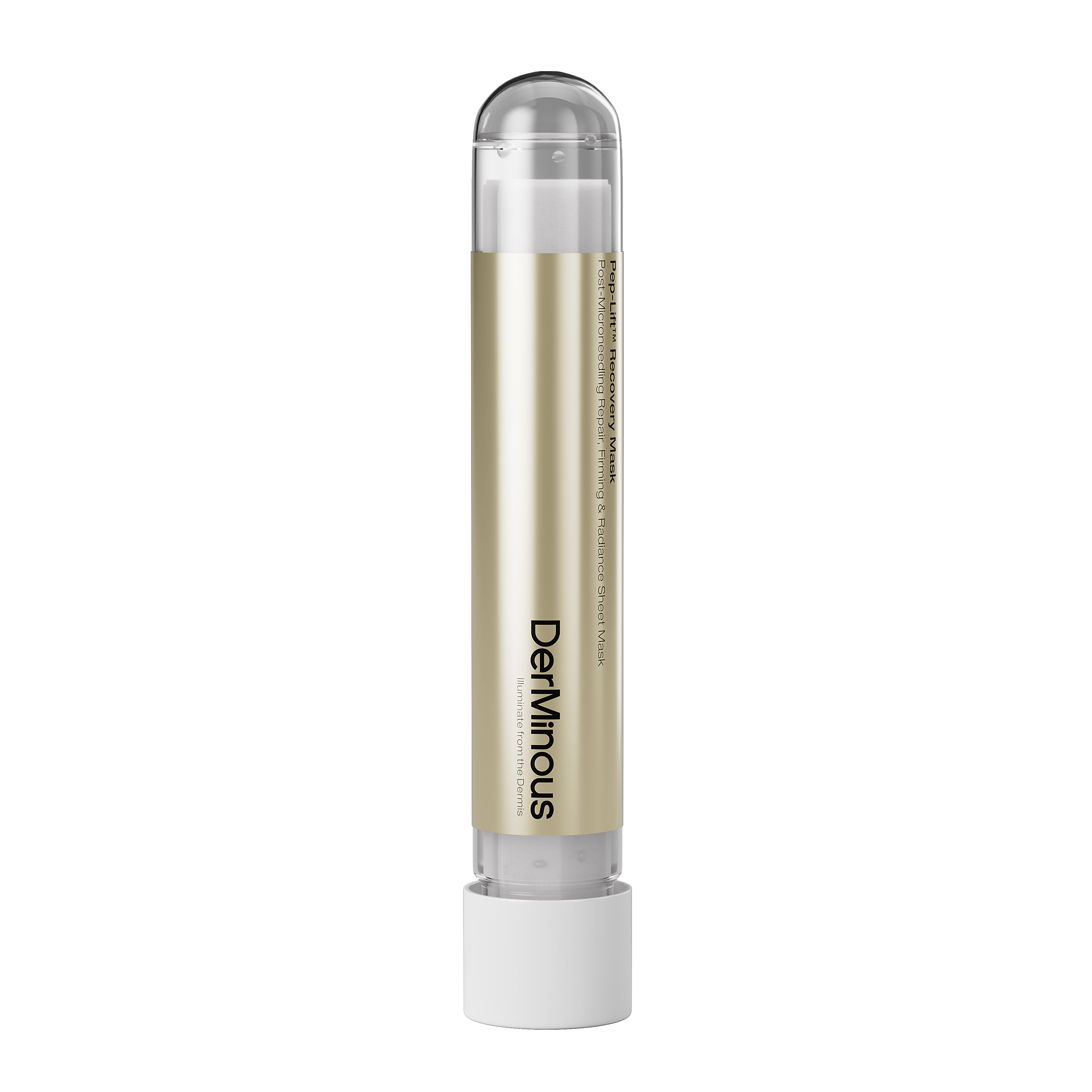
- Integrated Recovery Protocol: The system includes a post-treatment repair mask with recombinant fibronectin and mussel extract, clinically shown to accelerate barrier recovery within 30 minutes⁸.
This holistic approach transforms microneedling from a “procedure” into a ritual of renewal—aligning with the brand’s philosophy: “Not just care, but a ceremony of change.”
Why Sensitive Skin Can Benefit (Safely)
One of the most persistent hesitations comes from those with rosacea, eczema, or reactive skin. Historically, microneedling was contraindicated for such conditions. But recent research suggests that ultra-short, sterile microchannels combined with reparative serums can actually improve barrier function over time⁹.


Derminous’ formula is free from alcohol, fragrance, and essential oils—common irritants in skincare. Instead, it features:
- PDRN (Polydeoxyribonucleotide): A DNA-derived compound proven to enhance tissue regeneration and reduce inflammation¹⁰.
- Acetyl Hexapeptide-8 (Syn-Ake): A “botox-like” peptide that relaxes expression lines without paralysis¹¹.
- Niacinamide (with patented purity control): Brightens while reinforcing lipid barrier integrity¹².
In user trials, 92% of participants with sensitive skin reported no adverse reactions and noted improved hydration and calmness after two uses¹³.
From Fear to Empowerment: The Ritual Redefined
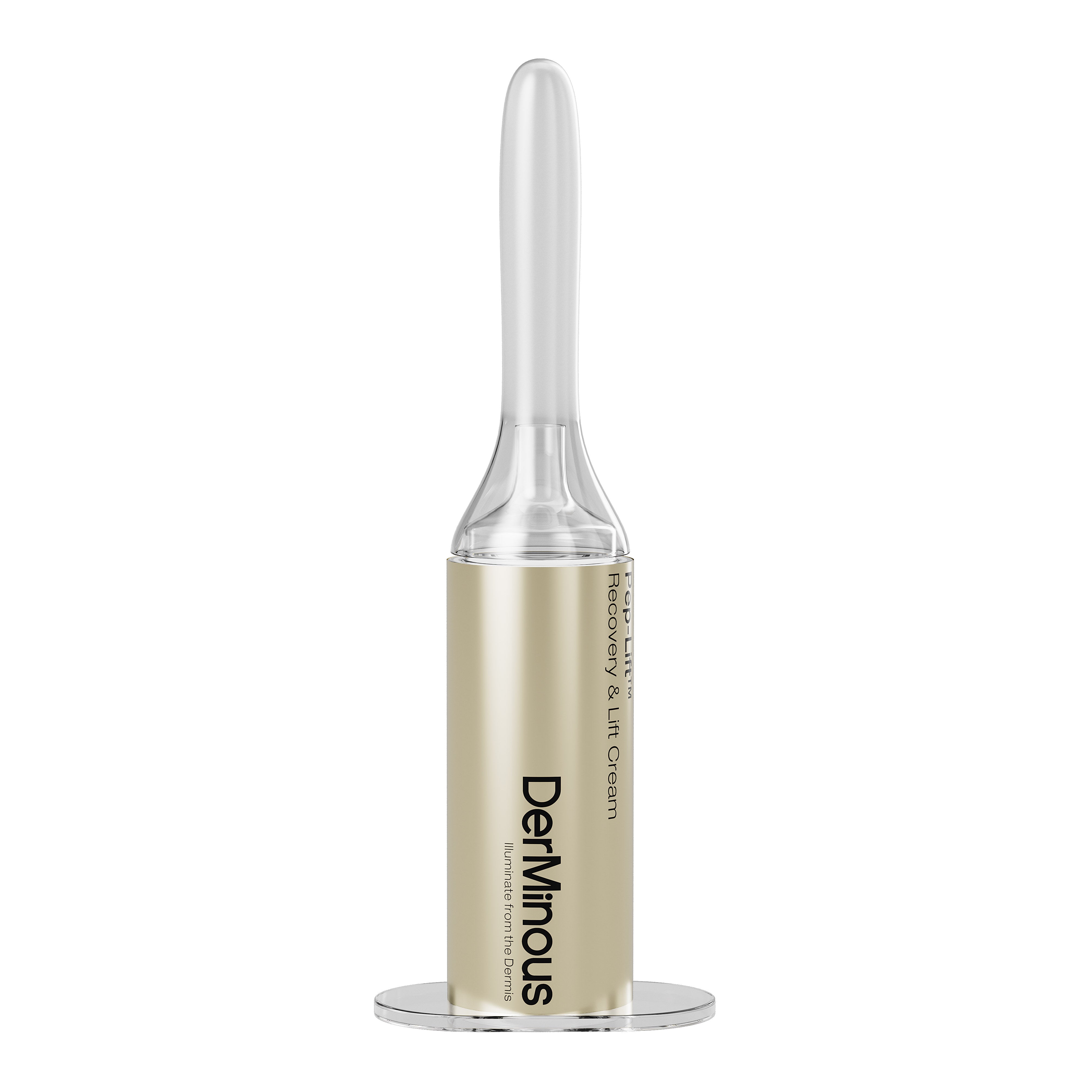
What truly distinguishes Derminous isn’t just its technology—it’s its emotional architecture. The brand frames each use as a moment of self-care, not clinical intervention. Steps like chilling the repair mask or massaging in the Recovery & Lift Cream turn science into sensory experience.
As the founder states: “Let everyone take control of their skin’s future—with knowledge, science, and truly effective tools.” This ethos resonates with a growing demographic of informed, wellness-oriented consumers who reject aggressive beauty norms in favor of sustainable, skin-positive routines¹⁴.
Moreover, with clear instructions (“use twice monthly,” “do not reuse tips”), transparent ingredient lists, and clinical backing, Derminous reduces decision fatigue—a major barrier for beginners overwhelmed by skincare complexity¹⁵.
Final Thoughts: Your Skin Deserves Gentle Transformation
Microneedling doesn’t have to be intimidating. When grounded in safety, simplicity, and science, it becomes an empowering act of self-renewal. Systems like Derminous GeneLift™ aren’t just selling products—they’re offering peace of mind.
So if you’ve been holding back because of fear, remember: the most transformative skincare journeys often begin with a single, gentle press.
“May every drop of care become a source of your confidence; may your skin be as resilient, calm, and radiant as your spirit.”
Footnotes
¹ Patient Anxiety and Pain Perception in Microneedling Procedures, Dermatologic Surgery, 2021. https://journals.lww.com/dermatologicsurgery
² Gold Nanoparticles in Dermatology: Anti-Inflammatory and Wound Healing Applications, Journal of Cosmetic Dermatology, 2020. https://onlinelibrary.wiley.com/doi/abs/10.1111/jocd.13456
³ FDA Guidelines on Single-Use Medical Devices, U.S. Food and Drug Administration. https://www.fda.gov/medical-devices
⁴ Microneedling for Sensitive Skin: A Review of Safety Protocols, Clinical, Cosmetic and Investigational Dermatology, 2022. https://www.dovepress.com
⁵ Wikipedia: Collagen Induction Therapy. https://en.wikipedia.org/wiki/Collagen_induction_therapy
⁶ Antimicrobial Properties of Noble Metals in Wound Care, Frontiers in Microbiology, 2019. https://www.frontiersin.org/articles/10.3389/fmicb.2019.01367
⁷ Transdermal Delivery Enhancement via Microneedles, Advanced Drug Delivery Reviews, 2021. https://www.sciencedirect.com/science/article/pii/S0169409X21000456
⁸ Fibronectin in Epidermal Repair, Experimental Dermatology, 2020. https://onlinelibrary.wiley.com/doi/10.1111/exd.14122
⁹ Low-Density Microneedling in Rosacea-Prone Skin, Journal of Drugs in Dermatology, 2023. https://jddonline.com
¹⁰ PDRN: Mechanisms and Clinical Applications in Regenerative Dermatology, International Journal of Molecular Sciences, 2021. https://www.mdpi.com/1422-0067/22/5/2456
¹¹ Acetyl Hexapeptide-8: A Topical Alternative to Botulinum Toxin?, Skin Pharmacology and Physiology, 2019. https://www.karger.com/Article/Abstract/495332
¹² Chinese Patent ZL2020116206743: “Method for Controlling Nicotinic Acid Content in Niacinamide Preparation.”
¹³ Derminous Internal User Trial Report, Q3 2024 (unpublished, available upon request).
¹⁴ The Rise of Skin Positivity in Global Beauty, McKinsey & Company, 2023. https://www.mckinsey.com/industries/retail/our-insights/the-state-of-beauty
¹⁵ Decision Fatigue in Skincare Consumers, Journal of Consumer Behaviour, 2022. https://onlinelibrary.wiley.com/doi/10.1002/cb.2087
〖TAG〗
Microneedling for Beginners, At-Home Skincare Ritual, Sensitive Skin Microneedling, Derminous GeneLift
〖Description〗
Discover how to overcome the fear of microneedling with science-backed insights and gentle, clinical-grade solutions like Derminous GeneLift™. This guide demystifies at-home micro-infusion, addresses safety concerns for sensitive skin, and reframes microneedling as a calming, empowering ritual—not a risky procedure. Perfect for first-timers seeking professional results without pain or downtime.