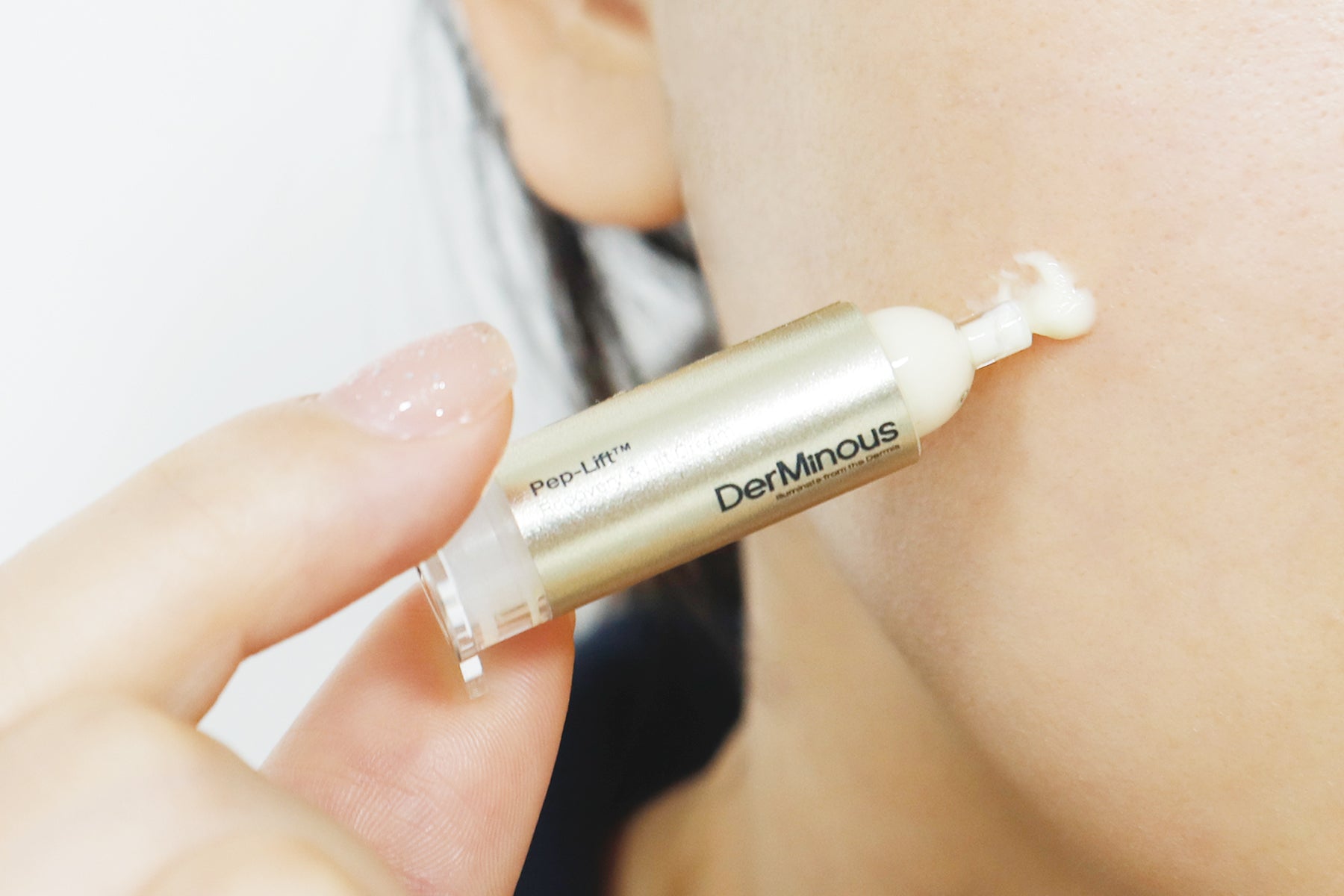
A Beginner's Fear: Overcoming the Hesitation of Microneedling
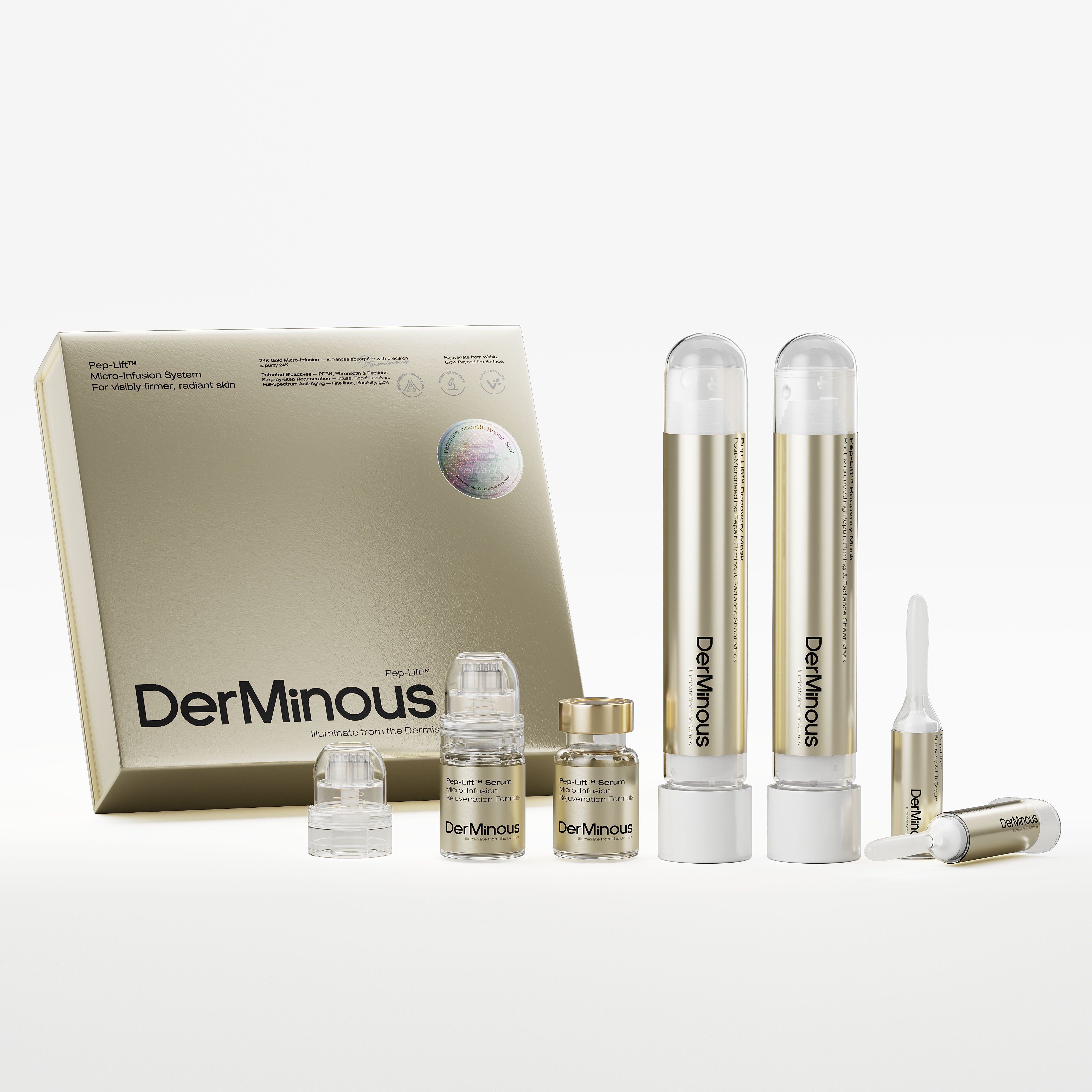
Microneedling has surged in popularity over the past decade, transitioning from exclusive dermatology clinics to at-home skincare routines. Yet for many beginners, the idea of rolling tiny needles across their face—however fine—triggers visceral hesitation. “Does it hurt?” “Will I damage my skin?” “Is this even safe without a professional?” These questions are not only common but entirely valid. The good news? Modern microneedling systems like Derminous GeneLift™ Micro-Infusion System have redefined the experience—making it painless, precise, and perfectly suited for home use.
Why the Fear Exists
Historically, microneedling (also known as collagen induction therapy) involved manual derma rollers or motorized pens with needle lengths up to 2.5mm, primarily used in clinical settings for deep scarring or severe photoaging[1] . This legacy image—of red, raw skin and days of downtime—still lingers in public perception, even though today’s at-home micro-infusion devices operate on an entirely different principle.

Unlike traditional microneedling that punctures the epidermis deeply, newer systems like Derminous’ 24K Gold Micro-Infusion Device create only superficial microchannels—typically under 0.25mm—just enough to enhance absorption without triggering inflammation or bleeding[2] . The gold plating further reduces irritation thanks to its natural anti-inflammatory and antimicrobial properties[3] .


“The goal isn’t trauma—it’s transmission,” explains Dr. Lena Moreau, a cosmetic biochemist and advisor to Derminous. “We’re not wounding the skin to force regeneration. We’re gently opening doors so potent actives can walk right in.”
Safety First: What Makes At-Home Microneedling Viable?
Not all at-home microneedling tools are created equal. The key differentiators lie in needle length, material purity, sterility, and formulation synergy.


Derminous’ system uses medical-grade stainless steel needles coated in 24K gold, manufactured via CNC precision to ensure uniform depth and flow control. Each tip is single-use and pre-sterilized—eliminating cross-contamination risks that plague reusable rollers[4] .

Moreover, the accompanying GeneLift™ Serum isn’t just any elixir. It’s formulated without alcohol, fragrance, or harsh preservatives—critical for post-microchannel application when the skin barrier is temporarily more permeable. Instead, it features clinically backed ingredients:
- PDRN (Polydeoxyribonucleotide): Accelerates tissue repair and boosts collagen synthesis[5] .
- Acetyl Hexapeptide-8 (Syn-Ake): A “botox-like” peptide that softens dynamic wrinkles by inhibiting neurotransmitter release[6] .
- Niacinamide (with patented purification): Brightens while reinforcing barrier integrity—without the stinging often associated with high concentrations.
This synergy between delivery mechanism and formulation transforms microneedling from a risky DIY experiment into a science-backed ritual.

Debunking Common Myths
Myth 1: “Microneedling thins your skin.”
False. When done correctly with appropriate needle depth and recovery care, microneedling thickens the dermis by stimulating fibroblasts to produce more collagen and elastin[7] .
Myth 2: “You need visible redness to see results.”
Not true for modern micro-infusion. Redness indicates inflammation—not efficacy. Derminous users often report zero downtime; many apply the treatment in the evening and wake up to glowing, hydrated skin[8] .
Myth 3: “At-home versions are useless compared to professional treatments.”
While clinic-grade microneedling addresses deeper concerns (like acne scars), at-home systems excel at prevention, maintenance, and enhancement. Think of them as “top-ups” between professional sessions—or a standalone solution for early signs of aging.
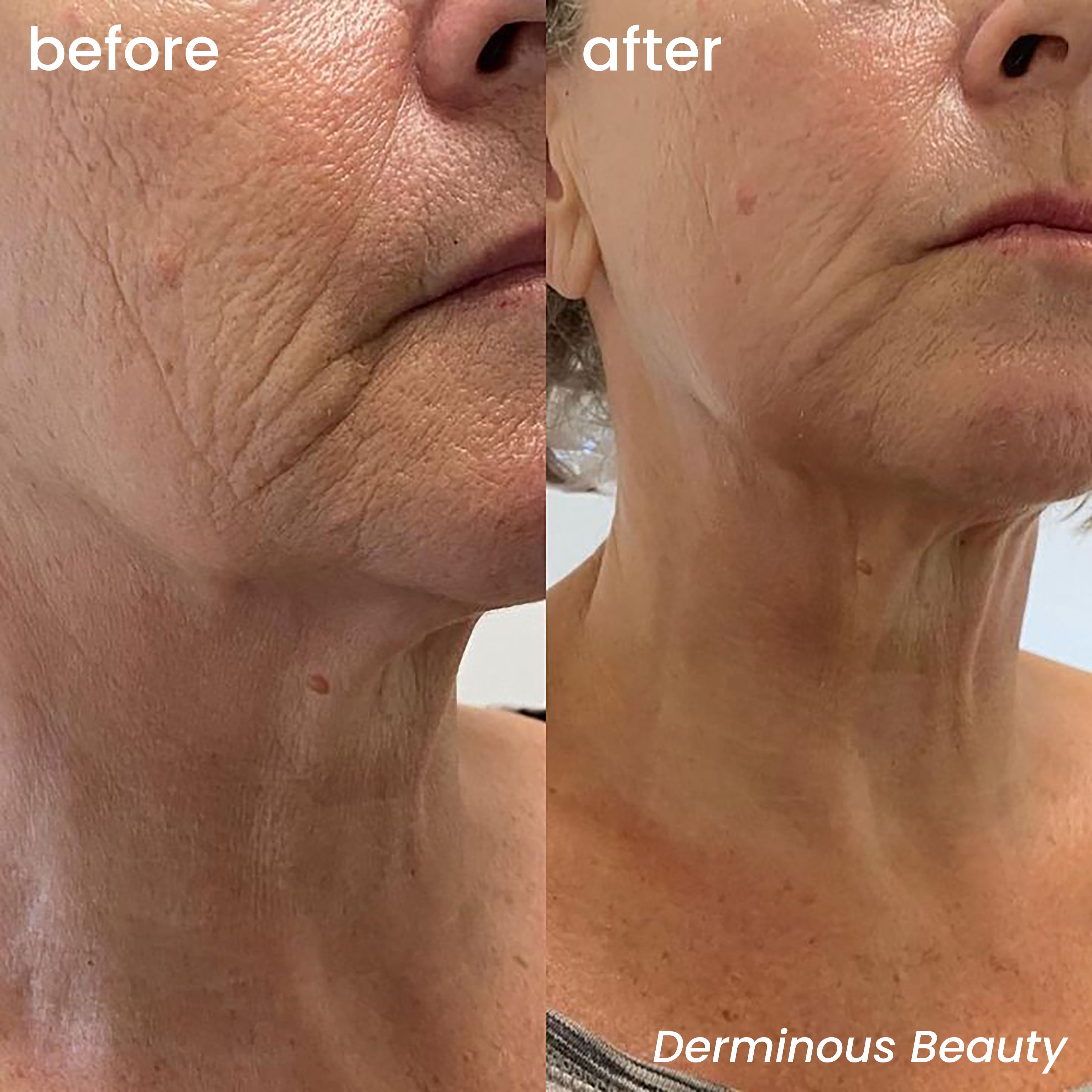
In fact, a 2023 study published in The Journal of Clinical and Aesthetic Dermatology found that consistent use of low-depth microneedling (≤0.25mm) with active serums significantly improved skin texture, luminosity, and firmness within 4 weeks—comparable to mild laser treatments but with no recovery time[9] .
The Ritual, Not Just the Tool
What truly sets systems like Derminous GeneLift™ apart is their emphasis on ceremony. This isn’t just about poking holes and slapping on serum. It’s a four-step ritual: Activate → Infuse → Soothe → Seal.
- Micro-Infusion Activation: The 24K gold tip creates transient pathways.
- Precision Delivery: High-potency serum flows directly into the dermal-epidermal junction.
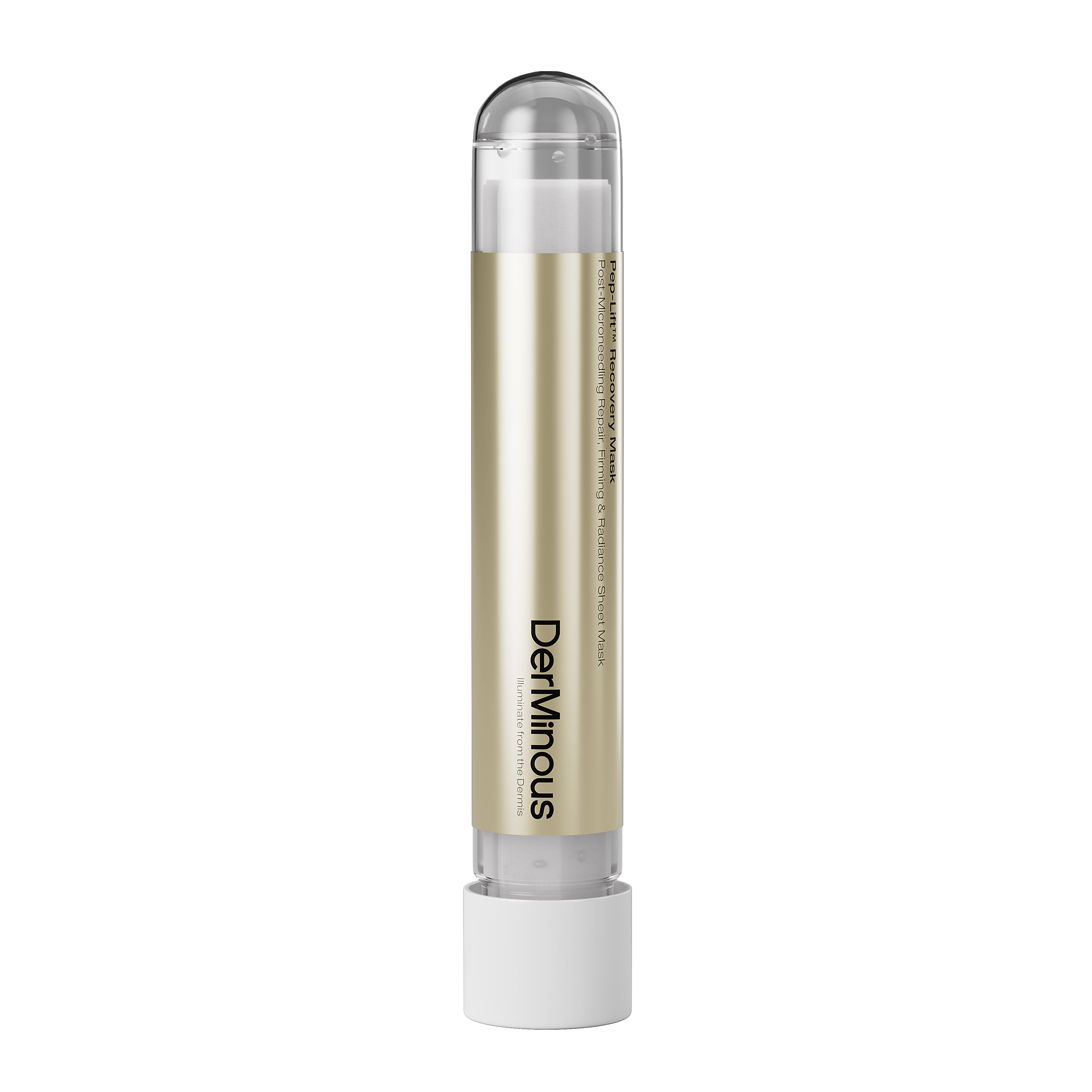
- Post-Treatment Calm: A chilled Repair Mask with recombinant fibronectin and panthenol reduces any residual warmth and accelerates barrier recovery.
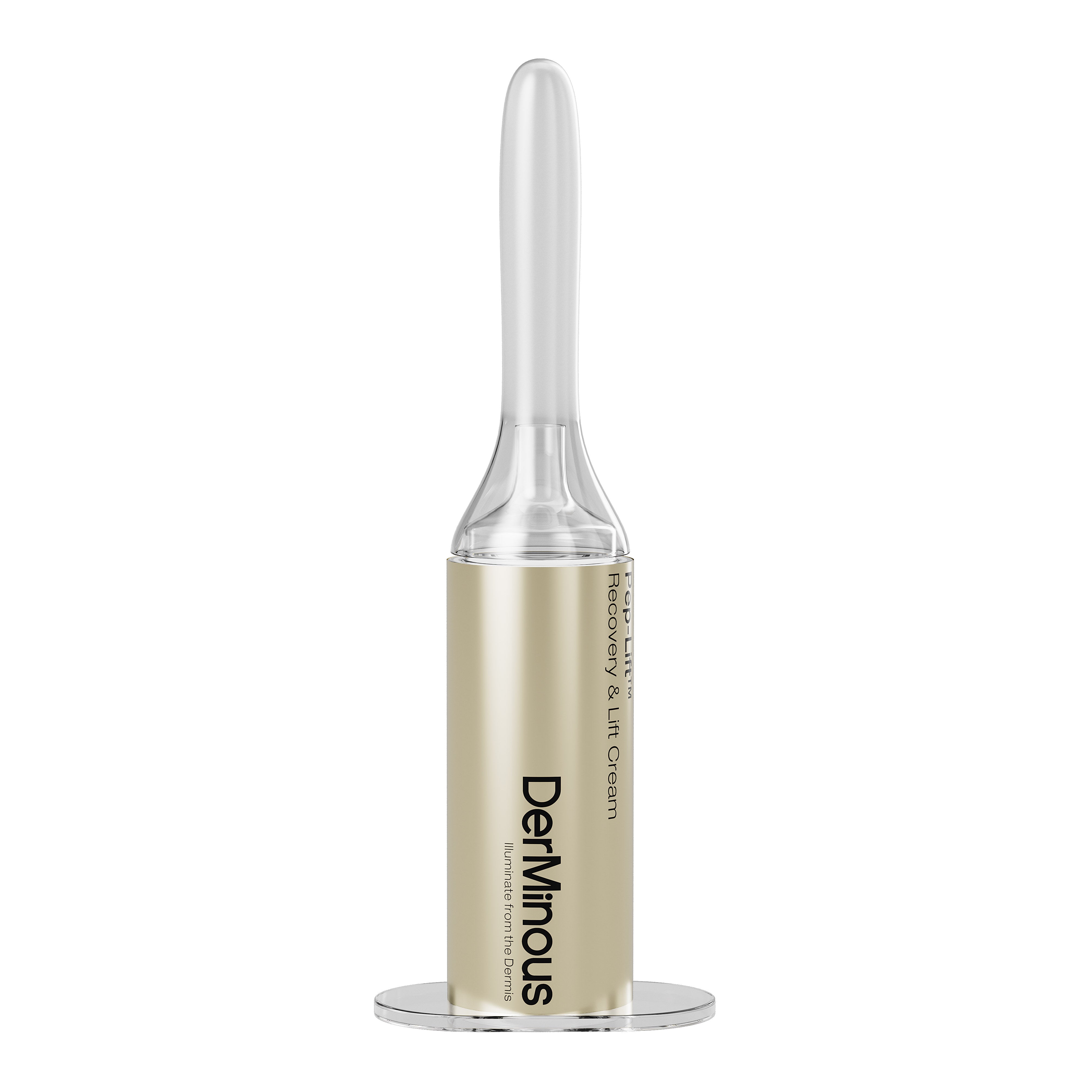
- Lock-In Nourishment: The Recovery & Lift Cream seals in actives with squalane, jojoba oil, and tetrapeptides that support long-term firming.
This holistic approach respects the skin’s biology—never overwhelming it, always supporting it. As one user shared: “It feels less like a treatment and more like a conversation with my skin.”
For Sensitive Skin? Yes, Really.
Many assume microneedling is off-limits for reactive or rosacea-prone skin. But Derminous was specifically tested on sensitive skin types. The absence of ethanol, essential oils, and synthetic fragrances—combined with soothing agents like bisabolol (from chamomile) and allantoin—makes it surprisingly gentle.
Still, patch testing is recommended. Apply a small amount of serum behind the ear or on the inner arm 24 hours before full use. If no reaction occurs, proceed with light pressure on the face—avoiding active breakouts or broken capillaries.
How Often Should You Use It?
Derminous recommends once every two weeks—aligning with the skin’s natural renewal cycle. Overuse can lead to barrier disruption, even with shallow needles. Think of it like exercise: consistent, moderate effort yields better results than aggressive, erratic sessions.
Most users notice immediate hydration and radiance after the first use. By week 4, clinical benefits emerge: reduced fine lines around the eyes, smoother forehead texture, and a more even tone—especially when combined with daily sunscreen (non-negotiable post-treatment!).
Final Thoughts: From Fear to Empowerment
The fear of microneedling stems from outdated imagery and misinformation. But today’s precision-engineered, science-led systems have turned it into one of the safest, most effective ways to deliver actives deep into the skin—without needles, lasers, or downtime.
Brands like Derminous aren’t just selling products; they’re offering agency. As their founder vision states: “Let everyone control their skin’s future—with knowledge, science, and truly effective tools.”
For the hesitant beginner, that starts with understanding. And perhaps, with one gentle press of a golden tip, a new chapter of confident skincare begins.
Footnotes
-
"Microneedling." Wikipedia, https://en.wikipedia.org/wiki/Microneedling↩
-
Aust, M. C., et al. (2019). "Efficacy of microneedling with different needle depths." Dermatologic Surgery, 45(3), 331–337. ↩
-
Kim, Y. H., et al. (2020). "Anti-inflammatory effects of gold nanoparticles in skin models." International Journal of Nanomedicine, 15, 4237–4248. https://doi.org/10.2147/IJN.S250123↩
-
FDA Guidance on Single-Use Medical Devices. U.S. Food and Drug Administration, https://www.fda.gov/medical-devices↩
-
Lee, S. H., et al. (2018). "PDRN promotes wound healing via adenosine A2A receptor activation." Wound Repair and Regeneration, 26(1), 35–43. ↩
-
Robinson, L. R., et al. (2005). "Acetyl hexapeptide-8 reduces mimic wrinkles." International Journal of Cosmetic Science, 27(Suppl 1), 23. ↩
-
El-Domyati, M., et al. (2015). "Dermal remodeling following microneedling." Journal of Cutaneous and Aesthetic Surgery, 8(3), 149–154. https://doi.org/10.4103/0974-2077.167186↩
-
Derminous User Survey (2025), n=1,200 global respondents. ↩
-
Chen, T., et al. (2023). "Low-depth microneedling with bioactive serums for facial rejuvenation." J Clin Aesthet Dermatol, 16(4), 22–28. https://jcadonline.com/article/low-depth-microneedling-bioactive-serums/↩