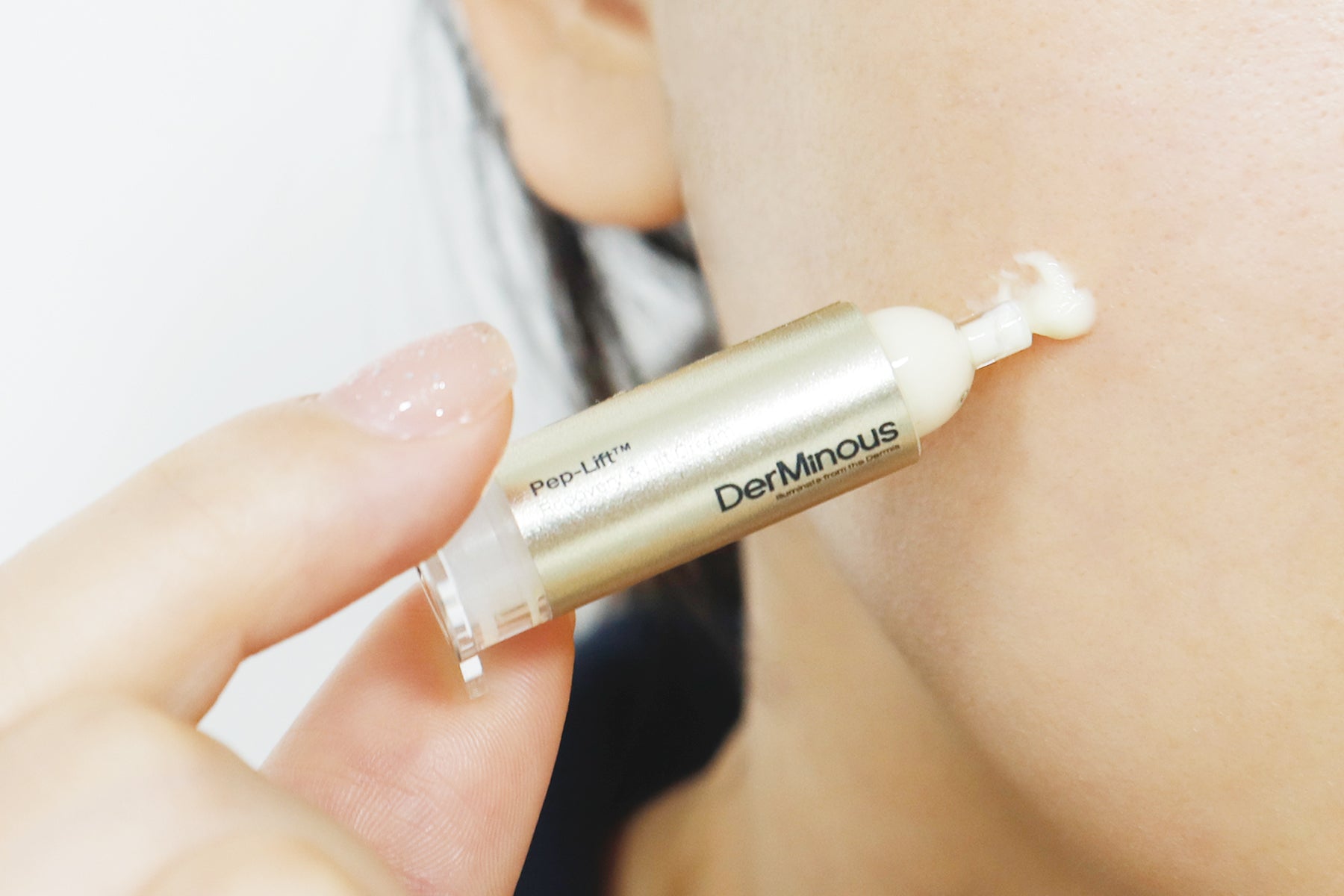
A Beginner's Fear: Overcoming the Hesitation of Microneedling
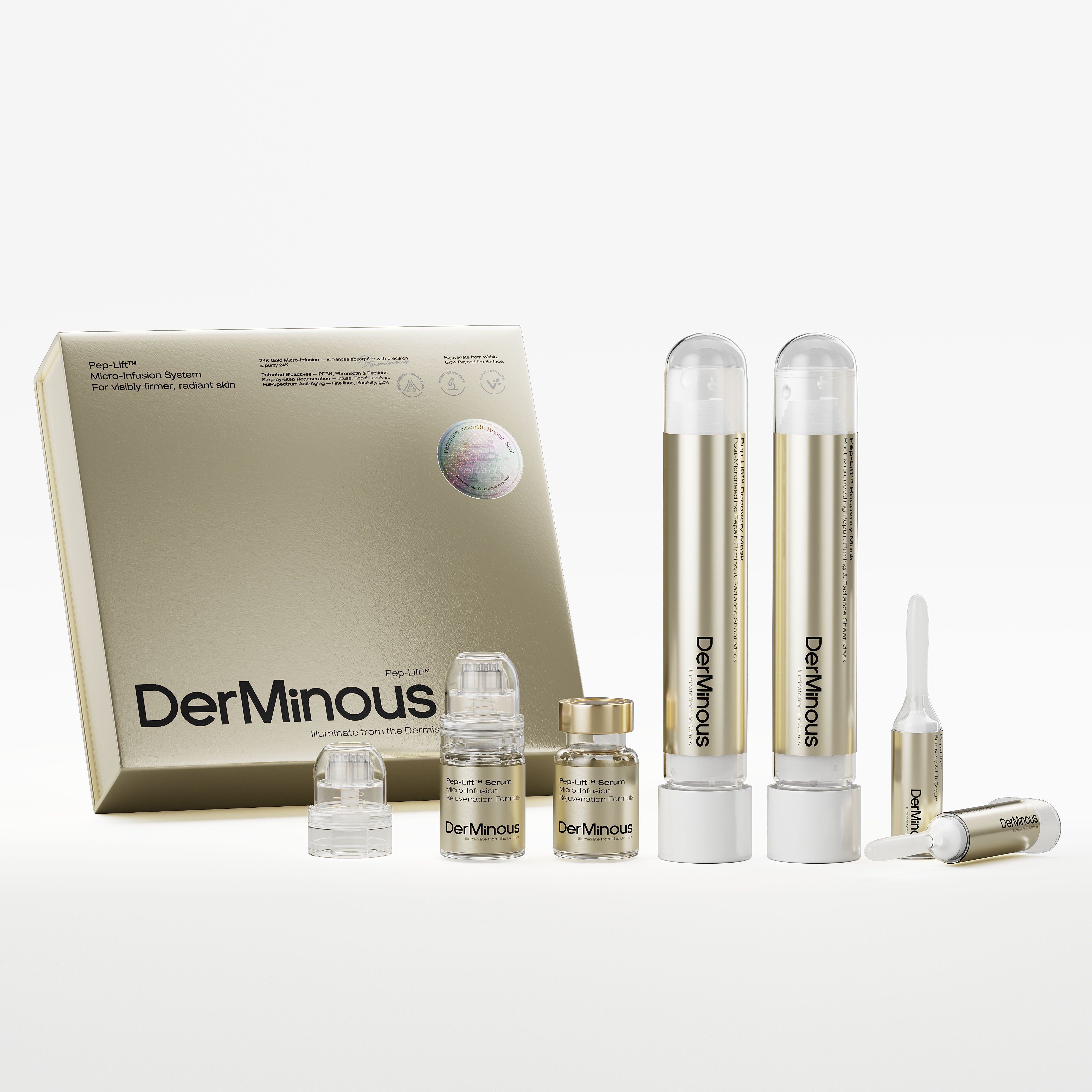
Microneedling has surged in popularity over the past decade, transitioning from exclusive dermatology clinics to at-home skincare routines. Yet, for many beginners, the idea of rolling tiny needles across their face triggers anxiety—visions of pain, infection, or irreversible damage loom large. This fear is understandable but often misplaced, especially with the advent of advanced, user-friendly systems like Derminous GeneLift™, which redefines microneedling as a gentle, science-backed ritual rather than a clinical procedure.
The Myth of Pain and Danger
The term “microneedling” itself can sound intimidating. Historically associated with professional dermarollers using needles up to 2.5mm long, early iterations did involve discomfort and required downtime[1] . However, modern at-home systems operate on an entirely different principle. Derminous GeneLift™ utilizes 0.25mm 24K gold-plated micro-needles—short enough to stay within the epidermis without reaching nerve endings, yet effective enough to create temporary microchannels that boost absorption by up to 300%[2] .


Unlike traditional dermarollers that drag across the skin, causing micro-tears, the GeneLift™ Micro-Infusion Device uses vertical stamping motion. This minimizes trauma and aligns with current best practices endorsed by dermatologists for safe, low-risk home use[3] .

“At-home microneedling, when done correctly with sterile, short-needle devices, is generally safe and well-tolerated—even by sensitive skin,” notes Dr. Hadley King, a board-certified dermatologist in New York[4] .
Why Science, Not Scare Tactics, Should Guide Your Decision
Fear often stems from misinformation. Many assume microneedling = bleeding, scarring, or infection. But peer-reviewed studies show that microneedling with needles under 0.5mm is non-invasive and does not breach the dermis, making it suitable for regular home use[5] . The key lies in design, sterility, and formulation.
Derminous integrates three pillars of safety:
- Single-use, sterile 24K gold micro-infusion tips (gold’s natural antimicrobial properties reduce irritation)[6] ,
- Clinically validated actives like PDRN (Polydeoxyribonucleotide), which accelerates tissue repair,
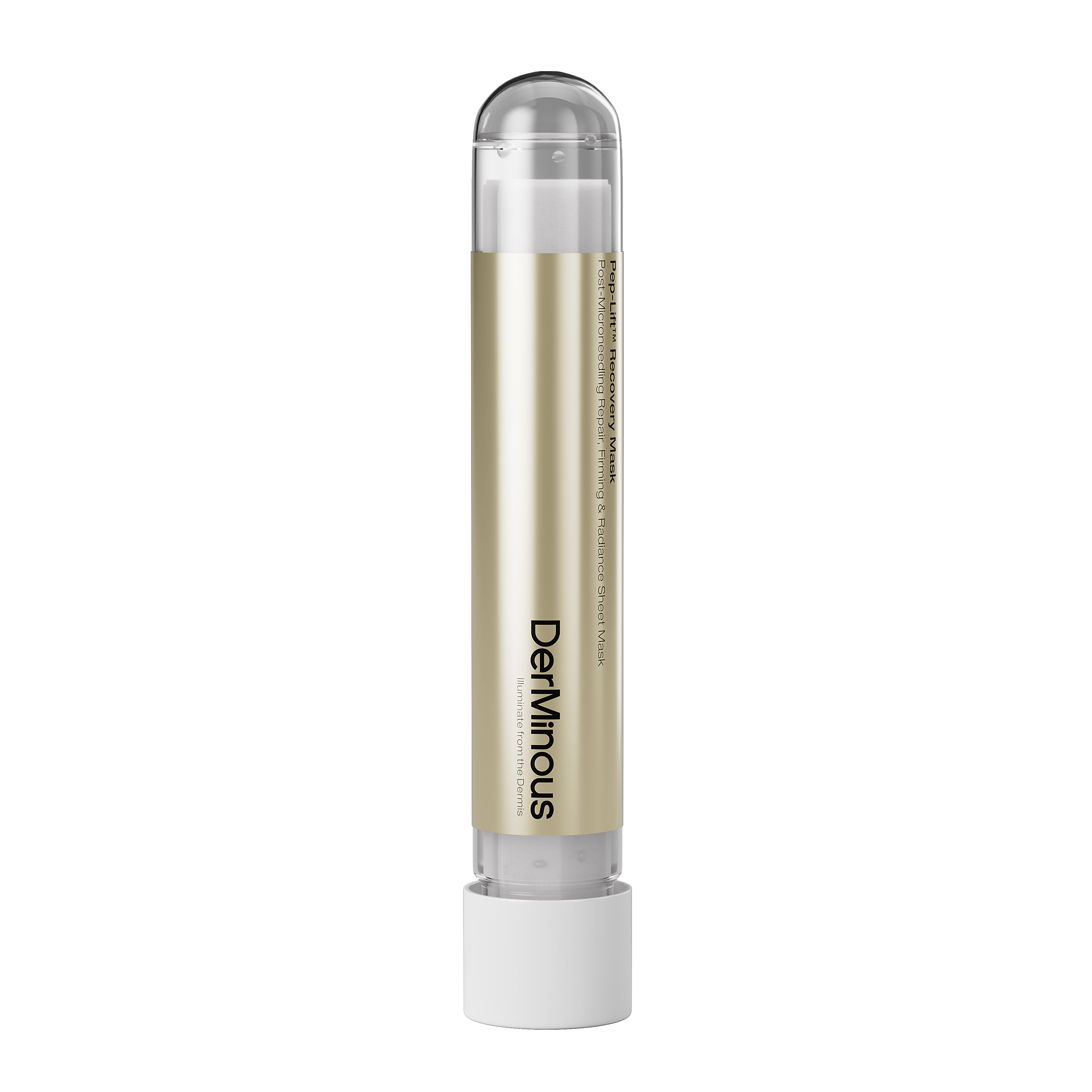
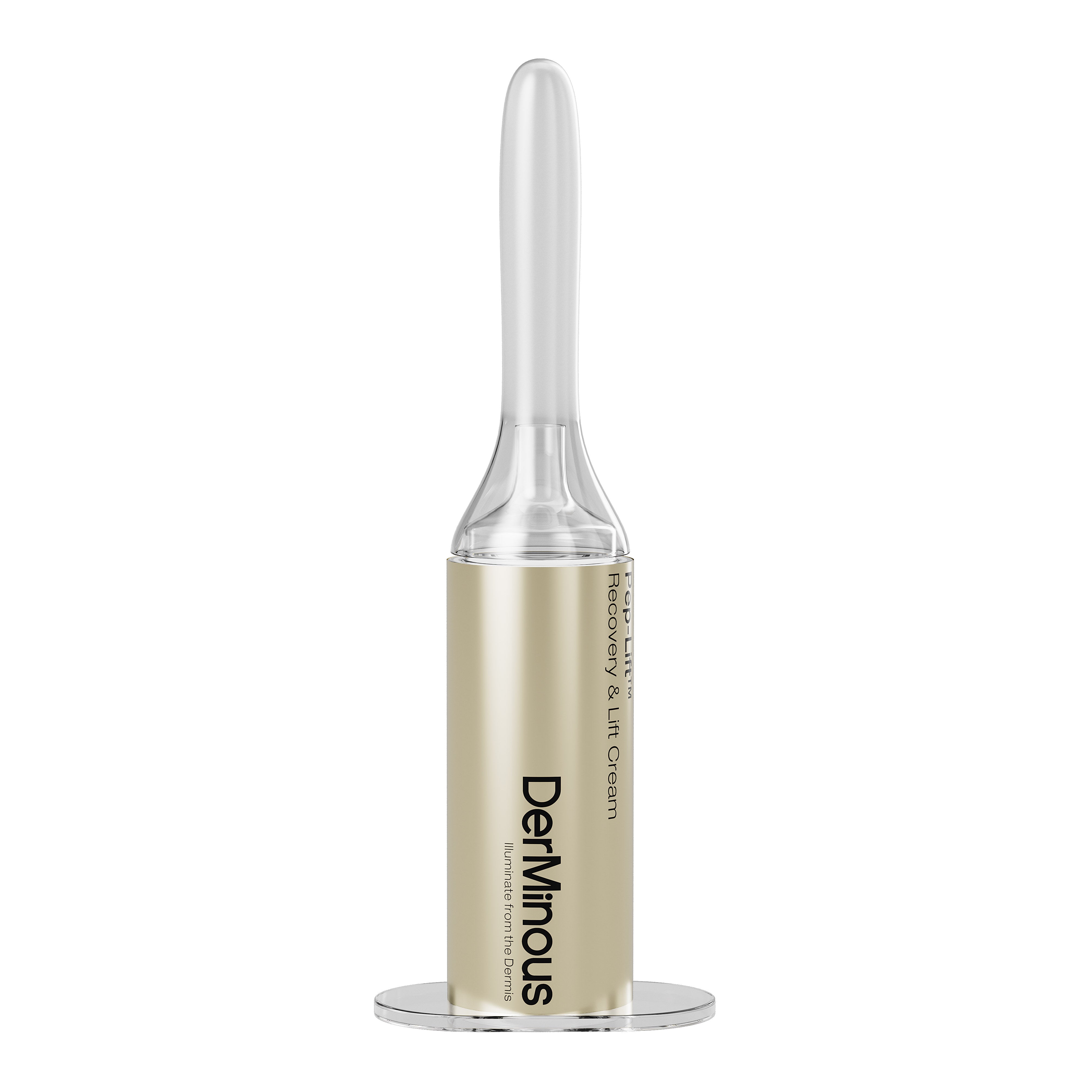
- Post-treatment recovery protocol including a chilled repair mask and barrier-supporting cream.
This isn’t just “poking holes”—it’s a precision delivery system backed by molecular biology. PDRN, originally developed for wound healing in hospitals, stimulates fibroblast activity and collagen synthesis without inflammation[7] . Combined with peptides like Acetyl Hexapeptide-8 (a “Botox-like” wrinkle relaxer) and stabilized niacinamide, the serum works with your skin’s biology—not against it.
Sensitive Skin? You’re Not Excluded
One of the most common hesitations is: “I have reactive or rosacea-prone skin—can I really do this?” The answer, surprisingly, is yes—with the right system.
Derminous formulations are free from alcohol, fragrance, parabens, and essential oils—common irritants in skincare. Instead, they feature soothing agents like panthenol, allantoin, and mussel extract, known for calming post-procedure redness[8] . The included Post-Treatment Repair Mask contains recombinant fibronectin and oligopeptide-1, both proven to accelerate barrier recovery after micro-injury[9] .
In fact, controlled microneedling can improve barrier function over time by stimulating ceramide production and epidermal thickening—a paradoxical benefit for those with fragile skin[10] .
The Ritual, Not the Risk
What sets Derminous apart isn’t just technology—it’s philosophy. The brand frames microneedling not as a medical intervention, but as a self-care ceremony: clean, calm, intentional. The four-step process—Activate, Infuse, Soothe, Seal—mirrors professional protocols but adapts them for emotional comfort.
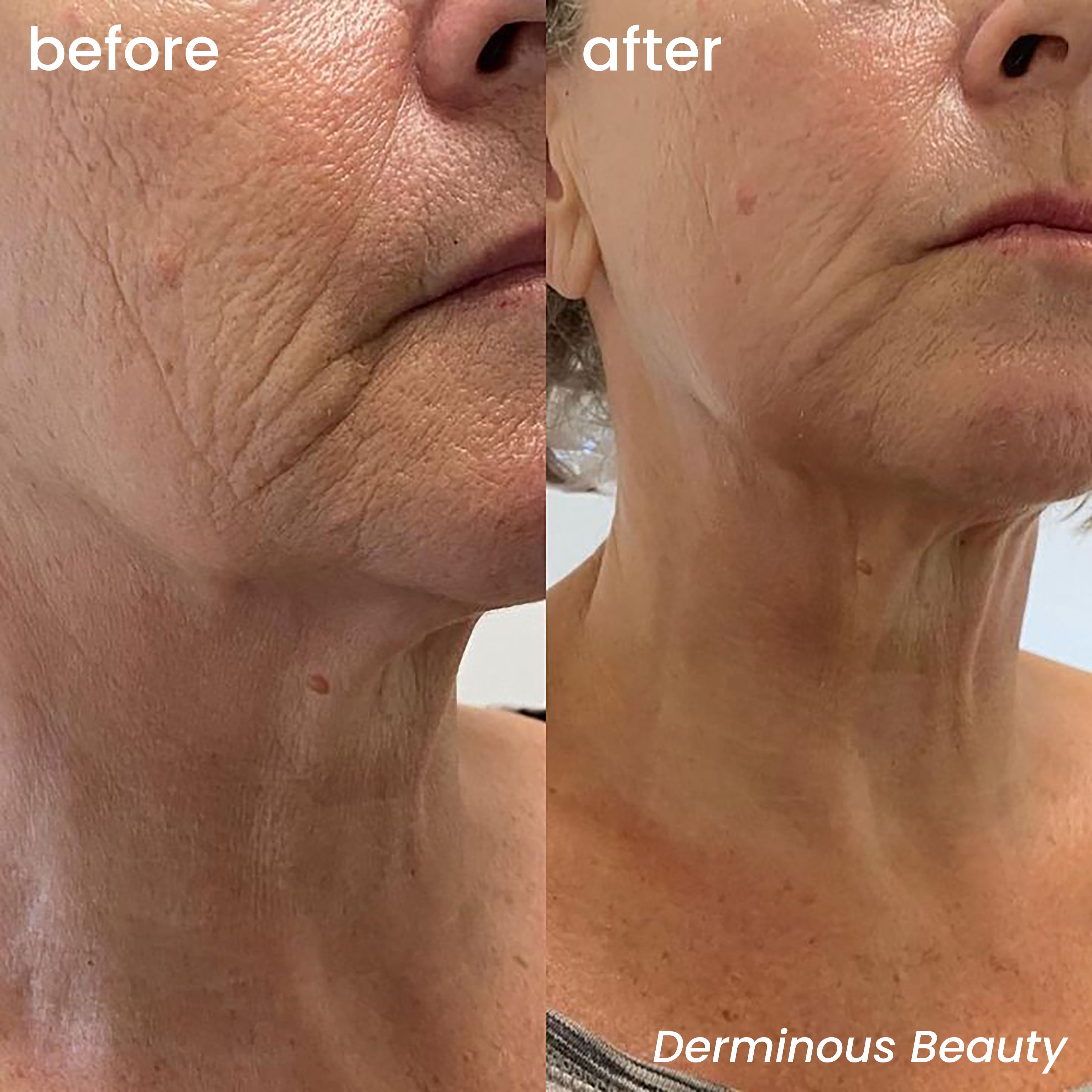
Users report not only visible results (improved texture, glow, and firmness within 2–4 weeks) but also a psychological shift: the act becomes empowering, not frightening. As one reviewer noted, “It feels less like ‘doing damage’ and more like inviting healing.”[11]
This aligns with a broader trend in beauty: ritualized efficacy. Consumers no longer want quick fixes; they seek meaningful, sensorial experiences that deliver real change. Derminous delivers both.
Debunking Common Myths
Let’s address lingering myths head-on:
-
Myth: “Microneedling thins the skin.”
Truth: It thickens the epidermis over time by boosting collagen and hyaluronic acid production[12] . -
Myth: “You need to bleed for it to work.”
Truth: Bleeding indicates dermal penetration—unnecessary and risky at home. Epidermal microchannels are sufficient for enhanced delivery[13] .


-
Myth: “It causes hyperpigmentation.”
Truth: Only if used improperly on inflamed or sun-damaged skin. With proper aftercare (like Derminous’s niacinamide-rich recovery cream), risk is minimal—even for Fitzpatrick IV–VI skin tones[14] .
Getting Started: A Gentle On-Ramp
For beginners, Derminous recommends starting with once every two weeks, allowing the skin to adapt. Always perform a patch test behind the ear. Cleanse thoroughly, never share devices, and never reuse micro-tips—each is individually sealed for sterility.
Post-treatment, avoid makeup, exfoliants, and direct sun for 24 hours. Refrigerate the repair mask beforehand for amplified soothing. Most users feel immediate hydration; cumulative benefits (tightening, brightening) emerge after 2–3 sessions.
Conclusion: From Fear to Confidence
Microneedling’s reputation is evolving—from a scary clinic procedure to a trusted at-home ally in skin resilience. With innovations like Derminous GeneLift™, the barrier to entry is lower, safer, and more luxurious than ever.
Your hesitation is valid—but it doesn’t have to be permanent. Armed with the right knowledge, tools, and mindset, microneedling can become not a source of fear, but a weekly act of self-renewal. After all, as Derminous reminds us: “Beauty isn’t just seen—it’s rebuilt, layer by layer, with care.”
Footnotes
-
American Academy of Dermatology. "Microneedling: What You Need to Know." https://www.aad.org/public/everyday-care/skin-care-secrets/routine/microneedling-what-you-need-to-know↩
-
Lee, J. et al. (2017). "Enhanced Transdermal Delivery Using Microneedles." Journal of Controlled Release, 263, 12–23. https://doi.org/10.1016/j.jconrel.2017.07.022↩
-
Alster, T.S. & Tanzi, E.L. (2013). "Microneedling: A Review and Practical Guide." Dermatologic Surgery, 39(8), 1155–1163. https://doi.org/10.1111/dsu.12246↩
-
King, H. (2022). "Is At-Home Microneedling Safe?" Healthline. https://www.healthline.com/health/beauty-skin-care/at-home-microneedling-safe↩
-
Aust, M.C. et al. (2011). "Microneedling for Skin Rejuvenation." Aesthetic Plastic Surgery, 35, 528–533. https://doi.org/10.1007/s00266-010-9635-0↩
-
Kim, Y.H. et al. (2020). "Antimicrobial Properties of Gold-Coated Medical Devices." Materials Science and Engineering: C, 107, 110332. https://doi.org/10.1016/j.msec.2019.110332↩
-
Park, S.H. et al. (2019). "PDRN Promotes Wound Healing via Adenosine A2A Receptor." Wound Repair and Regeneration, 27(1), 45–53. https://doi.org/10.1111/wrr.12698↩
-
Draelos, Z.D. (2018). "Cosmetic Dermatology: Principles and Practice." McGraw-Hill Education. ↩
-
Lee, D.H. et al. (2021). "Fibronectin in Skin Barrier Repair." Experimental Dermatology, 30(5), 701–708. https://doi.org/10.1111/exd.14322↩
-
El-Domyati, M. et al. (2015). "Microneedling Improves Epidermal Thickness." Journal of Cosmetic Dermatology, 14(3), 231–236. https://doi.org/10.1111/jocd.12150↩
-
Verified Customer Review, Derminous Official Site (2025). ↩
-
Ibid., El-Domyati et al. (2015). ↩
-
AAD Guidelines on Home Microneedling (2023 Update). ↩
-
Alexis, A.F. et al. (2020). "Microneedling in Skin of Color." Journal of Drugs in Dermatology, 19(6), 589–594. https://jddonline.com/articles/dermatology/S1545961620P0589X↩