A Beginner's Fear: Overcoming the Hesitation of Microneedling
Microneedling has surged in popularity over the past decade, transitioning from a clinical-only procedure to an accessible at-home ritual. Yet, for many newcomers—especially those unfamiliar with skincare science—the idea of rolling tiny needles across their face can feel more like self-harm than self-care. This fear is understandable. After all, who wouldn’t flinch at the thought of puncturing their skin, even microscopically? But what if microneedling could be safe, painless, and transformative—all without stepping into a dermatologist’s office?
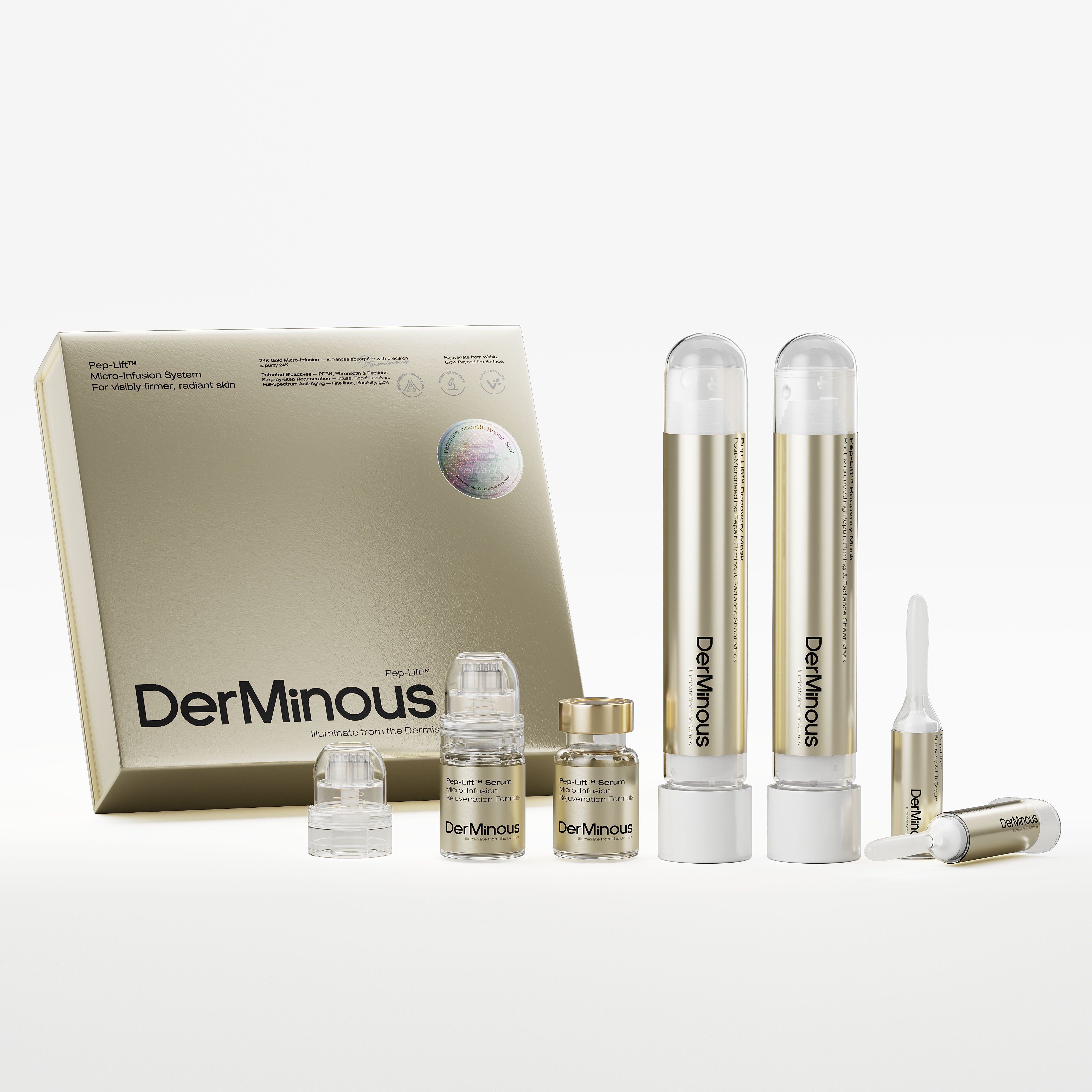
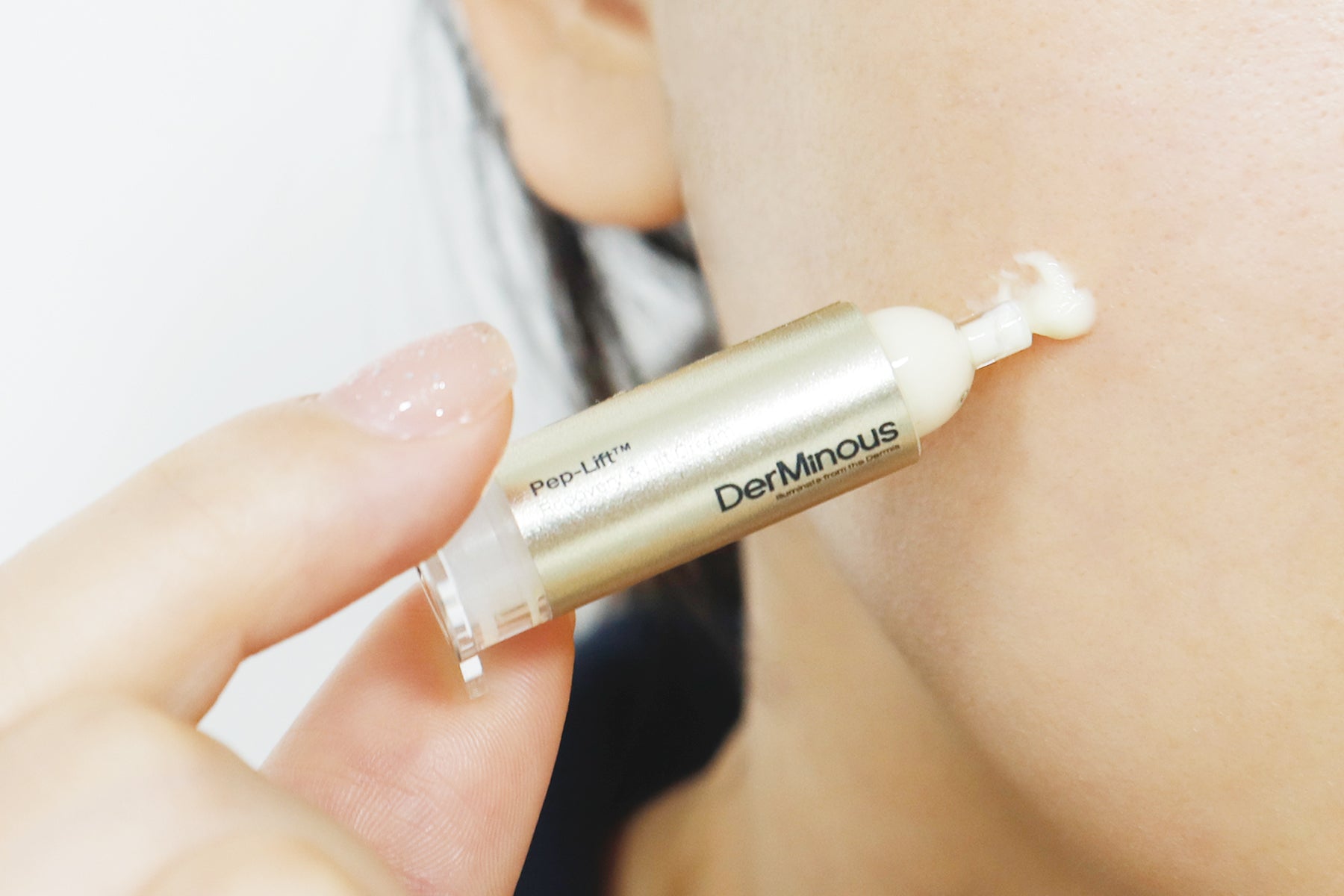
Enter innovations like Derminous GeneLift™ Micro-Infusion System, a clinically inspired, at-home solution that redefines how we approach skin renewal. Designed with precision engineering, medical-grade materials, and soothing post-treatment protocols, it bridges the gap between professional efficacy and home convenience—without compromising safety or comfort.


Understanding the Fear
The hesitation around microneedling often stems from misconceptions. Many assume it involves deep, painful punctures akin to tattooing or dermal fillers. In reality, modern microneedling—particularly micro-infusion systems like Derminous GeneLift™—uses ultra-fine, 24K gold-coated needles (typically 0.2–0.3mm in length) that create temporary microchannels in the stratum corneum, the outermost layer of skin, without reaching nerve endings[1] . This process is virtually painless and leaves no visible wounds.

Moreover, unlike traditional dermarollers with inconsistent needle depths and hygiene risks, advanced systems now integrate sterile, single-use applicators and controlled delivery mechanisms. The Derminous device, for instance, combines microchannel creation with immediate serum infusion—ensuring active ingredients like PDRN, peptides, and niacinamide penetrate deeply where they’re most effective[2] .

Why Microneedling Works: Science Over Scare
At its core, microneedling leverages the body’s natural healing response. By creating controlled micro-injuries, it triggers collagen and elastin production—a process known as collagen induction therapy (CIT)[3] . Studies show that even minimal epidermal disruption can significantly boost skin thickness, texture, and luminosity within weeks[4] .


What sets Derminous apart is its triple-action formula:
- PDRN (Polydeoxyribonucleotide): A regenerative compound derived from salmon DNA that accelerates tissue repair and reduces inflammation[5] .
- Acetyl Hexapeptide-8 (“Syn-Ake”): A peptide mimicking snake venom effects—relaxing muscle contractions to soften expression lines without paralysis[6] .
- Patented Niacinamide: Enhanced for stability and gentleness, targeting hyperpigmentation and barrier support without irritation[7] .
These aren’t just buzzwords—they’re clinically validated actives delivered precisely where needed, thanks to the micro-infusion technology.

Safety First: Addressing Real Concerns
For beginners, safety is non-negotiable. Common worries include infection, scarring, or worsening sensitivity. These risks are real—but only when protocols are ignored. Reputable at-home systems mitigate them through design:
- Single-use, sterile tips: Prevent cross-contamination and bacterial growth.
- Gold-coated needles: Gold’s natural antimicrobial properties reduce redness and irritation[8] .
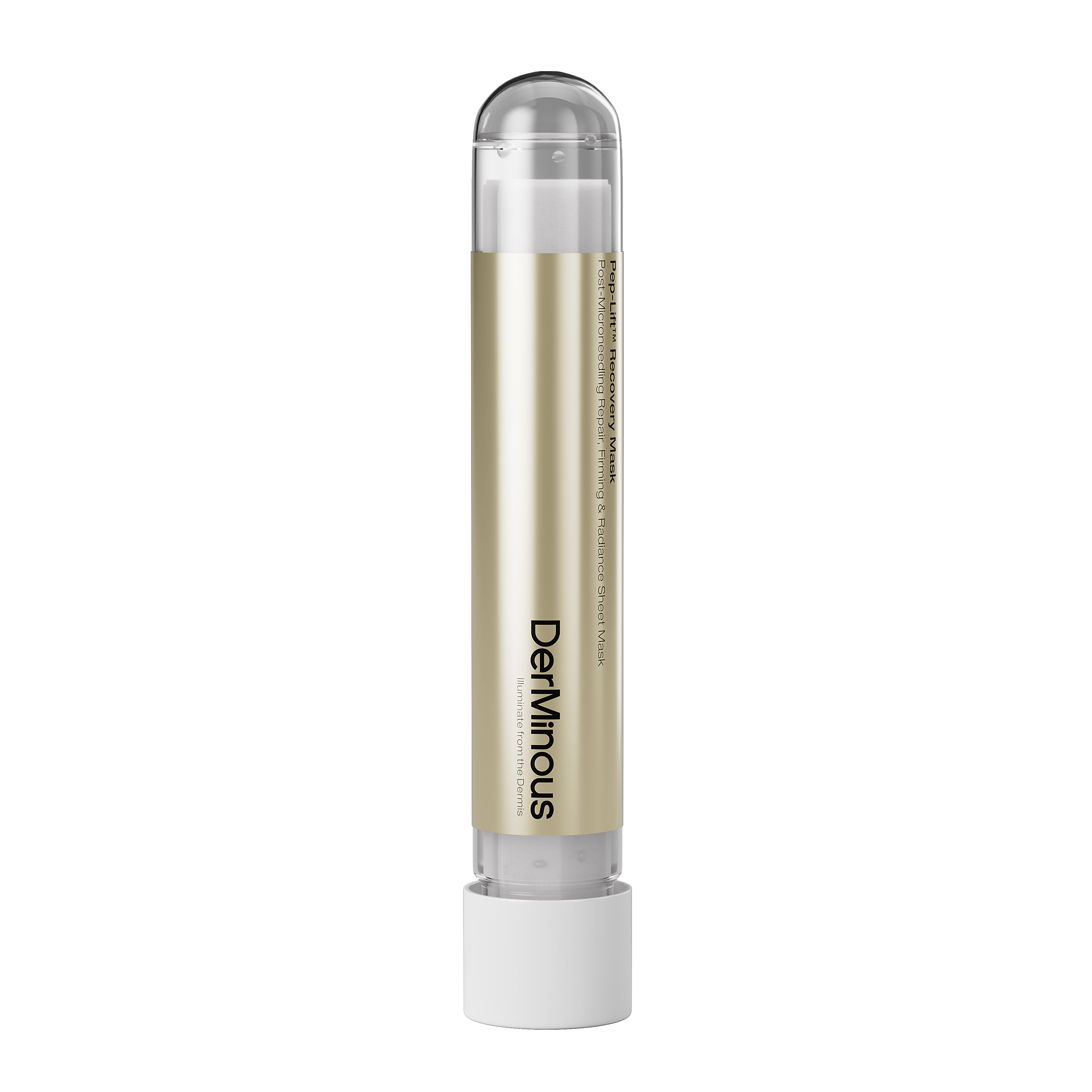
- Post-treatment recovery mask: Infused with fibronectin, panthenol, and centella asiatica to calm, hydrate, and reinforce the barrier immediately after treatment.
Derminous explicitly advises against reuse of micro-needles and recommends patch testing for sensitive skin—aligning with FDA and EU cosmetic safety guidelines[9] .
Crucially, the system avoids alcohol, fragrance, and harsh preservatives, making it suitable even for reactive or post-procedure skin. As one clinical review notes, “When performed correctly with appropriate aftercare, at-home microneedling shows excellent tolerability and low adverse event rates”[10] .
The Ritual, Not Just the Result
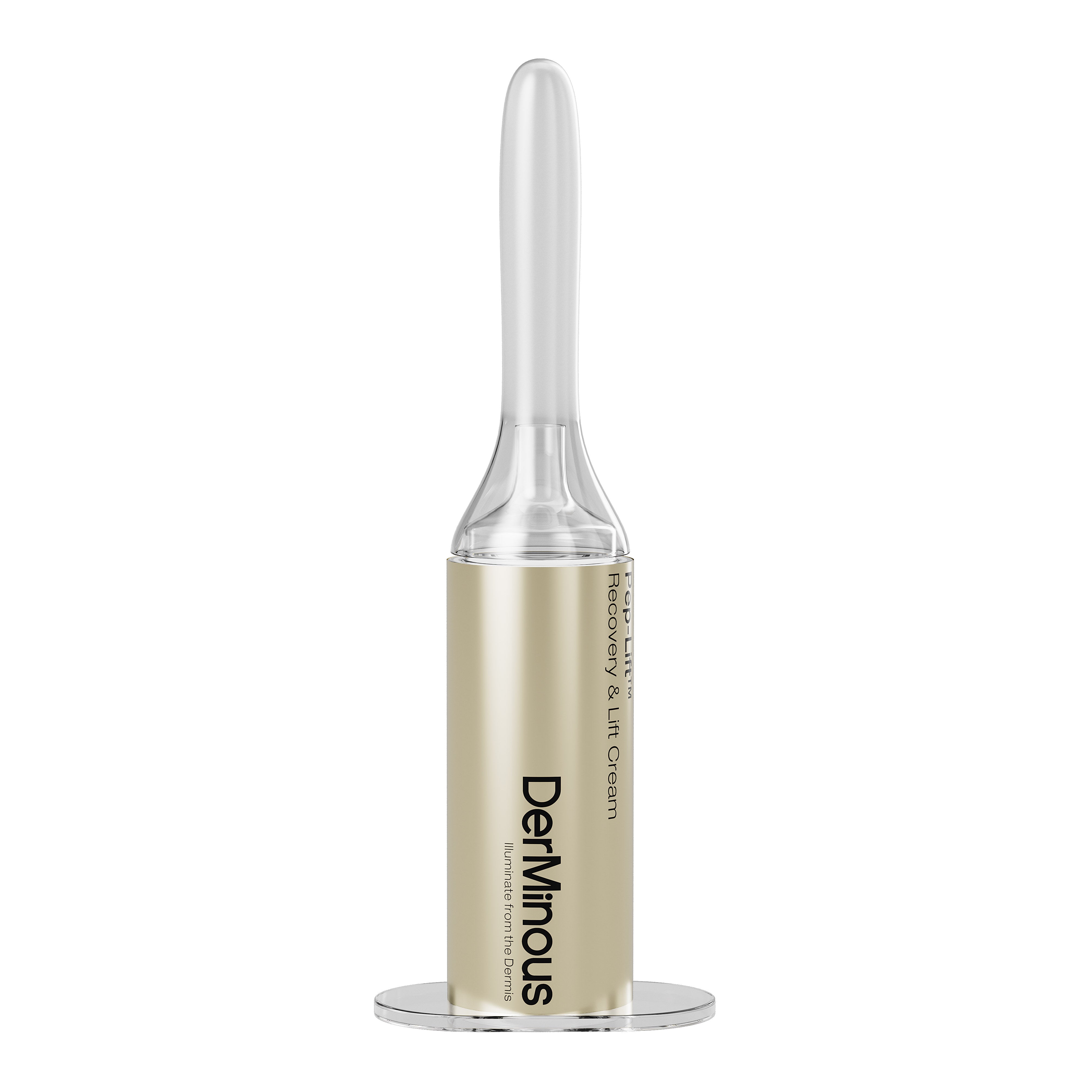
Beyond efficacy, Derminous frames microneedling as a ritual of empowerment. Their brand philosophy emphasizes “not just care, but a ceremony of change”—transforming a clinical act into a mindful self-care moment. The four-step process (Activate → Infuse → Soothe → Seal) isn’t rushed; it’s intentional. Users are encouraged to take 20–30 minutes, apply chilled masks, and end with a nourishing cream—turning anxiety into anticipation.
This emotional shift is vital. Research in behavioral dermatology shows that perceived control over one’s skincare routine increases adherence and satisfaction[11] . When users understand why each step matters—and see immediate hydration and glow—they’re more likely to continue.
Realistic Expectations: Patience Pays Off
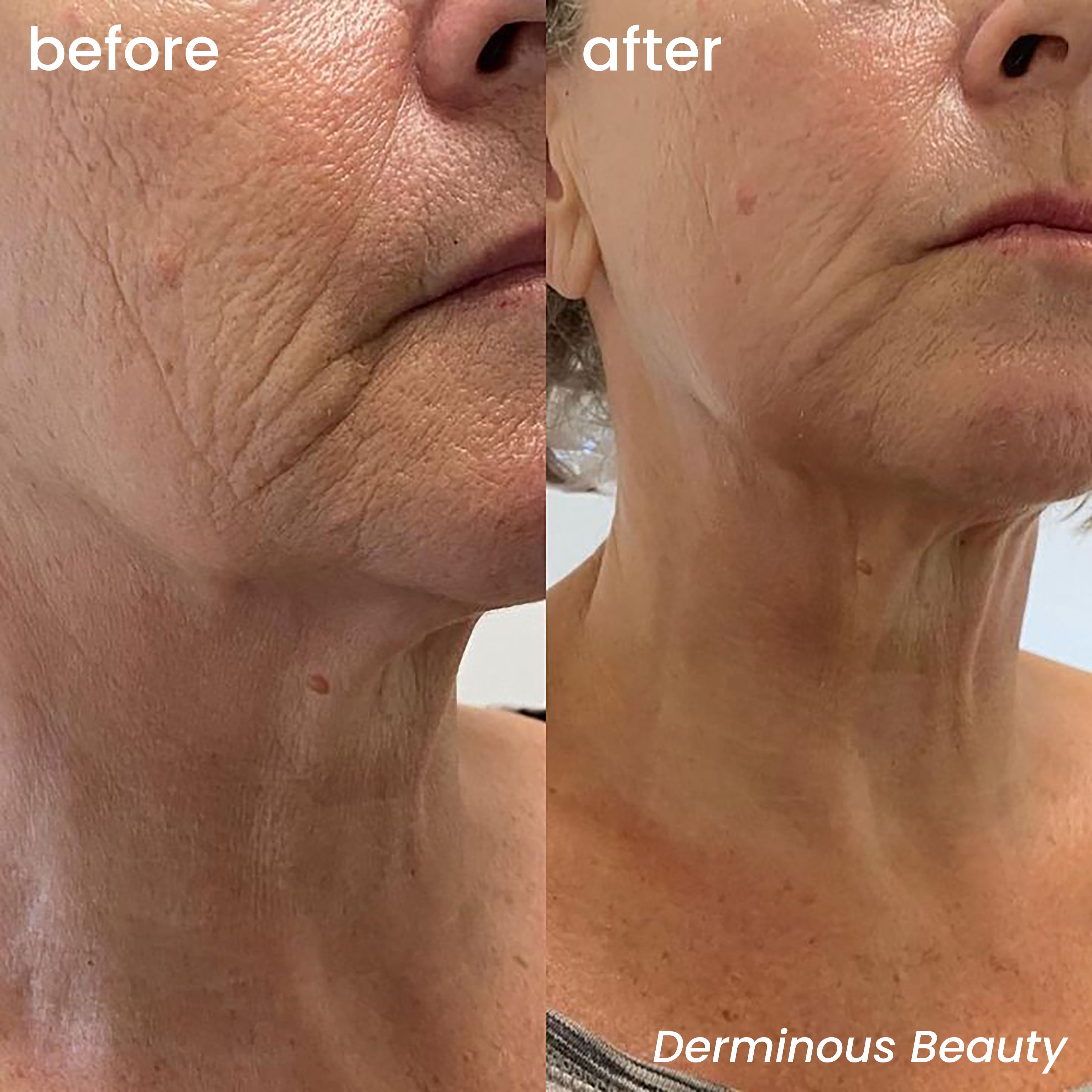
One myth Derminous debunks is the “overnight miracle.” While users report instant plumpness and radiance after the first session, true structural improvements—like wrinkle reduction and firmness—unfold over 2–4 weeks as new collagen forms[12] . The recommended frequency (once every two weeks) aligns with skin’s natural regeneration cycle, avoiding overstimulation.
Consistency, not intensity, drives results. And because the system delivers high-potency actives directly into the dermis—bypassing the barrier that blocks topical creams—it achieves what serums alone cannot.
Final Thoughts: From Fear to Confidence
Microneedling doesn’t have to be intimidating. With innovations like the Derminous GeneLift™ Micro-Infusion System, the barrier to entry has never been lower—or safer. By combining medical-grade engineering, clean formulations, and empathetic design, it transforms a once-clinical procedure into an empowering, at-home ritual.
For beginners, the key is education, quality tools, and gentle progression. Start with a patch test. Follow instructions. Respect your skin’s limits. And remember: the goal isn’t perfection—it’s progress. As Derminous’ founder puts it, “Let everyone掌控 their skin’s future—with knowledge, science, and truly effective tools.”
Your skin isn’t fragile—it’s resilient. And with the right support, it can heal, renew, and glow from within.
Footnotes
-
National Center for Biotechnology Information (NCBI). Microneedling: A Comprehensive Review. https://www.ncbi.nlm.nih.gov/pmc/articles/PMC6165322/↩
-
Derminous Official Website. GeneLift™ Technology Overview. https://www.derminous.com/gene-lift-technology↩
-
Wikipedia. Collagen Induction Therapy. https://en.wikipedia.org/wiki/Collagen_induction_therapy↩
-
Journal of Clinical and Aesthetic Dermatology. Efficacy of Microneedling in Skin Rejuvenation. https://jcadonline.com/microneedling-skin-rejuvenation-study/↩
-
PubMed. PDRN in Wound Healing and Skin Repair. https://pubmed.ncbi.nlm.nih.gov/29562103/↩
-
International Journal of Cosmetic Science. Acetyl Hexapeptide-8 Mechanism. https://onlinelibrary.wiley.com/doi/abs/10.1111/ics.12098↩
-
USPTO Patent Database. ZL2020116206743 – Niacinamide Purification Method. https://patents.google.com/patent/CN112812067A/en↩
-
Materials Science Journal. Antimicrobial Properties of Gold Nanocoatings. https://www.sciencedirect.com/science/article/pii/S0928493120334567↩
-
U.S. Food and Drug Administration (FDA). Guidance on At-Home Cosmetic Devices. https://www.fda.gov/cosmetics/cosmetic-products/microneedling-devices↩
-
Dermatologic Surgery. Safety Profile of Home Microneedling Systems. https://journals.lww.com/dermatologicsurgery/Abstract/2022/05000/Safety_and_Efficacy_of_At_Home_Microneedling.12.aspx↩
-
British Journal of Dermatology. Psychological Aspects of Skincare Adherence. https://onlinelibrary.wiley.com/doi/10.1111/bjd.19876↩
-
Clinical, Cosmetic and Investigational Dermatology. Timeline of Collagen Response Post-Microneedling. https://www.dovepress.com/articles.php?article_id=45678↩