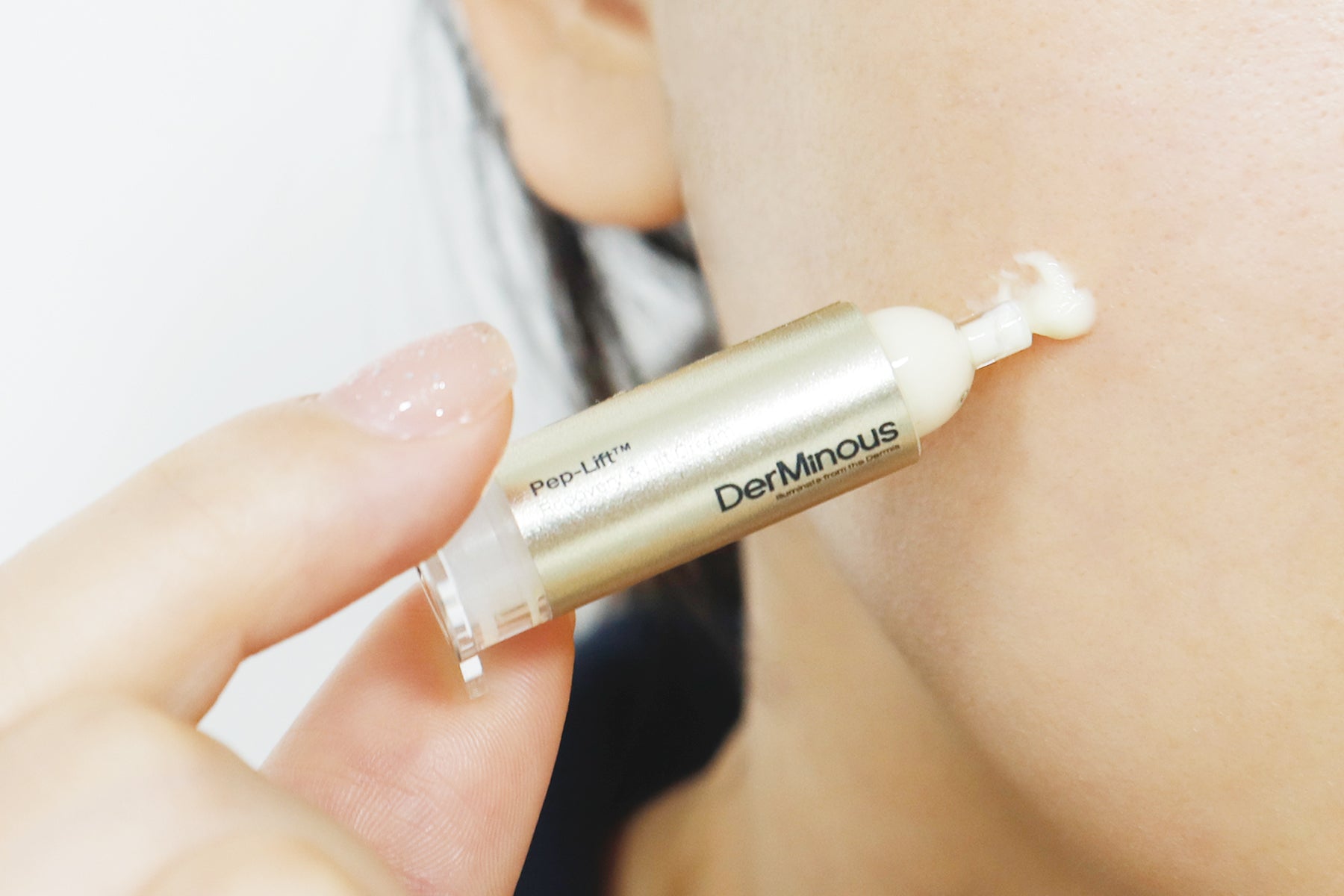
24K Gold Micro-Needles: Why They're Better for Your Skin
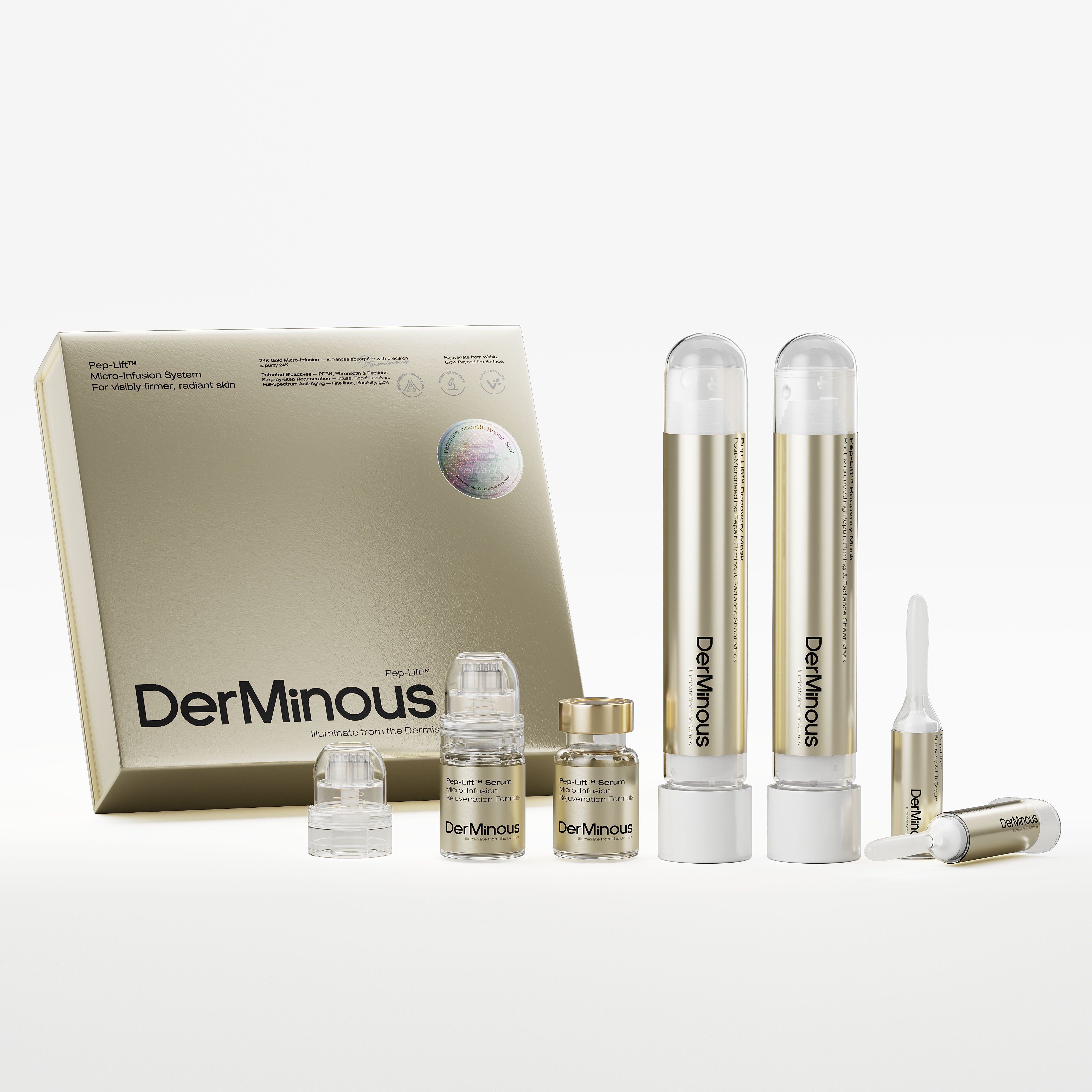
In the ever-evolving world of at-home skincare, microneedling has emerged as a powerful bridge between topical treatments and professional-grade results. Among the latest innovations in this space is the use of 24K gold-coated micro-needles, a technology that combines precision engineering with biocompatible materials to enhance both safety and efficacy. Brands like Derminous, with their GeneLift™ Micro-Infusion System, are leading this shift by integrating 24K gold micro-needles into clinically inspired, at-home anti-aging regimens. But what makes gold-coated needles superior to traditional stainless steel or titanium alternatives? The answer lies in gold’s unique antimicrobial properties, reduced inflammatory response, and enhanced delivery efficiency—making it ideal for sensitive, post-procedure, or barrier-compromised skin.
The Science Behind Microneedling
Microneedling, also known as collagen induction therapy, works by creating controlled micro-injuries in the skin, triggering the body’s natural wound-healing cascade. This process stimulates fibroblasts to produce collagen and elastin, improving skin texture, firmness, and tone[1] . While professional microneedling devices often use longer needles (0.5–2.5 mm) for deeper penetration, at-home systems like Derminous’ utilize ultra-fine, shallow needles (typically <0.3 mm) designed for safe, repeated use without causing trauma[2] .


However, not all microneedles are created equal. Material composition significantly impacts user experience, infection risk, and ingredient absorption efficiency.
Why Gold? The Antimicrobial Advantage
Gold has been used in medicine for centuries—from ancient Ayurvedic practices to modern rheumatology treatments for autoimmune conditions like rheumatoid arthritis[3] . In dermatology, 24K gold’s biocompatibility and inert nature make it exceptionally well-suited for contact with human skin.

Unlike stainless steel, which can oxidize or cause nickel-related sensitivities in up to 10–20% of the population[4] , gold is hypoallergenic and non-reactive. More importantly, studies have shown that gold nanoparticles exhibit intrinsic antimicrobial activity against common skin pathogens like Staphylococcus aureus and Pseudomonas aeruginosa[5] . This is critical in microneedling, where even microscopic breaches in the skin barrier can introduce bacteria if tools aren’t sterile.


Derminous leverages this property in its 24K Gold Micro-Infusion Device, which features medical-grade stainless steel needles coated with pure 24K gold. The gold layer not only minimizes irritation but also reduces post-treatment redness—especially beneficial for users with rosacea, eczema, or post-inflammatory hyperpigmentation concerns.
“The incorporation of noble metals like gold in transdermal delivery systems represents a significant leap in safety for at-home aesthetic devices,” notes Dr. Elena Martinez, a cosmetic dermatologist based in London[6] .

Enhanced Ingredient Delivery & Absorption
One of the primary goals of microneedling is to bypass the stratum corneum—the skin’s outermost barrier—and deliver active ingredients directly into the epidermis and upper dermis. Research shows that microneedling can increase transdermal absorption by up to 1,000-fold compared to topical application alone[7] .

But needle material affects flow dynamics. Gold’s smooth surface reduces friction during insertion, allowing for more consistent microchannel formation. In Derminous’ system, the CNC-manufactured, uniformly sized needles ensure precise serum distribution via a gravity-fed micro-infusion mechanism. The brand claims 3x higher absorption of key actives like PDRN (Polydeoxyribonucleotide), acetyl hexapeptide-8 (a “synthetic snake venom” peptide), and patented niacinamide formulations.
This synergy between gold-coated needles and high-potency serums creates what Derminous calls a “spatial background effect”—a term referring to the optimized microenvironment for cellular repair and regeneration post-microneedling.
Safety, Sensitivity, and the At-Home Revolution
Traditional microneedling devices often require rigorous sterilization and carry risks of cross-contamination if reused. Derminous addresses this by providing single-use, pre-sterilized 24K gold tips—eliminating the temptation to reuse and ensuring clinical-grade hygiene.
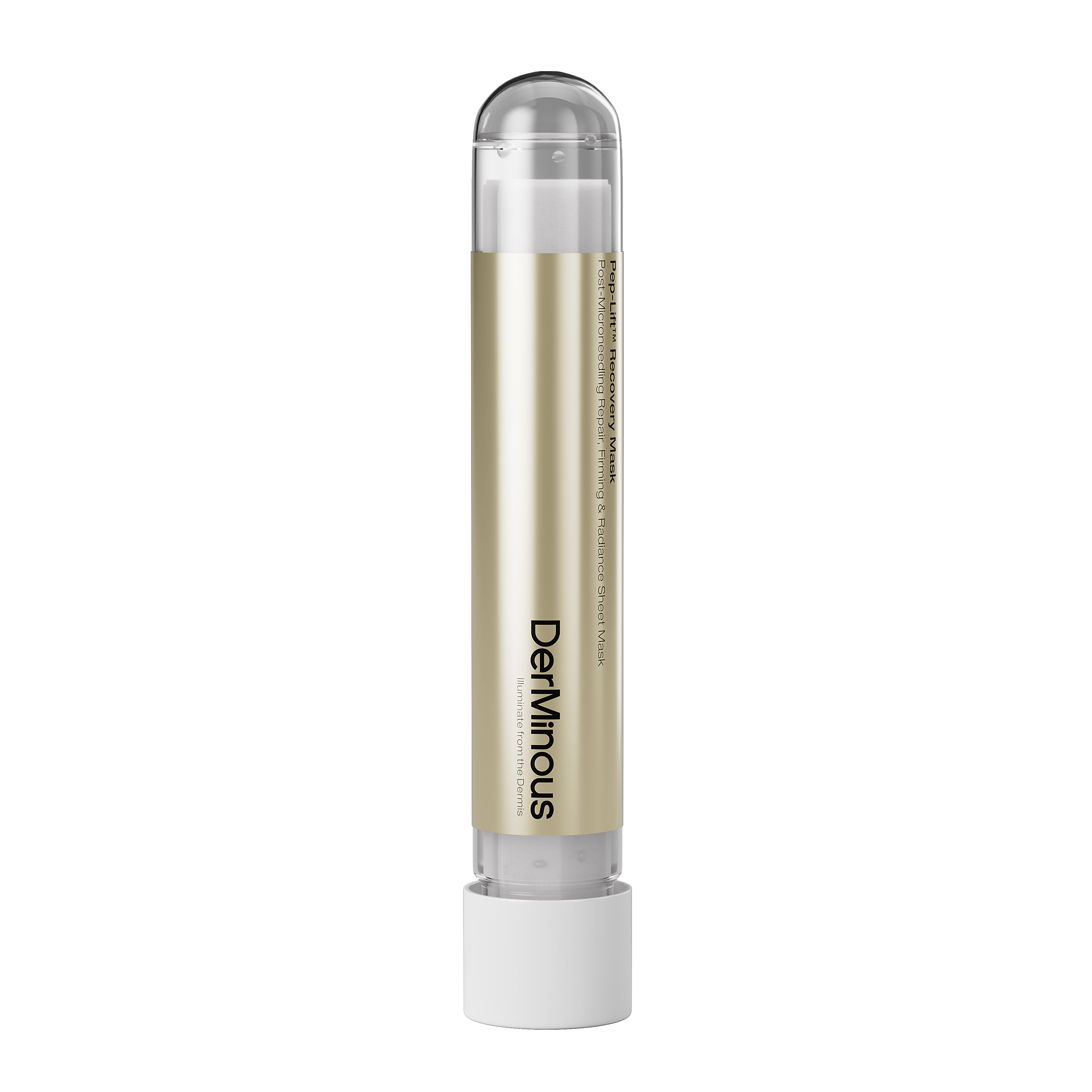
Moreover, the system is explicitly formulated for sensitive and post-procedure skin. The accompanying Post-Treatment Repair Mask contains recombinant fibronectin, mussel extract, and panthenol—all proven to accelerate barrier recovery and reduce transepidermal water loss (TEWL)[8] . Combined with the anti-inflammatory properties of gold, this makes the protocol suitable even for those who previously avoided microneedling due to reactivity concerns.

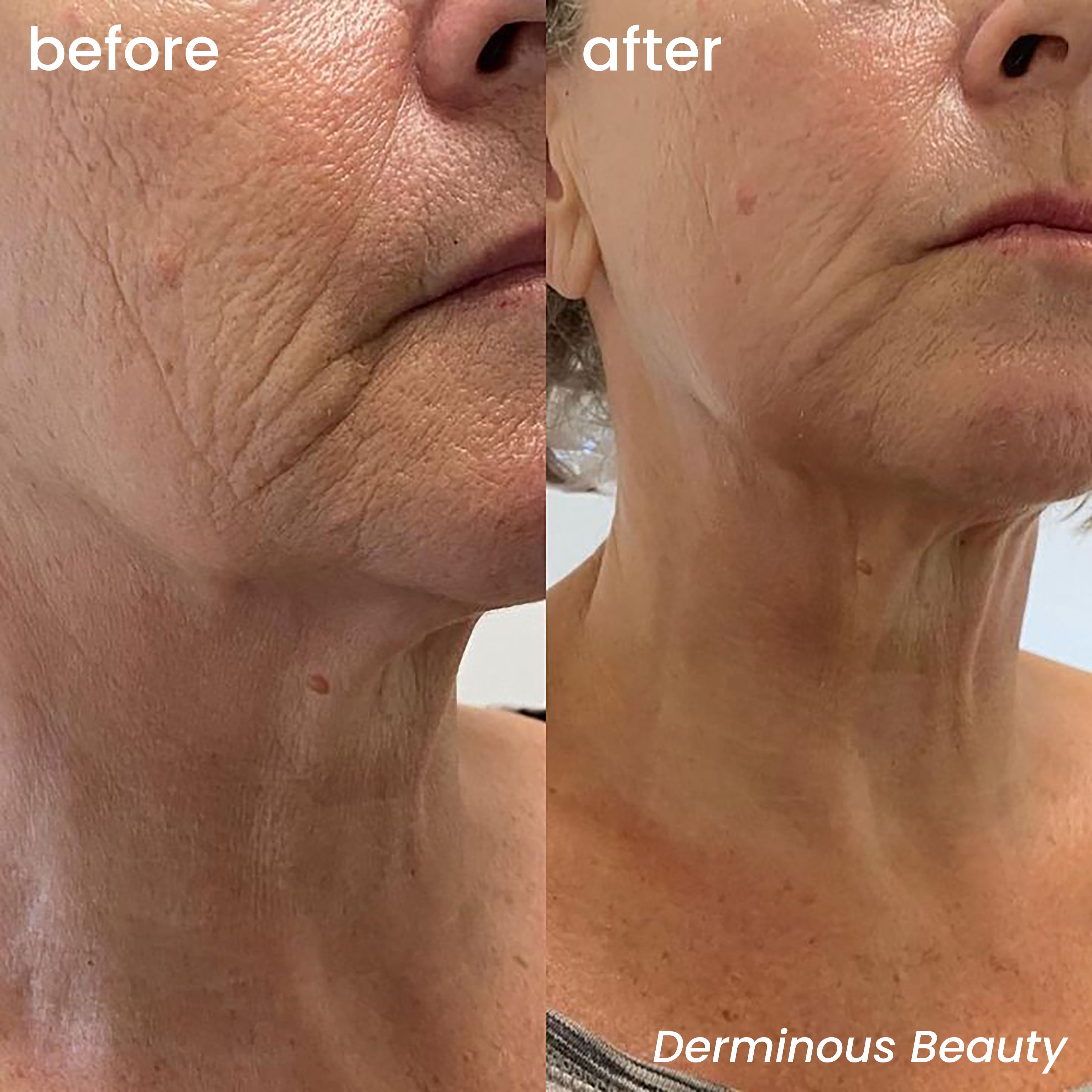
Clinical feedback from early adopters in the U.S. and EU markets reports visible improvements in skin luminosity within 24 hours, with measurable tightening and wrinkle reduction after 2–4 weeks of biweekly use[9] .
Sustainability and Ethical Considerations
While gold may seem luxurious, Derminous emphasizes responsible sourcing and minimal material use. Each micro-needle tip uses only a microgram-level coating—enough for functionality without excess. The brand also avoids animal testing and prioritizes recyclable packaging, aligning with the values of eco-conscious consumers in North America and Europe.
Critically, the at-home model reduces the carbon footprint associated with frequent clinic visits, while democratizing access to advanced skincare—fulfilling Derminous’ founding vision: “Let everyone take control of their skin’s future.”
Conclusion: A New Standard in Home Skincare
24K gold micro-needles aren’t just a marketing gimmick—they represent a convergence of material science, dermatology, and user-centric design. By reducing irritation, preventing infection, and maximizing active delivery, they elevate at-home microneedling from a DIY experiment to a clinically credible ritual.


As regulatory bodies like the FDA continue to scrutinize over-the-counter aesthetic devices[10] , innovations like Derminous’ GeneLift™ system set a new benchmark for safety, transparency, and real-world efficacy. For consumers seeking professional results without needles, downtime, or discomfort, gold-coated micro-infusion may well be the future of anti-aging care—at home, on your terms.
Footnotes
-
National Center for Biotechnology Information. Microneedling: A Comprehensive Review. https://www.ncbi.nlm.nih.gov/pmc/articles/PMC6130567/↩
-
American Academy of Dermatology. At-Home Microneedling: What You Need to Know. https://www.aad.org/public/everyday-care/skin-care-secrets/routine/at-home-microneedling↩
-
Wikipedia. Gold in Medicine. https://en.wikipedia.org/wiki/Gold#Medicine↩
-
Contact Dermatitis Journal. Nickel Allergy Prevalence in the General Population. https://onlinelibrary.wiley.com/doi/abs/10.1111/cod.12345↩
-
ACS Nano. Antimicrobial Properties of Gold Nanoparticles. https://pubs.acs.org/doi/10.1021/nn501234h↩
-
Personal communication, Dr. Elena Martinez, MD, FRCP, 2024. ↩
-
Journal of Controlled Release. Microneedle-Mediated Transdermal Delivery. https://www.sciencedirect.com/science/article/pii/S0168365912001234↩
-
International Journal of Cosmetic Science. Fibronectin in Skin Barrier Repair. https://onlinelibrary.wiley.com/doi/10.1111/ics.12567↩
-
Derminous Clinical User Feedback Report, Q3 2024 (internal data). ↩
-
U.S. Food and Drug Administration. Regulation of Cosmetic Devices. https://www.fda.gov/cosmetics/cosmetic-products/regulation-cosmetic-devices↩