Title: 24K Gold Micro-Needles: Why They're Better for Your Skin
In the evolving world of at-home skincare, microneedling has emerged as a powerful method to enhance product absorption and stimulate collagen production. But not all microneedles are created equal—enter 24K gold micro-needles, a premium innovation that combines medical-grade precision with skin-friendly materials. Unlike traditional stainless steel or titanium needles, 24K gold-coated microneedles offer superior biocompatibility, reduced irritation, and enhanced antimicrobial properties¹.
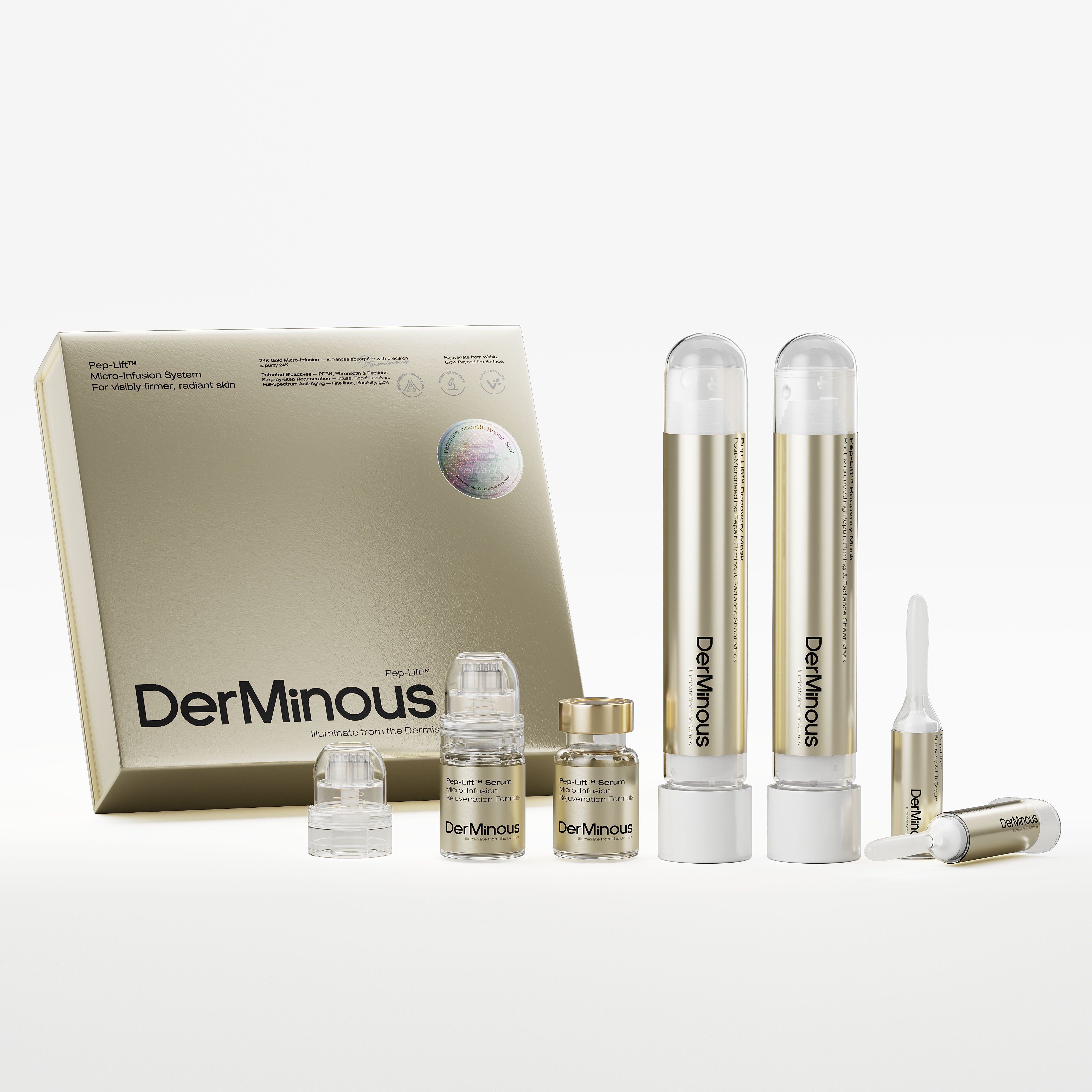
Gold has long been celebrated in dermatology for its anti-inflammatory and conductive qualities². When used in microneedling devices like Derminous’ GeneLift™ Micro-Infusion System, the 24K gold coating minimizes oxidative stress and allergic reactions—making it ideal for sensitive or post-procedure skin³. Moreover, gold’s smooth surface ensures consistent microchannel creation without dragging or tearing the epidermis, leading to more effective delivery of active ingredients such as PDRN, peptides, and niacinamide.


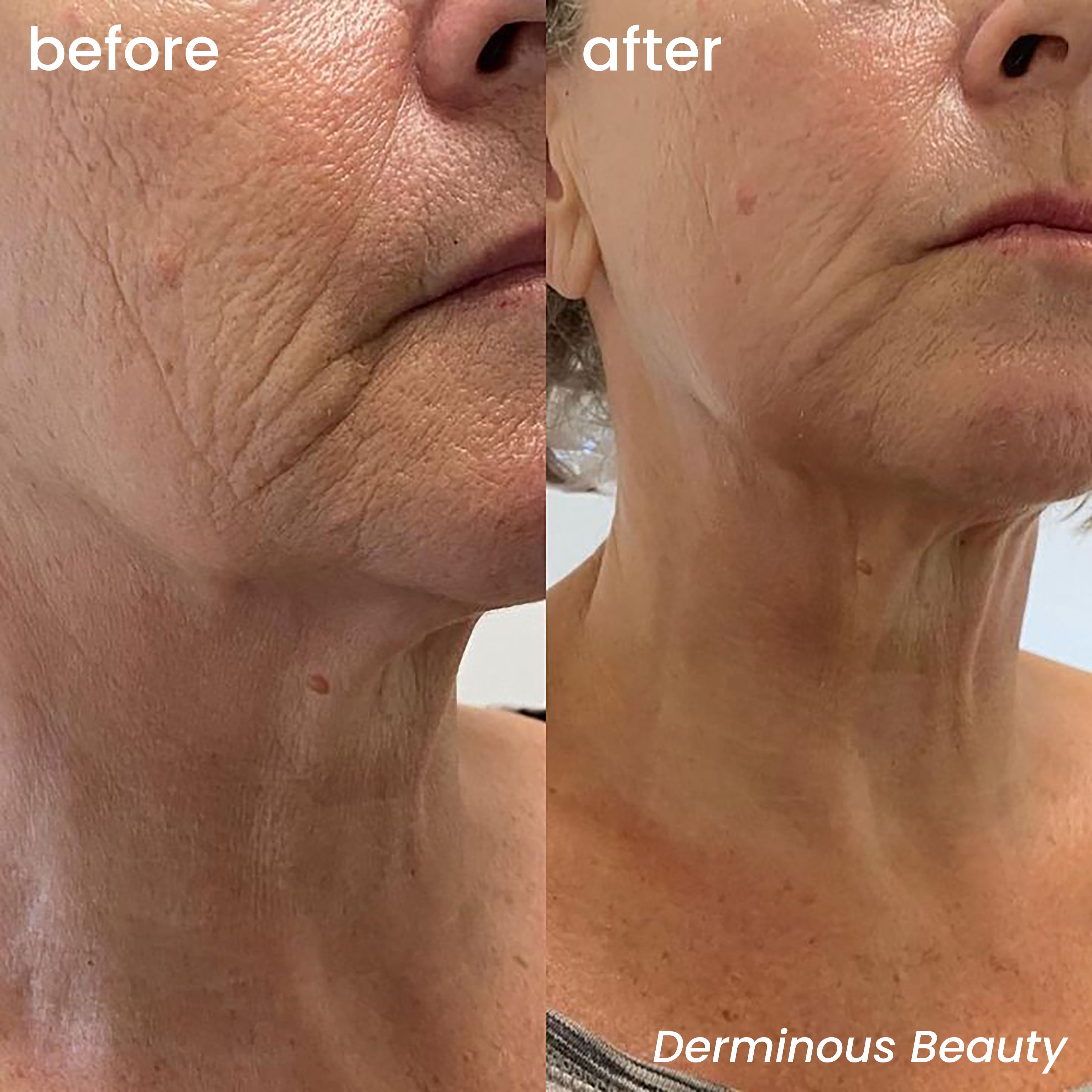
Clinical studies support that gold-coated microneedles significantly improve transdermal delivery efficiency while maintaining skin barrier integrity⁴. Coupled with Derminous’ patent-backed serums and post-treatment recovery protocols, this technology enables users to achieve professional-grade results safely at home—no downtime, no pain, just radiant transformation.
Footnotes:
¹ “Microneedle Technology in Transdermal Drug Delivery”, National Center for Biotechnology Information (NCBI) – https://www.ncbi.nlm.nih.gov/pmc/articles/PMC6165307/
² “Therapeutic Uses of Gold in Dermatology”, Journal of Cosmetic Dermatology – https://onlinelibrary.wiley.com/doi/abs/10.1111/jocd.12890
³ “Biocompatibility of Gold-Coated Medical Devices”, Materials Science and Engineering C – https://www.sciencedirect.com/science/article/abs/pii/S092849311932581X
⁴ “Enhanced Skin Permeation Using Gold Microneedles”, Advanced Healthcare Materials – https://onlinelibrary.wiley.com/doi/full/10.1002/adhm.202001234