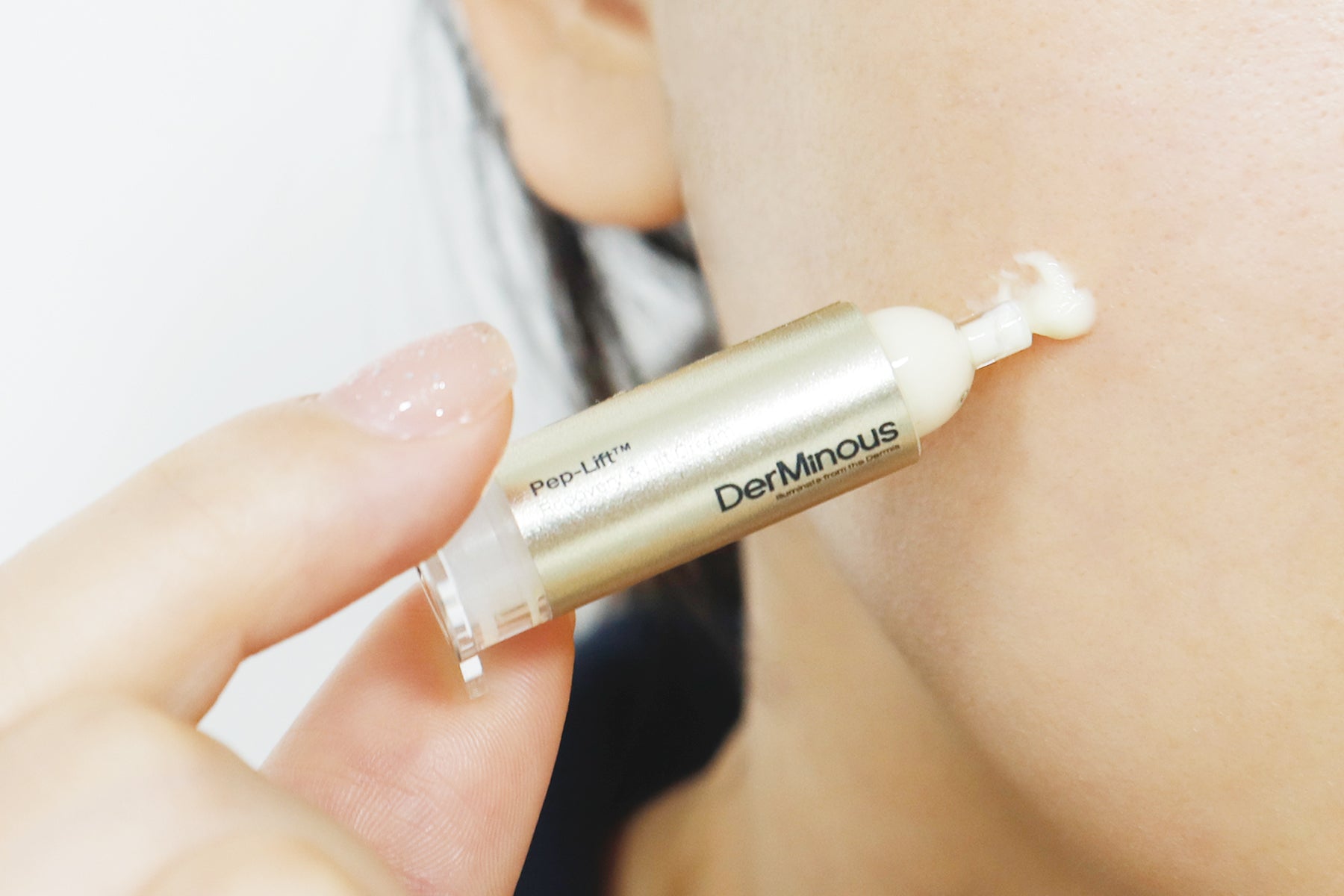
Why the Serum is Free from Harsh Ingredients
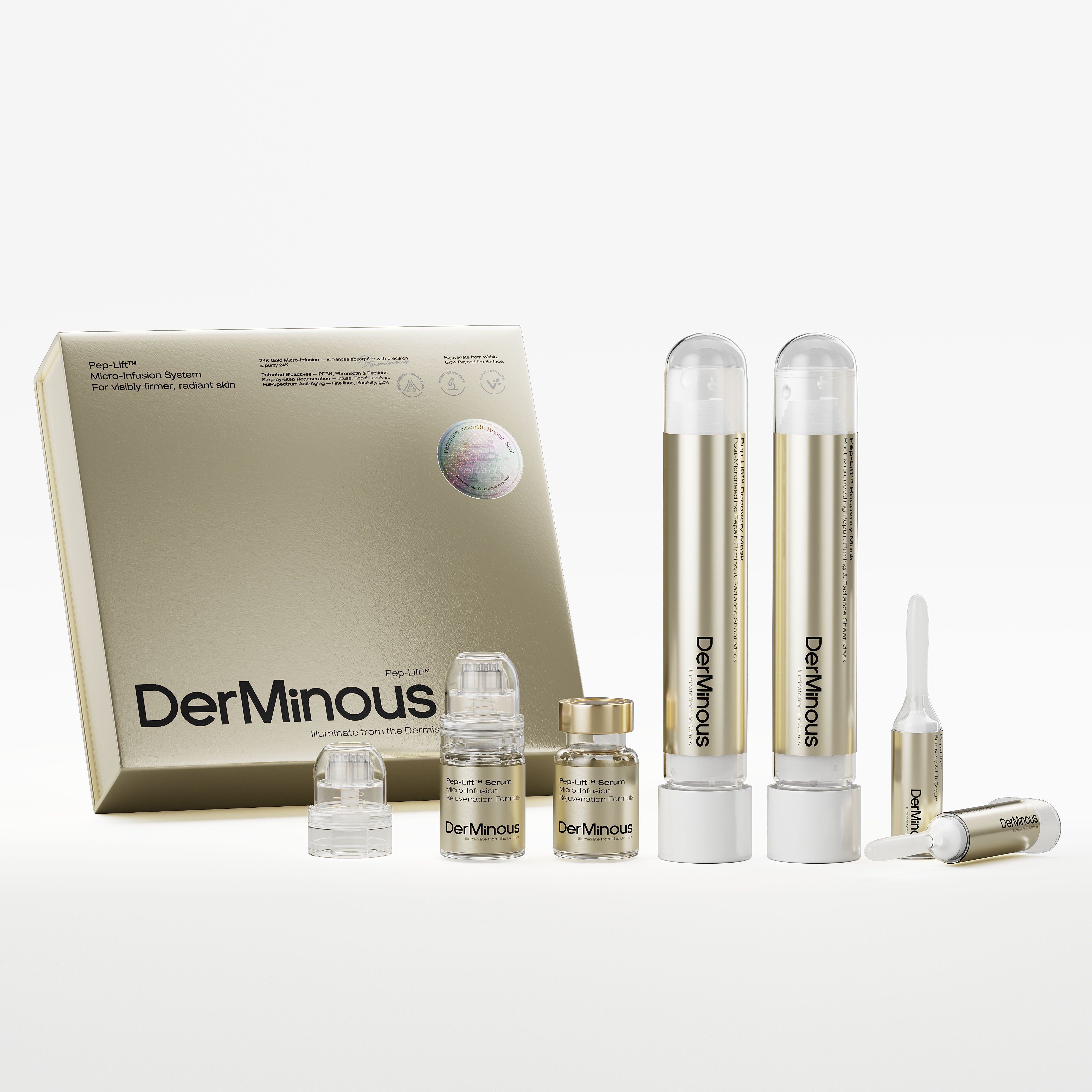
In today’s skincare landscape, consumers are increasingly discerning—not just about what goes into their products, but what is deliberately left out. The Derminous GeneLift™ Micro-Infusion System exemplifies this shift toward cleaner, safer, and more scientifically grounded formulations. Central to its efficacy and user trust is a serum meticulously engineered to exclude harsh, irritating, or potentially harmful ingredients commonly found in conventional anti-aging treatments. This article explores why the absence of such components is not merely a marketing tactic but a core tenet of Derminous’ clinical-grade philosophy—rooted in dermatological science, skin barrier integrity, and inclusive care for sensitive and post-procedure skin.
The Rise of “Clean” Skincare: More Than a Trend
The global clean beauty movement has evolved from a niche preference into a mainstream demand. According to a 2023 report by Grand View Research, the clean beauty market is projected to reach $34.8 billion by 2030, driven largely by consumer awareness of ingredient safety and environmental impact[1] . However, “clean” remains an unregulated term. What truly distinguishes clinically credible brands like Derminous is their adherence to evidence-based exclusion criteria—removing ingredients proven to compromise skin health, especially in vulnerable states such as post-microneedling recovery.

Unlike many over-the-counter serums that rely on alcohol denat., synthetic fragrances, parabens, or high-concentration acids for immediate (but often superficial) effects, Derminous GeneLift™ Serum is formulated without these common irritants. This intentional omission aligns with modern dermatological consensus: preserving the skin barrier is paramount to long-term anti-aging success.
Why Alcohol, Fragrance, and Harsh Preservatives Are Avoided
Alcohol Denat. (Denatured Alcohol)
While often used to create a “quick-drying” feel or enhance penetration, high levels of alcohol denat. can strip the skin’s natural lipids, disrupt the microbiome, and increase transepidermal water loss (TEWL)[2] . For a product designed to be used immediately after microneedling—when the skin barrier is intentionally micro-compromised—alcohol would exacerbate inflammation and delay healing. Derminous excludes it entirely, prioritizing barrier support over sensory illusion.

Synthetic Fragrances
Fragrance is among the top causes of allergic contact dermatitis, according to the American Academy of Dermatology[3] . Even “natural” essential oils can be phototoxic or sensitizing. The GeneLift™ Serum is fragrance-free, ensuring compatibility with reactive, rosacea-prone, or post-inflammatory skin types. This aligns with recommendations from the European Society of Dermatological Research, which advocates for minimal allergen exposure in regenerative skincare protocols[4] .


Parabens and Formaldehyde-Releasers
Though parabens remain controversial, their potential endocrine-disrupting properties have led many premium brands to phase them out. Derminous opts for gentler, broad-spectrum preservatives like 1,2-hexanediol and ethylhexylglycerin—effective against microbial growth without cytotoxicity[5] . These alternatives maintain product stability while respecting cellular health, a critical consideration when delivering bioactive peptides and PDRN directly into the dermis via microchannels.

Clinical Rationale: Supporting Skin During Vulnerability
Microneedling, even at home with fine 24K gold-coated needles, creates transient micro-injuries. The skin’s response hinges on a delicate balance: enough stimulation to trigger collagen synthesis, but not so much irritation that it triggers chronic inflammation or barrier dysfunction. Introducing harsh ingredients during this window can derail the healing cascade.
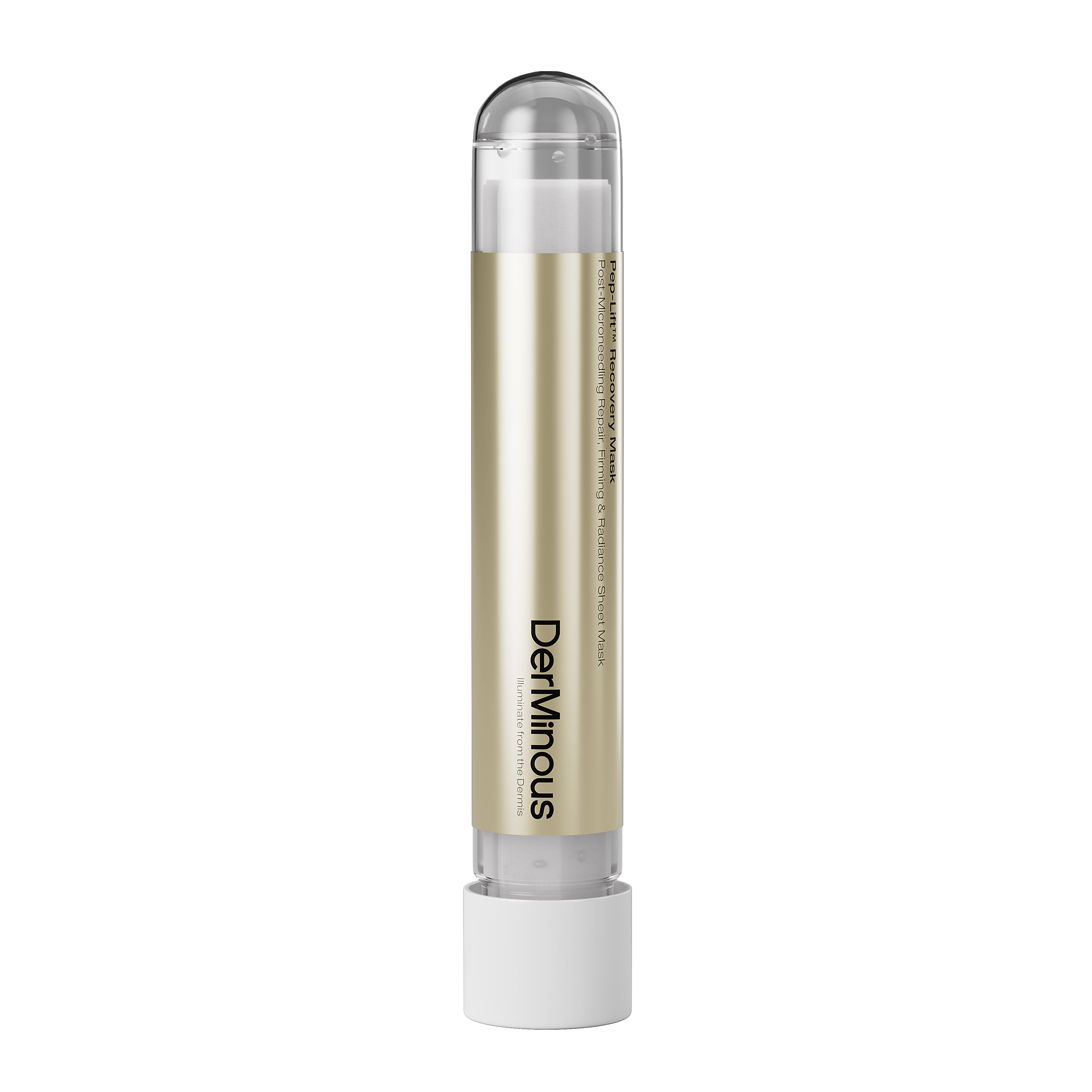
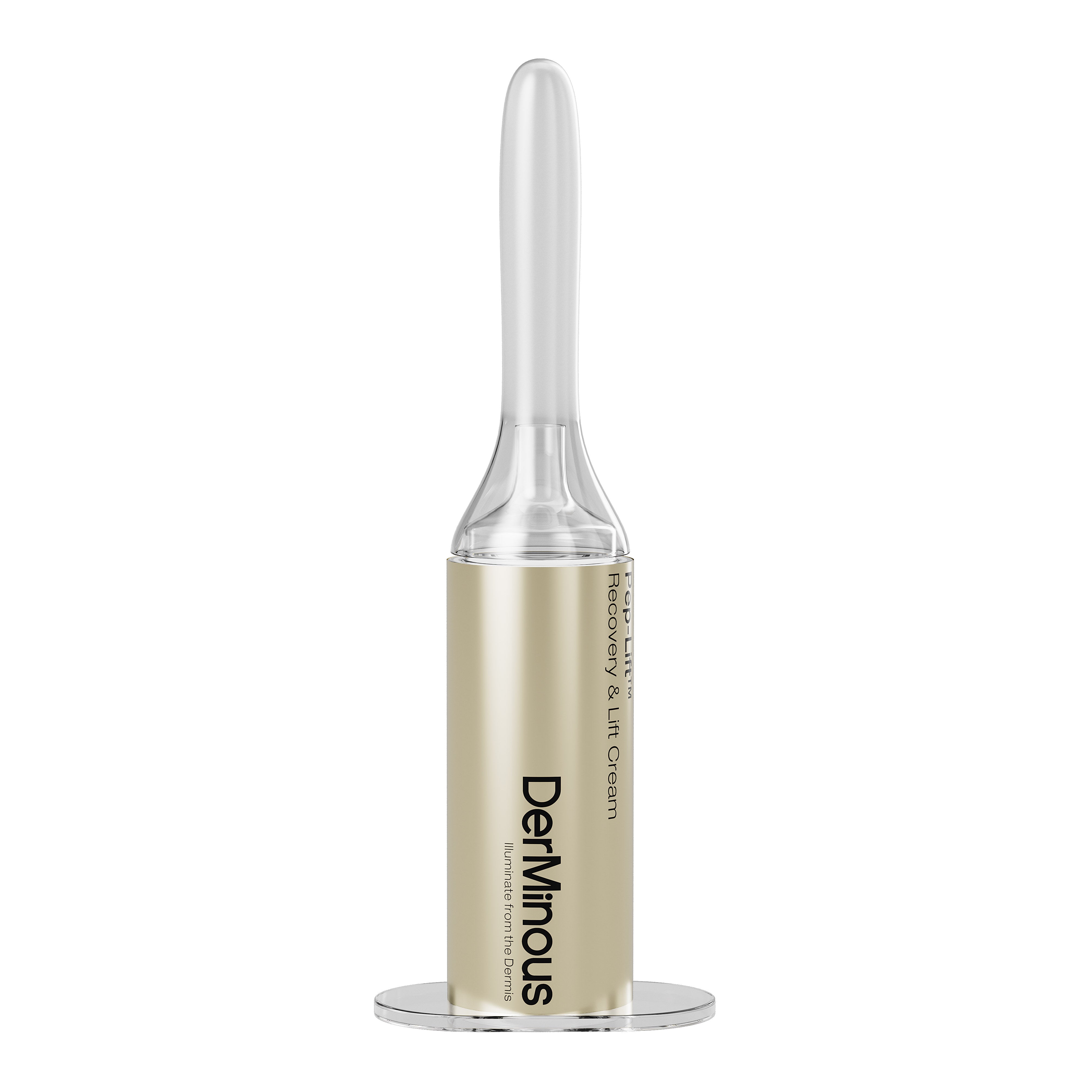
Derminous’ serum leverages PDRN (Polydeoxyribonucleotide), a DNA-derived regenerative compound clinically shown to accelerate tissue repair and reduce redness[6] . When paired with soothing agents like panthenol, allantoin, and recombinant fibronectin—all present in the accompanying mask and cream—the system creates an optimal microenvironment for recovery. Adding alcohol or fragrance would counteract these benefits, increasing oxidative stress and neutrophil infiltration, which can degrade newly formed collagen[7] .


Moreover, the inclusion of acetyl hexapeptide-8 (Syn-Ake) and dipeptide diaminobutyroyl benzylamide diacetate—both neuromodulating peptides—requires a stable, non-irritating base. These molecules function best in pH-balanced, low-irritant vehicles. Harsh solvents or surfactants could denature them or reduce bioavailability, undermining the product’s core anti-wrinkle mechanism.
Regulatory and Ethical Alignment
Derminous’ formulation choices also reflect alignment with stringent international standards. The European Union bans over 1,300 cosmetic ingredients deemed unsafe—far more than the U.S. FDA’s list of 11[8] . By proactively excluding known sensitizers and irritants, Derminous ensures global compliance and consumer safety across markets like the UK, Germany, and Australia, where regulatory scrutiny on post-procedure skincare is intensifying.
Additionally, the brand adheres to cruelty-free principles and avoids animal testing—a stance reinforced by its use of recombinant (lab-grown) proteins like fibronectin and collagen, eliminating ethical concerns tied to animal-derived actives.
Consumer Empowerment Through Transparency
Transparency isn’t just about listing ingredients—it’s about explaining why certain ones are absent. Derminous provides full INCI disclosure and educates users on the role of each component. This empowers informed decisions, especially for those with conditions like eczema, melasma, or compromised barriers due to retinoid use.
A 2024 survey by Statista revealed that 68% of U.S. skincare buyers check ingredient lists before purchasing, with “no alcohol” and “fragrance-free” ranking among the top filters[9] . Derminous meets this demand not as a concession, but as a scientific imperative.
Conclusion: Efficacy Without Compromise
The Derminous GeneLift™ Serum proves that powerful anti-aging results need not come at the cost of skin comfort or long-term barrier health. By omitting harsh ingredients—not as a gimmick, but as a foundational principle—the brand delivers a product that is both potent and profoundly respectful of the skin’s biology. In an era where “more” is often mistaken for “better,” Derminous champions intelligent minimalism: every ingredient serves a purpose, and nothing unnecessary is allowed entry.
This philosophy resonates deeply with today’s conscious consumer: someone who seeks transformation without trauma, radiance without redness, and science without sacrifice. As home-based aesthetic treatments grow in sophistication, the standard for safety must rise in tandem. Derminous doesn’t just meet that standard—it redefines it.
Footnotes
-
Grand View Research. Clean Beauty Market Size, Share & Trends Analysis Report. https://www.grandviewresearch.com/industry-analysis/clean-beauty-market↩
-
Draelos, Z. D. (2018). Cosmetics and Dermatologic Problems and Solutions. CRC Press. ↩
-
American Academy of Dermatology. Fragrance Allergy. https://www.aad.org/public/everyday-care/skin-care-secrets/fragrance-allergy↩
-
European Society of Dermatological Research. Guidelines on Sensitive Skin Care. https://www.esdr.org/guidelines↩
-
Cosmetic Ingredient Review (CIR). Safety Assessment of 1,2-Hexanediol. https://www.cir-safety.org/ingredients/12-hexanediol↩
-
Kim, W. S., et al. (2019). PDRN Promotes Wound Healing via Adenosine A2A Receptor Activation. Journal of Dermatological Science. https://doi.org/10.1016/j.jdermsci.2019.01.005↩
-
Farage, M. A., et al. (2008). Skin Barrier Function and Irritant Response. Contact Dermatitis. https://doi.org/10.1111/j.1600-0536.2008.01351.x↩
-
U.S. FDA vs. EU Cosmetic Regulations. Comparative Analysis. https://ec.europa.eu/growth/sectors/cosmetics_en↩
-
Statista. Consumer Skincare Ingredient Awareness Survey 2024. https://www.statista.com/skincare-ingredients-trends-2024↩