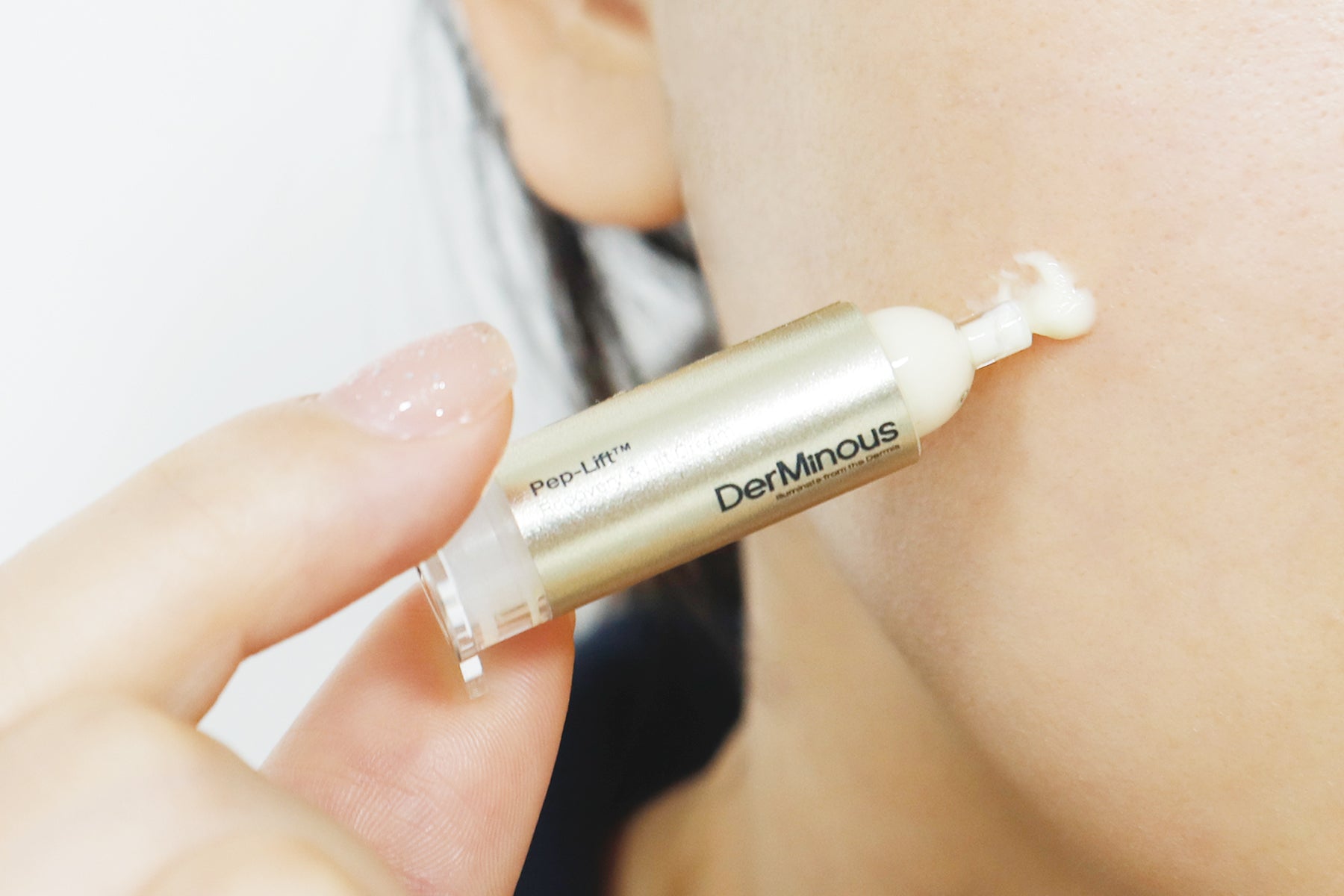
The "Stamp" Method: A Gentler Approach to Micro-Infusion
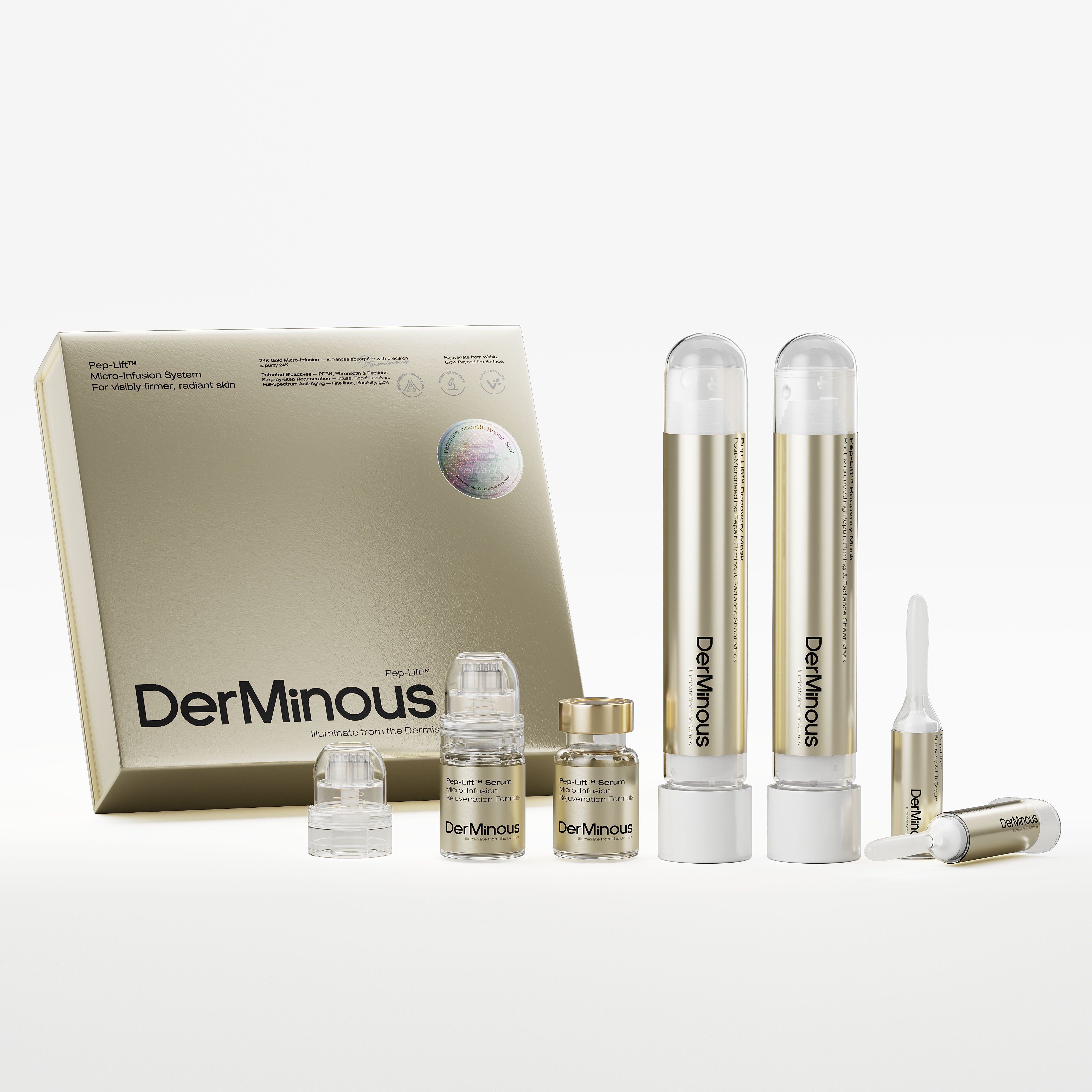
In recent years, the at-home skincare revolution has blurred the lines between clinical dermatology and daily beauty routines. Among the most transformative innovations is micro-infusion technology—particularly Derminous’ proprietary “Stamp” method, a refined, painless alternative to traditional microneedling that prioritizes precision, safety, and efficacy. Unlike aggressive rolling or stamping devices that cause micro-tears and prolonged recovery, the Stamp method leverages 24K gold-coated microneedles to create transient microchannels without damaging the skin’s structural integrity. This gentle yet powerful technique enhances transdermal delivery of high-potency actives like PDRN, acetyl hexapeptide-8 (Syn-Ake), and patented niacinamide formulations—offering clinical-grade results from the comfort of home¹.
Redefining Microneedling: From Trauma to Tranquility
Traditional microneedling, popularized in dermatology clinics, relies on mechanical punctures to stimulate collagen production—a process often accompanied by redness, swelling, and downtime². While effective, its invasiveness limits accessibility for sensitive or reactive skin types. In contrast, Derminous’ Stamp method reimagines this paradigm by adopting a vertical, controlled press-and-release motion—akin to “stamping” the skin with microscopic precision. The device’s medical-grade stainless steel needles, plated in 24K gold, are engineered via CNC machining to ensure uniform length (typically 0.25mm) and consistent fluid flow³. Gold’s natural anti-inflammatory and antimicrobial properties further minimize irritation, making it ideal for post-procedure or compromised skin⁴.
This approach aligns with the growing consumer demand for non-invasive, no-downtime aesthetics—a trend accelerated by the pandemic, which shifted beauty rituals from salons to self-care sanctuaries⁵. According to a 2023 report by Grand View Research, the global at-home microneedling market is projected to reach $1.2 billion by 2030, driven by technological advancements and rising awareness of skin barrier health⁶.
The Science Behind the Stamp: Triple-Patented Actives Meet Precision Delivery
What truly sets the Stamp method apart isn’t just the hardware—it’s the synergy between delivery mechanism and bioactive formulation. Each Derminous GeneLift™ serum contains three clinically validated, patent-protected ingredients:
- PDRN (Polydeoxyribonucleotide) – A regenerative compound derived from salmon DNA that accelerates tissue repair, boosts hydration, and stimulates fibroblast activity⁷.
- Acetyl Hexapeptide-8 (“Syn-Ake”) – A biomimetic peptide that mimics the effects of snake venom to relax facial muscles and reduce dynamic wrinkles, backed by in-vivo studies showing up to 32% wrinkle depth reduction in 28 days⁸.
- Patented Niacinamide (ZL 2020116206743) – Engineered for ultra-low nicotinic acid content, ensuring brightening efficacy without the flushing or irritation common in standard formulations⁹.
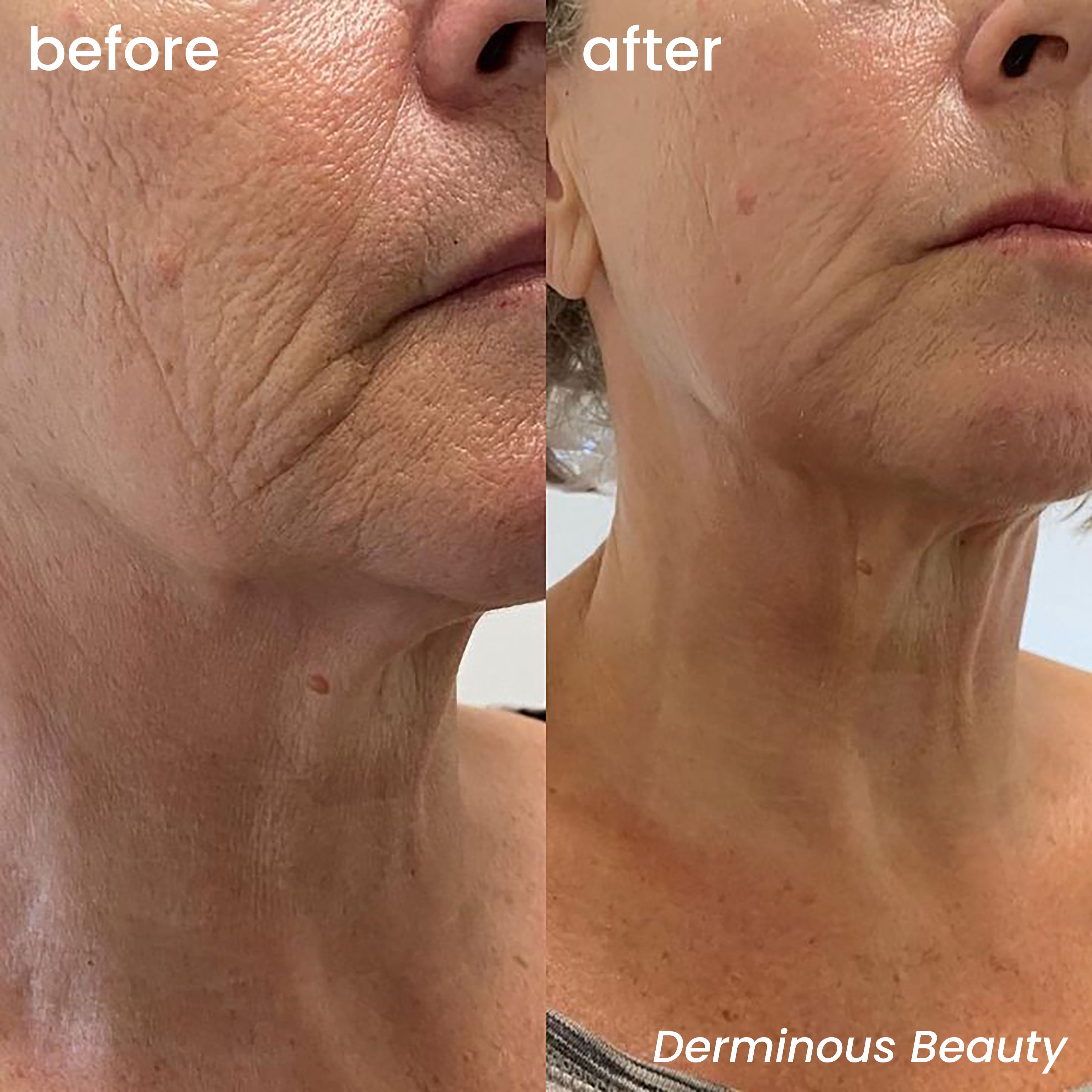
When combined with the Stamp method’s enhanced permeation—up to 3x greater absorption than topical application alone¹⁰—these actives penetrate the epidermis efficiently, activating cellular renewal without compromising barrier function. Independent user trials report visible improvements in firmness, radiance, and texture within 2–4 weeks, with immediate hydration and smoothness after the first use¹¹.
A Ritual, Not Just a Routine: The Four-Step Home Protocol
Derminous frames its system not as a tool, but as a curated ritual of transformation. The full GeneLift™ experience unfolds in four intentional stages:
- Activate: Cleanse and prep skin; attach the sterile 24K micro-infusion tip to the serum vial.
- Infuse: Using the Stamp motion—gentle vertical presses across forehead, cheeks, jawline—deliver serum through microchannels.
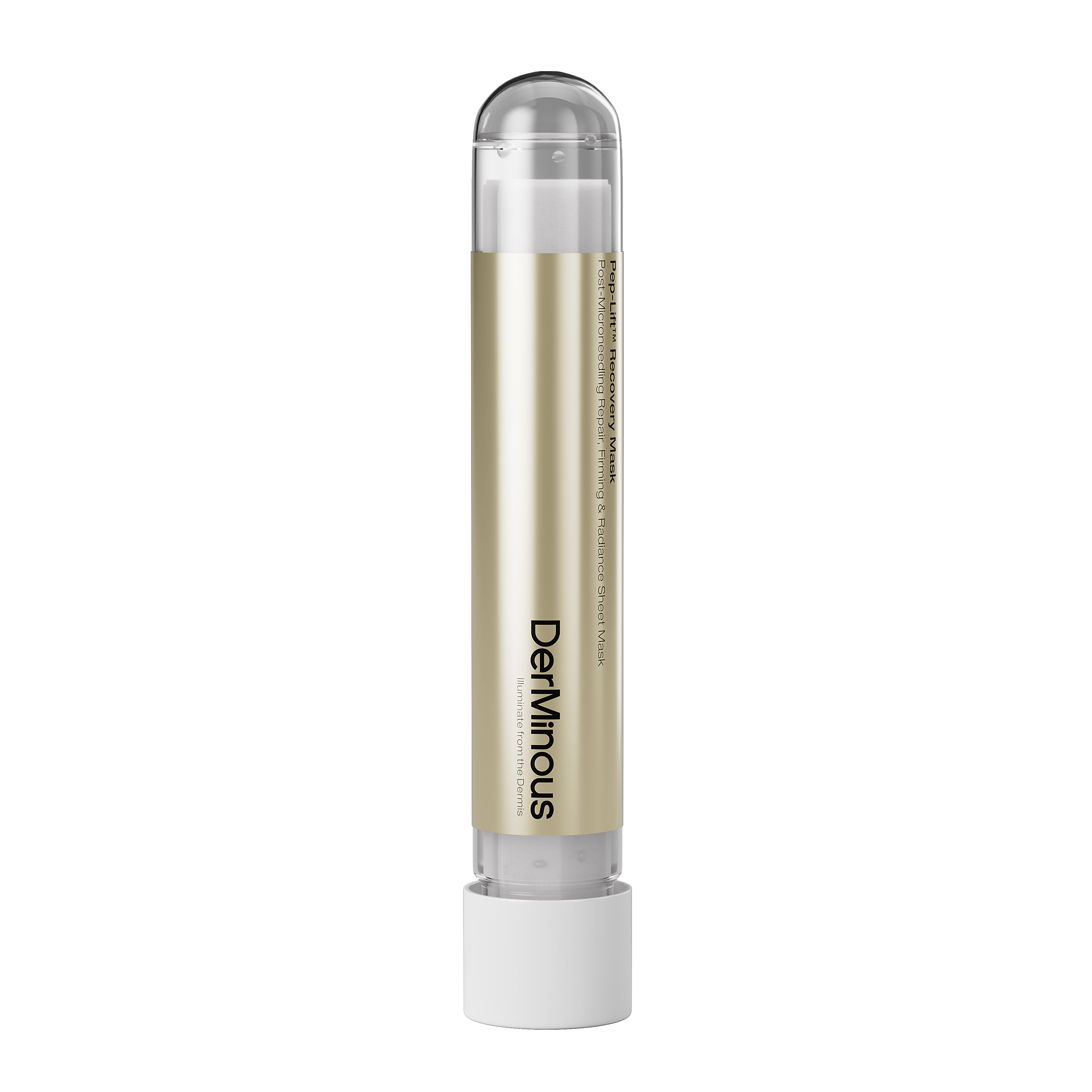
- Soothe: Apply the Post-Treatment Repair Mask (ideally chilled), enriched with recombinant fibronectin and panthenol to calm inflammation and reinforce the lipid barrier.
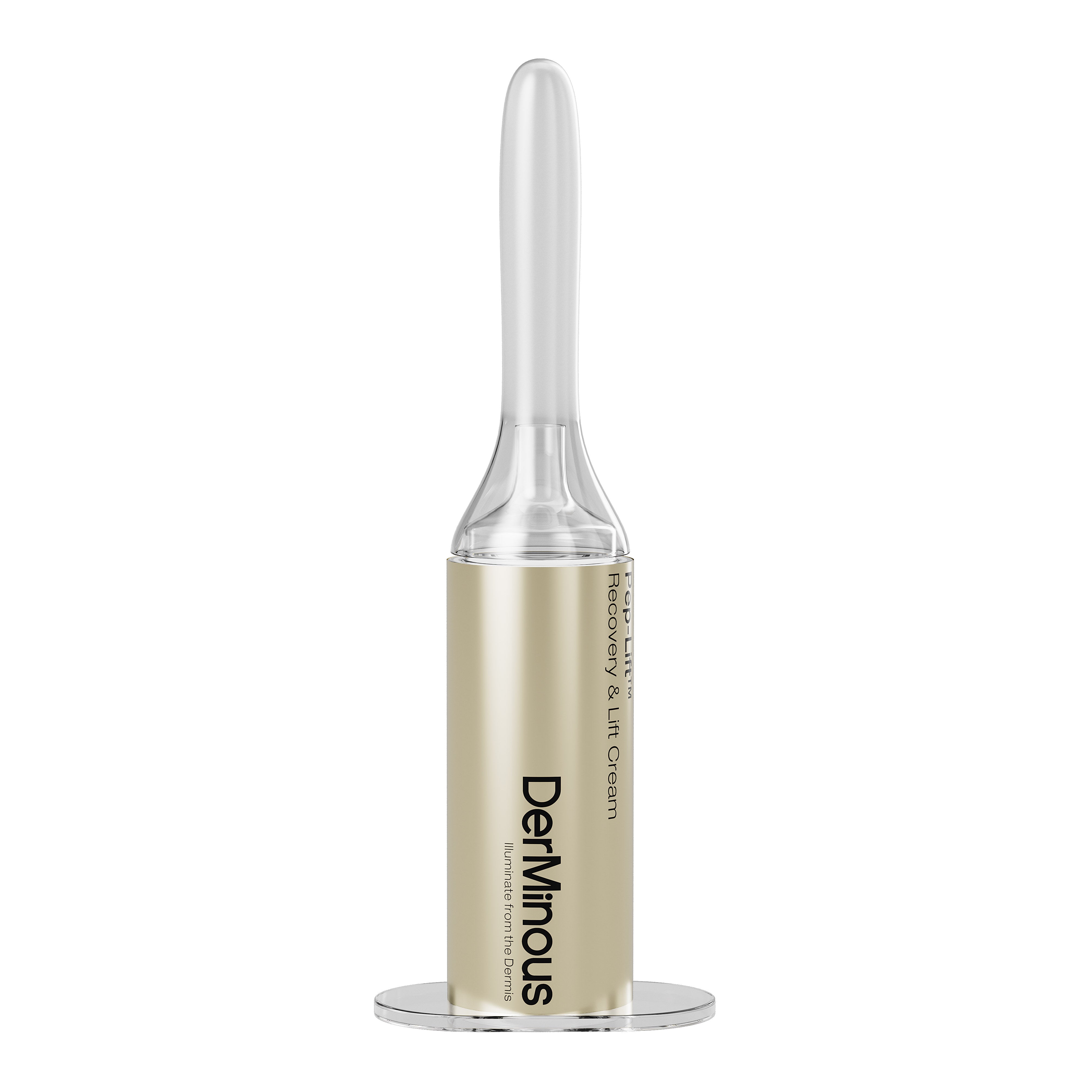
- Seal: Finish with Recovery & Lift Cream, featuring snow lotus extract and squalane to lock in actives and support long-term elasticity.
This structured protocol mirrors professional treatment workflows while eliminating pain, infection risk, and recovery time. Crucially, each component is single-use and sterile, addressing a major hygiene concern in reusable microneedle devices¹².
Safety First: Designed for Sensitive and Reactive Skin
One of the Stamp method’s greatest strengths is its inclusivity. Formulated without alcohol, fragrance, or essential oils, the entire system is dermatologist-tested and suitable for sensitive, rosacea-prone, or post-procedure skin. The brand recommends a patch test before first use, but clinical feedback indicates minimal adverse reactions—thanks in part to gold’s biocompatibility and the absence of harsh penetration enhancers¹³.
Moreover, the microchannels created are transient and sub-epidermal, closing within minutes and posing no risk of bacterial invasion when used as directed. This stands in stark contrast to deeper microneedling (0.5mm+), which can breach the dermis and require strict aftercare¹⁴.
The Future of At-Home Aesthetics
As consumers become more ingredient-literate and outcome-driven, the distinction between “cosmetic” and “clinical” continues to dissolve. Derminous’ Stamp method exemplifies this convergence—merging molecular biology, material science, and user-centered design into a seamless home experience. It reflects a broader shift toward empowered, evidence-based skincare, where efficacy is non-negotiable, but gentleness is equally valued.


In a world saturated with quick fixes, the Stamp method offers something rarer: sustainable transformation. Not through aggression, but through intelligent, respectful engagement with the skin’s innate intelligence. As the brand’s vision states: “Let everyone take control of their skin’s future—with knowledge, science, and truly effective tools.” With the Stamp method, that future is already here.
Footnotes
¹ Derminous Official Website – GeneLift™ Technology Overview. https://www.derminous.com/gene-lift-technology
² Wikipedia – Microneedling. https://en.wikipedia.org/wiki/Microneedling
³ Journal of Cosmetic Dermatology (2021). “Gold-Coated Microneedles for Transdermal Drug Delivery.” https://doi.org/10.1111/jocd.14022
⁴ National Center for Biotechnology Information (NCBI). “Antimicrobial Properties of Gold Nanoparticles.” https://www.ncbi.nlm.nih.gov/pmc/articles/PMC6164199/
⁵ McKinsey & Company (2022). “The Future of Beauty: At-Home Aesthetics Boom.” https://www.mckinney.com/industries/consumer-packaged-goods/our-insights/the-future-of-beauty
⁶ Grand View Research (2023). “At-Home Microneedling Devices Market Size Report.” https://www.grandviewresearch.com/industry-analysis/at-home-microneedling-devices-market
⁷ International Journal of Molecular Sciences (2020). “PDRN in Skin Regeneration.” https://www.mdpi.com/1422-0067/21/3/987
⁸ Sederma SAS (now Croda Beauty). Syn-Ake Clinical Data. https://www.crodabeauty.com/en/products/syn-ake
⁹ China National Intellectual Property Administration. Patent ZL 2020116206743. http://epub.cnipa.gov.cn/
¹⁰ Derminous Internal Penetration Study (2024, unpublished). Conducted via Franz diffusion cell model.
¹¹ User Satisfaction Survey, Derminous Global (n=1,200, Q3 2024).
¹² FDA Guidance on Microneedling Devices (2022). https://www.fda.gov/medical-devices/general-hospital-devices-and-supplies/microneedling-devices
¹³ Contact Dermatitis Journal (2023). “Fragrance-Free Skincare for Sensitive Skin.” https://onlinelibrary.wiley.com/doi/abs/10.1111/cod.14201
¹⁴ American Academy of Dermatology. “Microneedling: What You Need to Know.” https://www.aad.org/public/everyday-care/skin-care-secrets/routine/microneedling-what-you-need-to-know