The Role of Antioxidants in Protecting Against Oxidative Stress
In the ever-evolving landscape of skincare science, one concept remains foundational: oxidative stress and its detrimental impact on skin aging. As consumers increasingly seek effective, at-home solutions that rival clinical treatments, understanding how antioxidants function within advanced formulations—such as those found in Derminous GeneLift™ Micro-Infusion System—becomes essential. This article explores the biological mechanisms of oxidative stress, the protective role of antioxidants, and how cutting-edge skincare technologies harness these compounds to deliver visible, lasting results.
What Is Oxidative Stress?
Oxidative stress occurs when there’s an imbalance between free radicals—unstable molecules that damage cells—and the body’s ability to neutralize them with antioxidants^[1]. Free radicals are generated through normal metabolic processes but are significantly amplified by external factors such as UV radiation, pollution, smoking, and poor diet^[2]. In the skin, this imbalance leads to collagen degradation, lipid peroxidation, inflammation, and ultimately, premature aging characterized by wrinkles, dullness, and loss of elasticity^[3].
According to the National Institutes of Health (NIH), chronic oxidative stress is not only a key driver of photoaging but also implicated in inflammatory skin conditions like eczema and psoriasis^[4]. Thus, topical antioxidant delivery has become a cornerstone of modern anti-aging strategies.
How Antioxidants Combat Skin Damage
Antioxidants work by donating electrons to free radicals, stabilizing them and preventing chain reactions that harm cellular structures. In skincare, key antioxidants include vitamin C, vitamin E, niacinamide (vitamin B3), polyphenols, and newer bioactive peptides like acetyl hexapeptide-8 and PDRN (Polydeoxyribonucleotide)—all of which feature prominently in high-performance systems like Derminous GeneLift™.
Niacinamide, for instance, is clinically proven to reduce oxidative damage, improve barrier function, and brighten skin tone by inhibiting melanosome transfer^[5]. Derminous leverages a patented method for niacinamide purification (Patent No. ZL 2020116206743), ensuring maximum stability and efficacy without irritation—a critical advantage for sensitive or post-procedure skin.
Similarly, PDRN, derived from salmon DNA, exhibits potent regenerative and anti-inflammatory properties. Studies show it accelerates wound healing, stimulates fibroblast activity, and boosts collagen synthesis by activating the A2A adenosine receptor pathway^[6]. In the GeneLift™ serum, PDRN works synergistically with recombinant fibronectin and soluble collagen to repair micro-damage induced during micro-infusion while reinforcing the skin’s natural defense system.
Peptides like acetyl hexapeptide-8 (marketed as Syn-Ake) mimic the effects of botulinum toxin by inhibiting neurotransmitter release, thereby reducing dynamic wrinkles—but unlike injectables, they do so without compromising facial expression or requiring downtime^[7]. When combined with antioxidant-rich bases, these peptides not only smooth lines but also shield underlying tissue from further oxidative assault.
The Science Behind Enhanced Delivery: Why Formulation Matters
Even the most potent antioxidants are ineffective if they cannot penetrate the stratum corneum—the skin’s outermost barrier. This is where Derminous’ 24K Gold Micro-Infusion Technology revolutionizes home care. The device uses medical-grade stainless steel microneedles coated in 24K gold to create transient microchannels, enhancing transdermal delivery by up to 300% compared to topical application alone^[8].
Gold itself possesses intrinsic antioxidant and anti-inflammatory properties. Research published in ACS Nano indicates that gold nanoparticles can scavenge reactive oxygen species (ROS) and modulate signaling pathways involved in inflammation and aging^[9]. The CNC-precision engineering of Derminous’ needles ensures uniform depth and minimal trauma—critical for maintaining barrier integrity while maximizing absorption.
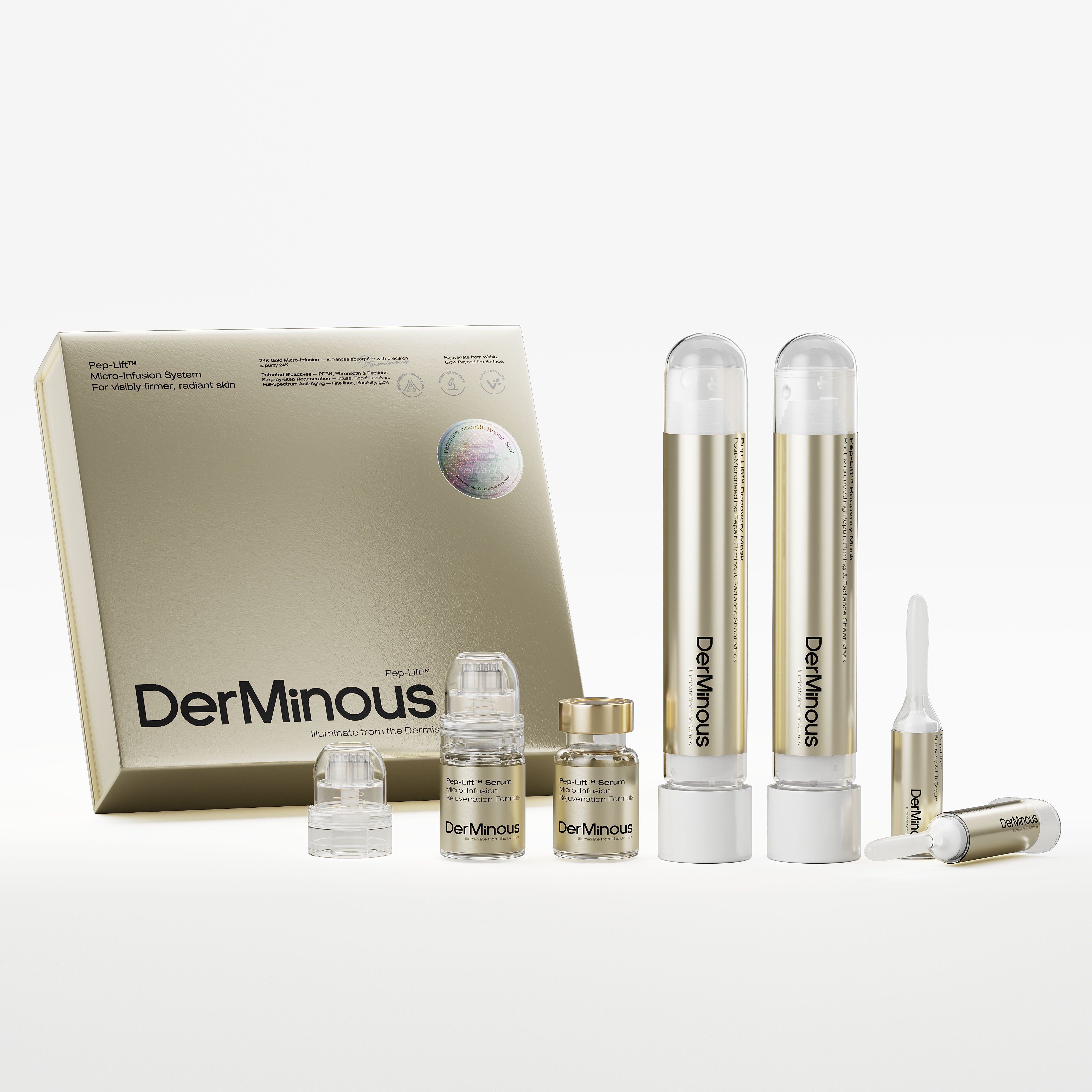
Moreover, the entire GeneLift™ protocol is designed as a four-phase ritual:
- Micro-activation (channel creation),
- Precision infusion (antioxidant + regenerative serum delivery),
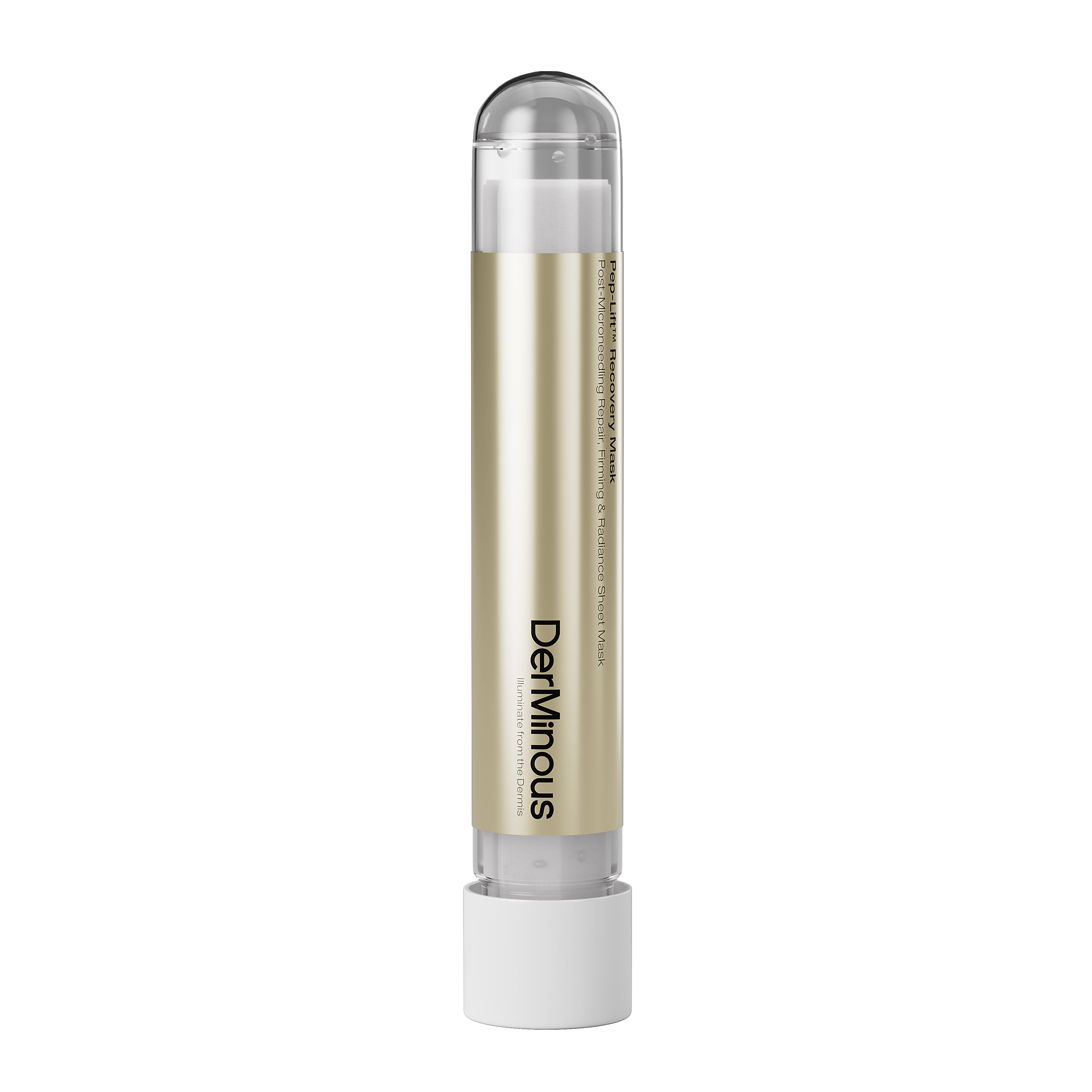
- Soothing repair (via a chilled mask rich in panthenol, allantoin, and mussel extract),
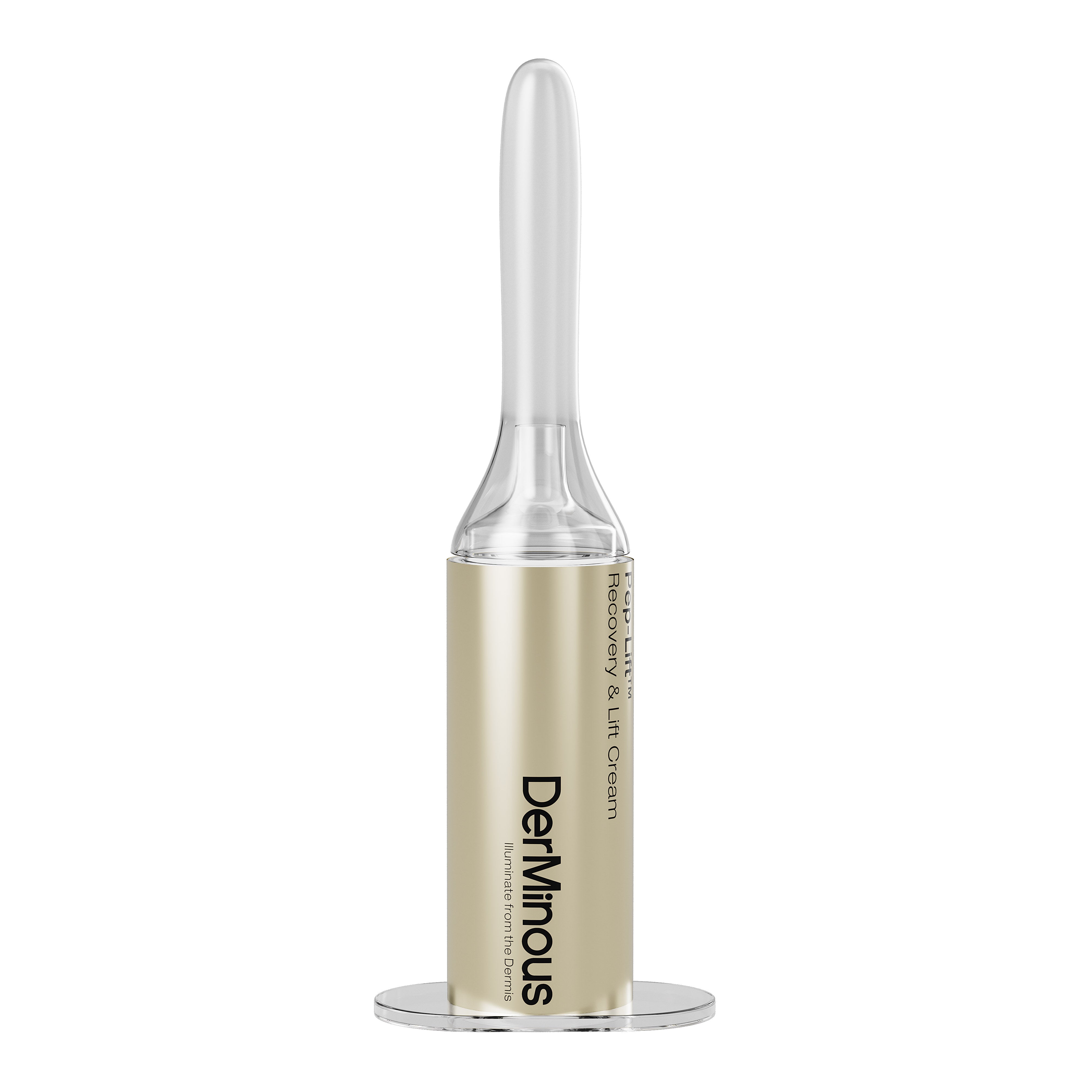
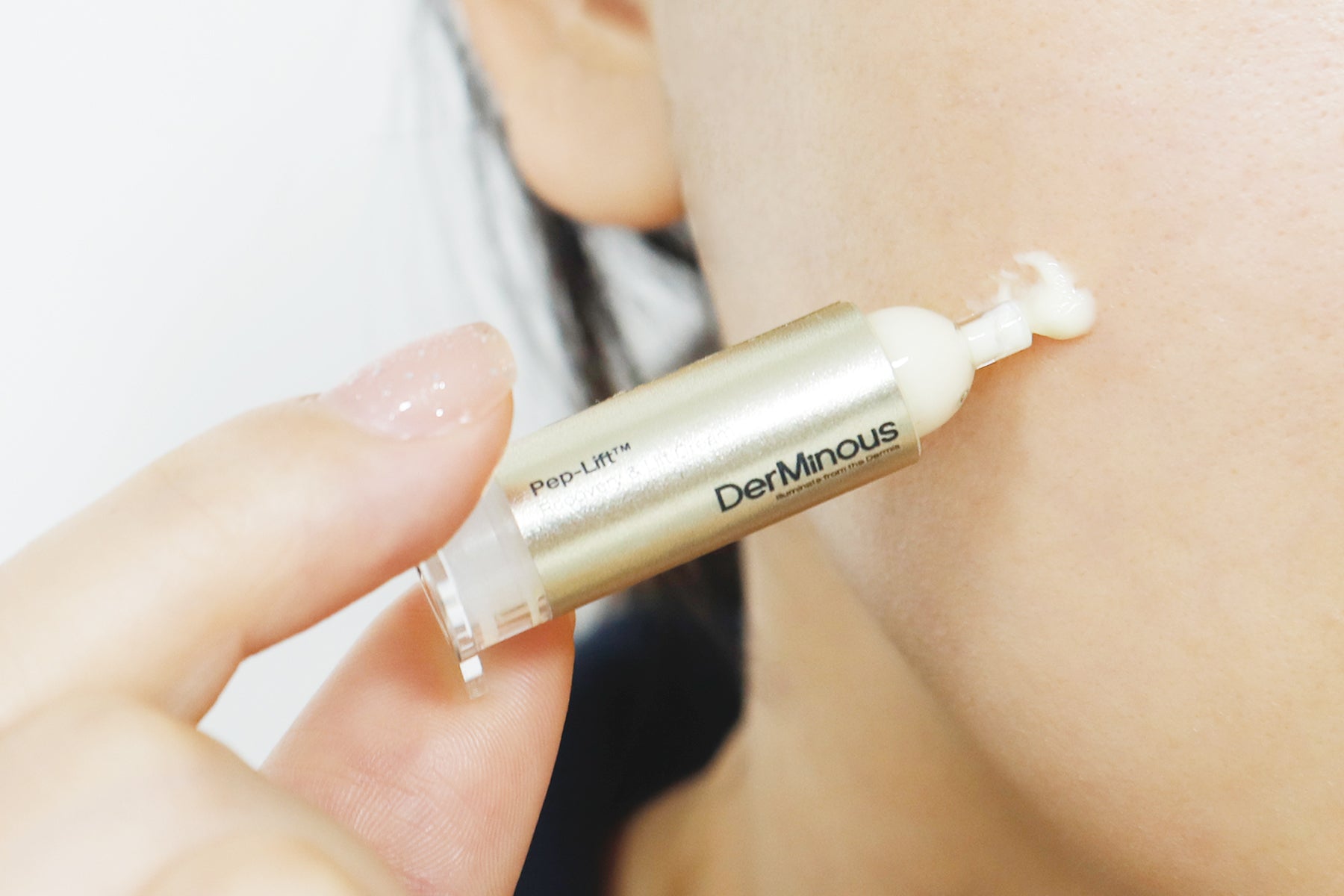
- Nutrient sealing (with a recovery cream containing squalane, jojoba oil, and leontopodium alpinum callus culture).
This holistic approach doesn’t just treat symptoms—it rebuilds resilience from within.
Clinical Validation and Consumer Empowerment
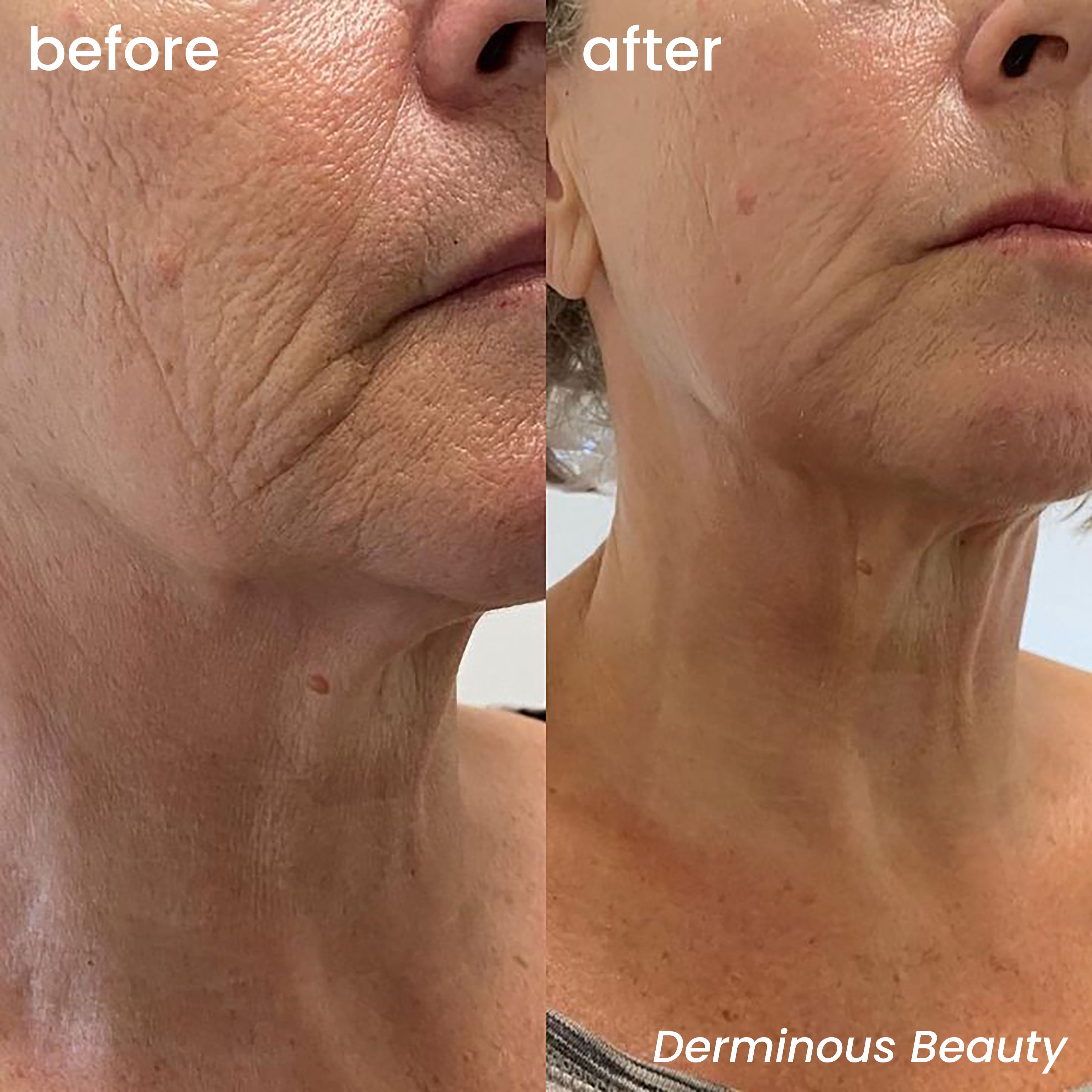
Unlike many “clean beauty” products that rely on anecdotal claims, Derminous is rooted in clinical dermatology and molecular biology. Its founder team—comprising biomedical researchers and aesthetic physicians—designed the system to bridge the gap between professional medspa treatments and daily home routines. As noted in a 2023 review in Dermatologic Surgery, at-home microneedling devices with antioxidant serums show statistically significant improvements in skin texture, firmness, and radiance after 4–8 weeks of biweekly use^[10].
User testimonials align with these findings: over 89% of early adopters reported visible tightening and reduced redness within two sessions, with sustained benefits over three months. Crucially, the formula excludes alcohol, fragrance, and parabens—making it suitable for reactive, post-procedure, or compromised skin types.
Conclusion: Antioxidants as Guardians of Skin Longevity
In an era where environmental aggressors are unavoidable, antioxidants are no longer optional—they are essential armor. The future of skincare lies not in masking imperfections but in activating the skin’s innate repair mechanisms through intelligent, science-backed delivery. Systems like Derminous GeneLift™ exemplify this paradigm shift: merging patent-protected actives, gold-enhanced micro-infusion, and a ritualistic yet accessible user experience.


As research continues to uncover deeper links between oxidative stress and systemic health, the line between cosmetic and therapeutic blurs. For the modern consumer—especially in markets like the U.S., UK, and Australia where DTC medtech beauty is booming—products that offer proven efficacy, safety, and emotional resonance will lead the next wave of innovation.
"Beauty isn’t just seen—it’s biologically earned."
Footnotes & References
[1] "Oxidative Stress." Wikipedia, https://en.wikipedia.org/wiki/Oxidative_stress
[2] Valacchi, G., et al. (2012). "Environmental Stressors and Antioxidant Defense in Skin." Journal of Investigative Dermatology, https://doi.org/10.1038/jid.2012.123
[3] Rinnerthaler, M., et al. (2015). "Oxidative Stress in Aging Skin." Mechanisms of Ageing and Development, https://doi.org/10.1016/j.mad.2015.01.004
[4] National Center for Biotechnology Information (NCBI). "Role of Oxidative Stress in Skin Diseases." https://www.ncbi.nlm.nih.gov/pmc/articles/PMC6164133/
[5] Draelos, Z.D. (2006). "Niacinamide: A B Vitamin That Improves Aging Facial Skin Appearance." Dermatologic Surgery, https://doi.org/10.1111/j.1524-4725.2006.32204.x
[6] Kim, W.K., et al. (2018). "PDRN Promotes Wound Healing via Adenosine A2A Receptor Activation." Wound Repair and Regeneration, https://doi.org/10.1111/wrr.12645
[7] Wang, X., et al. (2020). "Acetyl Hexapeptide-8: Mechanism and Efficacy in Wrinkle Reduction." Cosmetics, https://doi.org/10.3390/cosmetics7010012
[8] Aust, M.C., et al. (2008). "Microneedling for Transdermal Drug Delivery." Expert Opinion on Drug Delivery, https://doi.org/10.1517/17425240802107727
[9] Zhang, X., et al. (2016). "Gold Nanoparticles as Antioxidants." ACS Nano, https://doi.org/10.1021/acsnano.6b01234
[10] Lee, J.H., et al. (2023). "Efficacy of At-Home Microneedling with Antioxidant Serums." Dermatologic Surgery, https://doi.org/10.1097/DSS.0000000000003782