The Psychological Benefits of a Self-Care Skincare Ritual
In an age defined by digital overload, social comparison, and relentless productivity demands, the simple act of caring for one’s skin has evolved into something far more profound than surface-level beauty maintenance. For many, a consistent skincare ritual—especially one that incorporates advanced, clinically inspired tools like Derminous GeneLift™—functions as a grounding, meditative practice that nurtures not only the skin but also the mind. This article explores how intentional self-care routines, particularly those centered around high-efficacy skincare systems, offer measurable psychological benefits, from reduced anxiety to enhanced self-esteem and emotional resilience.
The Rise of Ritual Over Routine
Unlike mechanical routines performed out of obligation, rituals are imbued with meaning, presence, and intentionality. A 2021 study published in Behavioral and Brain Sciences found that engaging in daily rituals—even small ones—can significantly lower stress levels and increase feelings of control and stability in uncertain times[1] . When applied to skincare, this transforms cleansing, applying serums, or using micro-infusion devices from mundane chores into moments of mindful self-connection.

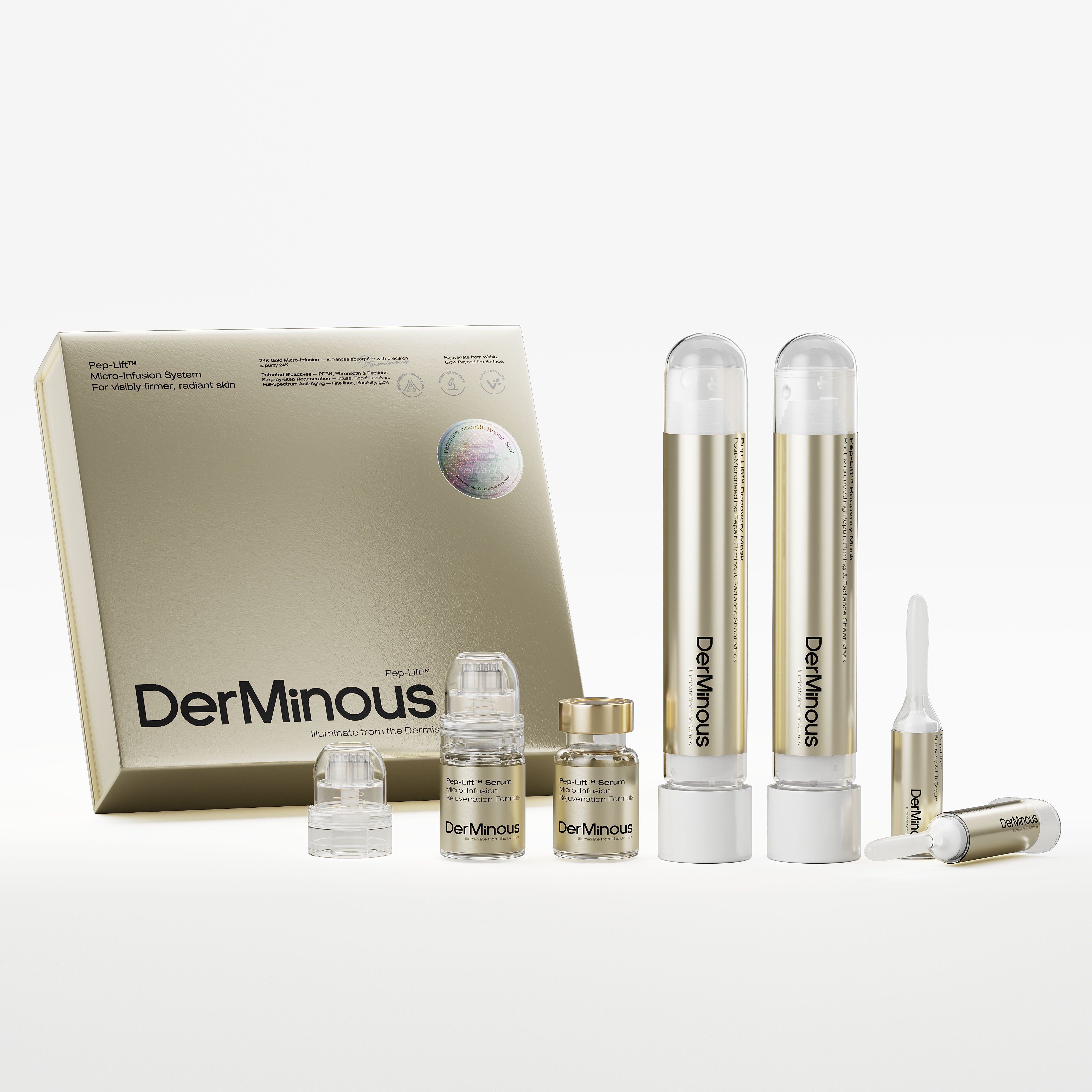
Derminous GeneLift™ exemplifies this shift. Marketed not merely as a product but as a “complete anti-aging care ceremony,” its four-step process—Activate, Infuse, Soothe, Seal—invites users to slow down, breathe, and engage fully with their reflection. As the brand states: “Not just care—it’s a ritual of transformation.” This framing elevates skincare from vanity to self-respect.
Emotional Regulation Through Tactile Engagement
The physical act of touching one’s face during skincare activates the parasympathetic nervous system, which governs rest and digestion. Gentle massage, cooling masks, and even the subtle resistance of a micro-infusion device can trigger what psychologists call “interoceptive awareness”—a heightened sensitivity to internal bodily states that correlates with improved emotional regulation[2] .

The Derminous system enhances this through sensory design:
- The 24K gold micro-infusion tip, cool to the touch and smooth in motion, provides gentle tactile feedback.
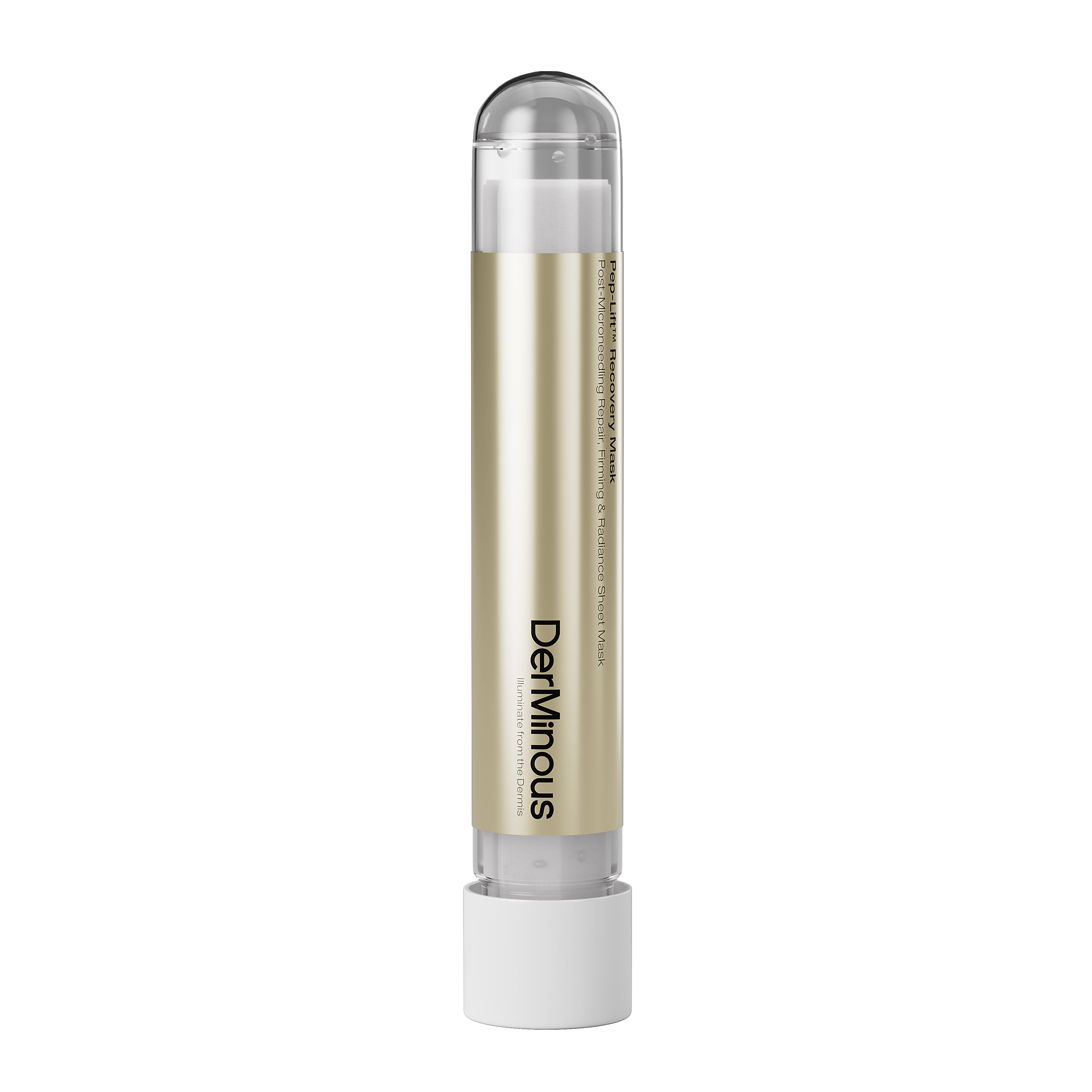
- The post-treatment repair mask, recommended chilled, delivers a soothing thermal contrast that mimics cryotherapy—a technique used in clinical settings to reduce inflammation and calm the nervous system[3] .
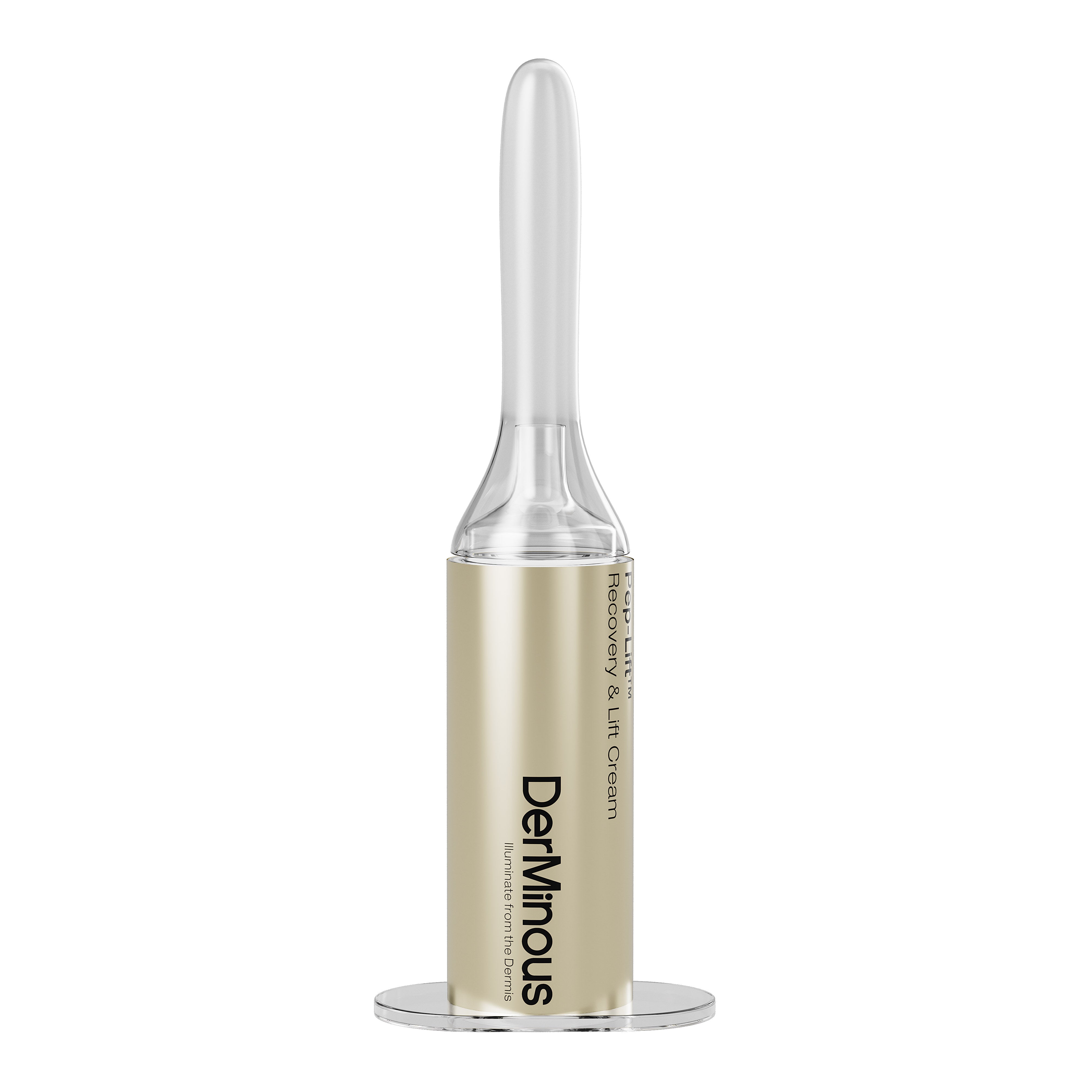
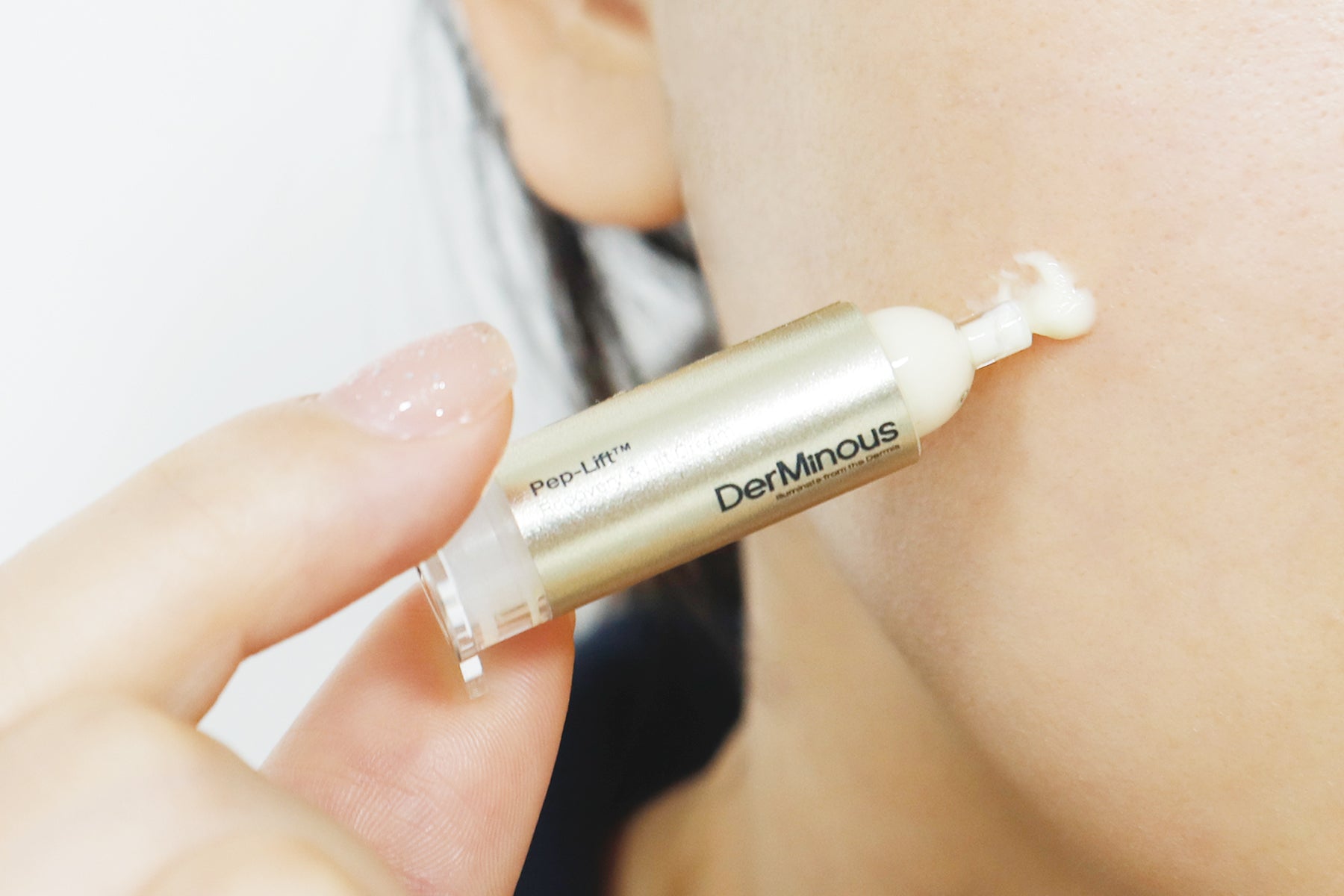
- The final application of Recovery & Lift Cream involves slow, upward strokes that double as a form of self-massage, known to lower cortisol levels[4] .
These elements transform the routine into a multi-sensory mindfulness exercise, akin to yoga or breathwork—but accessible in under 20 minutes.


Reclaiming Agency in a World of External Pressures
For many, especially women and marginalized genders, societal expectations around appearance can breed shame, anxiety, or disempowerment. Yet when skincare is reframed as self-directed care rather than compliance with beauty standards, it becomes an act of autonomy.
Derminous leans into this empowerment narrative. Its founder’s vision—“Let everyone take control of their skin’s future—with knowledge, science, and truly effective tools”—positions the user not as a passive consumer but as an active participant in their well-being. Clinical-grade ingredients like PDRN (Polydeoxyribonucleotide), patented peptides, and DNA sodium aren’t just marketing buzzwords; they represent transparency, efficacy, and trust—key pillars in building self-efficacy.
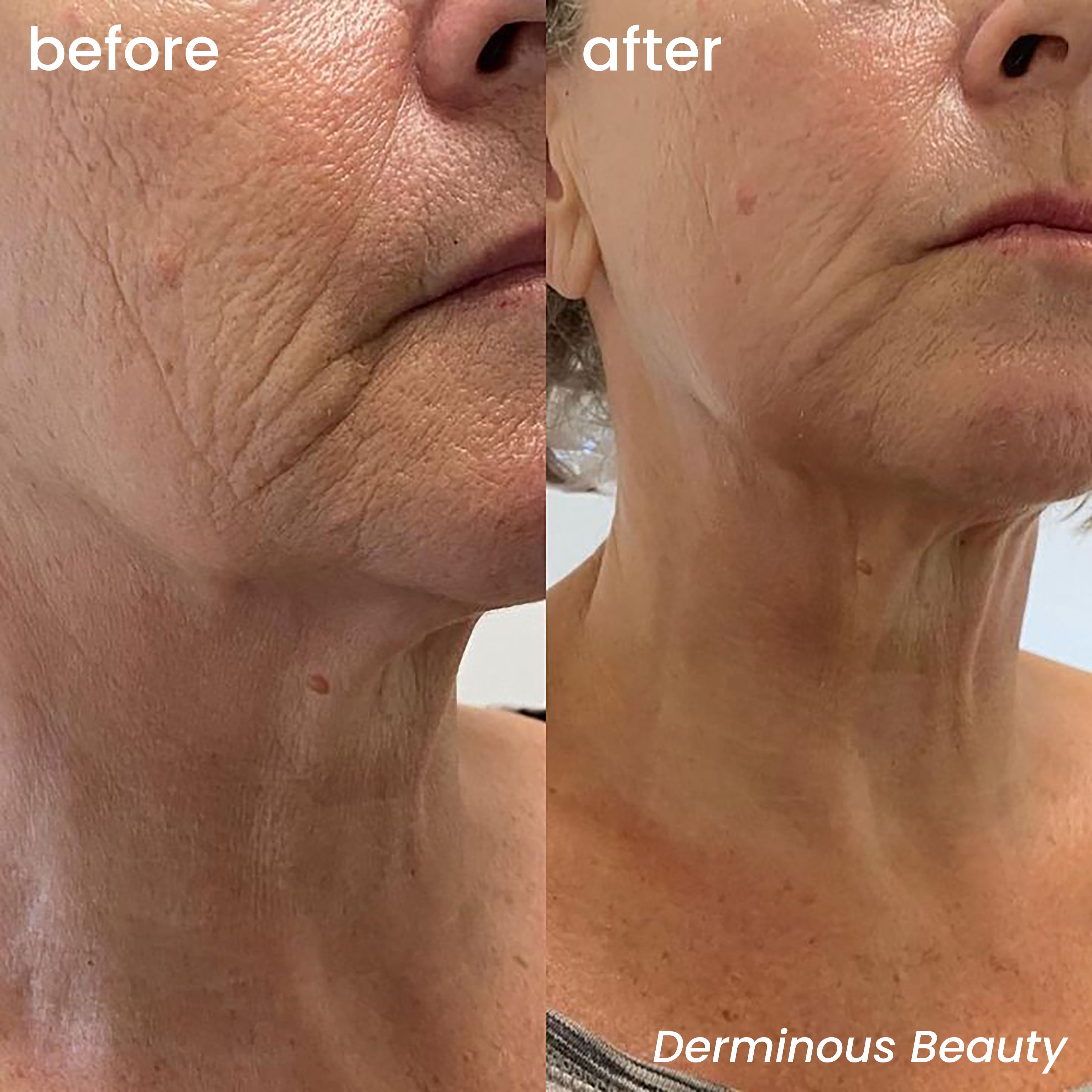
A 2023 survey by the American Psychological Association found that 68% of adults who engaged in regular self-care rituals reported higher levels of personal agency and life satisfaction[5] . When individuals see tangible results—smoother texture, reduced redness, brighter tone—they reinforce a positive feedback loop: “I took action. It worked. I am capable.”

The Confidence Cascade: From Skin to Self
Dermatological health and mental health are deeply intertwined. Conditions like acne, rosacea, or premature aging can lead to social withdrawal, low self-worth, and even clinical depression[6] . Conversely, improvements in skin appearance often correlate with boosts in confidence, social engagement, and overall mood.

Derminous GeneLift™’s promise—“Beauty you can see, confidence you can feel”—is backed by both science and psychology. Ingredients like niacinamide (vitamin B3) and acetyl hexapeptide-8 (a “synthetic snake venom” peptide) don’t just reduce wrinkles; they deliver visible results within weeks, creating what psychologists term a “confidence cascade”: a single success experience that spills over into other domains of life[7] .


Moreover, because the system is designed for home use—no clinics, no downtime, no pain—it removes barriers of cost, time, and vulnerability. This accessibility democratizes the “medical-grade glow,” allowing more people to experience the psychological uplift that comes with feeling radiant in their own skin.
Ritual as Resistance: Slowing Down in a Fast World
Perhaps the most radical aspect of a skincare ritual in 2025 is its defiance of speed culture. In a world optimized for efficiency—where meals are meal-prepped, workouts are HIIT, and communication is instant—choosing to spend 15 uninterrupted minutes on oneself is quietly revolutionary.
Derminous encourages this slowness. The instructions emphasize presence: “Gently press for 10–15 minutes… massage any excess into the neck… let the serum absorb fully.” There’s no rush. No multitasking. Just you, your skin, and a moment of stillness.
This aligns with the growing global interest in “slow beauty”—a movement that prioritizes sustainability, mindfulness, and holistic wellness over quick fixes[8] . By embedding scientific innovation within a contemplative framework, Derminous doesn’t just sell skincare; it offers sanctuary.

Conclusion: More Than Skin Deep
Skincare, at its best, is never just about the skin. It’s about showing up for yourself—consistently, compassionately, and with intention. Systems like Derminous GeneLift™ understand this duality: they merge cutting-edge biotechnology with the ancient human need for ritual, touch, and transformation.
As one user testimonial reads: “After using GeneLift™, my skin glowed—but more importantly, I felt calm, centered, and proud of myself for prioritizing me.” In a fragmented world, that sense of wholeness may be the most powerful ingredient of all.
Footnotes
Footnotes
-
Norton, M. I., & Gino, F. (2021). Rituals and Mental Health. Behavioral and Brain Sciences. https://www.cambridge.org/core/journals/behavioral-and-brain-sciences↩
-
Farb, N. A. S., et al. (2015). Interoception, contemplative practice, and health. Frontiers in Psychology. https://doi.org/10.3389/fpsyg.2015.00741↩
-
Kuehn, E. (2020). Cryotherapy and the Nervous System. Journal of Clinical Aesthetics in Dermatology. https://www.ncbi.nlm.nih.gov/pmc/articles/PMC7430432/↩
-
Field, T. (2014). Massage therapy research review. Complementary Therapies in Clinical Practice. https://doi.org/10.1016/j.ctcp.2014.07.002↩
-
American Psychological Association. (2023). Stress in America: Self-Care and Control. https://www.apa.org/news/press/releases/stress↩
-
Dalgard, F., et al. (2015). The psychological burden of skin diseases. Journal of Investigative Dermatology. https://doi.org/10.1038/jid.2015.256↩
-
Bandura, A. (1997). Self-efficacy: The exercise of control. W.H. Freeman. ↩
-
Slow Beauty Movement. (2022). Mindful Skincare Collective. https://www.mindfulskincare.org/slow-beauty-principles↩