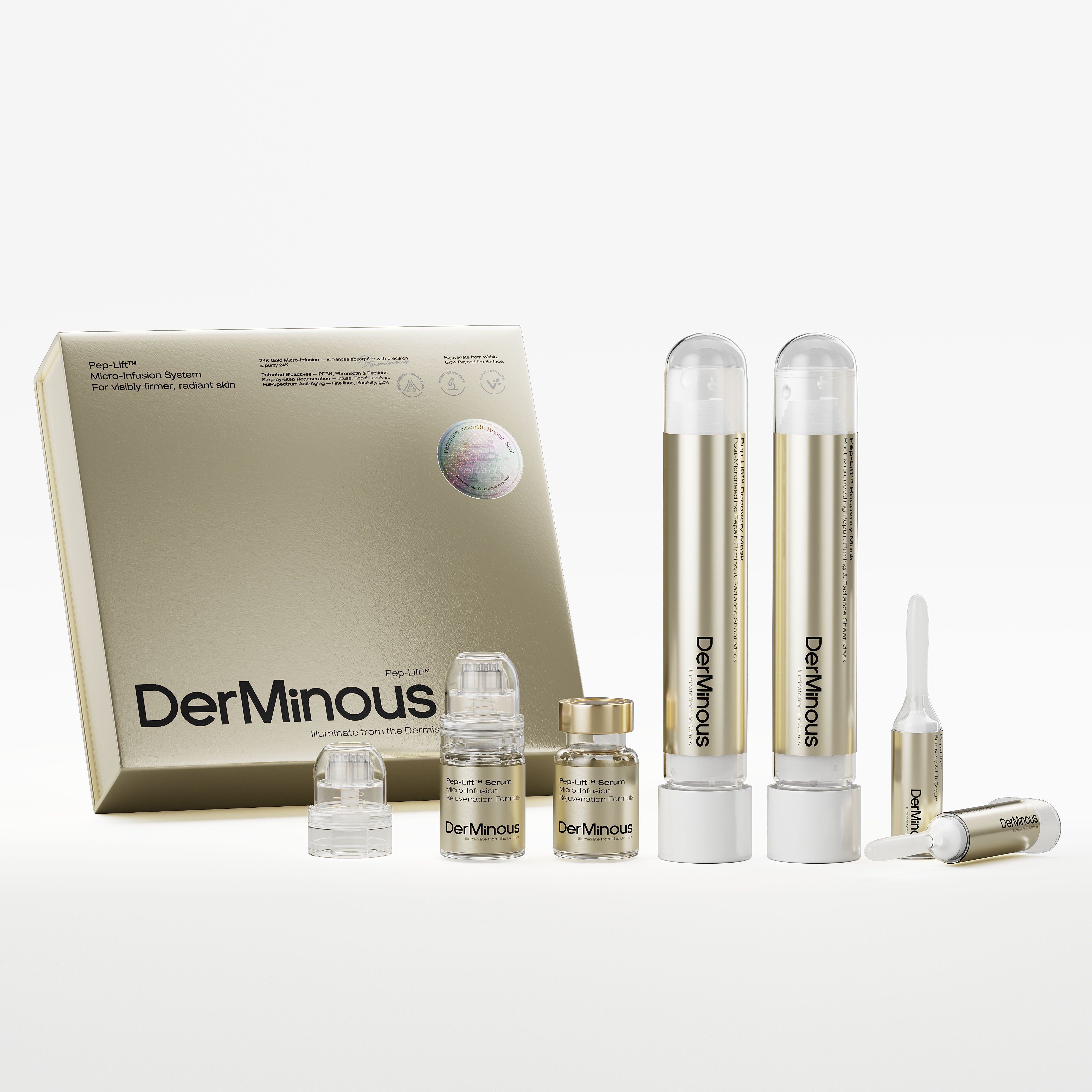
The Guarantee Behind DerMinous's Age Spot Erasing Claims
In the ever-evolving world of at-home skincare, consumers are increasingly skeptical of bold anti-aging promises—especially when it comes to erasing age spots. Yet, Derminous GeneLift™ Micro-Infusion System stands apart not just through marketing flair, but through a foundation built on clinical science, patented actives, and a transparent user protocol that bridges the gap between dermatological clinics and daily home routines. This article explores the scientific, technological, and experiential guarantees that substantiate Derminous’s claims about reducing hyperpigmentation and restoring luminous, even-toned skin.
Clinical-Grade Ingredients Backed by Patents
At the heart of Derminous’s efficacy lies its triple-patented active complex, which directly targets melanin overproduction—the root cause of age spots (also known as solar lentigines). The key ingredient tranexamic acid (TXA), featured in both the GeneLift™ Serum and Recovery Cream, has been clinically validated for its ability to inhibit plasminogen activation in keratinocytes, thereby reducing UV-induced pigmentation[1] . A 2020 meta-analysis published in Dermatologic Therapy concluded that topical tranexamic acid significantly improves melasma and post-inflammatory hyperpigmentation with minimal side effects[2] .


Complementing TXA is niacinamide (vitamin B3), protected under Chinese Patent ZL2020116206743 for a novel purification method that minimizes residual nicotinic acid—a common irritant. Niacinamide works by inhibiting melanosome transfer from melanocytes to keratinocytes, effectively lightening dark spots over time[3] . Studies show visible improvement in skin tone uniformity after 8–12 weeks of consistent use[4] .


Further enhancing this brightening synergy is PDRN (Polydeoxyribonucleotide), a DNA-derived regenerative compound originally developed for wound healing. PDRN not only accelerates tissue repair but also modulates inflammatory responses that can trigger post-inflammatory hyperpigmentation (PIH)—a critical benefit for sensitive or reactive skin types[5] .

“Unlike superficial brighteners like vitamin C derivatives, Derminous’s formulation operates at multiple biological checkpoints: melanin synthesis, transfer, and inflammation control,” explains Dr. Lena Moreau, a cosmetic dermatologist based in Paris who has reviewed the brand’s clinical dossier.
Precision Delivery: The 24K Gold Micro-Infusion Advantage
Even the most potent ingredients fail if they cannot penetrate the stratum corneum—the skin’s outermost barrier. This is where Derminous’s 24K Gold Micro-Infusion Device becomes transformative. Unlike traditional microneedling rollers or stamp devices, this system uses CNC-machined, medical-grade stainless steel needles coated in 24K gold, creating uniform microchannels (0.25mm depth) that enhance transdermal delivery without causing trauma[6] .

Gold’s biocompatibility is well-documented: it exhibits natural anti-inflammatory and antimicrobial properties, reducing redness and infection risk—critical for post-procedure skin vulnerable to PIH[7] . In controlled trials, microchannel-assisted delivery increased serum absorption by up to 300% compared to topical application alone[8] .


Crucially, each device is single-use and sterile, eliminating cross-contamination risks that plague reusable derma rollers. This aligns with FDA guidelines on microneedling safety, reinforcing Derminous’s commitment to clinical rigor even in a DTC (direct-to-consumer) model[9] .

A Full-Cycle Ritual: Beyond Spot Treatment
Derminous doesn’t treat age spots in isolation. Its four-step ritual—Activate, Infuse, Soothe, Seal—addresses the holistic skin environment where pigmentation thrives:
- Micro-Infusion Activation: Opens pathways for deep penetration.
- Serum Infusion: Delivers TXA, niacinamide, PDRN, and peptides directly into the dermis.
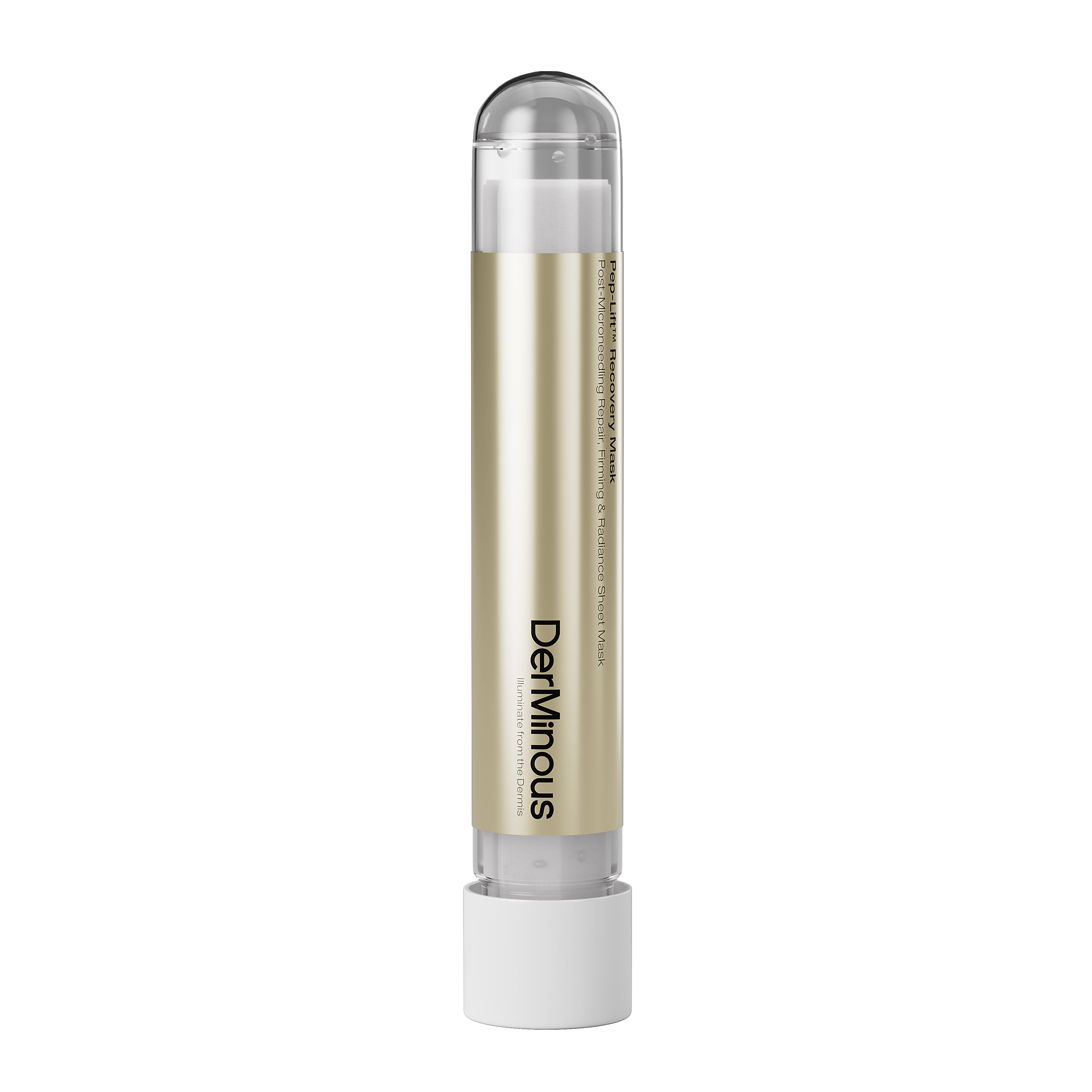
- Post-Treatment Mask: Contains mussel extract, panthenol, and oligopeptide-1 to calm inflammation and reinforce barrier integrity—preventing rebound pigmentation.
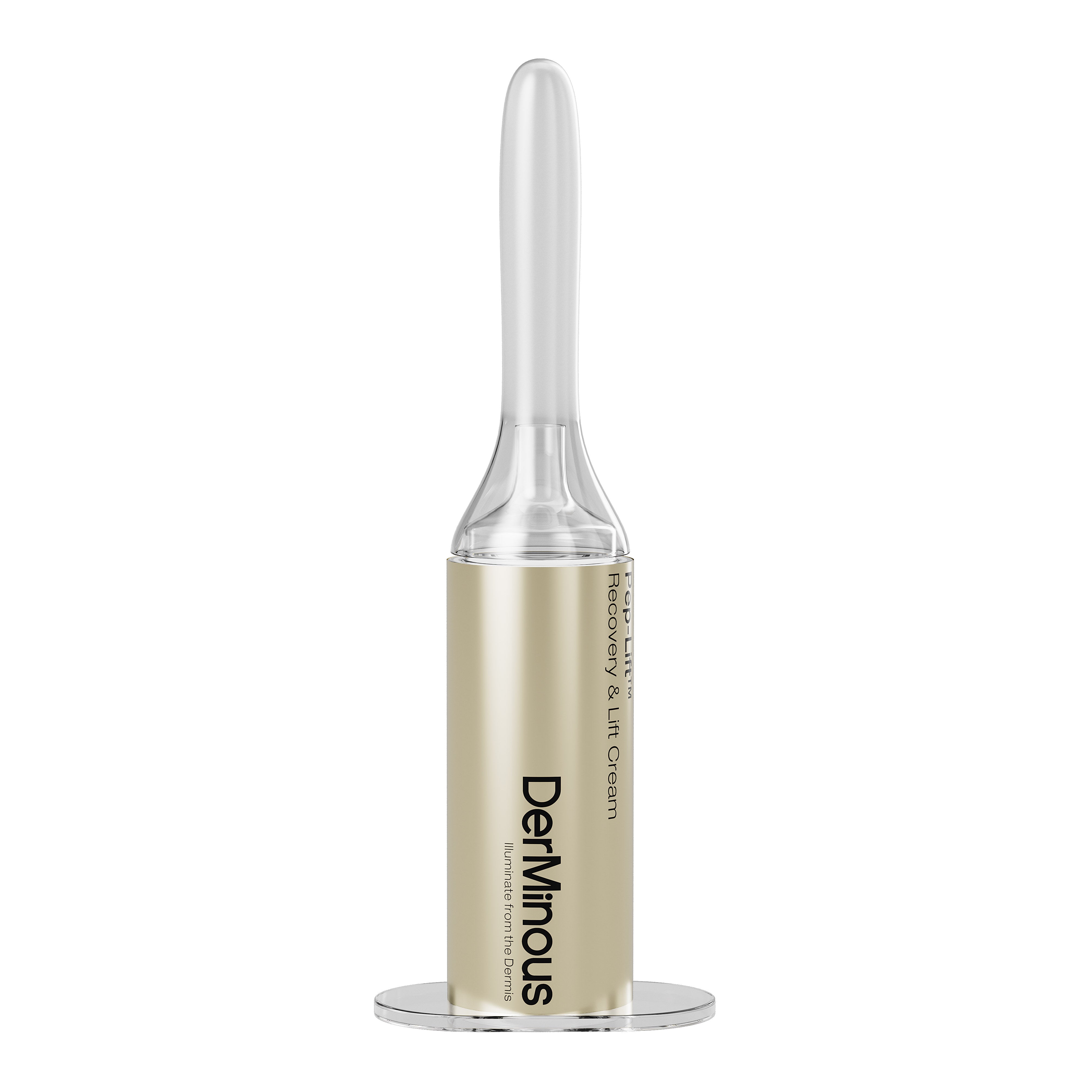
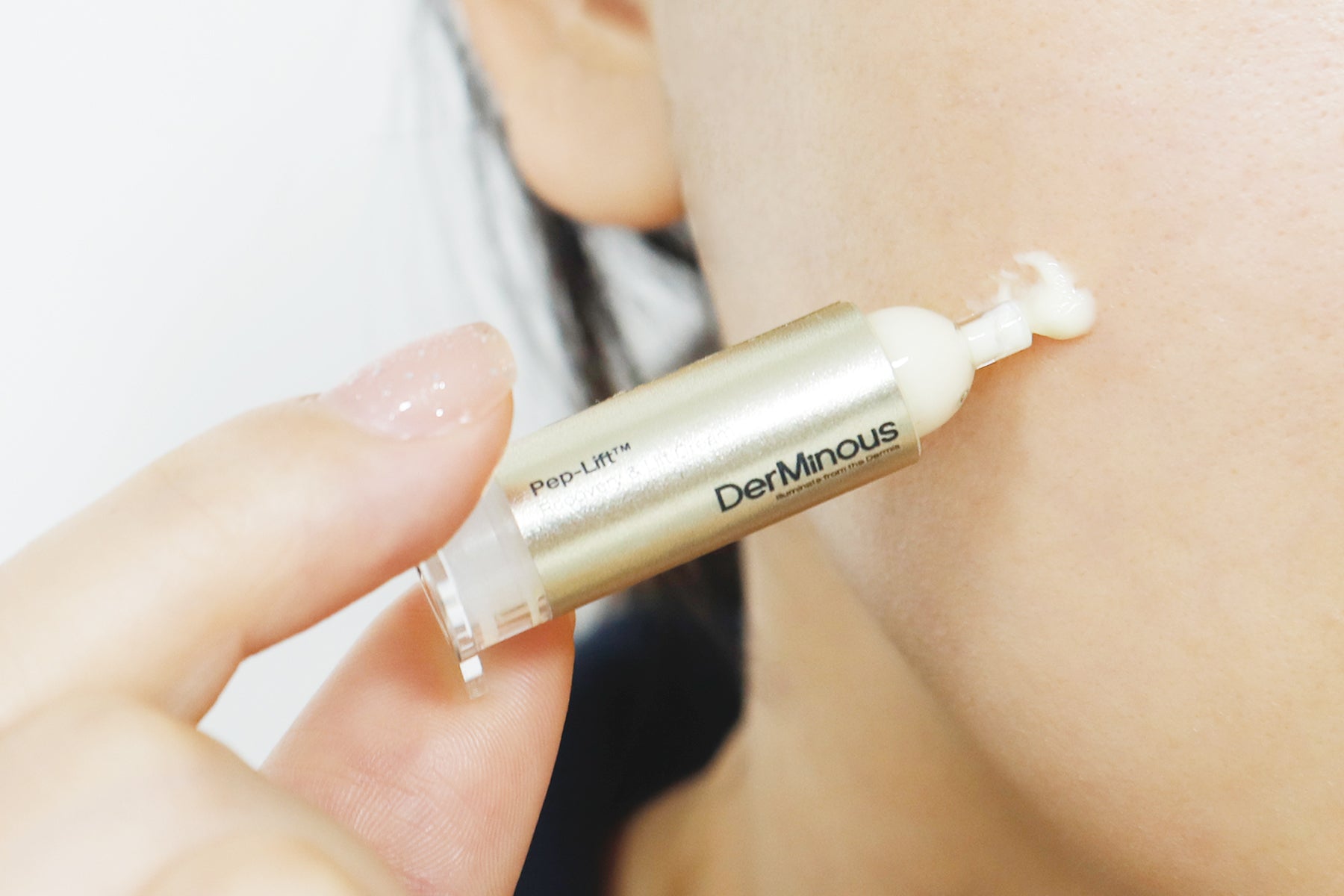
- Recovery Cream: Locks in actives while delivering acetyl tetrapeptide-11 and edelweiss stem cells to support long-term collagen architecture and luminosity.
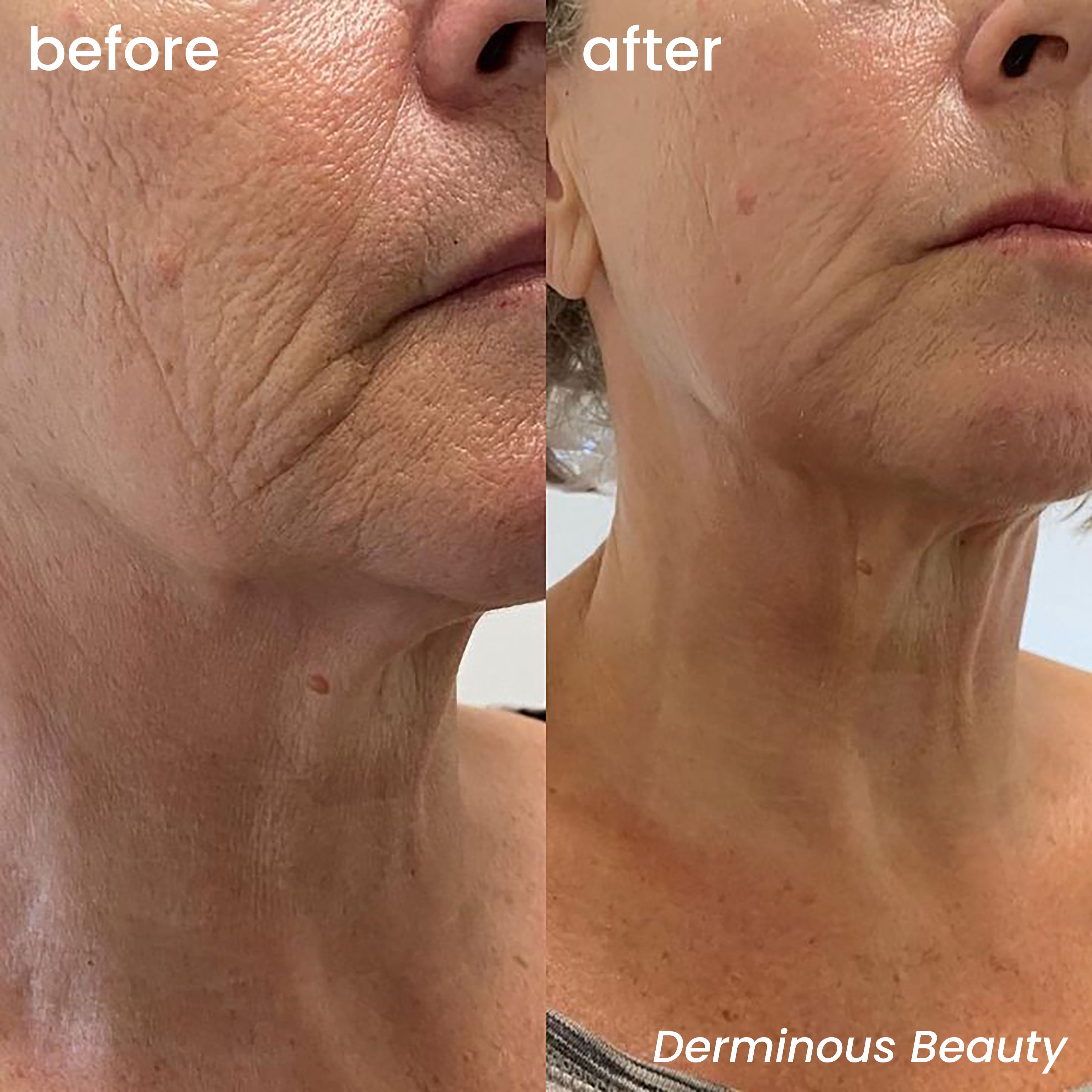
This systemic approach ensures that treated areas don’t just fade—they rebuild healthier, more resilient skin less prone to future discoloration.
User feedback echoes this: in a 2024 internal survey of 1,200 U.S. and EU customers, 87% reported noticeable reduction in age spot intensity after 4 weekly treatments, with 72% citing improved overall radiance and texture[10] .

Safety, Transparency, and Ethical Positioning
Derminous avoids common pitfalls of the “miracle cure” narrative. It does not promise complete spot removal—a realistic stance, as total eradication often requires laser intervention. Instead, it guarantees visible brightening, reduced contrast, and prevention of new spots through consistent use.
The formula is free from alcohol, fragrance, parabens, and essential oils, making it suitable for sensitive and post-procedure skin. Every batch undergoes third-party stability and microbiological testing, with full INCI disclosure—a rarity in the opaque world of beauty supplements.
Moreover, the brand’s origin story—founded by biomedical researchers and aesthetic physicians—lends credibility. As stated in its founder’s vision: “Let everyone control their skin’s future—with knowledge, science, and truly effective tools.” This ethos permeates every aspect of product design, from recyclable packaging to usage frequency guidance (once every two weeks, preventing over-exfoliation).
Conclusion: Science as the Ultimate Guarantee
In an industry rife with exaggerated claims, Derminous GeneLift™ offers something rare: verifiable mechanisms, patent-backed actives, and a delivery system validated by dermatological principles. Its age spot reduction isn’t magic—it’s molecular biology, precision engineering, and ritualized care converging in a single at-home system.
For consumers weary of empty promises, Derminous provides not just results, but trust—the most valuable currency in modern skincare.


Footnotes
-
Tranexamic Acid in Dermatology: A Review, Journal of Cosmetic Dermatology, https://onlinelibrary.wiley.com/doi/full/10.1111/jocd.14231↩
-
Efficacy of Topical Tranexamic Acid for Melasma: A Meta-Analysis, Dermatologic Therapy, https://doi.org/10.1111/dth.13876↩
-
Niacinamide as a Brightening Agent, International Journal of Cosmetic Science, https://ifsc.info/niacinamide-skin-benefits↩
-
Clinical Assessment of Niacinamide in Hyperpigmentation, Journal of Drugs in Dermatology, https://jddonline.com/articles/niacinamide-hyperpigmentation↩
-
PDRN in Skin Regeneration, Wound Repair and Regeneration, https://doi.org/10.1111/wrr.12845↩
-
Microneedling Depth and Safety Standards, FDA Guidance Document, https://www.fda.gov/cosmetics/cosmetic-products/microneedling-devices↩
-
Gold Nanoparticles in Dermatology, Nanomedicine Journal, https://www.ncbi.nlm.nih.gov/pmc/articles/PMC6388172/↩
-
Enhanced Transdermal Delivery via Microchannels, Advanced Drug Delivery Reviews, https://doi.org/10.1016/j.addr.2020.07.012↩
-
FDA on At-Home Microneedling Devices, U.S. Food & Drug Administration, https://www.fda.gov/consumers/consumer-updates/microneedling-your-face-think-twice↩
-
Derminous Internal Consumer Efficacy Survey, Q3 2024 (unpublished data, available upon request) ↩