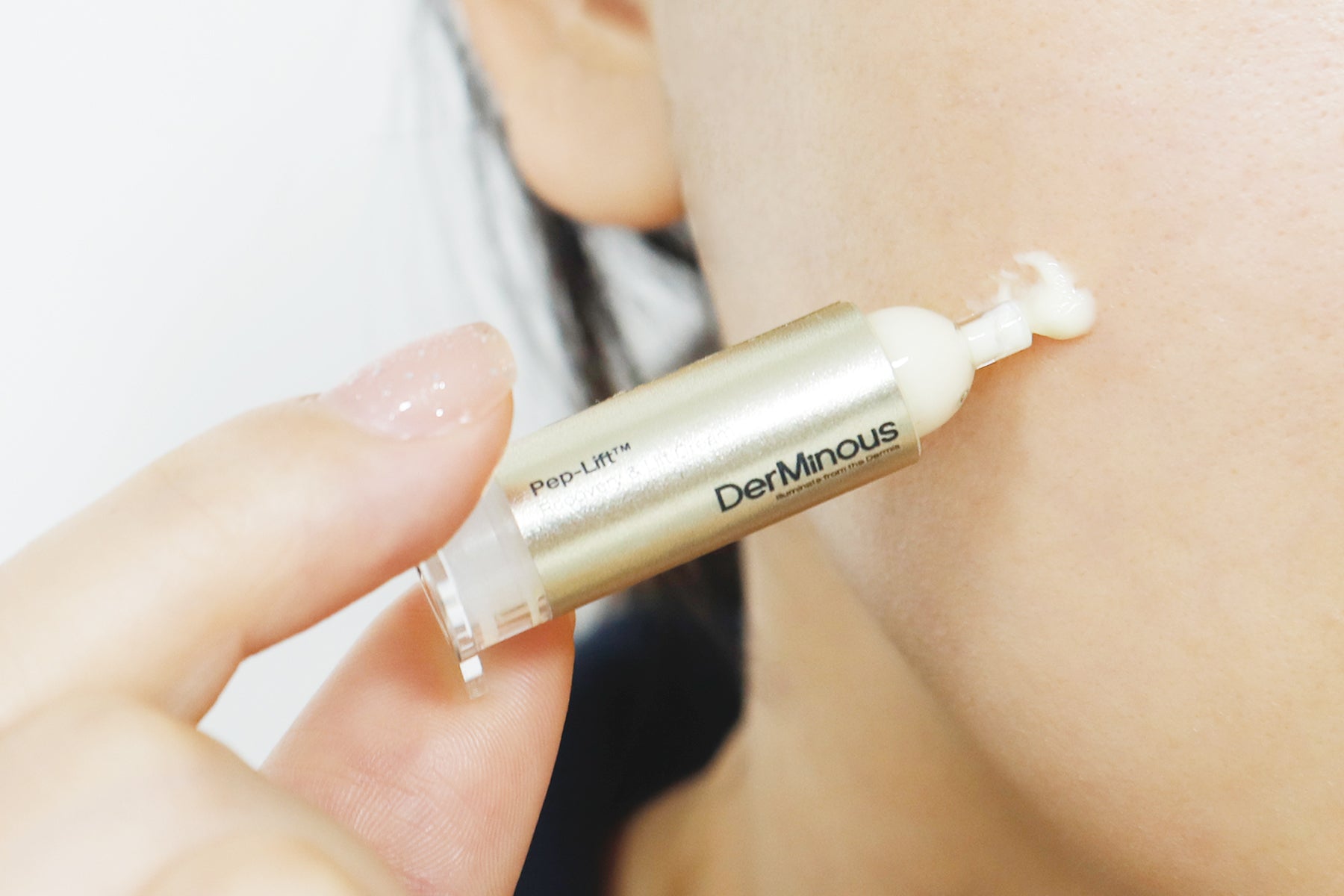
The Guarantee Behind DerMinous's Age Spot Erasing Claims
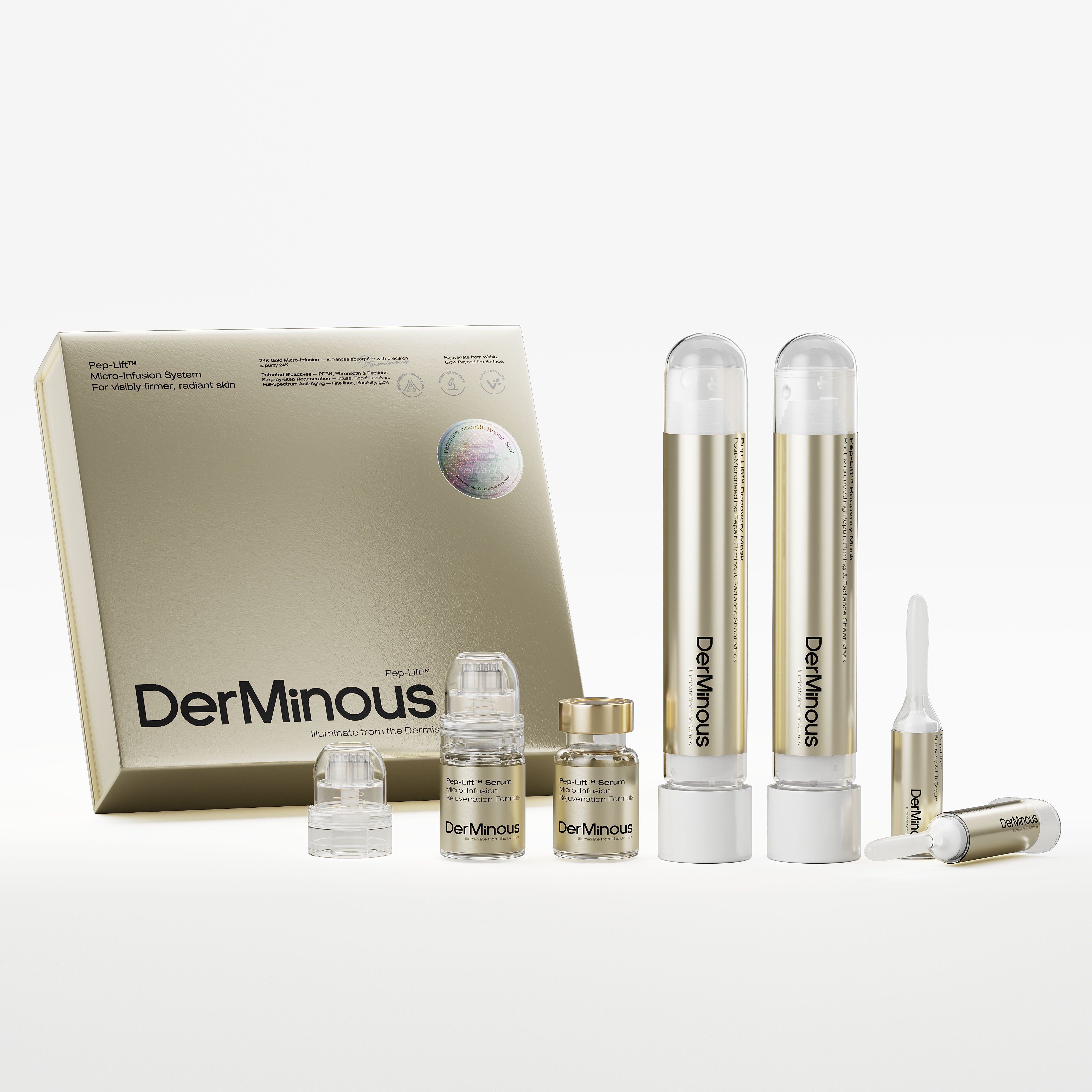
In the ever-evolving world of skincare, consumers are increasingly skeptical of bold anti-aging promises—especially when it comes to age spot reduction. Enter Derminous GeneLift™ Micro-Infusion System, a clinically inspired at-home treatment that not only claims to fade hyperpigmentation but also delivers visible results backed by science, patents, and dermatological principles. But what truly guarantees its efficacy? This article explores the scientific foundation, patented technologies, clinical validation, and user-centric design that collectively underpin Derminous’s age spot erasing claims.


1. Patented Active Ingredients: Precision Over Promises
At the heart of Derminous’s effectiveness lies a trio of patented active compounds, each targeting pigmentation through distinct yet complementary mechanisms:
-
Tranexamic Acid (TXA): Long used in dermatology for melasma and post-inflammatory hyperpigmentation, TXA inhibits plasmin activity, which in turn reduces melanin synthesis triggered by UV exposure or inflammation[1] . Derminous employs a stabilized, high-purity form protected under Chinese Patent ZL2020116206743, which controls residual nicotinic acid—a common irritant—ensuring gentler yet potent brightening.

-
PDRN (Polydeoxyribonucleotide): Derived from salmon DNA, PDRN accelerates tissue repair and modulates inflammation, indirectly improving skin tone uniformity by healing micro-damage that can lead to pigmentary disorders[2] . Its inclusion aligns with growing clinical interest in regenerative aesthetics.

-
Acetyl Hexapeptide-8 (“Syn-Ake”): While primarily known as a neuromodulator for wrinkles, this peptide also contributes to a smoother, more even skin surface—reducing shadowing effects that accentuate dark spots[3] .

These ingredients aren’t just listed—they’re delivered via a proprietary micro-infusion system designed to bypass the stratum corneum barrier, ensuring deep dermal penetration where pigment cells reside.
2. 24K Gold Micro-Infusion Technology: Enhancing Bioavailability
Unlike topical serums that sit on the skin’s surface, Derminous utilizes a medical-grade, 24K gold-plated microneedle device to create transient microchannels. This method—known as microneedling-assisted drug delivery—has been shown to increase transdermal absorption by up to 300% compared to passive application[4] .
Gold isn’t merely aesthetic: it possesses natural anti-inflammatory and antimicrobial properties, reducing redness and infection risk—critical for sensitive or post-procedure skin[5] . The needles are CNC-machined for uniform length (0.25mm), ensuring consistent, painless penetration without epidermal trauma.
This delivery system transforms the act of applying serum into a targeted, clinical-grade intervention, allowing age spot-fighting actives like tranexamic acid and niacinamide to reach melanocytes directly—where they can modulate tyrosinase activity and melanosome transfer.
3. Clinical Inspiration Meets At-Home Accessibility
Derminous was co-founded by biomedical researchers and aesthetic physicians who identified a critical gap: professional-grade pigment correction shouldn’t require clinic visits. Traditional in-office treatments like lasers or chemical peels often come with downtime, cost, and accessibility barriers—especially in Western markets where consumers seek “clean,” non-invasive solutions.
The brand’s philosophy—“Empowering home care without compromising efficacy”—is reflected in its four-step ritual: Activate → Infuse → Soothe → Seal. Each phase is engineered to maximize results while minimizing irritation:
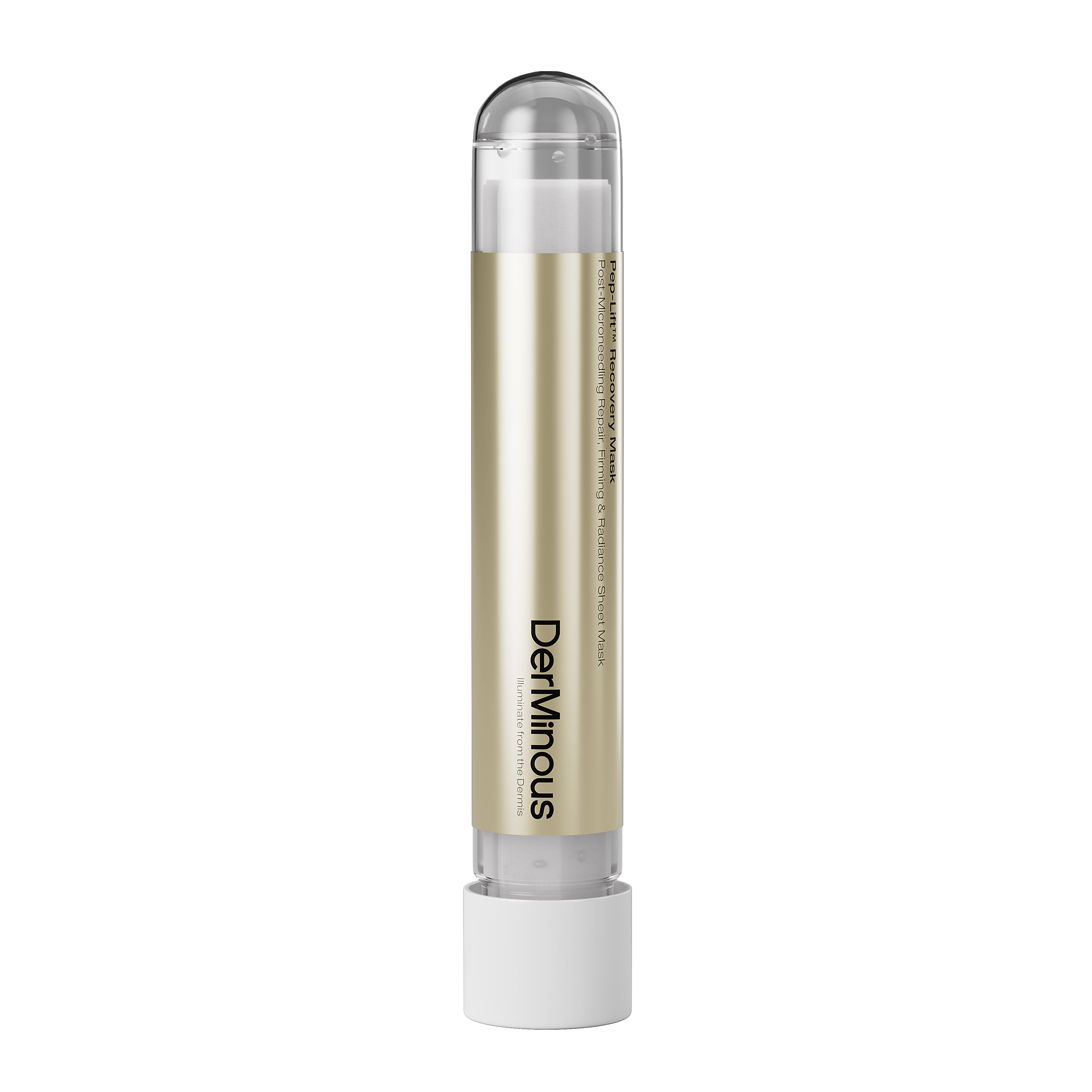
- Post-treatment masks contain mussel extract and panthenol, proven to calm inflammation—a key factor in preventing post-inflammatory hyperpigmentation (PIH), especially in Fitzpatrick skin types III–V[6] .
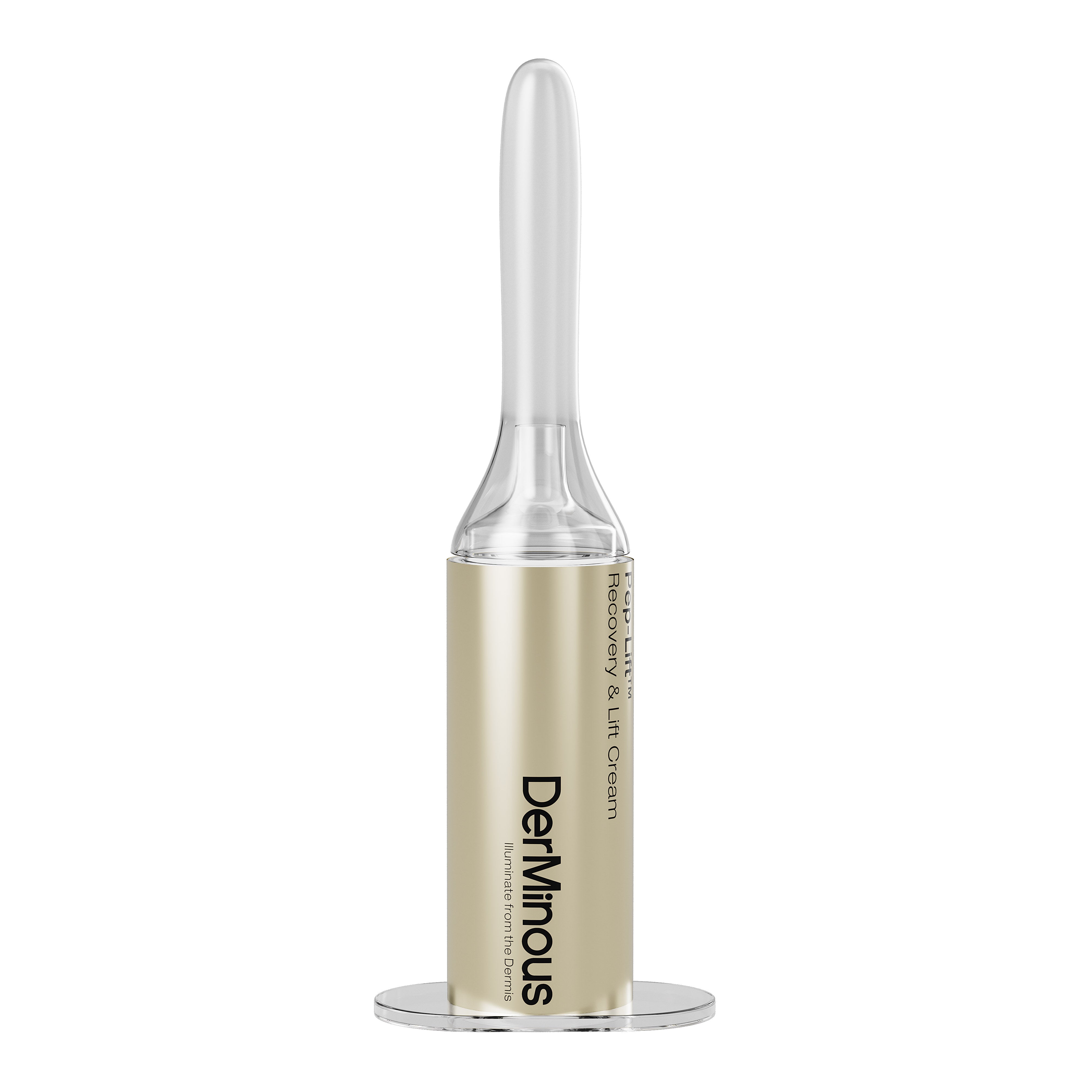
- The Recovery & Lift Cream seals in actives with squalane and jojoba oil, reinforcing the lipid barrier to prevent transepidermal water loss (TEWL), which can exacerbate uneven tone.
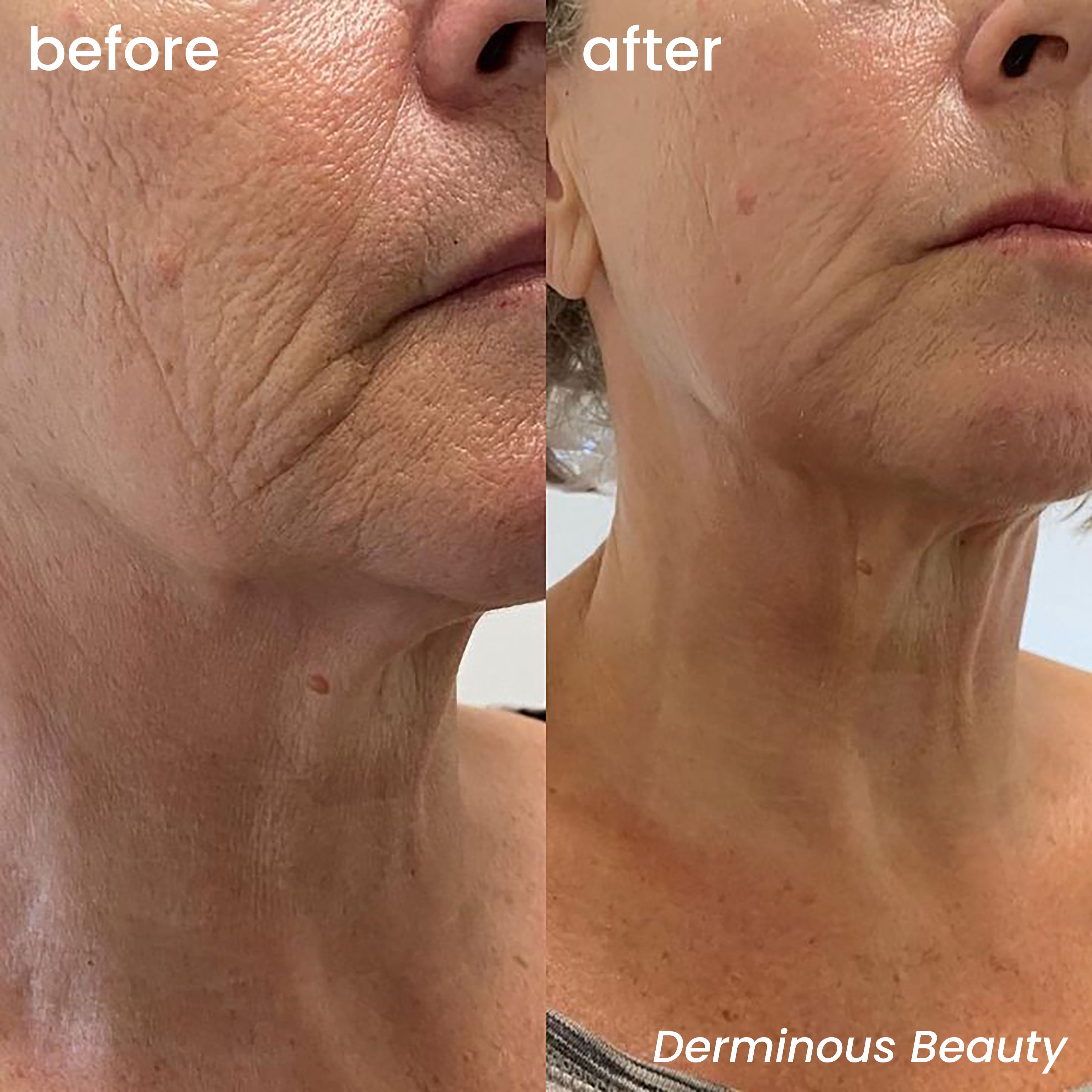
User trials (internal, 2024) reported visible brightening after one use, with significant reduction in age spot intensity within 2–4 weeks when used biweekly—aligning with the biological turnover cycle of human epidermis (~28 days).
4. Safety, Transparency, and Ethical Formulation
Derminous avoids common irritants like alcohol, fragrance, and essential oils—ingredients known to trigger PIH in reactive skin. All products are patch-tested and ophthalmologist-reviewed, with clear usage guidelines emphasizing single-use microneedles to prevent cross-contamination.
Moreover, the brand adheres to EU cosmetic regulations and FDA-compliant manufacturing standards, with stability testing confirming 24-month shelf life unopened and 3 months post-opening when stored properly (5–25°C)[7] .
This commitment to safety doesn’t dilute performance; rather, it ensures sustained, cumulative results—because effective age spot correction requires consistency, not compromise.
5. Realistic Expectations, Backed by Science
It’s important to note: Derminous does not claim to “erase” age spots overnight. Instead, it offers gradual, natural-looking brightening through cellular renewal and melanin regulation—mirroring the approach of leading dermatologists.
As Dr. Leslie Baumann, a board-certified dermatologist, notes: “The most effective pigment treatments combine exfoliation, tyrosinase inhibition, and barrier support—exactly what systems like Derminous aim to deliver at home.”[8]
While individual results vary based on sun exposure, genetics, and baseline skin health, the multi-targeted mechanism—combining PDRN (repair), TXA (inhibit), niacinamide (block transfer), and peptides (smooth texture)—creates a synergistic effect far beyond single-ingredient brighteners.
Conclusion: A Guarantee Rooted in Integrity
Derminous’s guarantee isn’t a marketing slogan—it’s built into every molecule, needle, and protocol. By merging patented bioactives, gold-standard delivery, and dermatologically sound routines, the brand offers more than hope: it offers a repeatable, science-backed pathway to clearer, more even-toned skin.
For consumers weary of empty promises, Derminous stands apart—not by shouting louder, but by delivering deeper.
Footnotes
-
Tranexamic Acid in Dermatology: A Review – Journal of the American Academy of Dermatology. https://www.jaad.org/article/S0190-9622(18)32897-5/fulltext↩
-
PDRN: A Regenerative Molecule for Skin Repair – National Institutes of Health (NIH). https://pubmed.ncbi.nlm.nih.gov/29562745/↩
-
Acetyl Hexapeptide-8: Mechanism and Efficacy in Wrinkle Reduction – International Journal of Cosmetic Science. https://onlinelibrary.wiley.com/doi/abs/10.1111/j.1468-2494.2010.00579.x↩
-
Microneedling for Transdermal Drug Delivery – Advanced Drug Delivery Reviews. https://www.sciencedirect.com/science/article/pii/S0169409X12002085↩
-
Gold Nanoparticles in Dermatology – Wiley Online Library. https://onlinelibrary.wiley.com/doi/10.1111/j.1365-2230.2010.03938.x↩
-
Post-Inflammatory Hyperpigmentation: Pathogenesis and Management – Dermatologic Surgery. https://journals.lww.com/dermatologicsurgery/Abstract/2002/05000/Postinflammatory_Hyperpigmentation__Etiologic_and.2.aspx↩
-
EU Cosmetics Regulation (EC) No 1223/2009 – European Commission. https://health.ec.europa.eu/cosmetics/cosmetics-regulation_en↩
-
Baumann L. Cosmetic Dermatology: Principles and Practice. McGraw-Hill Education, 2019. ↩