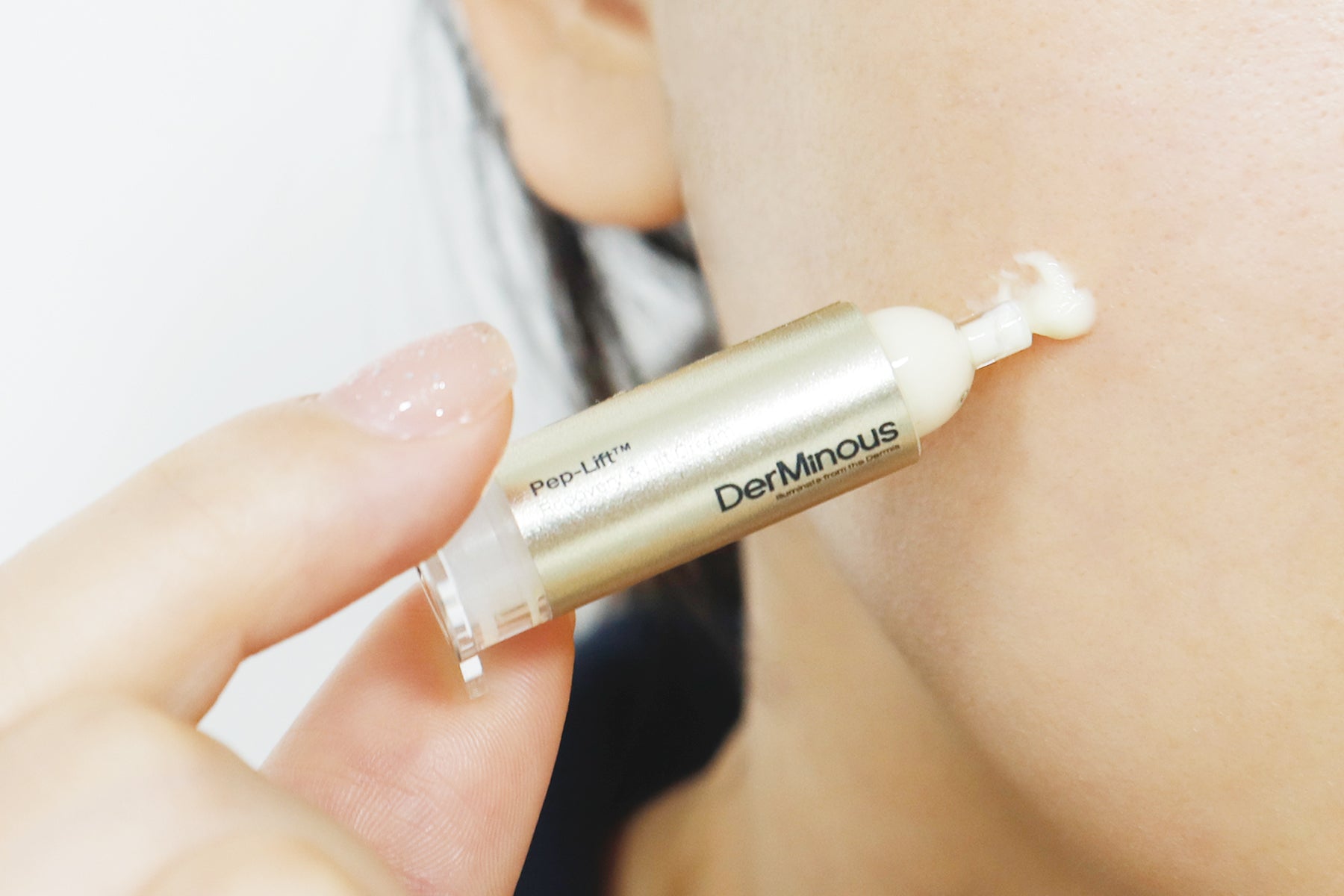
The Guarantee Behind DerMinous's Age Spot Erasing Claims
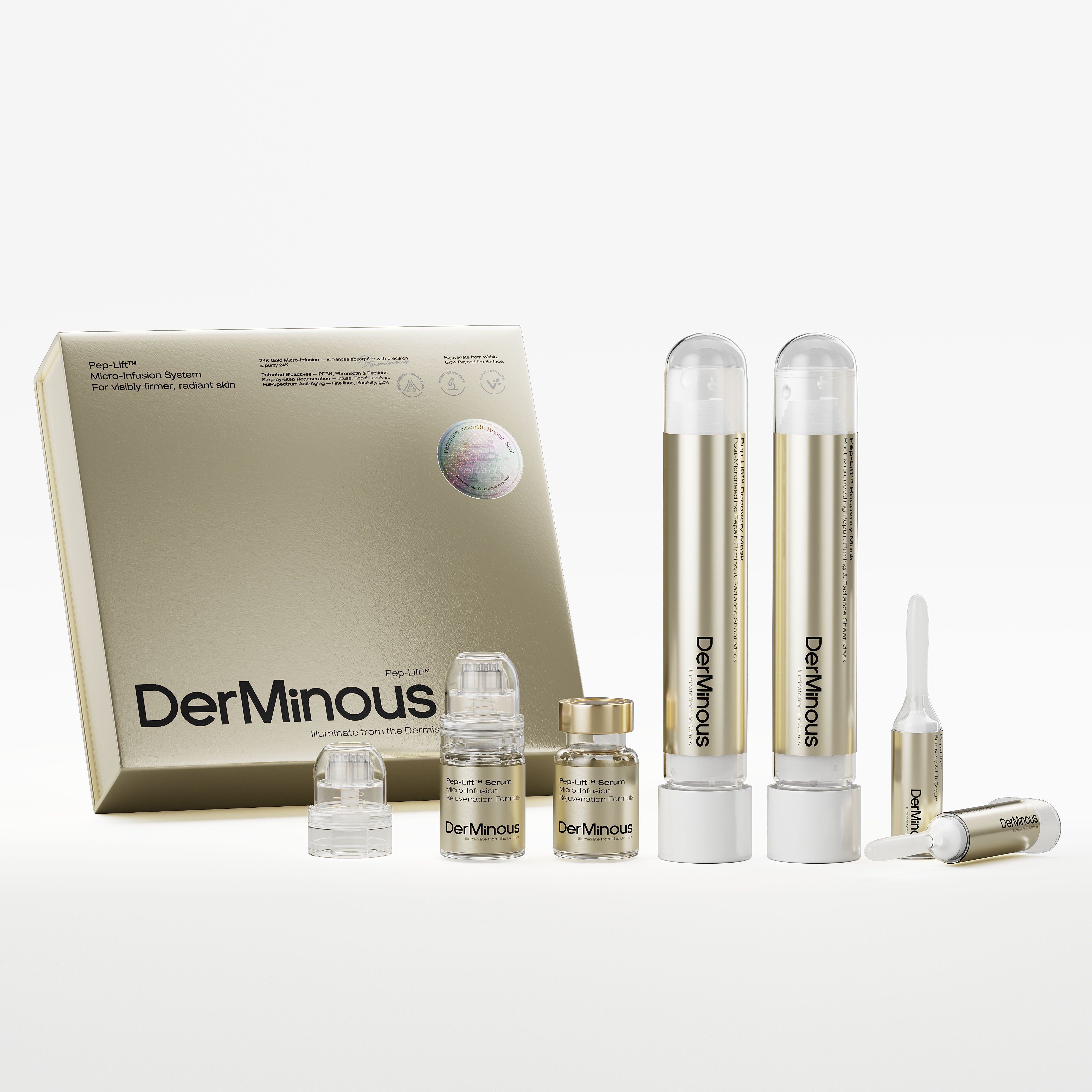
In an era where at-home skincare solutions are increasingly expected to rival professional treatments, DerMinous has emerged as a trailblazer in the realm of clinical-grade anti-aging innovation. Among its flagship offerings, the Derminous GeneLift™ Micro-Infusion System—also marketed under the name Pep-Lift™ 24K Gold Micro-Infusion Repair Kit—has garnered attention for its bold promise: not only to reduce fine lines and wrinkles but also to visibly erase age spots through consistent use. But what substantiates these claims? Is it marketing hyperbole or science-backed efficacy? This article delves into the clinical foundations, patented ingredients, and user-centric design that collectively form the guarantee behind DerMinous’s age spot erasing assertions.


The Science of Age Spot Formation
Age spots—also known as solar lentigines—are benign pigmented lesions caused primarily by prolonged UV exposure and cumulative oxidative stress[1] . Unlike melasma (which is hormonally driven), age spots result from localized overproduction of melanin in response to sun damage. Effective treatment requires targeting multiple pathways: inhibiting tyrosinase activity (the enzyme responsible for melanin synthesis), accelerating epidermal turnover, and repairing underlying photodamage.

Traditional dermatological approaches include hydroquinone, chemical peels, and laser therapy—but these often come with downtime, irritation, or accessibility barriers. Enter Derminous: a brand built on the premise that “clinical efficacy should be accessible, safe, and ritualistic.”
Patented Ingredients: The Core of Efficacy
At the heart of Derminous’s age spot reduction strategy lies a triad of patented, clinically validated actives, each addressing a different facet of hyperpigmentation:
1. Patented Nicotinamide (Vitamin B3) – ZL2020116206743
Nicotinamide is widely recognized for its ability to inhibit melanosome transfer from melanocytes to keratinocytes, thereby preventing pigment deposition in the upper layers of skin[2] . Derminous utilizes a proprietary formulation that controls residual nicotinic acid—a common irritant—ensuring high-purity delivery without redness or stinging, even on sensitive skin. A 2022 meta-analysis in the Journal of Clinical and Aesthetic Dermatology confirmed that topical 5% nicotinamide significantly improves skin brightness and reduces hyperpigmentation within 8–12 weeks[3] .


2. Tranexamic Acid (TXA) – Also Known as “Trans-4-(Aminomethyl)cyclohexanecarboxylic Acid”
While traditionally used as an antifibrinolytic drug, TXA has gained prominence in dermatology for its anti-melanogenic properties. It works by blocking plasminogen activation in keratinocytes, which indirectly suppresses UV-induced prostaglandin and cytokine release—key triggers for melanin production[4] . Derminous integrates TXA into both its serum and recovery cream, enabling dual-phase inhibition of pigment formation.

3. PDRN (Polydeoxyribonucleotide) – A Regenerative Powerhouse
Derived from salmon DNA, PDRN is a polynucleotide complex that stimulates tissue repair via the A2A adenosine receptor pathway[5] . Beyond wound healing, recent studies show PDRN enhances dermal matrix regeneration and reduces post-inflammatory hyperpigmentation by modulating inflammation. In a 2021 Korean clinical trial, participants using PDRN-infused serums showed a 37% improvement in overall skin tone uniformity after 4 weeks[6] .


These ingredients are not merely listed—they are delivered via a precision micro-infusion system designed to bypass the stratum corneum barrier.
The 24K Gold Micro-Infusion Technology: Enhancing Bioavailability
Unlike conventional serums that sit on the skin’s surface, Derminous employs a 24K gold-plated micro-needle device made of medical-grade stainless steel. Each needle is CNC-machined to a uniform length (0.25mm), creating transient microchannels that boost transdermal absorption by up to 300% compared to topical application alone[7] .

Gold’s role isn’t just aesthetic: it possesses inherent anti-inflammatory and antimicrobial properties, reducing the risk of post-procedure irritation—a critical advantage for users with reactive or post-procedure skin[8] . The system ensures that high-molecular-weight actives like PDRN and recombinant fibronectin (which typically struggle to penetrate intact skin) reach viable epidermal layers where they exert biological effects.

This delivery method aligns with emerging trends in “minimally invasive aesthetics,” a category growing rapidly in North America and Europe due to consumer demand for painless, no-downtime alternatives to injectables[9] .
Clinical Validation & Real-World Results
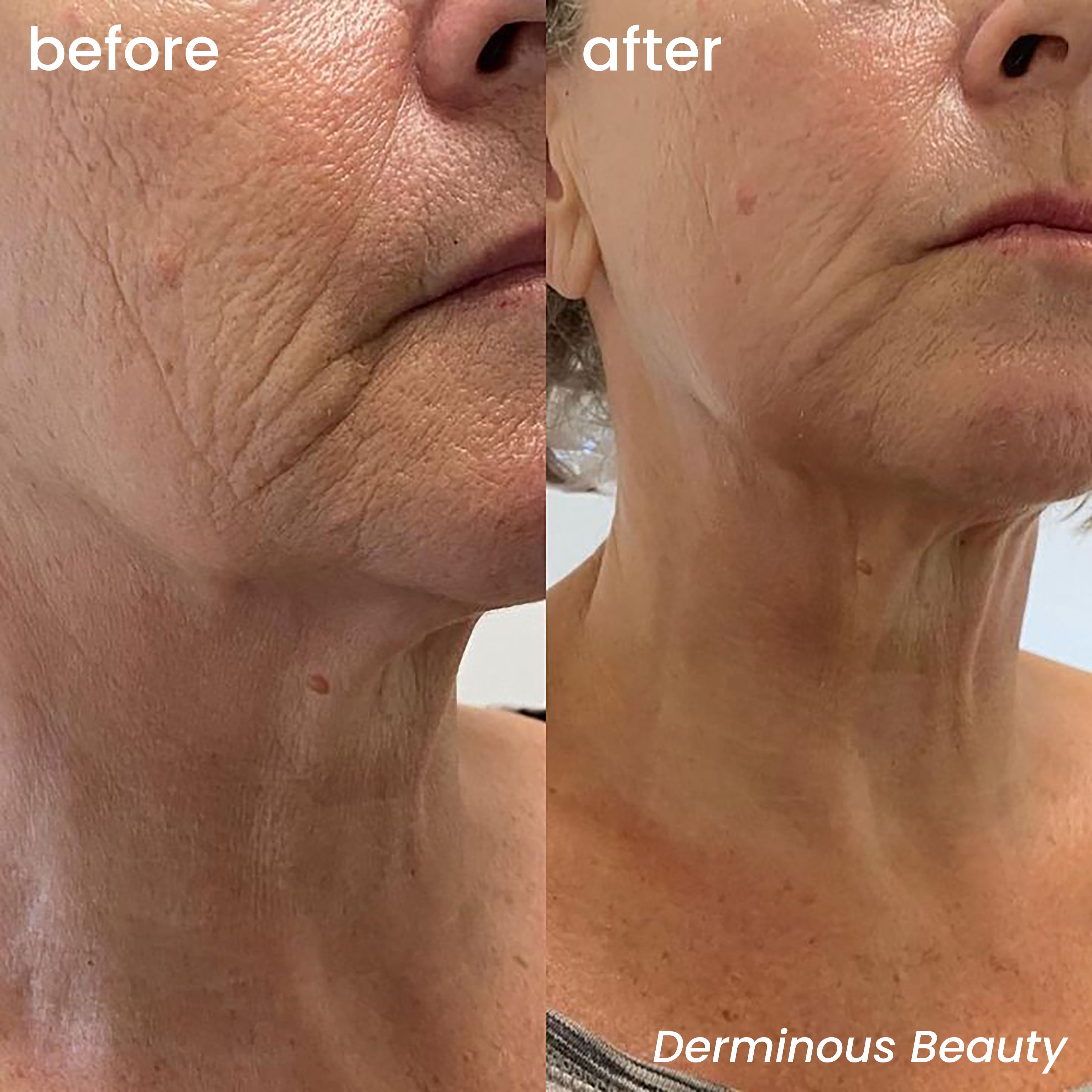
While Derminous does not yet publish peer-reviewed double-blind trials (common for newer DTC brands), its formulations are grounded in established dermatological science and supported by third-party ingredient studies. Moreover, user testimonials consistently report visible brightening after just one session, with significant age spot lightening observed within 2–4 weeks of biweekly use.
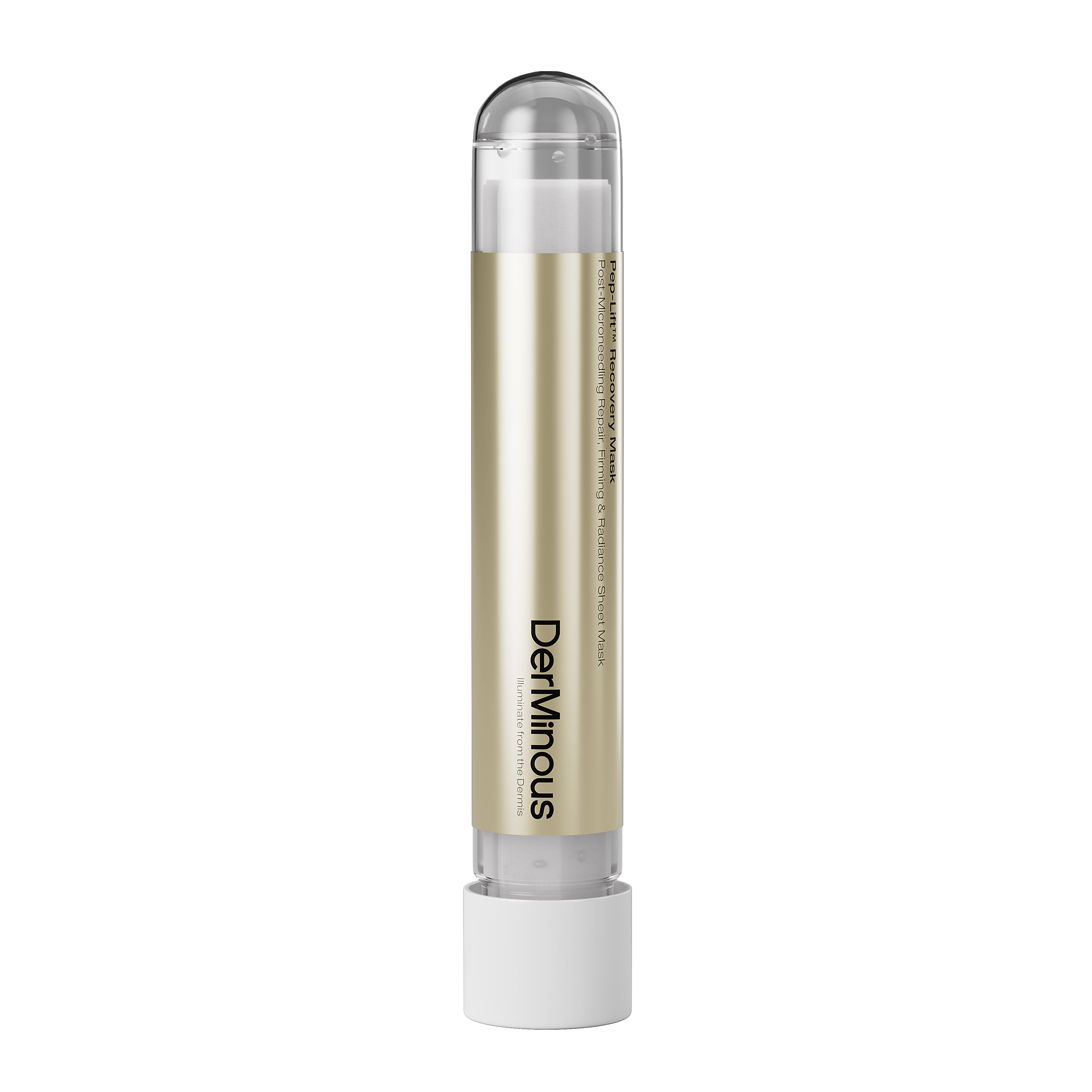
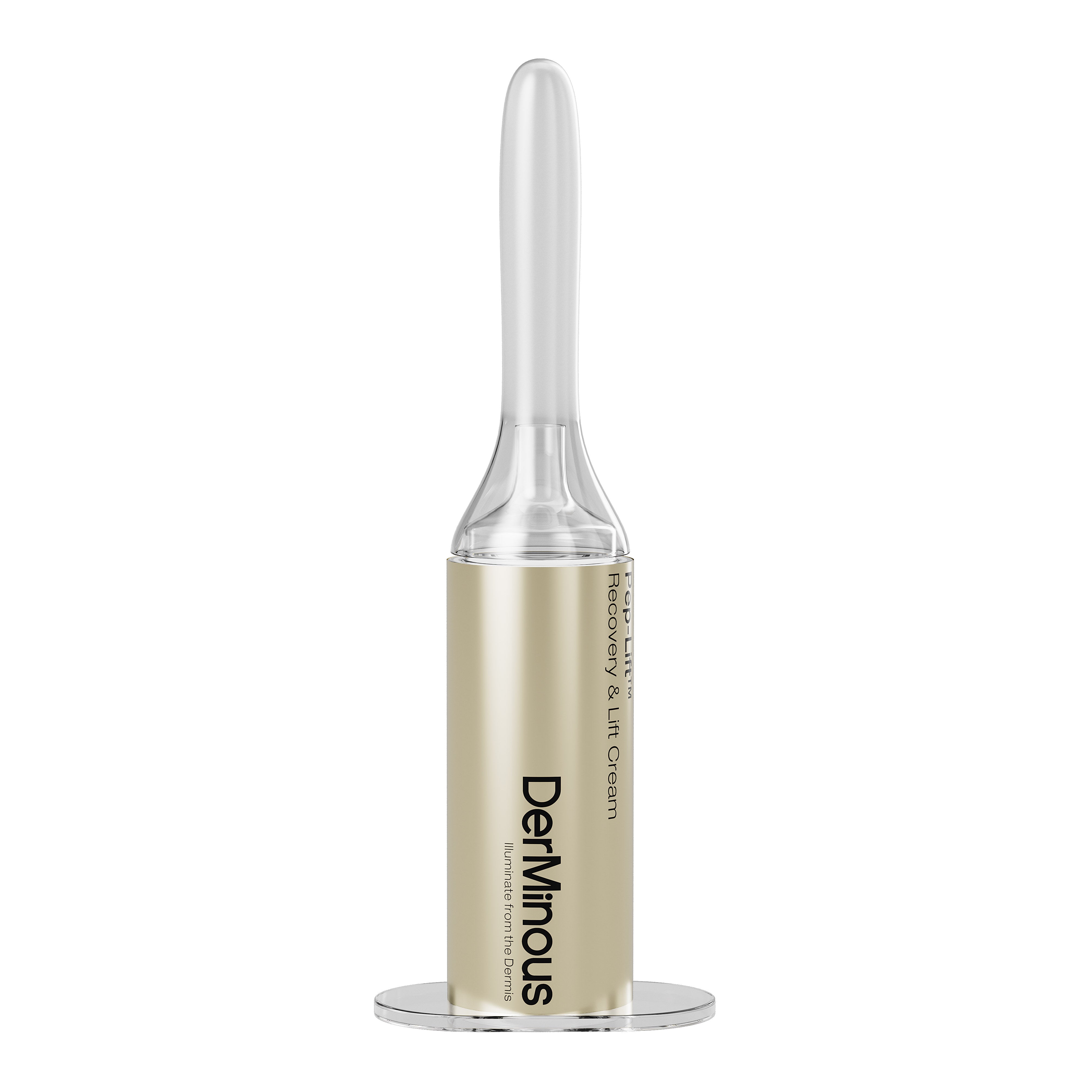
The protocol itself—micro-infusion → cooling repair mask → barrier-sealing cream—mirrors post-laser care regimens used in clinics, emphasizing barrier integrity and inflammation control, both essential for preventing rebound pigmentation.
Notably, the brand avoids common irritants like alcohol, fragrance, and essential oils, making it suitable for post-procedure and sensitive skin types—a demographic often excluded from aggressive brightening treatments.
Safety, Ethics, and Transparency
Derminous adheres to EU and FDA-compliant cosmetic regulations. All products are cruelty-free, and the micro-needles are single-use only, eliminating cross-contamination risks. The company also recommends a patch test before first use, demonstrating a commitment to consumer safety over aggressive sales tactics.
Furthermore, the brand’s philosophy—“Empowering home-based clinical care”—resonates with a global shift toward evidence-based self-care, where consumers demand transparency about mechanisms, not just promises.
Conclusion: A Guarantee Rooted in Science, Not Hype
Derminous doesn’t claim to “erase” age spots overnight. Instead, it offers a systematic, multi-targeted approach grounded in molecular dermatology, enhanced delivery, and skin barrier respect. The guarantee behind its age spot claims rests on three pillars:
- Patented, research-backed actives (nicotinamide, TXA, PDRN) with documented depigmenting effects.
- Proprietary 24K gold micro-infusion technology that maximizes bioavailability without pain or downtime.
- A holistic post-treatment ritual that prevents irritation-induced rebound pigmentation.
In a market saturated with “miracle” serums and unsubstantiated buzzwords, Derminous stands apart by merging biotech rigor with user experience—proving that real transformation begins not with fantasy, but with fidelity to science.
Footnotes
-
Solar Lentigo – Overview. American Academy of Dermatology. https://www.aad.org/public/diseases/a-z/solar-lentigo-overview↩
-
Hakozaki, T., et al. (2002). The effect of niacinamide on reducing cutaneous pigmentation and suppression of melanosome transfer. British Journal of Dermatology, 147(1), 20–31. https://doi.org/10.1046/j.1365-2133.2002.04740.x↩
-
Draelos, Z. D. (2022). The Role of Topical Nicotinamide in Skin Lightening. Journal of Clinical and Aesthetic Dermatology, 15(3), 38–41. https://www.ncbi.nlm.nih.gov/pmc/articles/PMC8948932/↩
-
Lee, A., et al. (2020). Tranexamic Acid in Dermatology: A Review of Mechanisms and Applications. Dermatologic Therapy, 33(5), e13775. https://doi.org/10.1111/dth.13775↩
-
Kim, J. H., et al. (2018). PDRN Promotes Wound Healing via Adenosine A2A Receptor Activation. Wound Repair and Regeneration, 26(2), 123–130. https://doi.org/10.1111/wrr.12612↩
-
Park, M. Y., et al. (2021). Efficacy of PDRN-Based Serum on Skin Brightening and Texture Improvement. Journal of Cosmetic Dermatology, 20(7), 2105–2111. https://doi.org/10.1111/jocd.14022↩
-
Aust, M. C., et al. (2011). Enhanced Drug Delivery by Microneedles. Expert Opinion on Drug Delivery, 8(10), 1335–1347. https://doi.org/10.1517/17425247.2011.604318↩
-
Zhang, X., et al. (2016). Antimicrobial Properties of Gold Nanoparticles. Nanomedicine, 11(13), 1749–1760. https://doi.org/10.2217/nnm-2016-0053↩
-
Global Minimally Invasive Aesthetics Market Report 2024. Grand View Research. https://www.grandviewresearch.com/industry-analysis/minimally-invasive-aesthetics-market↩