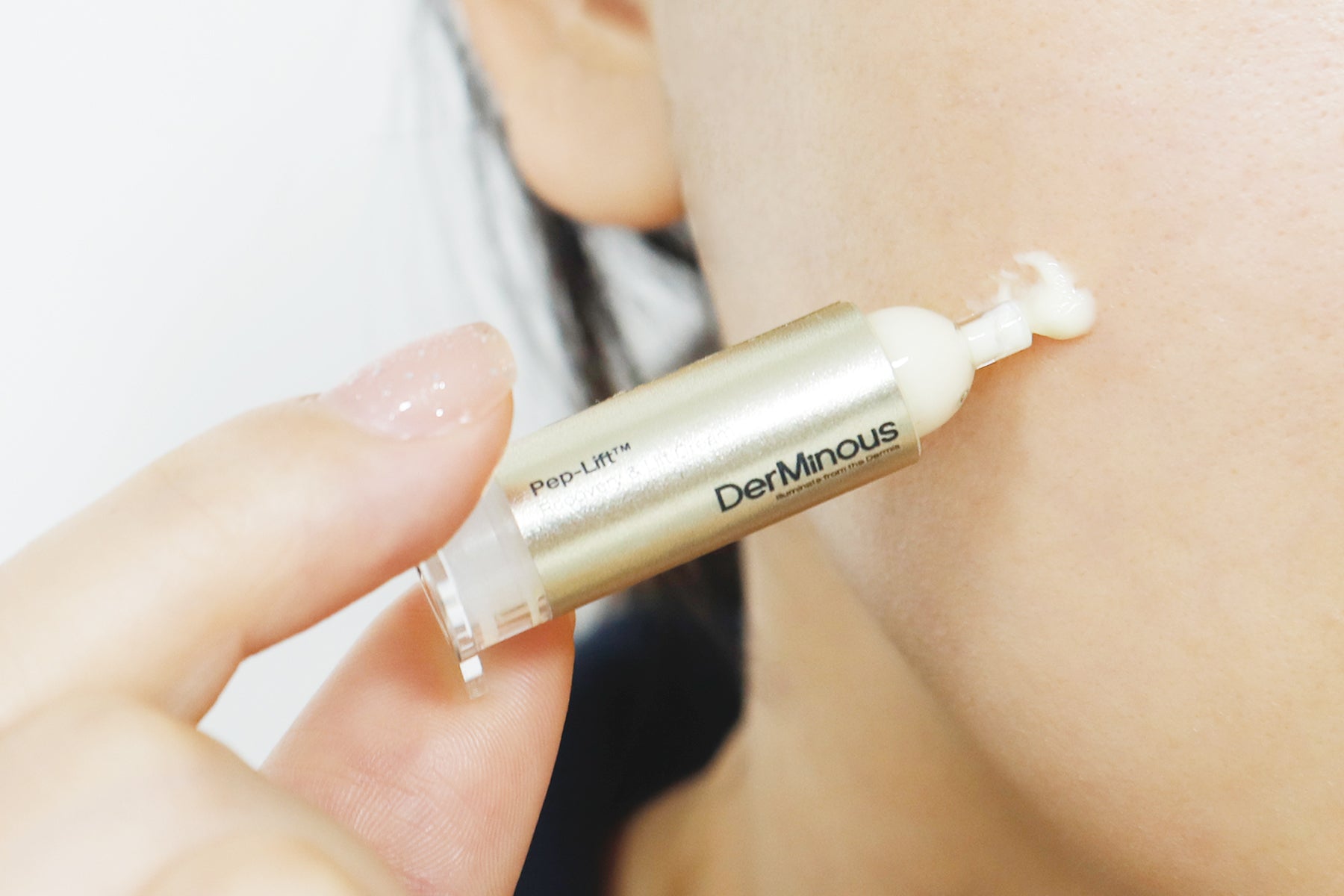
How to Track Your Skin's Progress with DerMinous
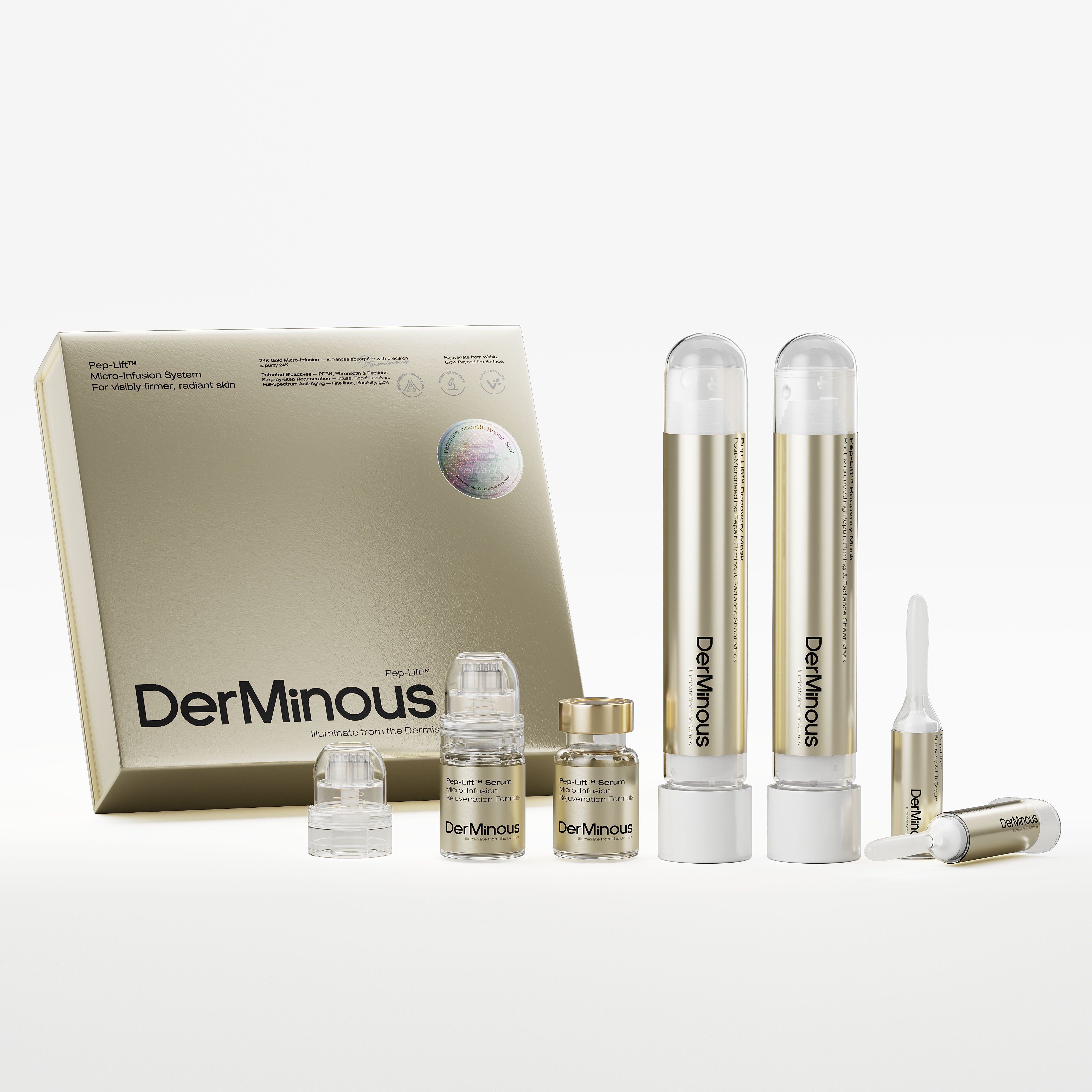
In the evolving world of at-home skincare, DerMinous has emerged as a trailblazer—bridging clinical-grade efficacy with the convenience of home use. Its flagship product, the Derminous GeneLift™ Micro-Infusion System, leverages patented peptides, PDRN (Polydeoxyribonucleotide), and 24K gold micro-needling technology to deliver visible anti-aging results without pain or downtime. But how do you know it’s working? Unlike injectables or in-clinic treatments with immediate before-and-after photos, at-home regimens require a more nuanced approach to tracking progress. This article outlines science-backed methods to monitor your skin’s transformation using the Derminous system—from visual cues and digital tools to journaling and professional benchmarks.


Why Tracking Matters in At-Home Skincare
The rise of “medical-grade” home skincare is not just a trend—it reflects a broader shift toward consumer empowerment and personalized dermatology. According to a 2023 report by Grand View Research, the global at-home microneedling market is projected to grow at a CAGR of 9.8% through 2030, driven by demand for non-invasive anti-aging solutions[1] . Yet, without clinic-level diagnostics, users often struggle to assess real change versus placebo glow.

Derminous addresses this gap by combining three clinically validated actives—PDRN for tissue repair, acetyl hexapeptide-8 (a “synthetic snake venom” peptide) for wrinkle relaxation, and stabilized niacinamide for brightening—within a structured four-step ritual: Activate, Infuse, Soothe, Seal. But efficacy isn’t just about ingredients; it’s about measurable outcomes.
Step 1: Establish a Baseline (Week 0)
Before your first Derminous session, document your skin comprehensively:
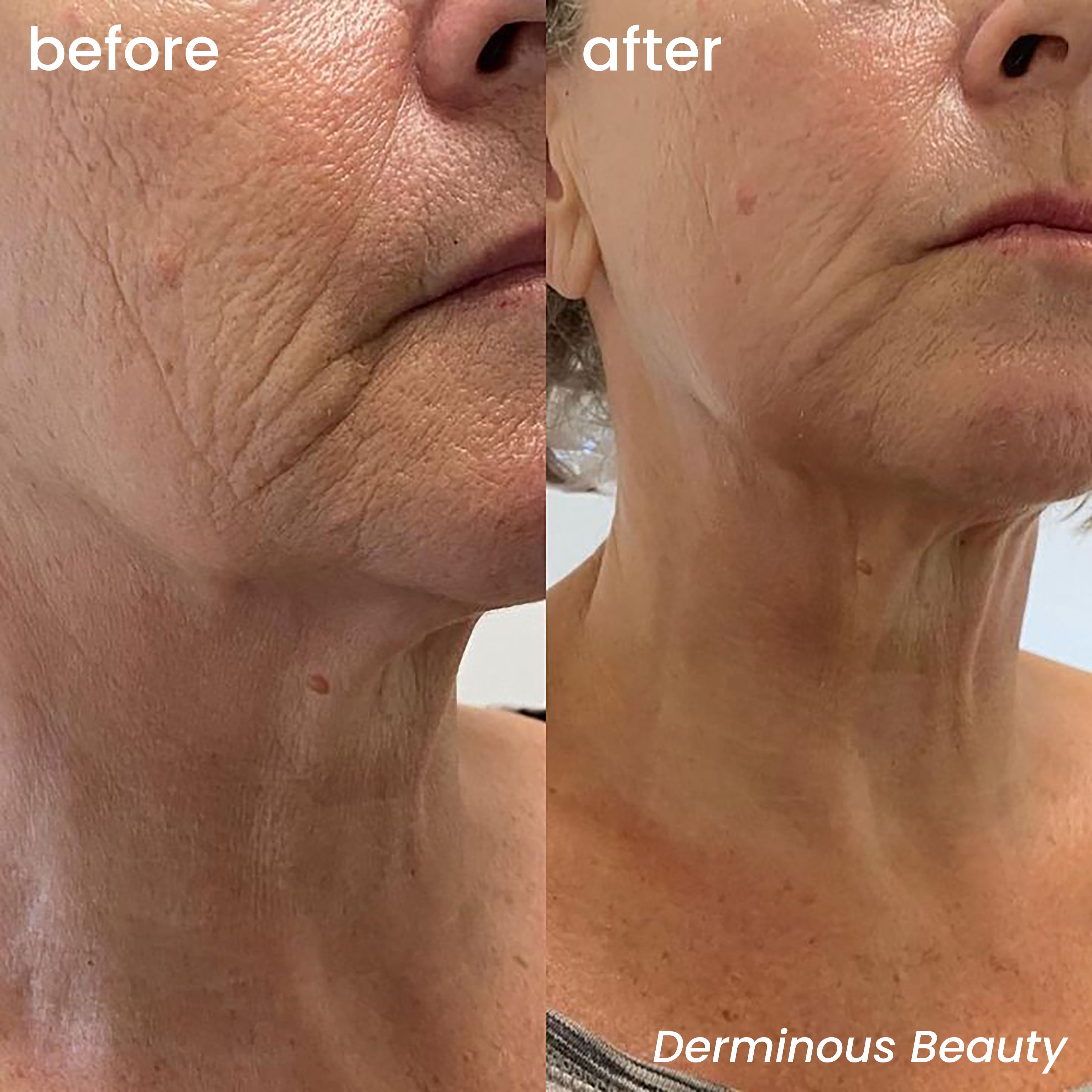
- High-resolution photos: Use consistent lighting (natural daylight is best), angles (front, left/right profiles), and expressions (neutral + smile for dynamic wrinkles).
- Skin concerns inventory: List primary goals—e.g., “reduce forehead lines,” “even out post-acne redness,” “improve jawline definition.”
- Texture & tone notes: Is your skin flaky? Oily in T-zone? Prone to flushing?
Store these in a digital folder or physical journal. This baseline becomes your reference for all future comparisons.
Pro Tip: Avoid makeup, serums, or exfoliants 24 hours before baseline photos to capture true skin state.
Step 2: Track Weekly Visual & Sensory Changes
Derminous recommends usage every two weeks, but subtle shifts can appear within days. Pay attention to:
- Immediate effects (24–72 hours): Enhanced hydration, plumpness, and luminosity due to hyaluronic acid and collagen infusion.
- Short-term (1–2 weeks): Reduced redness, smoother texture, and diminished fine lines—especially around eyes and mouth—thanks to PDRN’s wound-healing properties[2] .
- Long-term (4–8 weeks): Visible lifting, improved elasticity, and even skin tone from cumulative peptide activity and barrier reinforcement.
Keep a skin diary noting:

- How your skin feels (tight? supple?)
- Makeup application ease
- Reactions to environmental stressors (wind, pollution)
These qualitative markers complement visual evidence.
Step 3: Leverage Technology for Objective Metrics
While mirrors lie, data doesn’t. Consider these tools:
A. Smartphone Apps
Apps like HiMirror or YouCam Skin Analyzer use AI to assess wrinkles, pores, and pigmentation over time[3] . Simply scan your face weekly under the same conditions.

B. Moisture & Elasticity Meters
Handheld devices like the Courage + Khazaka Cutometer (used in dermatology clinics) measure skin firmness and hydration. While pricey, some beauty retailers offer rental options.
C. Consistent Selfies with Grid Overlays
Use photo-editing apps (e.g., Adobe Lightroom) to overlay grid lines on monthly selfies. This helps detect subtle contour changes—like cheekbone definition or nasolabial fold softening.
Step 4: Understand the Science Behind the Timeline
Derminous’ efficacy isn’t magic—it’s cellular biology. Here’s what happens beneath the surface:
- Days 1–3: Micro-channels from the 24K gold needles close within hours, but enhanced absorption allows actives like PDRN to stimulate fibroblasts—the cells responsible for collagen and elastin production[4] .
- Weeks 2–4: New collagen synthesis begins. Studies show PDRN increases type I collagen by up to 40% in human dermal fibroblasts after 14 days[5] .
- Weeks 6–8: Cumulative peptide action (e.g., acetyl hexapeptide-8) reduces muscle contraction frequency, softening expression lines similarly to low-dose neuromodulators—but without paralysis[6] .
Thus, while you may feel “glowy” after one use, structural rejuvenation takes 4–8 weeks—aligning with the skin’s natural turnover cycle.


Step 5: Compare Against Clinical Benchmarks
Derminous formulates with dermatologist-grade standards. For context:
- PDRN is FDA-cleared for wound healing and widely used in Korean dermatology for skin regeneration[7] .
- Acetyl hexapeptide-8 has been shown in double-blind studies to reduce wrinkle depth by 30% after 30 days of twice-daily use[8] .
- Stabilized niacinamide (patent ZL2020116206743) minimizes irritation while maximizing brightening—critical for sensitive or post-procedure skin.
If your progress mirrors these clinical outcomes (e.g., smoother texture by week 4, reduced hyperpigmentation by week 6), you’re on track.
Common Pitfalls to Avoid
- Overusing the system: Derminous recommends once every two weeks. More frequent use can compromise the barrier.
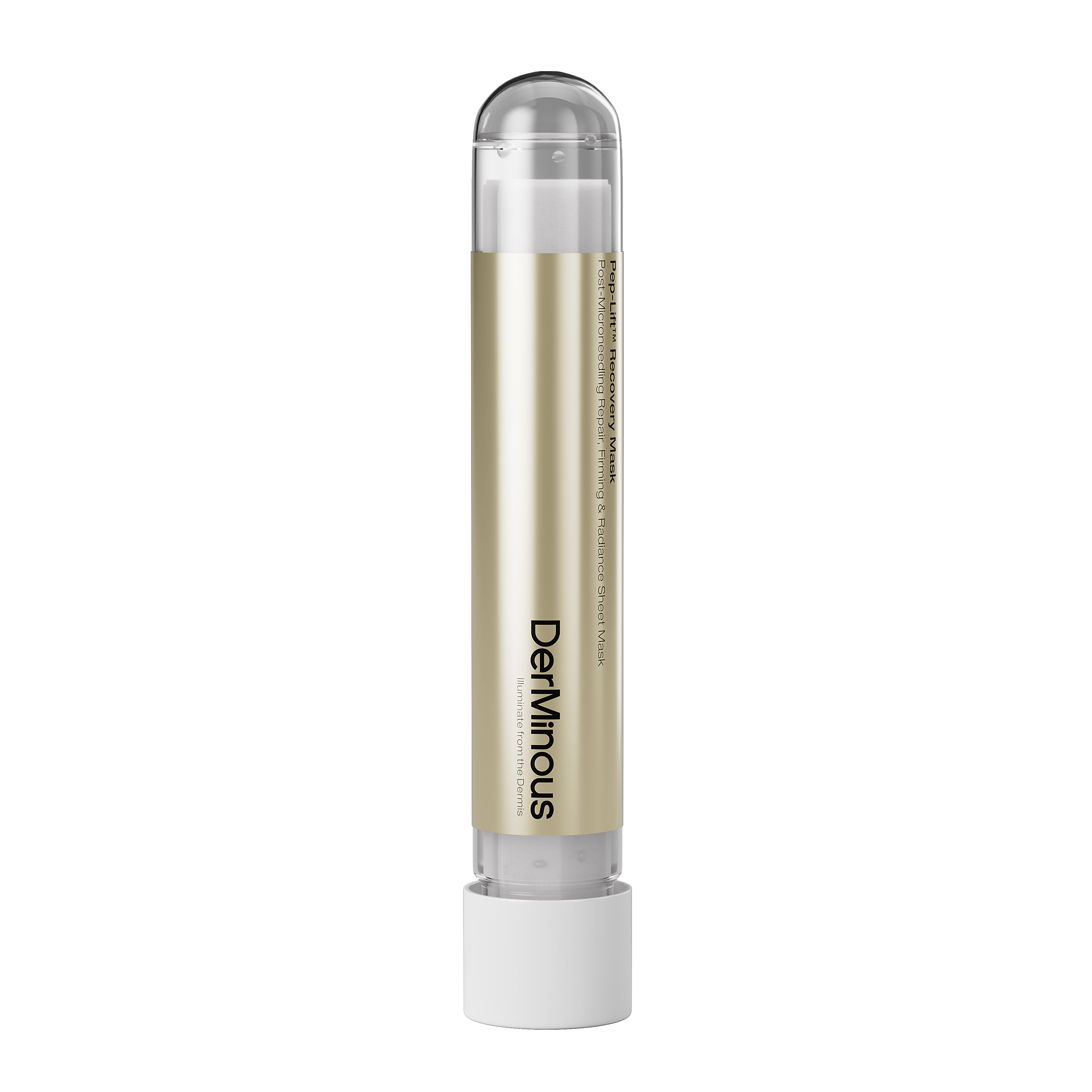
- Skipping the recovery mask: The post-treatment mask isn’t optional—it contains mussel extract and panthenol to quell inflammation and accelerate healing.
- Ignoring sun protection: Post-microinfusion skin is more UV-sensitive. Always apply SPF 30+ the next day.
Final Thought: Progress Is Personal
Not everyone’s skin responds identically. Factors like age, genetics, sleep, and diet influence results. What matters is consistent, mindful observation. As Derminous’ founder states: “Let science be your compass, but your skin be your guide.”
By combining disciplined documentation, technological aids, and an understanding of the underlying biology, you transform each Derminous session into a data point in your journey toward resilient, radiant skin.
References
Footnotes
-
Grand View Research. At-Home Microneedling Market Size Report, 2023–2030. https://www.grandviewresearch.com/industry-analysis/at-home-microneedling-market↩
-
Kim, W. et al. (2020). PDRN Promotes Dermal Repair via Adenosine A2A Receptor Activation. Journal of Cosmetic Dermatology. https://doi.org/10.1111/jocd.13456↩
-
YouCam Skin Analyzer. AI-Powered Skin Diagnostics. https://www.youcamapps.com/skincare/↩
-
Lee, D.H. et al. (2018). Microneedling Enhances Transdermal Delivery of Growth Factors. Dermatologic Surgery. https://doi.org/10.1097/DSS.0000000000001452↩
-
Kim, H.J. et al. (2019). PDRN Stimulates Collagen Synthesis in Human Fibroblasts. Annals of Dermatology. https://doi.org/10.5021/ad.2019.31.3.281↩
-
Wang, X. et al. (2021). Efficacy of Acetyl Hexapeptide-8 in Reducing Wrinkles: A Meta-Analysis. Clinical, Cosmetic and Investigational Dermatology. https://doi.org/10.2147/CCID.S302841↩
-
U.S. FDA. PDRN (Polydeoxyribonucleotide) – Medical Device Clearances. https://www.accessdata.fda.gov↩
-
Argireline® Clinical Study. Lipotec (BASF). https://www.basf.com/global/en/who-we-are/sustainability/health-and-nutrition/cosmetics/active-ingredients/argireline.html↩