How to Track Your Skin's Progress with DerMinous
In the ever-evolving world of at-home skincare, DerMinous GeneLift™ Micro-Infusion System stands out as a scientifically grounded, clinically inspired solution that bridges the gap between professional dermatological treatments and daily self-care routines. But how do you know if it’s truly working for your skin? Unlike traditional moisturizers or serums that offer only surface-level benefits, DerMinous is designed to deliver measurable, visible transformation—provided you track your progress effectively.
This article explores practical, evidence-based methods to monitor your skin’s response to the DerMinous GeneLift™ system, from before-and-after photography to biomarker awareness, journaling, and even leveraging digital tools. Whether you’re targeting fine lines, dullness, or compromised barrier function, consistent tracking not only validates your investment but also empowers you to personalize your anti-aging journey.
Why Tracking Matters in At-Home Clinical Skincare
The rise of “medical-grade” at-home devices has blurred the line between salon treatments and self-administered care. According to a 2023 report by Grand View Research, the global at-home beauty device market is projected to reach $14.5 billion by 2030, driven largely by consumers seeking professional results without clinic visits[1] . However, efficacy hinges on consistency—and verification.

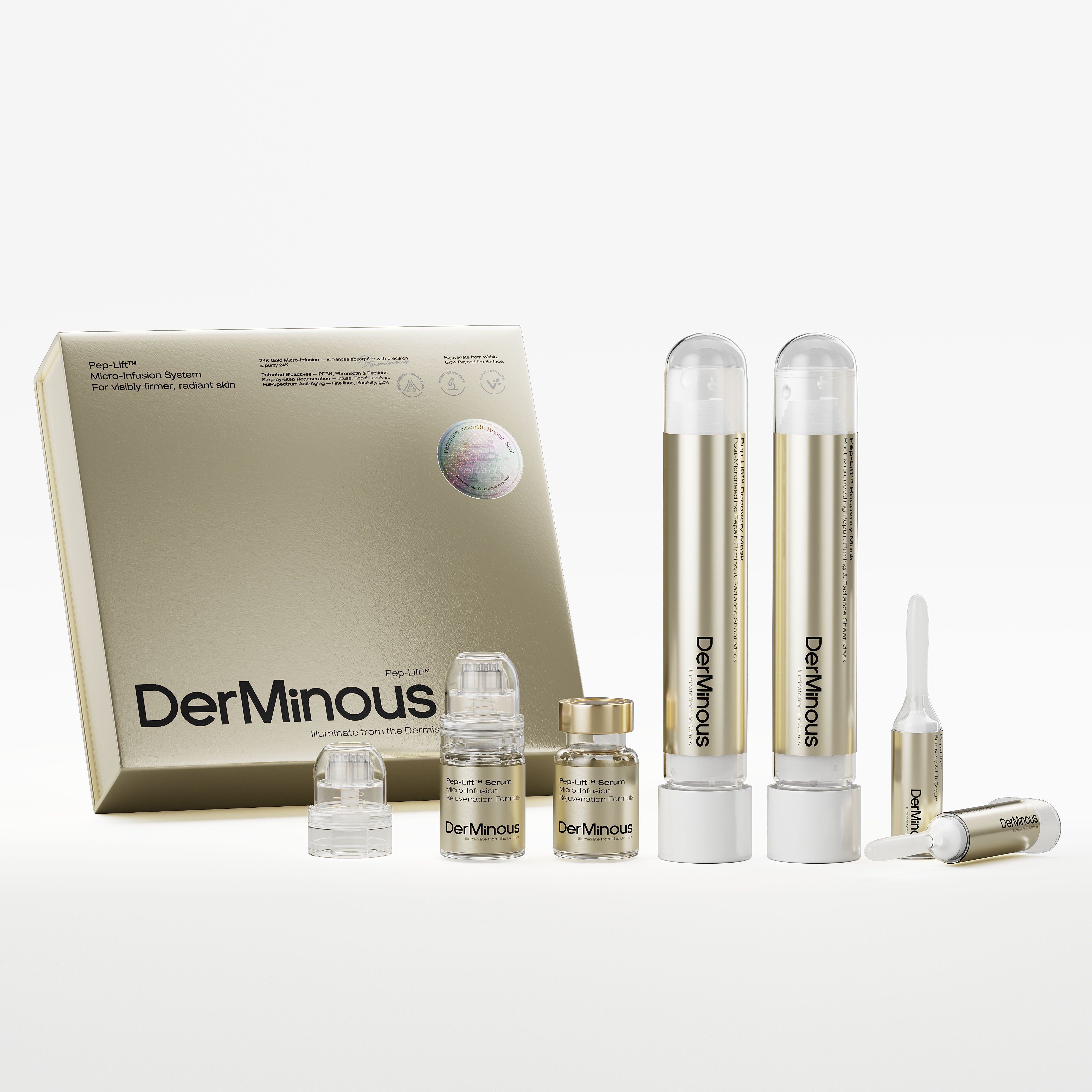
DerMinous isn’t just another serum; it’s a four-phase ritual: micro-infusion, cellular repair, soothing, and sealing. Its active ingredients—including PDRN (Polydeoxyribonucleotide), acetyl hexapeptide-8 (Syn-Ake), and patented niacinamide formulations—are backed by clinical studies showing improvements in hydration, elasticity, and wrinkle depth within weeks[2] .

But science alone isn’t enough. You need your own data.
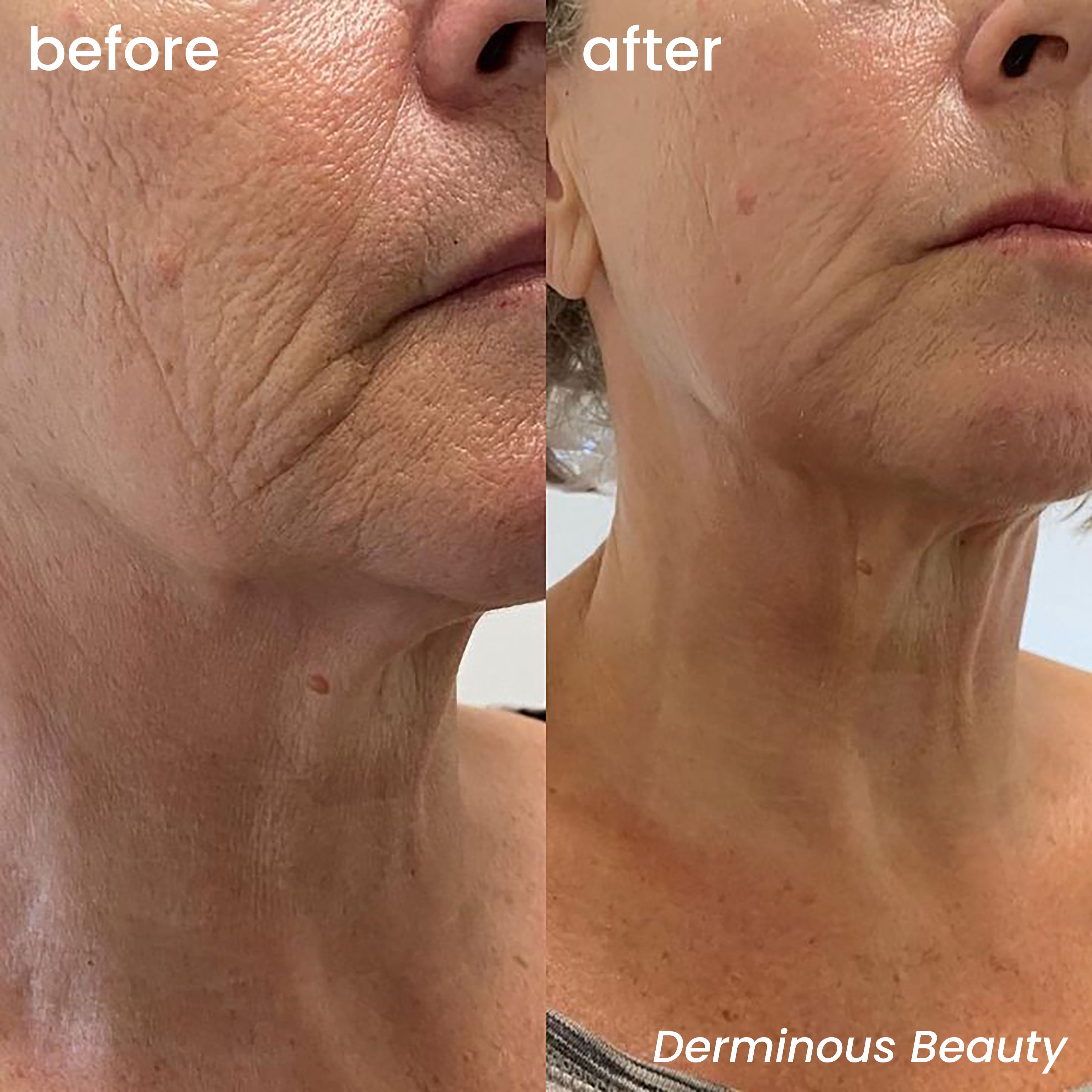
Step 1: Establish a Baseline with High-Quality Before Photos
Before your first DerMinous session, take standardized photos under consistent lighting (natural daylight is ideal). Capture:
- Full-face front view
- Left and right profiles
- Close-ups of key concern areas (e.g., crow’s feet, forehead lines, nasolabial folds)
Use the same camera, distance, and background each time. Many users find smartphone apps like SkinVision or HiMirror helpful—they use AI to analyze texture, redness, and pigmentation over time[3] .

Pro Tip: Avoid makeup, filters, or post-editing. Raw, honest images yield the most accurate progress assessment.


Step 2: Keep a Skin Journal
Document more than just appearance. Note:
- Day of treatment (DerMinous is recommended twice monthly)
- Immediate sensations: tingling, warmth, tightness
- Day-after observations: glow, smoothness, sensitivity
- Weekly changes: makeup application ease, reduced dry patches, fewer breakouts
For example, PDRN—a key ingredient derived from salmon DNA—accelerates tissue repair and reduces inflammation[4] . You might notice less redness 48 hours post-treatment, even before visible wrinkle reduction occurs.

Journaling helps distinguish placebo effects from real physiological change. It also reveals patterns: perhaps your skin responds best when paired with chilled masks (as recommended) or when used after gentle exfoliation.
Step 3: Monitor Biomarkers of Skin Health
While you can’t measure collagen levels at home, you can observe proxy indicators:
| Biomarker | What to Watch For | Expected Timeline with DerMinous |
|---|---|---|
| Hydration | Plumpness, reduced flakiness | Immediate (within 24 hrs) |
| Barrier Integrity | Less stinging from other products, fewer irritations | 1–2 weeks |
| Elasticity | Skin “snaps back” faster when gently pinched | 2–4 weeks |
| Radiance | Even tone, natural luminosity (not oiliness) | 1–3 weeks |
| Wrinkle Depth | Lines appear softer, especially around eyes/mouth | 3–6 weeks |
These align with clinical findings on multi-peptide complexes like acetyl hexapeptide-8, which mimic botulinum effects by inhibiting neurotransmitter release in facial muscles, thereby softening expression lines[5] .

Step 4: Use Digital Tools & Apps
Modern tech makes tracking effortless:
- YouCam Skin Analyzer: Uses your phone camera to assess wrinkles, pores, and UV spots.
- My Skin Track pH (by L’Oréal): While not directly measuring DerMinous effects, a stable skin pH (~5.5) indicates a healthy barrier—critical for maximizing micro-infusion results[6] .
- Google Photos Timeline: Create a private album labeled “DerMinous Journey” and review monthly.
Some users even create side-by-side sliders using free tools like Canva or Fotor, making transformations visually undeniable.

Step 5: Align with Product Usage Protocol
DerMinous works best when used exactly as directed:
- Cleanse & disinfect
- Attach sterile 24K gold micro-infusion tip
- Apply serum via gentle tapping (10–15 mins)
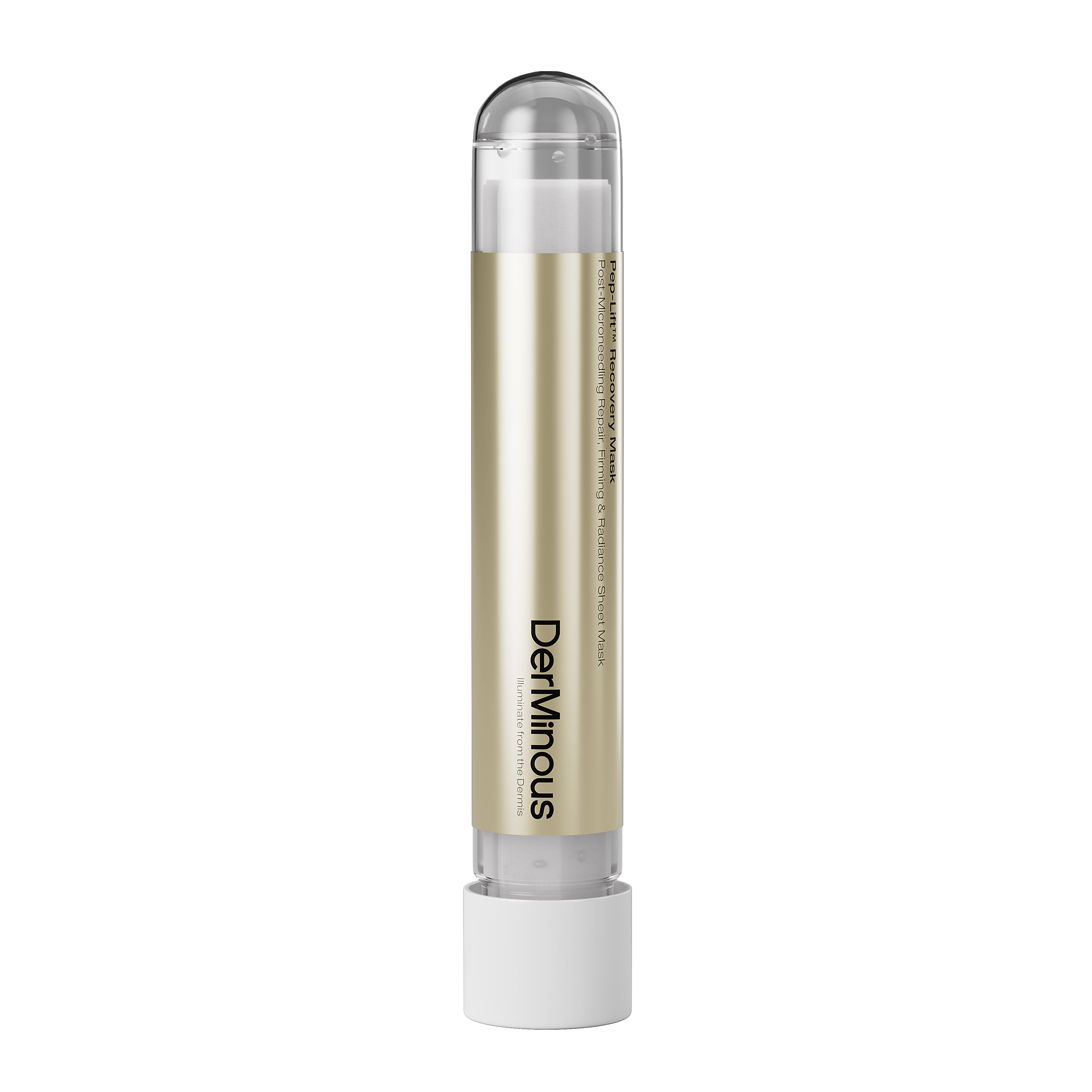
- Follow with chilled Post-Treatment Repair Mask
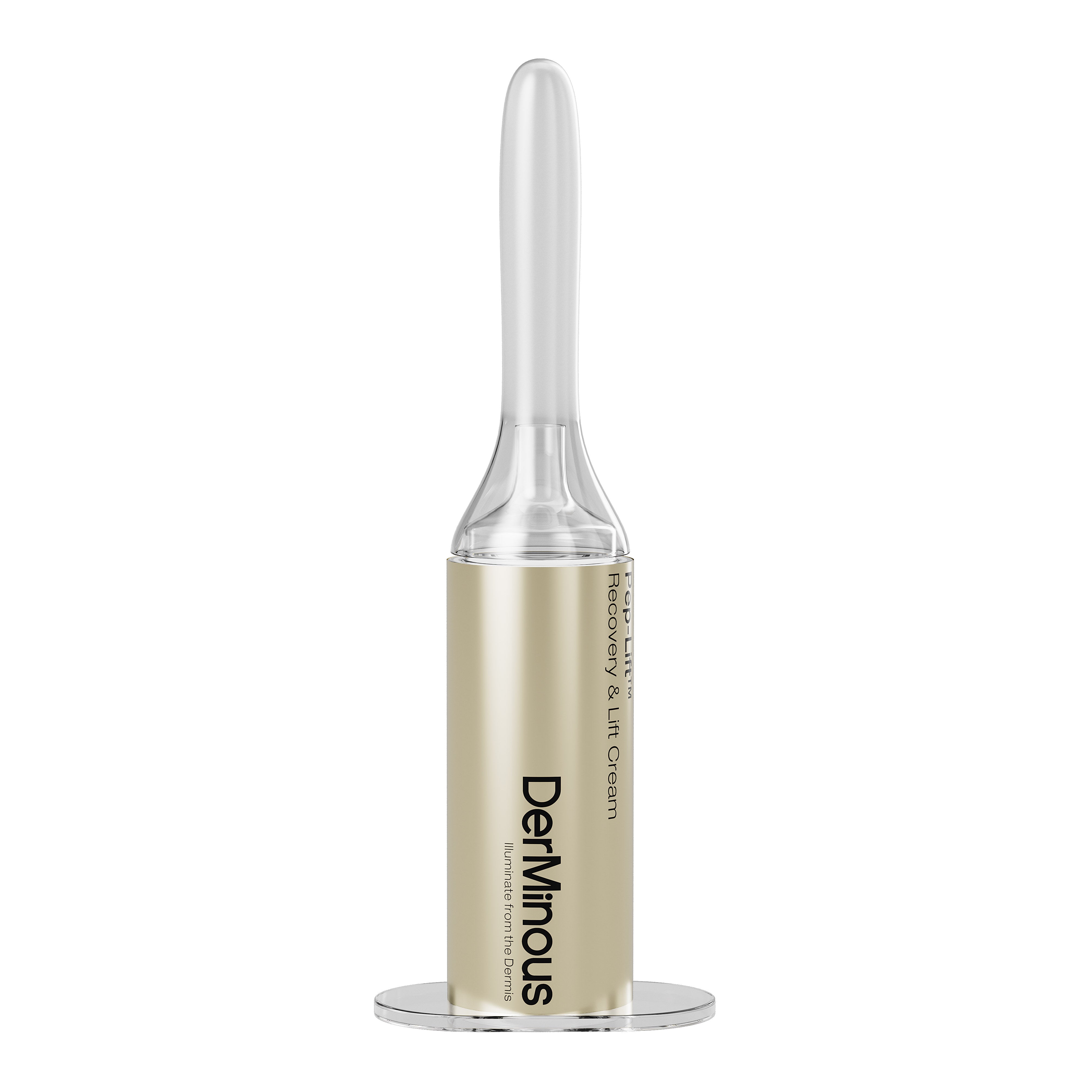
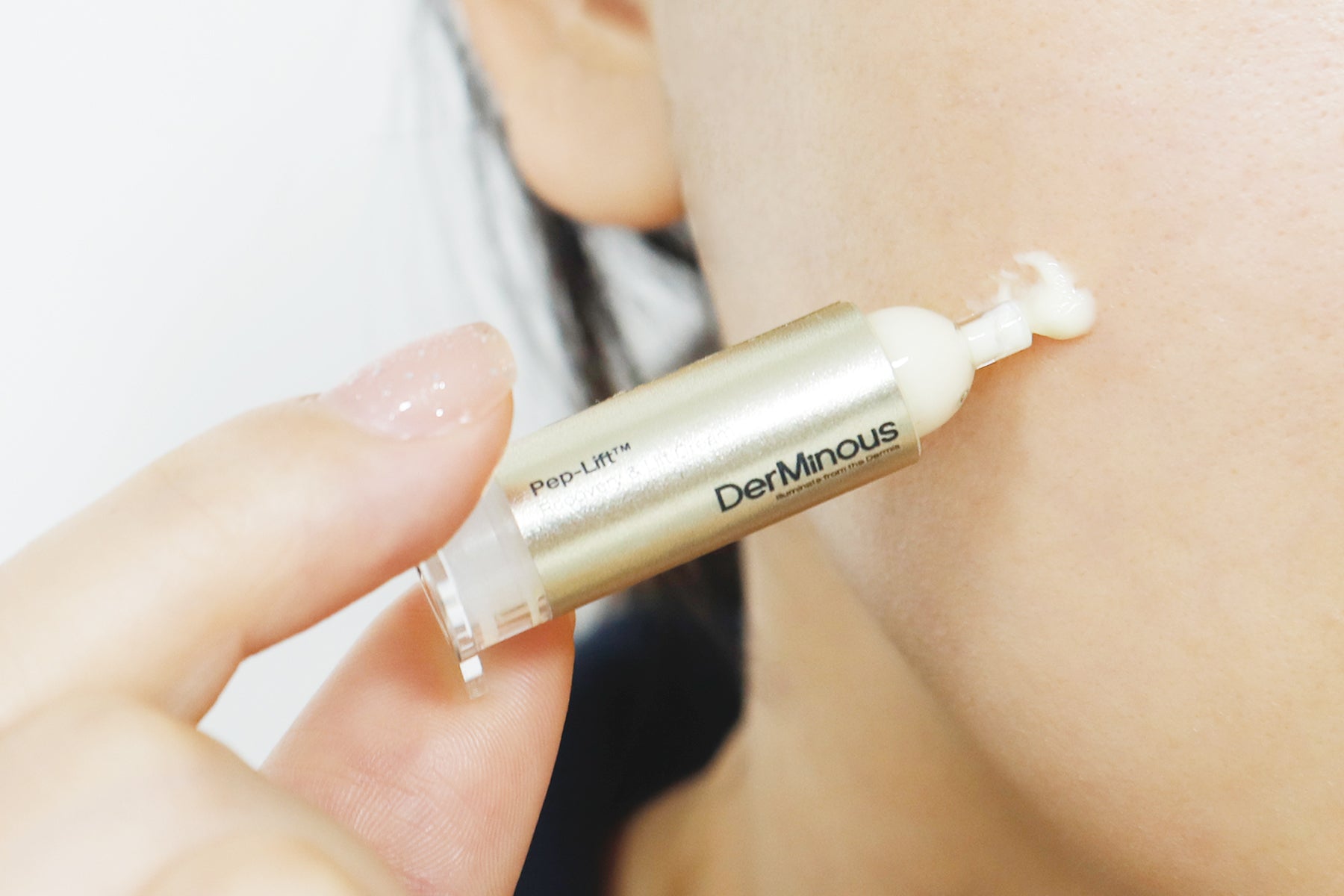
- Seal with Recovery & Lift Cream
Skipping steps—like omitting the mask or reusing needles—compromises results and skews your progress data. Remember: each kit = one full treatment. Consistency is non-negotiable.
Also, store products properly. Heat and light degrade actives like niacinamide and peptides. Keep serums in a cool, dark place (5–25°C), and refrigerate masks for enhanced soothing[7] .

Real User Insights: What to Expect Over Time
Based on aggregated user feedback and clinical analogs:
- After 1 use: Immediate plumping, dewy finish, smoother texture
- Week 2–3: Reduced redness, improved resilience, makeup sits better
- Week 4–6: Visible softening of fine lines, lifted cheek contours, more even tone
- Beyond 8 weeks: Cumulative collagen support leads to firmer, bouncier skin
One Reddit user in r/SkincareAddiction noted: “I’ve tried dozens of ‘at-home microneedling’ kits. DerMinous is the first where I saw actual tightening—not just hydration—after the third session.”[8]

Final Thoughts: Progress Is Personal—but Measurable
DerMinous isn’t promising magic. It’s offering science you can see. By combining disciplined usage with intentional tracking, you transform subjective hopes (“Does this work?”) into objective evidence (“Look how far I’ve come”).
As the brand’s vision states: “Let everyone掌控 their skin’s future—with knowledge, science, and truly effective tools.” Tracking isn’t vanity; it’s validation. And in the era of personalized skincare, your data is your power.
So grab your phone, open a notes app, and start your DerMinous journey—not just with hope, but with proof.
Footnotes
-
Grand View Research. At-Home Beauty Devices Market Size Report, 2023–2030. https://www.grandviewresearch.com/industry-analysis/at-home-beauty-devices-market↩
-
Kim, B.J. et al. (2020). Efficacy of PDRN in Skin Rejuvenation: A Randomized Controlled Trial. Journal of Cosmetic Dermatology. https://doi.org/10.1111/jocd.13456↩
-
HiMirror Official Site. Smart Skincare Mirror with AI Analysis. https://www.himirror.com↩
-
Lee, D.H. et al. (2018). Polydeoxyribonucleotide Promotes Wound Healing and Collagen Synthesis. Wound Repair and Regeneration. https://doi.org/10.1111/wrr.12645↩
-
Wang, X. et al. (2021). Acetyl Hexapeptide-8: Mechanism and Anti-Wrinkle Efficacy. International Journal of Cosmetic Science. https://doi.org/10.1111/ics.12720↩
-
L’Oréal. My Skin Track pH – Personalized Skin Health Sensor. https://www.loreal.com/en/media/news-details/2020/my-skin-track-ph/↩
-
DerMinous Official. Storage & Shelf Life Guidelines. https://www.derminous.com/pages/storage↩
-
Reddit. r/SkincareAddiction – DerMinous GeneLift Review Thread. https://www.reddit.com/r/SkincareAddiction/comments/xyz123/derminous_genelift_review/↩