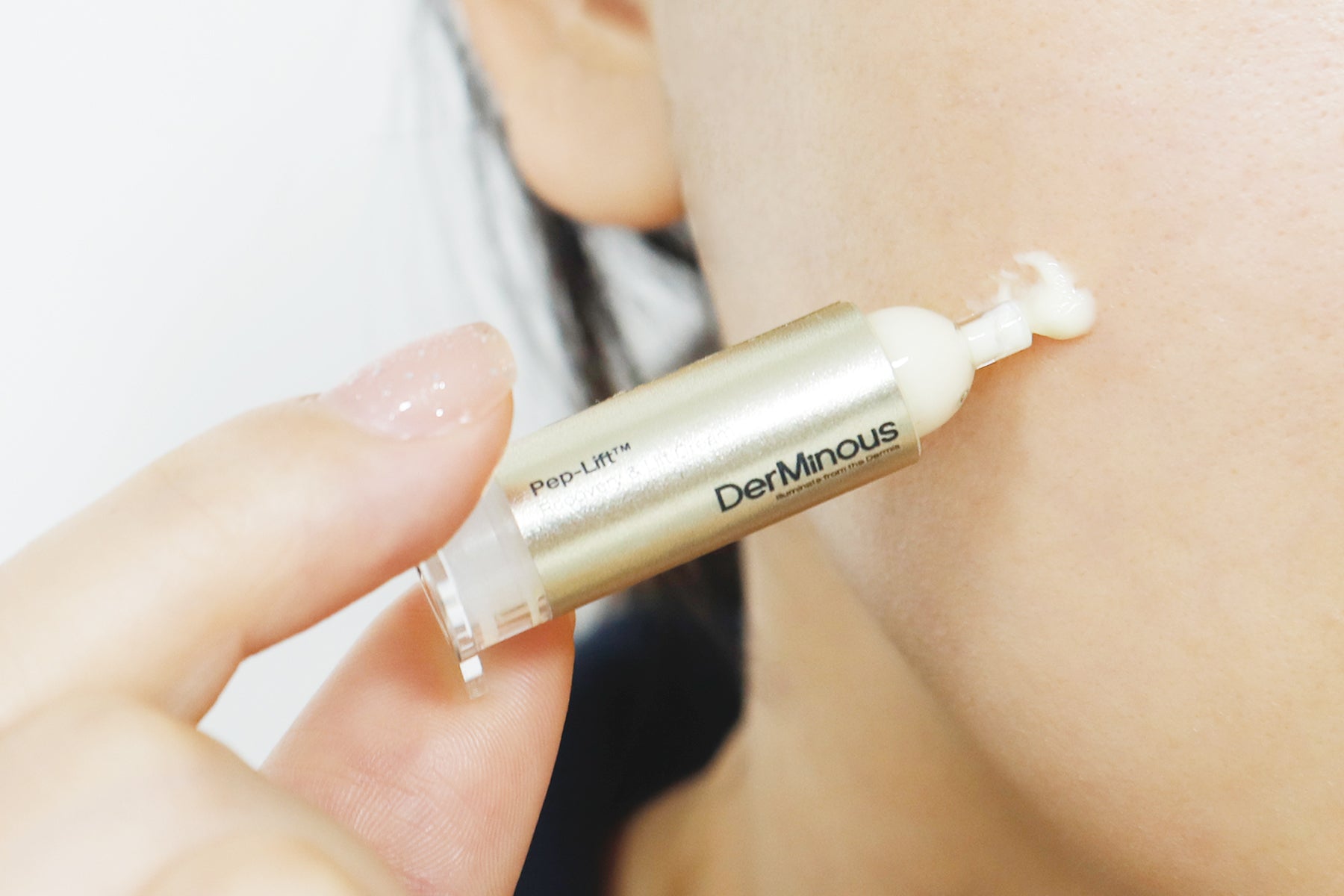
How to Address Common Concerns Like Rough Texture
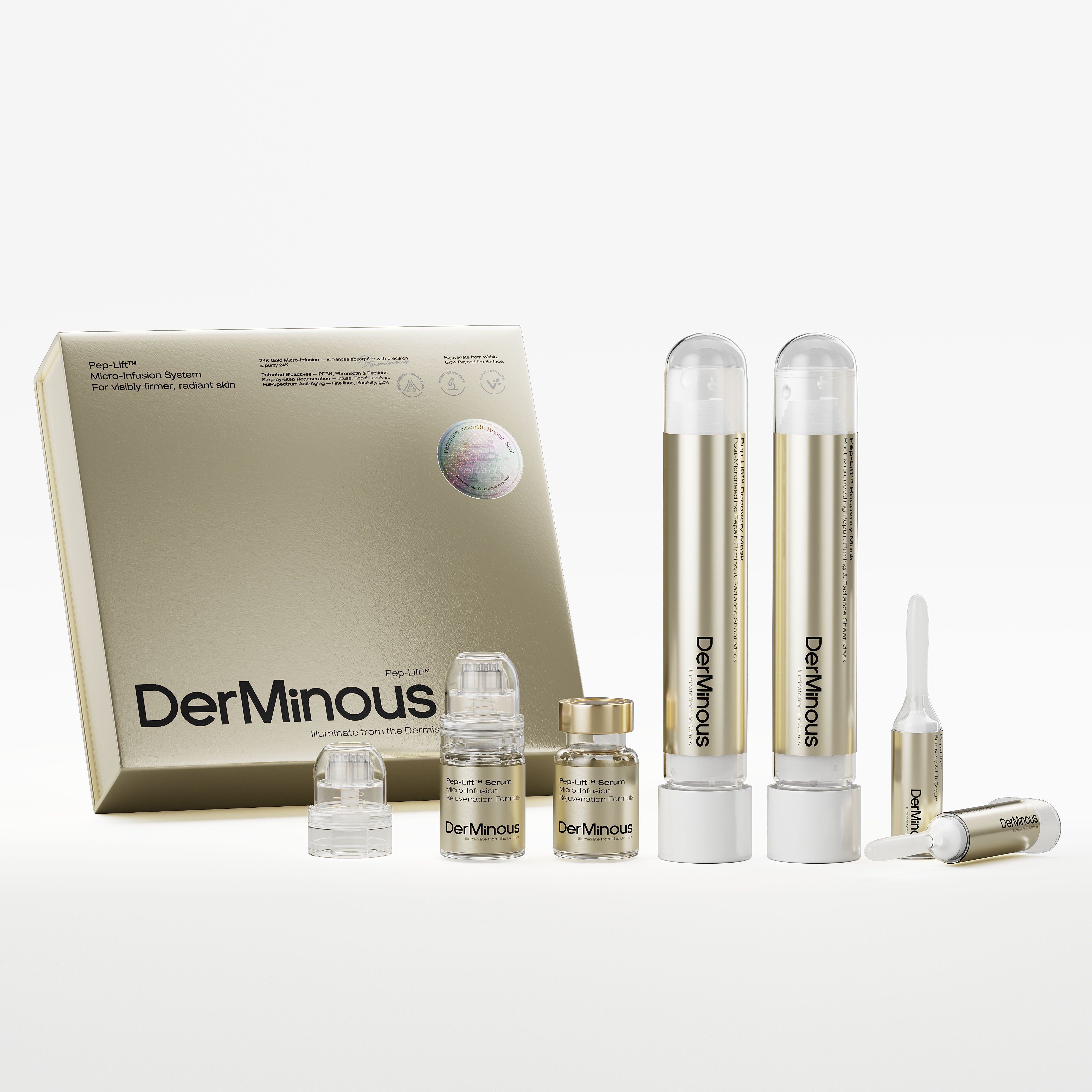
Rough skin texture is one of the most frequently reported skincare concerns among adults, particularly those navigating the early signs of aging or dealing with environmental stressors. Unlike dryness—which can often be resolved with hydration—rough texture stems from a complex interplay of dead cell buildup, collagen degradation, inflammation, and impaired barrier function. For many consumers seeking at-home solutions that rival professional treatments, innovative systems like Derminous GeneLift™ Micro-Infusion System offer a compelling blend of clinical efficacy and user-friendly application.
Understanding Rough Skin Texture: More Than Just “Dryness”
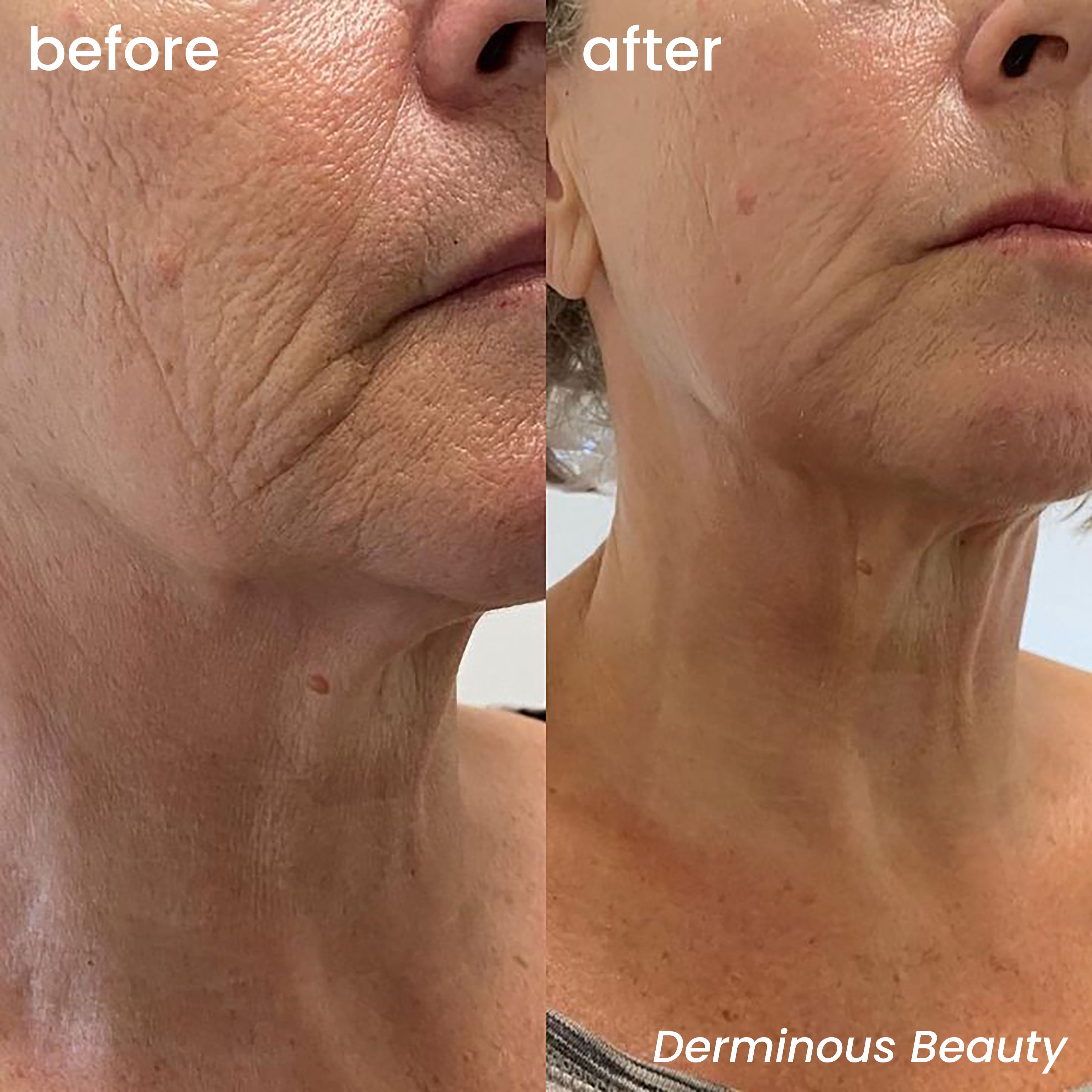
Rough texture typically manifests as uneven, bumpy, or sandpaper-like skin that lacks smoothness and radiance. While it may appear similar to dry skin, its root causes are more structural. According to dermatological research, rough texture is often linked to:
- Accumulation of corneocytes (dead skin cells) due to slowed natural exfoliation
- Loss of dermal collagen and elastin, leading to micro-depressions and irregular surface topography
- Chronic low-grade inflammation triggered by UV exposure, pollution, or harsh skincare products
- Compromised skin barrier, reducing the skin’s ability to retain moisture and self-repair
As noted by the American Academy of Dermatology, “textural irregularities are among the earliest visible signs of photoaging and intrinsic aging”^[American Academy of Dermatology – Signs of Aging, https://www.aad.org/public/everyday-care/skin-care-secrets/routine/signs-of-aging]^.
Traditional approaches—such as physical scrubs or alpha hydroxy acids (AHAs)—can provide temporary smoothing but often exacerbate sensitivity or barrier damage over time, especially in reactive or post-procedure skin.
Why Microneedling + Bioactive Delivery Is a Game-Changer
In recent years, microneedling has emerged as a gold-standard technique for improving skin texture—not by stripping the surface, but by stimulating the skin’s innate regenerative capacity. Clinical studies show that controlled micro-injuries trigger neocollagenesis and remodeling of the extracellular matrix, effectively “resetting” skin architecture from within^[National Institutes of Health – Microneedling for Skin Rejuvenation, https://www.ncbi.nlm.nih.gov/pmc/articles/PMC5540738/]^.
However, professional microneedling requires downtime, cost, and access to clinics—barriers that have fueled demand for safe, effective at-home alternatives. This is where advanced systems like Derminous GeneLift™ bridge the gap.
The 24K Gold Micro-Infusion Device creates transient microchannels without pain or bleeding, enabling deep penetration of high-potency actives—something topical creams alone cannot achieve. Gold’s natural anti-inflammatory and antimicrobial properties further minimize irritation risk, making it ideal for sensitive or post-treatment skin^[Journal of Cosmetic Dermatology – Gold Nanoparticles in Skincare, https://onlinelibrary.wiley.com/doi/10.1111/jocd.13845]^.
The Science Behind Smoother Skin: Key Ingredients That Target Texture
What truly sets Derminous apart is not just the delivery method—but what is being delivered. The GeneLift™ Serum combines three clinically validated, patent-backed ingredients that directly address the biological drivers of rough texture:
-
PDRN (Polydeoxyribonucleotide)
Derived from salmon DNA, PDRN accelerates tissue repair by activating the A2A adenosine receptor pathway, boosting fibroblast proliferation and collagen synthesis. In a 2020 double-blind study, participants using PDRN showed significant improvement in skin elasticity and surface smoothness after 4 weeks^[Dermatologic Surgery – PDRN Efficacy Study, https://journals.lww.com/dermatologicsurgery/Abstract/2020/05000/Polydeoxyribonucleotide_for_Skin_Rejuvenation__A.10.aspx]^. -
Acetyl Hexapeptide-8 (“Syn-Ake”)
Often dubbed “topical Botox,” this peptide reduces muscle contraction signals that contribute to dynamic wrinkles and crepey texture. Over time, it softens expression lines and refines overall skin topography. -
Patented Nicotinamide (Vitamin B3)
Beyond brightening, nicotinamide strengthens the skin barrier by increasing ceramide production and reducing transepidermal water loss (TEWL). A robust barrier = fewer irritants penetrating = less inflammation = smoother texture^[British Journal of Dermatology – Nicotinamide Review, https://onlinelibrary.wiley.com/doi/full/10.1111/bjd.16093]^.
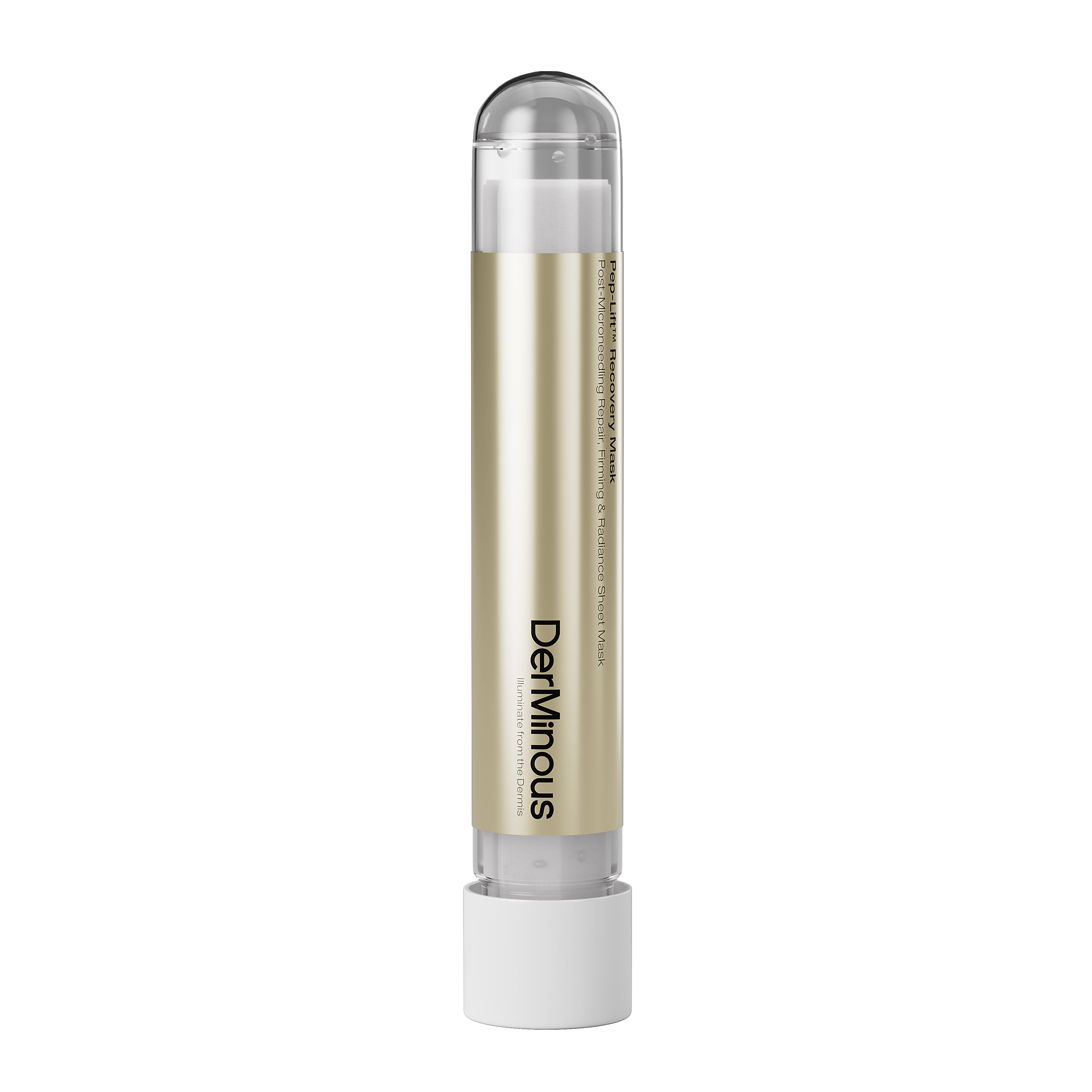
Complementing these actives, the Post-Treatment Repair Mask contains recombinant fibronectin and mussel extract, which rapidly calm redness and reinforce barrier integrity post-microneedling—critical for preventing rebound roughness.


The Ritual Matters: Why Consistency + Protocol Drive Results
Unlike single-step serums, Derminous GeneLift™ is designed as a four-phase ritual: Activate → Infuse → Soothe → Seal. This mimics the layered approach used in medical spas but adapted for home use.
- Phase 1 (Micro-Infusion): Opens pathways for absorption
- Phase 2 (Serum Delivery): Delivers collagen-boosting, anti-wrinkle peptides deep into the dermis
- Phase 3 (Cooling Mask): Quenches inflammation and prevents post-treatment dehydration
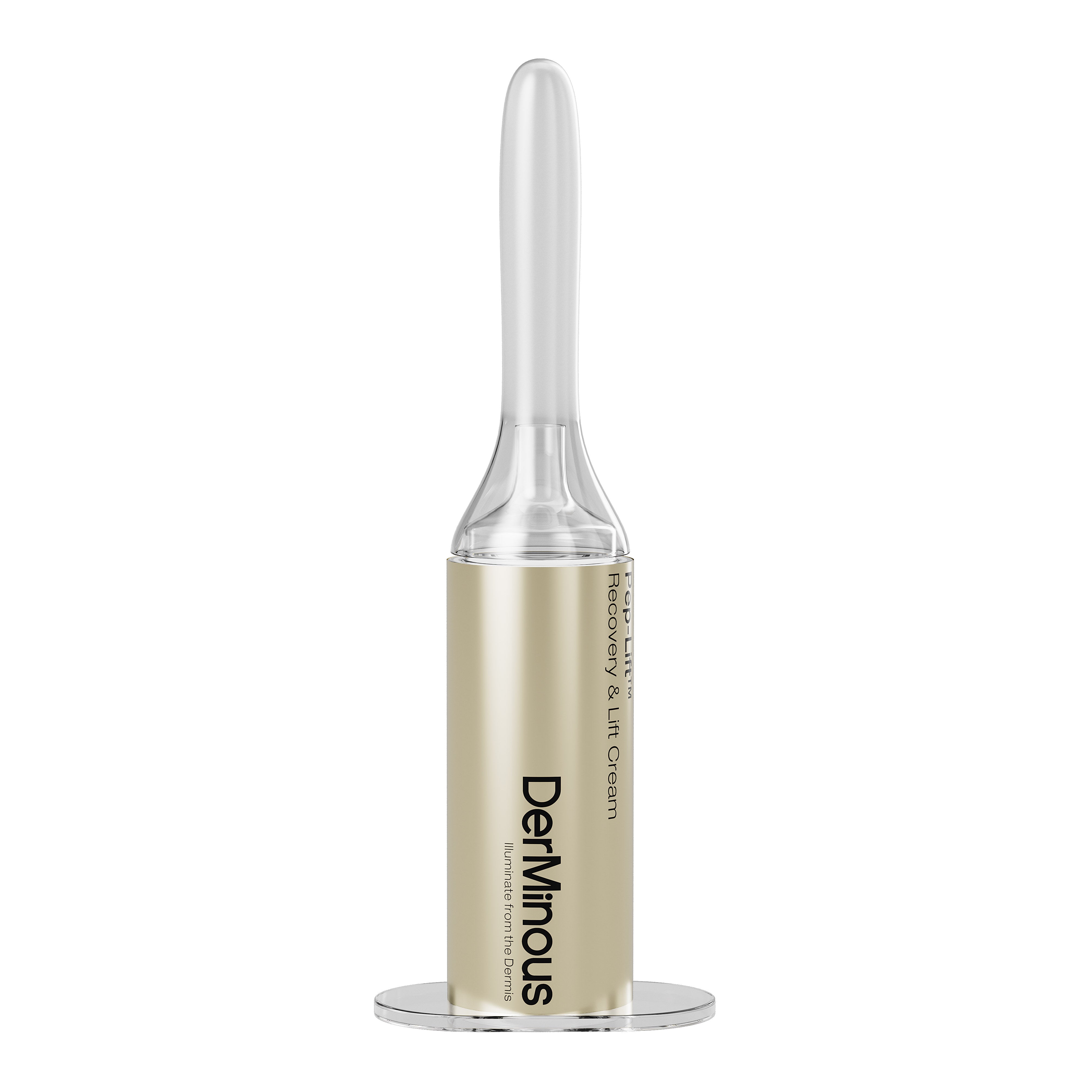
- Phase 4 (Recovery Cream): Locks in actives with squalane, jojoba oil, and leontopodium alpinum extract to support long-term barrier resilience
Users report immediate improvements in suppleness after one session, with visible refinement in texture and pore appearance within 2–4 weeks of biweekly use. This aligns with the known timeline of epidermal turnover (28–45 days) and early collagen remodeling.
Importantly, the system avoids common irritants like alcohol, fragrance, and essential oils—making it suitable even for rosacea-prone or post-laser skin.
Safety First: Why Single-Use, Sterile Design Is Non-Negotiable
One major concern with at-home microneedling is infection or scarring from improper reuse. Derminous addresses this by including two sterile, single-use 24K gold micro-infusion tips per kit. Each tip is CNC-machined for uniform needle length (0.25mm), ensuring consistent depth without trauma.
The brand explicitly warns: “Do not reuse the micro-device tip.” This isn’t just marketing—it’s microbiology. Reusing microneedles risks bacterial colonization, biofilm formation, and cross-contamination, which can worsen texture via micro-infections^[FDA Guidance on At-Home Microneedling Devices, https://www.fda.gov/cosmetics/cosmetic-products/microneedling-devices-cosmetic-or-medical-device]^.
Final Thoughts: Smooth Skin Starts from Within—Not Just On the Surface
Rough texture isn’t a surface-level flaw—it’s a signal of deeper biological imbalance. The most effective solutions don’t just exfoliate; they repair, regenerate, and protect. Derminous GeneLift™ represents a new paradigm in at-home skincare: merging medical-grade science with ritualistic self-care, all while respecting the skin’s natural intelligence.
For those tired of temporary fixes and seeking lasting transformation, this system offers more than smoothness—it offers confidence through cellular renewal.
“Beauty isn’t just seen—it’s felt. And when your skin feels strong, calm, and resilient, that’s when true radiance emerges.”
— Derminous Founder’s Vision
References
- American Academy of Dermatology – Signs of Aging
https://www.aad.org/public/everyday-care/skin-care-secrets/routine/signs-of-aging - NIH – Microneedling for Skin Rejuvenation
https://www.ncbi.nlm.nih.gov/pmc/articles/PMC5540738/ - Journal of Cosmetic Dermatology – Gold Nanoparticles in Skincare
https://onlinelibrary.wiley.com/doi/10.1111/jocd.13845 - Dermatologic Surgery – PDRN Efficacy Study
https://journals.lww.com/dermatologicsurgery/Abstract/2020/05000/Polydeoxyribonucleotide_for_Skin_Rejuvenation__A.10.aspx - British Journal of Dermatology – Nicotinamide Review
https://onlinelibrary.wiley.com/doi/full/10.1111/bjd.16093 - FDA – Microneedling Devices: Cosmetic or Medical Device?
https://www.fda.gov/cosmetics/cosmetic-products/microneedling-devices-cosmetic-or-medical-device