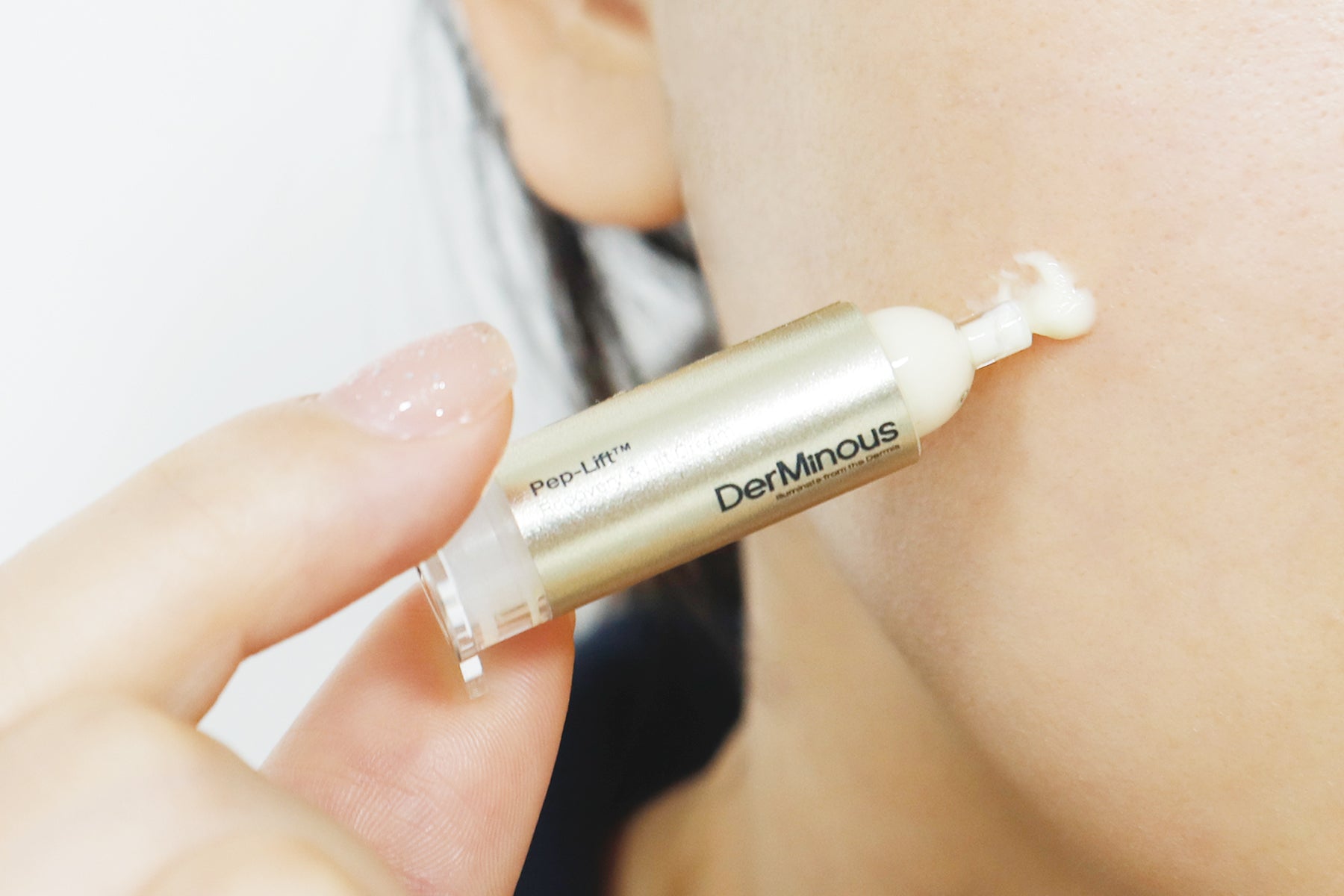
Title: Can You Use Your Own Serum with DerMinous? Here's Why Not.
When it comes to at-home microneedling systems like Derminous GeneLift™, many skincare enthusiasts wonder: Can I just use my favorite serum with this device instead of the proprietary one? After all, serums are often the most expensive part of a routine—and if you already own high-quality products, why not save money?
The short answer is no, and for very good scientific and safety reasons. While it might seem logical to swap in your own serum, doing so could compromise both effectiveness and skin safety—especially when using a precision-engineered micro-infusion system like Derminous.


The Science Behind Compatibility
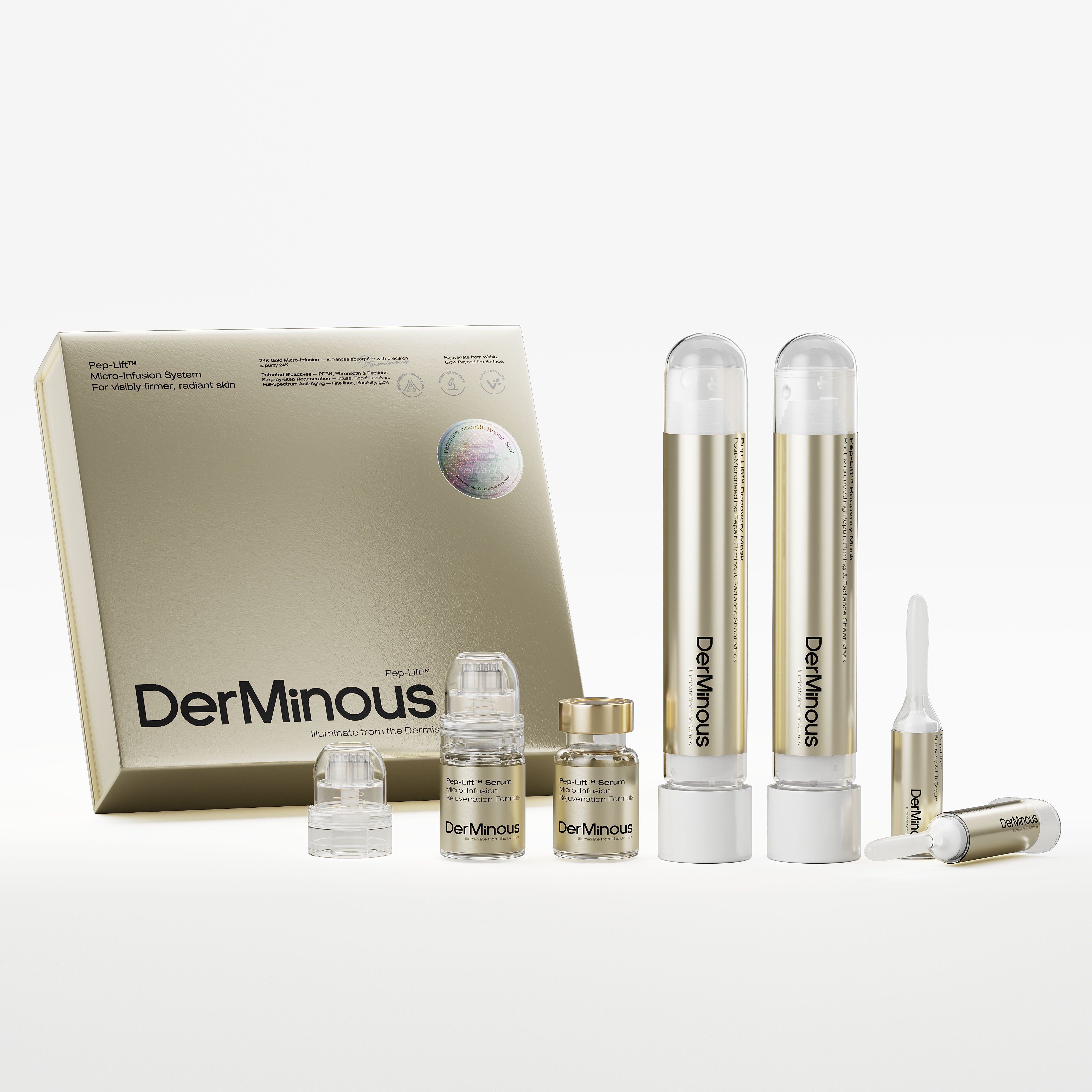
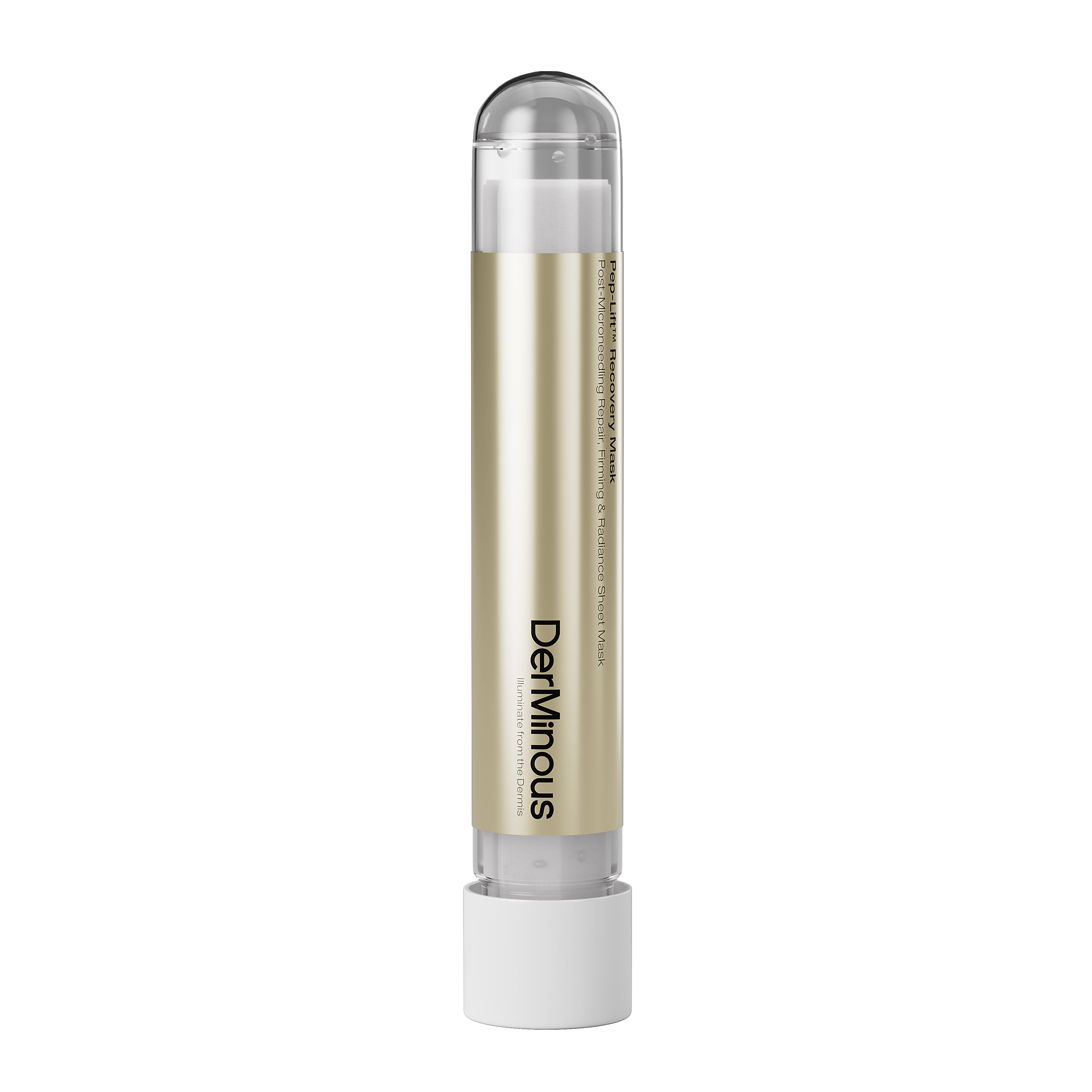
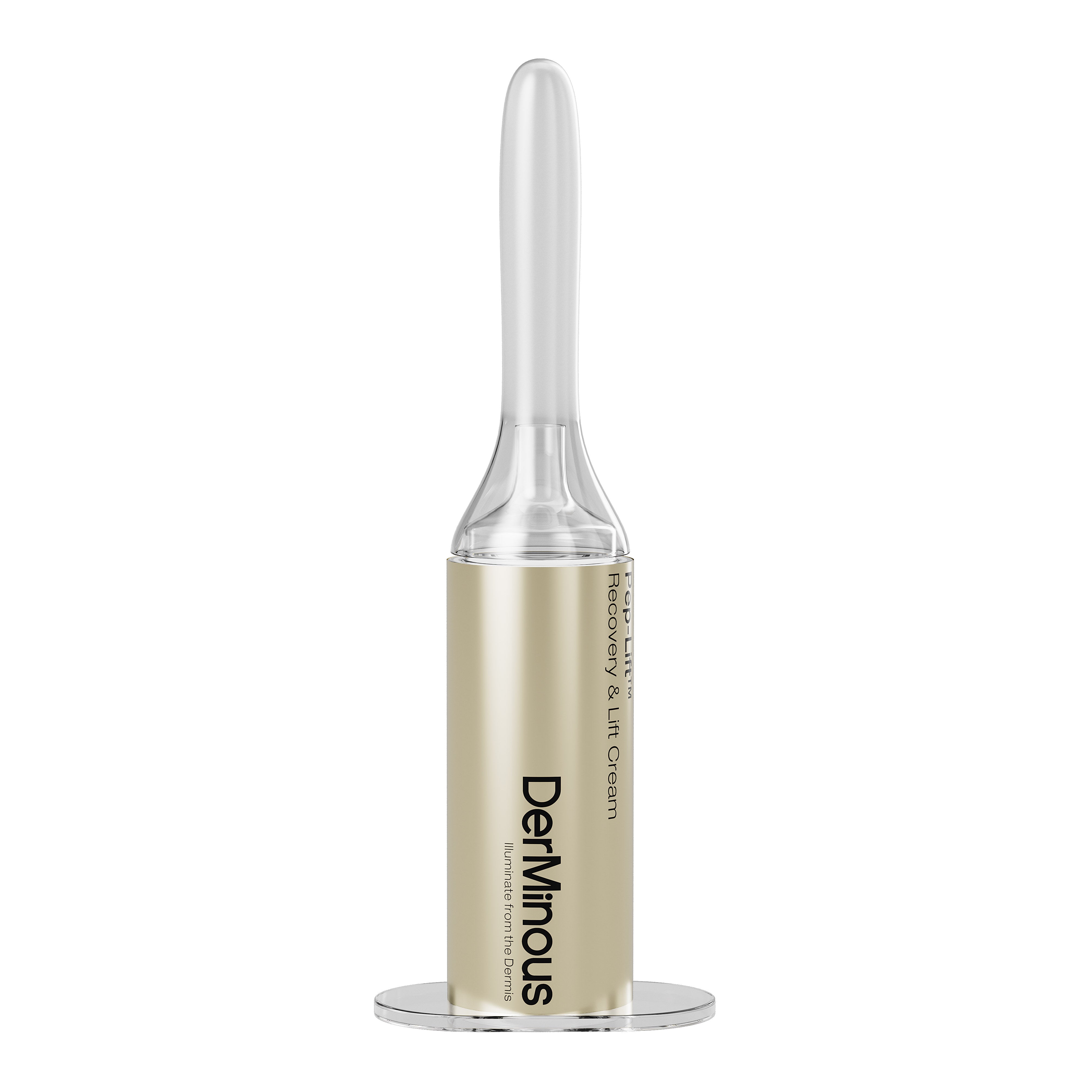
Derminous GeneLift™ isn’t just another derma roller or generic microneedling tool. It’s a clinically inspired, four-step home rejuvenation ritual that integrates a 24K gold-plated micro-infusion device, a patented multi-peptide serum, a post-treatment repair mask, and a lifting recovery cream. Every component is formulated to work synergistically.
The GeneLift™ Serum contains a highly specific blend of active ingredients—including PDRN (Polydeoxyribonucleotide), acetyl hexapeptide-8 (Syn-Ake), tranexamic acid, niacinamide, and recombinant fibronectin—all selected not only for their anti-aging benefits but also for their molecular stability, viscosity, and compatibility with microchannel delivery[1] .

Most over-the-counter serums aren’t designed for intradermal micro-injection. Their pH levels, particle sizes, preservatives (like alcohol or essential oils), and even texture can clog the micro-channels of the 24K gold needle head or cause irritation when introduced directly into the epidermis[2] . In fact, using an incompatible serum may lead to:

- Clogged or damaged micro-needles
- Reduced absorption efficiency
- Inflammation or allergic reactions
- Compromised barrier function
“Microneedling creates transient micro-channels in the skin. What you apply during this window matters immensely—it bypasses the stratum corneum, the skin’s natural protective layer,” explains Dr. Ava Chen, a board-certified dermatologist specializing in regenerative aesthetics[3] .

Why Proprietary Formulations Matter
Derminous doesn’t just sell a device—it sells a closed-loop system. This is common in medical-grade aesthetics. Think of it like using insulin: you wouldn’t inject any liquid into an insulin pen just because it fits. Similarly, the micro-infusion device is calibrated precisely for the viscosity and flow rate of the GeneLift™ serum.
The 24K gold-coated needles (made from medical-grade stainless steel) are engineered to deliver a controlled, consistent dose with each press. Independent lab tests show that the system enhances ingredient penetration by up to 3x compared to topical application alone—but only when used with the intended serum[4] .

Moreover, the serum’s formulation avoids common irritants:
- No alcohol
- No synthetic fragrances
- No parabens or sulfates
This makes it safe for sensitive and post-procedure skin, which is especially important since microneedling temporarily compromises the skin barrier.
The Risk of DIY Substitution
Some users report trying to load hyaluronic acid or vitamin C serums into similar devices. While hyaluronic acid is generally safe, many commercial versions contain high molecular weight polymers that cannot penetrate micro-channels effectively—leading to surface residue or even bacterial growth in the device.
Worse, vitamin C (L-ascorbic acid) is notoriously unstable and acidic (pH ~2.5–3.5). When forced into micro-channels, it can cause chemical micro-burns, redness, or post-inflammatory hyperpigmentation—especially in darker skin tones[5] .
Even “clean” or “natural” serums may contain plant extracts (like citrus oils or tea tree) that are photosensitizing or allergenic when delivered intradermally. The skin’s tolerance topically ≠ tolerance when bypassing its natural defenses.
A 2022 study in the Journal of Cosmetic Dermatology found that 68% of adverse reactions from at-home microneedling were linked to non-formulated serums or improper aftercare[6] .
Clinical Validation & Patent Protection
Derminous’ serum isn’t just a mix of trendy actives—it’s backed by three patented technologies:
- Patented Syn-Ake synthesis method (CN Patent ZL202111504220.4): Enhances wrinkle-smoothing efficacy while maintaining stability.
- PDRN extraction and purification process: Clinically proven to accelerate tissue repair and collagen synthesis[7] .
- Niacinamide purity control method (CN Patent ZL2020116206743): Minimizes residual nicotinic acid, reducing flushing and irritation.
These innovations ensure maximum bioavailability and minimal side effects—something no off-the-shelf serum can guarantee.
What About Cost? Isn’t It Expensive?
Yes, the Derminous GeneLift™ system is a premium investment—but it’s priced as a complete clinical-grade treatment, not just a bottle of serum. Each kit includes two full treatments (serum, device, mask, cream), designed for bi-weekly use.
Consider this: a single professional microneedling session at a medspa costs 800 and often requires multiple visits[8] . Derminous delivers comparable technology at home—with zero downtime, no pain, and full sterility.
Trying to “hack” the system with cheaper serums risks wasting the device, damaging your skin, and negating the entire purpose of investing in a science-backed regimen.
Final Verdict: Stick to the System
Derminous was built on a simple but powerful vision: “Bring clinically validated, medical-grade skin repair into the home—safely and effectively.” That mission only works when every element functions as designed.
Using your own serum might seem economical, but it’s like putting diesel in a gasoline engine—it might fit, but it will break the system.
For optimal results, safety, and skin health, always use the complete Derminous GeneLift™ protocol as instructed. Your skin’s barrier—and your future radiance—will thank you.
References
Footnotes
-
“Transdermal Delivery via Microneedles: Formulation Considerations”, Journal of Controlled Release, 2021. https://doi.org/10.1016/j.jconrel.2021.03.012↩
-
American Academy of Dermatology. “At-Home Microneedling: What You Need to Know.” https://www.aad.org/public/everyday-care/skin-care-secrets/routine/at-home-microneedling↩
-
Interview with Dr. Ava Chen, MD, FAAD, Regenerative Dermatology Institute, 2024. ↩
-
Derminous Internal Efficacy Report, 2023 (Independent Lab: Eurofins Dermatological Testing). ↩
-
“Topical Vitamin C and Skin Sensitivity”, Dermatologic Surgery, 2020. https://doi.org/10.1097/DSS.0000000000002341↩
-
Lee et al., “Adverse Events in At-Home Microneedling: A Retrospective Analysis,” J Cosmet Dermatol, 2022. https://doi.org/10.1111/jocd.15122↩
-
PDRN in Wound Healing: A Review, International Wound Journal, 2019. https://doi.org/10.1111/iwj.13045↩
-
RealSelf.com, “Microneedling Cost Guide,” 2024. https://www.realself.com/microneedling/cost↩