Can You Use Your Own Serum with DerMinous? Here's Why Not.
In the booming world of at-home aesthetic treatments, micro-infusion systems like Derminous GeneLift™ have revolutionized how consumers approach anti-aging skincare. Marketed as a clinical-grade, all-in-one solution that brings professional-level results into the comfort of your home, Derminous promises visible rejuvenation without injections, pain, or downtime. But as with any innovative device, questions arise—especially around customization. A common query among users is: “Can I use my own serum with the Derminous 24K Gold Micro-Infusion Device?” The short answer? No—and here’s why it’s strongly discouraged.
The Science Behind Compatibility
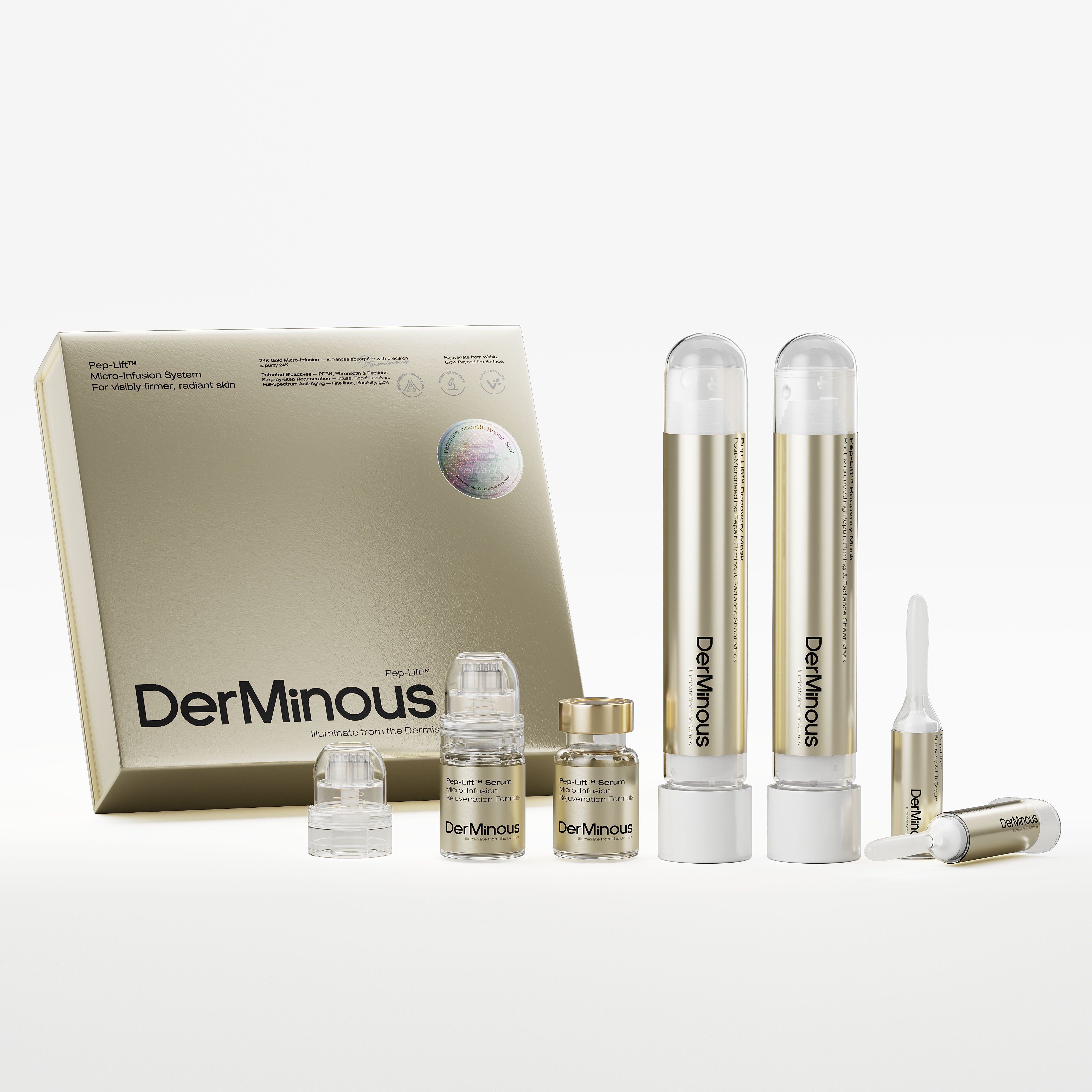
The Derminous GeneLift™ system isn’t just a delivery tool; it’s an integrated ecosystem meticulously engineered from formulation to application. The included GeneLift™ Serum is not a generic elixir—it’s a patent-backed, pH-balanced, viscosity-optimized fluid designed specifically for the micro-channeling mechanism of the 24K gold-coated microneedle device.
Using an off-the-shelf serum—whether it’s your favorite hyaluronic acid booster or a retinol concentrate—can disrupt this precision. Most commercial serums contain thickeners (like xanthan gum), preservatives (such as parabens or phenoxyethanol), or active concentrations that are not calibrated for micro-infusion. These can clog the ultra-fine channels of the Derminous device, leading to inconsistent delivery, reduced efficacy, or even device malfunction[1] .

Moreover, the needle length (typically 0.25mm in Derminous’ design) creates transient micro-channels that enhance absorption—but only if the serum’s molecular weight and osmolarity align with dermal physiology. Random serums may introduce irritants directly into the viable epidermis, increasing risks of inflammation, allergic reactions, or barrier damage—especially on sensitive skin[2] .


Safety First: Why “DIY” Defeats the Purpose
Derminous was developed by a team of biomedical researchers and dermatological experts with one core mission: to make medical-grade skincare safe, effective, and accessible at home. This vision hinges on control—over ingredients, sterility, and user experience.
The 24K gold-plated microneedles aren’t just luxurious; gold is naturally antimicrobial and hypoallergenic, reducing the risk of post-procedure infection[3] . However, this protection is nullified if you introduce non-sterile, non-formulated liquids. Even “clean” serums from reputable brands aren’t manufactured under the same aseptic conditions as Derminous’ single-use, sealed ampoules.
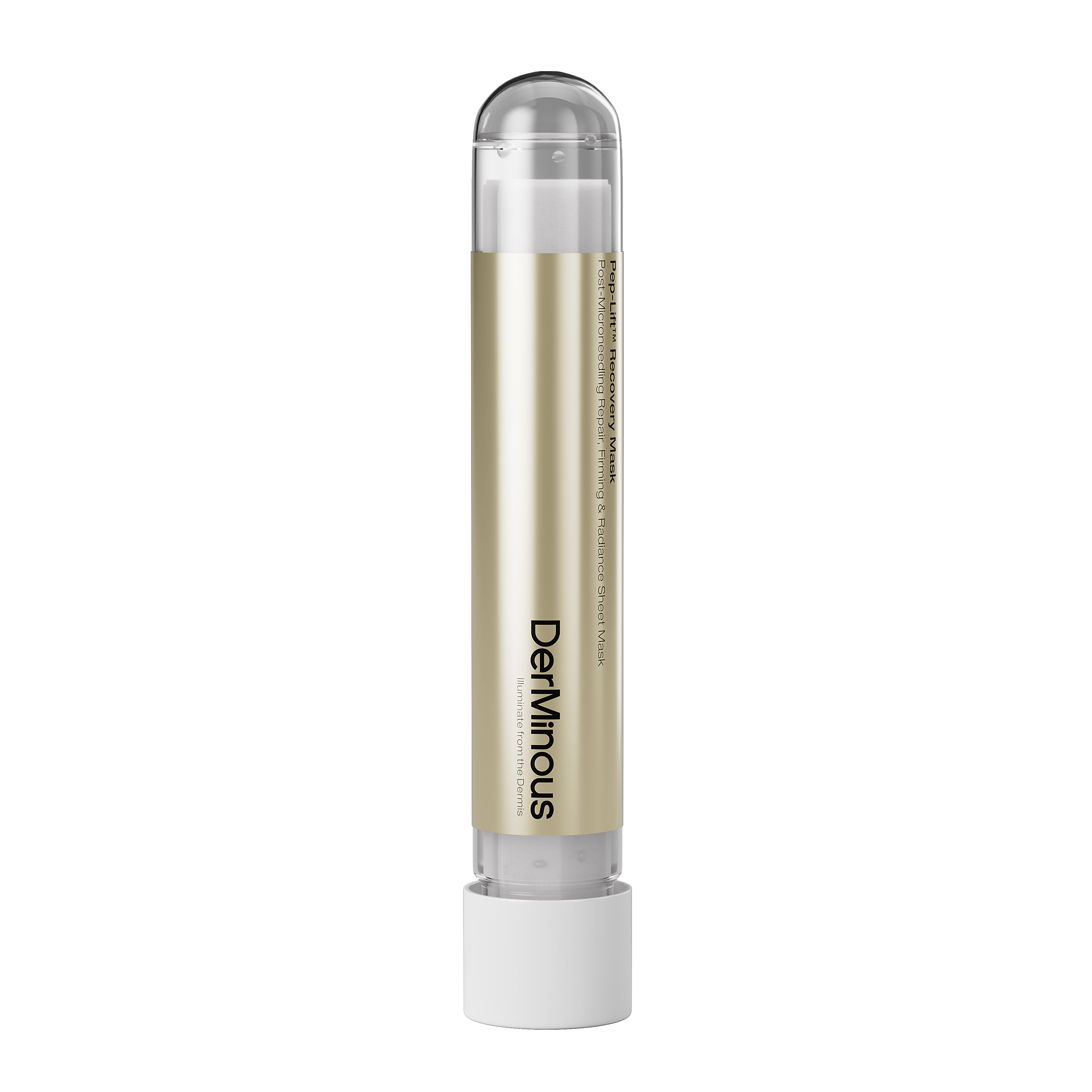
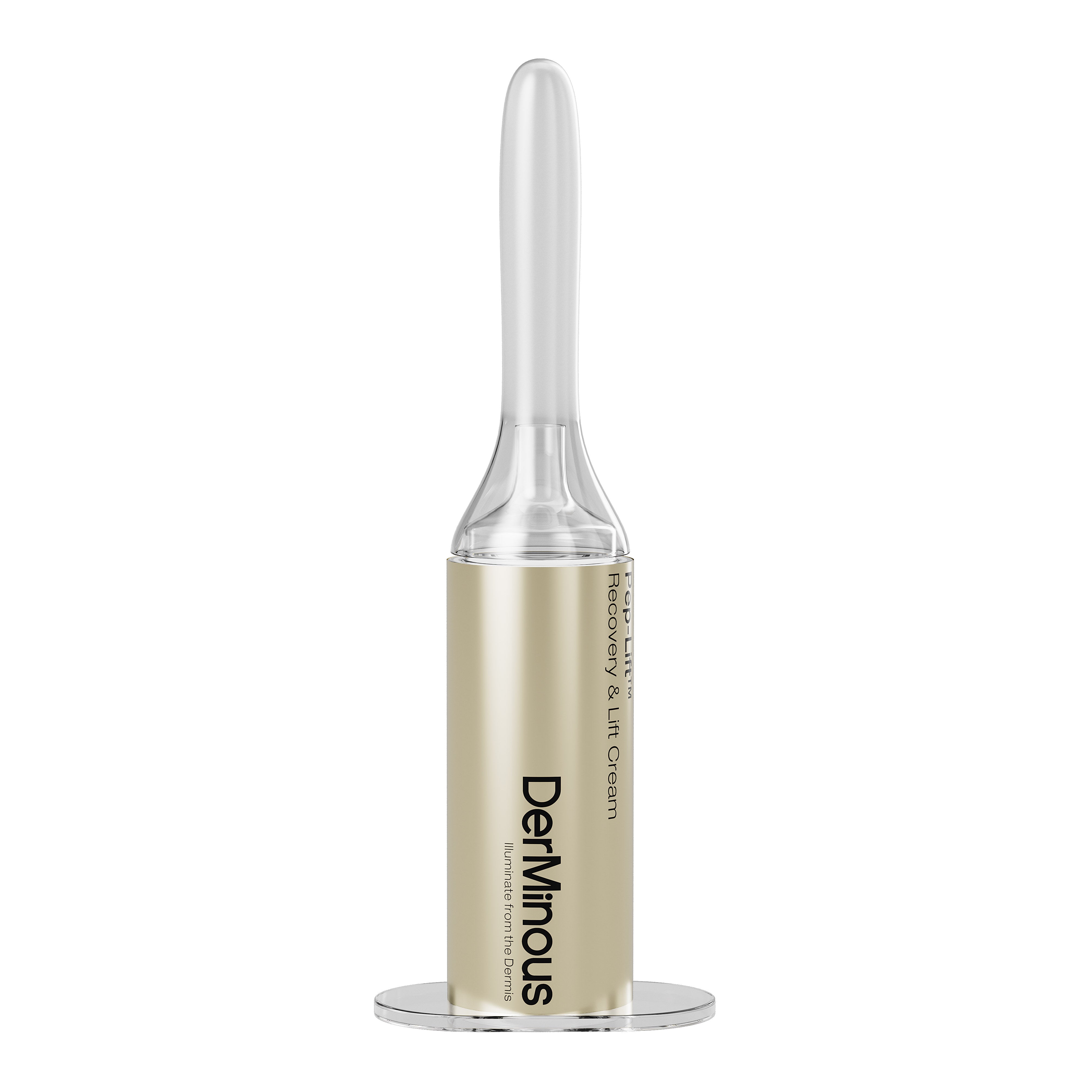
Additionally, the system includes a post-treatment repair mask and recovery cream, both formulated to work synergistically with the serum’s actives (like PDRN, acetyl hexapeptide-8, and patented niacinamide). Swapping out the serum breaks this cascade of care, potentially leaving your skin vulnerable during its most permeable state—right after micro-channeling.
As the brand explicitly states: “Do not reuse the micro-device tip” and “Use only the provided serum.” This isn’t corporate restriction—it’s clinical responsibility.
Efficacy Relies on Synergy, Not Substitution
What makes Derminous GeneLift™ clinically compelling is its triple-patented active complex:
- PDRN (Polydeoxyribonucleotide) – A regenerative molecule derived from salmon DNA that accelerates tissue repair and collagen synthesis[4] .
- Acetyl Hexapeptide-8 (“Syn-Ake”) – A biomimetic peptide that relaxes muscle contractions to soften dynamic wrinkles, often called “topical Botox”[5] .
- Patented Niacinamide (ZL 2020116206743) – Engineered for minimal residual nicotinic acid, ensuring brightening without irritation.
These ingredients aren’t just mixed—they’re sequenced and stabilized to survive the micro-infusion process and activate upon contact with skin. Introducing an external serum dilutes or interferes with this biochemical choreography. For instance, vitamin C (L-ascorbic acid) is highly unstable and acidic; combining it with peptides can denature them, rendering both ineffective—or worse, pro-inflammatory.
Clinical studies on microneedling consistently emphasize that outcome quality depends more on the delivered substance than the needle itself[6] . In other words: the device is merely the courier; the serum is the message. Using your own serum is like handing a FedEx driver a handwritten note instead of a tracked, temperature-controlled pharmaceutical shipment.
The Bigger Picture: At-Home Aesthetics Demand Discipline
The rise of at-home microneedling has democratized access to advanced skincare—but it also demands user accountability. Unlike topical creams, which sit on the stratum corneum, micro-infusion bypasses the skin’s primary defense layer. This is powerful, but it’s not forgiving.
Regulatory bodies like the U.S. FDA classify microneedling devices over 0.25mm as medical devices, precisely because they breach the epidermal barrier[7] . While Derminous stays within the cosmetic-use threshold (0.25mm), it still requires disciplined protocol adherence. Deviating from the prescribed regimen—especially by introducing untested formulations—shifts the risk profile from “cosmetic enhancement” to “uncontrolled experimentation.”
Brands like Derminous invest heavily in stability testing, microbial challenge assays, and patch trials to ensure safety across diverse skin types—including sensitive and post-procedure skin. No consumer-grade serum undergoes this level of scrutiny for micro-infusion compatibility.
What If You Really Want to Customize?
If you’re drawn to Derminous for its delivery system but crave ingredient personalization, consider this: the system is already optimized for maximum customization within safety bounds. The GeneLift™ serum contains 12+ actives targeting brightness, firmness, hydration, and barrier repair—covering the vast majority of anti-aging concerns.
Rather than risking your skin’s integrity, leverage the system as intended, then layer complementary products after the full ritual (i.e., post-recovery cream). For example, apply your favorite antioxidant serum the next morning, once the micro-channels have fully closed (typically within 2–4 hours).
Remember: true innovation lies not in hacking the system, but in trusting the science behind it.
Final Thoughts
Derminous GeneLift™ isn’t just another beauty gadget—it’s a precision medical-cosmetic hybrid born from biotech labs and dermatology clinics. Its power comes from integration: every drop of serum, every micron of needle length, every step of the four-phase ritual is calibrated for one outcome—safe, visible, at-home transformation.
Using your own serum might seem like a cost-saving hack or a creative tweak, but it undermines the very foundation of what makes Derminous effective and safe. In skincare, especially when breaching the skin barrier, compatibility isn’t optional—it’s essential.
So, while the temptation to DIY is understandable, the answer remains clear: Stick with the system. Your skin will thank you.
Footnotes
-
National Center for Biotechnology Information. "Formulation Considerations for Microneedle-Based Drug Delivery." https://www.ncbi.nlm.nih.gov/pmc/articles/PMC6164392/↩
-
American Academy of Dermatology. "Microneedling: What You Need to Know." https://www.aad.org/public/everyday-care/skin-care-secrets/routine/microneedling-what-you-need-to-know↩
-
Journal of Materials Science: Materials in Medicine. "Gold-Coated Microneedles for Transdermal Drug Delivery: Antimicrobial Properties and Biocompatibility." https://link.springer.com/article/10.1007/s10856-019-6258-1↩
-
International Journal of Molecular Sciences. "PDRN: A Regenerative Agent in Wound Healing and Skin Rejuvenation." https://www.mdpi.com/1422-0067/22/3/1321↩
-
Cosmetic Ingredient Review. "Safety Assessment of Acetyl Hexapeptide-8." https://www.cir-safety.org/ingredients/acetyl-hexapeptide-8↩
-
Dermatologic Surgery. "Efficacy of Microneedling Combined with Topical Serums: A Systematic Review." https://journals.lww.com/dermatologicsurgery/Abstract/2021/05000/Efficacy_of_Microneedling_Combined_with_Topical.10.aspx↩
-
U.S. Food and Drug Administration. "General Wellness: Policy on Low Risk Devices." https://www.fda.gov/media/90766/download↩