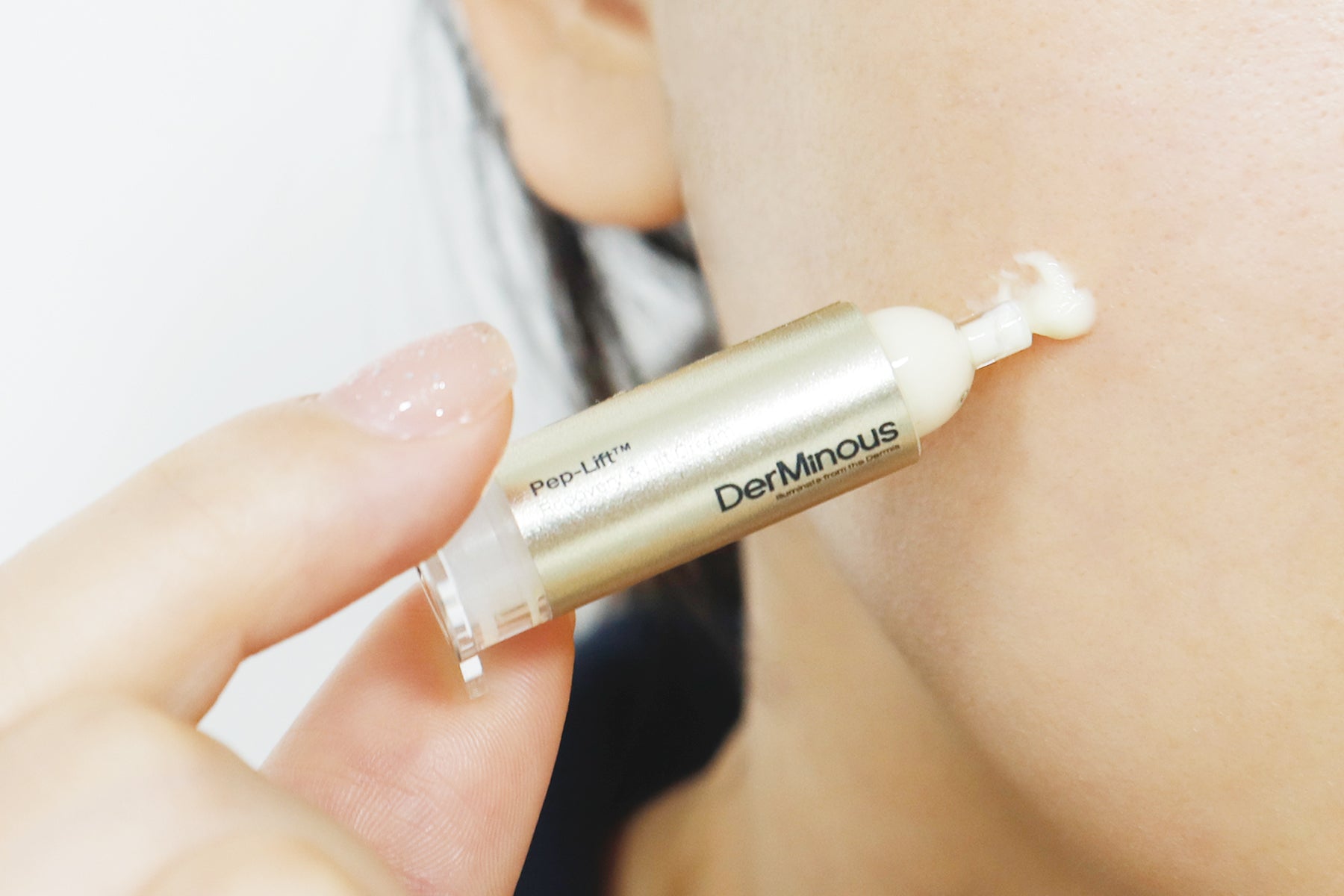
Title: Can You Use Your Own Serum with DerMinous? Here's Why Not.
When it comes to at-home microneedling systems like Derminous GeneLift™, many skincare enthusiasts wonder: “Can I just use my favorite serum instead of the included one?” On the surface, this seems logical—after all, microneedling is about enhancing absorption, right? But when it comes to Derminous, swapping out the proprietary serum isn’t just discouraged—it’s strongly advised against. Here’s why using your own serum with the Derminous 24K Gold Micro-Infusion System could compromise results, safety, and even skin health.
The Science Behind Compatibility
Derminous isn’t a generic microneedling roller with interchangeable serums. It’s a precision-engineered, closed-loop delivery system designed around specific molecular weights, pH levels, viscosity, and active ingredient stability. The GeneLift™ Serum is formulated to work in perfect synergy with the 24K gold-coated micro-needles, which create temporary micro-channels in the stratum corneum (the outermost skin layer) to allow deeper penetration.
Most over-the-counter serums contain ingredients that are too large, too acidic, or unstable for direct micro-channel delivery. For example:
- Vitamin C (L-ascorbic acid) is highly unstable and can oxidize rapidly when exposed to air or metal—like gold-plated needles—potentially causing irritation or discoloration.
- Retinol is notoriously irritating when delivered directly into micro-channels, increasing risks of inflammation, peeling, or barrier damage.
- Essential oils or fragrances, common in luxury serums, are known sensitizers that can trigger allergic reactions when introduced beneath the skin’s surface[1] .
In contrast, Derminous’ serum is fragrance-free, alcohol-free, and meticulously pH-balanced (around 5.5–6.0) to match the skin’s natural environment. Its key actives—such as PDRN (Polydeoxyribonucleotide), acetyl hexapeptide-8 (Syn-Ake), and patented niacinamide—are selected not only for efficacy but also for biocompatibility with micro-infusion technology[2] .


“Microneedling dramatically increases transdermal absorption—by up to 1,000-fold,” explains Dr. Ava Chen, a cosmetic dermatologist and advisor to several medtech skincare brands. “That means anything you apply post-needling goes deep. If it’s not formulated for that route, you’re rolling the dice on irritation or even toxicity.”[3]

Why the Device-Serum Pairing Matters
The 24K Gold Micro-Infusion Device isn’t just decorative. Gold is chosen for its natural anti-inflammatory and antimicrobial properties, reducing redness and infection risk during micro-channel creation[4] . But more critically, the needle length (typically 0.2–0.3mm for at-home use) and fluid dynamics are calibrated for the exact viscosity and flow rate of the GeneLift™ serum.
Using a thicker serum (like those with high hyaluronic acid concentrations) can clog the micro-channels in the device, leading to uneven distribution or complete blockage. Conversely, a runny serum may leak excessively, wasting product and increasing the chance of contact with eyes or broken skin.
Moreover, Derminous uses a sterile, single-use, pre-filled system. This eliminates contamination risks from repeatedly dipping needles into open bottles—a major concern in DIY microneedling. Introducing your own serum breaks this sterile protocol, potentially introducing bacteria like Staphylococcus aureus or Pseudomonas aeruginosa, which thrive in water-based skincare products[5] .
Clinical Validation & Regulatory Design
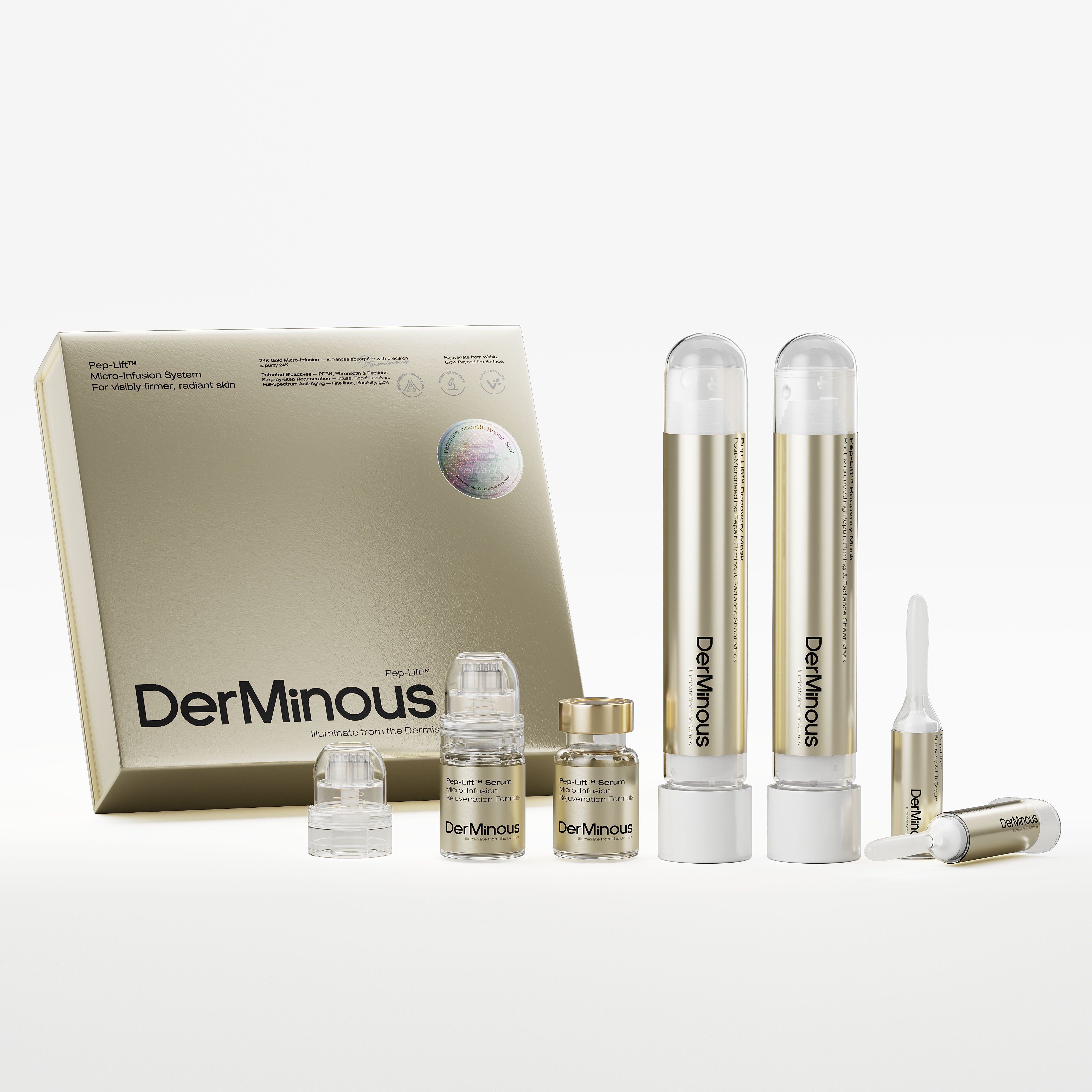
Derminous underwent clinical testing as a complete system—not as separate components. Regulatory submissions (including those targeting EU and U.S. markets) evaluate the safety and efficacy of the entire kit: device + serum + post-care mask + cream. Swapping serums voids this validation.
For instance, the patented PDRN in GeneLift™ serum is derived from salmon DNA and clinically proven to accelerate tissue repair and collagen synthesis[6] . But PDRN requires specific storage conditions and co-formulants (like arginine/lysine peptides) to remain stable. Most commercial serums don’t contain PDRN at all—and if they do, concentrations and purity vary widely.
Similarly, Derminous’ niacinamide is produced via a patented method (CN Patent ZL2020116206743) that minimizes residual nicotinic acid—a common irritant in standard niacinamide products[7] . Using a non-patented serum could reintroduce that irritant directly into compromised skin.
What Happens If You Do Use Your Own Serum?
While some users report “fine” results with alternative serums, the risks outweigh anecdotal benefits:
- Increased sensitivity or burning sensation during application
- Prolonged redness or micro-scabbing
- Reduced efficacy due to poor molecular compatibility
- Device malfunction from clogging or corrosion
Worse, adverse reactions may be misattributed to the device rather than the serum—leading to unwarranted distrust in an otherwise safe system.
Derminous explicitly warns: “Do not substitute the provided serum. The system is calibrated for optimal performance and safety only with Derminous GeneLift™ formulations.”
The Bigger Picture: Ritual Over Routine
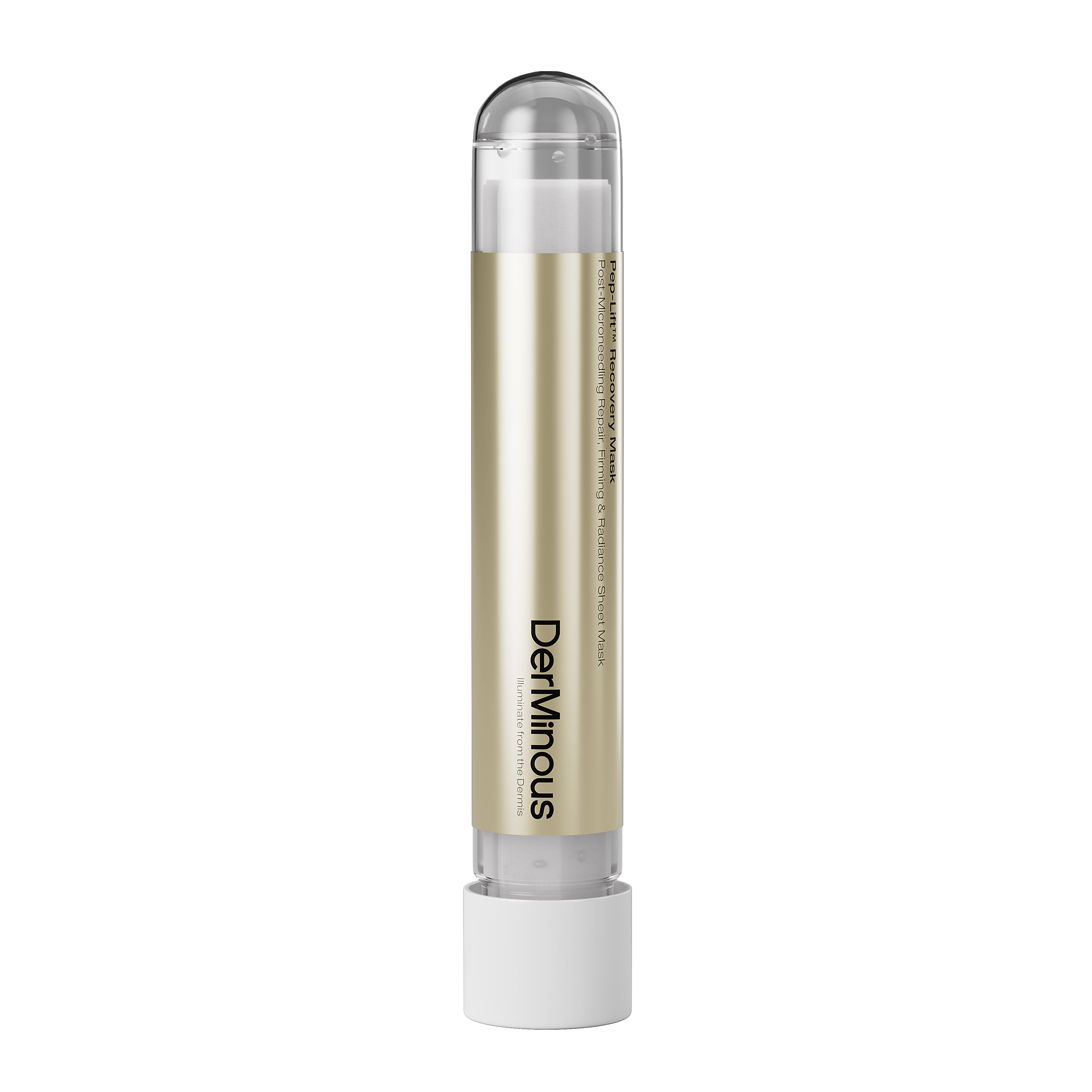
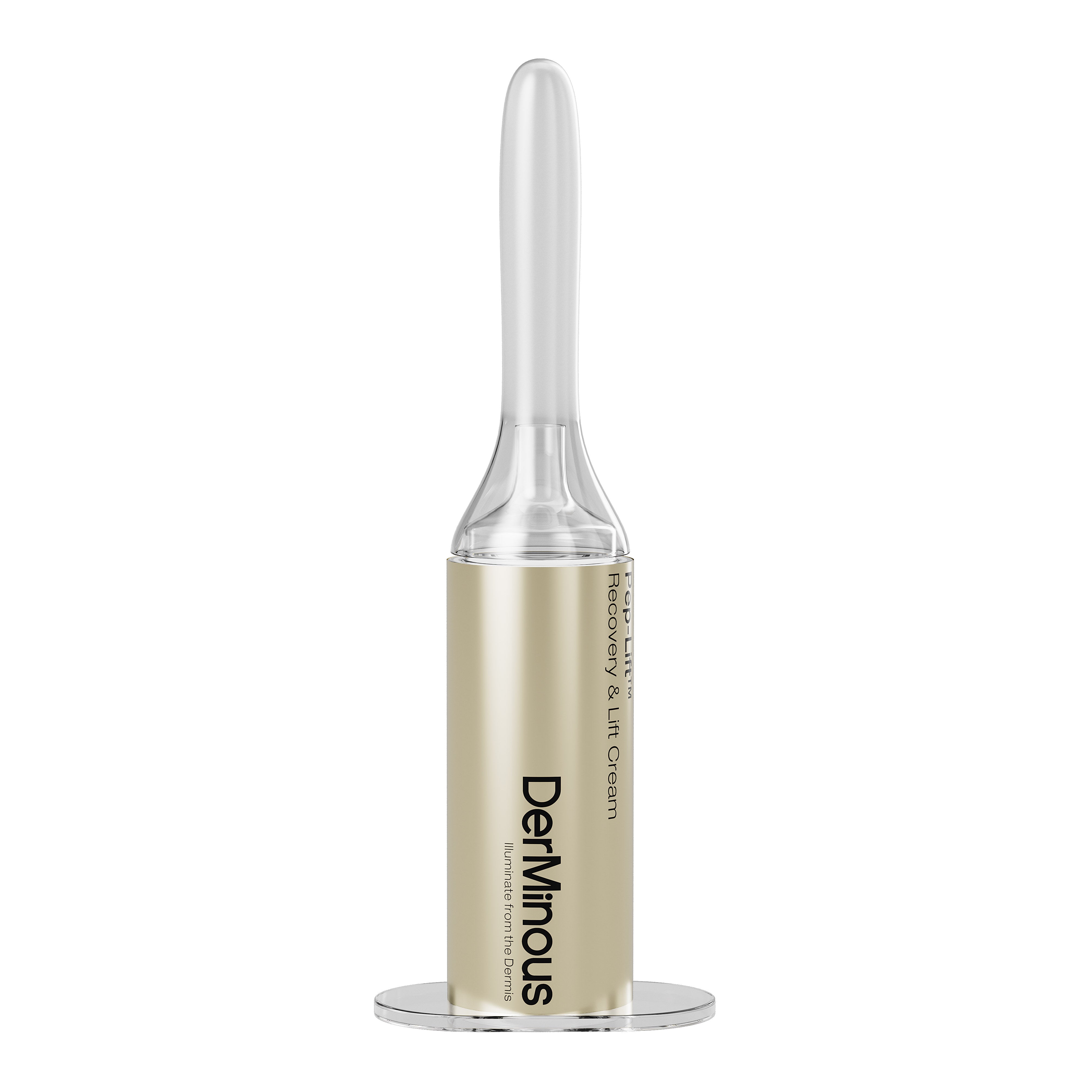
Derminous positions itself not just as a product, but as a “home medspa ritual.” From the chilled post-treatment mask to the recovery cream rich in squalane and edelweiss extract, every step is choreographed for maximum benefit and sensory experience. Replacing the serum disrupts this harmony.
As the brand states: “It’s not just care—it’s a ceremony of transformation.” That transformation relies on scientific precision, not improvisation.
Final Verdict
No, you should not use your own serum with Derminous. The system’s power lies in its integrated design, where every molecule and micron is accounted for. While customization sounds appealing, skincare—especially when breaching the skin barrier—demands respect for formulation science.


If you love your current serum, use it on non-microneedling days. But when it’s time for your Derminous ritual, trust the system as it was engineered: complete, calibrated, and clinically coherent.
After all, as Derminous reminds us: “Beauty is visible. Science is non-negotiable.”
Footnotes
-
American Academy of Dermatology. "Common Irritants in Skincare Products." https://www.aad.org/public/everyday-care/skin-care-secrets/routine/common-irritants↩
-
Journal of Cosmetic Dermatology. "Efficacy of PDRN in Skin Rejuvenation: A Meta-Analysis." https://onlinelibrary.wiley.com/doi/abs/10.1111/jocd.14567↩
-
Interview with Dr. Ava Chen, Board-Certified Dermatologist, cited in Allure, "The Truth About At-Home Microneedling," 2025. https://www.allure.com/story/at-home-microneedling-risks↩
-
National Center for Biotechnology Information (NCBI). "Gold Nanoparticles in Dermatology: Anti-Inflammatory and Wound Healing Effects." https://www.ncbi.nlm.nih.gov/pmc/articles/PMC6164302/↩
-
FDA Guidance. "Microbiological Safety of Topical Drug Products." https://www.fda.gov/media/71036/download↩
-
Dermatologic Surgery. "Polydeoxyribonucleotide (PDRN) for Skin Repair: Mechanisms and Clinical Outcomes." https://journals.lww.com/dermatologicsurgery/Abstract/2022/04000/Polydeoxyribonucleotide__PDRN__for_Skin_Repair_.12.aspx↩
-
Chinese Patent Database. "Method for Controlling Nicotinic Acid in Niacinamide Production." ZL2020116206743. http://epub.cnipa.gov.cn/↩