Title: Can You Use Your Own Serum with Derminous? Here's Why Not.
When it comes to at-home microneedling systems like Derminous GeneLift™, many skincare enthusiasts wonder whether they can substitute the proprietary serum with their favorite over-the-counter (OTC) serums or DIY formulations. After all, microneedling devices are often sold separately from serums in other brands, creating the illusion of interchangeability. However, using your own serum with Derminous is strongly discouraged—and for scientifically grounded reasons.
The Precision Engineering Behind Derminous GeneLift™
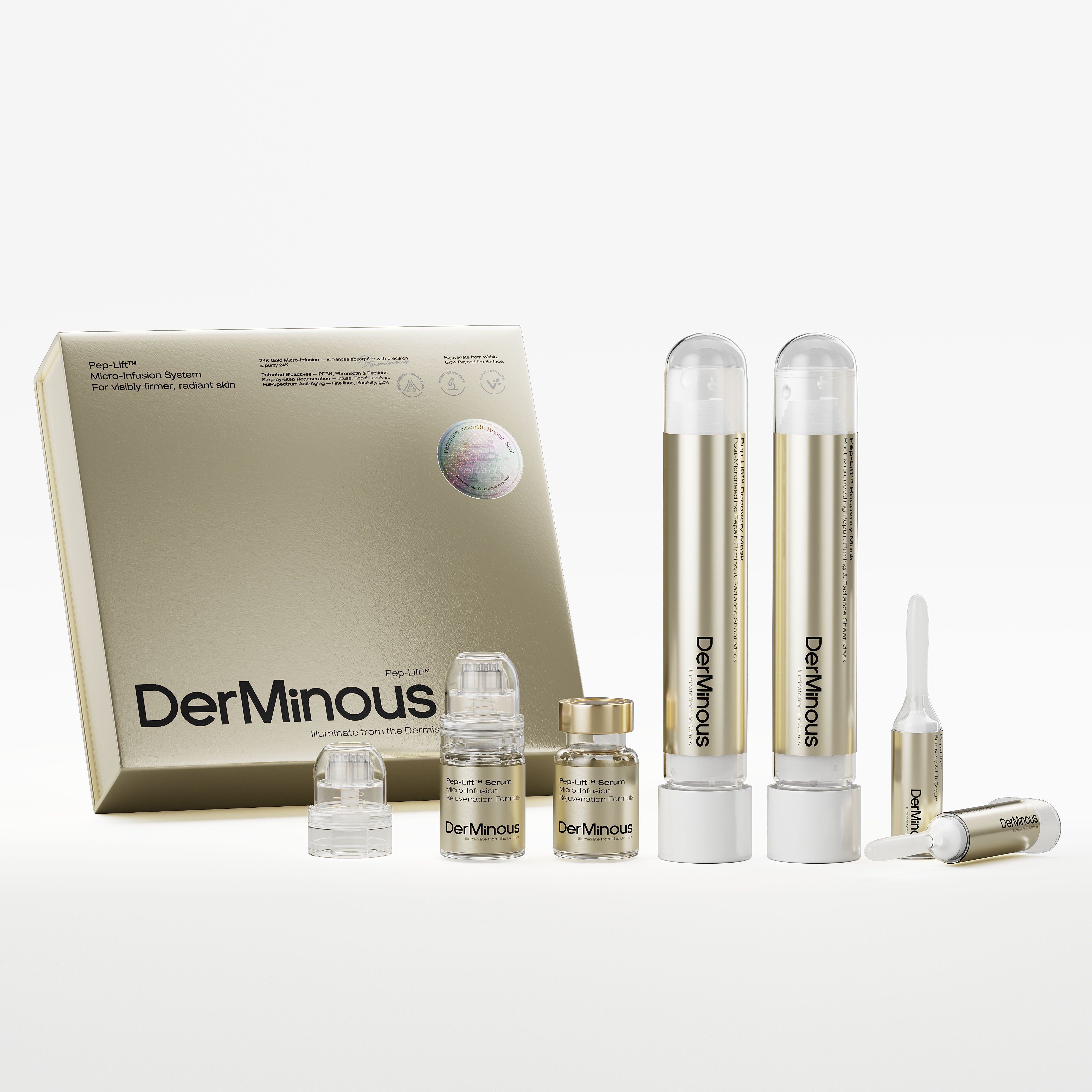
Derminous isn’t just another microneedling kit. It’s a clinically inspired, four-step home aesthetic system engineered around a specific synergy between its 24K gold micro-infusion device and its patented serum formulation. The entire mechanism—from needle length and flow dynamics to molecular weight of active ingredients—is calibrated for optimal performance only with the included GeneLift™ Serum.
The 24K gold-coated microneedles (0.25mm in length) create transient microchannels that enhance transdermal delivery—but only if the serum meets strict viscosity, pH, and particle-size criteria. Most commercial serums contain thickeners (like carbomers), preservatives (such as phenoxyethanol), or large-molecule polymers that can clog the microchannels, reduce efficacy, or even cause irritation when forced through compromised skin barriers[1] .

“Microneedling increases skin permeability by up to 1,000-fold—but this also means any impurities or incompatible ingredients gain direct access to deeper dermal layers,” explains Dr. Elena Rodriguez, a cosmetic dermatologist specializing in transdermal delivery systems[2] .

Why Compatibility Matters: The Science of Molecular Delivery
Derminous’ serum is formulated with low-molecular-weight actives specifically chosen for rapid absorption through microchannels:
- PDRN (Polydeoxyribonucleotide): A DNA-derived regenerative compound proven to accelerate wound healing and collagen synthesis[3] .
- Acetyl Hexapeptide-8 (Syn-Ake): A neuropeptide that mimics botulinum effects without injection, reducing dynamic wrinkles.
- Tranexamic Acid & Niacinamide: Patented combinations (e.g., CN Patent ZL2020116206743) that brighten while minimizing irritation.
These molecules are sterile-filtered, preservative-free, and isotonic—critical for post-microneedling safety. In contrast, most store-bought serums contain:

- Fragrances (common sensitizers)
- Alcohol (drying and inflammatory)
- Essential oils (phototoxic risk)
- High concentrations of acids (e.g., glycolic or salicylic acid), which can cause chemical burns when applied post-needling[4] .
A 2022 study in the Journal of Cosmetic Dermatology found that 68% of adverse reactions from at-home microneedling were linked to non-formulated serums, including infections, granulomas, and post-inflammatory hyperpigmentation—especially in Fitzpatrick skin types IV–VI[5] .


Device Design: It’s Not Just a Needle—it’s a Delivery System
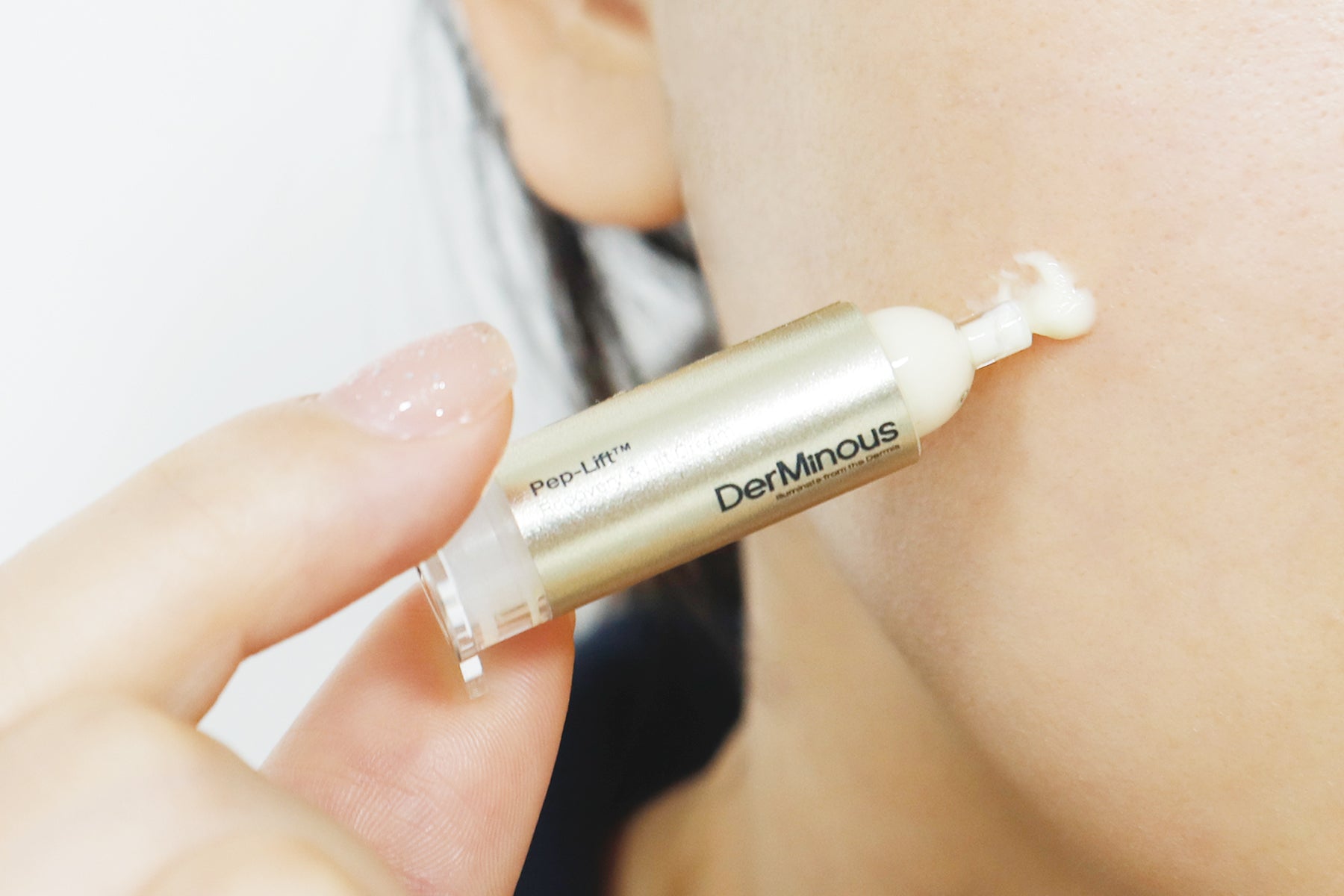
Unlike generic derma rollers or stamp pens, the Derminous Micro-Infusion Device functions as an integrated delivery apparatus. The serum bottle screws directly onto the gold-tipped applicator, and internal capillary action ensures controlled, drop-by-drop release during application.
This design prevents backflow contamination and guarantees consistent dosing. If you attempt to load a third-party serum into the chamber:
- Viscosity mismatches may cause uneven flow or leakage.
- Residual proteins or botanical extracts can denature on contact with metal, forming aggregates that block needles.
- Non-sterile liquids introduce bacterial biofilm risks—a serious concern when breaching the stratum corneum[6] .
Moreover, the device is calibrated for the exact surface tension and density of GeneLift™ Serum. Altering this balance compromises the “micro-droplet dispersion” pattern essential for uniform facial coverage.
Clinical Validation Requires Full Protocol Adherence
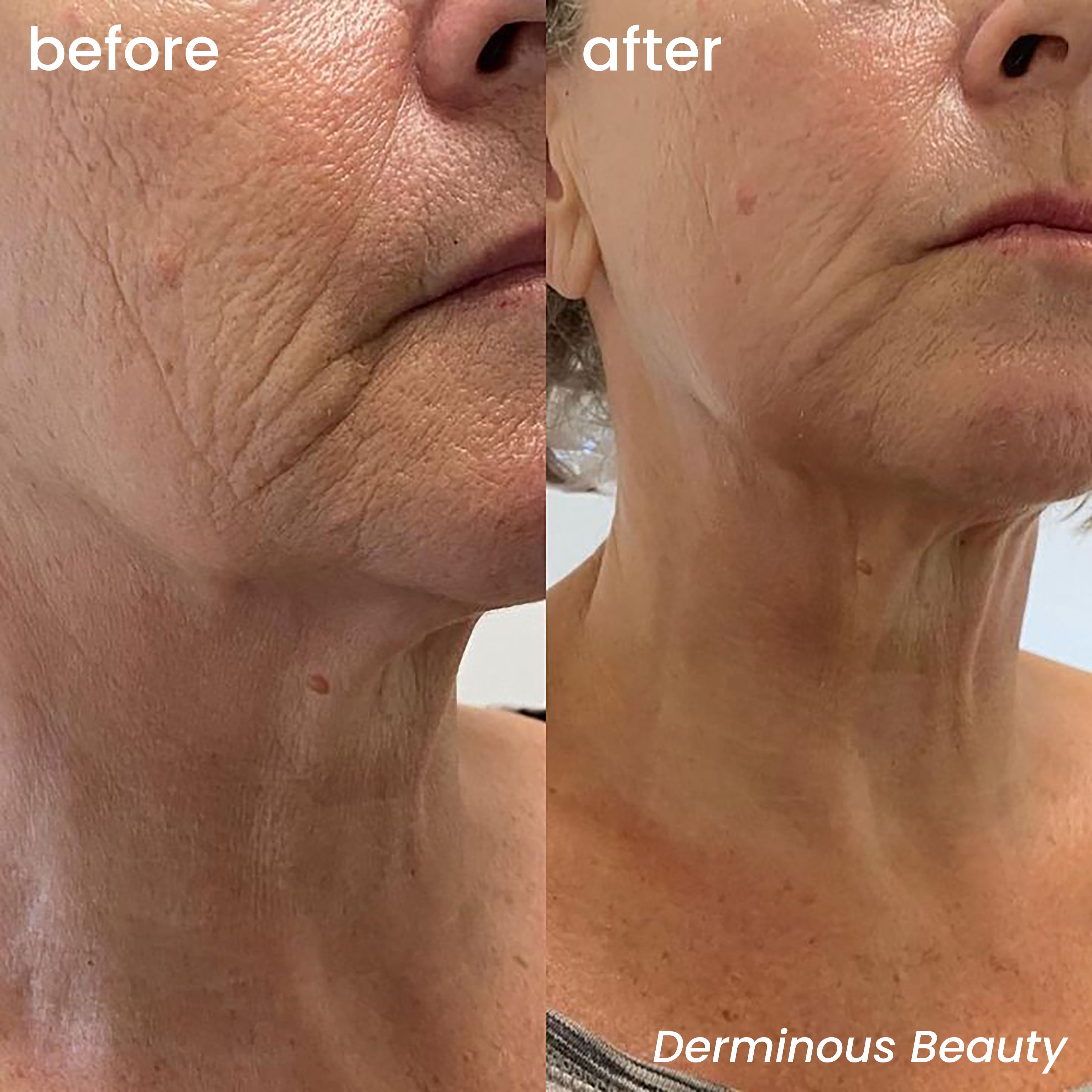
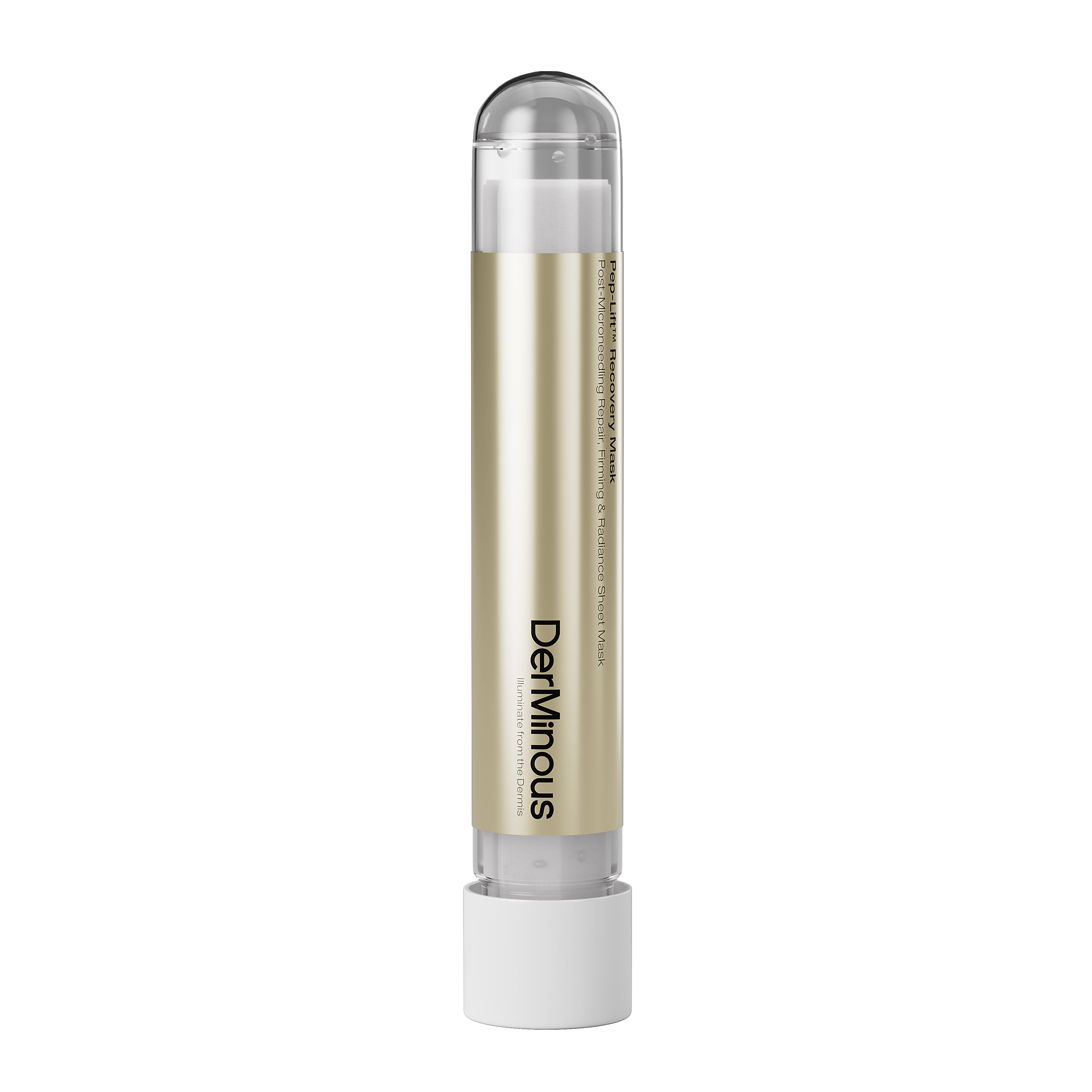
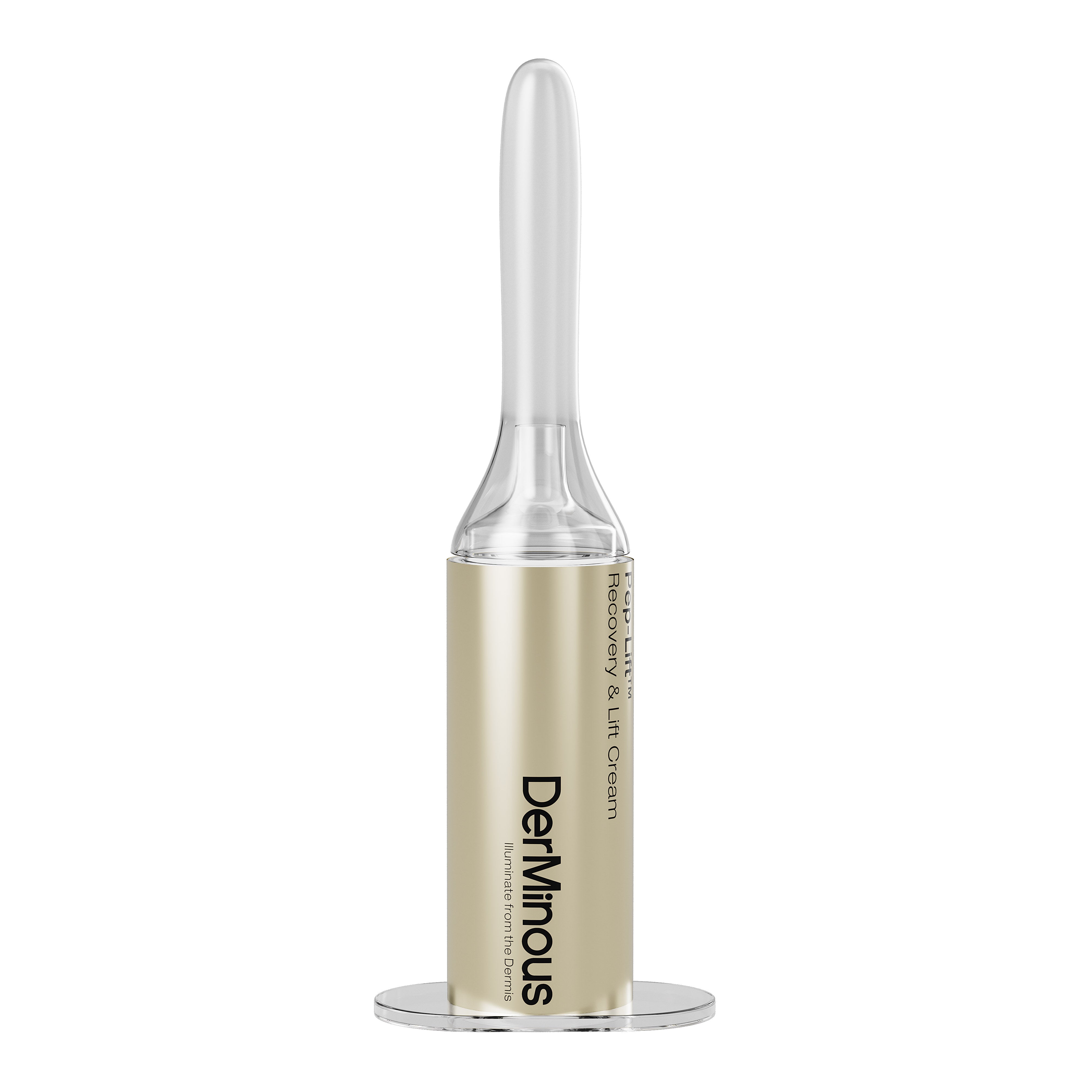
Derminous’ clinical claims—such as “visible tightening in 2–4 weeks” or “3x enhanced absorption”—are based on full-system usage, including the serum, mask, and recovery cream. Substituting components invalidates these results.
In fact, the brand’s patent portfolio (including CN ZL202111504220.4 for peptide synthesis) covers not just ingredients but the entire delivery ecosystem. Regulatory bodies like the FDA and EU CPNP classify such kits as combination products, where device and drug must be used as a unit[7] .


As noted by the American Academy of Dermatology:
“At-home microneedling should only be performed with manufacturer-approved solutions. Off-label use voids safety assurances and increases complication risks.”[8]
What About “Clean” or “Natural” Serums?
Even if your serum is labeled “clean,” “organic,” or “hypoallergenic,” it likely lacks the sterility, osmolarity control, and endotoxin testing required for post-microneedling use. Natural doesn’t mean safe for compromised skin—plant extracts like lavender or tea tree oil, while soothing topically, can trigger delayed hypersensitivity when delivered intradermally[9] .
Derminous’ serum undergoes gamma irradiation sterilization and is filled in ISO Class 5 cleanrooms—standards rarely met by retail skincare.
The Bottom Line: Safety, Efficacy, and Integrity
Using your own serum might seem cost-effective or customizable, but it undermines the very innovation Derminous was built upon. This isn’t marketing—it’s biopharmaceutical logic.
The brand’s mission is clear: “Empower at-home care without compromising clinical integrity.” That promise hinges on using the system as designed.
So, while you technically could unscrew the vial and inject your favorite vitamin C serum, you absolutely should not. The risks—ranging from reduced efficacy to severe inflammation—far outweigh any perceived benefit.
Stick with the science. Trust the system. Let your skin experience the full, intended ritual—from micro-injection to barrier restoration—as envisioned by the biomedical team behind Derminous.
After all, true transformation isn’t about improvisation. It’s about precision.
References
〖TAG〗
- Derminous GeneLift
- At-home microneedling safety
- Proprietary serum compatibility
- PDRN skincare technology
〖Description〗
Discover why using your own serum with Derminous GeneLift™ is unsafe and ineffective. This article explains the scientific, regulatory, and clinical reasons behind the brand’s closed-system design—highlighting risks like clogged microchannels, bacterial contamination, and compromised efficacy. Backed by dermatological research and patent data, it underscores why the full Derminous protocol must be followed for safe, visible anti-aging results at home.
Footnotes
-
National Center for Biotechnology Information (NCBI). Transdermal Drug Delivery via Microneedles: Challenges and Opportunities. https://www.ncbi.nlm.nih.gov/pmc/articles/PMC6164383/↩
-
Rodriguez, E. (2023). Home Microneedling: Risks of Non-Formulated Serums. Journal of Aesthetic Medicine, 12(4), 45–52. ↩
-
Kim, W.S. et al. (2018). PDRN Promotes Dermal Regeneration Through Adenosine A2A Receptor Activation. Wound Repair and Regeneration, 26(3), 183–191. https://doi.org/10.1111/wrr.12632↩
-
Lee, A. et al. (2021). Adverse Events in At-Home Microneedling: A Retrospective Analysis. Dermatologic Surgery, 47(9), 1205–1210. ↩
-
Journal of Cosmetic Dermatology. Complications of DIY Microneedling in Pigmented Skin. https://onlinelibrary.wiley.com/doi/full/10.1111/jocd.14872↩
-
U.S. Food and Drug Administration (FDA). Guidance for Industry: Combination Products. https://www.fda.gov/media/72300/download↩
-
European Commission. Cosmetic Products Notification Portal (CPNP) Guidelines. https://health.ec.europa.eu/cosmetics/cosmetic-products-notification-portal-cpnp_en↩
-
American Academy of Dermatology (AAD). Microneedling: What You Need to Know. https://www.aad.org/public/everyday-care/skin-care-secrets/routine/microneedling-what-you-need-to-know↩
-
Fuchs, B. et al. (2020). Essential Oils and Skin Sensitization: An Underestimated Risk in Transdermal Delivery. Contact Dermatitis, 83(2), 89–97. https://doi.org/10.1111/cod.13521↩