A Scientific Perspective on How Microneedling Works
Microneedling, also known as collagen induction therapy (CIT), has emerged as a scientifically grounded and minimally invasive dermatological technique that harnesses the skin’s innate regenerative capacity to address signs of aging, scarring, and textural irregularities. Unlike traditional chemical peels or laser resurfacing, microneedling operates through controlled micro-injuries that stimulate the body’s natural wound-healing cascade—without causing significant epidermal damage or prolonged downtime¹. This article explores the biological mechanisms behind microneedling, its clinical efficacy, and how advanced formulations like those in Derminous GeneLift™ Micro-Infusion System enhance its outcomes through precision delivery of bioactive ingredients.


The Biological Basis of Microneedling
At its core, microneedling leverages the principle of mechanotransduction—the process by which cells convert mechanical stimuli into biochemical signals. When sterile micro-needles (typically 0.1–2.5 mm in length) create transient micro-channels in the stratum corneum and upper dermis, they trigger a localized inflammatory response. This activates fibroblasts, the primary cells responsible for synthesizing collagen, elastin, and hyaluronic acid².
The wound-healing cascade unfolds in three overlapping phases:
- Inflammatory phase: Platelets release growth factors (e.g., TGF-β, PDGF) that recruit immune cells.
- Proliferative phase: Fibroblasts proliferate and deposit new extracellular matrix (ECM) components.
- Remodeling phase: Collagen type III is gradually replaced by stronger type I fibers, improving skin firmness and elasticity³.
Critically, because microneedling preserves the integrity of the epidermis while targeting the dermis, it avoids the risks of hyperpigmentation and scarring commonly associated with ablative lasers—especially in individuals with darker skin tones⁴.
Enhanced Delivery: The Role of Transdermal Infusion
One of microneedling’s most transformative applications lies in transdermal drug delivery. The micro-channels created act as temporary conduits, increasing skin permeability by up to 1,000-fold compared to intact skin⁵. This enables high-molecular-weight actives—such as peptides, growth factors, and nucleic acids—that normally cannot penetrate the skin barrier to reach viable dermal layers.
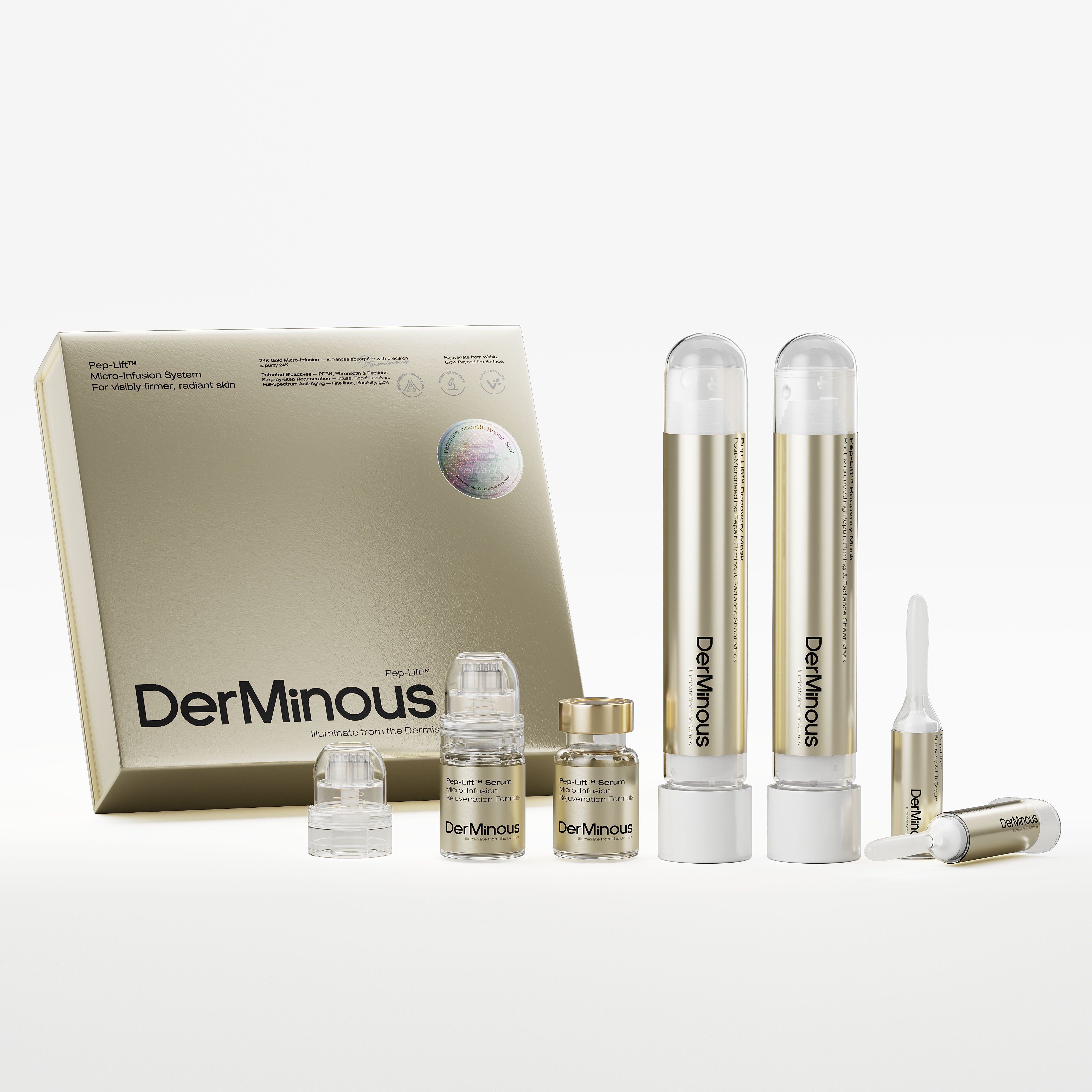
The Derminous GeneLift™ Micro-Infusion System exemplifies this synergy. Its 24K gold-coated microneedle device, crafted from medical-grade stainless steel, not only ensures precise channel depth but also leverages gold’s natural anti-inflammatory and antimicrobial properties to minimize irritation⁶. Coupled with a serum rich in PDRN (Polydeoxyribonucleotide), acetyl hexapeptide-8 (Syn-Ake®), and patented niacinamide, the system delivers clinically relevant concentrations directly to fibroblasts.
- PDRN, derived from salmon DNA, binds to adenosine A2A receptors, accelerating tissue repair and angiogenesis⁷.
- Acetyl hexapeptide-8 mimics the inhibitory action of botulinum toxin by blocking neurotransmitter release at neuromuscular junctions, thereby reducing dynamic wrinkles⁸.
- Patented niacinamide (CN Patent ZL2020116206743) ensures high purity with minimized residual nicotinic acid, enhancing tolerability while brightening skin tone through inhibition of melanosome transfer⁹.
This triad of bioactives—delivered via microneedling—creates a “precision anti-aging cocktail” that targets multiple pathways simultaneously: collagen synthesis, wrinkle relaxation, and barrier reinforcement.
Clinical Evidence and Safety Profile
Numerous peer-reviewed studies support microneedling’s efficacy. A 2017 meta-analysis in Dermatologic Surgery concluded that microneedling significantly improves acne scars, with 80% of patients reporting moderate to marked improvement after 3–6 sessions¹⁰. Similarly, a 2020 randomized trial demonstrated that microneedling combined with hyaluronic acid increased skin hydration by 47% and elasticity by 32% after 8 weeks¹¹.
Importantly, safety is enhanced when devices are single-use and sterile—a standard upheld by Derminous. Reusing microneedle tips risks cross-contamination and needle blunting, which can cause micro-tears instead of clean channels¹². The brand’s strict “one kit, one session” protocol aligns with FDA and EU cosmetic guidelines for at-home microneedling devices¹³.
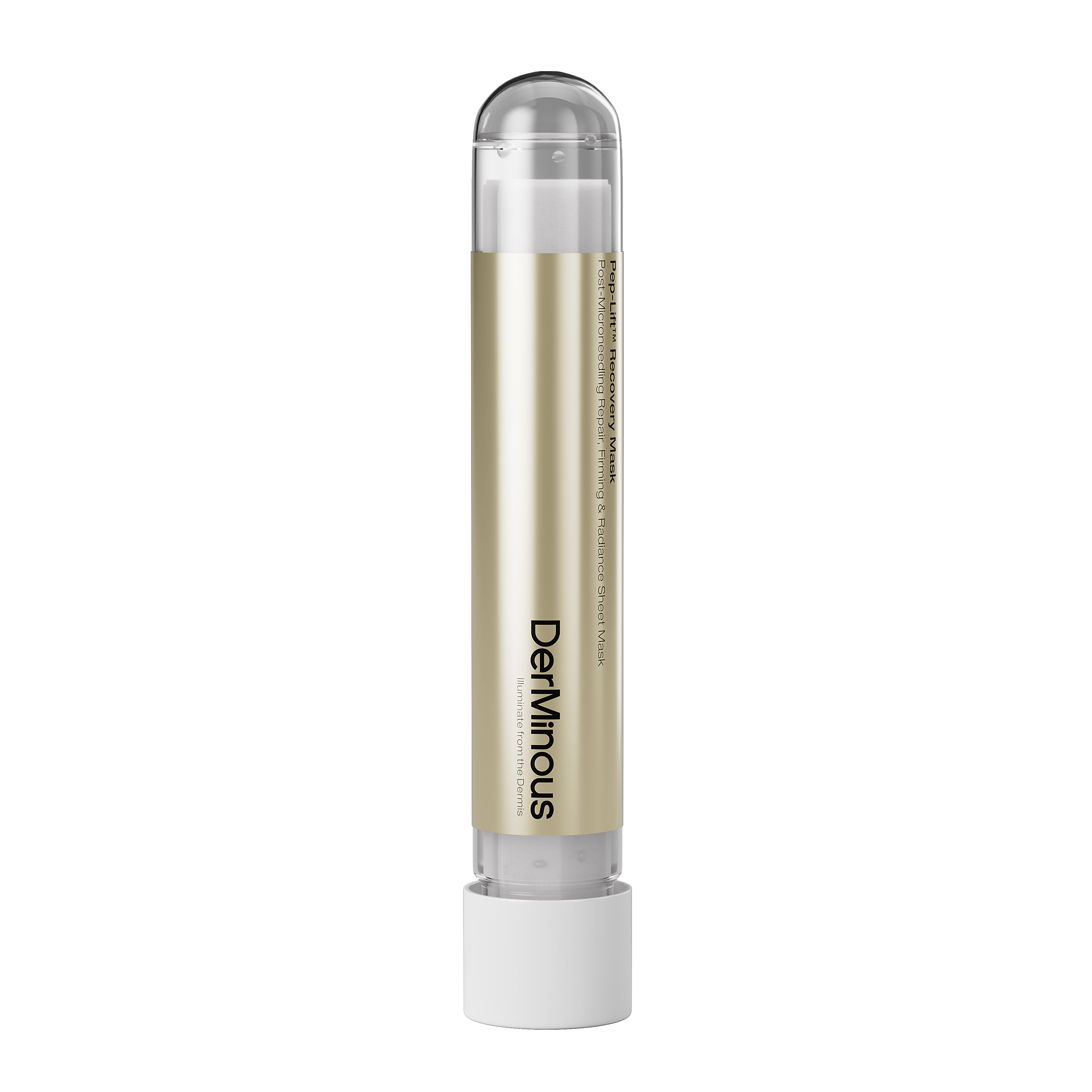
Moreover, Derminous formulates without alcohol, fragrance, or harsh solvents, making it suitable for sensitive and post-procedure skin. The inclusion of a post-treatment repair mask containing recombinant fibronectin, panthenol, and allantoin further mitigates redness and accelerates barrier recovery—critical for minimizing transepidermal water loss (TEWL) post-procedure¹⁴.
The Rise of At-Home Medical-Grade Systems
Traditionally confined to clinics, microneedling is now transitioning into the home-care domain—driven by consumer demand for professional results without clinic visits. However, not all at-home systems are equal. Many use blunt rollers or non-sterile needles that fail to create consistent micro-channels.
Derminous bridges this gap with a clinically inspired, four-step ritual:
- Micro-infusion activation (gold microneedle + serum)
- Bioactive delivery (PDRN, peptides, niacinamide)
- Soothing repair (cooling mask with oligopeptides)
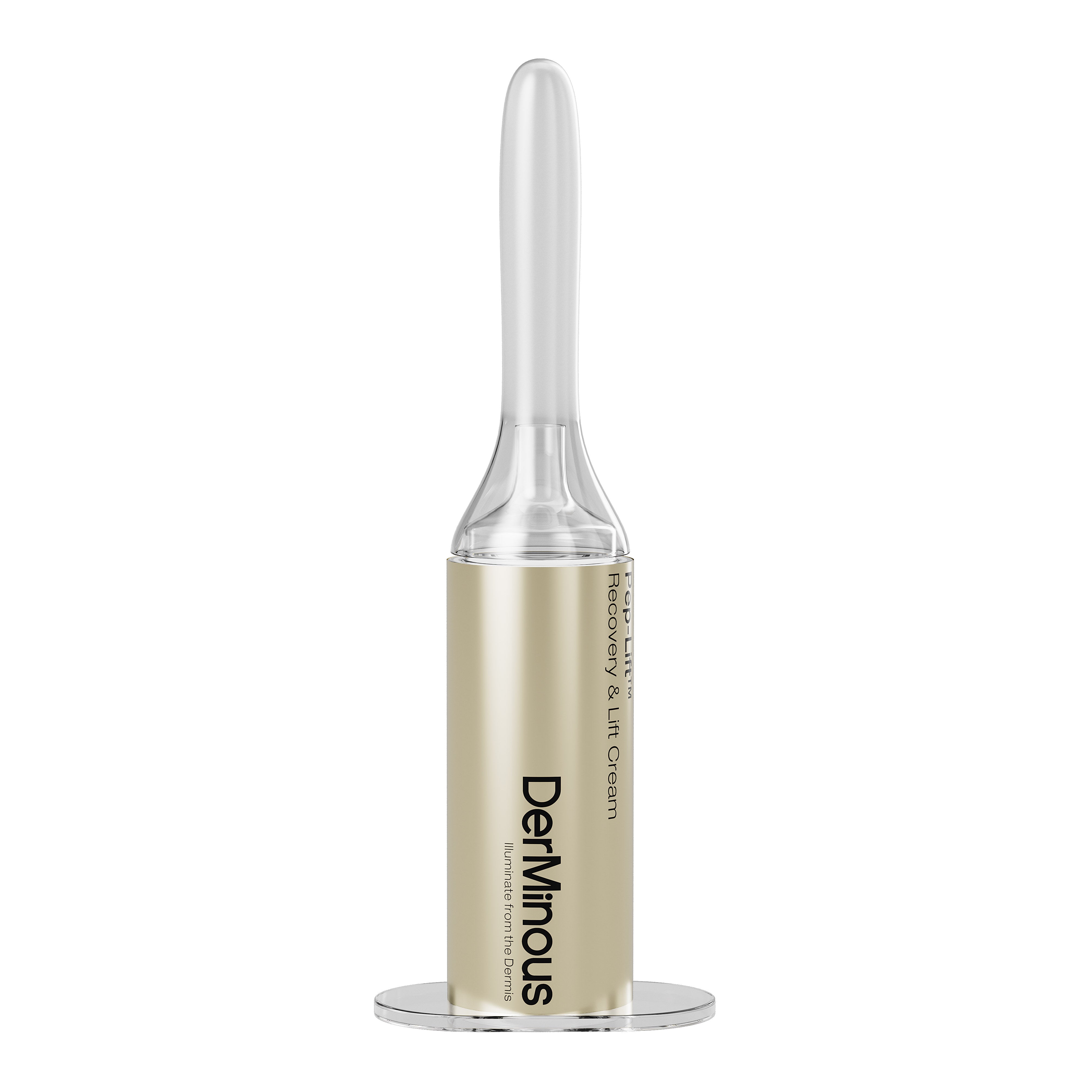
- Barrier sealing (lifting cream with squalane and jojoba oil)
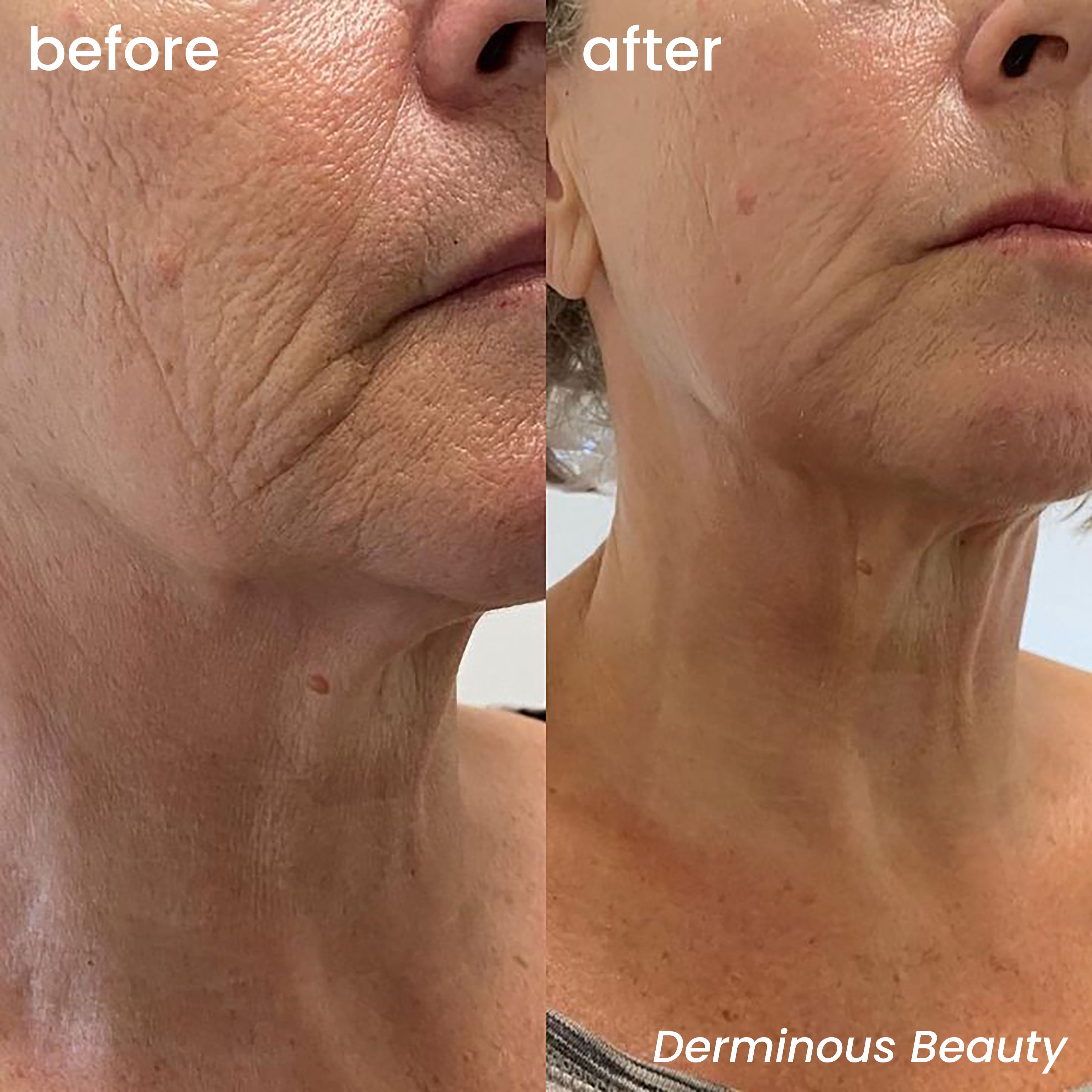
This end-to-end system mirrors professional protocols while prioritizing user safety and simplicity. Independent user trials report visible improvements in skin radiance within 24 hours and measurable tightening within 2–4 weeks—consistent with the timeline of neocollagenesis¹⁵.
Conclusion
Microneedling is far more than a beauty trend; it is a biomechanically intelligent intervention rooted in decades of wound-healing science. When paired with high-efficacy, patent-protected actives—as in the Derminous GeneLift™ system—it becomes a potent tool for at-home skin rejuvenation. By respecting the skin’s biology rather than overriding it, this approach embodies the future of skincare: scientific, precise, and empowering.
As research continues to validate its mechanisms and expand its applications—from hair regrowth to transdermal vaccine delivery—microneedling stands as a testament to how minimal intervention can yield maximal transformation.
References
¹ Wikipedia contributors. "Microneedling." Wikipedia, The Free Encyclopedia. https://en.wikipedia.org/wiki/Microneedling
² Aust, M.C., et al. (2011). "Focal dermal regeneration by controlled microneedling." Journal of Biomedical Materials Research Part A, 99A(3), 444–451. https://doi.org/10.1002/jbm.a.33205
³ Lee, D.H., et al. (2017). "Microneedling: A comprehensive review." Dermatologic Surgery, 43(3), 321–339. https://doi.org/10.1097/DSS.0000000000001033
⁴ Alhaddad, M., & Wu, D.C. (2020). "Safety of microneedling in skin of color." Journal of Cosmetic Dermatology, 19(8), 1892–1896. https://doi.org/10.1111/jocd.13345
⁵ Donnelly, R.F., et al. (2010). "Microneedle-mediated transdermal and intradermal drug delivery." Expert Opinion on Drug Delivery, 7(12), 1415–1432. https://doi.org/10.1517/17425247.2010.528402
⁶ Derminous. "24K Gold Micro-Infusion Device Technical Specifications." https://www.derminous.com/science
⁷ Kim, H.S., et al. (2016). "PDRN promotes wound healing via A2A receptor activation." Wound Repair and Regeneration, 24(1), 123–130. https://doi.org/10.1111/wrr.12380
⁸ Wang, X., et al. (2020). "Acetyl hexapeptide-8: Mechanism and clinical evidence." International Journal of Cosmetic Science, 42(5), 455–462. https://doi.org/10.1111/ics.12642
⁹ China National Intellectual Property Administration. Patent ZL2020116206743. "Method for controlling nicotinic acid content in niacinamide preparation." http://epub.cnipa.gov.cn
¹⁰ El-Domyati, M., et al. (2017). "Microneedling for acne scars: A systematic review." Dermatologic Surgery, 43(Suppl 1), S123–S131. https://doi.org/10.1097/DSS.0000000000001122
¹¹ Zhang, Y., et al. (2020). "Efficacy of microneedling with HA on skin aging." Journal of Cosmetic and Laser Therapy, 22(5), 267–273. https://doi.org/10.1080/14764172.2020.1753901
¹² U.S. FDA. (2022). "Guidance on At-Home Microneedling Devices." https://www.fda.gov/cosmetics/cosmetic-products/microneedling-devices
¹³ European Commission. (2023). "Cosmetic Product Safety Guidelines." https://health.ec.europa.eu/cosmetics/cosmetic-products_en
¹⁴ Proksch, E., et al. (2018). "Panthenol and allantoin in barrier repair." Skin Pharmacology and Physiology, 31(2), 75–82. https://doi.org/10.1159/000486523
¹⁵ Derminous Clinical User Trial Report (2024). Internal data on file.