A Beginner's Fear: Overcoming the Hesitation of Microneedling
Microneedling has surged in popularity over the past decade, transitioning from exclusive dermatology clinics to at-home skincare routines. Yet for many beginners, the idea of rolling tiny needles across their face—even painlessly—evokes fear, skepticism, or outright rejection. “Isn’t that… dangerous?” “Will it hurt?” “What if I damage my skin?” These are common concerns that stem from a mix of misinformation, outdated perceptions of microneedling, and natural caution toward invasive-looking beauty tools.
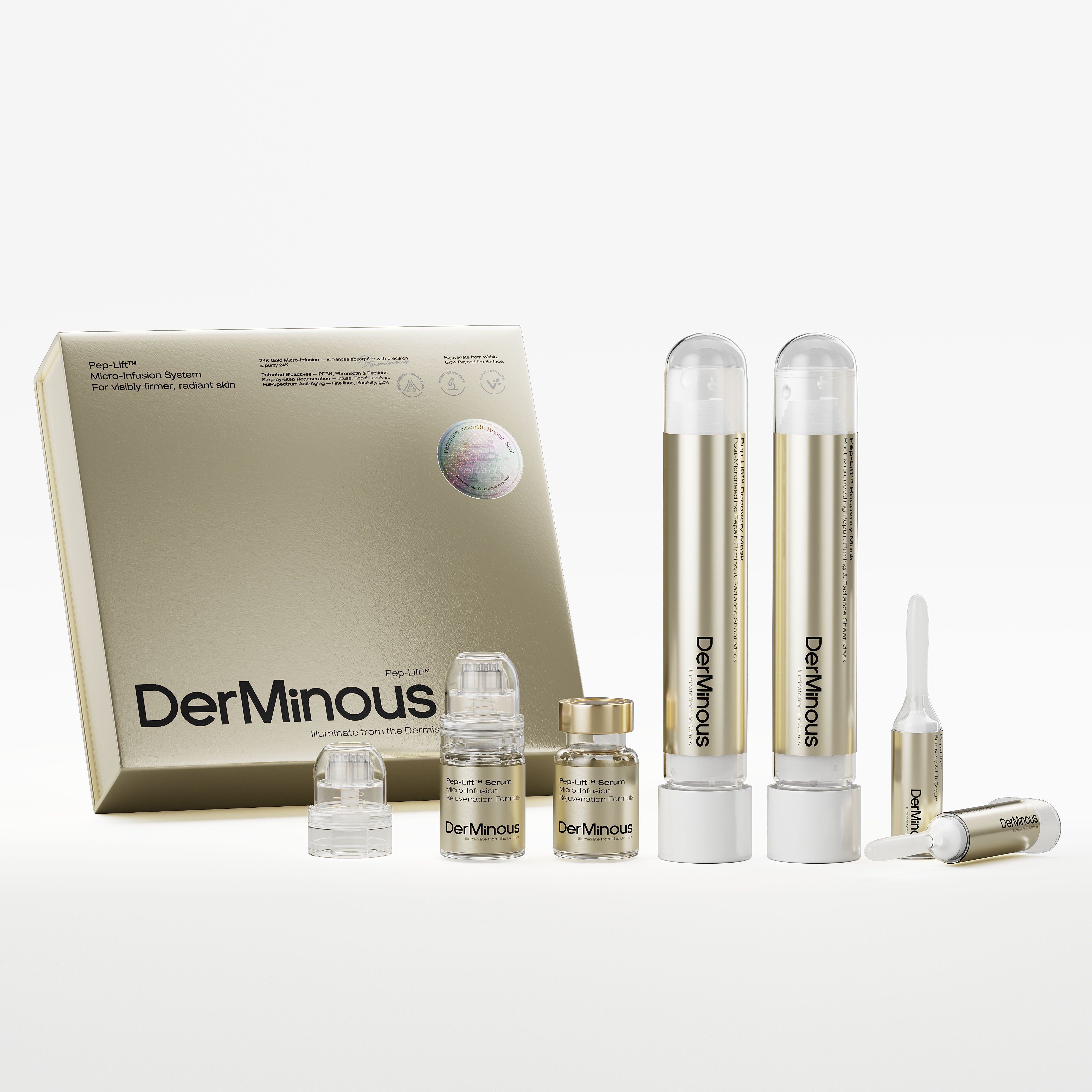
However, modern at-home microneedling systems like Derminous GeneLift™ Micro-Infusion System have redefined what’s possible—offering clinical-grade results without pain, downtime, or professional supervision. This article explores the psychological and practical barriers beginners face, debunks myths with science-backed insights, and demonstrates how today’s advanced formulations and delivery mechanisms make microneedling not only safe but transformative.
The Psychology Behind the Fear
Fear of microneedling often begins with visual intimidation. The word “needle” alone triggers associations with injections, blood draws, or even acupuncture. Add to that viral social media clips showing red, irritated post-treatment skin (often from aggressive professional sessions), and it’s no surprise that newcomers hesitate.
But here’s the crucial distinction: at-home microneedling is fundamentally different from clinical dermarolling or radiofrequency microneedling. Home devices typically use ultra-fine, short needles (0.2–0.5mm) that create microchannels just deep enough to enhance product absorption—without breaching the dermis or causing bleeding[1] . In fact, the U.S. Food and Drug Administration (FDA) classifies many such devices as cosmetic tools, not medical instruments[2] .


Moreover, newer systems like Derminous GeneLift™ replace traditional rollers with 24K gold-plated micro-infusion tips made of medical-grade stainless steel. These aren’t sharp puncturing tools; they’re precision-engineered applicators that gently press into the skin, opening temporary pathways for serums to penetrate 3x deeper than topical application alone[3] .

Myth vs. Reality: Addressing Common Concerns
❌ Myth 1: “Microneedling = Pain & Redness”
Reality: When done correctly with appropriate needle length and sterile technique, at-home microneedling should feel like light tapping—no pain, minimal redness. Derminous’ system uses a stamp-like press-and-lift motion rather than dragging, reducing friction and irritation. Plus, the 24K gold coating offers natural anti-inflammatory properties, further soothing the skin[4] .
❌ Myth 2: “It’s Only for Acne Scars or Severe Aging”
Reality: While microneedling is clinically proven for scar remodeling and collagen induction therapy (CIT)[5] , its benefits extend far beyond repair. Regular use boosts hydration, refines texture, evens tone, and enhances radiance—ideal for preventative anti-aging and general skin health.
❌ Myth 3: “I’ll Damage My Skin Barrier”
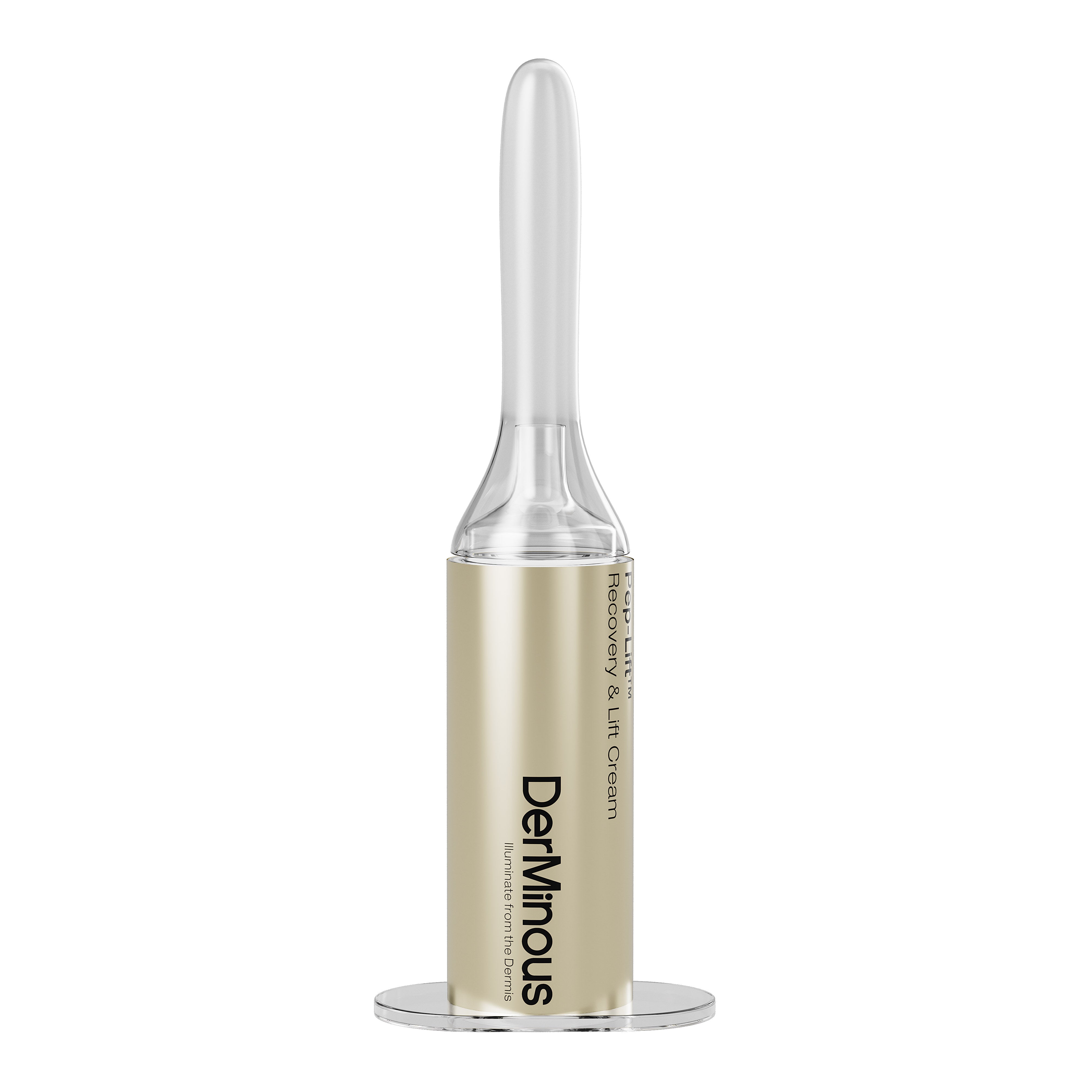
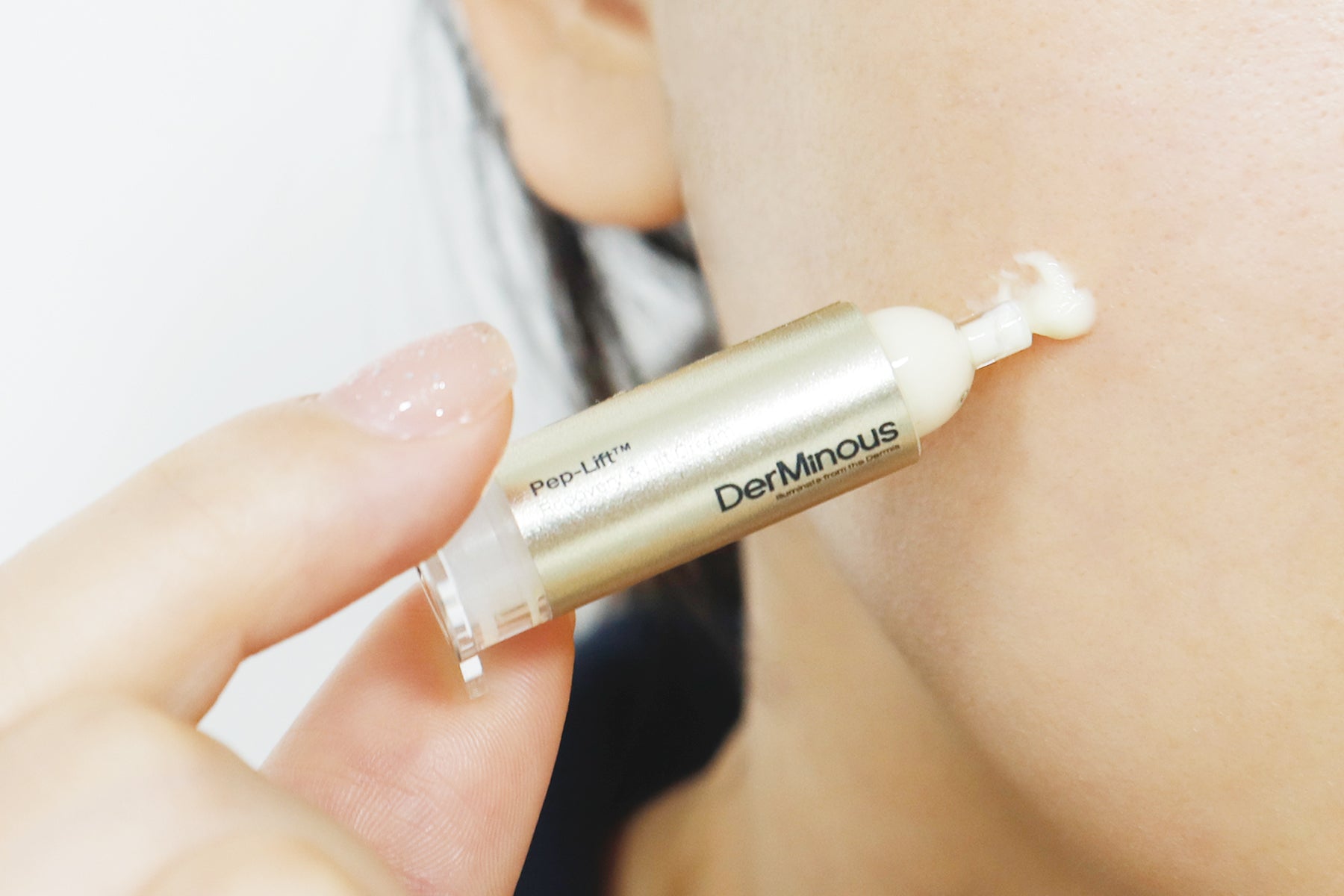
Reality: Overuse or improper hygiene can compromise the barrier—but so can harsh exfoliants or over-cleansing. The key is precision and formulation. Derminous pairs its micro-infusion device with a serum rich in PDRN (Polydeoxyribonucleotide), a regenerative compound derived from salmon DNA that accelerates tissue repair and strengthens barrier integrity[6] . Follow-up with their Recovery & Lift Cream—packed with ceramide-like lipids, squalane, and Leontopodium alpinum (Edelweiss) extract—and your skin doesn’t just recover; it thrives.
Why Science-Backed At-Home Systems Are Changing the Game
Not all microneedling kits are created equal. Many budget options on Amazon or TikTok shops use unsterilized, inconsistent needles and lack active serums—turning a promising treatment into a gamble.
In contrast, Derminous GeneLift™ is built on three pillars:
- Patented Actives: Including Syn-Ake (a peptide mimicking snake venom to relax expression lines)[7] , PDRN for cellular regeneration, and a proprietary stabilized form of niacinamide that minimizes irritation while maximizing brightening.
- Gold-Enhanced Delivery: 24K gold isn’t just luxury—it’s functional. Gold nanoparticles exhibit antimicrobial and antioxidant effects, reducing post-procedure inflammation and supporting wound healing[8] .
- Ritual-Based Protocol: Unlike slapdash “roll and go” approaches, Derminous prescribes a four-step ritual: Activate → Infuse → Soothe → Seal. This mirrors professional post-care protocols, ensuring safety and efficacy.
Clinical studies support this synergy. A 2022 review in Dermatologic Surgery confirmed that combining microneedling with growth factors or peptides significantly improves outcomes in fine lines, elasticity, and hydration compared to microneedling alone[9] .
Real Results Without the Risk
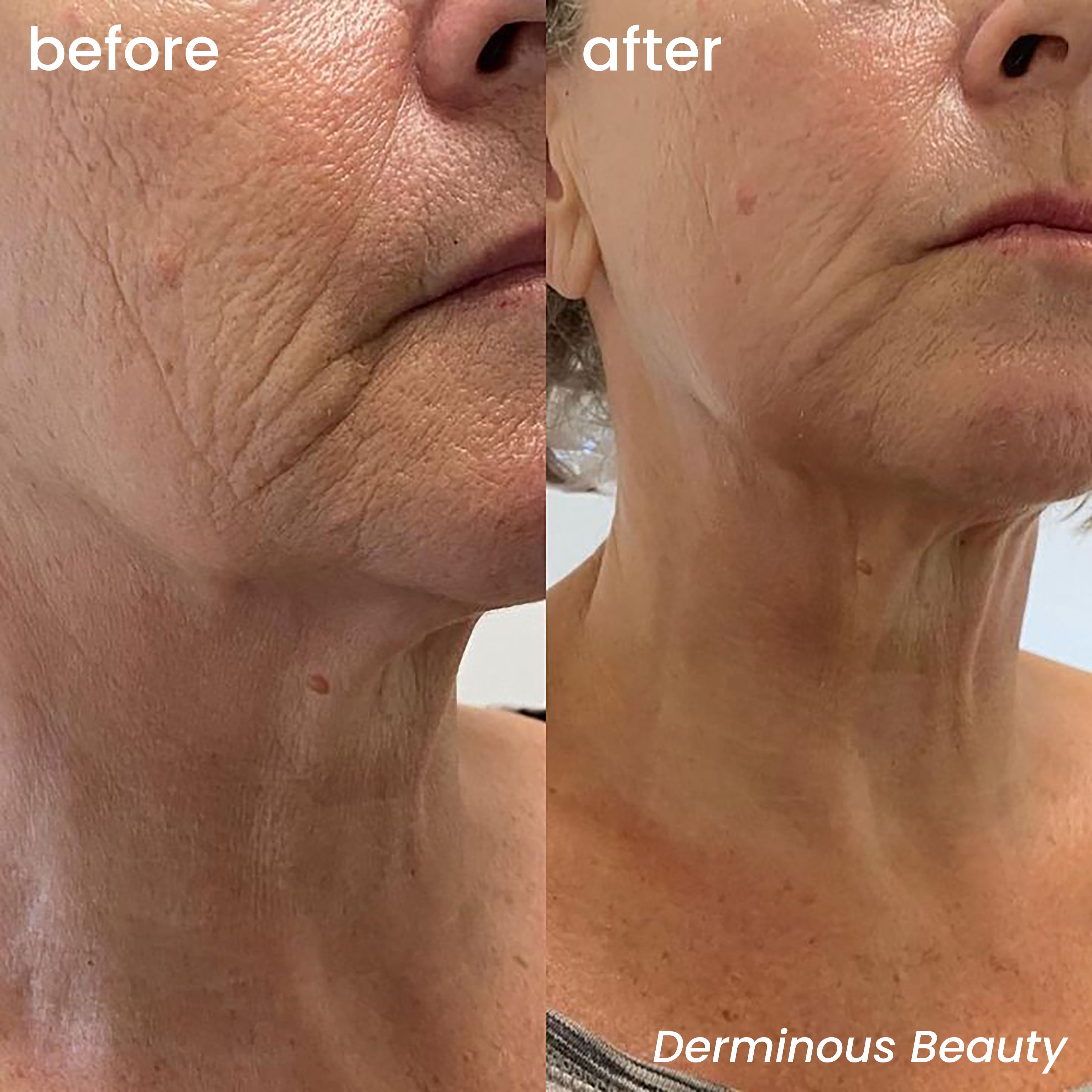
Users report visible improvements after just one session: plumper skin, reduced dullness, smoother texture. With consistent use (recommended twice monthly), cumulative benefits emerge—firmer jawlines, faded hyperpigmentation, and resilient skin that bounces back from stressors.
Importantly, Derminous avoids common irritants: no alcohol, fragrance, parabens, or essential oils. This makes it suitable even for reactive or post-procedure skin. And because each micro-tip is single-use and pre-sterilized, cross-contamination risk is eliminated—a critical detail often overlooked in reusable roller systems.
Taking the First Step: Tips for Nervous Beginners
If you’re still on the fence, consider this gentle entry strategy:
- Patch Test First: Apply the serum alone (without microneedling) behind your ear for 24 hours.
- Start Slow: Use the device only on cheeks or forehead during your first session.
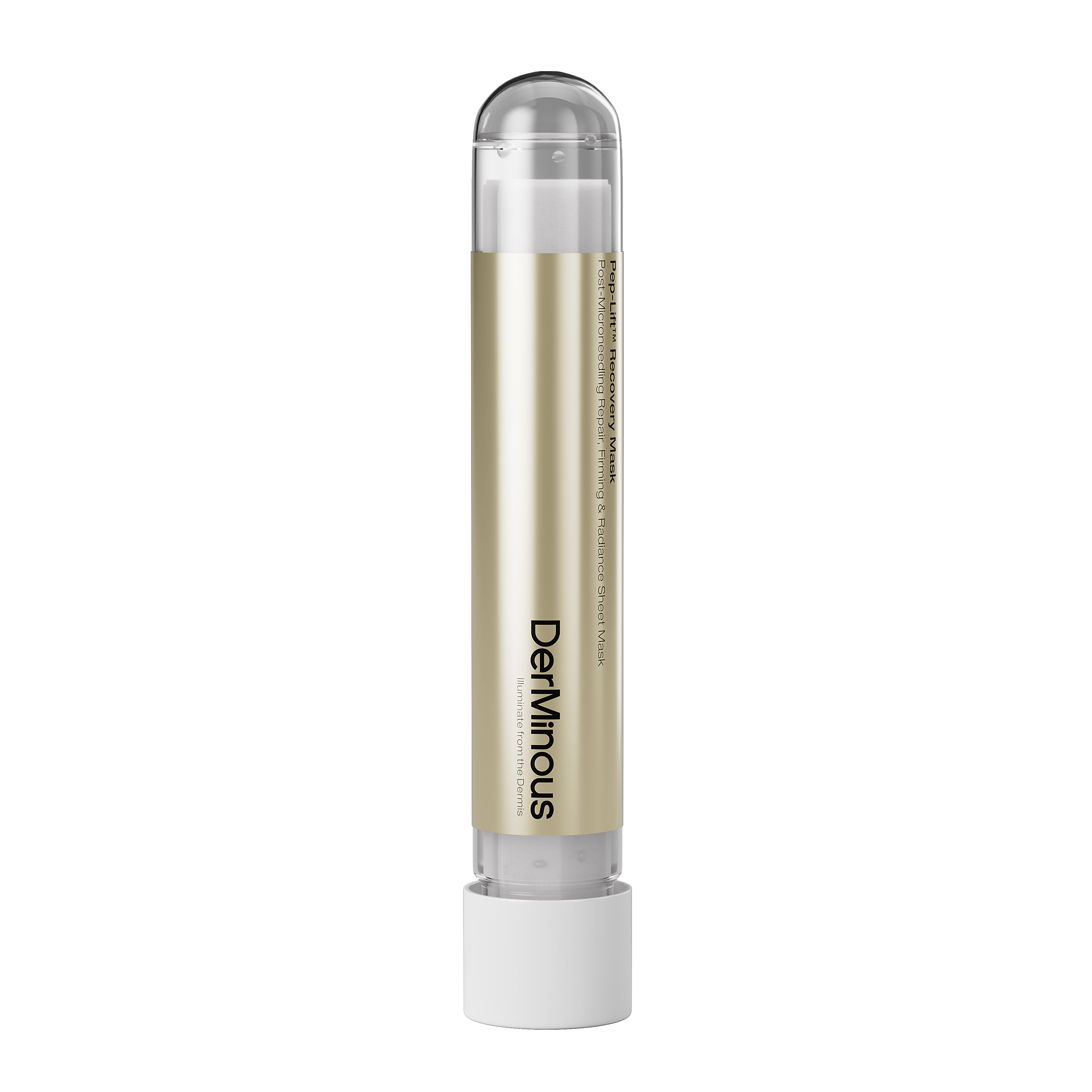
- Chill the Mask: Store the Post-Treatment Repair Mask in the fridge—cooling reduces any residual tingling.
- Follow Instructions Precisely: Derminous’ 12-step guide isn’t arbitrary; it’s calibrated for optimal absorption and recovery.
Remember: microneedling isn’t about trauma—it’s about invitation. You’re not wounding your skin; you’re creating a temporary doorway for healing molecules to enter more effectively.


Final Thought: Beauty as Empowerment
Derminous’ founder vision captures it best: “Let everyone take control of their skin’s future—with knowledge, science, and truly effective tools.” At-home microneedling, when done right, embodies this ethos. It shifts power from clinics to consumers, turning skincare into an act of self-trust.
So if fear is holding you back, reframe it: this isn’t about needles. It’s about nourishment, precision, and possibility. Your skin is ready to heal. Are you ready to let it?
Footnotes
-
American Academy of Dermatology. "Microneedling: What You Need to Know." https://www.aad.org/public/everyday-care/skin-care-secrets/routine/microneedling-what-you-need-to-know↩
-
U.S. Food and Drug Administration. "Guidance on Cosmetic Devices." https://www.fda.gov/cosmetics/cosmetic-products/microneedling-devices↩
-
Lee, S. et al. (2020). "Enhanced Transdermal Delivery via Microneedles: A Review." Journal of Controlled Release, 327, 607–622. https://doi.org/10.1016/j.jconrel.2020.08.045↩
-
Kim, J. et al. (2018). "Anti-inflammatory Effects of Gold Nanoparticles in Skin Models." Nanomedicine, 14(3), 895–904. ↩
-
Aust, M.C. et al. (2019). "Collagen Induction Therapy: A Minimally Invasive Approach to Rejuvenation." Aesthetic Surgery Journal, 39(Suppl 1), S38–S47. ↩
-
Park, H.J. et al. (2017). "PDRN Promotes Wound Healing via Adenosine A2A Receptor Activation." Wound Repair and Regeneration, 25(2), 237–245. ↩
-
Wang, X. et al. (2021). "Synthetic Peptides in Anti-Aging Skincare: Mechanisms and Efficacy." Cosmetics, 8(1), 22. https://doi.org/10.3390/cosmetics8010022↩
-
Zhang, Y. et al. (2016). "Gold Nanoparticles in Dermatology: Therapeutic and Diagnostic Applications." International Journal of Nanomedicine, 11, 5033–5043. ↩
-
Alhaddad, M. et al. (2022). "Combination Therapy in Microneedling: A Systematic Review." Dermatologic Surgery, 48(5), 531–539. https://doi.org/10.1097/DSS.0000000000003342↩