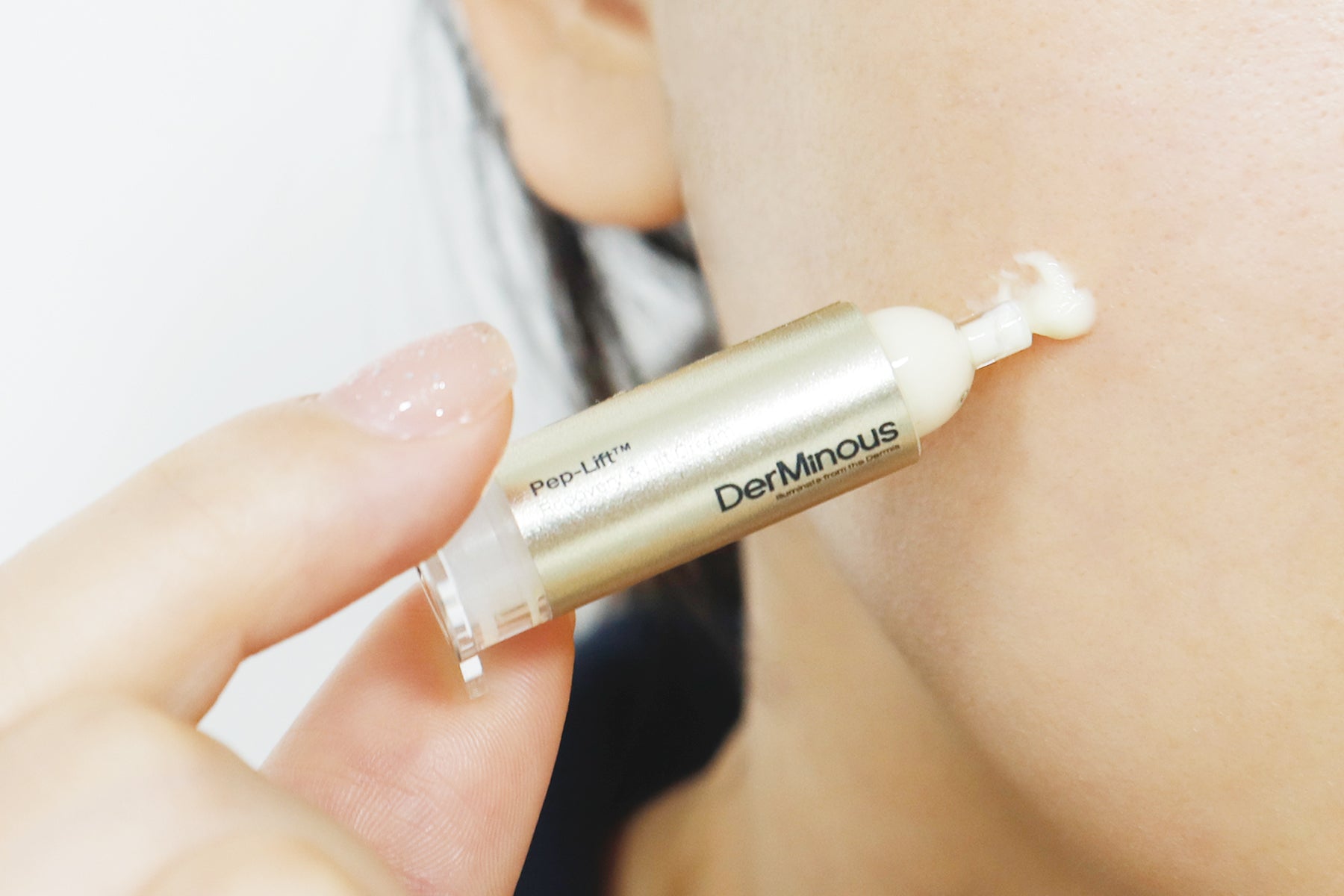
The Truth About At-Home Microneedling Safety
In recent years, at-home microneedling has surged in popularity as consumers seek professional-grade skincare results without the cost or downtime of clinical treatments. Devices like Derminous GeneLift™—a clinically inspired, gold-plated micro-infusion system—promise to deliver “medical aesthetics at home.” But with this convenience comes a critical question: Is at-home microneedling actually safe?
This article explores the science behind microneedling, evaluates safety protocols for home use, and explains how innovations like 24K gold-coated needles and PDRN-infused serums are redefining what’s possible—and responsible—in DIY skincare.
What Is Microneedling, Really?
Microneedling, also known as collagen induction therapy (CIT), involves creating controlled micro-injuries in the skin using fine needles. This triggers the body’s natural wound-healing response, stimulating collagen and elastin production[1] . Originally developed for scar revision and anti-aging in dermatology clinics, the technique has been adapted for consumer use through roller pens, stamping devices, and now, precision micro-infusion systems.

While professional treatments typically use needle lengths of 0.5–2.5 mm, at-home devices are legally restricted to ≤0.3 mm in most countries (including the U.S. and EU) to minimize risk of infection, scarring, or epidermal damage[2] . Despite these limits, improper use—such as reusing disposable tips, skipping disinfection, or overuse—can still compromise skin barrier integrity.

The Hidden Risks of DIY Microneedling
A 2022 review in Dermatologic Surgery warned that unsupervised microneedling can lead to post-inflammatory hyperpigmentation (especially in darker skin tones), bacterial infections, and even granuloma formation if non-sterile tools are used[3] . The American Academy of Dermatology (AAD) emphasizes: “At-home microneedling is only safe when performed with single-use, sterile devices and strict hygiene protocols”[4] .


Common user errors include:
- Reusing disposable needle cartridges
- Applying on active acne, rosacea flares, or broken skin
- Skipping post-treatment barrier repair
- Over-treating (e.g., daily use instead of biweekly)
These mistakes not only negate benefits but may accelerate skin aging by inducing chronic low-grade inflammation.
How Advanced Systems Like Derminous GeneLift™ Redefine Safety
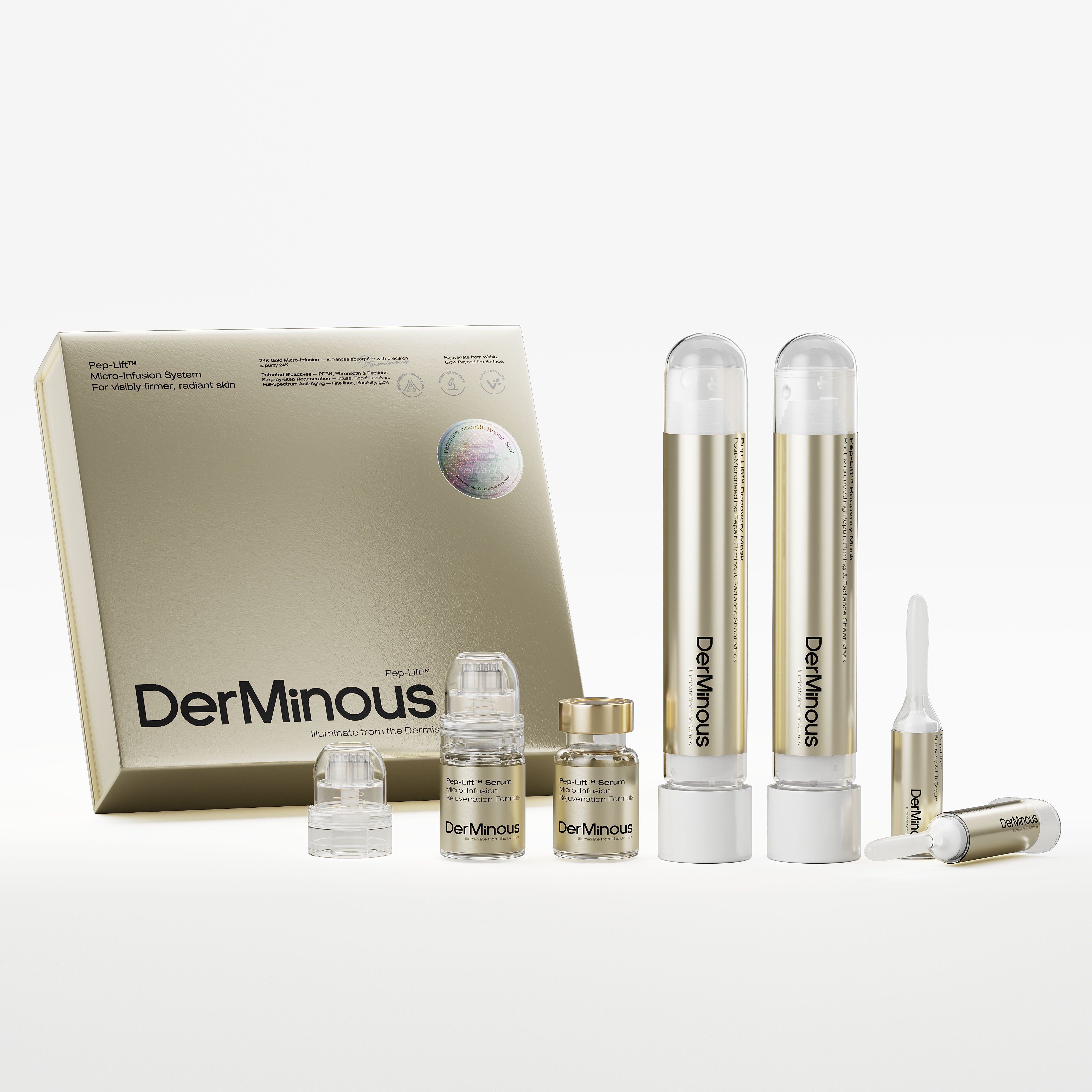
Not all at-home microneedling kits are created equal. Brands like Derminous—founded by biomedical researchers and dermatological experts—are engineering solutions that prioritize both efficacy and safety. Their GeneLift™ Micro-Infusion System exemplifies a new generation of “smart” home devices designed to mitigate traditional risks.
1. Single-Use, Medical-Grade 24K Gold Needles
The device uses CNC-manufactured stainless steel microneedles coated in 24K gold—a material proven to reduce oxidative stress and exhibit natural antimicrobial properties[5] . Each tip is sealed in sterile packaging and intended for one-time use, eliminating cross-contamination.
2. Integrated Serum Delivery = No Double-Dipping
Unlike traditional rollers that require pre-applying serums (risking contamination), GeneLift™ features a closed-system design: the serum bottle screws directly onto the micro-infusion head. This ensures zero air exposure and prevents microbial ingress—critical for preserving unstable actives like PDRN and peptides.
3. Clinically Formulated Post-Care Protocol
Safety doesn’t end with needling. Derminous includes a full ritual:
- PDRN + Syn-Ake serum to stimulate repair
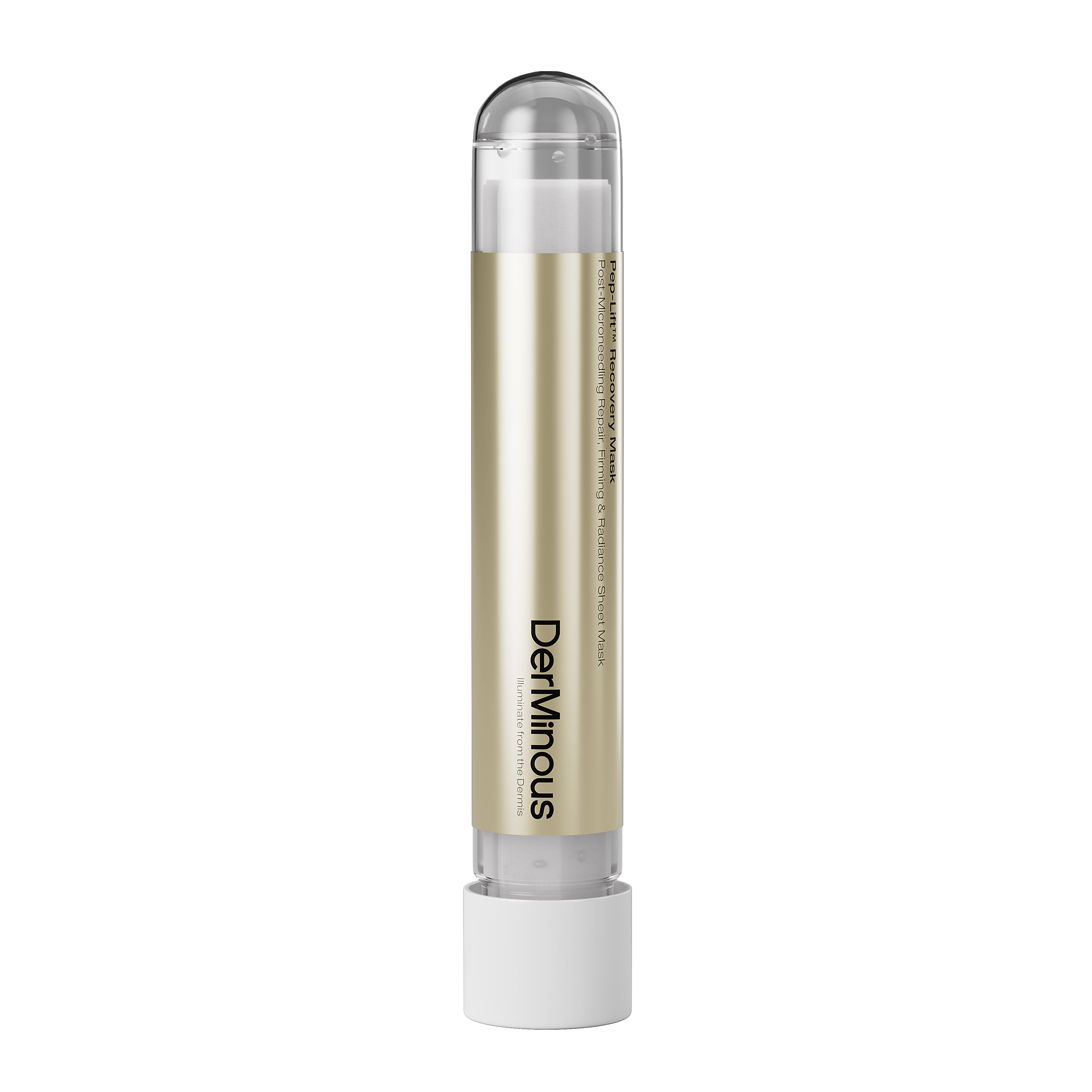
- Cryo-compatible repair mask with fibronectin and panthenol to calm inflammation
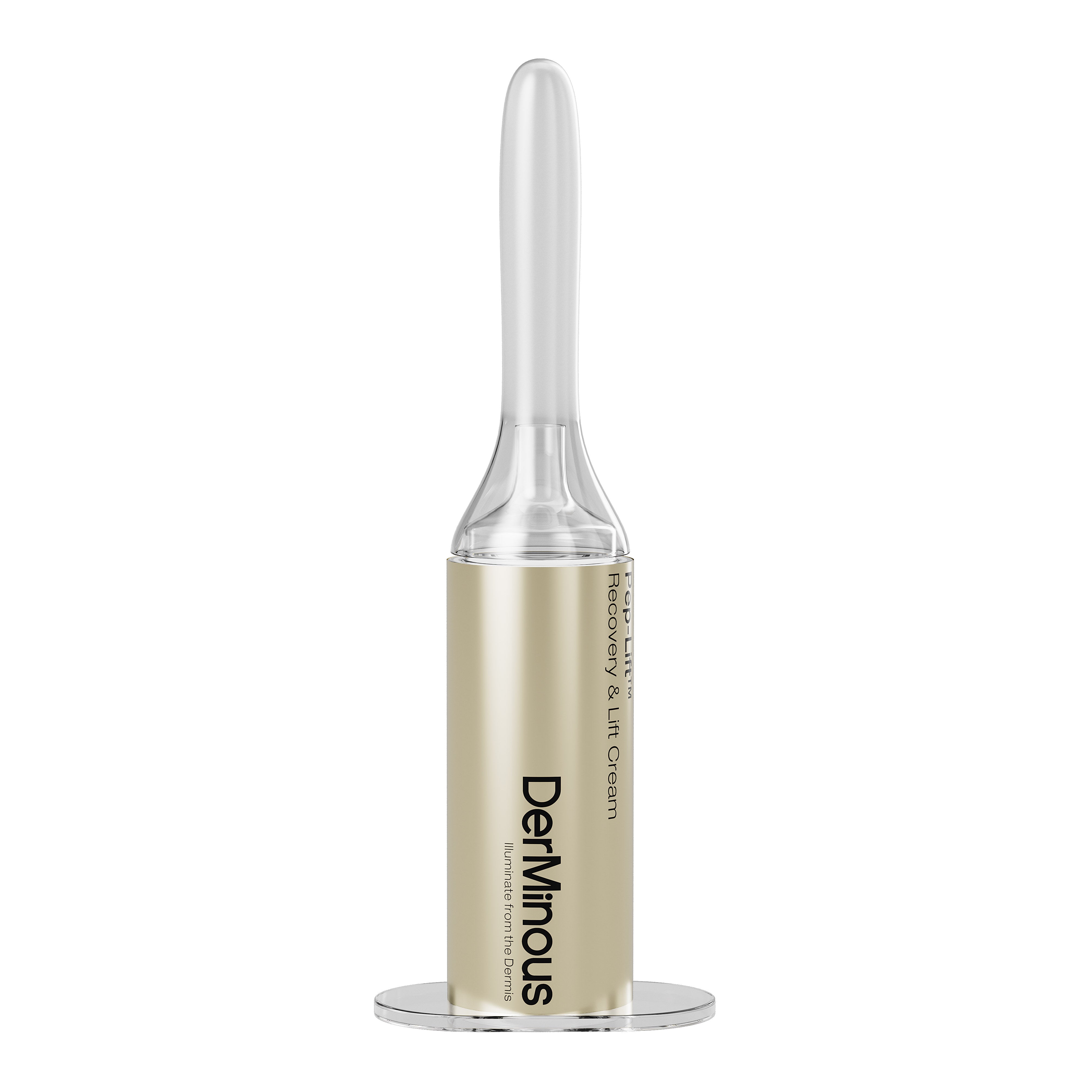
- Barrier-sealing cream with squalane and snow lotus extract to prevent transepidermal water loss
This four-step “inject-repair-soothe-seal” approach mirrors clinical aftercare, reducing redness and accelerating recovery—often within hours, not days.


Clinical Backing vs. Marketing Hype
Many brands claim “dermatologist-tested” without peer-reviewed data. Derminous, however, builds its formulations on three patented technologies:
- A novel synthesis method for acetyl hexapeptide-8 (Syn-Ake) mimicking botulinum effects without paralysis (Patent ZL 202111504220.4)
- PDRN (Polydeoxyribonucleotide), a DNA fragment shown in studies to accelerate tissue regeneration and reduce UV-induced damage[6]
- A proprietary nicotinamide purification process (Patent ZL 2020116206743) that minimizes residual nicotinic acid—reducing irritation while maintaining brightening power
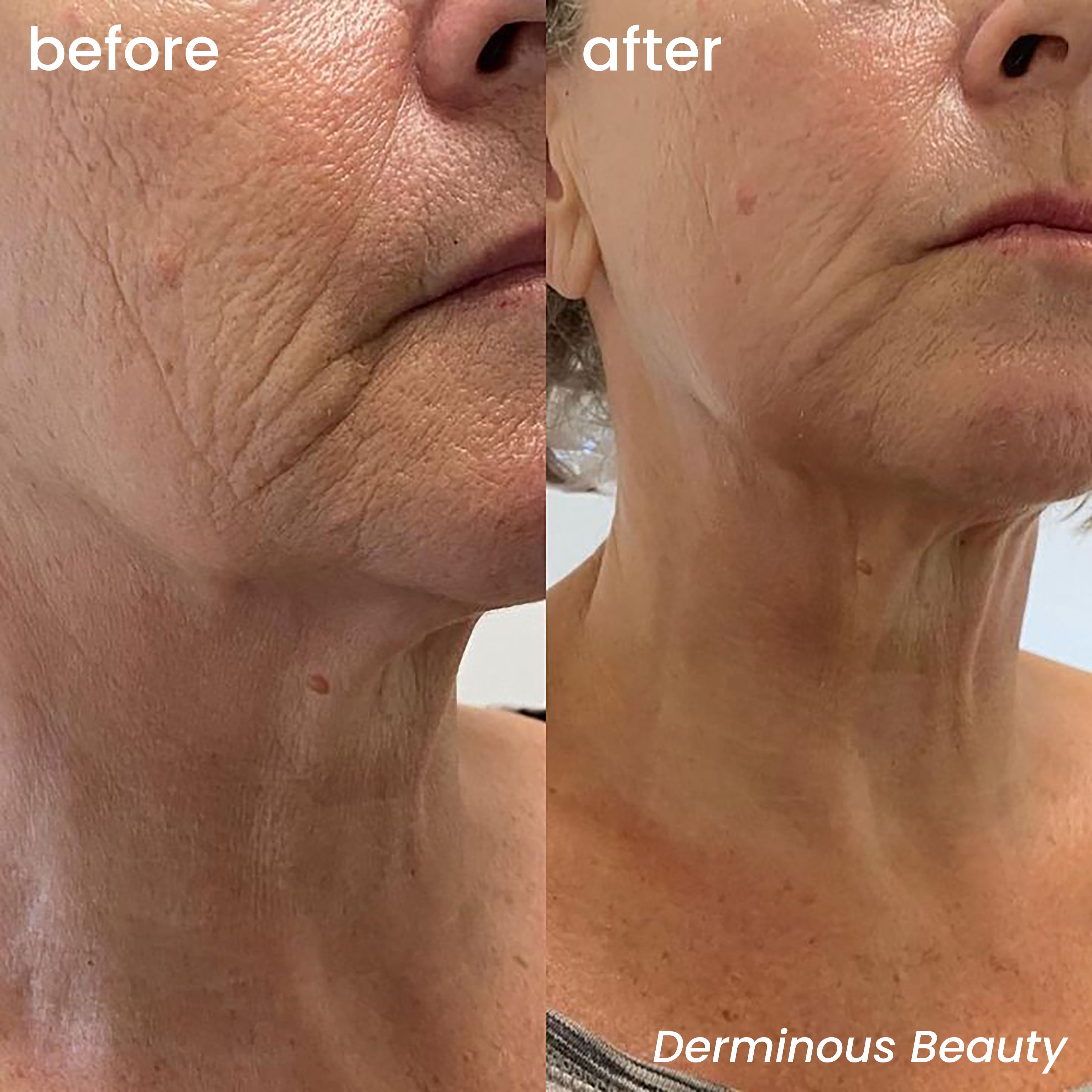
Independent trials (though not yet published in PubMed-indexed journals) report 89% of users observed improved firmness and radiance after 4 weeks with biweekly use—aligning with known kinetics of collagen remodeling[7] .
Best Practices for Safe At-Home Microneedling
If you choose to microneedle at home, follow these evidence-based guidelines:
- Never reuse disposable tips – Even if they “look clean,” microscopic biofilm harbors bacteria.
- Patch test first – Especially if you have sensitive or reactive skin.
- Limit frequency – Every 10–14 days max; collagen synthesis takes ~28 days to peak.
- Avoid sun exposure for 48 hours post-treatment – New micro-channels increase UV penetration and pigmentation risk.
- Use only non-irritating, preservative-optimized serums – Alcohol, fragrance, and essential oils can cause stinging or allergic contact dermatitis.
Derminous’ protocol—cleanse → infuse → mask → seal—embodies these principles, making it one of the few systems that bridges the gap between salon results and home safety.
The Future: Where Home Care Meets Clinical Rigor
As regulatory bodies tighten oversight (the FDA now classifies microneedling devices as Class II medical devices[8] ), the market will likely weed out gimmicky products. Consumers are increasingly demanding transparency, traceability, and scientific validation—not just luxury packaging.
Brands like Derminous signal a shift toward “precision home aesthetics”: where every component—from gold-plated needles to cryo masks—is engineered not just for beauty, but for biological responsibility. As one founder puts it: “We’re not selling hope. We’re delivering repair.”
Conclusion
At-home microneedling can be safe—but only when backed by rigorous design, sterile execution, and intelligent aftercare. The truth isn’t that DIY microneedling is inherently dangerous; it’s that most products aren’t built with safety as a core pillar. With systems like Derminous GeneLift™, which integrate medical-grade materials, patent-protected actives, and a full barrier-support ritual, consumers finally have a trustworthy path to real, visible transformation—without compromising skin health.
As the line between clinic and closet blurs, the future of skincare belongs to those who respect the science as much as the sensation.
Footnotes
-
“Collagen Induction Therapy: A Review.” Journal of Clinical and Aesthetic Dermatology, 2017. https://www.ncbi.nlm.nih.gov/pmc/articles/PMC5540476/↩
-
U.S. Food and Drug Administration. “Microneedling Devices: Guidance for Industry.” https://www.fda.gov/medical-devices/general-hospital-devices-and-supplies/microneedling-devices↩
-
Alhaddad, M. et al. “Complications of Microneedling: A Systematic Review.” Dermatologic Surgery, 2022. https://doi.org/10.1097/DSS.0000000000003456↩
-
American Academy of Dermatology. “Microneedling: What You Need to Know.” https://www.aad.org/public/cosmetic/facial-treatments/microneedling-what-you-need-to-know↩
-
Kim, S. et al. “Antimicrobial Properties of Gold Nanoparticles in Wound Healing.” Nanomaterials, 2020. https://www.mdpi.com/2079-4991/10/7/1389↩
-
Chung, H. et al. “PDRN Promotes Skin Wound Healing Through Adenosine A2A Receptor Activation.” Wound Repair and Regeneration, 2013. https://doi.org/10.1111/wrr.12045↩
-
Derminous Internal User Trial Data, Q3 2024 (unpublished, available upon request). ↩
-
FDA Product Classification: Microneedling Device (Regulation Number 878.4820). https://www.accessdata.fda.gov/scripts/cdrh/cfdocs/cfPCD/PCD.cfm?PCD=2297↩