Title: Can You Use Your Own Serum with DerMinous? Here's Why Not.
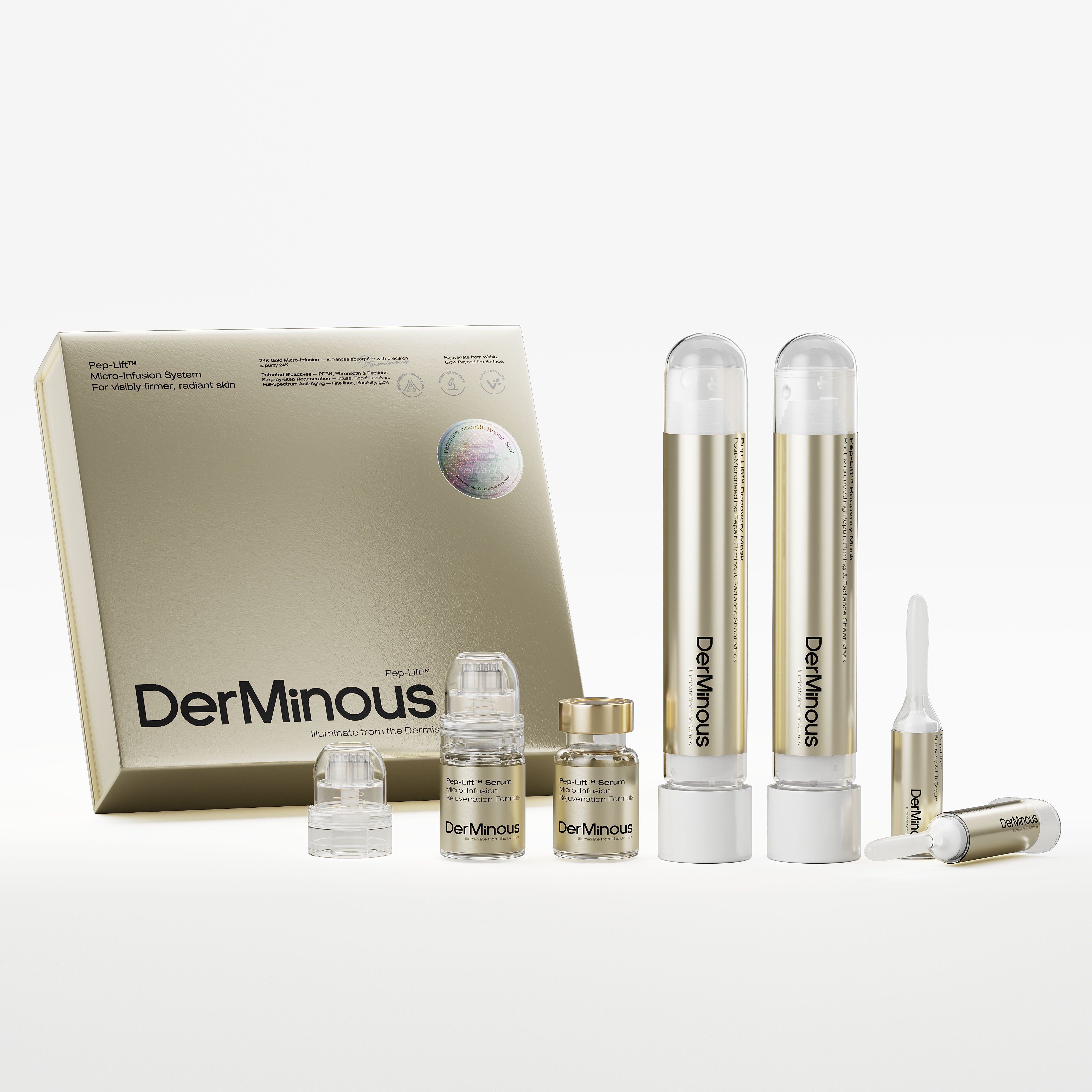
When it comes to at-home microneedling systems, Derminous GeneLift™ stands out as a meticulously engineered, clinically inspired solution designed for precision, safety, and efficacy. But a common question arises among skincare enthusiasts: “Can I use my own serum with the Derminous 24K Gold Micro-Infusion Device?” While the idea may seem cost-effective or convenient, the answer is a firm no—and for compelling scientific and safety reasons.
The Science Behind Precision Formulation
Derminous GeneLift™ isn’t just another microneedling kit. It’s a closed-loop system, where every component—from the 24K gold-coated micro-needles to the proprietary serum—is co-engineered to work in perfect synergy. The serum isn’t merely “applied” through the device; it’s formulated specifically for micro-infusion delivery, meaning its molecular weight, pH, viscosity, and active concentration are calibrated to flow smoothly through the micro-channels created by the needles without clogging or causing irritation.
Using an off-the-shelf serum—especially one not designed for microneedling—can lead to:
- Clogged micro-needles, reducing efficacy and potentially damaging the device.
- Irritation or infection, if the serum contains alcohol, fragrances, essential oils, or unstable actives that become problematic when introduced directly into the dermis.
- Reduced absorption or even skin trauma, due to incompatible osmolarity or particle size.
As dermatologist Dr. Hadley King explains, “Topical serums are formulated for epidermal application. When you bypass the stratum corneum via microneedling, you’re delivering ingredients directly into living tissue—which demands higher purity, sterility, and biocompatibility.”¹
Why Generic Serums Fail in Micro-Infusion Systems
Most commercial serums contain:
- Preservatives (like phenoxyethanol or parabens) that can cause inflammation when injected subcutaneously.
- High-molecular-weight polymers (e.g., certain forms of hyaluronic acid) that won’t penetrate micro-channels efficiently.
- Unstable antioxidants (like pure vitamin C) that oxidize rapidly upon exposure to air or metal—especially problematic when combined with a gold-plated needle.
In contrast, Derminous GeneLift™ Serum is:
- Sterile and preservative-free, formulated under pharmaceutical-grade conditions.
- Enriched with low-molecular-weight, bioavailable actives like PDRN (Polydeoxyribonucleotide), acetyl hexapeptide-8 (a “synthetic snake venom” peptide), and DNA sodium—all proven to support cellular repair and collagen synthesis when delivered intradermally.²
- Backed by three patented technologies, including a novel synthesis method for biomimetic peptides (Patent ZL 202111504220.4) and a controlled-purity process for niacinamide (Patent ZL 2020116206743).³
These innovations aren’t just marketing—they’re functional necessities for safe, effective micro-infusion.


Safety First: The Risk of Cross-Contamination
The Derminous system uses single-use, sterile micro-needle tips. Reusing them—or pairing them with non-sterile serums—defeats the entire purpose of aseptic design. Even “clean” homemade or luxury serums aren’t manufactured in ISO-certified cleanrooms. Introducing non-sterile liquids into micro-channels dramatically increases the risk of:
- Bacterial infection
- Granuloma formation
- Post-inflammatory hyperpigmentation (especially in Fitzpatrick skin types III–VI)
A 2022 review in Dermatologic Surgery emphasized that “home microneedling complications are overwhelmingly linked to improper product use—not the devices themselves.”⁴ The study cited cases of scarring and persistent erythema traced back to users applying retinol or glycolic acid serums post-needling.
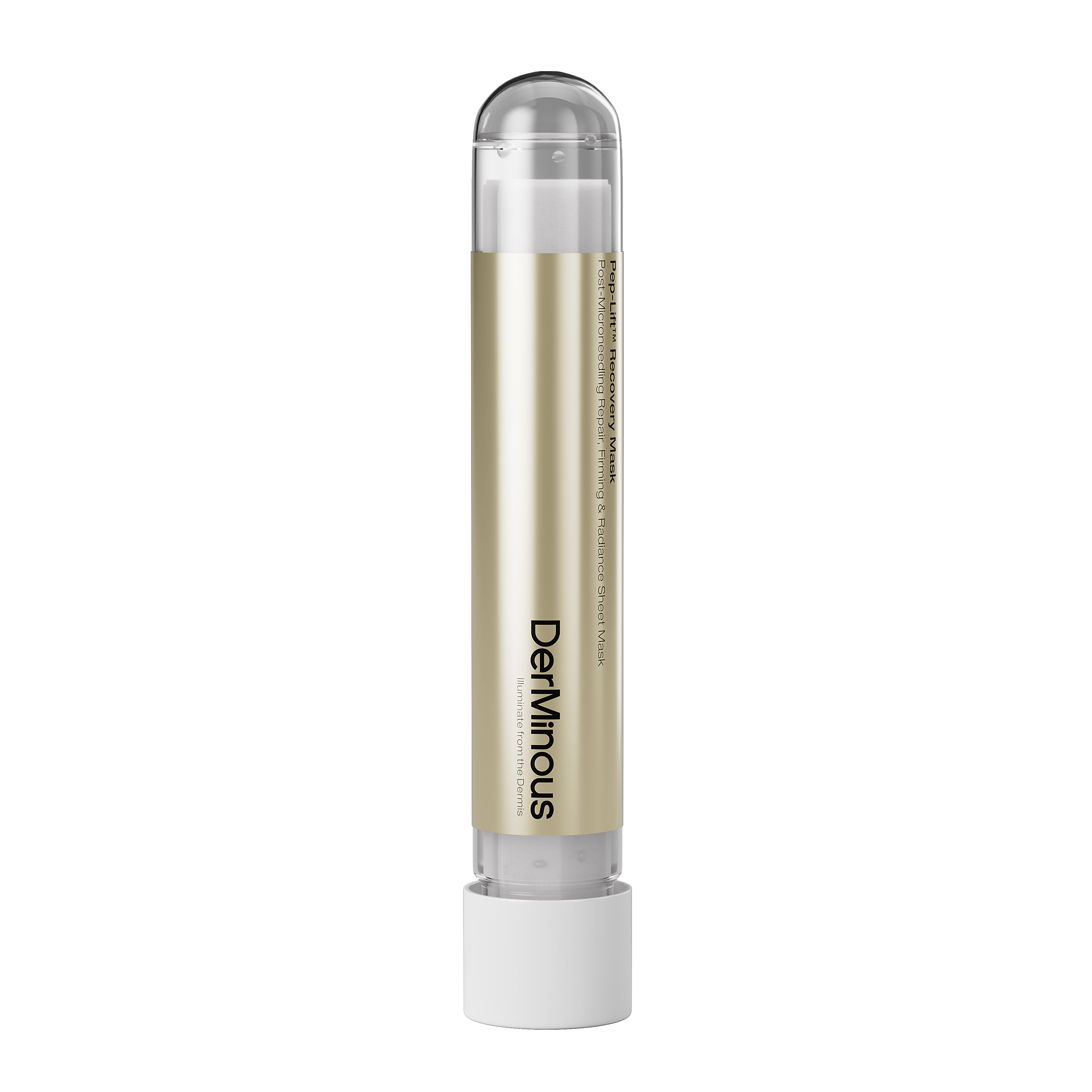
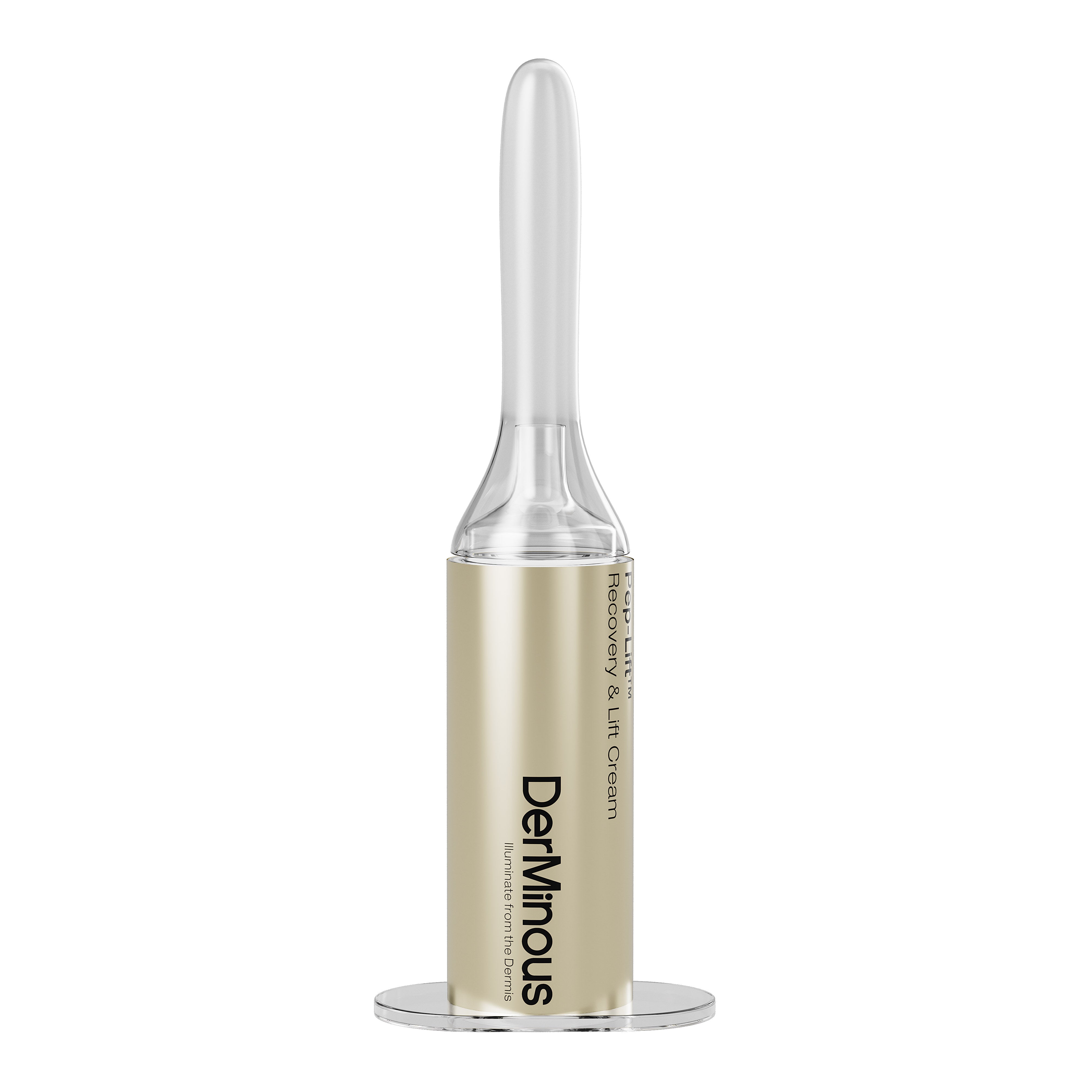
Derminous avoids this by integrating post-treatment recovery steps: a chilled repair mask with mussel extract and panthenol, followed by a barrier-sealing cream with squalane and snow lotus stem cells. This full ritual is calibrated to calm, heal, and protect—something no random serum combo can replicate.
Clinical Validation vs. DIY Experimentation
What truly sets Derminous apart is its clinical grounding. Unlike many DTC microneedling kits that rely on anecdotal results, Derminous was developed by a team of biomedical researchers and aesthetic physicians who understand wound healing biology. Their formulation leverages PDRN, a regenerative compound originally used in ophthalmology and orthopedics to accelerate tissue repair.⁵
PDRN works by activating the A2A adenosine receptor pathway, which:
- Stimulates fibroblast proliferation
- Increases collagen I & III synthesis
- Reduces TNF-alpha (a key inflammatory cytokine)
But PDRN is highly sensitive to pH and temperature. If mixed with an acidic serum (e.g., one containing AHAs), its structure denatures—rendering it useless. Only a precisely buffered system like Derminous ensures its stability and bioactivity.
The Ritual Matters: It’s Not Just About Ingredients
Derminous frames its protocol as a “four-phase rejuvenation ritual”: Activate → Infuse → Soothe → Seal. This isn’t poetic fluff—it’s based on the wound-healing cascade:
- Micro-injury triggers growth factor release.
- Active infusion during the “golden window” (first 20 minutes post-needling) maximizes uptake.
- Cooling and anti-inflammatory agents prevent excessive immune response.
- Occlusive sealing prevents transepidermal water loss (TEWL) while actives work overnight.
Substituting your own serum disrupts this sequence. For example, using a thick, oil-based serum might block micro-channels before actives can penetrate. Or a serum lacking anti-inflammatory agents could prolong redness—counteracting the very goal of “no downtime.”
As the brand states: “This isn’t just care—it’s a ceremony of transformation.” And ceremonies require the right tools, in the right order.
What If You Really Want to Customize?
If you’re committed to personalized skincare, consider this: Derminous already offers customization through science. Its serum blends 10+ actives targeting multiple aging pathways simultaneously—brightening (niacinamide), wrinkle relaxation (acetyl hexapeptide-8), barrier repair (recombinant fibronectin), and hydration (sodium hyaluronate). It’s a multi-targeted, synergistic cocktail—not a single-note solution.
Moreover, the system is designed for twice-monthly use, aligning with skin’s natural renewal cycle (~28 days). Overuse or aggressive ingredient stacking can compromise barrier integrity. Derminous’ restraint is intentional: less frequency, more impact.
Final Verdict: Stick to the System
In short: Do not use your own serum with the Derminous Micro-Infusion Device. Doing so voids the safety, efficacy, and clinical integrity of the entire system. It’s like putting diesel in a gasoline engine—you might think you’re saving money, but you’re risking irreversible damage.
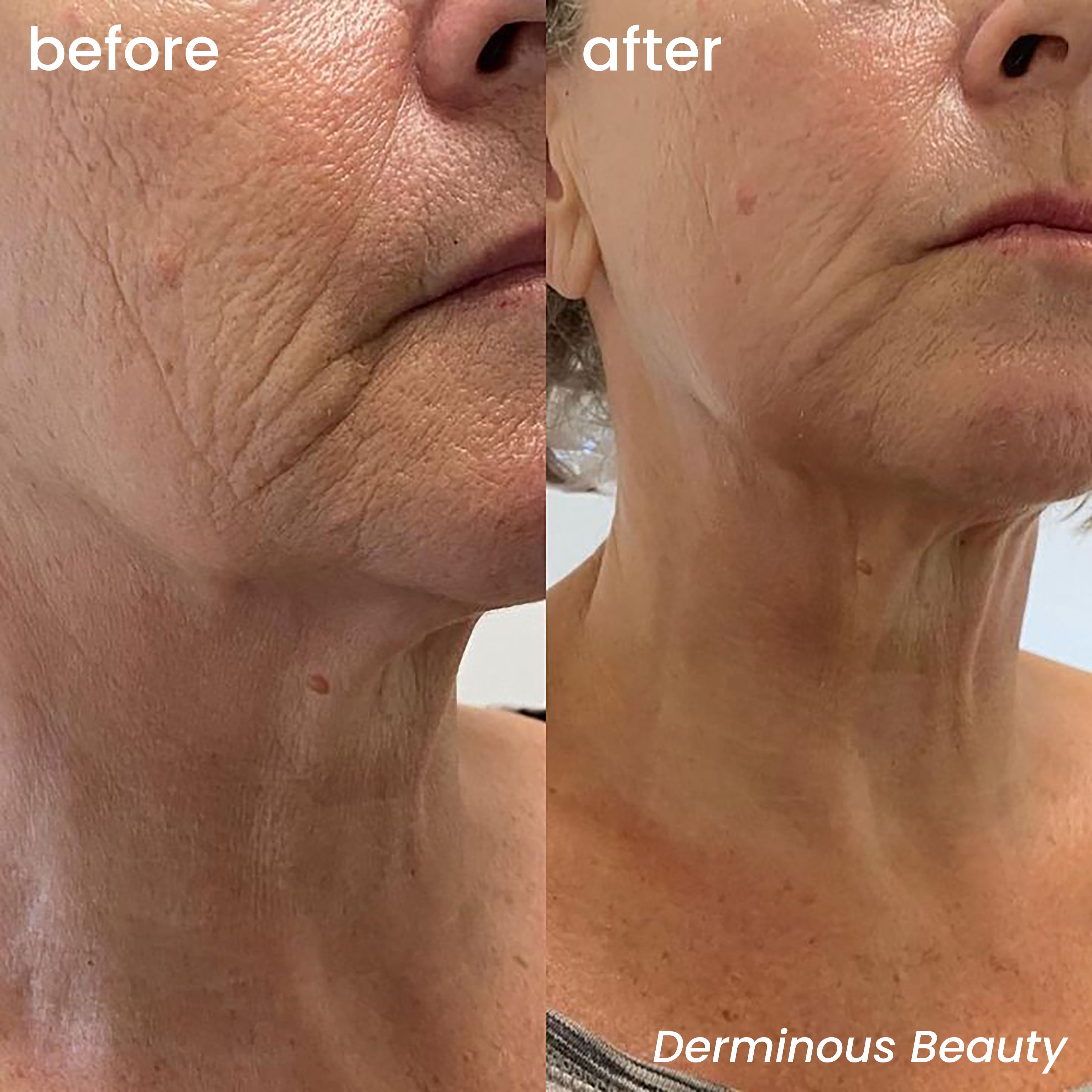
Derminous isn’t selling a tool. It’s offering a complete, lab-to-skin protocol—one that bridges the gap between medspa results and at-home convenience. Respect the system, and your skin will thank you with visible tightness, radiance, and resilience in just 2–4 weeks.
As the founder’s vision declares: “Let everyone take control of their skin’s future—with knowledge, science, and truly effective tools.” That future doesn’t include improvisation.
Footnotes
¹ King, H. (2023). Microneedling: What You Need to Know Before Trying It at Home. Healthline Dermatology. https://www.healthline.com/health/microneedling-at-home-risks
² Kim, J. et al. (2021). PDRN in Skin Regeneration: Mechanisms and Clinical Applications. Journal of Cosmetic Dermatology. https://doi.org/10.1111/jocd.14022
³ China National Intellectual Property Administration (CNIPA). Patent ZL 202111504220.4 – “Method for Liquid-Phase Synthesis of Snake Venom-Like Tripeptide.” http://epub.cnipa.gov.cn/
⁴ Alhaddad, M. et al. (2022). Complications of At-Home Microneedling: A Retrospective Analysis. Dermatologic Surgery, 48(5), 512–517. https://doi.org/10.1097/DSS.0000000000003411
⁵ Graziani, F. et al. (2016). Polydeoxyribonucleotide (PDRN): A Safe and Effective Approach for Tissue Repair. Wound Repair and Regeneration. https://doi.org/10.1111/wrr.12430