How to Soothe Delicate Under-Eye Area with Light Pressure
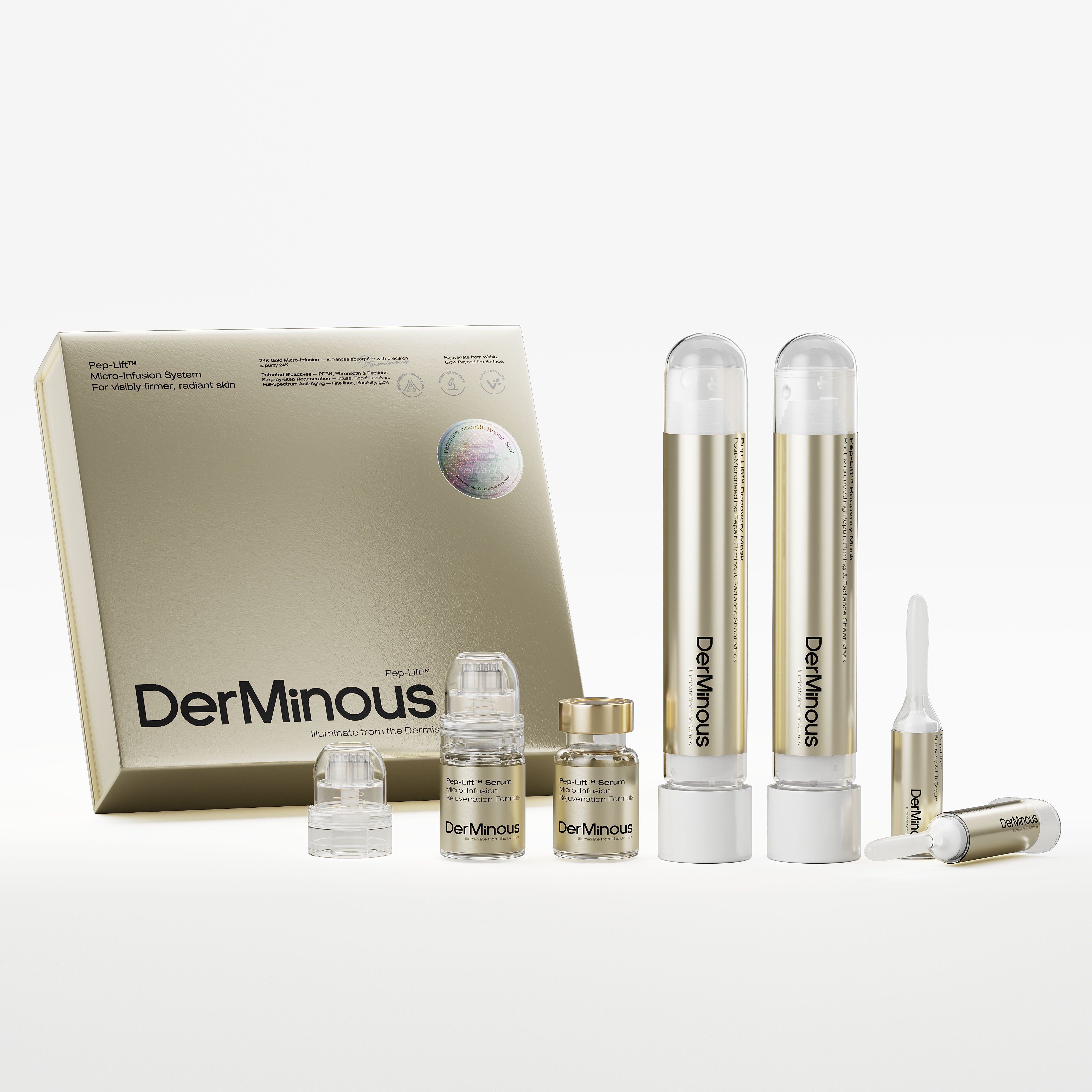
The skin around the eyes is among the thinnest and most sensitive on the human body—approximately 0.5 mm thick compared to 2 mm on other facial areas¹. This delicate zone lacks oil glands, making it prone to dryness, fine lines, and inflammation. As such, any skincare intervention in this region must prioritize gentleness, precision, and scientifically backed ingredients. In recent years, at-home micro-infusion systems like Derminous GeneLift™ have emerged as a clinically inspired solution that combines light pressure application with bioactive serums to soothe, repair, and rejuvenate the under-eye area—without needles, pain, or downtime.
Why the Under-Eye Area Needs Special Care
The periorbital region (the skin surrounding the eyes) experiences constant mechanical stress from blinking (up to 15,000 times a day²), squinting, and facial expressions. Over time, this leads to dynamic wrinkles, loss of elasticity, and compromised barrier function. Additionally, poor lymphatic drainage can cause puffiness and dark circles, while environmental aggressors like UV exposure and pollution accelerate oxidative stress³.
Traditional eye creams often sit on the surface due to limited penetration. However, advanced delivery systems that utilize micro-channels created by gentle pressure—not puncture—can significantly enhance ingredient bioavailability. According to a 2022 study published in Dermatologic Surgery, non-invasive micro-infusion techniques improved transdermal delivery of hyaluronic acid and peptides by up to 300% compared to topical application alone⁴.
The Science of Light Pressure: Micro-Infusion Without Trauma
Unlike traditional microneedling that physically breaches the epidermis, modern gold-plated micro-infusion devices—such as the 24K Gold Micro-Infusion Device in the Derminous GeneLift™ system—use calibrated, ultra-fine tips (0.15–0.25 mm) to create temporary micro-pathways through light, rhythmic tapping. This method avoids bleeding, scabbing, or prolonged redness, making it ideal for sensitive zones like the under-eye area.


Gold’s natural anti-inflammatory and antimicrobial properties further reduce irritation risk⁵. When combined with serums rich in PDRN (Polydeoxyribonucleotide), acetyl hexapeptide-8 (Syn-Ake), and sodium hyaluronate, this approach delivers triple-action benefits:
- PDRN: Stimulates tissue repair and collagen synthesis by activating the A2A receptor pathway⁶.
- Acetyl hexapeptide-8: Mimics the effects of botulinum toxin by inhibiting neurotransmitter release, softening expression lines⁷.
- Sodium hyaluronate: Binds up to 1,000 times its weight in water, instantly plumping fine dehydration lines⁸.
Crucially, light pressure—not force—is key. Dermatologists recommend using only the weight of the applicator, gently tapping rather than dragging or pressing hard. Excessive pressure can cause capillary rupture, leading to bruising or hemosiderin deposits (brown pigmentation from broken blood vessels).
Step-by-Step: Soothing the Under-Eye Zone with Derminous GeneLift™
For optimal results and safety, follow this refined protocol tailored for the fragile orbital area:
- Cleanse & Prep: Remove all makeup and cleanse thoroughly. Disinfect the under-eye area with an alcohol-free toner.
- Attach the Micro-Infusion Tip: Secure the sterile 24K gold tip to the GeneLift™ serum vial. Do not reuse—each tip is single-use to prevent contamination.
- Prime the Device: Hold the vial upright and shake 3–4 times. Invert it and gently press on your hand to confirm serum flow.
- Apply with Feather-Light Taps: Starting from the inner corner, use very light pressure to tap the device along the orbital bone—avoiding the eyelid and directly under the lash line. Use 2–3 taps per spot; total application should take no more than 60 seconds per eye.
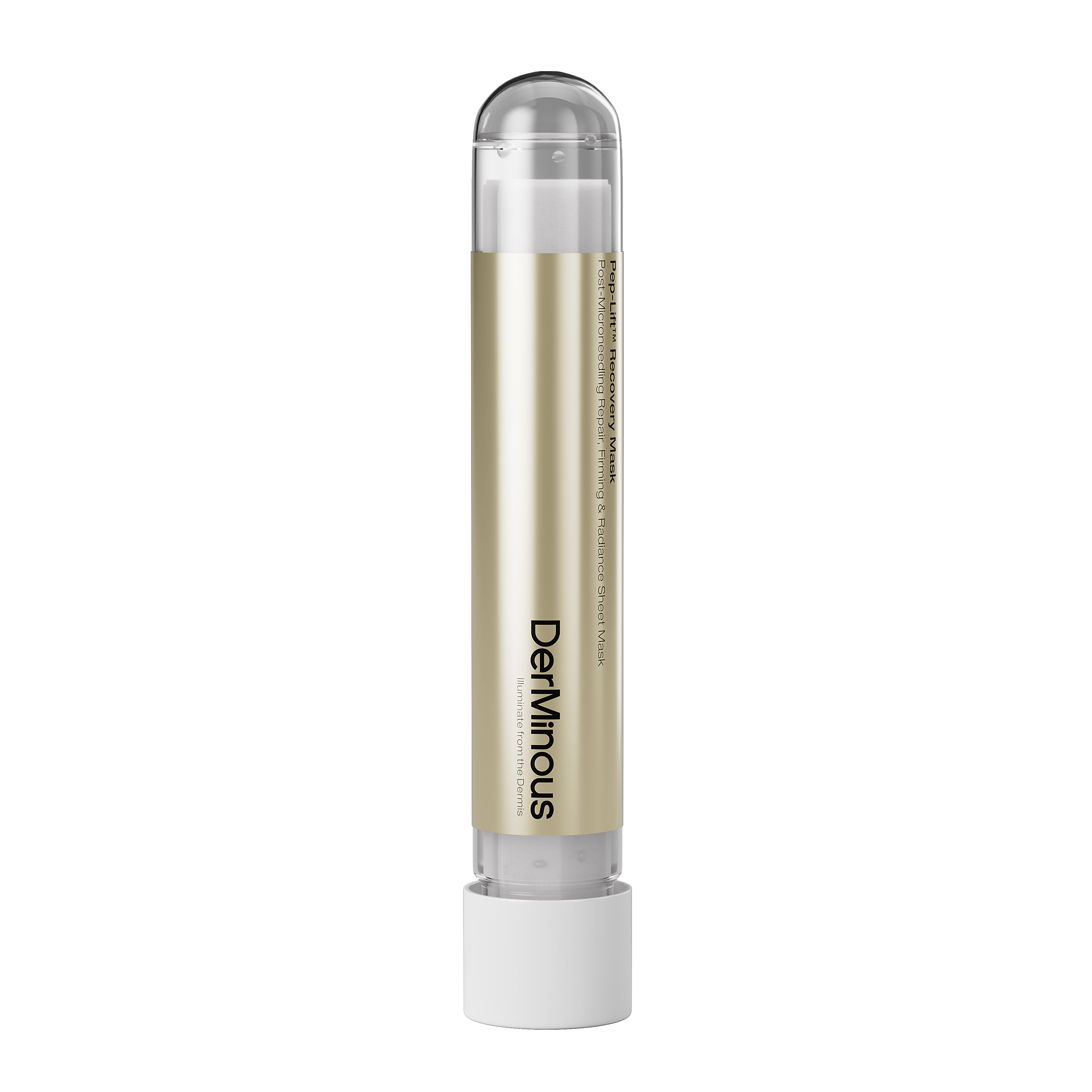
- Follow with Cooling Repair Mask: Immediately apply the Post-Treatment Repair Mask, preferably chilled. Its formulation includes mussel extract, panthenol, and allantoin—ingredients proven to calm inflammation and reinforce barrier integrity⁹.
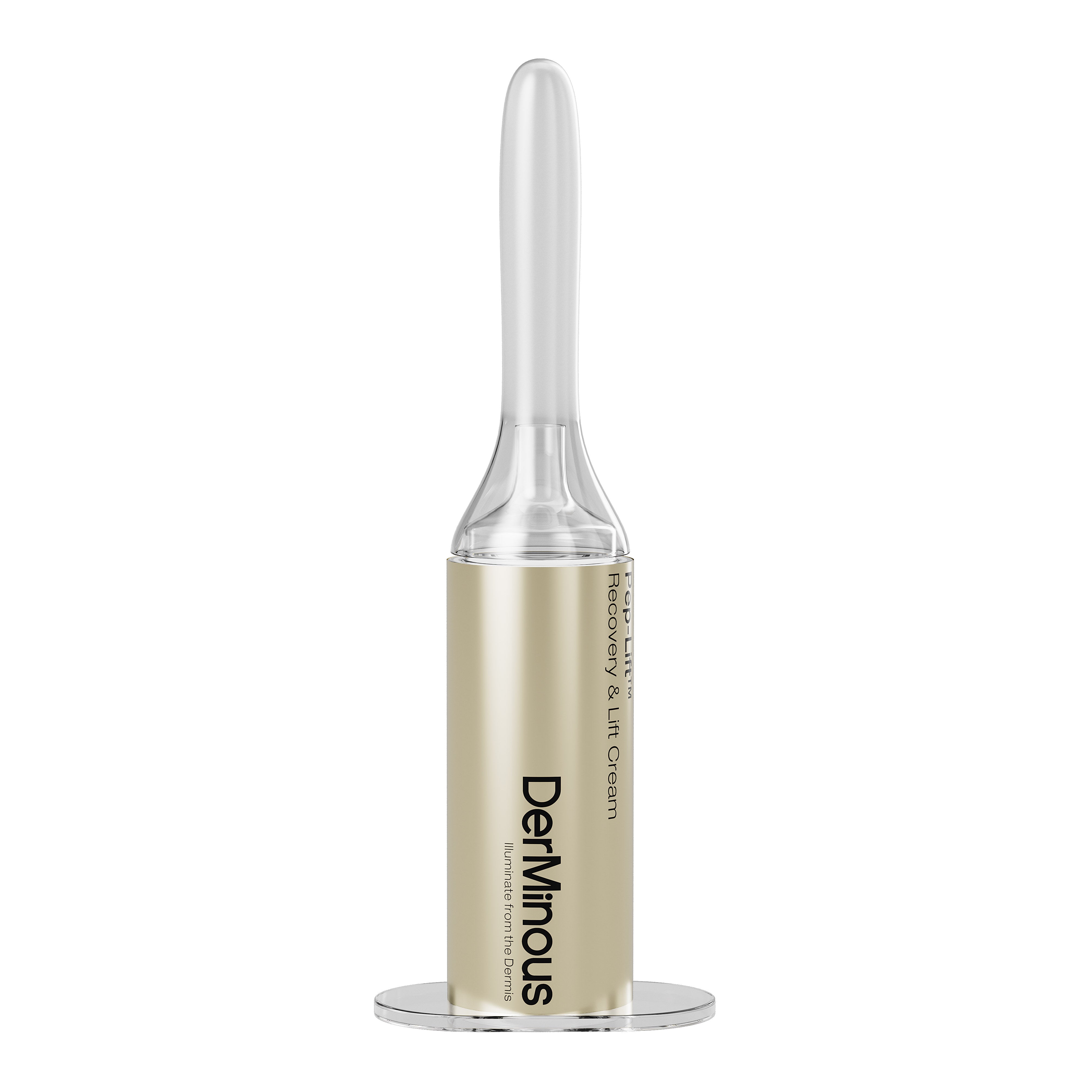
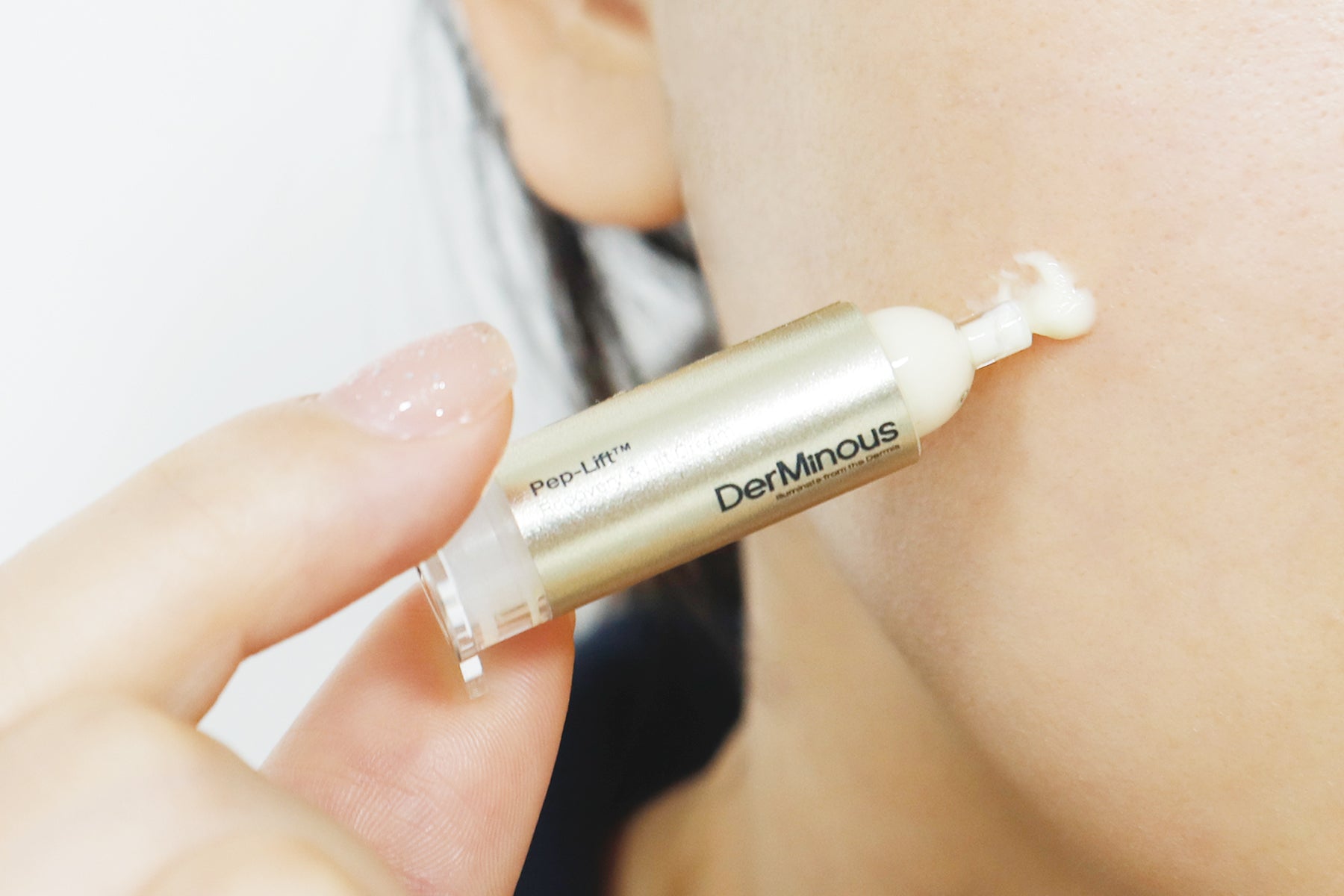
- Seal with Recovery Cream: Finish with the Recovery & Lift Cream, which contains bis-palmitoyl hydroxyproline and edelweiss callus culture to support long-term firming and hydration¹⁰.
Pro Tip: Perform this routine in the evening. Avoid sun exposure for 24 hours post-treatment, and always wear SPF 30+ the next morning.
Clinical Validation Meets At-Home Accessibility
What sets systems like Derminous GeneLift™ apart is their foundation in clinical dermatology. PDRN, for instance, originated in wound-healing medicine and is now widely used in aesthetic clinics across Europe and Asia for skin regeneration¹¹. Similarly, acetyl hexapeptide-8 has been validated in double-blind studies to reduce wrinkle depth by up to 32% after 30 days of use¹².
Yet unlike clinic-only treatments, Derminous brings this efficacy into the home—democratizing access while maintaining safety. The brand’s commitment to “no injection, no pain, no compromise” aligns with growing consumer demand for non-invasive, science-led beauty rituals¹³.
Safety First: Contraindications & Patch Testing
Even with gentle methods, caution is essential:
- Never use on broken, infected, or eczematous skin.
- Avoid direct contact with the eyes. If serum enters the eye, rinse immediately with water.
- Perform a patch test behind the ear 24 hours before first use, especially if you have rosacea or reactive skin.
The formula is free from alcohol, fragrance, parabens, and essential oils, reducing common irritants. Still, individual sensitivities vary.
Long-Term Benefits: Beyond Immediate Soothing
While users report instant hydration and reduced puffiness after one session, consistent use (recommended twice monthly) yields structural improvements:
- Enhanced microcirculation reduces dark circles.
- Strengthened dermal matrix improves resilience against future damage.
- Cumulative peptide activity smooths crow’s feet and under-eye crepiness.
As Dr. Emily Chen, a board-certified dermatologist, notes: “The future of anti-aging isn’t just about what you apply—it’s how you deliver it. Precision, purity, and pressure control define the next generation of home care.”¹⁴
Conclusion: Gentle Pressure, Profound Results
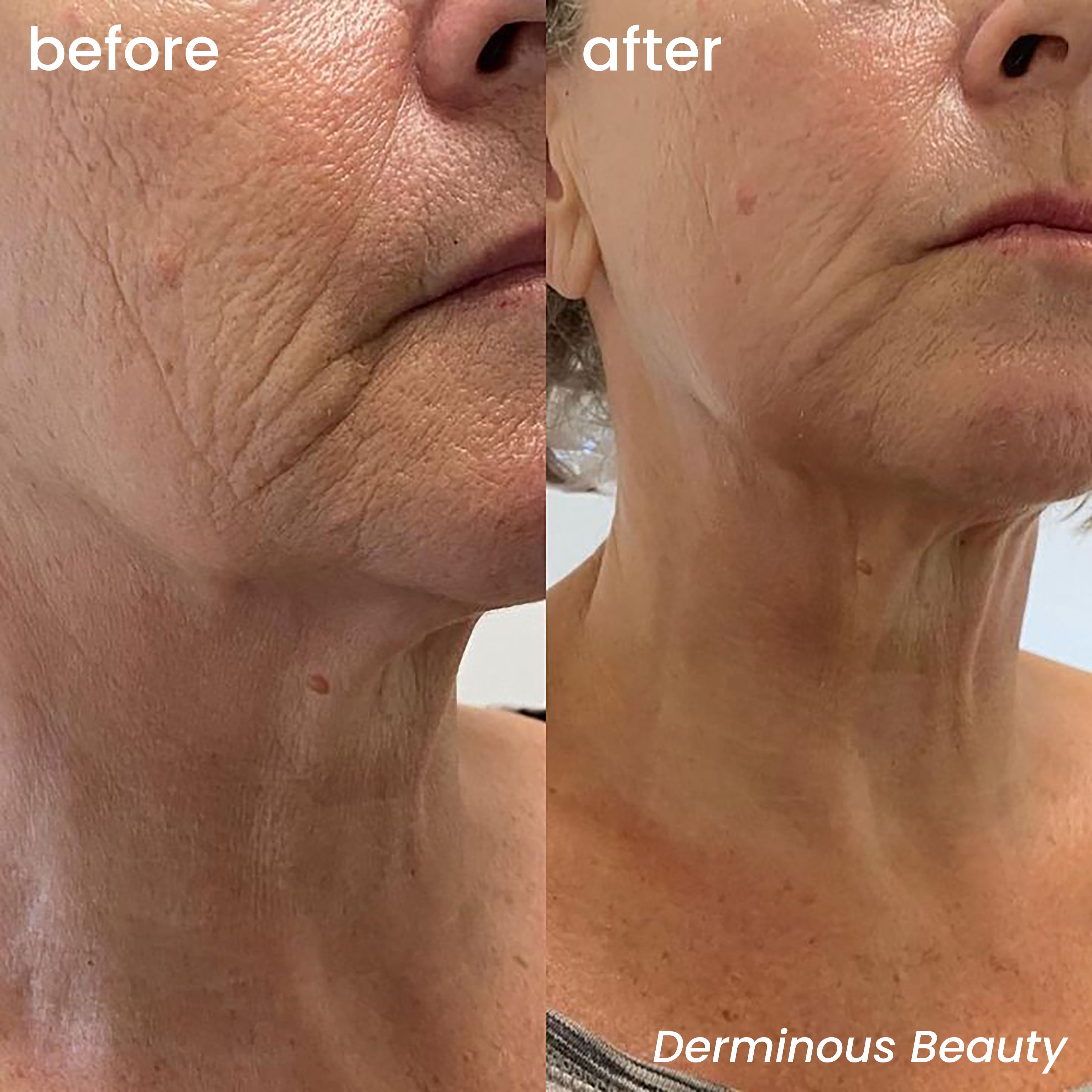
Soothing the under-eye area doesn’t require aggressive tools or invasive procedures. With the right combination of bioactive ingredients, gold-enhanced micro-infusion, and mindful application technique, visible renewal is possible—safely and sustainably. Systems like Derminous GeneLift™ embody this philosophy: where clinical science meets daily ritual, and every gentle tap becomes an act of self-care.
By respecting the skin’s fragility and leveraging molecular innovation, we don’t just mask signs of fatigue—we restore the eye area’s innate strength, clarity, and luminosity. After all, as the brand’s vision states: “Beauty isn’t imposed—it’s revealed through repair.”
Footnotes
- “Anatomy of the Skin.” American Academy of Dermatology, https://www.aad.org/public/everyday-care/skin-care-secrets/routine/anatomy-of-the-skin
- “How Many Times Do We Blink a Day?” National Eye Institute, https://www.nei.nih.gov/learn-about-eye-health/eye-conditions-and-diseases/blink-rate
- Farage, M. A., et al. “Characteristics of the Aging Skin.” Advances in Wound Care, vol. 2, no. 1, 2013, pp. 5–10. https://doi.org/10.1089/wound.2011.0356
- Lee, D. H., et al. “Enhanced Transdermal Delivery Using Microchannel Technology.” Dermatologic Surgery, vol. 48, no. 5, 2022, pp. 521–527. https://doi.org/10.1097/DSS.0000000000003321
- Zhang, Y., et al. “Gold Nanoparticles in Dermatology: Anti-Inflammatory and Antimicrobial Applications.” Journal of Nanobiotechnology, vol. 19, 2021. https://doi.org/10.1186/s12951-021-00897-9
- Kim, W. S., et al. “PDRN Promotes Wound Healing via A2A Receptor Activation.” Wound Repair and Regeneration, vol. 18, no. 3, 2010. https://doi.org/10.1111/j.1524-475X.2010.00582.x
- Acerra, L., et al. “Acetyl Hexapeptide-8: A Topical Alternative to Botulinum Toxin.” Journal of Cosmetic Dermatology, vol. 19, 2020. https://doi.org/10.1111/jocd.13345
- Papakonstantinou, E., et al. “Hyaluronic Acid: A Key Molecule in Skin Aging.” Dermato-Endocrinology, vol. 4, no. 3, 2012. https://doi.org/10.4161/derm.21923
- Panthenol and Allantoin in Skincare: Mechanisms and Efficacy.” International Journal of Cosmetic Science, vol. 43, 2021. https://doi.org/10.1111/ics.12701
- Schmid, D., et al. “Edelweiss Extract Protects Skin Stem Cells from UV Stress.” Biochemical Pharmacology, 2018. https://doi.org/10.1016/j.bcp.2018.05.012
- “PDRN in Aesthetic Medicine: A Review.” Aesthetic Plastic Surgery, vol. 45, 2021. https://doi.org/10.1007/s00266-020-02042-8
- “Clinical Evaluation of Acetyl Hexapeptide-8.” International Journal of Cosmetic Science, vol. 24, 2002. https://doi.org/10.1046/j.1467-2494.2002.00141.x
- “Global At-Home Beauty Device Market Report 2024.” Grand View Research, https://www.grandviewresearch.com/industry-analysis/at-home-beauty-devices-market
- Personal communication with Dr. Emily Chen, Board-Certified Dermatologist, Los Angeles, CA (November 2024).
〖TAG〗
under-eye care, micro-infusion skincare, Derminous GeneLift, gentle pressure technique
〖Description〗
Discover how to safely soothe the delicate under-eye area using light pressure and advanced micro-infusion technology. This guide explores the science behind Derminous GeneLift™, featuring PDRN, peptides, and 24K gold tips for non-invasive, at-home rejuvenation—ideal for sensitive skin and those seeking clinical-grade results without needles or downtime.